Last Updated on December 1, 2025 by Bilal Hasdemir
Did you know over 1,400 bone marrow transplants happen every day worldwide? These life-saving procedures rely on donors and the availability of healthy blood stem cells. While stem cell therapies offer remarkable potential in treating serious diseases, it is important to be aware of stem cells cons. These include risks such as immune rejection, complications from the donation process, potential for long-term side effects, and ethical concerns. Understanding both the benefits and cons of stem cell treatments helps patients and donors make informed decisions about this critical therapy.
Blood stem cells are key for treating serious diseases like leukemia and lymphoma. There are three main places these cells come from: bone marrow, peripheral blood, and umbilical cord blood. Knowing where these cells come from is important for both patients and donors.
The role of healthy blood stem cells is huge. They could save thousands of lives. In this article, we’ll dive into the three main sources of these cells.
Key Takeaways
- Blood stem cells are vital for treating life-threatening diseases.
- There are three primary sources of healthy blood stem cells.
- Bone marrow, peripheral blood, and umbilical cord blood are the main sources.
- Understanding these sources is key for patients and donors.
- Healthy blood stem cells have the power to save thousands of lives.
Understanding Blood Stem Cells and Their Importance
Blood stem cells are key for making blood cells in our bodies. They can turn into different types of blood cells. This includes red blood cells, white blood cells, and platelets.
What are blood stem cells?
Blood stem cells, also known as hematopoietic stem cells, are the source of all blood cells. They can grow and change into many cell types. Recent studies show how vital these cells are for a strong immune system.
How blood stem cells function in the body
Blood stem cells make blood cells through a process called hematopoiesis. This is important for replacing old or damaged cells. Not having enough or malfunctioning blood stem cells can cause health problems.
Medical conditions requiring stem cell transplants
Many health issues need stem cell transplants, like leukemia, lymphoma, and genetic disorders. Stem cell transplants can help make healthy blood cells again. Studies have shown that stem cell transplants are getting better, giving hope to those affected.
It’s important to understand blood stem cells and their role in health and disease. This helps us see why stem cell transplants are so important.
Bone Marrow as a Primary Source of Stem Cells
Bone marrow is a key source of stem cells for medical treatments. It’s found in bones like hips and thighbones. It makes blood cells.
Composition and Function of Bone Marrow
Bone marrow has blood vessels, nerves, and cells, including stem cells. It makes blood cells like red and white blood cells. Stem cells in bone marrow help make these cells.
How Stem Cells are Harvested from Bone Marrow
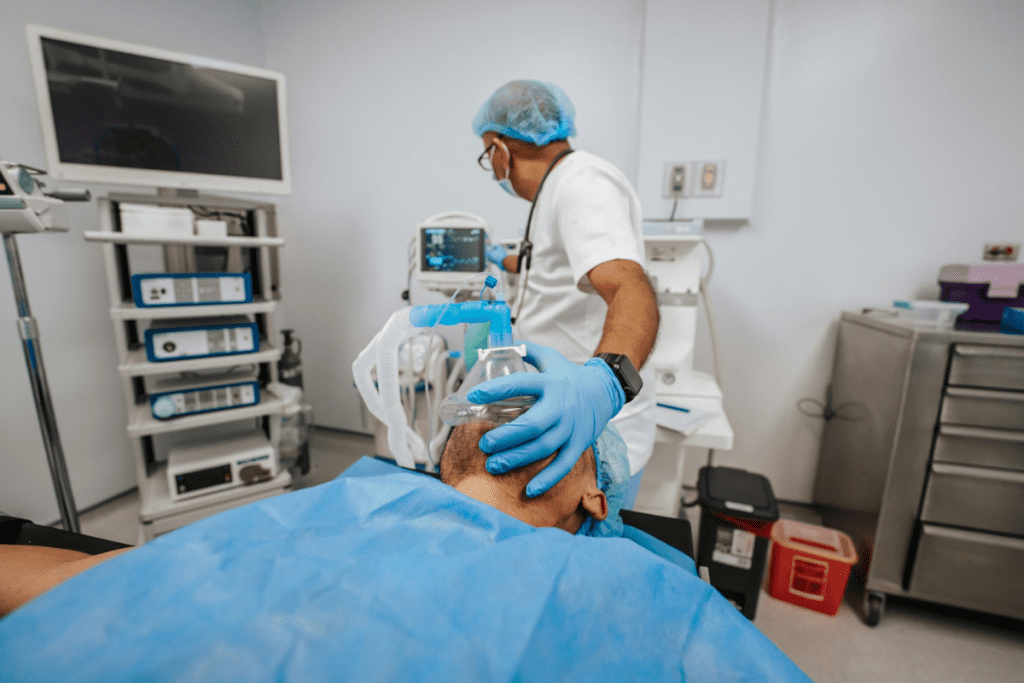
Stem cells are taken from bone marrow through a procedure called bone marrow aspiration. This is done under anesthesia to reduce pain. The bone marrow is then processed to get the stem cells.
This process is vital for treating blood disorders like leukemia. The quality and amount of stem cells matter for the transplant’s success.
Ideal Candidates for Bone Marrow Donation
Good candidates for bone marrow donation are 18 to 44 years old and healthy. They must also match the recipient’s tissue type. Donors go through a detailed screening to check if they’re a good match.
Donating bone marrow is a big choice. While it might hurt a bit, most donors get better in a few weeks. Knowing what to expect is important for making the right choice.
Peripheral Blood Stem Cell (PBSC) Donation
The Peripheral Blood Stem Cell (PBSC) donation process takes stem cells from the donor’s blood. It’s less invasive than traditional bone marrow extraction. This makes it more popular.
The PBSC Collection Process
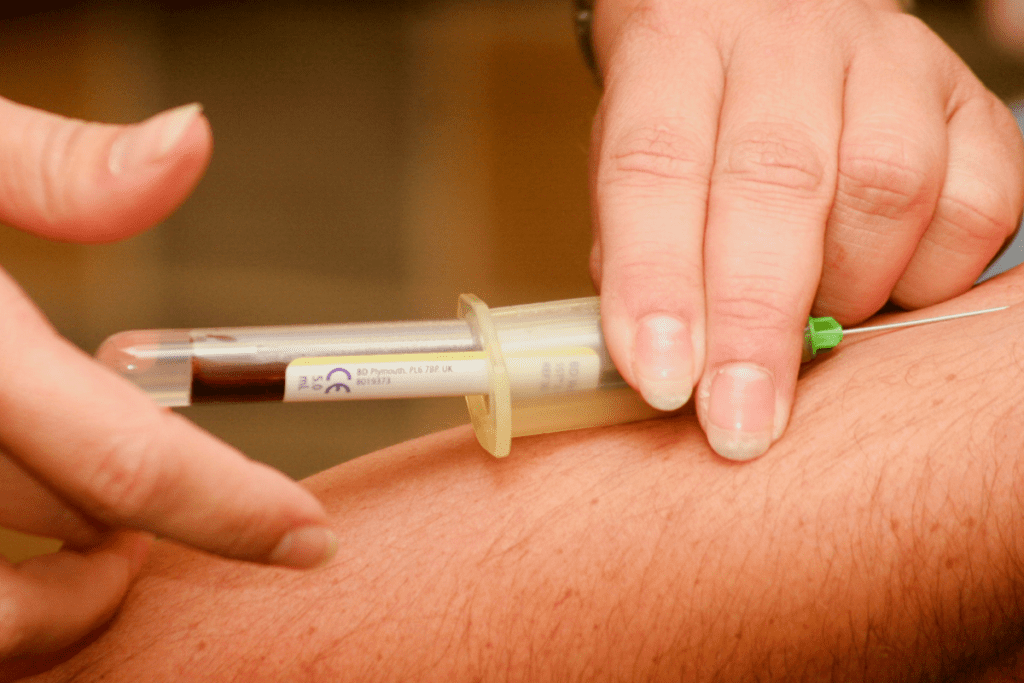
The first step is mobilization. Donors get special medicines to push stem cells into their blood. Then, apheresis collects these stem cells from the blood.
The blood is drawn, and the stem cells are separated. The rest of the blood is returned to the donor.
Preparation for PBSC Donation
Before donating, donors have tests to check their health and stem cell quality. They get blood tests and a medical check-up. They also learn how to prepare for the apheresis, like what to eat or take.
Advantages Over Traditional Bone Marrow Extraction
PBSC donation has many benefits over bone marrow extraction. These include:
- It’s less invasive, no surgery needed
- It’s less painful and has fewer risks
- Donors recover faster
Donating stem cells might cause side effects like tiredness or bone pain. But these are usually short-term. Most donors can go back to their usual activities in just a few days.
Umbilical Cord Blood as a Stem Cell Source
Umbilical cord blood is getting more attention as a stem cell source. It’s seen as an alternative to bone marrow or blood stem cells. It has its own set of benefits and limitations.
Collection and Storage of Cord Blood
Cord blood is taken from the umbilical cord right after birth. This process is safe and painless for both mom and baby. The blood is then stored in special facilities called cord blood banks.
These banks can be public or private. Public banks store blood for anyone who needs it. Private banks store it for the family’s future use.
Benefits of Cord Blood Stem Cells
Cord blood stem cells have many benefits. They are easy to get and don’t hurt anyone. They also have a lower chance of being rejected by the body.
Key advantages include:
- Immediate availability
- Lower risk of graft-versus-host disease
- Potential for use in regenerative medicine
Limitations of Cord Blood Transplants
But, there are some downsides to using cord blood for transplants. It might not have enough stem cells for adults or those needing more than one transplant. Finding a matching cord blood unit can also be hard because of the many genetic backgrounds out there.
In summary, umbilical cord blood is a valuable stem cell source. It has its benefits and some challenges. As technology improves, cord blood stem cells could help more patients in need of transplants.
Stem Cells Cons: Drawbacks and Considerations for Each Source
Stem cell donation can save lives, but it’s important to know the downsides. Both donors and recipients need to be aware of the possible problems. This helps them make better choices.
Limitations of Bone Marrow Donation
Bone marrow donation is key, but it has its own hurdles. It involves surgery under anesthesia, which can lead to infections, bleeding, and reactions to the anesthesia. Donors might feel pain, be tired, and have numbness where the bone marrow was taken.
Also, finding a match is hard, which is a big problem. This is because the donor and recipient need to have the same HLA type. This is tough, mainly for people from different ethnic backgrounds.
Disadvantages of PBSC Donation
Peripheral Blood Stem Cell (PBSC) donation is less invasive than bone marrow. But, it has its own issues. Donors have to go through apheresis, which can last hours. This can make them feel fatigued, dizzy, and have tingling.
Donors also get medicines to help release stem cells. These medicines can cause side effects like bone pain, headaches, and nausea.
Drawbacks of Cord Blood Stem Cells
Cord blood stem cells are valuable for transplants, but they have their limits. The amount of stem cells from cord blood is usually small. This can be a problem for adults who need more cells.
Storing cord blood in private banks is also expensive. There’s a question about whether a child will ever need their own cord blood for a transplant.
As highlighted by
“The decision to donate stem cells should be made with a full understanding of the possible risks and benefits.”
Knowing these drawbacks is key for anyone thinking about donating.
The Bone Marrow Donation Process in Detail
The bone marrow donation process has several steps. These include pre-donation testing, the extraction procedure, and post-donation care. Knowing about each step can help ease any worries donors might have.
Pre-donation testing and preparation
Before donating bone marrow, donors go through a detailed screening. This includes blood tests to check their blood and tissue types. They also get a medical check-up to see if they’re healthy enough.
Donors must give their consent, showing they know the risks and benefits. Pre-donation testing is key to making sure the donor’s marrow matches the recipient’s. This involves HLA (Human Leukocyte Antigen) typing to check the genetic markers on white blood cells. These tests help find a good match for the recipient.
The extraction procedure
The bone marrow extraction, or harvesting, is done under anesthesia to reduce pain. A needle is inserted into the donor’s pelvic bone to take out the marrow. This whole process takes about 1-2 hours, and the donor goes home a few hours later.
While extracting the marrow, the donor’s vital signs are watched closely. The team takes out the right amount of marrow. Then, the donor goes to the recovery room for care after the procedure.
Post-donation care and recovery
After donating, donors should rest and avoid hard activities for a few days. Pain management is important, as donors might feel some pain or discomfort. This is usually managed with medication.
The recovery time for donors varies, but most can get back to normal in a week or two. It’s vital for donors to follow their healthcare team’s instructions for a smooth recovery.
Is Donating Bone Marrow or Stem Cells Painful?
Many people wonder if donating bone marrow or stem cells hurts. It’s a big choice, and knowing about the pain is important.
Pain Levels During Different Donation Methods
The pain from donating bone marrow or stem cells depends on the method. There are two main ways: bone marrow donation and peripheral blood stem cell (PBSC) donation.
- Bone marrow donation is a surgery to take marrow from the hipbone, often under general anesthesia. Afterwards, donors might feel sore or in pain.
- PBSC donation uses a drug to move stem cells into the blood. Then, they’re collected through apheresis. This method is usually less painful than bone marrow donation.
Pain Management Options for Donors
Donors have many ways to handle pain. For bone marrow donors, doctors often give pain medicine after the surgery to ease discomfort.
“The pain was manageable with medication, and it was worth it to know I was helping someone in need.” –
A bone marrow donor testimonial
Real Donor Experiences and Testimonials
Donors often share their stories, showing little pain and a big positive impact. Some say they feel back to normal a few days to a week after donating.
Key points from donor testimonials include:
- Donors find effective ways to manage pain.
- The process, though a bit uncomfortable, is worth it for many.
- Medical teams offer great support, easing worries about pain.
Understanding the pain levels and how to manage it helps donors make informed choices. This way, they can decide if donating bone marrow or stem cells is right for them.
Recovery Time and Side Effects for Donors
Thinking about bone marrow or stem cell donation? It’s important to know about recovery time and side effects. This info helps donors get ready and know what to expect.
Typical Recovery Timeline for Bone Marrow Donors
Bone marrow donors need a few weeks to get back to normal. The first few weeks, they might feel tired, sore, and bruised. But most can start doing normal things again in about a month.
Recovery after PBSC Donation
Recovering from Peripheral Blood Stem Cell (PBSC) donation is faster than bone marrow. Donors might feel tired and dizzy, but these feelings go away in a few days to a week. The process involves shots to make more stem cells, and it can be a bit uncomfortable.
Potential Short and Long-term Side Effects
Donations are safe, but donors might face some side effects. Short-term issues include pain, tiredness, and bruising. Rare long-term effects might affect the immune system. It’s key to talk to a healthcare provider about any worries.
While most side effects are short-lived, some can last longer. Regular check-ups with doctors can help manage any ongoing issues.
Compensation and Costs Associated with Stem Cell Donation
Many people wonder if they can get paid for donating bone marrow or stem cells. In the United States, the rules are clear about compensation for stem cell donation.
Can You Get Paid for Donating Bone Marrow or Stem Cells?
Donors usually can’t get paid for donating bone marrow or stem cells. The National Organ Transplant Act (NOTA) of 1984 makes it illegal to sell human organs and tissues. But, donors can get their medical expenses covered.
Coverage of Medical Expenses for Donors
Donors usually don’t have to pay out of pocket for the donation. Many organizations and registries pay for the costs. This includes:
- Medical procedures
- Travel expenses
- Lost wages due to time off work for recovery
Legal Considerations Regarding Compensation
There are important legal things to know. NOTA doesn’t allow selling organs and tissues, but it does allow for reimbursement of expenses. Donors should know the laws in their area.
In summary, while donors can’t get paid for donating, they can get their medical expenses covered. This makes donating more possible for those who want to help.
Finding a Match: Compatibility Factors
Finding a compatible donor is a complex task. It involves genetic matching. This is key for the success of stem cell transplants, which treat serious diseases.
HLA Typing and Genetic Matching
Human Leukocyte Antigen (HLA) typing is vital for matching donors and recipients. HLA typing tests for specific genetic markers important for the immune system. A closer HLA match means less risk of complications like graft-versus-host disease (GVHD).
Odds of Finding a Suitable Donor
Finding a suitable donor’s odds vary by HLA type. Patients with common HLA types have better chances. Those with rare types face more challenges. The National Marrow Donor Program says the odds of finding a match among unrelated donors range from 30% to 70%, based on the patient’s ethnic background.
Family Members vs. Unrelated Donors
Family members are often considered donors because of their genetic closeness. Siblings have a 25% chance of being a match, and parents are usually a half-match. Unrelated donors, found through registries like Be The Match, are another option. But finding a match through unrelated donors is generally harder than through family members.
In conclusion, finding a compatible donor is a complex task. It involves genetic factors and careful matching. Understanding HLA typing and the odds of finding a match helps patients and their families better navigate the process.
The National Marrow Donor Program and Be The Match
The National Marrow Donor Program (NMDP) and Be The Match registry are key in helping patients get bone marrow and stem cell transplants. The NMDP is a non-profit that runs the world’s biggest donor registry.
How the registry works
The Be The Match registry is a database for bone marrow donors. When a patient needs a transplant, their team looks for a match in the registry. The registry keeps growing with new donors and info.
Becoming a registered donor
Signing up to be a donor is easy. You can do it on the Be The Match website by giving a cheek swab. This sample is used for HLA typing and stored in the registry.
Success rates and impact
The NMDP and Be The Match have helped thousands of patients get transplants. The program’s success depends on the number and diversity of donors. By joining, you can change lives for patients needing transplants.
Key statistics about Be The Match include:
- Over 17 million registered donors worldwide
- Facilitating thousands of transplants annually
- A diverse registry that includes donors from various ethnic backgrounds
By registering with Be The Match, you can save lives for patients needing bone marrow or stem cell transplants.
Special Considerations for Different Donor Groups
Donating stem cells involves many factors, like the donor’s age, gender, and ethnicity. These elements greatly affect who can donate and who is best suited for it.
Age Restrictions for Donors
The age of a donor is key in deciding if they can donate. Most registries want donors to be between 18 and 60. Younger donors usually have better health and more cells, making them better for donation.
A study in the Journal of Clinical Oncology found that younger donors lead to better results for recipients. But, age limits can change based on the registry and what the recipient needs.
Gender Differences in Donation
There are gender differences in stem cell donation. For example, men often have more stem cells than women. Hormones and body size play a role in this difference. So, men are often chosen for some transplants.
Ethnic Diversity and the Need for Diverse Donors
It’s important to have donors from different ethnic backgrounds. Matching donor and recipient ethnicity increases the chance of a successful transplant. So, we need more donors from diverse ethnic groups.
“The more diverse the donor pool, the higher the chances of finding a suitable match for patients in need.”
In summary, age, gender, and ethnicity are important in stem cell donation. Understanding these factors helps us build a more diverse and inclusive donor pool.
Common Myths and Misconceptions About Stem Cell Donation
Many people don’t understand stem cell donation because of myths and misconceptions. These false beliefs can stop people from donating.
Myth: Donation is Extremely Painful
One big myth is that stem cell donation hurts a lot. The truth is, pain levels vary. For bone marrow donation, donors are asleep during the procedure, so they don’t feel pain then.
Afterward, some might feel a bit uncomfortable. But, this discomfort is usually managed with medicine.
Myth: Bone Marrow Doesn’t Grow Back
Another myth is that bone marrow doesn’t grow back after donation. But, bone marrow can regenerate. It usually takes a few weeks for the body to get back to normal.
Myth: Stem Cell Transplants Change Your DNA
Some think getting a stem cell transplant changes your DNA. But, the recipient’s DNA stays the same. The donor’s stem cells replace the recipient’s, but don’t change their genes.
Knowing the truth about these myths helps people make better choices about donating stem cells.
Ethical Considerations in Stem Cell Collection and Use
Stem cell therapies are growing, and so are the ethical questions around them. The process affects donors, recipients, and the healthcare system. It’s important to think about these issues.
Informed Consent Issues
Ensuring informed consent from donors is a big concern. They need to know everything about donating, including risks and how their stem cells will be used. Donors should feel free to change their minds at any time.
Private vs. Public Banking of Cord Blood
The choice between private and public cord blood banking raises ethical questions. Private banking lets families save their baby’s cord blood for later. Public banking, on the other hand, makes it available to anyone. It’s a tough choice between personal benefits and helping others.
Access and Equity in Stem Cell Treatments
Access and equity are key issues in stem cell treatments. The cost and availability can lead to unfairness, with some having more access than others. It’s important to make sure everyone can benefit from these treatments.
In summary, the ethics of stem cell collection and use are complex. They involve informed consent, cord blood banking, and fairness in access. Solving these ethical problems is vital for the right use of stem cell therapies.
Conclusion: The Future of Blood Stem Cell Donation and Treatment
The future of stem cell donation looks bright. New advancements in treatment and transplantation are on the horizon. This means more hope for people with various medical conditions.
More donors are key to this progress. The National Marrow Donor Program and be the Match registry help match patients with donors. With more donors, finding a match becomes easier for those in need.
Research, donor help, and new medical tech are vital for the future. As stem cell therapy grows, we must think about ethics and fairness. Everyone should have access to these treatments.
FAQ
Is it painful to be a stem cell donor?
The pain level varies by donation method. Bone marrow donation is done under anesthesia, so donors don’t feel pain. Peripheral blood stem cell (PBSC) donation might cause some discomfort from the needle and the mobilizing medication.
Does donating stem cells hurt?
Some discomfort is possible, but pain management helps. Many donors report little pain.
Can you sell bone marrow?
In the U.S., selling bone marrow or stem cells is illegal. But, donors can get back some expenses related to the donation.
Is donating bone marrow painful?
The bone marrow donation process is usually painless because of anesthesia. Some discomfort might occur after the procedure.
Why can only males donate bone marrow?
This is a myth. Both males and females can donate. The decision is based on HLA typing, age, and health, not gender.
How much can you get paid for donating bone marrow?
Donors don’t get paid for bone marrow or stem cell donations. But, they might get back some related expenses.
Does a stem cell transplant change your DNA?
No, a stem cell transplant doesn’t change the recipient’s DNA. The donor’s DNA is in the new stem cells, but it doesn’t change the recipient’s genetic makeup.
How often can you donate bone marrow?
How often you can donate bone marrow depends on your health and other factors. Usually, donors can donate once. But, in some cases, they might be able to donate again after a certain time.
Can a stranger be a bone marrow match?
Yes, an unrelated donor can be a match. The National Marrow Donor Program and Be The Match registry help find these matches.
Is stem cell transplant painful?
The transplant process itself is not usually painful. But, recipients might feel discomfort from the conditioning regimen and side effects.
How much money do you get for donating bone marrow?
Donors don’t get paid for bone marrow donation. But, they might get back some related expenses.
How long is recovery for bone marrow donation?
Recovery time varies, but most donors can get back to normal in a few weeks.
Can you drink alcohol after stem cell treatment?
It’s best to avoid alcohol after a stem cell transplant. It can interact with medications and affect the immune system.
Is bone marrow transplant painful?
The transplant procedure itself is not usually painful. But, recipients might experience discomfort and side effects.
How much bone marrow do you donate?
The amount of bone marrow donated varies. It’s usually a small part of the donor’s total bone marrow.
Does bone marrow regrow?
Yes, bone marrow regenerates after donation.
Can a child donate bone marrow to a parent?
Yes, children can donate bone marrow to a parent. But, this needs careful consideration and evaluation by medical professionals.
Are bone marrow donations painful?
The donation procedure is usually painless because of anesthesia. Donors don’t feel pain during the procedure.
Can you get paid to donate bone marrow?
No, donors are not paid for donating bone marrow or stem cells.
How painful is donating bone marrow?
Donors usually don’t feel pain during bone marrow donation because of anesthesia.
What is stem cell donation?
Stem cell donation involves giving stem cells to help patients with conditions like leukemia or lymphoma.
Can bone marrow grow back?
Yes, bone marrow regenerates after donation.
Is there an age limit to donate bone marrow?
The age limit for bone marrow donation varies. Donors are usually between 18 and 60 years old.
How hard is it to find a bone marrow match?
Finding a bone marrow match can be challenging. It requires a close HLA match between the donor and recipient.
Where do stem cells come from?
Stem cells can come from bone marrow, peripheral blood, or umbilical cord blood.
References
- Anz, A. W., Cucchiarini, M., & Salzmann, G. M. (2021). Stem cell therapy for knee osteoarthritis: A concise review. Journal of Clinical Medicine, 10(11), 2433. https://doi.org/10.3390/jcm10112433.
- U.S. Food and Drug Administration. (2023). Regulatory considerations for human cells, tissues, and cellular and tissue-based products: Stem cell therapies. Retrieved from https://www.fda.gov/vaccines-blood-biologics/cellular-gene-therapy-products/stem-cell-therapies FDA.