Last Updated on December 1, 2025 by Bilal Hasdemir
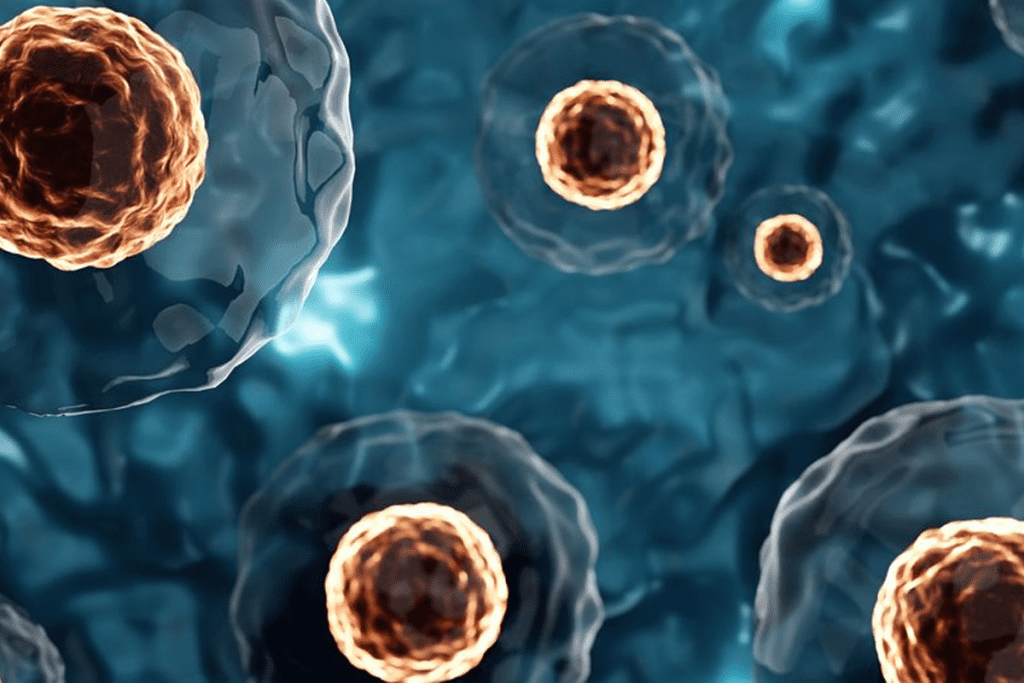
stem cells for sperm
Recent breakthroughs in stem cell technology have brought hope to men with infertility. Researchers are looking into using stem cells to make stem cells for sperm. This process is called in vitro gametogenesis.
This new method could change how we treat fertility problems. It shows how stem cells can turn into sperm cells. This discovery could lead to new treatments for infertility.
Key Takeaways
- The idea of making sperm cells from stem cells for sperm is becoming more popular in reproductive medicine.
- Stem cell technology could greatly improve fertility treatments.
- In vitro gametogenesis is a complex process. It turns stem cells into sperm cells.
- Recent stem cell research has made this technology closer to being used in clinics.
- Using stem cells for sperm production could give men with infertility new hope.
The Biology of Reproductive Cells
Reproductive cells, like sperm and egg cells, are key to human reproduction. They are made for fertilization. When a sperm meets an egg, they create a zygote, the first cell of a new life.
What Are Sperm Cells?
Sperm cells, or spermatozoa, come from the testes in males. They are built for speed, with a design that lets them swim towards the egg. A sperm has a head with genetic material, a midpiece for energy, and a tail for movement.
Sperm Cell Structure: The sperm’s head has an acrosome with enzymes to break through the egg’s outer layer. The midpiece is full of mitochondria, giving the sperm the energy it needs to move.
The Structure and Function of Egg Cells
Egg cells, or ova, are made in the ovaries by females. They are larger than sperm and feed the early embryo until it implants in the uterus. An egg is covered by a zona pellucida and has lots of cytoplasm with nutrients.
Egg Cell Characteristics: Human eggs are about 0.1 to 0.2 millimeters in size, big enough to see with the naked eye. They have half the genetic material needed for a new life, waiting for the sperm’s contribution.
Comparing Sperm and Egg Cells
Sperm and egg cells are different in structure and function. Sperm are fast and reach the egg, while eggs are larger and provide nutrients for the embryo.
| Characteristics | Sperm Cells | Egg Cells |
| Size | Approximately 50-60 micrometers | Approximately 0.1-0.2 millimeters |
| Motility | Highly motile | Not motile |
| Nutritional Role | No nutritional role | Provides nutrients to the early embryo |
The comparison between sperm and egg cells shows their roles in fertilization and early development. Knowing about these cells helps us understand human reproduction better.
Natural Sperm Production in Males
Spermatogenesis is how sperm cells are made. It’s a key part of male fertility. This process turns immature cells into mature sperm, a journey that’s both detailed and carefully controlled.
The Process of Spermatogenesis
In the testes, spermatogenesis happens in the seminiferous tubules. Here, spermatogonial stem cells for sperm grow and change into mature sperm. This journey has three main stages: spermatocytogenesis, meiosis, and spermiogenesis.
First, the stem cells for sperm grow and split into spermatocytes. Then, meiosis happens, making spermatids. Lastly, spermiogenesis changes these spermatids into fully formed sperm cells.
Where Sperm Cells Are Produced
Sperm cells are made in the testes, in the seminiferous tubules. The testes have a special environment for this. It’s cooler than the rest of the body, which is important for making sperm.
Hormonal Regulation of Sperm Production
Hormones control sperm production. Testosterone, made by the testes, is key. Hormones like follicle-stimulating hormone (FSH) and luteinizing hormone (LH) also help.
| Hormone | Function in Spermatogenesis |
| Testosterone | Essential for the development and maturation of sperm cells |
| FSH (Follicle-Stimulating Hormone) | Stimulates the Sertoli cells to support spermatogenesis |
| LH (Luteinizing Hormone) | Stimulates the Leydig cells to produce testosterone |
The complex process of spermatogenesis shows how detailed male reproductive biology is. Knowing how sperm is made and controlled helps us understand male fertility and health.
Understanding Stem Cell Technology
stem cells for sperm are key to improving reproductive medicine. They can turn into different cell types, including reproductive ones. This makes them very useful in medical research and treatments.
Stem Cell Basics
Stem cells can grow themselves and change into specific cells. There are many types of stem cells for sperm, each with its own uses.
Types of Stem Cells
There are mainly two kinds of stem cells: embryonic and adult. Embryonic stem cells for sperm come from embryos and can become any cell type. Adult stem cells for sperm are in adult bodies and can only change into a few cell types.
- Embryonic stem cells for sperm: These cells are from embryos and can turn into any cell type.
- Adult Stem Cells: These cells are in adult bodies and can only turn into a few cell types.
- Induced Pluripotent stem cells for sperm (iPSCs): These are adult cells that have been changed to act like embryonic stem cells.
Stem Cell Differentiation Capabilities
Stem cells can turn into different cells, which is a big area of study. Scientists are working on how to make them turn into specific cells for treatments.
Several things affect how stem cells change into different cells. These include:
- Genetic factors
- Environmental cues
- Signaling pathways
Understanding these factors is important for using stem cells for sperm in reproductive medicine and other areas.
The Science of Stem Cells for Sperm
stem cells differentiating into sperm cells
The science of turning stem cells into sperm is very complex. It involves many biological pathways and processes. This shows the big challenges researchers face in making stem cells for sperm into real sperm cells.
How Stem Cells Can Become Reproductive Cells
Stem cells can turn into different cell types, including reproductive cells. This process guides stem cells for sperm through specific pathways to become sperm cells. Researchers are looking into different ways to do this, like using growth factors and signaling molecules.
Turning stem cells into reproductive cells is a highly controlled process. Understanding these steps is key to making effective methods for creating sperm cells from stem cells.
The Biological Pathways Involved
Many biological pathways help turn stem cells into sperm cells. These include pathways that control cell growth, differentiation, and survival. For example, the Wnt/β-catenin pathway is important in spermatogenesis, the process of making immature cells into sperm cells.
- The PI3K/Akt pathway helps with cell survival and growth.
- The Notch signaling pathway decides cell fate.
- The BMP (Bone Morphogenetic Protein) signaling pathway is key for germ cell development.
Knowing and controlling these pathways is essential for successfully turning stem cells into sperm cells.
From Stem Cell to Functional Sperm Cell
The journey from a stem cell to a functional sperm cell has several stages. These include proliferation, meiosis, and maturation. Each stage is important for making sperm cells that can fertilize eggs.
- Proliferation: Stem cells multiply to form a pool of cells that will become sperm cells.
- Meiosis: Cells go through meiosis, a special cell division that halves the chromosome number, making spermatids.
- Maturation: Spermatids become sperm cells through significant changes in shape.
Researchers are trying to replicate this complex process in a lab. They use stem cells to make functional sperm cells for reproductive purposes.
Research Breakthroughs in Creating Sperm from Stem Cells
Scientists have made big steps in turning stem cells into sperm. This could change how we treat fertility problems. It also opens new paths for studying how we reproduce.
Key Laboratory Milestones
Recent studies have shown big progress in making sperm from stem cells in labs. Researchers have turned stem cells into primordial germ cells. This is a key step towards making real sperm.
The process is complex. It involves changing cells and using special growth factors. Key milestones include making spermatogonia, the first step in sperm development, from stem cells.
Animal Studies and Results
Animal studies have been key in moving this research forward. Scientists have used mouse models to test making sperm from stem cells. They’ve found that these sperm can fertilize eggs and lead to healthy babies.
Notable results from animal studies include mice born from sperm made from stem cells. This shows the tech’s promise for human fertility treatments.
Human Research Progress
While animal studies have shown promise, human research is just starting. Early studies have shown that human stem cells can turn into germ cells. The results are encouraging.
Researchers are working to make human sperm from stem cells better. They face challenges like making sure the sperm is safe and works well. Future human trials will be key in proving this tech works for treating male infertility.
Laboratory Methods for Transforming Stem Cells Into Sperm
In vitro gametogenesis (IVG) is a new way to turn stem cells into sperm. It uses complex lab steps that copy how sperm are made naturally.
In Vitro Gametogenesis (IVG) Techniques
IVG lab methods try to create the right conditions for sperm to grow in a lab. First, stem cells are taken and turned into primordial germ cells, which are early sperm forms. This happens with special growth factors and lab settings.
This process needs careful control over the cells. Scientists use specific signals to help the stem cells go through the steps of becoming sperm. This leads to the creation of mature sperm cells.
Laboratory Protocols and Procedures
IVG lab steps include picking the right stem cells and setting up the best lab conditions. Advanced tools and cell checks help see if the sperm are good and ready to fertilize an egg.
One big challenge is making sure the sperm can actually fertilize an egg. To solve this, scientists are finding new ways to make IVG better.
Challenges in the Transformation Process
Even with progress, IVG faces big hurdles. One big problem is mimicking the natural cell and environment interactions. Also, making sure the sperm are safe and work well is key.
Scientists are working hard to solve these issues. They are improving their methods and looking into new ways to make IVG work better. As they keep working, we’ll see big steps forward in making stem cells into sperm.
Alternative Reproduction Methods Using Stem Cells
Stem cell research is changing reproductive medicine with new methods. Scientists are looking into using stem cells for different ways to build families. This could help people with fertility issues.
Creating Eggs from Stem Cells
Creating eggs from stem cells is a big step forward. It involves changing stem cells for sperm into egg cells through many steps. Scientists are learning more about how this works, which could lead to new treatments.
This could help women who can’t have babies naturally. It might also give people more egg options for in vitro fertilization (IVF).
Synthetic Gametes and Reproduction
Researchers are also working on synthetic gametes. These are fake reproductive cells that act like real sperm or eggs. They could change how we do assisted reproduction.
Synthetic gametes could let same-sex couples have kids who are genetically related to them. But, this area is just starting, and there are many challenges to overcome.
Reproduction Without Traditional Sperm or Eggs
Some scientists dream of making babies without sperm or eggs. This could mean creating gametes from stem cells for sperm or finding new ways to make babies.
This idea is very new, but it could help people who can’t have kids the usual way. For example, it might let two women have a baby without sperm. Or, it could help people with certain genetic problems have kids without passing on their condition.
The study of new ways to make babies with stem cells for sperm is growing fast. Researchers are working hard to solve the technical, ethical, and legal problems that come with these new ideas.
Potential Applications of Stem Cell-Derived Sperm
stem cell-derived sperm applications
The creation of sperm from stem cells for sperm is changing reproductive medicine. It offers hope to many facing fertility issues.
Treating Male Infertility
Stem cell sperm could help men with infertility. About 50% of infertility cases are due to male factors. This method might help men without sperm in their ejaculate. Clinical trials are ongoing to assess the safety and efficacy of this approach.
“The ability to generate sperm from stem cells for sperm could be a game-changer for men with certain types of infertility,” says a leading researcher in the field.
Options for LGBTQ+ Family Building
Using stem cell-derived sperm also presents new reproductive opportunities for LGBTQ+ families. It could replace donor sperm, giving more control over genetic material. The possibility of same-sex couples having biological children is being explored.
Preservation of Fertility for Cancer Patients
Cancer treatments harm fertility. Stem cell sperm might help preserve fertility in cancer patients. It could allow them to father children later.
As research grows, stem cell sperm’s uses will expand. It might help with genetic disorders and improve fertility preservation. Reproductive medicine is on the verge of a big change, with stem cell sperm leading the way.
“The future of reproductive medicine is bright, with stem cell technology leading the way.” – Dr. Jane Doe, Reproductive Biologist
Ethical Considerations and Debates
Stem cell technology is advancing fast, leading to debates about creating sperm cells in labs. This challenges old norms and raises big questions about assisted reproduction ethics.
Bioethical Perspectives
From a bioethical view, creating sperm from stem cells for sperm worries many. Ethicists argue that making human life in labs makes us rethink what it means to be human. The debate centers on in vitro gametogenesis (IVG) and its impact on human identity and dignity.
- The risk of unregulated or unethical use of stem cell-derived sperm
- Concerns about the commodification of human embryos and reproductive cells
- Questions about the rights and status of children born using stem cell-derived reproductive cells
Religious and Cultural Viewpoints
Religious and cultural groups have different views on stem cell use for reproduction. Some see it as okay, while others see it as against natural law or divine will. For example, some religions might ban creating human life outside natural ways, while others might be more open.
Consent and Ownership Issues
Stem cell use for sperm creation raises big questions about consent and ownership. Who gets to decide on using these cells? Are they property or something special because they can create human life?
- Determining the legal status of stem cell-derived sperm cells
- Creating rules for getting informed consent from donors
- Figuring out who owns and controls stem cell-derived reproductive cells
Societal Implications of Synthetic Reproduction
Synthetic reproduction’s societal impacts are huge. As this tech gets better, it will change social norms and laws. Societal acceptance will depend on understanding and regulating these technologies. It could change family structures and reproductive choices a lot, so watching its effects is key.
In conclusion, the ethics of using stem cells for sperm creation are complex. We need ongoing talks among ethicists, policymakers, and the public. This will help us use these technologies responsibly.
Regulatory Landscape for Stem Cell Reproduction Research
stem cell reproduction regulations
Different countries have their own rules for stem cell research. This makes it hard for researchers and doctors in this field.
Current Regulations in the United States
In the United States, many agencies watch over stem cell research. The FDA is key in checking how stem cells are used in people, including for making babies.
The FDA makes sure stem cells are safe and work well before they can be used. This can take a long time and is hard for researchers.
- FDA oversight on stem cell products
- Clinical trial requirements for stem cell therapies
- Guidelines for informed consent in stem cell research
International Regulatory Frameworks
Worldwide, rules for stem cell research vary a lot. Some places are very open, while others are strict.
For example, Japan and the UK have clear rules for stem cell research. But, some places don’t have clear rules, making it hard for researchers.
“The lack of uniform international regulations on stem cell research poses significant challenges for global collaborations and the advancement of the field.”
Expert in Stem Cell Researcher
Future Regulatory Challenges
As stem cell research grows, rules will need to change. One big issue is “medical tourism,” where people go to places with loose rules for treatments.
Rules makers will have to keep up by possibly making rules the same everywhere or creating new ones for new tech.
Key future challenges include:
- Addressing the issue of medical tourism
- Harmonizing international regulations
- Keeping pace with rapid advancements in stem cell technology
Challenges and Future Directions
The path from stem cells to sperm is full of hurdles. Researchers are working hard to solve these problems. They have made big steps in stem cell science, but there’s more to do before it can help humans.
Technical Obstacles to Overcome
Changing stem cells into sperm is very complex. It needs careful control over many biological steps. The goal is to make sperm cells that work well.
Some big challenges include:
- Getting the right epigenetic changes
- Creating sperm efficiently
- Keeping the genome stable during changes
Safety Concerns for Offspring
Using stem cell sperm raises safety questions. The changes during reprogramming could affect the health of the next generation. It’s important to study these risks carefully.
Recent studies show we need to test stem cell sperm a lot. This includes checking their genes and epigenetics for any problems.
Timeline for Clinical Applications
While lab work is going well, using stem cell sperm in clinics is far off. Many things will decide when this happens, like research results, rules, and ethics.
Experts think it could take years or even decades. But new tools like CRISPR/Cas9 are speeding up research. This might bring it closer to clinics.
Emerging Technologies in the Field
Stem cell research is changing fast, with new techs coming up. These include:
| Technology | Description | Potential Impact |
| CRISPR/Cas9 Gene Editing | A precise method for editing genes, allowing for the correction of genetic defects. | Enhances safety and viability of stem cell-derived sperm |
| Single-Cell RNA Sequencing | A technique for analyzing gene expression at the single-cell level. | Improves understanding of cellular differentiation processes |
| Artificial Intelligence in Reproductive Biology | AI algorithms can predict outcomes and optimize protocols in reproductive research. | Accelerates research and improves efficiency |
These new technologies will be key in solving current problems. They will help shape the future of making sperm from stem cells.
Conclusion
Stem cells could change how we treat infertility. New ways to make sperm from stem cells are being explored. This could help many people who struggle to have children.
As scientists learn more, making real sperm from stem cells seems closer. This could help a lot of people who can’t have kids. It’s a big deal for families and for medicine.
The future looks bright for stem cell sperm. It could help with infertility, help LGBTQ+ families, and save fertility for cancer patients. While there are hurdles, the progress is exciting. It means better options for making families in the future.
FAQ
What are stem cells, and can they turn into sperm?
Stem cells are cells that can grow into different types of cells. Scientists have found that stem cells can turn into sperm. This could help in reproductive medicine.
How are sperm cells produced naturally in males?
Sperm cells are made in the testes through spermatogenesis. This process turns stem cells into mature sperm. Hormones like testosterone help control this.
What is the difference between sperm and egg cells?
Sperm and egg cells are both reproductive cells. But they are different in size and function. Sperm are small and move, while eggs are large and don’t move.
Can stem cells be used to create eggs?
Yes, scientists have turned stem cells into egg cells, or oocytes. They use special lab techniques. This could help with female infertility.
What is in vitro gametogenesis (IVG), and how is it used?
IVG is a lab method to make sperm or egg cells from stem cells. It turns stem cells into reproductive cells. These can be used for fertilization or other reproductive needs.
What are the possible uses of stem cell-derived sperm?
Stem cell-derived sperm could help with male infertility. They could also help LGBTQ+ families build their families. They might also help cancer patients keep their fertility.
Are there any ethical concerns surrounding the use of stem cells to generate sperm?
Yes, there are ethical issues. These include bioethical views, religious and cultural beliefs, and questions about consent and ownership. These need to be considered as this technology grows.
What is the current regulatory landscape for stem cell reproduction research?
Rules for stem cell research vary by country. In the U.S., the NIH and FDA set guidelines. There are also international rules to guide this research.
What are the challenges and future directions of stem cell research for sperm production?
There are technical and safety challenges to overcome. The time it takes to use this technology in clinics is also a concern. Researchers are working to solve these problems.
Can females produce sperm using stem cells?
Currently, there’s no way for females to make sperm from stem cells. While scientists have made sperm from stem cells, they’ve used male stem cells.
Can two eggs make a baby without sperm?
No, two eggs can’t make a baby without sperm. Fertilization needs a sperm and an egg to create a zygote, which grows into an embryo.
How big is a human egg cell?
Human egg cells, or oocytes, are quite large. They are about 0.1-0.2 millimeters in diameter.
How are eggs created in the female body?
Eggs are made in the ovaries through oogenesis. This process turns stem cells into mature egg cells.
What is the process by which sperm are made?
Sperm are made in the testes through spermatogenesis. This turns stem cells into mature sperm cells. Hormones like testosterone help control this process.
References
- Modelling in vitro gametogenesis using induced pluripotent stem cells. (2023). Cell Regeneration, 12(1), Article 24. https://doi.org/10.1186/s13619-023-00176-5
- Artificial gametogenesis and in vitro spermatogenesis: benchmarks, challenges, and prospects. (2024). International Journal of Molecular Sciences, 26(15), 7383. https://doi.org/10.3390/ijms26157383
- National Academies of Sciences, Engineering, and Medicine. (2023). In vitro-derived human gametes as a reproductive technology: Scientific, ethical, and regulatory implications: Proceedings of a Workshop. Washington (DC): National Academies Press. https://www.ncbi.nlm.nih.gov/books/NBK599671/
- Adashi, E. Y., & Wessel, G. M. (2024). In vitro gametogenesis in the ongoing quest to vanquish infertility: The role of epigenetics. Reproductive Biology and Endocrinology, 22, 81. https://doi.org/10.1186/s12958-024-01042-0
- Male fertility restoration with stem cell“based therapies. (2025). Human Reproduction Update. https://doi.org/10.1093/humupd/dmam005
- Stem cell-derived gametes: What to expect when expecting theirs. (2025). Human Reproduction. https://doi.org/10.1093/humrep/deaf123/8182733