Last Updated on December 1, 2025 by Bilal Hasdemir
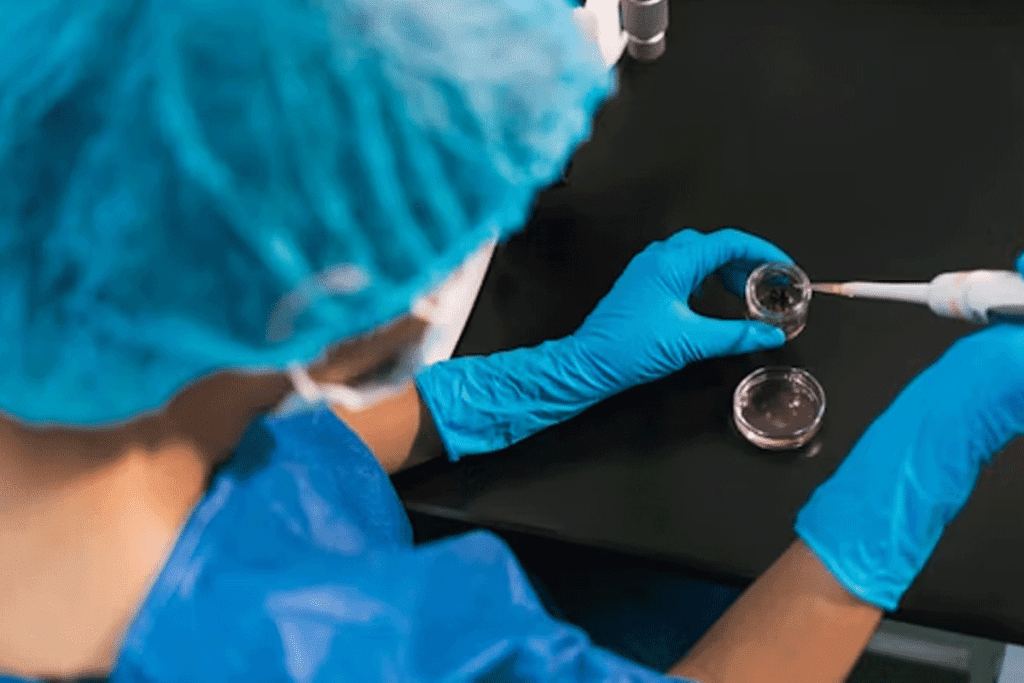
stemcell side effects
Knowing what not to do after regenerative cell therapy is very important stemcell side effects. It helps make sure the treatment works well and you recover fast. Taking good care of yourself after treatment can make a big difference.
Regenerative cell therapy has changed how we treat many health issues, like knee injuries. Over 15,000 stem cell procedures are performed annually in the United States, reflecting growing public trust in this advanced medical approach.. But, how well it works depends a lot on what you do after it.
Key Takeaways
- Proper post-procedure care is key for stem cell treatment success.
- Knowing about possible problems helps manage them better.
- Regenerative cell therapy needs careful planning and follow-up.
- Following the treatment plan is essential for good results.
- The type of treatment affects how often you need to follow up.
Understanding Stem Cell Therapy and Regenerative Medicine
Regenerative medicine, which includes stem cell therapy, is changing how we heal and recover. This field has made big strides, giving hope to those with many health issues. Stem cell therapy uses stem cells to fix or replace damaged cells, tissues, or organs.
Types of Stem Cell Treatments
There are many stem cell treatments, each with its own uses. Knowing the differences helps find the right treatment for a condition.
Autologous vs. Allogeneic Procedures
Autologous stem cell transplants use the patient’s own stem cells, lowering rejection risks. On the other hand, allogeneic stem cell transplants use donor stem cells. They can be helpful but have more risks.
Amniotic Stem Cell Therapy
Amniotic stem cell therapy uses stem cells from amniotic fluid or tissue. It’s seen as safer and is being studied for many uses.
Common Applications for Regenerative Cell Therapy
Regenerative cell therapy is used for many conditions. It’s mainly for joint and musculoskeletal issues, and back and spine problems.
Joint and Musculoskeletal Conditions
Stem cell therapy helps with osteoarthritis, tendonitis, and ligament injuries. It promotes tissue repair, easing pain and improving function.
Back and Spine Treatments
For back and spine issues, like degenerative disc disease and spinal stenosis, stem cell therapy is a new option. It aims to heal damaged spinal tissues and lessen symptoms.
Common Stemcell Side Effects to Be Aware Of
Knowing about stem cell treatment side effects is key for a smooth recovery. Stem cell therapy is mostly safe, but it’s good to know about possible reactions and side effects.
Immediate Post-Treatment Reactions
Right after stem cell therapy, you might feel reactions at the injection site. These are usually short-lived but can be uncomfortable.
Pain and Inflammation at Injection Sites
Pain and swelling are common right after. Using ice and taking the medicine your doctor prescribes can help.
Worse Pain After Stem Cell Injection
Some people might feel more pain after the injection. Telling your doctor about this pain is very important.
Short-Term Side Effects
There are also short-term side effects to watch out for. These can affect your daily life and comfort.
Fatigue and Weakness
Fatigue and weakness are common short-term side effects. Getting enough rest and eating well can help.
Muscle Pain After Stem Cell Transplant
Muscle pain is another possible side effect. It might need special care and management.
Long-Term Considerations
While many side effects are short-term, there are long-term ones to think about. Knowing about these can help you make informed choices.
| Side Effect | Management Strategy | Duration |
| Pain and Inflammation | Ice, Medication | Short-Term |
| Fatigue and Weakness | Rest, Nutrition | Short-Term |
| Muscle Pain | Physical Therapy, Medication | Variable |
By knowing about these side effects, you can prepare better for recovery. Working with your healthcare team can help manage any issues.
Critical Post-Treatment Restrictions: The First 48 Hours
The first 48 hours after stem cell therapy are very important. Knowing the restrictions can help your recovery a lot. Following these rules is key to getting the most from the treatment and avoiding problems.
Activity Limitations
After getting stem cell treatment, you should not do too much. Avoid hard exercises and heavy lifting. But, don’t stay in bed all day. Move a little to keep blood flowing.
Walking After PRP Injection
Walking is okay after a PRP injection, but listen to your doctor. A little walking can help prevent stiffness and aid in healing.
Can You Exercise After Stem Cell Injections?
Be careful with exercise after stem cell injections. Light stretching and short walks are usually okay. But, stay away from hard workouts for the first 48 hours. Always check with your doctor first.
Proper Rest and Recovery Protocols
Rest is very important for healing. Make sure you sleep well and stay comfortable. This helps your body heal faster.
| Activity | Recommended Action | Time Frame |
| Resting | Avoid strenuous activities | First 48 hours |
| Exercise | Limit to light stretching and short walks | First 48 hours |
| Sleep | Ensure 7-8 hours of sleep | Throughout recovery |
Pain Management Guidelines
Managing pain well is important for a smooth recovery. Use ice and elevation to lessen swelling and pain.
Ice and Elevation Techniques
Ice packs on the treated area can reduce pain and swelling. Also, keep the affected limb up to lower swelling. Always put a cloth between the ice and your skin.
Medication Restrictions After Stem Cell Treatment
Knowing what medications to avoid after stem cell treatment is important. After getting stem cell therapy, doctors might tell you to stay away from certain drugs. They might also suggest other ways to manage pain.
Why NSAIDs Should Be Avoided
NSAIDs, like ibuprofen, are not recommended after stem cell treatment. They can slow down the healing process. This is because NSAIDs can block the body’s natural healing response.
How Long to Avoid NSAIDs After PRP
It’s best to avoid NSAIDs for at least six weeks after PRP therapy. But, this time can change based on your treatment and health.
I Took Ibuprofen After PRP: What Now?
If you took ibuprofen after PRP, tell your doctor right away. They can help adjust your pain management plan.
Alternative Pain Management Options
Instead of NSAIDs, you might use acetaminophen with your doctor’s help. You could also try physical therapy, acupuncture, or special exercises for the treated area.
When It’s Safe to Resume Regular Medications
When you can start taking regular medications again depends on your doctor’s advice. They will guide you based on how well you’re recovering.
How Long After PRP Can I Take Ibuprofen
How long you can wait to take ibuprofen after PRP therapy varies. Usually, it’s at least six weeks. But, your doctor might adjust this based on your recovery and treatment.
Following the right medication rules and trying other pain management methods is key to a good recovery after stem cell treatment.
Physical Activity Limitations: What to Avoid and When
It’s important to know which physical activities to avoid and when after stem cell treatment. This helps ensure a smooth and effective recovery.
Exercise Restrictions Timeline
After stem cell therapy, patients need to follow a specific exercise timeline. This is to avoid any complications. A detailed recovery timeline suggests:
- Start Physical Therapy within 4-6 days post-treatment.
- Avoid traction, heavy load, or resistance exercises for the first four weeks.
How Long Should You Rest After PRP Injection
Resting after a PRP injection is key. It’s recommended to rest for at least 24 to 48 hours before starting to do light activities.
How Long After PRP Can I Exercise
The time to start exercising after a PRP injection varies. Usually, patients can do light exercises after 2-3 days. But, they should avoid hard activities for at least a week.
Gradual Return to Physical Activities
Returning to physical activities slowly is important. It helps prevent overexertion and aids in healing. Start with low-intensity exercises and gradually increase the intensity as you feel more comfortable and less in pain.
Specific Precautions for Joint Treatments
For patients getting joint treatments, like PRP injections in the knee, there are specific precautions.
Can I Walk After PRP Injection in Knee
After a PRP injection in the knee, patients should limit activities that put weight on the knee. Short walks are okay, but it’s best to avoid long walks or hard activities for a few days.
By following these guidelines, patients can reduce the risk of complications and ensure a successful recovery after stem cell treatment.
Dietary Considerations and Supplements After Stem Cell Therapy
dietary considerations after stem cell therapy
Diet is key in recovering after stem cell therapy. Knowing the right foods and supplements is vital. A balanced diet boosts treatment results, while some foods and supplements can slow recovery.
Foods That May Interfere With Recovery
Some foods can slow down recovery after stem cell therapy. It’s best to limit or avoid:
- Processed foods with lots of sugar and unhealthy fats.
- Foods high in sodium that cause inflammation.
- Foods with artificial additives and preservatives.
Beneficial Nutritional Choices
Choosing the right nutrients helps the body heal:
- Antioxidant-rich foods like berries and leafy greens.
- Omega-3 fatty acids in fish and nuts.
- Hydrating foods such as watermelon and cucumbers.
Supplements to Avoid and Consider
Some supplements are good, but others can harm stem cell therapy. Always talk to a healthcare provider before taking any supplements.
Side Effects of Stem Cell Supplements
Some supplements can cause side effects. Common problems include:
- Digestive discomfort.
- Allergic reactions.
Supplements to Avoid Before PRP Injection
Before PRP injection, avoid certain supplements. This includes anti-inflammatory herbs and anticoagulant medications to reduce risks.
By choosing the right foods and being careful with supplements, patients can improve their recovery after stem cell therapy.
Special Considerations for Different Treatment Areas
Recovery after stem cell treatment varies by area. Each part of the body has its own needs for healing. This helps avoid complications.
Knee Joint Stem Cell Injections Recovery
For knee injections, follow these tips for a smooth recovery. Stay away from climbing stairs too often. Also, lift no more than 5-10 pounds sometimes. These steps reduce knee stress, helping the stem cells heal better.
Knee PRP Recovery
PRP knee recovery is similar to stem cell recovery. Avoid heavy workouts and hard activities for a while.
Stem Cell Treatment for Joints
Joint stem cell treatment includes a detailed care plan. This might include physical therapy. It helps the joint regain strength and mobility.
Back and Spine Treatment Precautions
Back and spine treatments need careful care after. Learn proper lifting and avoid bending or twisting too much.
Stem Cells Back Pain
Follow a gradual return to normal activities for back pain treatment. This prevents too much stress on the area.
Stem Cell Injection Lower Back
After a lower back injection, focus on posture correction. You might need to use supports too.
Shoulder and Hip Treatment Aftercare
Shoulder and hip treatments have special aftercare. Avoid movements or exercises that could harm these joints.
PRP Hip Injection Recovery
PRP hip recovery means less activity at first. Then, start with range-of-motion exercises to aid healing.
Stem Cell Injections for Shoulder
For shoulder injections, do gentle exercises to keep mobility. But, avoid hard activities.
By following these guidelines, patients can improve their recovery. This can also boost the success of their stem cell treatment.
The Relationship Between PRP and Stem Cell Treatments
PRP and stem cell treatments
PRP and stem cell treatments are now used together to boost healing. This combo is showing great promise in helping the body heal itself.
Combined PRP and Stem Cell Therapy
Using PRP with stem cell therapy is becoming more popular in regenerative medicine. PRP stem cell injections use the patient’s own platelets. These platelets are full of growth factors, helping stem cells grow and change.
PRP Stem Cell Injections
These injections are put directly into the affected area. They help with healing and growing new tissue. This method works well for joint and muscle problems.
Regenerative Medicine PRP
Regenerative medicine PRP uses platelet-rich plasma to help the body fix itself. When paired with stem cell therapy, it makes the treatment even better.
Differences in Recovery Protocols
Recovery times for PRP and stem cell treatments differ. Knowing these differences helps improve patient results.
PRP Recovery Time
PRP treatments usually have a shorter recovery time. Most people can get back to normal in just a few days.
PRP Healing Stages
The healing process after PRP treatment goes through three stages: inflammation, proliferation, and remodeling. Each stage is key to getting the best results.
Optimizing Results from Both Treatments
To get the most from PRP and stem cell treatments, a custom rehab plan is needed. This might include physical therapy, changes in lifestyle, and check-ups to track progress.
“The combination of PRP and stem cell therapy represents a significant advancement in regenerative medicine, giving new hope to patients with hard-to-treat conditions.”
Regenerative Medicine Expert
Understanding how PRP and stem cell treatments work together helps doctors offer better care. This leads to better results and happier patients.
Travel and Lifestyle Restrictions Post-Treatment
After getting stem cell treatment, knowing travel and lifestyle limits is key for a smooth recovery. The body is in a sensitive state after such treatments. Taking certain precautions can greatly affect the outcome.
Can You Fly After PRP Injection
Flying after a PRP (Platelet-rich Plasma) injection worries many patients. There’s no single answer, but most say to avoid flying for 48 to 72 hours after. This helps the treated area heal without air pressure issues.
Always talk to your doctor. They can give advice tailored to your treatment and health.
Allogeneic Stem Cell Transplant Precautions
For those who got an allogeneic stem cell transplant, being careful is even more important. The immune system is weak, so avoiding infections is key.
- Avoid crowded places and public transport for at least 3 months after the transplant.
- Keep in clean air environments and avoid things that could cause infections.
- Keep up with a strict hygiene routine, like washing hands often and wearing masks when needed.
Post-Treatment Follow-Up Schedule
Having a good follow-up plan is important. It helps track healing and solve any problems early.
Post PRP Instructions
- Rest the treated area and avoid hard activities.
- Do any rehab your doctor tells you to.
- Go to all your follow-up appointments.
Post PRP Care
Good care after PRP treatment means living a healthy life. Eat well and drink enough water. Also, follow any special care your doctor says to get the best results.
By following these tips and talking often with your healthcare team, you can get the best results from your stem cell treatment.
Conclusion: Ensuring Successful Recovery After Stem Cell Treatment
Recovering well after stem cell treatment means following the right steps. Knowing how to care for yourself after treatment helps you get the most out of it. This way, you can enjoy the best results from your treatment.
Doctors give you a plan that’s just for you. It’s important to stick to this plan. This includes knowing about any side effects and what activities or medicines to avoid.
Combining good care with a healthy lifestyle boosts the treatment’s effects. This means eating right, staying away from harmful activities, and going to all your follow-up visits.
Having a solid plan for aftercare is key to a good recovery. By focusing on your care, you can fully benefit from your treatment. This improves your life quality a lot.
FAQ
What are the common side effects of stem cell therapy?
Side effects can include pain, swelling, or redness right after treatment. You might also feel tired or have muscle soreness. There’s also a chance of infection or allergic reactions later on.
How long should I rest after stem cell treatment?
Rest for at least 48 hours after treatment. Avoid hard activities and follow your doctor’s rest and recovery plan.
Can I take NSAIDs after stem cell treatment?
No, NSAIDs can slow down healing. Talk to your doctor about other ways to manage pain.
When can I resume physical activities after stem cell therapy?
It depends on where you were treated and your health. Start slowly and be careful with joint treatments.
Are there any dietary restrictions after stem cell therapy?
Some foods might not help with recovery. Others can aid in healing. Your doctor can guide you on what to eat.
Can I fly after PRP injection?
It’s best to wait a bit before flying. Changes in air pressure might affect the treated area. Check with your doctor first.
What are the benefits of combined PRP and stem cell therapy?
This combo can help tissues heal and grow back faster. Benefits and recovery plans vary based on the treatment and your health.
How long does stem cell therapy last for knees?
Effects can last a long time, but it depends on your condition and health. It works differently for everyone.
What are the precautions for allogeneic stem cell transplant?
You need to watch for rejection or infection signs. Follow your doctor’s post-transplant care closely.
How often should I follow up with my healthcare provider after stem cell treatment?
Follow-up times vary based on your treatment and health. Regular check-ups help track your progress and address any issues.
References
- Caplan, A. I., & Correa, D. (2011). The MSC: An injury drugstore. Cell Stem Cell, 9(1), 11“15. https://doi.org/10.1016/j.stem.2011.06.008