Last Updated on November 26, 2025 by Bilal Hasdemir
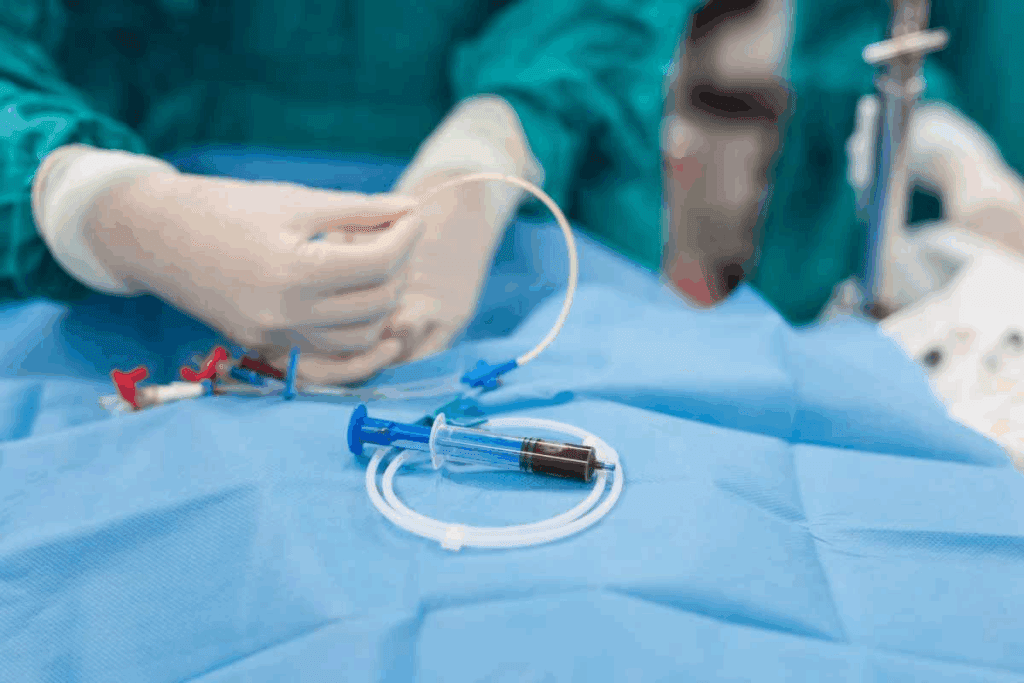
When you undergo a heart stent procedure, many patients wonder about the stent healing time and when they can return to normal activities. At Liv Hospital, we understand that each patient’s recovery journey is unique, and our care focuses on safety, comfort, and guidance throughout the healing process.
According to the National Heart, Lung, and Blood Institute, most patients can resume regular activities within a few days to a week. However, stent healing time can vary depending on overall health, the severity of heart disease, and whether the patient recently experienced a heart attack.
At Liv Hospital, we help patients understand the typical stent healing time and the factors that may affect recovery. Being informed about what to expect allows patients to plan their care effectively, manage lifestyle adjustments, and ensure a smoother, safer healing process.
Key Takeaways
- Recovery time varies depending on individual health and recent heart conditions.
- Most people can return to normal activities within a few days to a week.
- Patient-centered care is key for a smooth recovery.
- Understanding the recovery process helps in planning post-procedure care.
- Liv Hospital offers top-notch care for heart stent procedures.
Understanding Heart Stent Procedures
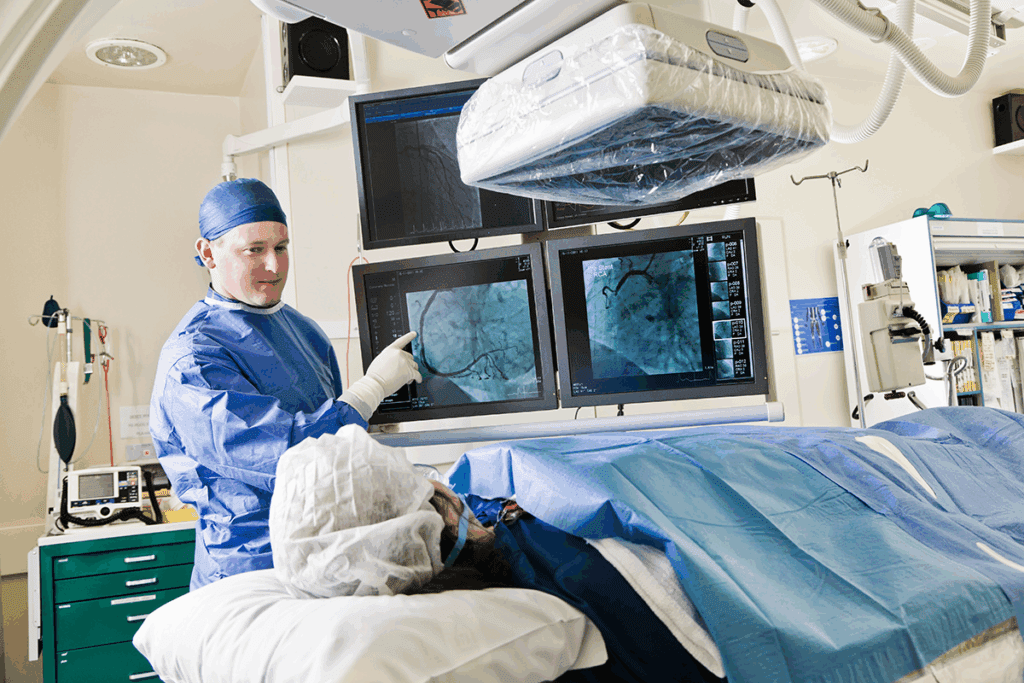
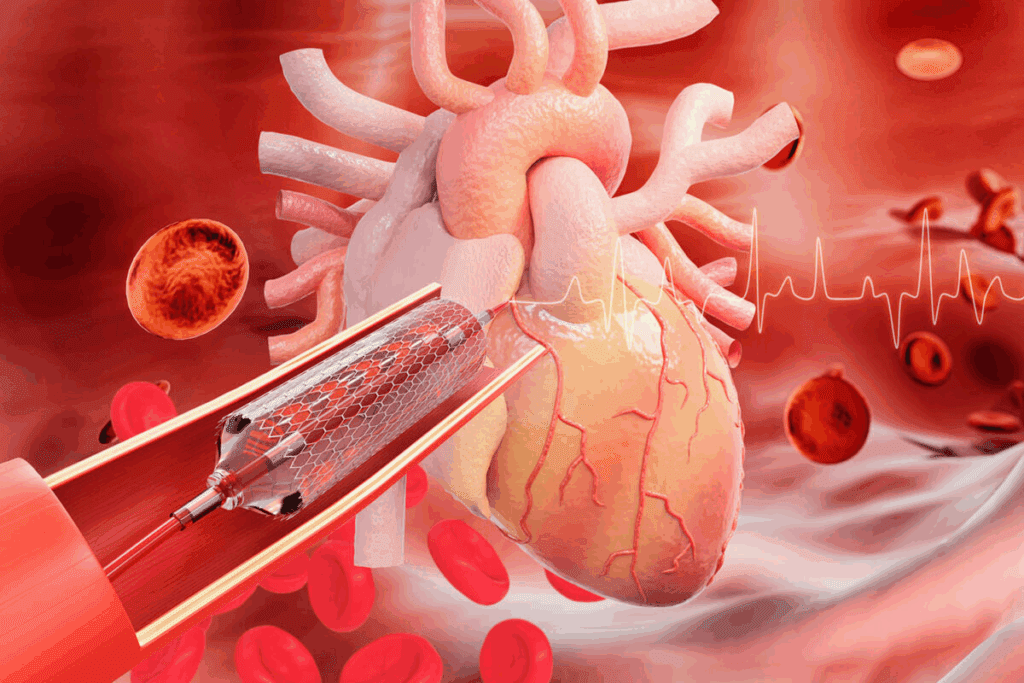
A heart stent procedure helps improve blood flow to the heart. It widens narrowed or blocked coronary arteries. This treatment uses a small, mesh-like device called a stent to keep the artery open. This reduces the risk of heart attack and improves heart health.
What is a Heart Stent and How Does It Work?
A heart stent, or coronary stent, is a small, wire mesh tube. It’s inserted into a narrowed or blocked artery during angioplasty. The stent keeps the artery open, improving blood flow to the heart muscle.
The stent expands to fit snugly against the artery walls. This prevents the artery from narrowing or closing again. It works by mechanically supporting the artery walls, ensuring blood flows freely. Over time, the stent becomes part of the artery through a natural process called endothelialization.
Common Reasons for Stent Placement
Stent placement is often recommended for patients with coronary artery disease (CAD). This disease causes plaque buildup, reducing blood flow to the heart. The decision to place a stent is made during an angioplasty procedure.
Key reasons for stent placement include:
- Reducing symptoms of angina (chest pain)
- Improving blood flow to the heart muscle
- Reducing the risk of heart attack
- Treating acute coronary syndrome
Different Types of Stent Procedures
There are several types of stent procedures:
- Bare-metal stents: These are the original type of stent and are made of metal mesh.
- Drug-eluting stents: These stents are coated with medication that helps prevent the artery from re-narrowing.
- Bioresorbable stents: These stents are made of materials that dissolve over time, potentially reducing long-term complications.
Each type of stent has its own advantages. The choice depends on the patient’s needs and medical history.
Immediate Recovery: The First 24-48 Hours
The first few days after getting a stent are key for a good recovery. Doctors watch for any problems and work to keep you comfortable. They also make sure the stent works right.
Hospital Monitoring After Stent Placement
Right after the procedure, you’ll go to a recovery area. Hospital staff will watch your heart rate and blood pressure closely. This is to catch any problems early.
You might have to lie flat for a few hours to stop bleeding. This can be hard, but it’s important for healing. The doctors will show you how to move safely and comfortably.
Managing Pain and Discomfort at the Catheter Site
It’s normal to feel some pain or discomfort where the catheter was. Your healthcare team will tell you how to handle this. You might take pain meds or use other methods to feel better.
Initial Movement and Activity Restrictions
To avoid bleeding, you should not lift heavy things or bend for a while. It’s important to follow these rules. Your doctor will tell you when you can start doing normal things again.
Following these guidelines can really help your recovery time after stent placement. By listening to your healthcare team, you can make your recovery smoother.
Short-Term Recovery: The First Week
The first week after a heart stent procedure is very important. You need to plan carefully and follow specific recovery steps. It’s key to focus on your health and safety as you start to get back to normal.
Transitioning Home After the Procedure
When you leave the hospital, you must keep an eye on your health. It’s important to have someone with you for at least 24 to 48 hours to help with daily tasks and offer support.
Here are some things to think about when going home:
- Keep your medications organized and easily accessible.
- Eat a balanced diet that’s good for your heart.
- Drink plenty of water to stay hydrated.
Safe Physical Activity Guidelines
It’s important to be active during recovery, but safely. Your healthcare provider will tell you what activities are okay for the first week. You should:
- Avoid heavy lifting, bending, or hard activities.
- Take short walks to help circulation and prevent blood clots.
- Slowly increase your activity level as your doctor advises.
Driving and Travel Restrictions
Driving and travel rules are important during this time. Most people can drive again within a week, but always check with your doctor first. For travel, remember:
- Always talk to your healthcare provider before traveling.
- Avoid places with limited medical help.
- Take breaks during long trips to stretch and move.
By following these guidelines, you can have a safe and smooth recovery in the first week after your heart stent procedure.
Stent Healing Time: The Biological Process
When a stent is put in a coronary artery, the body starts a healing process. This process is both fascinating and critical for the stent’s success. It involves several stages, leading to the stent being integrated into the arterial wall.
Endothelialization: How Your Body Incorporates the Stent
Endothelialization is the key process by which the stent becomes part of the artery. It starts right after the stent is placed. The body naturally covers the stent with a layer of cells called endothelium. This process is vital for preventing clot formation on the stent and ensuring the procedure’s long-term success.
The stent acts as a scaffold during endothelialization. It allows endothelial cells to grow over it. This growth stabilizes the plaque and prevents further artery narrowing. The rate of endothelialization varies among individuals, influenced by health, medical conditions, and medication adherence.
Timeline for Complete Stent Integration
The time it takes for the stent to be fully integrated can vary. Generally, it takes several months. Studies show the process can last up to 3 to 6 months after the procedure. During this time, it’s critical for patients to follow their medication regimen and care instructions to support healing.
Factors That Accelerate or Delay Healing
Several factors can affect stent healing. Positive factors include a healthy lifestyle, following antiplatelet therapy, and good cardiovascular health. On the other hand, smoking, diabetes, and certain medications can slow healing. Understanding these factors helps patients and healthcare providers make informed decisions about post-procedure care.
By understanding the biological process of stent healing, patients can better grasp their role in recovery. This knowledge empowers them to actively participate in their care. It contributes to the success of the stent placement procedure.
Recovery Timeline After Routine Stent Placement
The time it takes to recover after a stent placement varies. But, there are general guidelines for most patients. Knowing this timeline helps manage expectations and follow post-procedure care.
First Few Days: What to Expect
Right after a stent placement, patients are watched closely for any issues. “The first 24 to 48 hours are critical,” a cardiologist says, “as this is when the risk of complications is highest.” Resting and avoiding hard activities are advised during this time.
Patients often feel sore or bruised at the catheter site. This can be eased with pain meds. They also start antiplatelet therapy to prevent clots around the stent.
One Week to One Month Recovery Milestones
One week to one month later, most patients start getting back to normal. Gradual improvement is expected as the body heals. It’s key to stick to the medication and follow-up appointments during this time.
By the end of a month, many can do light exercise again. But, always follow the doctor’s advice on physical activity and lifestyle changes.
Three to Six Months: Complete Recovery Expectations
The three to six months mark is key for full recovery and stent integration. The stent starts to fully integrate into the artery wall during this time.
By six months, most patients are fully recovered and can do as much as before. Regular check-ups with a healthcare provider are important to keep an eye on the stent and heart health.
One patient shared, “After my stent placement, I was back to my normal routine within a few months. The support from my healthcare team was invaluable.”
Recovery After Stent Placement Following a Heart Attack
Survivors of heart attacks who get stents often face a tough recovery. The heart attack’s severity, the heart area affected, and the patient’s health are key. These factors shape how long and hard the recovery will be.
Why Heart Attack Recovery Takes Longer
Recovering from a heart attack and stent placement is harder because the heart is under more stress. The heart muscle might be damaged, making healing harder. Also, heart attack survivors often have other health problems to deal with during recovery.
Key factors that influence recovery time include:
- The severity of the heart attack
- The presence of other health conditions, such as diabetes or hypertension
- The patient’s age and overall physical condition
- Adherence to the prescribed treatment and rehabilitation plan
Additional Monitoring and Testing Requirements
Patients with heart attacks and stents need close monitoring. This ensures their heart heals well and the stent works right. They might need:
- Regular check-ups with their cardiologist
- Tests like echocardiograms or stress tests to check heart function
- Watch for signs of complications, like bleeding or stent problems
It’s vital for patients to work closely with their healthcare team to manage their recovery effectively.
Benefits of Cardiac Rehabilitation Programs
Cardiac rehab programs are great for heart attack survivors with stents. They offer a structured way to recover, including:
- Exercise training to boost heart health and fitness
- Lessons on heart-healthy living, like diet and stress management
- Support and guidance to stick to treatment plans
By joining cardiac rehab, patients can greatly improve their recovery chances and lower future heart risks.
Essential Medication Regimen During Recovery
After getting a heart stent, knowing your medication regimen is key to a good recovery. The medicines given after a stent help prevent problems, make sure the stent works right, and keep your heart healthy.
It’s very important to take your medicines as told. Not taking them or taking them wrong can cause big problems. This includes stent thrombosis, where a blood clot forms inside the stent.
Antiplatelet Therapy: The Cornerstone of Stent Success
Antiplatelet therapy is a big part of your medicine after a stent. It stops platelets in your blood from clumping together. The main medicines used are aspirin and P2Y12 inhibitors (like clopidogrel, prasugrel, or ticagrelor). Taking both is called dual antiplatelet therapy (DAPT).
DAPT is key in the first months to stop clots in the stent. How long you take DAPT depends on the stent type, your health, and what your doctor says.
Other Critical Medications and Their Purposes
Other medicines might be given to help with your heart health. These include:
- Beta-blockers: To make your heart work less and lower blood pressure.
- Statins: To lower cholesterol and stop artery disease from getting worse.
- ACE inhibitors or ARBs: To control blood pressure and ease heart strain.
Each medicine is important for your recovery and keeping your heart healthy long-term.
Managing Medication Side Effects Effectively
Medicines are important for recovery, but they can have side effects. Side effects of antiplatelet therapy include a higher risk of bleeding. Knowing the signs of serious bleeding and getting help if you see them is key.
To deal with side effects well, you should:
- Take your medicines exactly as your doctor says.
- Tell your doctor about any side effects or worries.
- Go to all follow-up visits to check how your medicines are working.
By working with your healthcare team and following your medicine plan, you can lower the risk of problems and help your recovery after a heart stent.
Returning to Normal Life Activities
Going back to normal life after a heart stent procedure is a big step in recovery. Patients often wonder when and how to start their usual routines again.
Guidelines for Resuming Work Responsibilities
When to go back to work after a heart stent depends on many things. This includes the job type, health, and the procedure details. People with desk jobs might go back in a few days to a week. Those with jobs that require a lot of physical effort might need more time.
- Desk jobs: Usually, patients can return to work in 3-5 days.
- Physically demanding jobs: They might need 1-2 weeks or more off, based on the job’s demands.
It’s key to listen to your healthcare team’s advice on when to go back to work.
Safe Exercise Progression After Stent Placement
Exercise is key in recovering after a heart stent. But, it’s important to start slowly and safely.
- Initial phase: Begin with light activities like walking, usually within a day or two after the procedure.
- Progressive phase: Slowly increase the intensity and time of your workouts over the next few weeks.
- Advanced phase: After talking to your healthcare provider, you can do more intense activities.
It’s important to listen to your body and not push too hard during this time.
Resuming Sexual Activity: Timing and Precautions
Sex is a big part of many people’s lives, and they often ask when it’s safe to start again. Most can start within a few days to a week, but it’s important to be careful.
- Timing: Wait until you feel ready and talk to your healthcare provider about any worries.
- Precautions: Pay attention to how your body feels and avoid too much effort.
By following these tips and talking to your healthcare team, you can safely get back to your normal activities after a heart stent procedure.
Follow-Up Care and Long-Term Management
Keeping your heart healthy after a stent is key. Your healthcare team will check on you with follow-up visits and tests. They make sure the stent works right and you’re healing well.
Scheduling and Importance of Follow-Up Appointments
Follow-up visits are a big part of getting better. They let your doctor check the stent and watch for any issues. You’ll usually see them a few weeks after the procedure.
Key aspects to discuss during follow-up appointments include:
- Any symptoms or concerns you’re experiencing
- Adherence to your medication regimen
- Lifestyle changes you’ve implemented or plan to implement
- Results from any tests or examinations conducted
Ongoing Testing to Monitor Stent Function
Testing is important to make sure the stent is doing its job. Your doctor might suggest:
- Stress tests to check heart function
- Angiograms or other tests to see the stent and arteries
- Blood tests to watch for clotting or other problems
Lifestyle Changes for Long-Term Heart Health
Living a heart-healthy lifestyle is key after a stent. This means:
- Eating well with lots of fruits, veggies, and whole grains
- Staying active, as your doctor suggests
- Quitting smoking and staying away from smoke
- Managing stress with meditation or yoga
By making these changes and sticking to your care plan, you can keep your heart healthy for a long time.
Conclusion: Living Well After a Heart Stent Procedure
Recovering from a heart stent procedure is a big step towards better heart health. With the right care and following doctor’s advice, people can live active and happy lives. Knowing the recovery process and following advice helps avoid problems and get the most from the stent.
After a heart stent, it’s important to stick to medication and make lifestyle changes. Taking antiplatelet therapy and making healthy choices can greatly improve heart health. Regular check-ups and tests are key to keeping an eye on the stent and heart health.
This article has shown that recovery times can differ based on many factors, such as health conditions. Adopting a heart-healthy lifestyle, like eating well and exercising, can help recovery and long-term health. With proper care and support, people can do well after a heart stent, enjoying better heart health and a higher quality of life.
FAQ
How long does it take to recover from a heart stent procedure?
Recovery from a heart stent procedure can take three to six months. The first few days to a week are the most critical. During this time, patients are closely watched for any complications.
What is the typical recovery timeline after routine stent placement?
After a routine stent placement, most people can get back to normal in a week. They start seeing big improvements in one to two weeks. Full recovery usually takes three to six months.
Why does recovery take longer after a heart attack?
Heart attacks cause more damage to the heart muscle. This means it takes longer to heal. Doctors also need to monitor the stent and the heart’s recovery closely.
What are the guidelines for resuming physical activity after stent placement?
Patients should avoid heavy activities for a few days to a week. The healthcare team will give specific guidelines for safe exercise. This helps patients gradually get back to normal.
How long do I need to take antiplatelet therapy after stent placement?
The length of antiplatelet therapy varies. It depends on the stent type and the patient’s health. Usually, it’s at least 12 months, but it can change based on the doctor’s advice.
Can I drive and travel after stent placement?
Driving and travel are usually off-limits for a few days to a week. It’s best to avoid driving if you’re feeling symptoms or taking medications that could affect your driving.
When can I resume work responsibilities after stent placement?
Going back to work depends on your job and health. Most people can return in a few days to a week. Always check with your doctor for the best time.
What lifestyle changes are necessary for long-term heart health after stent placement?
To keep your heart healthy, eat well, exercise regularly, quit smoking, and manage stress. Regular check-ups are also key to ensure the stent works right.
How often will I need to have follow-up appointments after stent placement?
Follow-up visits are usually within a few weeks to months after the procedure. The exact schedule depends on your health and the doctor’s advice.
What are the signs of complications after stent placement that I should watch out for?
Watch for signs like bleeding, clotting, or stent problems. If you have chest pain, shortness of breath, or dizziness, get medical help right away.
How long does it take for the stent to fully integrate with the artery?
Stent healing time varies. It usually takes several months for the stent to fully integrate. Your health, the stent type, and medication adherence play a role in the healing process.
References
- Rassaf, T., Steiner, S., & Kelm, M. (2013). Postoperative care and follow-up after coronary stenting. Dtsch Arztebl International, 110 (5), 72-82. https://www.ncbi.nlm.nih.gov/pmc/articles/PMC3576602/
- Shroff, A., Gilchrist, I., Caputo, R., Bertrand, M., & Pancholy, S. (2016). Same-day discharge after percutaneous coronary intervention. JAMA Cardiology, 1 (3), e160141. https://jamanetwork.com/journals/jamacardiology/fullarticle/2506675