In vitro fertilization (IVF) is a complex process. It involves taking eggs from the ovaries, mixing them with sperm in a lab, and then putting embryos in the uterus. Knowing what IVF stands for and its importance is key for those on their fertility journey. Guide to the laboratory processes and the key steps after egg retrieval in the IVF cycle.
The hours and days after egg retrieval are very important. They decide if fertilization happens and if embryos grow well. With help from experienced fertility experts, hopeful parents can feel more confident and clear about this big step.
Key Takeaways
- IVF is a medical process involving egg extraction, fertilization, and embryo transfer.
- Understanding the IVF process is essential for patients.
- Fertility specialists provide detailed guidance throughout the IVF journey.
- An IVF calendar example can help patients track their treatment progress.
- Knowing what to expect after IVF procedures can reduce anxiety.
Understanding What IVF Stands For and Its Process
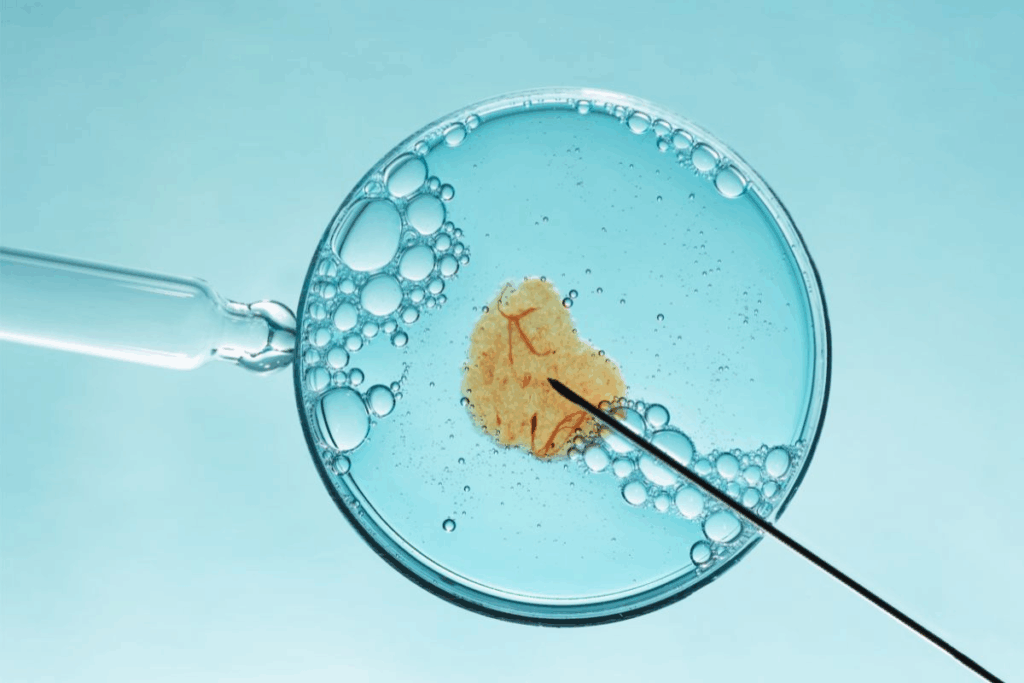
IVF, or In Vitro Fertilization, is a detailed process with several key steps. It helps people conceive and requires patience, understanding, and medical guidance.
The Definition and Purpose of In Vitro Fertilization
In Vitro Fertilization is a type of assisted reproductive technology (ART). Eggs are taken from the ovaries, mixed with sperm in a lab, and then put into the uterus. It’s for those who can’t conceive naturally due to blocked tubes, low sperm count, or other reasons.
“IVF has changed reproductive medicine, giving hope to those who thought they couldn’t have kids,” say fertility experts. It’s customized for each person’s needs, making it a flexible solution for many fertility problems.
Overview of the Complete IVF Cycle
The IVF process starts with hormone stimulation injections to get the ovaries to make more eggs. Then, eggs are carefully taken out during egg retrieval. After that, the eggs are mixed with sperm in the lab, and the embryos grow for 3-5 days.
The IVF cycle has several important parts:
- Hormone stimulation and monitoring
- Egg retrieval
- Fertilization of eggs with sperm
- Embryo culture
- Embryo transfer into the uterus
Knowing these steps helps manage expectations and prepare for the journey.
By the end of IVF, people know their chances of getting pregnant. It’s a tough journey, but with support and medical care, many achieve their dream of being parents.
Preparing for Egg Retrieval: The Journey Before the Procedure
Getting ready for egg retrieval is a big step in IVF. It’s important to know what to do to make sure everything goes smoothly. This knowledge can help you feel more at ease and ready for what’s next.
Hormone Stimulation Protocol
Patients start hormone injections on days 2-4 of their cycle. These injections help the ovaries make more eggs. This increases the chances of getting pregnant.
Key aspects of the hormone stimulation protocol include:
- Daily injections of fertility medications to stimulate the ovaries.
- Regular monitoring through ultrasound and blood tests to assess the response to the medication.
- Adjustments to the medication dosage based on the ovarian response.
The Importance of the Trigger Shot
The trigger shot is a key part of IVF, given 34-36 hours before egg retrieval. It helps eggs mature fully, making them ready for retrieval.
The timing of the trigger shot is very important. It makes sure eggs are mature without ovulating too soon. This step is vital for getting more eggs and improving fertilization chances.
Final Preparations 24 Hours Before Retrieval
24 hours before egg retrieval, there are a few things to do. These include:
- Confirming the timing and logistics of the retrieval procedure with your healthcare provider.
- Arranging for someone to accompany you to the procedure and drive you home afterward.
- Following any specific dietary or lifestyle instructions provided by your clinic.
By following these steps and understanding their importance, you’ll be well-prepared for egg retrieval. This will help you move forward in your IVF journey.
The Egg Retrieval Procedure: What to Expect
Knowing what to expect during egg retrieval can ease your worries. We’re here to walk you through this key part of the IVF process.
Anesthesia and Comfort Measures
Comfort is our main focus during the egg retrieval. We use light sedation to keep you comfortable. The whole process usually takes 20-30 minutes.
After, you’ll be watched for a bit. Anesthesia makes sure you don’t feel pain. Our team knows just the right amount to keep you relaxed.
The Technical Process of Retrieving Eggs
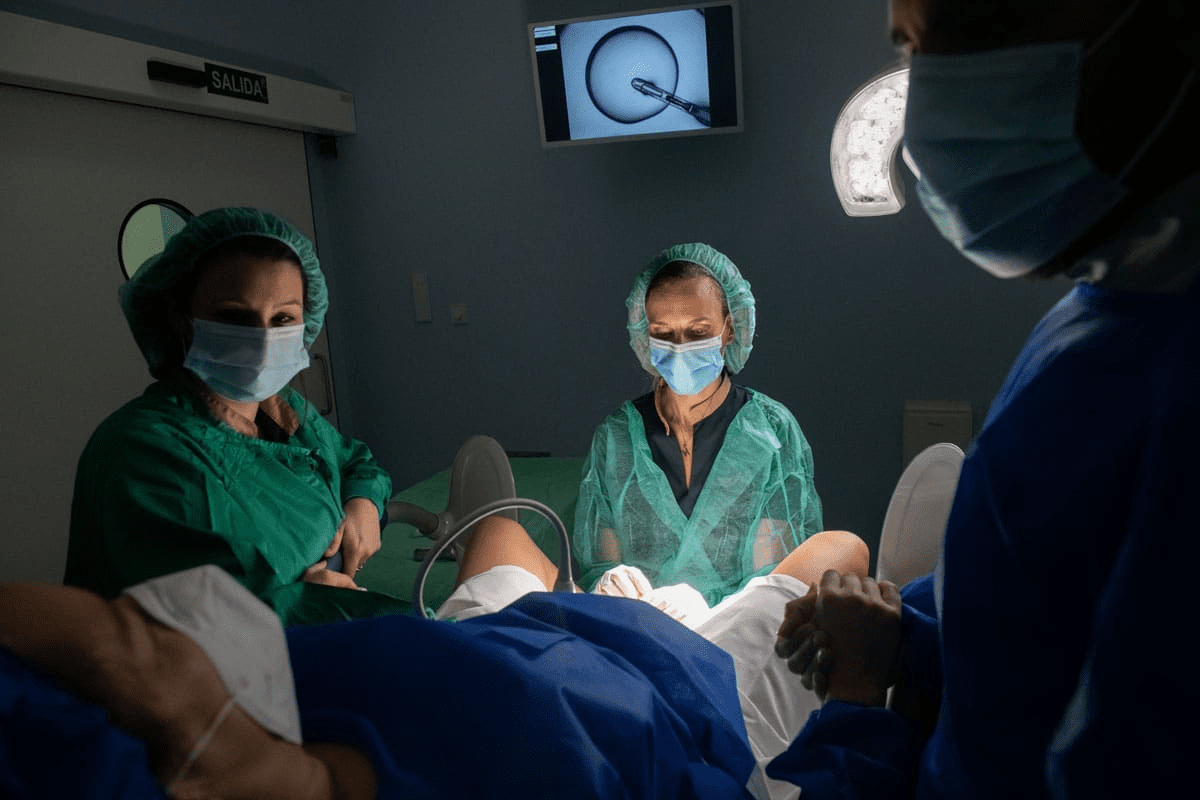
The egg retrieval is a minor surgery. A needle guided by ultrasound goes through the vaginal wall to reach the ovaries. Then, eggs are carefully taken out from the follicles.
Recovery in the Immediate Hours Post-Procedure
After the procedure, you’ll go to a recovery area. You’ll be watched for a short time. Most people can go home in 1-2 hours.
You might feel some cramping or discomfort, but it’s usually mild. It’s best to have someone with you and drive you home. Rest for the rest of the day and avoid hard activities.
Follow our advice closely in the first hours to avoid side effects. We’re here to support you every step of the way in your IVF journey.
Essential Steps After Egg Retrieval: The First 24 Hours
Egg retrieval is a big step in the IVF journey. After the eggs are taken out, they go straight to the lab for more work.
Laboratory Procedures with Retrieved Eggs
The eggs are checked for quality and how mature they are. This is key because it shows if the eggs can be fertilized. Our team of embryologists takes great care to keep the eggs healthy.
Sperm Collection and Preparation
On the day of egg retrieval, a semen sample is collected from the male partner. The sperm is then prepared using special techniques. This helps pick the healthiest sperm for fertilization.
Fertilization Methods: Conventional vs. ICSI
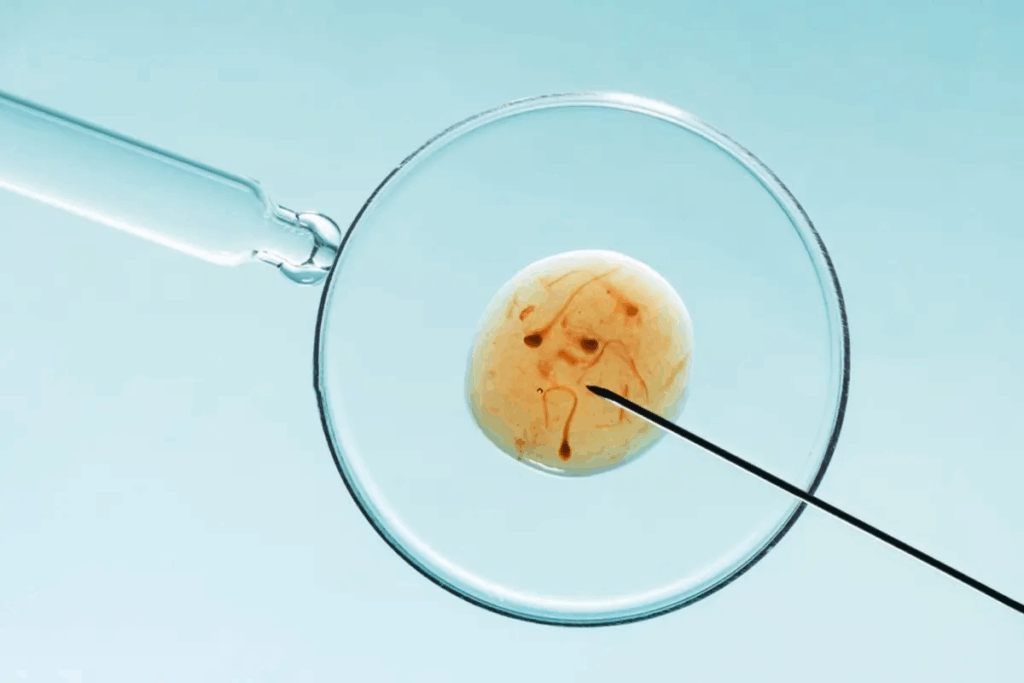
There are two main ways to fertilize eggs: conventional insemination and ICSI. Conventional insemination mixes eggs with sperm in a dish. ICSI, or intracytoplasmic sperm injection, injects a single sperm into an egg. It’s often chosen for couples facing fertility challenges.
Our fertility experts decide which method is best based on many factors. They look at sperm quality and past fertility issues. This choice aims to increase the chances of successful fertilization and embryo growth.
After fertilization, the embryos grow in the lab for 3-5 days. Our embryologists watch over them, checking their quality and health for transfer.
The Fertilization Process: From Eggs to Embryos
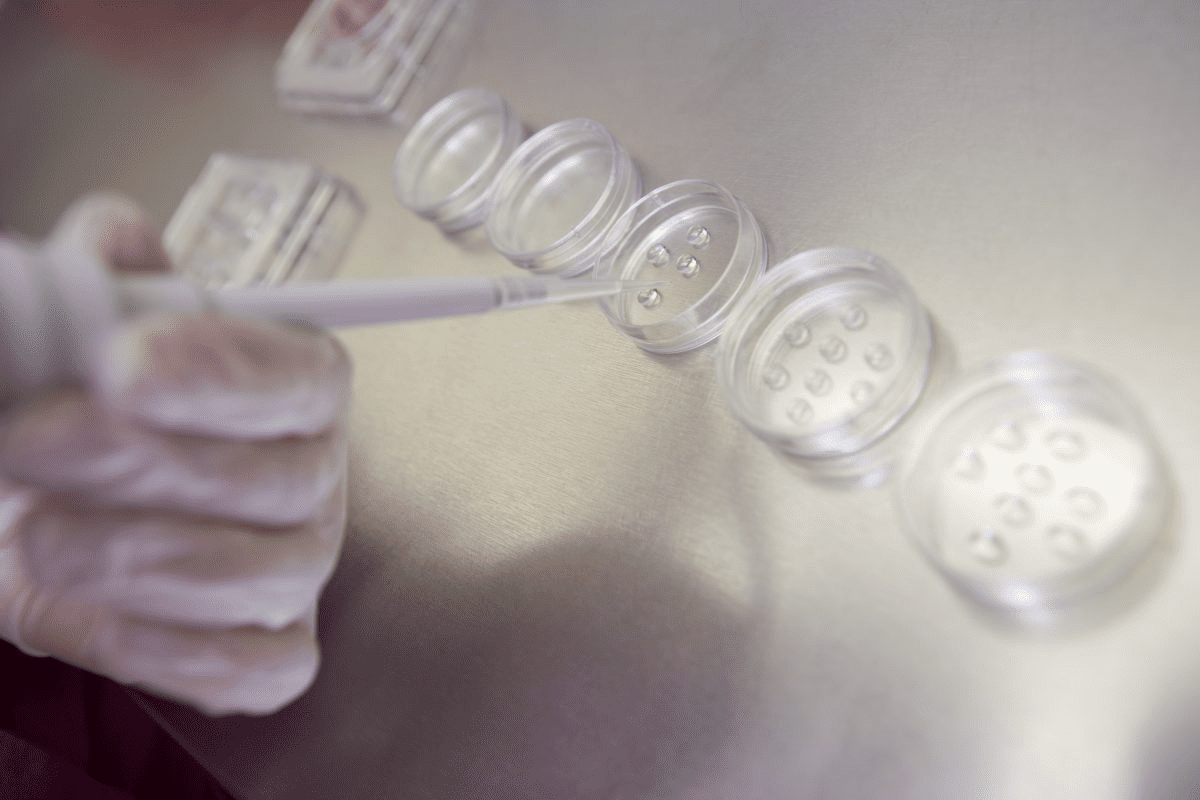
In the IVF process, eggs are first retrieved. Then, they are fertilized in the lab with great care. This is where eggs meet sperm in a lab dish.
How Fertilization Occurs in the Lab
Fertilization in IVF happens when eggs and sperm mix in a lab dish. This can be through normal insemination or ICSI, where a single sperm is injected into the egg. Our team picks the best method based on egg and sperm quality.
The eggs and sperm are mixed in a special medium. This medium gives them the nutrients they need for fertilization. This usually happens a few hours after egg retrieval.
Expected Fertilization Rates (70-90%)
Fertilization rates vary, but clinics usually see a 70-90% success rate. The quality of eggs and sperm, the age of those involved, and the IVF method used all play a role. Knowing these factors helps us manage expectations and make informed choices.
Key factors affecting fertilization rates include:
- Egg quality and quantity
- Sperm quality
- Age of the individuals
- IVF technique used
The First Call: Understanding Your Fertilization Results
About 18-24 hours after egg retrieval, patients get a call with their fertilization results. This is a big moment, as it tells them how many eggs have fertilized and are becoming embryos.
“The fertilization report is a critical milestone in the IVF journey, giving insights into treatment progress and what’s next.”
We talk about the fertilization outcomes, the number of embryos, and the next steps in the IVF process during this call. This info is key for planning the next stages, like embryo transfer. We also answer any questions or concerns, making sure patients are informed and supported.
Understanding the fertilization process and its success factors helps patients navigate their IVF treatment. Our team is dedicated to providing personalized care and guidance, from fertilization to the final outcome.
Embryo Development Timeline: Days 1-5 After Retrieval
Learning about embryo growth is key in IVF. The first five days after retrieval are critical. During this time, embryos grow fast, and doctors watch them closely.
Day 1: Fertilization Confirmation
On day one, we confirm fertilization. This is a big step in IVF. It shows the egg and sperm have combined successfully. Our team checks the eggs for fertilization signs, usually 16-20 hours after insemination.
Days 2-3: Cleavage Stage Development
Days 2 and 3 are when embryos start dividing. We look at the embryo’s quality, like cell number and division evenness. This stage is important for seeing if the embryo can grow well.
Days 4-5: Blastocyst Formation
By days 4 and 5, good embryos become blastocysts. They have a fluid-filled cavity and an inner cell mass. Blastocysts are more likely to implant, making them great for transfer. Our specialists watch the blastocysts to find the best time for transfer.
Embryos are usually transferred on day 3 or 5. The choice depends on the embryo’s quality, the patient’s history, and other factors.
Day | Development Stage | Description |
1 | Fertilization | Fertilization is confirmed, indicating successful sperm penetration. |
2-3 | Cleavage Stage | Embryos divide and grow, with quality assessed based on cell number and division evenness. |
4-5 | Blastocyst Formation | Embryos develop into blastocysts with a fluid-filled cavity and inner cell mass, ideal for transfer. |
Knowing about embryo development helps patients understand IVF better. By watching how embryos grow, doctors can decide the best time for transfer. This can increase the chances of a successful pregnancy.
Physical Recovery and Self-Care Following Egg Retrieval
Recovering from egg retrieval means managing pain, following medication, and knowing when to get medical help. It’s key to focus on your health and follow your doctor’s advice during this time.
Managing Discomfort and Possible Side Effects
Patients often feel some pain after egg retrieval. This can be eased with over-the-counter pain meds. You might also feel bloating, cramping, and fatigue. These symptoms are usually mild and go away in a few days.
To feel better, try:
- Resting and avoiding hard activities
- Using warm compresses on your lower belly
- Following your doctor’s advice on pain meds
One patient said, “The first day after egg retrieval was tough, but with the right meds and rest, I handled my pain well.“
Medication Protocols Post-Retrieval
Your doctor might give you meds after egg retrieval to help with IVF. You might get progesterone supplements to help embryos implant. It’s important to take your meds as told to increase your chances of success.
Medication | Purpose | Administration |
Progesterone | Supports embryo implantation | Oral or vaginal suppositories |
Antibiotics | Prevents infection | Oral tablets |
When to Contact Your Doctor
Some pain is normal after egg retrieval, but severe pain, heavy bleeding, or fever need quick doctor visits.
Keep an eye on your symptoms and call your doctor if worried. A doctor once said, “It’s always better to be safe when it comes to your health.“
By following these tips and staying in touch with your healthcare team, you can have a smooth recovery. This will help your chances of success in your IVF journey.
Navigating the Emotional Journey During Steps After Egg Retrieval
Learning about IVF can ease the emotional stress after egg retrieval. The wait after the procedure is tough, filled with anxiety and doubt about the results.
Coping with Uncertainty and Waiting
The days after egg retrieval can be hard. It’s key to find ways to deal with the uncertainty. Staying active and using relaxation methods like meditation can help. Talking openly with your doctor also eases the emotional load.
Keeping a journal or doing hobbies can take your mind off the wait. Support groups, online or in-person, offer a sense of belonging and understanding.
Partner Support and Communication
If you’re doing IVF with a partner, open communication is vital. Talking about your feelings and worries can make your relationship stronger. It helps you both face this tough time together.
- Make time to talk about how you’re feeling.
- Do things you both like to do.
- Think about couples therapy to improve your communication and support.
Resources for Emotional Wellbeing
Many resources are available to help with emotional wellbeing during IVF. Counseling services offer a safe place to talk about your feelings. Online forums and support groups connect you with others going through the same thing.
“The emotional journey of IVF is just as important as the medical process. Support and understanding can make a significant difference in the overall experience.”— IVF Support Specialist
Using these resources and keeping a supportive network can help you handle the emotional ups and downs of IVF after egg retrieval.
Comprehensive IVF Calendar Example: From Stimulation to Transfer
The IVF journey has many steps, from starting to the final transfer. Knowing this timeline helps patients get ready and set the right expectations.
Days 1-14: Stimulation and Monitoring
The first part of IVF is getting the ovaries to make many eggs. This is done with hormone shots, starting on Day 1 or 2 of your cycle. Monitoring is key, with ultrasound scans and blood tests to check how well the ovaries are responding.
- Day 1-2: Baseline ultrasound and start of stimulation medication
- Day 5-7: First monitoring visit to assess response
- Day 8-12: Continued monitoring and adjustment of medication as needed
Days 14-19: Retrieval and Fertilization
When the follicles are big enough, a trigger shot is given to get the eggs ready. About 36 hours later, the egg retrieval happens.
- Day 14: Trigger shot
- Day 14 (36 hours later): Egg retrieval procedure
- Day 15: Sperm collection and preparation for fertilization
- Day 16-19: Fertilization and initial embryo development
Days 19-24: Embryo Development and Transfer Preparation
After fertilization, the embryos grow in the lab. The embryologist watches their growth, usually transferring them on Day 5, when they are at the blastocyst stage.
- Day 19-21: Embryo culture and monitoring
- Day 22-24: Preparation for embryo transfer, including endometrial lining assessment
Knowing the IVF calendar helps patients understand the treatment better. It’s important to follow your fertility clinic’s specific advice, as each treatment plan is different.
Preparing for Next Steps: Embryo Transfer and Beyond
After the egg retrieval, the next big step is embryo transfer. This is a key part of IVF. Knowing your options can really help.
Fresh vs. Frozen Transfer Considerations
Choosing between fresh and frozen embryo transfer is important. It depends on your medical history and the clinic’s rules. We look at several things when deciding.
- The quality and quantity of the embryos
- The patient’s ovarian response to stimulation
- The risk of ovarian hyperstimulation syndrome (OHSS)
- The endometrial receptivity
A study in the Journal of Assisted Reproduction and Genetics found that frozen embryo transfer works well. This is thanks to a method called vitrification.
“Vitrification has revolutionized the field of embryology, making it a reliable way to preserve embryos.” – Medical Expert, Embryologist
Transfer Type | Advantages | Disadvantages |
Fresh Transfer | Timely transfer without delay | Risk of OHSS, possible negative impact on endometrial receptivity |
Frozen Transfer | Less risk of OHSS, better endometrial preparation | Needs more time for endometrial preparation |
Endometrial Preparation for Transfer
Getting the endometrium ready for transfer is key. We check its thickness and receptivity to find the best time for transfer.
Endometrial preparation includes:
- Hormone replacement therapy to mimic a natural cycle
- Monitoring with ultrasound and blood tests
- Timing the transfer based on the embryo’s stage
Calculating Pregnancy Due Date After IVF
Figuring out the due date after IVF is easy. We count from the embryo transfer date and add 266 days (or 38 weeks).
Remember, IVF due dates are more accurate. This is because we know exactly when conception happened.
Conclusion: Embracing Your IVF Journey After Retrieval
Understanding the steps after egg retrieval is key in IVF. From the first trigger shot to fertilization, each step is important for a healthy pregnancy. IVF, or In Vitro Fertilization, is a journey that needs patience, resilience, and informed choices.
We’ve explored the IVF cycle, from preparation to egg retrieval and lab work. Knowing what IVF is and how it works helps patients deal with its emotional and physical challenges.
As you continue, stay informed and empowered in your IVF journey. This way, you’ll be ready to make decisions and move through the process with confidence. Your journey is unique, and we’re here to support you every step of the way.
FAQ
What does IVF stand for?
IVF stands for In Vitro Fertilization. It’s a way to help people have a baby by fertilizing an egg outside the body.
How do IVF treatments work?
IVF treatments start with hormone shots to get many eggs. Then, these eggs are taken out and mixed with sperm in a lab. After that, the fertilized eggs are put back into the uterus.
What is the trigger shot in IVF?
The trigger shot is a medicine given 24-36 hours before egg retrieval. It helps the eggs get ready for retrieval.
What happens on the day of egg retrieval?
On egg retrieval day, eggs are taken out of the ovaries. This is done with a minor surgery, often under sedation or anesthesia.
How are eggs fertilized in IVF?
Eggs are fertilized in the lab. This can be done by mixing sperm with eggs or by injecting a sperm into an egg.
What is the expected fertilization rate in IVF?
The fertilization rate in IVF is usually between 70-90%. But, it can change based on many factors.
How is embryo development monitored after IVF?
After IVF, embryos are watched in the lab for 3-5 days. This lets embryologists check their quality and growth.
What is the difference between fresh and frozen embryo transfer?
Fresh embryo transfer happens when an embryo is put in during the same cycle as egg retrieval. Frozen embryo transfer is when a thawed embryo is transferred.
How is the pregnancy due date calculated after IVF?
The due date after IVF is figured out based on when the egg was retrieved or the embryo was transferred. It also considers the embryo’s development stage at transfer.
What are the common side effects after egg retrieval?
After egg retrieval, women might feel mild cramping, bloating, and spotting. These usually go away in a few days.
How can I manage discomfort after egg retrieval?
To ease discomfort after egg retrieval, take pain medicine, rest, and use warm compresses. Your doctor will tell you what to do.
What is an IVF calendar example?
An IVF calendar shows the steps of the IVF process. This includes hormone shots, monitoring, egg retrieval, fertilization, and embryo transfer.
How long does it take to recover from egg retrieval?
It usually takes a few days to recover from egg retrieval. Some women might feel tired and uncomfortable for up to a week or more.
References
National Center for Biotechnology Information. Post-Egg Retrieval Steps in IVF: A Concise Guide. Retrieved from https://www.ncbi.nlm.nih.gov/pmc/articles/PMC7417217/