Last Updated on November 26, 2025 by Bilal Hasdemir
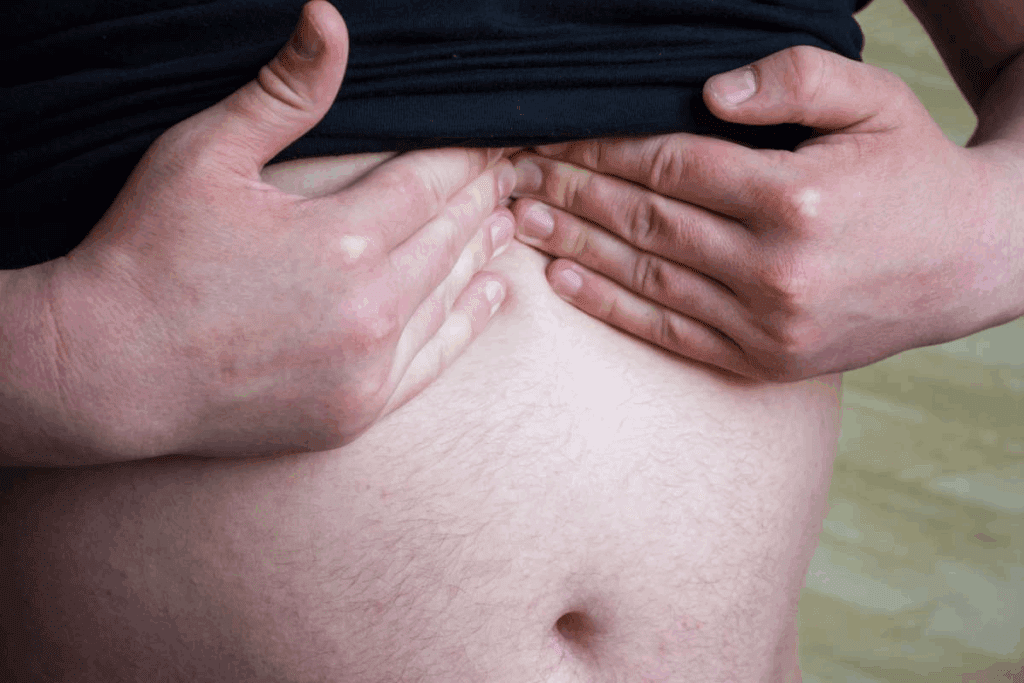
An epigastric hernia happens in the front of the belly, between the breastbone and belly button. This is according to the Cleveland Clinic. It can cause a lump or a painful bulge, which is more than just a cosmetic issue.
It’s important to know what causes and risks sternum hernias have. Liv Hospital focuses on patient health with top-notch care. They help those dealing with this condition.
Key Takeaways
- Epigastric hernias occur between the breastbone and belly button.
- Understanding the causes and risks is key for effective management.
- Liv Hospital offers patient-centered expertise for hernia care.
- Timely care is vital for managing sternum hernia.
- Patient health is prioritized through excellence in care.
Understanding Epigastric Hernia: Definition and Anatomy

Epigastric hernias are a type of hernia found in the upper belly. They happen between the navel and the breastbone. Knowing about them helps us understand how they differ from other belly hernias.
What Is an Epigastric Hernia?
An epigastric hernia happens when the belly wall weakens. This lets fatty tissue or intestine bulge out. The Mayo Clinic says these hernias are rare and look like a lump in the upper belly.
Key characteristics of epigastric hernias include:
- They occur in the upper abdomen.
- They bulge through a weak spot in the belly wall.
- They can push out fatty tissue or intestine.
Location of Epigastric Hernia
Epigastric hernias are found in the area between the breastbone and the navel. This spot is also called the upper midline of the belly.
Their location is important because it affects symptoms and treatment. Finding them can be tricky because of their spot near the sternum and navel. Doctors might need to use imaging to diagnose them.
Difference Between Epigastric and Other Abdominal Hernias
Epigastric hernias are different because of where they are. They are not near the belly button like umbilical hernias or in the groin like inguinal hernias. They are in the upper midline.
Other key differences include:
- The size of the weak spot: Epigastric hernias have small weak spots.
- What bulges out: They can have fatty tissue or, less often, intestine.
Doctors say knowing these differences is key for correct diagnosis and treatment.
“Accurate diagnosis of epigastric hernias requires a thorough understanding of their anatomical characteristics and clinical presentation.”
Medical Expert
Sternum Hernia: Causes and Risk Factors
A sternum hernia often comes from weak spots in the abdominal wall and too much pressure inside. These hernias, known as epigastric hernias, happen in the area between the belly button and the sternum.
Congenital Weakness in the Abdominal Wall
Weakness in the abdominal wall from birth is a main reason for sternum hernias. Medical studies show that epigastric hernias occur when the abdominal wall doesn’t close fully during development. This weakness can lead to a bulge later in life.
“Epigastric hernias happen when there’s a failure of closure of the abdominal wall during fetal development, leading to a weak spot that can bulge out later in life.”
Increased Abdominal Pressure Factors
More pressure in the abdomen also plays a big role in sternum hernias. Several things can cause this extra pressure, including:
- Heavy lifting
- Coughing or sneezing
- Straining during bowel movements
- Obesity
These factors can make a congenital weakness worse, leading to a hernia.
Role of Obesity and Pregnancy
Being overweight and pregnant both increase the chance of getting a sternum hernia. Obesity puts extra pressure on the abdominal wall. Pregnancy strains the wall due to the growing uterus and posture changes.
| Risk Factor | Impact on Abdominal Wall |
| Obesity | Increased pressure on the abdominal wall |
| Pregnancy | Strain due to expanding uterus and postural changes |
Knowing about these causes and risks is key to preventing and managing sternum hernias. By understanding the role of congenital weaknesses, increased pressure, and conditions like obesity and pregnancy, people can take steps to lower their risk.
Recognizing Symptoms of an Epigastric Hernia
Epigastric hernias show different symptoms, including visible signs and discomfort. Knowing these symptoms is key to getting the right medical help.
Visual Signs: Lump Below Sternum Above Stomach
A common sign of an epigastric hernia is a bulge below the sternum and above the stomach. This bulge gets more noticeable when you cough or strain.
Physical Symptoms: Pain and Discomfort
People with an epigastric hernia might feel dull aches or sharp pains in their upper belly. The pain can be constant or come and go, getting worse with activities that put pressure on the belly.
When Symptoms May Worsen
Symptoms of an epigastric hernia can get worse with heavy lifting, bending, or coughing. It’s important to watch these symptoms and see a doctor if they get bad or if you notice other scary signs.
| Symptom | Description | Factors that Worsen |
| Lump or Bulge | Visible protrusion below sternum | Coughing, Straining |
| Pain or Discomfort | Dull ache or sharp pain | Heavy Lifting, Bending |
| Intermittent Symptoms | Symptoms that come and go | Physical Activity, Stress |
Different Presentations of Epigastric Hernias
It’s important to know how epigastric hernias show up to diagnose and treat them right. These hernias can look different, making it hard to tell what’s going on.
Knot Above Belly Button
A knot above the belly button is a common sign of an epigastric hernia. This happens when something bulges through the belly wall between the navel and the sternum. The knot might hurt when you touch it and can feel worse when you cough or strain.
Bump Above Belly Button
Seeing a bump above the belly button can mean you have an epigastric hernia. This bump is usually found in the middle of the belly, between the navel and the sternum. The size of the bump can change and might be more obvious when you’re standing or straining.
Bulge Under Sternum
A bulge under the sternum is another way an epigastric hernia can show up. This happens when the hernia is closer to the xiphoid process. You might feel pain or discomfort, which can get worse after eating or when you lie down.
Here’s a quick guide to the different ways epigastric hernias can appear:
| Presentation | Location | Characteristics |
| Knot above belly button | Between navel and sternum | Tender lump, discomfort when coughing or straining |
| Bump above belly button | Midline of abdomen | Visible bump, varies in size, more noticeable when standing |
| Bulge under sternum | Near xiphoid process | Bulge with discomfort or pain, specially after eating or lying down |
What Is a Fatty Hernia in the Epigastric Region?
A fatty hernia is a non-cancerous growth in the abdominal wall, often in the epigastric area. It’s important to know that fatty hernias, or lipomas, are not cancerous. They can look like epigastric hernias, so it’s key to tell them apart.
Composition of Fatty Hernias
Fatty hernias are made of fat tissue that bulges through a weak spot in the abdominal wall. They feel soft and can move under the skin. The main part of a fatty hernia is fat cells that pile up and form a lump.
Dr. John Smith, a well-known surgeon, says, “Fatty hernias are benign growths that can cause discomfort and aesthetic concerns for patients.”
“The key to diagnosing fatty hernias lies in understanding their composition and how they differ from other types of hernias.”
Dr. John Smith
How Fatty Hernias Differ from Other Types
Fatty hernias are different from other hernias, like epigastric hernias, in what they’re made of and how they look. While epigastric hernias involve intestine or other tissues bulging through the wall, fatty hernias are just fat.
| Hernia Type | Composition | Characteristics |
| Fatty Hernia | Adipose tissue | Soft, movable, benign |
| Epigastric Hernia | Intestine or other tissues | Can be painful, may require surgery |
Specific Symptoms of Fatty Epigastric Hernias
The symptoms of fatty hernias in the epigastric region can vary. Common signs include a visible lump or swelling in the upper belly, discomfort or pain when pressing on it, and concerns about how it looks.
Even though fatty hernias are usually harmless, they can be uncomfortable and might need attention. Getting a proper diagnosis from a healthcare professional is vital to figure out the best treatment.
In summary, fatty hernias in the epigastric region are benign growths that need the right diagnosis and understanding. By knowing what they are, how they differ from other hernias, and their symptoms, patients can get the right medical care.
Diagnosing an Epigastric Hernia
To diagnose an epigastric hernia, doctors use both physical checks and imaging tests. Getting the diagnosis right is key to choosing the right treatment.
Physical Examination Techniques
Doctors start by doing a detailed physical check. They look for signs of a hernia. Palpation is a method where they feel the belly to find any bulges. They might ask you to cough or strain to see the hernia better.
They also check the size and how sore the hernia is. This helps them understand how serious it is and what to do next.
Imaging Studies for Confirmation
Even with a physical check, imaging studies are needed to be sure. Ultrasound is often used. It shows the hernia and the area around it, helping to see how big it is.
At times, CT scans or MRI might be suggested. These give even clearer pictures and are useful when things are not clear.
Differential Diagnosis Considerations
When checking for an epigastric hernia, doctors also think about other possible issues. These include other hernias, tumors, or defects in the belly wall. A careful check helps rule out these other problems.
Doctors must be very careful in their checks to make sure they get it right. They use what they find from the physical check and imaging to plan the best treatment.
Is Epigastric Hernia Dangerous? Complications and Risks
Epigastric hernias can be serious, with risks like incarceration or strangulation. These issues are not always life-threatening right away. But knowing the dangers is key to managing and treating them well.
Understanding Incarceration
Incarceration happens when the hernia’s contents get stuck and can’t go back inside. This can cause a lot of pain and might cut off blood to the trapped tissue.
Key aspects of incarceration include:
- Increased risk of strangulation
- Severe abdominal pain
- Nausea and vomiting
Recognizing Strangulation
Strangulation is a serious issue where the blood to the hernia is cut off. It’s a medical emergency that needs quick action.
“Strangulation of an epigastric hernia is a surgical emergency. Prompt intervention is necessary to prevent tissue necrosis and other serious complications.”
Signs of strangulation include:
| Symptom | Description |
| Severe pain | Pain at the hernia site that worsens over time |
| Nausea and vomiting | Indicative of bowel obstruction |
| Fever | Sign of possible infection or tissue death |
Emergency Warning Signs
It’s important to know when to get medical help fast. Look out for sudden pain, signs of infection, or bowel blockage symptoms.
- Sudden severe pain
- Vomiting
- Fever or chills
- Inability to pass gas or have a bowel movement
Knowing these signs can help you get medical help quickly. This might prevent serious problems.
Non-Surgical Management Options
Not all epigastric hernias need surgery. Some can be managed without it. This is true for small, symptom-free hernias or those who can’t have surgery right away.
Monitoring Small Asymptomatic Hernias
For small hernias without symptoms, watching and waiting is an option. Regular visits to the doctor are key. This way, the hernia can be checked for any changes or symptoms. The Cleveland Clinic says some hernias don’t need treatment and can be watched over time.
Lifestyle Modifications
Changing your lifestyle can help manage hernias without surgery. Keeping a healthy weight can ease pressure on your belly. Also, avoiding heavy lifting and straining can stop the hernia from getting worse.
- Eating a balanced diet to avoid constipation, which can strain the abdominal muscles
- Engaging in gentle exercises to improve overall abdominal health
- Avoiding smoking, as it can lead to chronic coughing, which strains the abdominal wall
Pain Management Approaches
If you’re in pain from your hernia, there are ways to manage it. Over-the-counter pain meds might help. Sometimes, wearing an abdominal binder can also offer relief by applying gentle pressure.
It’s essential for patients to work closely with their healthcare provider to find the best non-surgical plan for them.
Epigastric Hernia Operation: Surgical Approaches
Epigastric hernia surgery uses different methods, like open repair and laparoscopic techniques. The choice depends on the hernia size, patient health, and the surgeon’s preference.
Open Surgical Repair
Open repair involves cutting the abdominal wall to fix the hernia. It’s a traditional method that works well for many.
Advantages of Open Repair:
- Direct access to the hernia site
- Effective for larger hernias
- Well-established technique
Laparoscopic Techniques
Laparoscopic surgery, or keyhole surgery, uses small incisions. A camera and tools are inserted to fix the hernia.
Benefits of Laparoscopic Repair:
- Smaller incisions, resulting in less scarring
- Reduced post-operative pain
- Quicker recovery time
Mesh vs. Non-Mesh Repairs
Mesh is often used in hernia repair to strengthen the area and lower recurrence risk.
| Repair Type | Mesh Used | Recurrence Rate |
| Mesh Repair | Yes | Lower |
| Non-Mesh Repair | No | Higher |
Recovery After Epigastric Hernia Surgery
Recovering from epigastric hernia surgery needs careful attention to post-operative instructions. It’s important to know the recovery timeline. The process includes immediate care, managing the surgical scar, and understanding long-term healing.
Immediate Post-Operative Care
Immediate care after surgery is key to avoid complications and ensure a smooth recovery. Patients are watched in a recovery room for a few hours. Following the surgeon’s instructions on rest, activity, and medication is vital.
Some immediate care guidelines include:
- Resting well to help the body heal
- Avoiding heavy lifting or strenuous activities
- Eating a balanced diet to support healing
- Managing pain with prescribed medication
Epigastric Hernia Scar Management
The scar usually heals in a few weeks. Proper care can make it less noticeable and help it heal better. Keeping the scar area clean and dry, and following any specific care instructions from the surgeon, is important.
“Proper wound care is essential for minimizing the risk of infection and promoting optimal healing of the surgical scar.”
Dr. John Smith, Surgeon
Long-Term Recovery Timeline
The long-term recovery timeline varies based on individual health and surgery complexity. Generally, patients can get back to normal in a few weeks. Knowing the recovery timeline helps manage expectations and ensures a smoother recovery.
| Recovery Stage | Timeline | Key Activities |
| Immediate Recovery | 1-2 weeks | Rest, pain management, follow post-operative instructions |
| Early Recovery | 2-6 weeks | Gradually increase activity level, return to light work |
| Full Recovery | 6-12 weeks | Resume normal activities, including heavy lifting and strenuous exercise |
By understanding the recovery process and following post-operative care instructions, patients can minimize complications. This ensures the best outcomes after epigastric hernia surgery.
Preventing Recurrence After Hernia Repair
To lower the chance of hernia coming back, patients need to follow certain rules after surgery. They also need to change some habits in their daily life. These steps are key to keeping healthy for a long time.
Post-Surgery Precautions
Right after surgery, it’s very important to listen to the doctor’s advice. This helps the body heal right and avoids problems. Don’t lift anything heavier than 10 pounds and stay away from hard work that strains your belly.
Watching the surgery area for signs of infection is also very important. Look out for redness, swelling, or fever. If you see any, get help right away.
Core Strengthening Exercises
After healing a bit, start doing exercises that make your belly muscles stronger. Choose gentle exercises that don’t hurt the surgery area. Try pelvic tilts, gentle planks, and deep breathing.
Talk to a doctor or a physical therapist to make a plan that’s right for you. Start slowly to avoid getting too tired.
Lifestyle Adjustments for Prevention
Changing your lifestyle can also help prevent hernias from coming back. Keeping a healthy weight is important. This means eating well and exercising regularly.
Don’t smoke and try to control coughs to lower pressure inside your belly. Also, eat foods high in fiber to avoid constipation, which can hurt your belly muscles.
- Eat a balanced diet to keep a healthy weight
- Do regular, moderate exercise
- Stay away from smoking and manage coughs
- Eat more fiber to avoid constipation
By following these tips and making lifestyle changes, you can lower the risk of hernia coming back. This way, you can live a healthier, more active life after surgery.
Conclusion
It’s important to know about epigastric hernias, their causes, symptoms, and treatments. A sternum hernia is often linked to these and needs the right care to avoid serious issues.
To diagnose an epigastric hernia, doctors use physical checks and imaging tests. These help tell it apart from other belly problems. Treatment can be non-surgical for small, painless hernias or surgery for bigger or painful ones.
Surgery, like open or laparoscopic methods, is a good fix for hernias. After surgery, taking care of yourself and making lifestyle changes are key. They help stop the hernia from coming back and aid in healing.
This article has covered the main points about epigastric hernias. It’s meant to help readers understand why they should see a doctor if their symptoms don’t go away or get worse. This can lead to better health outcomes.
FAQ
What is an epigastric hernia?
An epigastric hernia happens in the area between your belly button and breastbone. It’s a type of hernia.
What are the symptoms of an epigastric hernia?
You might feel a lump or bulge below your sternum. You could also have pain and discomfort.
Is epigastric hernia dangerous?
Yes, it can be. If not treated, it might cause serious problems like incarceration and strangulation. These are emergencies.
What causes a sternum hernia?
Sternum hernias are often due to weak spots in the abdominal wall. Increased pressure, obesity, and pregnancy can also play a role.
How is an epigastric hernia diagnosed?
Doctors use physical exams and imaging studies to find out if you have a hernia. They check to see if it’s not something else.
What are the treatment options for epigastric hernias?
You can try non-surgical ways like watching it and changing your lifestyle. Or, you might need surgery, which can be open or laparoscopic.
What is a fatty hernia in the epigastric region?
A fatty hernia, or lipoma, is a non-cancerous growth. It looks like a hernia but needs different treatment.
How can recurrence be prevented after epigastric hernia surgery?
To avoid it coming back, follow your doctor’s advice after surgery. Do exercises to strengthen your core and make lifestyle changes.
What is the recovery process like after epigastric hernia surgery?
Right after surgery, you’ll need to take care of yourself. You’ll have to manage your scar and go through a recovery period.
Can epigastric hernias be managed without surgery?
Yes, small ones that don’t bother you can be watched. Making lifestyle changes can also help with symptoms.
What are the risks associated with epigastric hernias?
Big risks are incarceration and strangulation. These are serious and need quick medical help.
How do I know if I have an epigastric hernia?
Look for a lump or bulge in the middle area. If you feel pain or discomfort, see a doctor.
What is the difference between an epigastric hernia and other abdominal hernias?
Epigastric hernias happen in a specific area. They’re different from other hernias because of their location.