Last Updated on November 26, 2025 by Bilal Hasdemir

Knowing the difference between ‘stint’ and ‘stent’ in medicine is key. At Liv Hospital, we focus on patient care and the latest medical standards. We make sure you get the best care, using clear terms and up-to-date practices.
Discover stint medical definition and correct stent terminology in 7 key facts.
‘Stent’ is a common term in medical interventions. But ‘stint’ is not used in medical devices or procedures. It’s important to know the right term to talk clearly with your healthcare team.
We’ll look into the correct terminology and how stents are used in medicine. This will help you understand these important health concepts better.
Key Takeaways
- Knowing the difference between ‘stint’ and ‘stent’ is key for clear healthcare talk.
- ‘Stent’ is often used in medical treatments.
- ‘Stint’ is not a term for medical devices or procedures.
- Using the right terms is vital for good patient care.
- Liv Hospital offers care based on the latest medical standards and clear terms.
The Confusion Between “Stint” and “Stent” in Medical Context
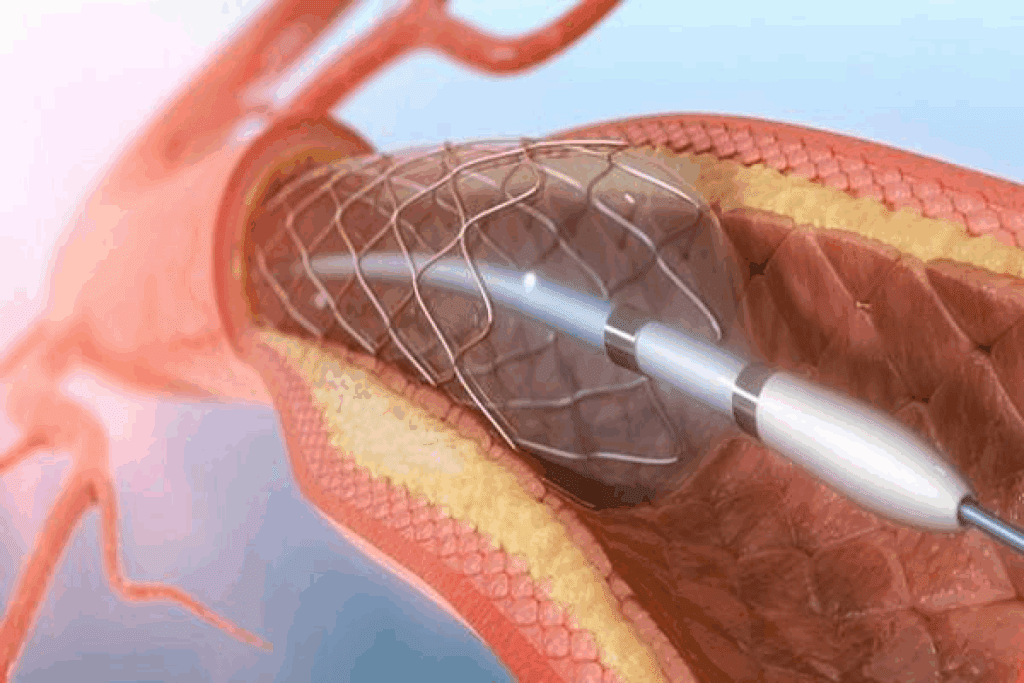
Many people get “stint” and “stent” mixed up in medical talk. This mix-up affects how we share and get medical info. It’s not just about words; it impacts patient care and how we talk about it.
Origin of the Terminology Confusion
“Stint” and “stent” sound and look similar, leading to confusion. But they mean different things. “Stint” can mean many things, but none are about medical devices. On the other hand, “stent” is a term used in medicine.
The reason for this mix-up might be how language and medical terms have changed over time. Knowing where these words come from helps us understand why they get mixed up.
“Stent” comes from Charles Stent, a dentist who made a material for dental impressions. Later, the term started to mean medical devices that keep things open.
Impact of Misused Medical Terms on Patient Communication
When “stint” and “stent” are used wrong, patients get confused. This can mess up their understanding of their health and treatments. When doctors use these words wrong, it makes talking about health issues unclear.
Good communication is key in healthcare. Using medical terms right helps patients understand better, follow treatment plans, and be happier with their care. As healthcare workers, we need to be careful with our words to keep communication clear.
Stint Medical Definition: What It Actually Means

It’s important to know what “stint” means in medical terms. It’s often mixed up with “stent,” a device used to keep things open. But “stint” has a different meaning.
“Stint” means a time spent doing something or a certain amount of work. In healthcare, it might mean a time in the hospital or a treatment period.
Limited Legitimate Uses of “Stint” in Healthcare
In medicine, “stint” is about time or amount, not devices. For example, a doctor might talk about a patient’s time in ICU or a chemotherapy stint. These uses fit the term’s definition.
Even though “stint” has these uses, it’s not often used in today’s medicine. It’s more about how long or how much of a service or treatment.
Why “Stint” Is Not a Standard Medical Device Term
The mix-up between “stint” and “stent” comes from their similar sounds and spellings. But “stint” doesn’t refer to any medical device. That’s the job of a “stent,” a specific device.
In summary, “stint” is about time or amount, not devices. Knowing this helps avoid confusion in healthcare talk.
What Is a Stent? Correct Medical Definition and Purpose
The term ‘stent’ in medicine refers to a device that keeps passages open. We will look into what a stent is and why it’s used in medical treatments.
Key Fact #1: Definition of a Stent as a Tubular Support Device
A stent is a tubular device used in the body to keep passages open. It’s used in many medical fields. The stent’s shape lets it expand inside the passage, supporting the walls and keeping it open.
Key Fact #2: Primary Function in Maintaining Vessel or Duct Patency
The main job of a stent is to keep the passage open. This ensures substances can flow freely. It’s vital in treating conditions where blockages can cause serious health problems.
In heart diseases, stents keep arteries open, improving blood flow. In the gut, they help keep bile ducts or the esophagus open, allowing food or bile to move normally.
Knowing what a stent is and its role is key for both patients and doctors. It helps in deciding if stenting is the right treatment for certain health issues.
The Historical Origin of the Term “Stent”
The term “stent” has a rich history that goes back to the 19th century. To understand its roots, we must look at the work of a key individual.
Charles Stent and His Dental Compound
Charles Stent, an English dentist from the 19th century, is the namesake of the term “stent.” Stent’s work involved creating dental compounds for dental prosthetics. His innovations in dental materials and techniques paved the way for medical uses.
Stent’s dental compound was groundbreaking. It provided a reliable way to make accurate dental impressions. This was a key step in dental prosthetics and set the stage for medical applications.
How a Dentist’s Name Became a Critical Medical Term
Over time, “stent” came to mean more than dental devices. The shift to broader medical use was made possible by the adaptability of Stent’s materials and techniques.
Now, when we define stent in medicine, we talk about devices that support or keep open body passageways. The stent meaning has grown to include various types used in different medical fields.
Knowing the meaning of stents and their history gives us insight into their development. The term “stent” is now a key part of medical language. It honors Charles Stent’s innovative work in dentistry and medicine.
As we dive deeper into the term stent means, it’s clear that dental practices influenced stenting technology. Charles Stent’s story shows how progress in one field can impact others.
Medical Applications of Stents Across Specialties
Medical stents are used in many specialties, helping patients a lot. They are not just for one area of medicine. Their use shows how stents can help in many ways.
Cardiovascular Stenting Procedures
Stents are well-known in cardiology. They keep arteries open, helping blood flow to the heart. This reduces heart attack risks. Drug-eluting stents also prevent arteries from narrowing again.
Stents in heart procedures are common now. They offer a less invasive option than surgery. Their success has led to exploring stents in other areas too.
Gastroenterological and Urological Applications
Stents are also used in gastroenterology and urology. In gastro, they clear blockages in the esophagus, bile ducts, and colon. This helps the digestive system work right again.
In urology, stents keep the ureters open. This ensures urine flows from the kidneys to the bladder. It’s a key procedure for kidney stones and strictures.
| Medical Specialty | Application of Stents | Benefits |
| Cardiology | Keeping arteries open | Improved blood flow, reduced risk of heart attacks |
| Gastroenterology | Relieving obstructions in digestive tract | Restored digestive function, alleviated symptoms |
| Urology | Ensuring ureter patency | Proper urine flow, managed kidney stones and strictures |
Emerging Uses in Other Medical Fields
Stents are being looked at for other medical uses. They might help with peripheral artery disease, airway blockages, and tumors. As stent technology gets better, we’ll see more uses.
Medical innovation is always growing. Stents will likely play a bigger role in patient care. They will offer new ways to treat many conditions.
Stenting: The Procedure Explained
Stenting has changed how we treat vascular diseases. It’s a less invasive way to help. We’ll explain stent placement and what to expect after.
Key Fact #4: The Process of Stent Placement
Stent placement is a minimally invasive method. It starts with local anesthesia to numb the area. Then, a catheter is used to place the stent.
The stent expands to keep the vessel open. Here’s what happens during stent placement:
- Preparation: The patient gets local anesthesia and sedation to relax.
- Catheter Insertion: A small incision is made to insert the catheter.
- Guiding the Catheter: Imaging guides the catheter to the blockage.
- Stent Deployment: The stent expands to keep the vessel open.
- Confirmation: Imaging confirms the stent’s placement and flow.
Patient Experience and Recovery Following Stenting
The stenting procedure is usually quick, lasting 30 minutes to a few hours. After, patients are monitored for complications. They might stay in the hospital or rest at home for a day.
For a smooth recovery, patients should:
- Follow post-procedure instructions and medication.
- Avoid strenuous activities for a while.
- Go to follow-up appointments to check the stent and health.
Understanding stenting and following care can improve outcomes and lower risks.
Modern Stent Technology and Materials
Modern stent technology has made huge strides. It now uses advanced materials and designs. This has improved how well stents work and how safe they are. We’ve seen big improvements in patient care.
The use of biocompatible metals and polymers is key in stent evolution. These materials are made to work well with the body. They help reduce bad reactions and make stents more effective.
Biocompatible Metals and Polymers in Modern Stents
Stents today are made from materials like stainless steel, cobalt-chromium, and platinum-chromium alloys. These materials are strong, flexible, and show up well on X-rays. They’re perfect for making stents.
| Material | Properties | Applications |
| Stainless Steel | High strength, corrosion resistance | Peripheral stents |
| Cobalt-Chromium Alloys | High strength, thin struts | Coronary stents |
| Platinum-Chromium Alloys | High radiopacity, flexibility | Coronary and peripheral stents |
Drug-Eluting Stents and Their Role in Preventing Restenosis
Drug-eluting stents (DES) are a big step forward in stent tech. They have a coating that slowly releases medicine. This helps stop arteries from narrowing again.
Studies show drug-eluting stents work better than old stents. They do this by slowly releasing drugs that stop cells from growing too much.
Now, drug-eluting stents are a mainstay in heart treatments. They give patients a better chance at beating heart disease.
The Global Impact of Stent Procedures
Millions of people worldwide have benefited from stent procedures. This shows how medical innovation has helped. Stents are key in treating many health issues, like coronary artery disease.
Statistical Overview of Stent Procedures Worldwide
Stent use has grown a lot in recent years. Over 2 million stent procedures happen every year globally. This number is likely to increase as more people get older and heart diseases become more common.
| Region | Number of Stent Procedures (Annual) | Growth Rate (%) |
| North America | 800,000 | 5 |
| Europe | 700,000 | 4 |
| Asia-Pacific | 500,000 | 7 |
The table shows where stent procedures happen and how they’re growing. The Asia-Pacific area is growing the fastest. This is because of better healthcare and more people learning about new treatments.
Improved Patient Outcomes in Coronary Artery Disease and Beyond
Stent procedures have greatly helped people with coronary artery disease. Drug-eluting stents have cut down on restenosis. This means better long-term results for patients.
Patient recovery has also gotten better. Thanks to new stent tech and better ways of doing procedures. Most patients can get back to normal in just a few days.
Stents are also used for other health issues, like peripheral artery disease and some tumors. Stent tech is getting better. This means it can help with more medical problems.
As we keep making stent technology better, we’ll see even better results. Stents will play a bigger role in treating complex health issues.
Conclusion: The Importance of Precision in Medical Terminology
Precise medical terms are key for clear communication and good patient care. We’ve looked at the difference between “stint” and “stent,” showing how to use them right. Knowing the difference is important for doctors and patients.
Using the right medical words helps avoid confusion and wrong diagnoses. A stent is a tube-like device that keeps things open. It started with Charles Stent, a dentist who made a dental compound.
As medical tech gets better, using precise terms is even more important. We need to talk clearly to give patients the best care. This way, patients get the right treatment, and doctors can work well together.
FAQ
What advancements have been made in stent technology?
Stent technology has improved a lot. Now, there are biocompatible materials and drug-eluting stents. These advancements help prevent blockages and improve flexibility.
How have stents impacted patient outcomes in coronary artery disease?
Stents have greatly improved heart health. They restore blood flow, reduce symptoms, and prevent heart attacks. This has greatly improved patients’ quality of life.
Are stents used in medical specialties other than cardiology?
Yes, stents are used in many areas, not just the heart. They’re used in the digestive system and for urinary issues, among others.
What is the significance of using the correct medical terminology?
Using the right medical terms, like “stint” and “stent,” is very important. It helps doctors and patients understand each other better. This ensures accurate care and treatment.
What is the difference between a stint and a stent?
A stint is a short time or a small amount. A stent, on the other hand, is a medical device. It’s used to keep a vessel or duct open in the body.
What is the correct medical term for the device used to keep arteries open?
The correct term is a stent, not stint. Stents are used in many medical procedures. This includes heart and digestive health.
Where did the term “stent” originate from?
The term “stent” comes from Charles Stent, a dentist. He created a compound for dental impressions. His name is linked to medical support devices.
What are the different types of stents used in medical procedures?
There are many stent types, like bare-metal and drug-eluting stents. Each is made for different medical needs and uses.
How is a stent placed in the body?
Placing a stent is a minimally invasive procedure. It uses imaging to guide the stent to the right place. Then, it’s expanded to support the vessel or duct.
What is the recovery process like after stent placement?
After a stent is placed, you’ll need to rest and take medication. This helps prevent blood clots. You’ll also need to make lifestyle changes to keep the stented area healthy.
References
Wallace, K. (2020). Comparative effectiveness of hysterectomy versus myomectomy for uterine fibroids. The Journal of Reproductive Medicine, 45(3), 204-213.
https://pubmed.ncbi.nlm.nih.gov/32192594/