
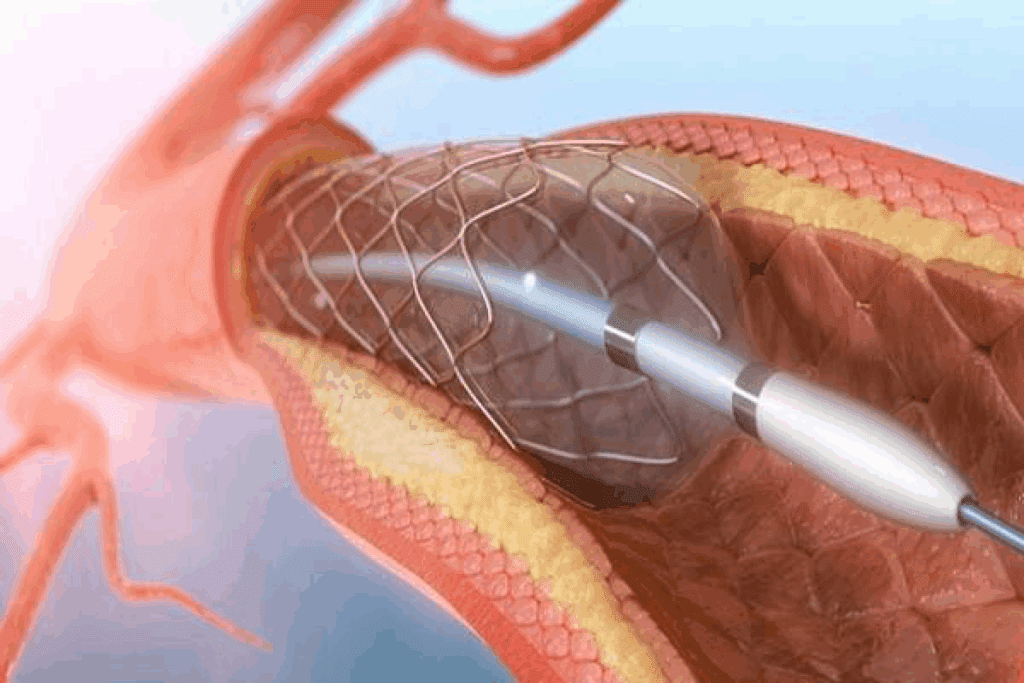
Learning about stents in healthcare can save lives. At Liv Hospitals, we offer top-notch care for stenting. Our team is dedicated to your health, using the latest techniques.
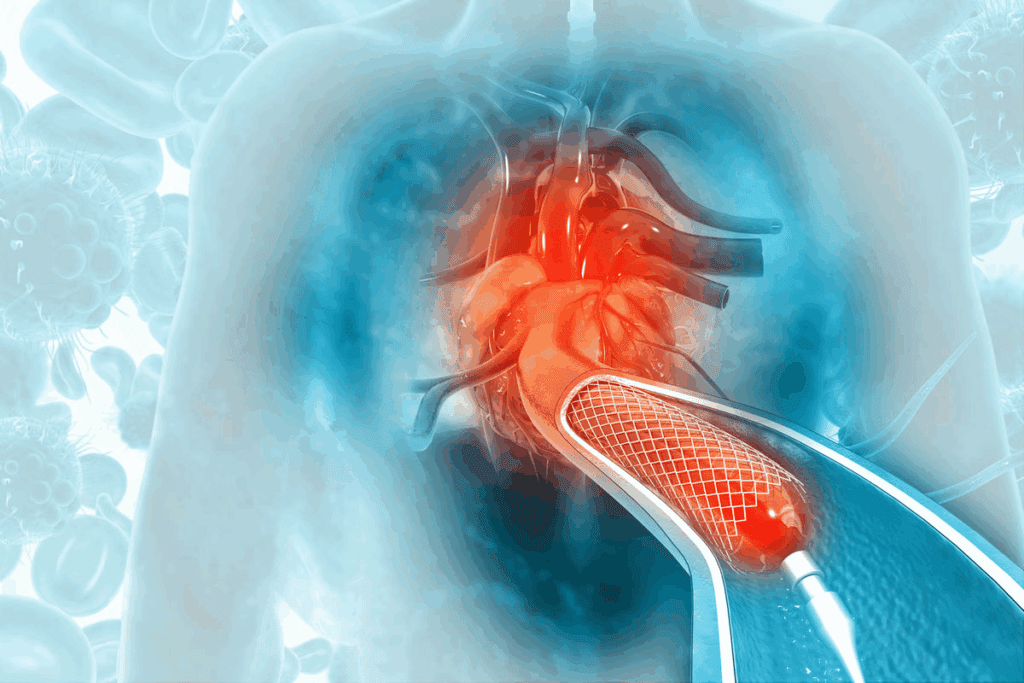
A stent is a small, mesh-like tube used to keep arteries or other vessels open. It’s important to know that “stint” and “stent” are not the same. “Stint” means a short time or a small amount, while “stent” is a medical device.
We aim to make stents easy to understand. Our goal is to give patients the knowledge they need. This way, they can get the best care possible.
Understand stint medical meaningClogged Heart Stent: Causes and What to Know with 10 key terms and definitions for stents.
Key Takeaways
- Stents are small, mesh-like tubes used to keep arteries or vessels open.
- The terms “stint” and “stent” have different meanings in a medical context.
- Liv Hospitals offers advanced and trustworthy care for stenting procedures.
- Understanding stents can clarify treatment options for patients.
- Expertise and a patient-focused approach guide our care at Liv Hospitals.
Clarifying the Stint Medical Meaning and Common Misconceptions
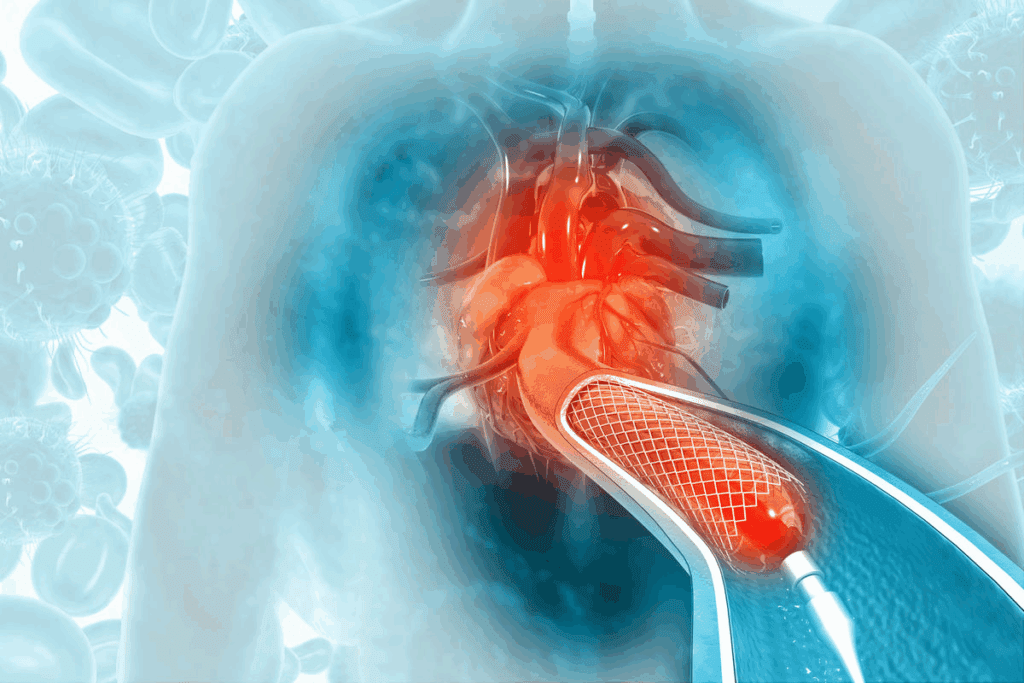
It’s important to know the difference between ‘stint’ and ‘stent’ for clear medical talk. These terms are often mixed up, but they mean different things in medical speak.
The Difference Between “Stint” and “Stent”
A stent is a tool used to keep arteries open. But, a stint is about a time period or a task given to someone. In medical talk, using “stint” for “stent” can cause confusion.
For example, saying “a patient got a stint” is wrong. The right thing to say is “a patient got a stent.” This is key for clear talk among doctors and between doctors and patients.
Origins of the Terminology Confusion
The mix-up between “stint” and “stent” might come from their similar looks and sounds. But, their roots are different. The word stent comes from Charles Stent, a British dentist who worked on dental materials.
Knowing where “stent” comes from helps us use it right in medical talk.
Correct Usage in Medical Context
In medicine, a stent is used in many areas like cardiology and gastroenterology. It’s used to keep paths open. Using “stent” correctly is key for clear records, team talks, and teaching patients.
By using stent right, we make sure patients get the right care. And we avoid any mix-ups about their treatment.
The Stent Medical Definition: What Exactly Is a Stent?
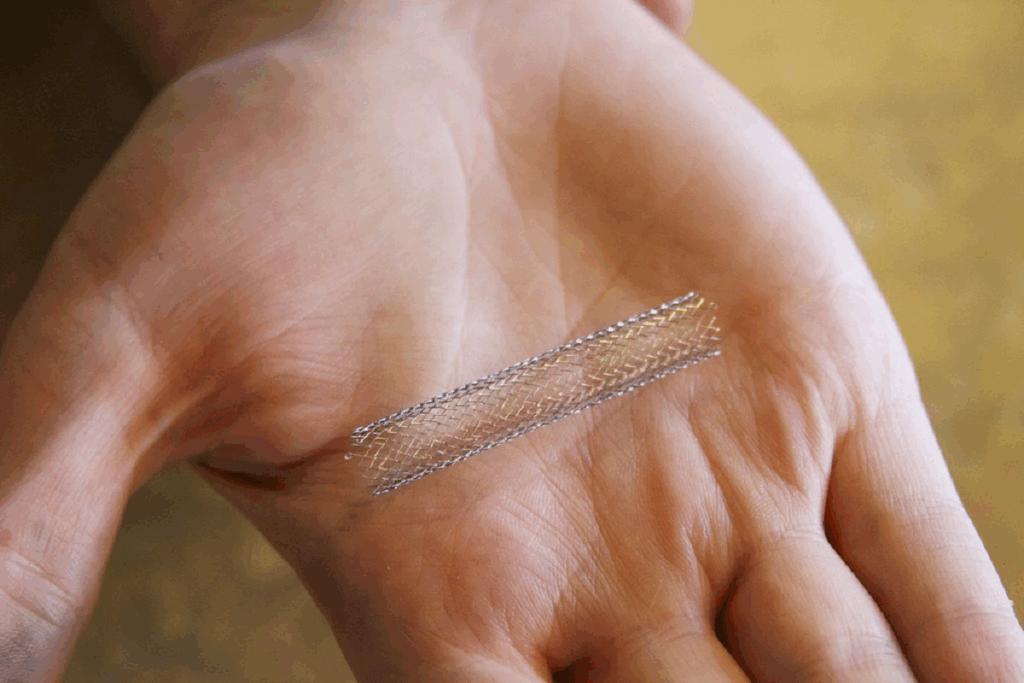
A stent is a device put into a vessel or duct to keep it open. It’s used in many parts of the body. This includes the heart, the urinary system, and the digestive system.
Basic Structure and Components
A stent looks like a mesh tube. It’s made from metals and polymers. The material used depends on where it will be used and how it will work.
For example, heart stents are often made from stainless steel or cobalt-chromium. Some newer stents are made to dissolve in the body over time.
Primary Functions in the Body
The main job of a stent is to keep a path open. This helps blood flow properly in the heart. Stents also help in other areas, like the urinary and digestive systems.
- Urology: to treat urinary tract obstructions
- Gastroenterology: to manage esophageal or biliary strictures
Historical Development of Stents
The idea of stents started in the 1960s. Back then, stents were simple and often caused problems. But, thanks to new materials and technology, stents have gotten much better.
Today, stents are designed to work better and be safer. They’re made for different health issues.
| Decade | Major Advancements in Stent Technology |
| 1960s | First stents developed, for experimental use |
| 1980s | Introduction of balloon-expandable stents |
| 1990s | Development of drug-eluting stents to reduce restenosis |
| 2000s | Advancements in stent materials, including bioabsorbable options |
The Term Stent Means: Etymology and Medical Context
Knowing where the word “stent” comes from helps us understand its role in today’s medicine. The term has changed over time, shaped by its history and how it’s used today.
Charles Stent and the Term’s Origin
The word “stent” comes from Charles Stent, a British dentist from the late 19th century. His work in dental prosthetics led to new materials and methods. These ideas were later used in other medical fields. The name “Stent” became linked with devices that support or keep open body structures.
Evolution of Meaning in Modern Medicine
In today’s medicine, “stent” means a device to keep a passageway open, like an artery or bile duct. Stent technology has grown, leading to different types. These include drug-eluting stents and bioresorbable vascular scaffolds, each for specific needs.
Stent design and function have greatly improved. This has led to better patient results and more conditions treated with stenting.
Differentiation from Similar Terms
It’s key to know the difference between “stent,” “shunt,” and “stint.” Though they’re all used in medicine, they mean different things and are used in different ways.
| Term | Definition | Medical Application |
| Stent | A device to keep open a passageway | Cardiovascular, urological, and other interventions |
| Shunt | A device to divert flow between two areas | Hydrocephalus treatment, vascular shunts |
| Stint | A period of time spent doing something | Not typically used as a medical device term |
Understanding these terms helps doctors and patients deal with medical jargon and treatment choices better.
Types of Medical Stents: A Complete Overview
Stents are used in many medical fields, each needing its own design. They treat a wide range of conditions, from heart disease to issues in the gut and kidneys.
Coronary Artery Stents
Coronary artery stents help with heart disease by keeping arteries open. This improves blood flow to the heart. They are usually made of metal mesh, either bare-metal or drug-eluting.
Drug-eluting stents are very effective. They release medicine that stops cells from growing, which lowers the chance of the artery closing again.
Peripheral Vascular Stents
Peripheral vascular stents are for arteries outside the heart, like in the legs or kidneys. They help blood flow to different parts of the body, easing symptoms of artery disease.
A study in the Journal of Vascular Surgery found that using these stents greatly improves patient outcomes for artery disease.
Urological Stents
Urological stents treat blockages in the urinary tract. They keep the ureter open, allowing urine to flow from the kidneys to the bladder.
Temporary stents are common in urology. They are removed when the problem is fixed or after a certain time.
Biliary and Gastrointestinal Stents
Biliary and gastrointestinal stents treat blockages in the bile ducts or gut. They are key for patients with cancer that narrows these passages, improving their life quality.
“The placement of biliary stents has become a standard practice for managing malignant biliary obstruction, improving quality of life with minimal side effects.”
Knowing about the different stents and their uses helps doctors give better care. This leads to better results for patients in many medical areas.
Stenting in Medical Terms: The Procedure Explained
Stenting is a key part of angioplasty that keeps blood vessels open. It’s a small, non-invasive method used to treat many vascular diseases.
Pre-Procedure Assessment and Planning
Before stenting, doctors do a detailed check to see if it’s right for you. They use tests like angiography and ultrasound to see the problem area. This helps plan the best way to fix it.
They also look at your medical history and current meds. This is to make sure the procedure is safe for you.
Step-by-Step Insertion Techniques
The stenting process has several important steps:
- They give you local anesthesia to numb the area.
- They put a catheter through a small cut in your groin or arm.
- They use a balloon to widen the blocked area.
- Then, they place a stent to keep the area open.
- They check the stent’s placement and the vessel’s openness with angiography.
Post-Procedure Care and Management
After stenting, you’ll stay in a recovery area for a few hours. They watch for any problems and manage pain with meds.
They tell you how to care for yourself after the procedure. This includes:
- Resting to let the area heal.
- Taking meds to prevent blood clots.
- Going to follow-up appointments to check on your stent and health.
Recovery Timeline and Expectations
How long it takes to recover varies. Most people can get back to normal in a few days to a week.
They explain what to expect during recovery. This includes any side effects and when to seek urgent care.
| Recovery Stage | Timeline | Expectations |
| Immediate Recovery | 0-24 hours | Rest, monitoring for complications |
| Short-term Recovery | 1-7 days | Gradual return to normal activities |
| Long-term Recovery | 1-3 months | Full recovery, follow-up appointments |
Knowing about stenting and recovery helps patients prepare better for treatment and healing.
Stent Medical Term: Materials and Design Innovations
Stent technology has seen big changes in materials and design. These changes have made stenting procedures more effective. Different stent types have been developed, each with its own benefits.
Bare Metal Stents
Bare metal stents are made from stainless steel or other metals. They are simple and durable. But, they might not work for everyone because of the risk of restenosis.
Polymer-Based Stents
Polymer-based stents are flexible and safe for the body. They are good for some vascular needs. These stents help avoid complications and improve results for patients.
Drug-Eluting Stents
Drug-eluting stents release medicine to stop tissue growth. This helps prevent restenosis. This innovation has greatly lowered the chance of artery narrowing.
Bioresorbable Vascular Scaffolds
Bioresorbable vascular scaffolds are a new stent type. They dissolve in the body over time. They support the artery walls temporarily and then disappear. This could reduce long-term problems.
The creation of these stent materials and designs shows the ongoing work to better patient care. The main benefits are:
- Improved efficacy in keeping arteries open
- Reduced risk of restenosis and other complications
- Enhanced patient comfort through minimally invasive procedures
As stent technology keeps improving, we’ll see more innovations. These will meet the complex needs of patients getting stents.
Sten Medical Term: Understanding Stenosis and Its Treatment
It’s important for both patients and doctors to know about stenosis. This condition affects blood vessels and can cause serious health problems if not treated right.
Definition and Causes of Stenosis
Stenosis is when a blood vessel or tube in the body gets narrower. This can happen in different parts of the body. It can be caused by many things, like being born with it or getting it from plaque buildup.
The most common reason is atherosclerosis, where plaque blocks the arteries. Other causes include inflammation, injury, and infections. Knowing why someone has stenosis helps doctors choose the best treatment.
Diagnostic Approaches
Doctors use a few ways to find out if someone has stenosis. They start with a detailed medical history and a physical check-up. This helps them see if there are any signs of stenosis.
They also use imaging tests like ultrasound and MRI to see the narrowed area. These tools help doctors decide the best treatment plan.
When Stenosis Requires Stenting
Stenting is a common treatment for stenosis, mainly for serious cases. It involves putting a stent in the narrowed area to keep it open. This helps blood flow better.
Doctors decide if stenting is needed based on how bad the narrowing is and where it is. They also look at the patient’s health. Stenting is often chosen when symptoms are severe or when there’s a high risk of problems without it.
Alternative Treatments for Stenosis
While stenting works for many, other treatments might be better for some. These include changing lifestyle habits, taking medicine, and surgery. The right treatment depends on the patient’s situation.
In some cases, angioplasty might be used. This is when a balloon is used to widen the narrowed area. The choice of treatment is made after a thorough evaluation by a doctor.
Managing stenosis needs a full approach that includes understanding the condition and its causes. By working with doctors, patients can get the best care for their needs.
Stent Medicine: Recent Advancements and Research
The world of stent medicine is changing fast, with new tech making treatments better. We’re always looking to improve stent design, materials, and how they’re used. This keeps patients safer and healthier.
Technological Innovations in Stent Design
Stent design has seen big changes in recent years. These changes aim to make stents easier to use, more effective, and safer. A big step forward is the drug-eluting stent. It releases medicine to stop cells from growing back and reduce the chance of blockages.
New materials for stents are also being explored. Bioresorbable vascular scaffolds are getting attention. They act like a temporary support for the artery and then dissolve, avoiding long-term problems with metal stents.
Strategies for Reducing Complications
Even with these improvements, stent placement can sometimes go wrong. To lower these risks, scientists are working on stents that are more friendly to the body and have anti-thrombogenic coatings. These efforts aim to cut down on blood clots and make stents safer overall.
“The development of new stent technologies is key to better patient care. By focusing on making stents easier to use, more effective, and safer, we’re making big strides in medicine.”
Personalized Approaches to Stenting
Stenting is moving away from a one-size-fits-all approach. Now, doctors use new imaging and diagnostic tools to tailor stents to each patient. This makes treatments more effective and safer.
| Personalization Factor | Benefit |
| Tailored Stent Sizing | Improved Fit, Reduced Complications |
| Material Selection Based on Patient Profile | Enhanced Biocompatibility |
| Advanced Imaging for Precise Placement | Reduced Risk of Misplacement |
Future Directions in Stent Technology
The future of stent technology looks bright. Researchers are working on nanotechnology-based stents and stents with integrated sensing capabilities. These could change the game by allowing for real-time monitoring and better control over stent function.
As research keeps moving forward, stent medicine will keep getting better. This means new chances to improve patient care and outcomes.
Clinical Applications: When and Why Stents Are Used
Stents are used in many areas of medicine, from heart diseases to kidney problems. They are a key tool in treating various health issues. We will look at how stents help patients in different ways.
Cardiovascular Indications
Cardiovascular stents help with heart artery problems. Drug-eluting stents are used to prevent the arteries from getting blocked again. They help keep the heart working well by improving blood flow.
Using stents for heart problems is common and less invasive than surgery. Our doctors choose the best stent for each patient based on their health.
Urological Applications
In urology, stents fix blockages in the urinary tract. Ureteral stents keep the ureter open, helping urine flow. They are used until the blockage is fixed.
Stents also help with enlarged prostate, a common problem. They are a gentler option than surgery for this issue.
Oncological Uses
In cancer treatment, stents help with blockages. For example, esophageal stents help patients with esophageal cancer eat again. Biliary stents keep bile ducts open in patients with pancreatic or bile duct cancer.
These stents make life better for cancer patients. They help with eating and reduce serious problems.
Emergency vs. Elective Stenting Procedures
Stenting can be urgent or planned. Urgent stenting is needed in heart attacks to save heart tissue. Planned stenting is for stable heart disease or other non-urgent cases.
We decide how quickly a stent is needed based on each patient’s situation. This ensures they get the right care fast.
Potential Complications and Management Considerations
Stenting is a common medical procedure, but it can have risks. It’s important to know about these risks and how to handle them.
Immediate Procedural Complications
Right after stenting, problems like bleeding, vascular injury, or stent malposition can happen. Effective management of these issues is key. It requires quick action and the right treatment.
- Bleeding: This can occur at the access site or within the stented area.
- Vascular injury: Damage to the blood vessel wall can lead to further complications.
- Stent malposition: Incorrect placement of the stent can necessitate additional procedures.
Short-Term Risks (0-30 days)
In the first few weeks, patients might face stent thrombosis. This is when a blood clot forms in the stent. Dual antiplatelet therapy is often used to lower this risk.
- Stent thrombosis: A potentially life-threatening condition requiring immediate medical attention.
- Restenosis: The re-narrowing of the stented artery, which can occur in some patients.
Long-Term Considerations
Over time, patients might face in-stent restenosis and new lesions. Regular follow-up with a healthcare provider is vital to watch for these issues.
As one study pointed out, “Long-term success of stenting depends on careful patient selection, meticulous technique, and diligent follow-up care.”
This shows the need for a thorough approach to stenting. It’s important from the start to long-term care.
Patient Education and Follow-up Care
Telling patients about stenting risks and the importance of post-procedure care is key. They need to know the signs of problems and when to get help.
We stress the importance of patient education in managing stenting risks. Informed patients can better manage their recovery and long-term health.
Conclusion: The Evolving Role of Stents in Modern Medicine
Stents are key in medical care, helping manage many health issues. New stent technologies have greatly improved patient results, saving lives globally.
The future of stents is bright, with ongoing research and new ideas. These advancements will make stents safer and more effective. As medicine evolves, so will the role of stents.
We’ll see stents get even better, with new designs and materials. This will lead to better care and more treatment options. Stents will keep being a vital part of modern medicine, showing their huge impact on health.
FAQ
What is the difference between “stint” and “stent” in medical terminology?
“Stent” is a medical device to keep arteries open. “Stint” means a short time doing something. In medicine, we use “stent.”
What is the medical definition of a stent?
A stent is a small, mesh-like device. It keeps arteries or veins open. This improves blood flow and lowers blockage risk.
What are the different types of stents used in medicine?
There are many stent types. These include coronary artery stents and peripheral vascular stents. There are also urological and gastrointestinal stents, each for different needs.
What is the stenting procedure, and what can I expect during recovery?
The stenting procedure opens blocked vessels. You’ll need a short hospital stay. Then, rest and follow-up care to check the stent’s success.
What materials are used to construct stents?
Stents are made from materials like bare metal and polymers. Some have drug-eluting coatings. These help the stent work better and reduce risks.
What is stenosis, and how is it treated?
Stenosis is when a blood vessel narrows. Treatment can be stenting, medication, or lifestyle changes. It depends on the stenosis’s severity and location.
What are the possible complications of stenting?
Stenting can have immediate and short-term risks like bleeding. Long-term risks include stent thrombosis or restenosis.
How have stents evolved over time, and what advancements can we expect in the future?
Stents have greatly improved, with better materials and designs. Future advancements will focus on personalized stenting and bioresorbable scaffolds. We can also expect better patient outcomes.
What are the clinical applications of stents beyond cardiovascular diseases?
Stents are used in urology, oncology, and gastroenterology. They treat conditions like kidney stones and certain cancers.
How do I care for myself after a stenting procedure?
After a stenting procedure, follow your doctor’s advice. Take your medications and attend follow-up appointments. Making healthy lifestyle choices also supports your heart health.
References
- Udriște, A. S. (2021). Cardiovascular Stents: A Review of Past, Current, and Future Perspectives. PMC. https://pmc.ncbi.nlm.nih.gov/articles/PMC8151529/
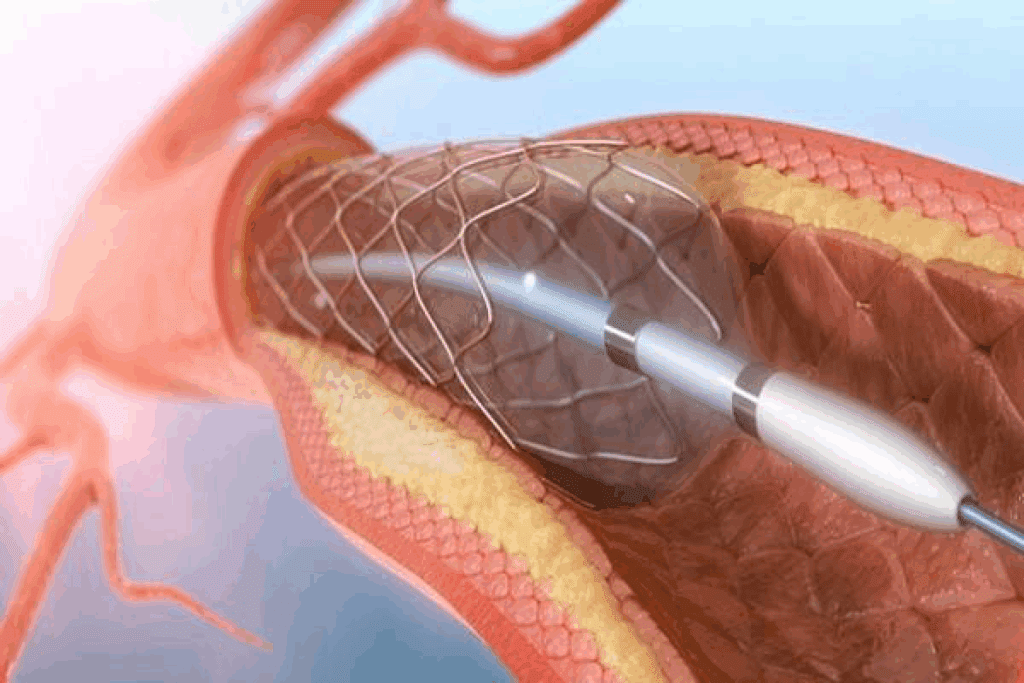
Learning about stents in healthcare can save lives. At Liv Hospitals, we offer top-notch care for stenting. Our team is dedicated to your health, using the latest techniques.
A stent is a small, mesh-like tube used to keep arteries or other vessels open. It’s important to know that “stint” and “stent” are not the same. “Stint” means a short time or a small amount, while “stent” is a medical device.
We aim to make stents easy to understand. Our goal is to give patients the knowledge they need. This way, they can get the best care possible.
Key Takeaways
- Stents are small, mesh-like tubes used to keep arteries or vessels open.
- The terms “stint” and “stent” have different meanings in a medical context.
- Liv Hospitals offers advanced and trustworthy care for stenting procedures.
- Understanding stents can clarify treatment options for patients.
- Expertise and a patient-focused approach guide our care at Liv Hospitals.
Clarifying the Stint Medical Meaning and Common Misconceptions
It’s important to know the difference between ‘stint’ and ‘stent’ for clear medical talk. These terms are often mixed up, but they mean different things in medical speak.
The Difference Between “Stint” and “Stent”
A stent is a tool used to keep arteries open. But, a stint is about a time period or a task given to someone. In medical talk, using “stint” for “stent” can cause confusion.
For example, saying “a patient got a stint” is wrong. The right thing to say is “a patient got a stent.” This is key for clear talk among doctors and between doctors and patients.
Origins of the Terminology Confusion
The mix-up between “stint” and “stent” might come from their similar looks and sounds. But, their roots are different. The word stent comes from Charles Stent, a British dentist who worked on dental materials.
Knowing where “stent” comes from helps us use it right in medical talk.
Correct Usage in Medical Context
In medicine, a stent is used in many areas like cardiology and gastroenterology. It’s used to keep paths open. Using “stent” correctly is key for clear records, team talks, and teaching patients.
By using stent right, we make sure patients get the right care. And we avoid any mix-ups about their treatment.
The Stent Medical Definition: What Exactly Is a Stent?
A stent is a device put into a vessel or duct to keep it open. It’s used in many parts of the body. This includes the heart, the urinary system, and the digestive system.
Basic Structure and Components
A stent looks like a mesh tube. It’s made from metals and polymers. The material used depends on where it will be used and how it will work.
For example, heart stents are often made from stainless steel or cobalt-chromium. Some newer stents are made to dissolve in the body over time.
Primary Functions in the Body
The main job of a stent is to keep a path open. This helps blood flow properly in the heart. Stents also help in other areas, like the urinary and digestive systems.
- Urology: to treat urinary tract obstructions
- Gastroenterology: to manage esophageal or biliary strictures
Historical Development of Stents
The idea of stents started in the 1960s. Back then, stents were simple and often caused problems. But, thanks to new materials and technology, stents have gotten much better.
Today, stents are designed to work better and be safer. They’re made for different health issues.
| Decade | Major Advancements in Stent Technology |
| 1960s | First stents developed, for experimental use |
| 1980s | Introduction of balloon-expandable stents |
| 1990s | Development of drug-eluting stents to reduce restenosis |
| 2000s | Advancements in stent materials, including bioabsorbable options |
The Term Stent Means: Etymology and Medical Context
Knowing where the word “stent” comes from helps us understand its role in today’s medicine. The term has changed over time, shaped by its history and how it’s used today.
Charles Stent and the Term’s Origin
The word “stent” comes from Charles Stent, a British dentist from the late 19th century. His work in dental prosthetics led to new materials and methods. These ideas were later used in other medical fields. The name “Stent” became linked with devices that support or keep open body structures.
Evolution of Meaning in Modern Medicine
In today’s medicine, “stent” means a device to keep a passageway open, like an artery or bile duct. Stent technology has grown, leading to different types. These include drug-eluting stents and bioresorbable vascular scaffolds, each for specific needs.
Stent design and function have greatly improved. This has led to better patient results and more conditions treated with stenting.
Differentiation from Similar Terms
It’s key to know the difference between “stent,” “shunt,” and “stint.” Though they’re all used in medicine, they mean different things and are used in different ways.
| Term | Definition | Medical Application |
| Stent | A device to keep open a passageway | Cardiovascular, urological, and other interventions |
| Shunt | A device to divert flow between two areas | Hydrocephalus treatment, vascular shunts |
| Stint | A period of time spent doing something | Not typically used as a medical device term |
Understanding these terms helps doctors and patients deal with medical jargon and treatment choices better.
Types of Medical Stents: A Complete Overview
Stents are used in many medical fields, each needing its own design. They treat a wide range of conditions, from heart disease to issues in the gut and kidneys.
Coronary Artery Stents
Coronary artery stents help with heart disease by keeping arteries open. This improves blood flow to the heart. They are usually made of metal mesh, either bare-metal or drug-eluting.
Drug-eluting stents are very effective. They release medicine that stops cells from growing, which lowers the chance of the artery closing again.
Peripheral Vascular Stents
Peripheral vascular stents are for arteries outside the heart, like in the legs or kidneys. They help blood flow to different parts of the body, easing symptoms of artery disease.
A study in the Journal of Vascular Surgery found that using these stents greatly improves patient outcomes for artery disease.
Urological Stents
Urological stents treat blockages in the urinary tract. They keep the ureter open, allowing urine to flow from the kidneys to the bladder.
Temporary stents are common in urology. They are removed when the problem is fixed or after a certain time.
Biliary and Gastrointestinal Stents
Biliary and gastrointestinal stents treat blockages in the bile ducts or gut. They are key for patients with cancer that narrows these passages, improving their life quality.
“The placement of biliary stents has become a standard practice for managing malignant biliary obstruction, improving quality of life with minimal side effects.”
Knowing about the different stents and their uses helps doctors give better care. This leads to better results for patients in many medical areas.
Stenting in Medical Terms: The Procedure Explained
Stenting is a key part of angioplasty that keeps blood vessels open. It’s a small, non-invasive method used to treat many vascular diseases.
Pre-Procedure Assessment and Planning
Before stenting, doctors do a detailed check to see if it’s right for you. They use tests like angiography and ultrasound to see the problem area. This helps plan the best way to fix it.
They also look at your medical history and current meds. This is to make sure the procedure is safe for you.
Step-by-Step Insertion Techniques
The stenting process has several important steps:
- They give you local anesthesia to numb the area.
- They put a catheter through a small cut in your groin or arm.
- They use a balloon to widen the blocked area.
- Then, they place a stent to keep the area open.
- They check the stent’s placement and the vessel’s openness with angiography.
Post-Procedure Care and Management
After stenting, you’ll stay in a recovery area for a few hours. They watch for any problems and manage pain with meds.
They tell you how to care for yourself after the procedure. This includes:
- Resting to let the area heal.
- Taking meds to prevent blood clots.
- Going to follow-up appointments to check on your stent and health.
Recovery Timeline and Expectations
How long it takes to recover varies. Most people can get back to normal in a few days to a week.
They explain what to expect during recovery. This includes any side effects and when to seek urgent care.
| Recovery Stage | Timeline | Expectations |
| Immediate Recovery | 0-24 hours | Rest, monitoring for complications |
| Short-term Recovery | 1-7 days | Gradual return to normal activities |
| Long-term Recovery | 1-3 months | Full recovery, follow-up appointments |
Knowing about stenting and recovery helps patients prepare better for treatment and healing.
Stent Medical Term: Materials and Design Innovations
Stent technology has seen big changes in materials and design. These changes have made stenting procedures more effective. Different stent types have been developed, each with its own benefits.
Bare Metal Stents
Bare metal stents are made from stainless steel or other metals. They are simple and durable. But, they might not work for everyone because of the risk of restenosis.
Polymer-Based Stents
Polymer-based stents are flexible and safe for the body. They are good for some vascular needs. These stents help avoid complications and improve results for patients.
Drug-Eluting Stents
Drug-eluting stents release medicine to stop tissue growth. This helps prevent restenosis. This innovation has greatly lowered the chance of artery narrowing.
Bioresorbable Vascular Scaffolds
Bioresorbable vascular scaffolds are a new stent type. They dissolve in the body over time. They support the artery walls temporarily and then disappear. This could reduce long-term problems.
The creation of these stent materials and designs shows the ongoing work to better patient care. The main benefits are:
- Improved efficacy in keeping arteries open
- Reduced risk of restenosis and other complications
- Enhanced patient comfort through minimally invasive procedures
As stent technology keeps improving, we’ll see more innovations. These will meet the complex needs of patients getting stents.
Sten Medical Term: Understanding Stenosis and Its Treatment
It’s important for both patients and doctors to know about stenosis. This condition affects blood vessels and can cause serious health problems if not treated right.
Definition and Causes of Stenosis
Stenosis is when a blood vessel or tube in the body gets narrower. This can happen in different parts of the body. It can be caused by many things, like being born with it or getting it from plaque buildup.
The most common reason is atherosclerosis, where plaque blocks the arteries. Other causes include inflammation, injury, and infections. Knowing why someone has stenosis helps doctors choose the best treatment.
Diagnostic Approaches
Doctors use a few ways to find out if someone has stenosis. They start with a detailed medical history and a physical check-up. This helps them see if there are any signs of stenosis.
They also use imaging tests like ultrasound and MRI to see the narrowed area. These tools help doctors decide the best treatment plan.
When Stenosis Requires Stenting
Stenting is a common treatment for stenosis, mainly for serious cases. It involves putting a stent in the narrowed area to keep it open. This helps blood flow better.
Doctors decide if stenting is needed based on how bad the narrowing is and where it is. They also look at the patient’s health. Stenting is often chosen when symptoms are severe or when there’s a high risk of problems without it.
Alternative Treatments for Stenosis
While stenting works for many, other treatments might be better for some. These include changing lifestyle habits, taking medicine, and surgery. The right treatment depends on the patient’s situation.
In some cases, angioplasty might be used. This is when a balloon is used to widen the narrowed area. The choice of treatment is made after a thorough evaluation by a doctor.
Managing stenosis needs a full approach that includes understanding the condition and its causes. By working with doctors, patients can get the best care for their needs.
Stent Medicine: Recent Advancements and Research
The world of stent medicine is changing fast, with new tech making treatments better. We’re always looking to improve stent design, materials, and how they’re used. This keeps patients safer and healthier.
Technological Innovations in Stent Design
Stent design has seen big changes in recent years. These changes aim to make stents easier to use, more effective, and safer. A big step forward is the drug-eluting stent. It releases medicine to stop cells from growing back and reduce the chance of blockages.
New materials for stents are also being explored. Bioresorbable vascular scaffolds are getting attention. They act like a temporary support for the artery and then dissolve, avoiding long-term problems with metal stents.
Strategies for Reducing Complications
Even with these improvements, stent placement can sometimes go wrong. To lower these risks, scientists are working on stents that are more friendly to the body and have anti-thrombogenic coatings. These efforts aim to cut down on blood clots and make stents safer overall.
“The development of new stent technologies is key to better patient care. By focusing on making stents easier to use, more effective, and safer, we’re making big strides in medicine.”
Personalized Approaches to Stenting
Stenting is moving away from a one-size-fits-all approach. Now, doctors use new imaging and diagnostic tools to tailor stents to each patient. This makes treatments more effective and safer.
| Personalization Factor | Benefit |
| Tailored Stent Sizing | Improved Fit, Reduced Complications |
| Material Selection Based on Patient Profile | Enhanced Biocompatibility |
| Advanced Imaging for Precise Placement | Reduced Risk of Misplacement |
Future Directions in Stent Technology
The future of stent technology looks bright. Researchers are working on nanotechnology-based stents and stents with integrated sensing capabilities. These could change the game by allowing for real-time monitoring and better control over stent function.
As research keeps moving forward, stent medicine will keep getting better. This means new chances to improve patient care and outcomes.
Clinical Applications: When and Why Stents Are Used
Stents are used in many areas of medicine, from heart diseases to kidney problems. They are a key tool in treating various health issues. We will look at how stents help patients in different ways.
Cardiovascular Indications
Cardiovascular stents help with heart artery problems. Drug-eluting stents are used to prevent the arteries from getting blocked again. They help keep the heart working well by improving blood flow.
Using stents for heart problems is common and less invasive than surgery. Our doctors choose the best stent for each patient based on their health.
Urological Applications
In urology, stents fix blockages in the urinary tract. Ureteral stents keep the ureter open, helping urine flow. They are used until the blockage is fixed.
Stents also help with enlarged prostate, a common problem. They are a gentler option than surgery for this issue.
Oncological Uses
In cancer treatment, stents help with blockages. For example, esophageal stents help patients with esophageal cancer eat again. Biliary stents keep bile ducts open in patients with pancreatic or bile duct cancer.
These stents make life better for cancer patients. They help with eating and reduce serious problems.
Emergency vs. Elective Stenting Procedures
Stenting can be urgent or planned. Urgent stenting is needed in heart attacks to save heart tissue. Planned stenting is for stable heart disease or other non-urgent cases.
We decide how quickly a stent is needed based on each patient’s situation. This ensures they get the right care fast.
Potential Complications and Management Considerations
Stenting is a common medical procedure, but it can have risks. It’s important to know about these risks and how to handle them.
Immediate Procedural Complications
Right after stenting, problems like bleeding, vascular injury, or stent malposition can happen. Effective management of these issues is key. It requires quick action and the right treatment.
- Bleeding: This can occur at the access site or within the stented area.
- Vascular injury: Damage to the blood vessel wall can lead to further complications.
- Stent malposition: Incorrect placement of the stent can necessitate additional procedures.
Short-Term Risks (0-30 days)
In the first few weeks, patients might face stent thrombosis. This is when a blood clot forms in the stent. Dual antiplatelet therapy is often used to lower this risk.
- Stent thrombosis: A potentially life-threatening condition requiring immediate medical attention.
- Restenosis: The re-narrowing of the stented artery, which can occur in some patients.
Long-Term Considerations
Over time, patients might face in-stent restenosis and new lesions. Regular follow-up with a healthcare provider is vital to watch for these issues.
As one study pointed out, “Long-term success of stenting depends on careful patient selection, meticulous technique, and diligent follow-up care.”
This shows the need for a thorough approach to stenting. It’s important from the start to long-term care.
Patient Education and Follow-up Care
Telling patients about stenting risks and the importance of post-procedure care is key. They need to know the signs of problems and when to get help.
We stress the importance of patient education in managing stenting risks. Informed patients can better manage their recovery and long-term health.
Conclusion: The Evolving Role of Stents in Modern Medicine
Stents are key in medical care, helping manage many health issues. New stent technologies have greatly improved patient results, saving lives globally.
The future of stents is bright, with ongoing research and new ideas. These advancements will make stents safer and more effective. As medicine evolves, so will the role of stents.
We’ll see stents get even better, with new designs and materials. This will lead to better care and more treatment options. Stents will keep being a vital part of modern medicine, showing their huge impact on health.
FAQ
What is the difference between “stint” and “stent” in medical terminology?
“Stent” is a medical device to keep arteries open. “Stint” means a short time doing something. In medicine, we use “stent.”
What is the medical definition of a stent?
A stent is a small, mesh-like device. It keeps arteries or veins open. This improves blood flow and lowers blockage risk.
What are the different types of stents used in medicine?
There are many stent types. These include coronary artery stents and peripheral vascular stents. There are also urological and gastrointestinal stents, each for different needs.
What is the stenting procedure, and what can I expect during recovery?
The stenting procedure opens blocked vessels. You’ll need a short hospital stay. Then, rest and follow-up care to check the stent’s success.
What materials are used to construct stents?
Stents are made from materials like bare metal and polymers. Some have drug-eluting coatings. These help the stent work better and reduce risks.
What is stenosis, and how is it treated?
Stenosis is when a blood vessel narrows. Treatment can be stenting, medication, or lifestyle changes. It depends on the stenosis’s severity and location.
What are the possible complications of stenting?
Stenting can have immediate and short-term risks like bleeding. Long-term risks include stent thrombosis or restenosis.
How have stents evolved over time, and what advancements can we expect in the future?
Stents have greatly improved, with better materials and designs. Future advancements will focus on personalized stenting and bioresorbable scaffolds. We can also expect better patient outcomes.
What are the clinical applications of stents beyond cardiovascular diseases?
Stents are used in urology, oncology, and gastroenterology. They treat conditions like kidney stones and certain cancers.
How do I care for myself after a stenting procedure?
After a stenting procedure, follow your doctor’s advice. Take your medications and attend follow-up appointments. Making healthy lifestyle choices also supports your heart health.
References
- Udriște, A. S. (2021). Cardiovascular Stents: A Review of Past, Current, and Future Perspectives. PMC. https://pmc.ncbi.nlm.nih.gov/articles/PMC8151529/



 Departments
 Related Videos
 Our Doctors
 News
News