Last Updated on December 2, 2025 by Bilal Hasdemir

Many patients notice their stomachs are bigger after a cholecystectomy. This is a surgery to remove the gallbladder. It’s a common worry, making people wonder why it happens and how long it lasts stomach big after gallbladder surgery.
There are several reasons for stomach swelling after surgery. These include how the body reacts to the surgery and changes in digestion. Knowing these reasons helps manage worries and expectations.
In this article, we’ll look into why stomachs swell after gallbladder surgery. We’ll also share what patients can expect during their recovery.
Key Takeaways
- Abdominal swelling is a common issue after gallbladder surgery.
- The swelling is often a result of the body’s response to the surgical procedure.
- Understanding the causes can help in managing post-operative discomfort.
- Patients can take certain steps to alleviate swelling and support their recovery.
- Recovery times and experiences can vary among individuals.
Understanding Gallbladder Surgery

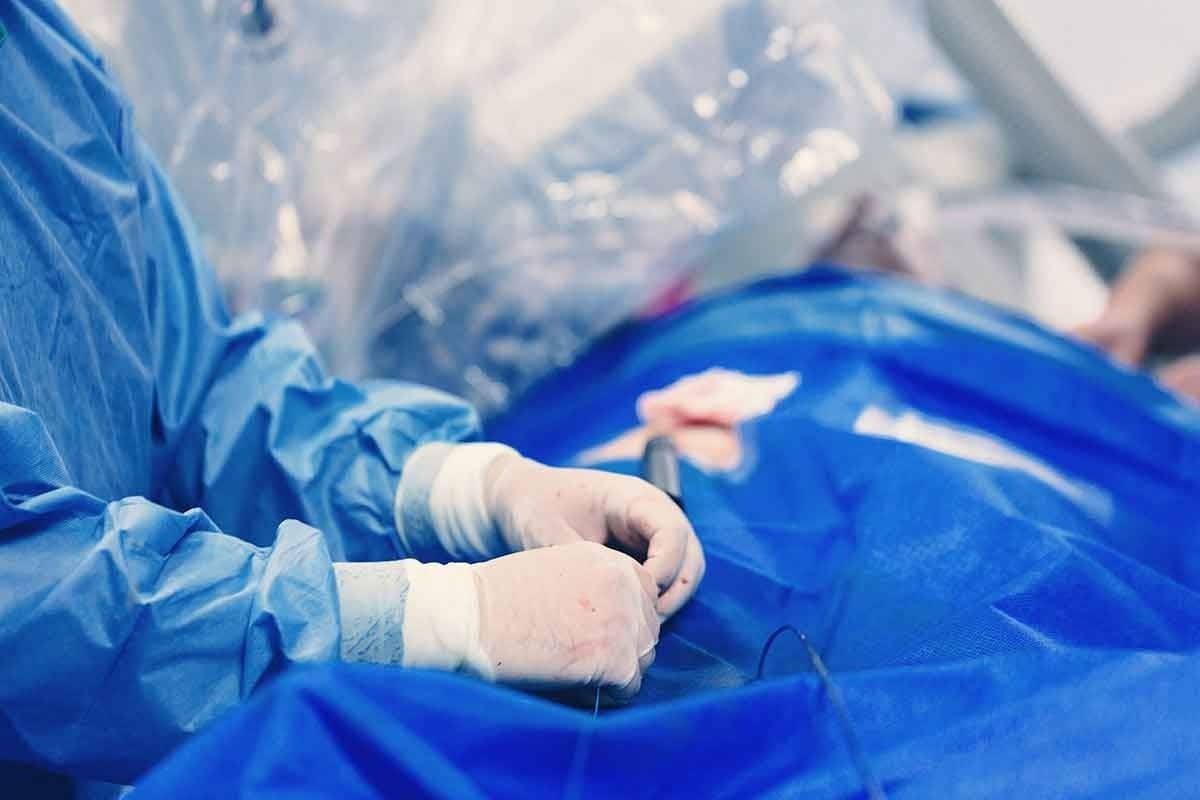
Cholecystectomy, or gallbladder removal surgery, is done to treat gallstones and other diseases. It’s often chosen when other treatments don’t work.
Types of Gallbladder Removal Procedures
There are different ways to remove the gallbladder. The most common are:
- Laparoscopic cholecystectomy, a minimally invasive procedure with small incisions and a camera.
- Open cholecystectomy, which needs a bigger incision to directly access the gallbladder.
Each method has its own benefits and drawbacks. It’s important to talk about these with a healthcare provider.
The Role of the Gallbladder in Digestion
The gallbladder stores and concentrates bile from the liver. Bile helps digest fats and absorb fat-soluble vitamins. Even though the gallbladder isn’t essential, removing it can change how the body digests food.
Some people might experience changes in bowel habits or diarrhea after surgery. This is because of the different bile flow.
What to Expect During Recovery
Recovery from gallbladder surgery varies. It depends on the person and the surgery type. Common experiences include:
- Pain or discomfort at the incision site.
- Fatigue and general malaise.
- Bloating or discomfort from gas used in laparoscopic surgery.
Being aware of these possible side effects can help patients prepare for a smoother recovery.
Normal Post-Operative Abdominal Changes
Understanding what happens to your abdomen after gallbladder surgery can help ease worries. It’s normal to feel some swelling or distension after surgery.
Expected Swelling Timeline
Swelling after gallbladder surgery usually follows a set timeline. Most patients see the swelling peak in the first week after surgery. This swelling comes from the body’s healing and the CO2 gas used in laparoscopic procedures.
Differentiating Between Normal and Abnormal Symptoms
It’s important to tell normal symptoms from signs of trouble. Normal symptoms include a bit of tenderness and swelling. However, signs of trouble include severe pain, high fever, or significant redness around the surgery area.
Knowing these differences helps you know when to get help. Watching how bad and long symptoms last is key to a safe recovery.
Typical Recovery Milestones
Recovering from gallbladder surgery has key milestones. Patients start feeling better a few days after surgery. Most get back to normal in 1-2 weeks. But, it takes longer for all swelling to go away.
- Immediate post-surgery: Rest and recovery
- First week: Peak swelling, gradual improvement
- 1-2 weeks: Return to normal activities
- Several weeks: Complete resolution of swelling
Why is my stomach so big after gallbladder surgery?
Many people notice their stomachs are bigger after gallbladder surgery. This swelling can happen for a few reasons. It’s often because of how the body reacts to surgery and personal factors that affect swelling.
Common Causes of Post-Surgical Abdominal Distension
There are several reasons why your stomach might swell after gallbladder surgery. Here are some common ones:
- CO2 gas retention: During laparoscopic surgery, carbon dioxide gas is used to inflate the abdomen. This gas can stay in the body after surgery, causing swelling.
- Surgical trauma: The surgery itself can damage tissues, leading to inflammation and swelling.
- Fluid retention: Fluid retention can happen due to the body’s stress response, hormonal changes, or IV fluids given during surgery.
Physiological Responses to Surgery
The body’s reaction to surgery is a big factor in swelling. When tissues are damaged during surgery, the body’s inflammatory response kicks in. This response brings more blood to the area, causing swelling.
The stress of surgery also leads to hormonal changes. These changes can affect how fluids are balanced in the body, adding to swelling.
Individual Factors Affecting Swelling
Several personal factors can also impact how much swelling you experience. These include:
- Age: Older people might swell more because their tissues are less elastic and circulation can be worse.
- Overall health: Those with heart or kidney disease might retain more fluid.
- Genetic predisposition: Some people might swell more because of their genes, affecting how they respond to inflammation or fluid balance.
Knowing these factors can help you prepare for and manage your recovery after gallbladder surgery.
CO2 Gas Retention After Laparoscopic Surgery
After laparoscopic surgery, some patients feel bloated. This is because of CO2 gas left in the belly from the surgery.
How Gas is Used During Surgery
Laparoscopic surgery uses CO2 gas to inflate the belly. This makes it easier for surgeons to see inside without big cuts.
CO2 is safe because it doesn’t catch fire and the body absorbs it quickly. But, some gas stays in the belly, causing swelling.
Timeline for Gas Absorption
The body usually gets rid of the CO2 gas a few days after surgery. How fast it happens depends on your health and the surgery.
Techniques to Help Expel Trapped Gas
There are ways to feel better if you have trapped CO2 gas. These include:
- Walking and gentle movement to help digestion and gas release
- Using over-the-counter gas relief medicines
- Staying away from carbonated drinks and foods that make gas
A table below shows how well these methods work:
Technique | Effectiveness | Ease of Use |
Walking and Movement | High | Easy |
Gas Relief Medications | Moderate | Easy |
Dietary Adjustments | Moderate | Moderate |
Knowing about CO2 gas in laparoscopic surgery helps. Using the right methods can make recovery easier and less uncomfortable.
Post-Surgical Inflammation and Fluid Retention
The body reacts to surgery with inflammation and fluid retention. This is a normal part of healing but can be uncomfortable. It worries patients a lot.
Inflammatory Response to Surgical Trauma
Surgery causes trauma, leading to an inflammatory response. This response brings swelling, redness, and warmth. It’s the body’s way of healing and protecting itself.
Key factors influencing the inflammatory response include:
- The extent of the surgical procedure
- The patient’s overall health and age
- Any pre-existing inflammatory conditions
How Long Inflammation Typically Lasts
Inflammation’s duration varies among patients. It usually lasts a few days to a couple of weeks. But, some swelling can last weeks or months.
Timeline | Expected Inflammation Level |
0-3 days post-surgery | High |
1-2 weeks post-surgery | Moderate |
2-6 weeks post-surgery | Low to Moderate |
Medical Interventions for Excessive Swelling
When swelling is too much, doctors may need to step in. They might use:
- Anti-inflammatory medications to reduce swelling
- Compression garments or bandages to support the affected area
- Elevation of the affected area to reduce fluid accumulation
Knowing about post-surgical inflammation helps patients recover better. It’s important to follow doctor’s advice and report any swelling concerns.
Dietary Factors Contributing to Bloating
Diet changes are key after gallbladder removal surgery. The gallbladder stores bile for fat digestion. Without it, bile flow changes, affecting fat digestion.
Changes in Fat Digestion
Without a gallbladder, fat digestion changes. Bile emulsifies fats for easier digestion. Now, bile goes straight to the small intestine, causing impaired fat digestion.
This can lead to bloating and discomfort. Adjusting your diet may help. Try eating less fat or smaller meals more often.
Foods That May Worsen Bloating
Some foods can make bloating worse after surgery. These include:
- High-fat foods, which can be hard to digest
- Dairy products, bad for those with lactose intolerance
- Carbonated drinks, causing gas
- Legumes and beans, gas producers for some
- Cruciferous veggies like broccoli and cabbage
Avoiding these foods can help. Keeping a food diary helps find out which foods cause trouble.
Meal Timing and Portion Considerations
Meal timing and size also matter. Eating smaller, more frequent meals helps manage symptoms. Eating slowly and chewing well aids digestion.
Drinking enough water is also key. It helps with digestion and nutrient absorption. Avoiding gas-causing foods and watching portion sizes can also reduce bloating.
Medication-Related Abdominal Swelling
It’s important to know how medicines affect us after gallbladder surgery. Some drugs can cause belly swelling. Knowing this helps manage swelling better.
Pain Medications and Digestive Slowdown
Pain meds, like opioids, help with pain after surgery. But, they can slow down digestion. This leads to constipation and bloating.
Effects of Opioids on Digestion:
Effect | Description |
Reduced Gut Motility | Slows down the movement of food through the digestive system |
Increased Water Absorption | Leads to harder stools and constipation |
Bloating and Discomfort | Causes abdominal distension and discomfort |
Antibiotics and Gut Flora Changes
Antibiotics are used to prevent infections after surgery. But, they can upset the balance of gut bacteria. This can cause bloating and other digestive issues.
Maintaining a healthy balance of gut bacteria is key for good digestion. Antibiotics can disrupt this balance, leading to bloating and other symptoms.
Managing Medication Side Effects
Dealing with medication side effects after gallbladder surgery needs a careful plan. This includes:
- Following the prescribed dosage and schedule for pain medications and antibiotics
- Staying hydrated to help prevent constipation
- Incorporating fiber-rich foods to support digestive health
- Discussing alternative pain management options with your healthcare provider
- Using probiotics or probiotic-rich foods to support gut flora
By understanding and managing medication side effects, patients can lower the risk of belly swelling after gallbladder surgery.
Post-Cholecystectomy Syndrome
After gallbladder surgery, some people face symptoms called post-cholecystectomy syndrome. This condition brings various digestive problems after the gallbladder is removed.
Long-Term Digestive Changes
The lack of a gallbladder can cause long-term digestive changes. The gallbladder helps store and concentrate bile, key for fat digestion. Without it, bile flows straight to the small intestine, affecting digestion.
Some may get diarrhea or fatty stools from this constant bile flow. Eating less fat or using bile acid sequestrants can help manage this.
Bile Flow Alterations
Bile flow changes are a big part of post-cholecystectomy syndrome. The ongoing bile flow can irritate and inflame the intestine’s lining.
Symptoms | Causes | Management |
Diarrhea | Continuous bile flow | Dietary adjustments, bile acid sequestrants |
Abdominal pain | Bile duct spasms, intestinal irritation | Pain management medication, relaxation techniques |
Fatty stools | Poor fat digestion | Reduce fat intake, digestive enzymes |
Adapting to Life Without a Gallbladder
Living without a gallbladder means making dietary modifications and possibly lifestyle changes. A low-fat diet is often recommended to ease digestive discomfort.
Drinking plenty of water and keeping a healthy weight can also help. Regular check-ups with a healthcare provider are key to managing long-term effects of gallbladder removal.
When to Seek Medical Attention
It’s important to know when to get medical help after gallbladder surgery. Some pain and swelling are okay, but certain signs mean you need to see a doctor right away.
Warning Signs of Complications
Watch for these signs of complications after gallbladder surgery:
- Severe abdominal pain that gets worse
- High fever or feeling cold
- Yellow skin or eyes (jaundice)
- Dark urine or pale stools
- Vomiting or trouble keeping fluids down
These could mean infections, bile duct problems, or other serious issues that need quick medical help.
Differentiating Between Normal Recovery and Problems
Telling normal recovery symptoms from serious problems can be hard. Normal recovery gets better over time. But, complications can get worse or bring new symptoms.
If you have increasing pain, persistent fever, or other bad signs, call your doctor.
What to Tell Your Healthcare Provider
When you see your doctor, tell them everything. Include:
- Your symptoms and when they started
- Any medicines you’re taking
- Your temperature if you have a fever
- Any changes in your bowel movements or urine
Having this info ready helps your doctor understand your situation better and treat you right.
Managing Post-Surgical Abdominal Swelling
Swelling after gallbladder surgery is common. Knowing how to manage it can greatly improve your recovery. Swelling can come from the body’s reaction to surgery, gas, and fluid. Good management can ease discomfort and aid in healing.
Physical Activity Recommendations
Gentle exercise helps reduce swelling and boosts blood flow. Short walks and light stretching are good. But, always listen to your doctor about how much to do.
- Start with short walks around your home
- Gradually increase the duration and frequency
- Avoid strenuous activities as advised by your doctor
Abdominal Support Options
Wearing abdominal support can be comforting and reduce swelling. These garments offer gentle pressure and support. They make it easier to move and do daily tasks.
Sleep Positions to Reduce Discomfort
Choosing the right sleep position can ease abdominal pain. Sleeping with a pillow under your knees eases strain. Also, a body pillow can provide extra support.
- Sleep on your back with a pillow under your knees
- Avoid sleeping on your stomach
- Experiment with a body pillow for additional support
Dietary Strategies to Reduce Bloating
Diet is key in managing bloating after gallbladder surgery. It helps patients take an active role in their recovery. Changing your diet can greatly affect how your body heals and adjusts after surgery.
Short-Term Dietary Adjustments
Right after gallbladder removal, making dietary changes is vital to avoid discomfort. Reducing fat intake is often advised. This is because the gallbladder is essential for fat digestion. Without it, the body struggles to digest fat, causing bloating and discomfort.
A low-fat diet can help manage these symptoms. It’s recommended to limit fatty foods, mainly in the first weeks after surgery. Also, eating smaller, more frequent meals can ease digestion and reduce bloating.
Long-Term Nutritional Considerations
As you recover, adopting a balanced diet is essential. Include a variety of whole foods like fruits, vegetables, whole grains, and lean proteins. This ensures you get all the necessary nutrients.
Some may need to keep an eye on fat intake, while others can gradually add more foods. Be aware of foods that cause gas and bloating, like beans, cabbage, and broccoli. Adjust your diet to avoid these.
Hydration and Its Impact on Bloating
Hydration is vital in reducing bloating. Drinking enough water aids digestion and nutrient absorption. It also prevents constipation, which can lead to bloating.
Drink at least eight glasses of water a day. Increase this if you’re active or live in a hot climate. Avoid carbonated beverages and caffeine as they can cause gas and bloating.
Natural Remedies for Post-Surgical Bloating
Feeling bloated after gallbladder surgery can be really annoying. But, there are natural ways to make it better. These methods can help you feel more comfortable after surgery.
Using herbal teas and supplements is a great way to tackle bloating. Some herbs have special properties that can calm your stomach.
Herbal Teas and Supplements
Drinking teas like peppermint, chamomile, and ginger can help with bloating. You can have these teas several times a day. They help soothe your stomach. Taking probiotics can also help balance your gut after surgery.
Gentle Abdominal Massage Techniques
Doing gentle massages on your belly can help with digestion and bloating. Use circular motions with your fingers around your navel. This can really help. Plus, it can also lower stress, which can cause bloating.
Heat and Cold Therapy Applications
Using heat or cold on your belly can also help. A warm bath or a heating pad can relax your muscles and aid digestion. On the other hand, a cold compress can reduce swelling and ease pain.
Adding these natural remedies to your recovery plan can help with bloating. This way, you can feel better and more comfortable while you heal.
Psychological Aspects of Body Changes After Surgery
The way surgery changes our bodies can deeply affect our minds. Procedures like gallbladder removal can make big changes. These changes can impact how we see ourselves and our mental health.
Coping with Temporary Body Image Changes
After surgery, our bodies might look different due to swelling or scarring. It’s important to remember these changes are usually short-term. Focusing on health and the surgery’s benefits can help.
For example, a patient might feel shy about their looks. But thinking about the surgery’s benefits, like less pain or better health, can help. also offer hope for related health issues.
Setting Realistic Recovery Expectations
It’s key to have realistic recovery goals. Patients should know about the surgery’s mental effects, like anxiety or depression. Knowing these feelings are normal can help manage stress.
Recovery Stage | Common Psychological Effects | Coping Strategies |
Immediate Post-Surgery | Anxiety, confusion | Support from family and friends, pain management |
Short-Term Recovery | Mood swings, frustration | Gentle exercise, relaxation techniques |
Long-Term Recovery | Body image concerns, depression | Counseling, support groups |
When to Consider Counseling Support
If anxiety, depression, or body image worries last, counseling might help. Counselors can offer ways to deal with these feelings. Remember, asking for help is a sign of strength, not weakness.
“The mind is not a container to be filled but a fire to be kindled.” – Plutarch
This quote highlights the need to care for our mental health after surgery. By understanding and addressing the psychological effects, we can improve our recovery.
Conclusion
Knowing why your stomach might look bigger after gallbladder surgery is key to a smooth recovery. This article looked at several reasons for swelling after surgery. These include CO2 gas, inflammation, and changes in diet.
Swelling after gallbladder removal is usually short-lived. It can be managed with diet changes, exercise, and natural remedies. Always listen to your healthcare team to know what’s normal and what’s not.
Understanding how your body reacts to surgery and what affects swelling is important. This knowledge helps you make better choices for your care. By tackling bloating and swelling, you can feel better and more comfortable during recovery.
In the end, dealing with swelling after gallbladder surgery can be tough. But, it’s usually temporary. With the right care, patience, and approach, you can reduce discomfort and recover well.
FAQ
Why is my stomach swollen after gallbladder surgery?
Swelling after gallbladder surgery is common. It can be due to CO2 gas, inflammation, or changes in diet.
How long does it take for abdominal swelling to resolve after gallbladder surgery?
Swelling usually gets better in a few weeks. How fast you heal and the surgery type can affect this.
What are the common causes of bloating after gallbladder removal?
Bloating can come from CO2 gas, changes in fat digestion, or inflammation. Diet and some medicines also play a role.
How can I expel trapped gas after laparoscopic surgery?
To get rid of gas, try walking, gentle belly massage, and skip fizzy drinks. These steps can ease discomfort and help gas move.
Can dietary changes help reduce bloating after gallbladder surgery?
Yes, eating smaller meals, avoiding fatty foods, and more fiber can help with bloating.
Are there any medications that can cause abdominal swelling after surgery?
Some meds, like painkillers and antibiotics, can cause swelling by slowing digestion or changing gut bacteria.
What is post-cholecystectomy syndrome, and how does it relate to abdominal swelling?
It’s a condition with digestive symptoms after gallbladder removal, like bloating. It’s linked to changes in bile and fat digestion.
When should I seek medical attention for abdominal swelling after gallbladder surgery?
See a doctor for severe pain, fever, vomiting, or if swelling gets worse. These could be signs of serious issues.
What are some natural remedies for post-surgical bloating?
Try herbal teas like peppermint or chamomile, belly massage, and heat or cold therapy. They can ease digestion and discomfort.
How can I manage post-surgical abdominal swelling through physical activity?
Gentle exercises like walking can help digestion and gas release. Avoid hard activities until your doctor says it’s okay.
Can abdominal support garments help with post-surgical swelling?
Yes, they can offer comfort and support during recovery. This might help reduce swelling discomfort.
How does hydration impact bloating after gallbladder surgery?
Drinking enough water is key for digestion and can prevent constipation, which can cause bloating. Stay hydrated.
References
National Center for Biotechnology Information. Evidence-Based Medical Insight. Retrieved from https://www.ncbi.nlm.nih.gov/pmc/articles/PMC2040404/