Last Updated on November 26, 2025 by Bilal Hasdemir
A stone in liver duct is a shocking risk. Learn 7 dangers of what happens when a gallstone gets stuck in the bile or cystic duct.
Gallstones are hard lumps that form in the gallbladder or biliary tree. They are mostly made of cholesterol, bilirubin, and bile. If a gallstone blocks bile flow, it can cause abdominal pain, jaundice, fever, and even pancreatitis.
Key Takeaways
- Gallstones can get stuck in the liver, bile, or cystic duct, causing severe complications.
- Obstruction of bile flow can lead to symptoms like abdominal pain and jaundice.
- Liv Hospital provides expert care using cutting-edge medical protocols.
- Gallstones are mainly made of cholesterol, bilirubin, and bile.
- Prompt treatment is key to avoid serious health risks.
Understanding Gallstones and Biliary Anatomy
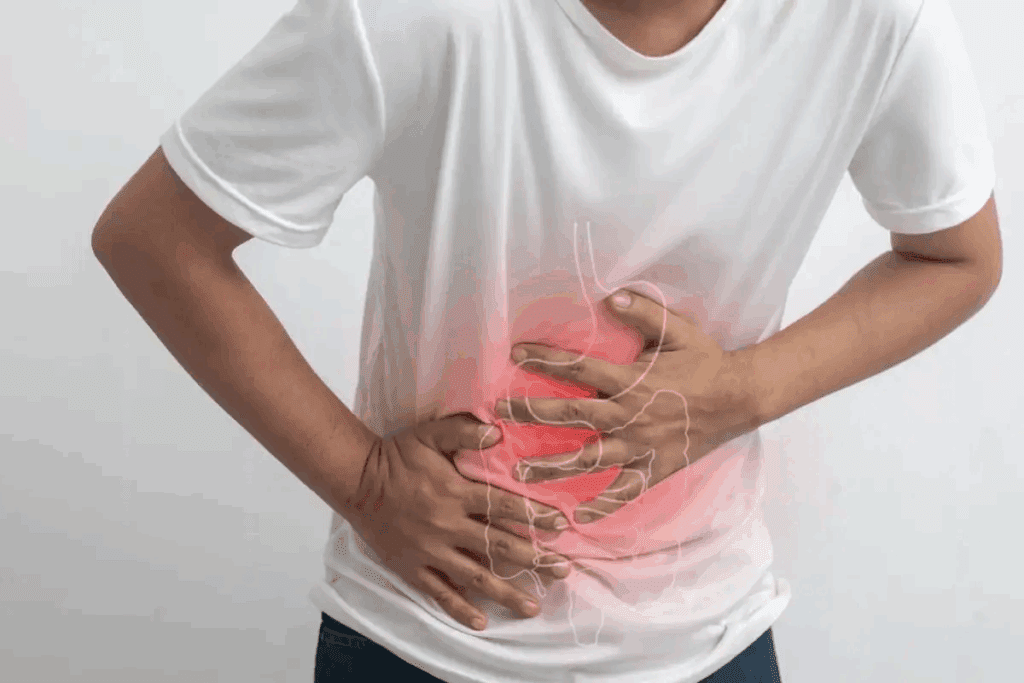
To understand gallstones, we must know about the biliary system. This includes the liver, gallbladder, and ducts that help with bile flow.
The Biliary System: Gallbladder, Ducts, and Liver
The biliary system is key for digestion. The liver makes bile, a fluid that helps digest fats. This bile goes to the gallbladder for storage.
From there, it flows into the common bile duct. It can then go into the small intestine to help with digestion.
How Bile Flows Through the Body
Bile flow starts in the liver. The liver makes bile, which then goes through the hepatic ducts. It can either go to the cystic duct for gallbladder storage or directly to the common bile duct for digestion.
This journey is complex, involving many ducts and the gallbladder. Gallstones can block this flow, causing health problems. The gallbladder and biliary ducts anatomy makes it possible for stones to get stuck, leading to serious issues.
Types and Formation of Gallstones
Gallstones form in the gallbladder, a small organ under the liver. They are hardened deposits that can vary in composition and characteristics. The process of forming gallstones is complex and influenced by several factors.
Cholesterol Stones: The Most Common Type
Cholesterol stones are the most common type of gallstone. They are often seen in people with diabetes and metabolic issues. These stones are made mostly of cholesterol and linked to obesity, high-fat diets, and some medications.
Key factors contributing to the formation of cholesterol stones include:
- Supersaturation of bile with cholesterol
- Nucleation of cholesterol crystals
- Impaired gallbladder motility
Pigment Stones: Excess Bilirubin Buildup
Pigment stones are linked to an excess of bilirubin. They are common in people with hemolytic disorders or biliary infections. These stones can be black or brown, each with its own formation process.
Bilirubin is a pigment from breaking down red blood cells. High levels of bilirubin, often due to hemolysis, can cause pigment stones to form.
Risk Factors for Gallstone Development
Many factors increase the risk of gallstones. These include metabolic disorders, genetic predisposition, and lifestyle choices. People with diabetes, obesity, and on certain medications are at higher risk. Age, gender, and ethnicity also play a role.
Common risk factors include:
- Metabolic syndrome and insulin resistance
- Hemolytic disorders
- Biliary infections
- Family history of gallstones
Stone in Liver Duct: Causes and Mechanisms
The liver duct is a key area where gallstones can get stuck, leading to problems. Knowing why and how this happens is key for finding and treating the issue.
Primary vs. Secondary Biliary Duct Stones
Biliary duct stones come in two forms: primary and secondary. Primary biliary duct stones form in the bile ducts, often due to bile stasis or infection. The Mayo Clinic says these stones are linked to conditions like biliary strictures or parasitic infections.
Secondary biliary duct stones start in the gallbladder and move to the bile ducts. These are more common and usually result from the same causes as gallstones.
How Stones Travel and Become Lodged
Gallstones can move from the gallbladder to the bile ducts via the cystic duct. If a stone gets stuck, it’s often because the duct is narrow or the stone is big. Stones are more likely to get stuck if the bile duct has abnormalities.
The process of a stone becoming lodged can be gradual or sudden. It depends on the stone’s size and the bile duct’s diameter. If a stone blocks the bile duct, it can cause serious problems like infection and organ damage.
Where Do Gallstones Go When They Leave the Gallbladder
Gallstones usually leave the gallbladder through the cystic duct and enter the bile ducts. They then travel down the common bile duct towards the intestine. But, some stones may get stuck in the bile ducts, causing blockages and complications.
The path a gallstone takes from the gallbladder to the intestine is not always clear. Things like anatomical variations, bile duct strictures, or other factors can affect its journey.
Gallstone in Cystic Duct: Specific Complications
The cystic duct is a key passage between the gallbladder and the bile duct. A gallstone here can block it, causing health problems. This blockage can lead to inflammation and serious issues.
Anatomy of the Cystic Duct
The cystic duct links the gallbladder to the common bile duct. It lets bile flow from the gallbladder to the small intestine. A gallstone in this duct can stop bile flow, causing pressure and inflammation.
Consequences of Cystic Duct Obstruction
A gallstone in the cystic duct can cause acute cholecystitis. This is inflammation of the gallbladder. According to Patient.info, “obstruction of the cystic duct can lead to acute cholecystitis.” This can cause severe pain, fever, and serious problems if not treated quickly.
Doctors say, “the obstruction of the cystic duct by a gallstone is a serious condition that needs immediate medical attention to prevent further complications.”
Acute Cholecystitis Development
Acute cholecystitis happens when the cystic duct is blocked. It causes inflammation and can lead to gangrene of the gallbladder. Symptoms include severe pain, fever, and nausea. If not treated, it can cause serious problems like perforation of the gallbladder or infection spread.
Prompt medical intervention is key to avoid these issues and treat the cause. This often means removing the gallbladder.
“The timely diagnosis and treatment of acute cholecystitis are critical to preventing serious complications and improving patient outcomes.”
In summary, a gallstone in the cystic duct can cause severe problems, including acute cholecystitis. Knowing the cystic duct’s anatomy and the issues it can cause is vital for effective diagnosis and treatment.
Gallstones and Bile Duct Stones: Common Presentations
Gallstones stuck in the bile duct can cause many symptoms. They may form in the gallbladder or move into the bile duct. This can lead to serious problems that need quick medical help.
Where Bile Duct Stones Typically Form
Bile duct stones often form primarily within the bile duct or come from the gallbladder. The NCBI Bookshelf says these stones block bile flow. This can cause jaundice, pain, and serious health risks.
- Primary bile duct stones form within the bile duct itself.
- Secondary bile duct stones originate from the gallbladder.
Obstruction of Bile Flow
When bile flow is blocked by stones, it’s a big problem. This can lead to:
- Jaundice from too much bilirubin.
- Severe pain in the right upper abdomen.
- Infection from stagnant bile.
Potential for Pancreatic Duct Involvement
Bile duct stones can also block the pancreatic duct. This happens if the stone gets stuck at the ampulla of Vater. This can cause pancreatitis, a painful and serious condition.
This makes treating bile duct stones more complex. It requires a detailed approach to diagnosis and treatment.
Symptoms and Complications of Stuck Gallstones
A stuck gallstone can cause many symptoms and complications that need quick medical help. The symptoms can change based on the gallstone’s size and where it is stuck.
Early Warning Signs
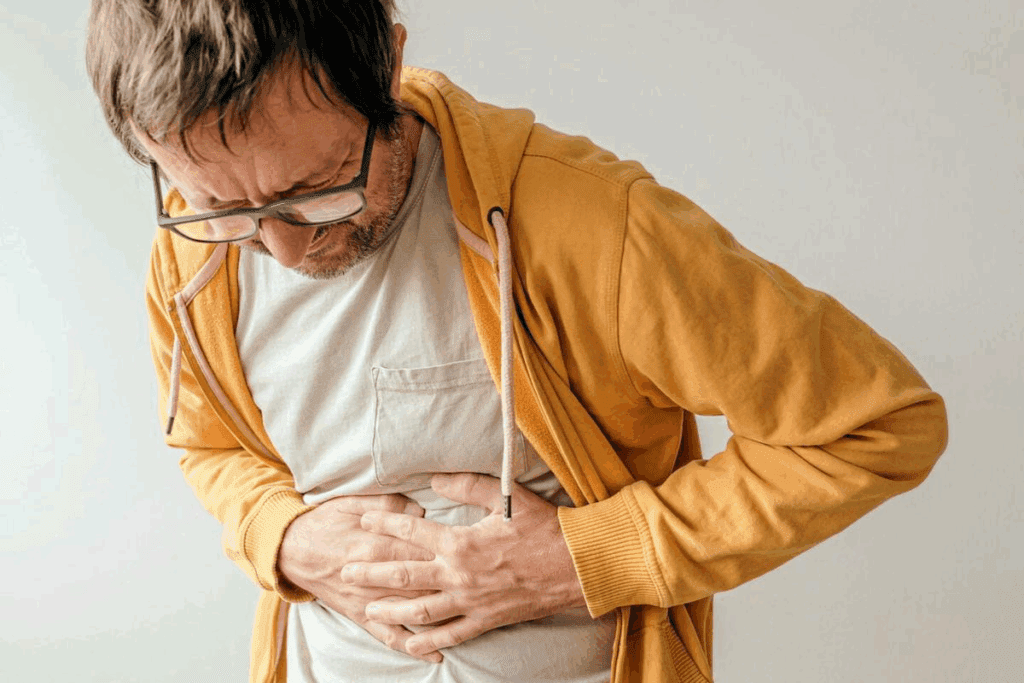
Early signs of a stuck gallstone include sharp pain in the upper right abdomen. This pain might spread to the back or right shoulder. Other signs include:
- Nausea and vomiting
- Fever and chills
- Jaundice, which makes the skin and eyes turn yellow
- Dark urine and pale stools
These symptoms mean the gallstone might be blocking the bile or cystic duct. Spotting these signs early can help avoid worse problems.
Severe Complications: Infection, Jaundice, and Organ Damage
Not treating a stuck gallstone quickly can cause serious issues. Some of these problems are:
- Infection: Bacteria can infect the bile duct or gallbladder, which can be very dangerous.
- Jaundice: A blockage can cause bilirubin to build up, turning skin and eyes yellow.
- Organ Damage: A blockage can harm the liver, pancreas, or other organs if not treated.
The Mayo Clinic says not treating stuck gallstones can lead to serious problems like infection, organ damage, or even death. Doctors often need to use endoscopic or surgical methods to remove the blockage and prevent damage.
When to Seek Emergency Medical Care
Go to the emergency room if you have:
- Severe abdominal pain that doesn’t go away or gets worse
- High fever or chills
- Jaundice or yellowing of the skin and eyes
- Vomiting blood or black tarry stools
Quick medical help can greatly improve your chances of recovery from stuck gallstones. Doctors may do tests to find and treat the gallstone.
Diagnosis of Gallstones in Different Ducts
Knowing how to diagnose gallstones in different ducts is key to managing the condition. Gallstones can get stuck in the liver, bile ducts, and cystic duct. Each spot needs a precise diagnosis for the right treatment.
Imaging Techniques
Imaging is vital for finding gallstones. Ultrasound is often the first choice because it’s non-invasive and very good at spotting gallstones. StatPearls says ultrasound is the top choice for finding gallstones.
CT scans and MRCP (Magnetic Resonance Cholangiopancreatography) are also used. CT scans give detailed images and are great for seeing complications like inflammation. MRCP is excellent for seeing the bile and pancreatic ducts, spotting stones and other issues.
Laboratory Tests
Laboratory tests add to imaging by giving insights into the patient’s health. Tests like liver function tests show if there’s a blockage in the bile ducts.
A doctor’s quote emphasizes the value of these tests: “Lab tests are key in diagnosing and managing gallstone disease, spotting complications early.” These tests, along with imaging, help doctors accurately diagnose and plan treatment.
Prevalence Statistics and Risk Assessment
Gallstones are a big health problem, affecting about 10-15 percent of adults in developed countries. Bile duct stones are less common but significant. Knowing these numbers and risk factors like family history and obesity is vital for prevention and early detection.
Assessing risk involves looking at these factors to find who’s more likely to get gallstones. By understanding these, doctors can give better advice and prevent gallstones and their complications.
Treatment Options for Stuck Gallstones
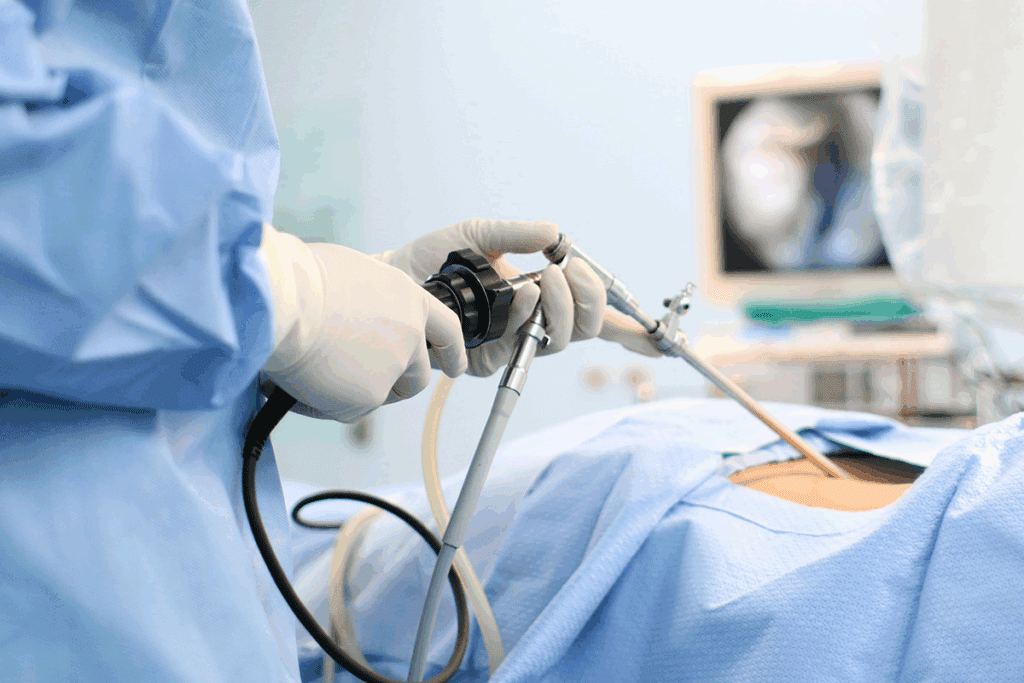
There are many ways to treat stuck gallstones. These include endoscopic, surgical, and medical methods. The right treatment depends on where the gallstone is, how bad the symptoms are, and the patient’s health.
Endoscopic Procedures (ERCP)
Endoscopic Retrograde Cholangiopancreatography (ERCP) is key for stuck gallstones in the bile duct. The Mayo Clinic says ERCP removes stones from the bile duct, easing blockages.
Benefits of ERCP:
- It’s less invasive, so recovery is quicker
- Works well for bile duct stones
- Can also place stents for ongoing drainage
Dr. Smith notes, “ERCP has changed how we handle bile duct stones. It’s a less invasive option than surgery.”
“ERCP is a valuable tool in managing bile duct stones. It clears stones without open surgery.”
Dr. John Smith, Gastroenterologist
Surgical Interventions
Surgery is needed for gallstones that ERCP can’t handle. Cholecystectomy, or removing the gallbladder, is often used for recurring gallstones.
| Surgical Option | Indications | Benefits |
| Laparoscopic Cholecystectomy | Recurrent gallstones, gallbladder disease | Less invasive, less pain after surgery |
| Open Cholecystectomy | Complex cases, failed laparoscopic surgery | Good for removing the gallbladder, handling complications |
Medication and Dissolution Therapies
For those not suited for surgery or ERCP, medication and dissolution therapies are options. Ursodeoxycholic acid (UDCA) helps dissolve certain gallstones.
Dissolution therapy is mainly for small, cholesterol stones. It can take months to years to work.
In summary, treating stuck gallstones needs a personalized plan. A healthcare provider will choose the best treatment based on the patient’s situation and the gallstone’s type.
Conclusion: Prevention and Long-term Outlook
Understanding how to prevent and manage gallstones is key. It helps in avoiding future problems.
Keeping a healthy diet and avoiding quick weight loss are important. These tips help prevent gallstones, as Patient.info suggests. Making these lifestyle changes can lower your risk of gallstones.
The outcome for those with stuck gallstones varies. It depends on treatment success and any health issues. With the right care, many can fully recover and avoid future problems.
Knowing the risks and taking steps to prevent gallstones is vital. It helps keep your health and well-being in check.
FAQ
What happens when a gallstone gets stuck in the bile duct?
A stuck gallstone blocks bile flow. This can lead to serious issues like infection, jaundice, and damage to organs.
What are the types of gallstones that can get stuck in the bile or cystic duct?
There are two main types of gallstones. Cholesterol stones are the most common. Pigment stones are linked to too much bilirubin.
How do gallstones form, and what are the risk factors?
Gallstones form when bile’s balance is off. Risk factors include metabolic disorders, hemolysis, and certain infections.
What is the difference between primary and secondary biliary duct stones?
Primary stones form in the bile ducts. Secondary stones start in the gallbladder and move to the ducts.
What are the consequences of a gallstone getting stuck in the cystic duct?
A stuck gallstone in the cystic duct can cause acute cholecystitis. This is inflammation of the gallbladder, leading to severe pain and serious complications.
How are gallstones in different ducts diagnosed?
Diagnosis uses imaging like ultrasound, CT, and MRCP. Lab tests also check for gallstones and assess risk.
What are the treatment options for stuck gallstones?
Treatment includes endoscopic procedures like ERCP, surgery, and medication. The choice depends on the stone’s location and severity.
Can gallstones be prevented, and what is the long-term outlook?
Preventing gallstones involves lifestyle changes and management strategies. The long-term outlook depends on treatment and prevention success.
What are the symptoms of a gallstone stuck in the bile or cystic duct?
Symptoms include severe abdominal pain, jaundice, and serious complications like infection and organ damage. These require immediate medical care.
Where do gallstones typically go when they leave the gallbladder?
Gallstones usually move into the bile ducts and sometimes into the intestine. But, they can get stuck in the cystic duct or bile duct, causing problems.
What is the role of the gallbladder in the biliary system?
The gallbladder stores bile from the liver and releases it into the intestine for digestion. Its dysfunction can lead to gallstone formation.
What is the anatomy of the cystic duct, and how does it relate to gallstone obstruction?
The cystic duct connects the gallbladder to the common bile duct. A gallstone here can cause acute cholecystitis and other issues.