
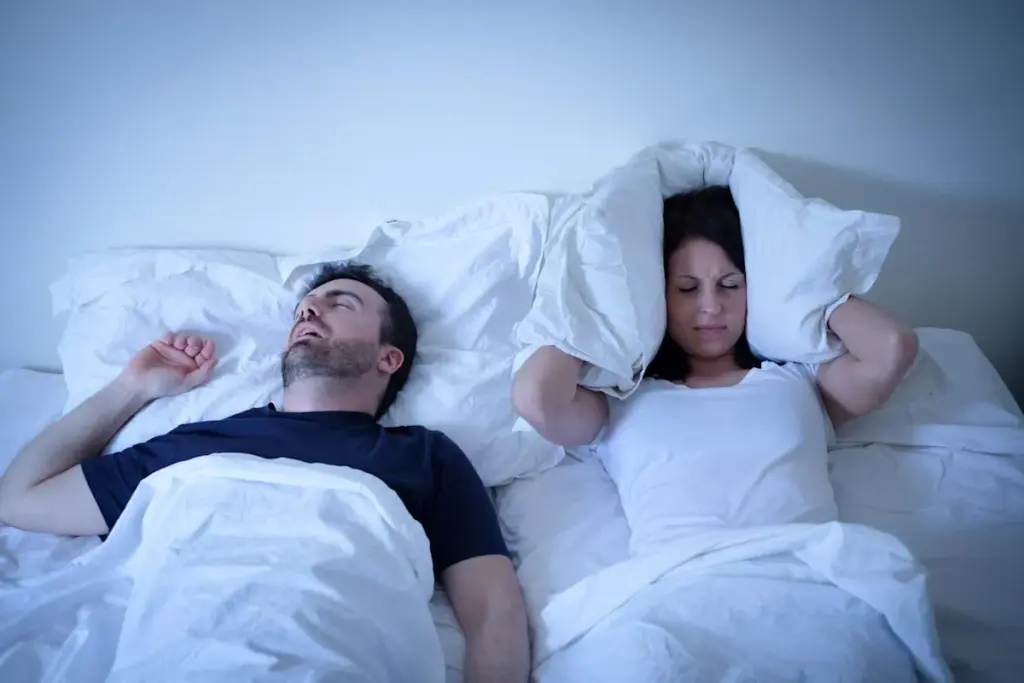
Did you know that one-third of adults snore at some point in their lives? Snoring can really mess up sleep quality, not just for the person snoring but also for their partner. A sleep specialist, says it’s key to get seven to nine hours of sleep each night for good health.Not getting enough quality sleep can lead to big health problems like heart disease, diabetes, and obesity. Snoring might mean there’s something bigger going on with your health. So, finding ways to stop snoring is important for a good night’s sleep. In this article, we’ll look at some snoring remedies and snoring solutions to help you sleep better.
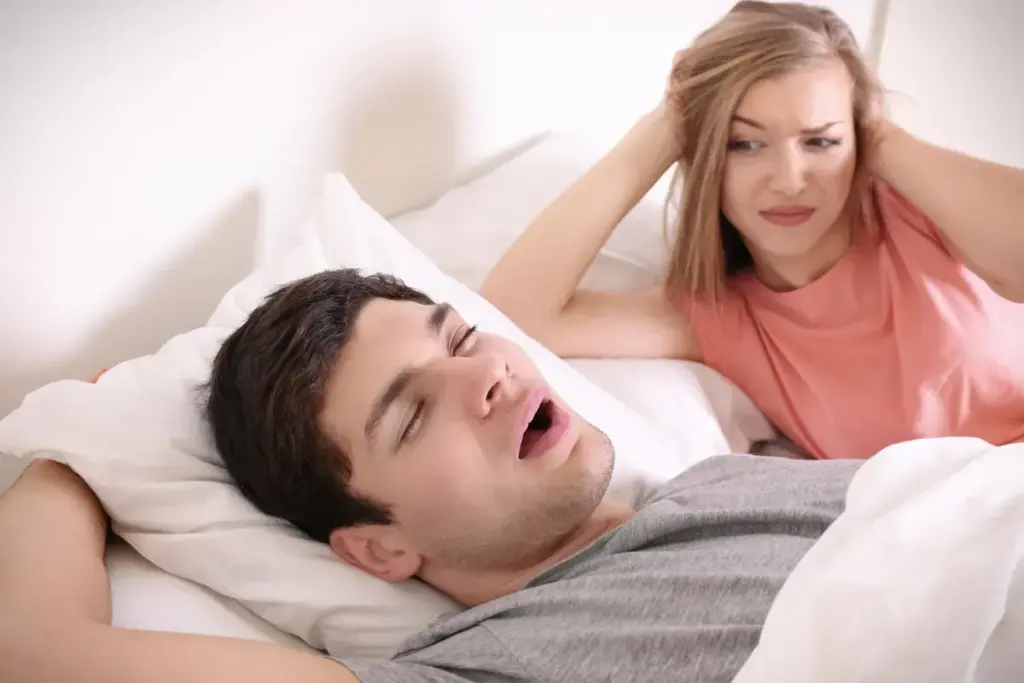
Snoring is more than just a simple noise. It shows how our sleep patterns work. It can also point to health issues we might not know about.
Snoring happens when air can’t flow freely through our nose and mouth. Being overweight, smoking, and drinking alcohol can make our throat muscles relax. This causes them to vibrate, making the snoring sound.
Other reasons include things like a deviated septum or big tonsils. How we sleep also matters. Sleeping on our backs can make snoring worse because our tongue and soft palate relax and block the airway.
Many things can make snoring more likely. Being overweight is a big risk because it can narrow the airway. Smoking and drinking alcohol also play a part by making the airway muscles relax.
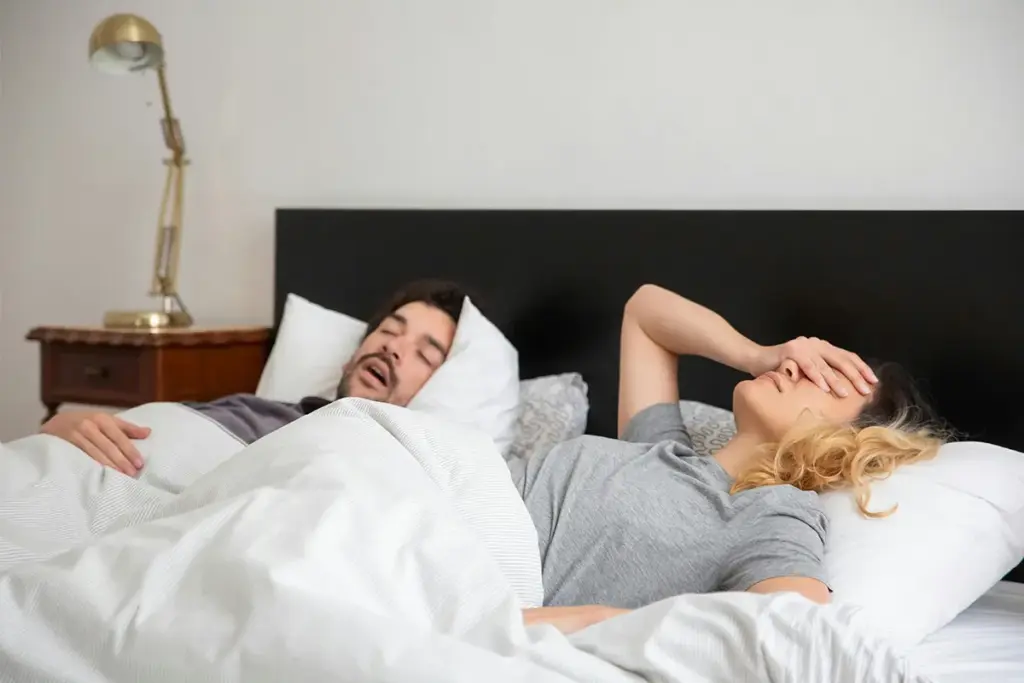
Snoring is not just a bother. It can be very harmful. One big risk is sleep apnea, where breathing stops and starts while sleeping. This can lead to poor sleep and low blood oxygen.
Snoring can also cause tiredness during the day, heart disease, and a lower quality of life. Knowing these risks helps us find ways to stop snoring and get the right treatment.
By tackling the reasons for snoring, we can reduce it and its effects. This might mean losing weight, avoiding alcohol at night, or trying different treatments. It’s all about improving our sleep and health.
The way we sleep can either make snoring worse or better. Snoring happens when air can’t flow freely through the nose. This is often because the tongue and palate relax too much. The position we sleep in can really affect this.
Sleeping on your back can make snoring worse. It lets the tongue and soft palate block the airway. But, sleeping on your side can help by keeping the airway open. This simple change can greatly improve sleep quality and reduce snoring.
The best sleep position to reduce snoring is on your side. This keeps the airway open by stopping the tongue and palate from falling back. To stay in this position, try using a body pillow or a pillow behind your back. Also, raising the head of your bed by 4-6 inches can help by improving air flow through your nose.
It can be hard to change how you sleep, but there are ways to help. Using a body pillow or a pillow wedge can encourage side-sleeping. You can also try wearing a tennis ball on your back to stop you from rolling onto your back. Creating a regular sleep routine and a sleep-friendly environment can also help.
Other tips for quiet sleep include not eating heavy meals before bed, keeping a regular sleep schedule, and having a calming bedtime routine. By trying these tips, you can stop snoring naturally and sleep better.
Making simple lifestyle changes can greatly reduce snoring. Snoring is not just a minor annoyance. It can be a sign of underlying health issues and affect sleep quality for both the snorer and their partner. By adopting healthier habits and making a few key changes, individuals can alleviate snoring and improve their overall health.
Maintaining a healthy weight is key in reducing snoring. Excess weight, mainly around the neck, can put extra pressure on the airways. This causes them to vibrate and result in snoring. A healthy diet combined with regular exercise can help manage weight and reduce snoring.
Both alcohol consumption and smoking can significantly impact snoring. Alcohol relaxes the muscles in the throat, causing the airways to narrow and vibrate, leading to snoring. Smoking, on the other hand, can cause inflammation and irritation in the airways, making snoring worse. Reducing or eliminating these habits can lead to a significant reduction in snoring.
|
Lifestyle Change |
Impact on Snoring |
|---|---|
|
Reducing Alcohol Consumption |
Relieves pressure on airways, reducing snoring |
|
Quitting Smoking |
Reduces inflammation and irritation in airways |
Staying hydrated is essential for maintaining healthy airways and reducing snoring. Dehydration can cause the secretions in the nose and throat to become stickier, leading to increased snoring. Drinking plenty of water throughout the day can help keep these secretions thin and reduce the likelihood of snoring.
Snoring is a common sleep issue. Simple home remedies can help. These changes can reduce snoring and improve sleep quality.
Several home remedies can help with snoring. Elevating the head of the bed by 4-6 inches can prevent the tongue from blocking the airway. This can be done with extra pillows or a wedge pillow.
Changing sleep positions can also help. Sleeping on your side instead of your back can reduce snoring. A body pillow or a tennis ball in a pocket can help you sleep on your side.
Maintaining a healthy weight is another simple remedy. Excess weight, mainly around the neck, can increase snoring. Losing weight can reduce fatty tissues and decrease snoring.
Dry air can irritate the nasal passages and throat, making snoring worse. A humidifier keeps the air moist, reducing congestion and snoring. It’s important to keep the humidifier clean to avoid bacterial growth.
Humidifiers are great during dry seasons or in air-conditioned spaces. They help keep the air moist, reducing friction in the airways. This makes breathing easier and can reduce snoring.
Certain essential oils, like eucalyptus and peppermint, can help clear nasal passages. This makes breathing easier and can reduce snoring. Use these oils in a diffuser or apply them diluted to the chest or nose.
Adding essential oils to your bedtime routine can improve sleep. They promote relaxation and reduce nasal congestion. Start with small amounts and watch how your body reacts.
Snoring can be harmless for some, but it might signal a health issue for others. It’s a common problem affecting millions globally. Knowing when it’s a concern is key.
Severe snoring can point to a health problem. Look out for loud and constant snoring, breathing pauses, and waking up with a sore throat or dry mouth.
Sleep apnea is a serious disorder needing medical help. It’s marked by breathing pauses or shallow breathing at night. It’s important to understand because it disrupts sleep and can cause health issues. Looking into snoring treatment options can help.
Finding the right doctor is vital for diagnosis and treatment. We suggest starting with a primary care doctor. They can check your health and refer you to specialists if needed. Specialists like otolaryngologists or sleep medicine doctors can offer more help. They can discuss ways to reduce snoring and best anti-snoring devices.
Looking for quick relief from snoring? Over-the-counter (OTC) solutions are a good place to start. They can help without needing a doctor’s prescription.
Nasal strips are a common OTC choice. They help open up your nasal passages, reducing congestion and snoring. By lifting the nasal passages, they improve airflow, making breathing easier and possibly reducing snoring.
Benefits of Nasal Strips:
Throat sprays are another OTC option for snoring relief. They contain ingredients that soothe and moisturize the throat. This can reduce irritation that causes snoring.
How Throat Sprays Can Help:
When using OTC solutions like nasal strips and throat sprays, it’s key to follow the instructions. These remedies can be effective but might not work for everyone. This is true if snoring is a sign of a deeper issue.
Many people struggle with snoring, but there are sleep aids and devices that can help. Snoring is a common sleep issue that can be managed with the right tools. We’ll look at some of the best sleep aids and devices to help you choose what’s best for your sleep.
Mouthguards, or mandibular advancement devices, keep the airway open by moving the lower jaw forward. This stops the airway from collapsing, which reduces snoring. Custom-fitted mouthguards work well because they fit your mouth perfectly, making them comfortable and effective.
A study in the Journal of Clinical Sleep Medicine found that mouthguards greatly reduce snoring in people with mild to moderate sleep apnea. This shows that mouthguards are a good treatment for snoring.
CPAP machines are known for treating sleep apnea and snoring. They send a constant flow of air pressure into the airways, keeping them open. CPAP therapy is often suggested for those with severe sleep apnea.
“The use of CPAP therapy has been shown to significantly improve sleep quality and reduce symptoms of sleep apnea, including snoring.” – American Academy of Sleep Medicine.
Smart pillows are a new way to fight snoring. They have sensors that watch your sleep and adjust to help stop snoring. Some smart pillows also track your sleep, giving you insights into how well you’re sleeping.
|
Device |
Purpose |
Effectiveness |
|---|---|---|
|
Mouthguards |
Advance lower jaw to keep airway open |
Highly effective for mild to moderate sleep apnea |
|
CPAP Machines |
Deliver continuous air pressure to keep airway open |
Highly effective for severe sleep apnea |
|
Smart Pillows |
Detect snoring and adjust pillow position |
Variable effectiveness; useful for mild snoring |
When picking a sleep aid or device, think about how bad your snoring is, what feels comfortable to you, and any health issues you have. Talking to a healthcare professional can help you find the best solution.
Snoring is influenced by many factors, including age, gender, and health conditions. It’s not just a simple annoyance. It’s a complex issue that can be tackled with various snoring treatment options.
As we get older, our muscles in the throat weaken. This can narrow the airway, causing vibrations that lead to snoring. Knowing how age affects snoring is key to finding ways to reduce it.
Research shows big gender differences in snoring. Men are more likely to snore than women, due to throat anatomy and hormones. Knowing these differences helps find effective ways to reduce snoring.
Allergies can make snoring worse by causing nasal congestion. This forces breathing through the mouth, leading to snoring. Managing allergies is key to preventing snoring.
Using humidifiers and avoiding allergens can help. Snoring treatment options may also include allergy medications to reduce nasal congestion.
Understanding snoring’s science, including age, gender, and allergies, helps prevent it. This involves lifestyle changes, medical treatments, and devices to keep the airway open during sleep.
A well-designed sleep environment can greatly improve your sleep and reduce snoring. It’s key to make your sleep space comfortable for better sleep and less snoring.
To make your bedroom sleep-friendly, follow these tips:
These tips can make your sleep better and help reduce snoring.
Having a regular sleep routine is essential for better sleep. Here’s what we recommend:
A regular sleep routine helps your body’s clock work better. This leads to better sleep and less snoring.
Using electronic devices before bed can mess with your sleep. Here’s how to avoid it:
Reducing screen time before bed can make your sleep better and lower snoring chances.
|
Tips |
Benefits |
|---|---|
|
Dark, quiet, and comfortable bedroom |
Improved sleep quality |
|
Consistent sleep routine |
Regulated body clock, reduced snoring |
|
Limiting screen time before bed |
Better sleep, reduced snoring |
By adding these habits to your daily life, you can make a sleep-friendly space. This will help you sleep better and reduce snoring.
Many people have found ways to stop snoring at night. They share their stories and what helped them. This shows that there are effective snoring solutions out there.
Experts say that changing your lifestyle and using the right remedies can help. To reduce snoring, try to stay at a healthy weight. Also, avoid drinking alcohol before bed and use nasal strips.
Keeping a snoring diary is a great way to track your progress. It helps you see what works and what doesn’t. By monitoring your sleep and snoring, you can make better choices about how to stop snoring.
By trying these strategies and sticking to them, you can stop snoring at night. This will also improve your sleep quality. We suggest trying these solutions and finding what works best for you.
Snoring can be caused by many things. These include being overweight, sleeping in a certain way, and having a stuffy nose. We also look at how age, gender, and allergies can play a role.
Sleeping on your side can help stop snoring. We give tips on how to stay on your side all night. This includes using a body pillow or a special pillow.
Changing your lifestyle can help. This means losing weight, avoiding alcohol and smoking, and drinking more water. We offer advice on making these changes.
Yes, there are home remedies that can help. These include using humidifiers and essential oils. We share tips on how to use them to improve your sleep.
If your snoring is very loud or you have pauses in breathing, see a doctor. We guide you on finding the right doctor for help.
There are over-the-counter solutions like nasal strips and throat sprays. We talk about their benefits and how to use them to reduce snoring.
Devices like mouthguards and CPAP machines can help. We explain how they work and help you choose the right one.
To create a sleep-friendly space, follow some tips. These include making your bedroom better, setting a sleep routine, and avoiding screens before bed. We offer advice on how to do this.
Keeping a snoring diary can track your progress. We give tips on how to keep a diary and make lifestyle changes.
Natural ways to stop snoring include lifestyle changes and home remedies. We share success stories and expert advice on these strategies.
Yes, allergies can cause nasal congestion, leading to snoring. We explore this connection and offer tips on managing allergies to reduce snoring.
What causes snoring in women? Sleep Foundation. Retrieved December 19, 2025, from https://www.sleepfoundation.org/snoring/what-causes-snoring-in-females/