


Many people think removing tonsils means no more strep throat. But, the truth is, strep throat is a bacterial infection that can hit anyone, tonsils or not strep throat without tonsils.
Doctors say the bacteria causing strep throat can spread to the throat and nearby areas. This is true even for those who’ve had their tonsils taken out. So, even without tonsils, you can get infected.
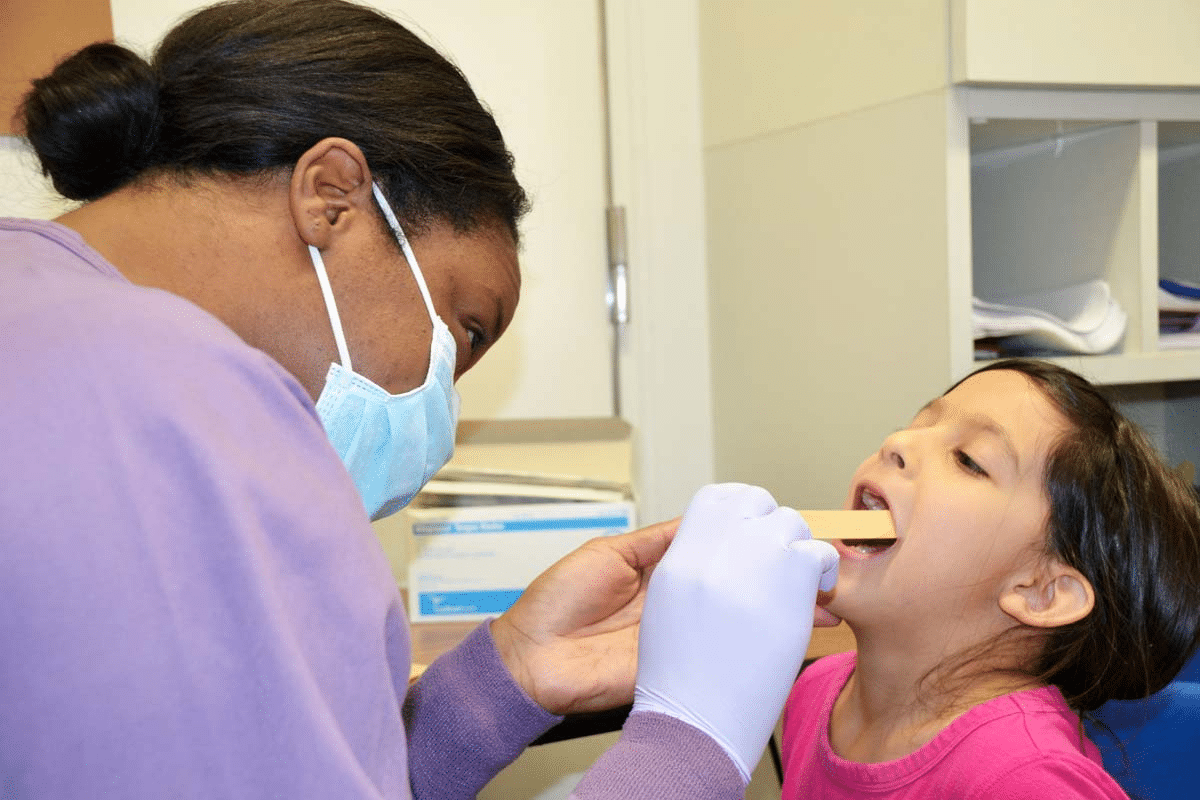
It’s important to know about strep throat to spot its signs early and get help fast. This infection is caused by bacteria and can cause serious health problems if not treated right.
Strep throat mainly hits the throat and tonsils. It starts suddenly and can make your throat very sore, raise your fever, and swell your lymph nodes. It spreads easily, like when you share food or drinks, or when someone coughs or sneezes nearby.
The signs of strep throat can differ from person to person. But common ones include:
Not everyone will show all these signs, and some might have others. If you have a very sore throat or are not sure what’s wrong, see a doctor.
Doctors use a few ways to figure out if you have strep throat. They often start with a quick test that checks for the bacteria. If that test is negative but you’re sick, they might do a throat culture. This test takes a swab from your throat to see if bacteria grow in a lab.
Getting the right diagnosis is key because strep throat needs antibiotics. Without treatment, it can cause serious problems like kidney issues or rheumatic fever.
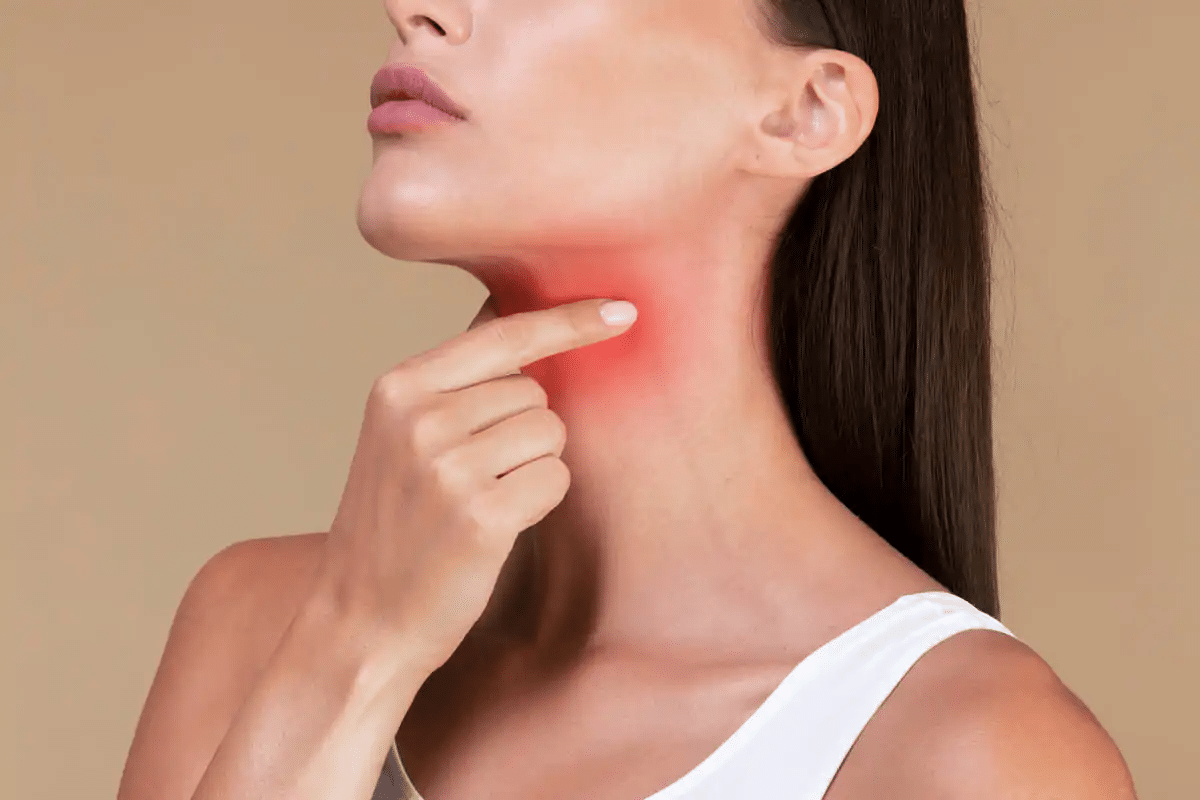
It’s important to know how the throat works, even if you don’t have tonsils. The throat, or pharynx, is a tube that connects our digestive and respiratory systems. It has many parts that help our immune system.
Tonsils are found on either side of the throat. They help fight off infections by trapping harmful germs. Tonsils are very important in early life, helping to keep us healthy. But, as we get older, other parts of our immune system take over.
Removing tonsils is a common surgery. It’s done to treat recurring infections or sleep problems. Even without tonsils, our immune system keeps working well. It has many layers of defense.
|
Function |
With Tonsils |
Without Tonsils |
|---|---|---|
|
Pathogen Trapping |
Tonsils trap bacteria and viruses |
Other lymphoid tissues take over this function |
|
Antibody Production |
Tonsils aid in antibody production |
Other parts of the immune system continue antibody production |
|
Immune System Function |
Tonsils contribute to immune defense |
Overall immune function remains intact |
In summary, losing tonsils doesn’t weaken our immune system. The body finds other ways to fight off infections. This ensures we stay protected.
Having your tonsils removed does not eliminate the possibility of strep throat. Strep throat is caused by bacteria that can affect more than just the tonsils. We’ll look into how this happens and the infection’s mechanisms.
Yes, strep throat can happen without tonsils. The bacteria can infect other throat areas like the pharynx and larynx. People without tonsils can get strep throat, but symptoms might differ slightly.
Removing tonsils removes the main infection site. But, bacteria can spread to other throat parts. So, even without tonsils, you can have strep throat symptoms like a sore throat, fever, and swollen lymph nodes.
The infection starts when group A Streptococcus bacteria touch the throat tissues. This can happen through:
Once in your throat, the bacteria multiply and cause infection. Your immune system fights back by making antibodies and activating immune cells.
Comparison of Strep Throat Infection Sites
|
Infection Site |
With Tonsils |
Without Tonsils |
|---|---|---|
|
Tonsils |
Bacteria directly infect the tonsils. |
N/A |
|
Pharynx |
Bacteria can infect the pharynx. |
Bacteria infect the pharynx. |
|
Larynx |
Bacteria can infect the larynx. |
Bacteria can infect the larynx. |
Knowing how strep throat can occur without tonsils is key for diagnosis and treatment. Even without tonsils, if you have strep throat symptoms, see a healthcare professional for the right care.
Several factors can increase your chance of getting strep throat. These include your age and who you’re around. Knowing these can help prevent the infection and get treatment early.
There are a few things that make you more likely to get strep throat. Being close to someone who has it and being in crowded places are big ones.
Being near someone with strep throat raises your risk a lot. This is true in places like schools and homes.
Crowded areas also help strep throat spread. Places like buses, schools, and daycare centers are hotspots for the bacteria.
Age is a big factor in getting strep throat. Kids between 5 and 15 years old get it more often.
Young kids are more vulnerable because their immune systems are not fully grown. They also spend a lot of time with other kids in school.
|
Risk Factor |
Description |
Population Most Affected |
|---|---|---|
|
Close Contact |
Being near someone with strep throat |
Family members, classmates |
|
Crowded Environments |
Places with many people in close proximity |
School children, public transport users |
|
Age |
Being between 5 and 15 years old |
School-aged children |
It’s important to know the risk factors for strep throat. This knowledge helps prevent it and manage it better. By understanding these factors, you can take steps to lower your risk.
It’s important to know the signs of strep throat to get the right treatment. Strep throat is caused by Streptococcus pyogenes. It can look like other throat infections, so we need to tell them apart.
Other infections like viral pharyngitis and tonsillitis can have similar symptoms. These include a sore throat, fever, and swollen lymph nodes. But, some symptoms can help us tell them apart. For example, a cough is more common in viral infections.
When we check a patient, we look at all their symptoms. Viral infections often have extra symptoms like a runny nose, sneezing, and coughing. These are less common in strep throat.
It’s key to tell strep throat from viral infections to treat them right. Both can cause a sore throat, but viral infections might have a cough, conjunctivitis, or a hoarse voice. Strep throat usually has severe throat pain, fever, and swollen lymph nodes without a cough.
By looking closely at symptoms and the patient’s overall health, we can make a better diagnosis. Then, we can give the right treatment.
Getting a correct strep throat diagnosis is key for proper treatment. Doctors use specific tests to find the streptococcal bacteria in your throat.
There are two main ways to find out if you have strep throat: rapid strep tests and throat cultures. Rapid strep tests give quick results, showing if streptococcal antigens are present. But, they might not catch everything.
Throat cultures take a swab from your throat and grow it in a lab. This method takes longer, but it’s more reliable.
|
Diagnostic Method |
Time to Results |
Accuracy |
|---|---|---|
|
Rapid Strep Test |
Minutes |
Less sensitive, but quick |
|
Throat Culture |
24 to 48 hours |
More accurate, considered gold standard |
If you think you or your child might have strep throat, see a doctor. Look for signs like a very sore throat, fever, or swollen lymph nodes. Also, if you’ve been near someone with strep throat or have had it before, get checked out.
Seeing a doctor quickly can stop serious problems and make sure you get the right treatment. If you’re diagnosed with strep throat, your doctor will give you antibiotics to fight the infection.
Dealing with strep throat needs a two-step plan. First, antibiotics fight the infection. Second, home remedies help ease the pain. Knowing your treatment options is key to getting better and avoiding complications.
Antibiotics are the main treatment for strep throat. They target the Streptococcus pyogenes bacteria. It’s important to finish the antibiotics, even if you start feeling better before you’re done. This makes sure the infection is gone and lowers the chance of problems.
Commonly prescribed antibiotics for strep throat include penicillin and amoxicillin. If you’re allergic to these, your doctor might suggest azithromycin or clarithromycin instead.
Along with antibiotics, there are home remedies to help with strep throat symptoms. Rest and staying hydrated are essential for recovery. Drinking lots of water or warm tea and resting your voice can make symptoms better.
Other helpful things include gargling with salt water to reduce swelling and using throat lozenges to soothe your throat. You can also take over-the-counter pain relievers like acetaminophen or ibuprofen to help with pain and fever.
Not treating strep throat can lead to serious problems, like rheumatic fever. The infection can spread and cause more severe health issues. It’s important to know these risks to see why getting medical help is key.
Rheumatic fever is a serious issue that can happen if strep throat is not treated. It happens when the body’s immune system attacks its own tissues, mainly in the heart, joints, and skin. Rheumatic fever can cause long-term heart problems, like valve damage and heart failure, if not treated right.
Symptoms of rheumatic fever include joint pain, fever, and heart palpitations. This shows why treating strep throat quickly is so important. Antibiotics can stop rheumatic fever if given early.
Untreated strep throat can also cause other long-term health issues. For example, it can spread to the kidneys, causing post-streptococcal glomerulonephritis. It can also lead to chronic inflammation and conditions like reactive arthritis.
People who have had a tonsillectomy can also get strep throat. The bacteria can infect other throat tissues. So, it’s important for everyone to know the symptoms and get medical help, even without tonsils.
Learning how to prevent strep throat can greatly lower your risk of getting it. This is true even if you don’t have tonsils. It’s important for everyone, but even more so for those who’ve had strep before or had a tonsillectomy.
Keeping clean is a key way to stop strep throat. Frequent handwashing with soap and water is a must. Do this after using the bathroom, before meals, and after coughing or sneezing. Also, stay away from people with strep throat to avoid catching it.
By following these hygiene tips, we can lower our chance of getting strep throat. It’s also vital to live a healthy life. This includes getting enough sleep, eating right, and drinking plenty of water to keep our immune system strong.
There’s no vaccine just for strep throat yet. But, getting shots for other diseases can help keep us healthy. It’s smart to talk to our doctor about staying up-to-date on vaccines.
Even without a strep throat vaccine, we can take steps to stay healthy. Good hygiene, a healthy lifestyle, and knowing about our health can help us avoid strep throat and other illnesses.
When you have strep throat, the right lifestyle habits can really help. It’s not just about the medicine. Your daily habits and choices matter a lot too.
Eating well is key to getting better from strep throat. Stick to soft, bland foods like:
Stay away from spicy or acidic foods that can hurt your throat. Drinking lots of water, herbal teas, and electrolyte-rich drinks is also important.
Resting is vital for your body to fight off the infection. Try to rest a lot and avoid hard activities. Drinking plenty of fluids helps soothe your throat and keeps your body working right. Try gargling with warm salt water to ease throat pain.
Adding these lifestyle changes to your recovery plan can help your body heal faster. Key recovery tips include:
By following these tips, you can help your body heal naturally and recover from strep throat more smoothly.
Strep throat can happen again even after tonsils are removed. This surprises and worries many patients. Tonsillectomy might lower the chance of strep throat, but it doesn’t stop it for sure. It’s important for patients to know why strep throat can come back and how to stop it.
Many things can lead to strep throat coming back after tonsil removal. Strep bacteria can infect other parts of the throat, like the pharynx and larynx. Also, Group A Streptococcus, the cause of strep throat, is everywhere and can spread through contact with sick people.
The immune system also plays a part. Even without tonsils, the body fights off infections. But, not having tonsils doesn’t mean the throat is fully protected. Other tissues in the throat help fight off infections, but they can get infected by strep bacteria too.
To lower the chance of strep throat coming back after tonsil removal, there are steps you can take:
Knowing the risks and taking steps to prevent them can greatly lower the chance of strep throat coming back after tonsil removal. By understanding why it can happen again and practicing good hygiene, patients can manage their condition better and lower the risk of future infections.
Knowing when to see a specialist is key for treating strep throat well. If you keep getting strep throat, have trouble swallowing, or face other issues, it’s time to see an ENT specialist.
ENT specialists are important for diagnosing and treating strep throat, even after a tonsillectomy. Look out for symptoms like a sore throat that won’t go away, fever, or swollen lymph nodes. If you see these signs, it’s best to see an ENT doctor.
An ENT specialist will check your condition and give you advice on managing strep throat. They will decide the best treatment, like antibiotics or looking for other health issues. Their help is essential for dealing with infections after surgery and for a quick recovery.
Seeing an ENT specialist means you get care that fits your needs. This ensures you get the right treatment and avoid serious problems.
Yes, it’s possible to get strep throat even after your tonsils are gone. The bacteria can spread to other parts of your throat.
Symptoms of strep throat are similar with or without tonsils. You might feel severe throat pain, fever, and swollen lymph nodes. Without tonsils, some symptoms might show differently.
Doctors use a physical exam, medical history, and tests like rapid strep tests and throat cultures to diagnose strep throat.
Yes, the risk factors are the same. These include age, being close to someone with strep, and being in crowded places.
No, strep throat needs antibiotics to treat it. Home remedies can help with symptoms, but antibiotics are key for treatment.
To prevent strep throat from coming back, practice good hygiene. Avoid being close to people with strep. Also, keep a healthy lifestyle.
See an ENT specialist if you keep getting strep throat or if your symptoms are severe. Or if you have questions about your treatment.
Yes, rest well, drink plenty of water, and eat a balanced diet. These can help you recover from strep throat.
No, there’s no vaccine for strep throat yet. Prevention focuses on good hygiene and avoiding people with strep.
Untreated strep throat can cause serious problems like rheumatic fever. It can also lead to long-term health issues. So, it’s important to get medical help.
Centers for Disease Control and Prevention. Evidence-Based Medical Insight. Retrieved from https://www.cdc.gov/groupastrep/index.html
