Last Updated on November 25, 2025 by Ugurkan Demir
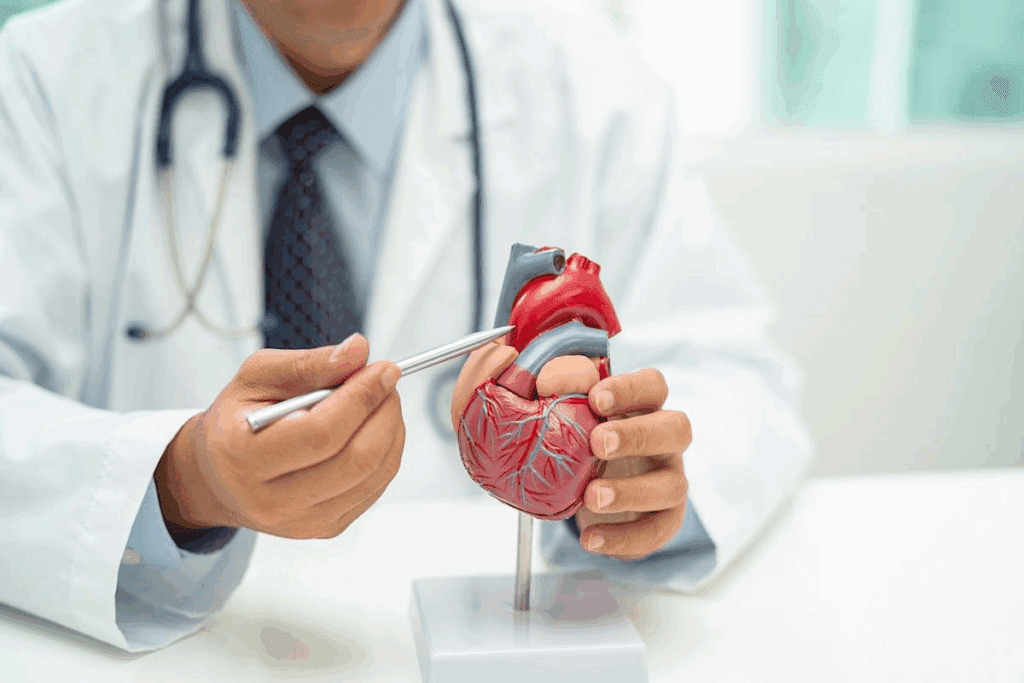
Choosing Liv Hospital for your heart care means you get top-notch diagnostics and care that’s all about you. A cardiac stress test checks how your heart does when you’re more active. Understand stress test cardiology, how it evaluates heart function, and when it’s recommended for patients.
When you have a stress test for heart health, your heart is watched closely as it works harder and faster. This can be through exercise or medicine. It helps doctors see how well your heart handles stress and spot heart problems.
By seeing how your heart reacts to activity, doctors can find issues like blocked arteries and irregular heartbeats. They can then plan the best care for you.
Key Takeaways
- A cardiac stress test evaluates heart health by monitoring its response to physical activity.
- This diagnostic tool helps identify possible heart conditions, such as blocked arteries.
- Liv Hospital offers world-class cardiac diagnostics with personalized care.
- A stress test can be done through exercise or medicine.
- Understanding the heart’s response to stress helps doctors make better choices.
Understanding Cardiac Stress Tests

A cardiac stress test is a non-invasive way to check how the heart works under stress. This stress is usually caused by exercise or medicine. It’s key for finding and managing heart problems, showing how the heart does when it’s under strain.
Definition and Basic Concept
A cardiac stress test, also known as a stress test, checks the heart’s function when it’s working its hardest. It uses exercise or medicine to make the heart work hard. The test watches heart rate, blood pressure, and ECG to see how the heart beats and if it gets enough blood.
The Science Behind Stress Testing
The science of cardiac stress testing is simple. It shows how the heart reacts to stress. When we exercise, our heart needs more oxygen. A stress test checks if the heart can pump enough blood to meet this need.
During a stress test, doctors watch heart rate, blood pressure, and ECG patterns. These help them see how well the heart works under stress. This gives them clues about the heart’s health.
| Parameter | Normal Response | Abnormal Response |
| Heart Rate | Increases appropriately with exercise | Failure to increase or excessive increase |
| Blood Pressure | Increases moderately with exercise | Excessive increase or failure to increase |
| ECG Patterns | No significant changes | Ischemia or arrhythmia indicated by changes in ECG |
Historical Development of Cardiac Stress Testing
Cardiac stress testing has come a long way. The first tests were done in the early 20th century. But it wasn’t until the 1960s and 1970s that they became common. New technology and knowledge have made the test better over time.
Now, there are different types of stress tests, like exercise and pharmacological tests. Each has its own use. The test keeps getting better, helping doctors diagnose and treat heart disease more accurately.
The Purpose of Stress Test Cardiology
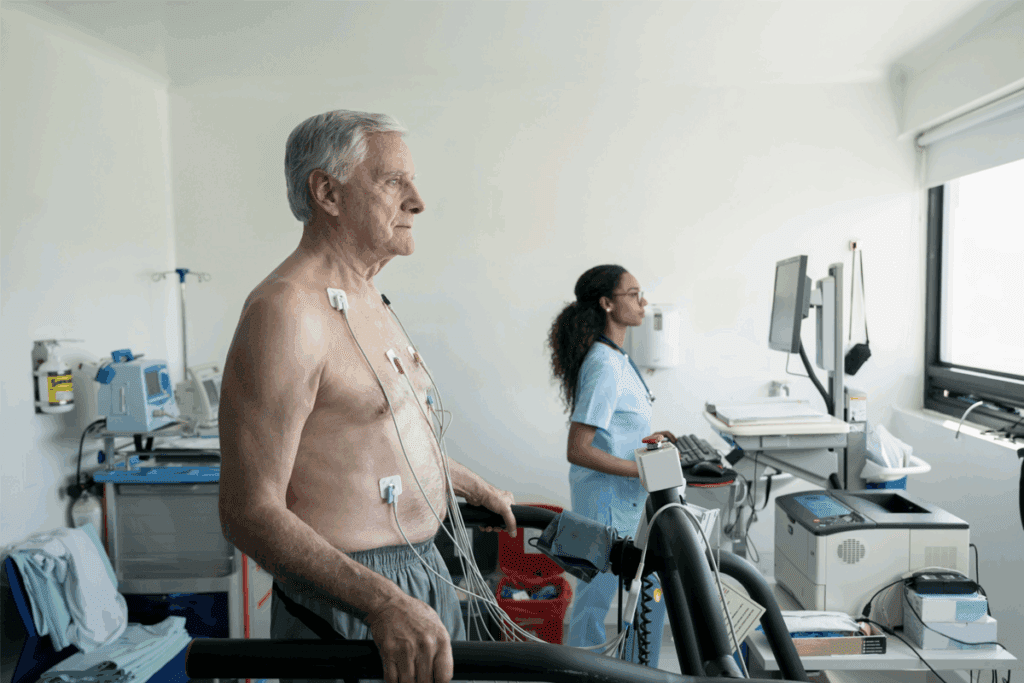
Cardiac stress tests are important tools for doctors to check heart health. They see how the heart works when it’s stressed, usually through exercise or medicine.
Diagnosing Coronary Artery Disease
Stress tests are key in finding coronary artery disease (CAD). CAD happens when heart arteries get blocked by plaque. The test shows if the heart gets enough blood, even when stressed. This helps find and measure CAD.
Evaluating Heart Rhythm Abnormalities
Stress tests also check for heart rhythm problems, or arrhythmias. Some arrhythmias only show up when the heart is stressed. The test watches the heart’s electrical signals to spot irregular beats that might mean a problem.
Assessing Overall Cardiovascular Fitness
Stress tests also check a person’s cardiovascular fitness. They see how well the heart handles exercise. This helps figure out if someone is fit enough for exercise and how much they can safely do.
Determining Safe Exercise Levels
For people with heart issues, stress tests help find out safe exercise levels. They show how the heart reacts to stress. Doctors then suggest the right amount and type of exercise to keep the heart healthy and safe.
In short, stress test cardiology is vital for diagnosing and managing heart problems. It helps keep our hearts healthy and strong.
Types of Cardiac Stress Tests
Knowing the types of cardiac stress tests is key for doctors and patients. Studies show stress testing is essential for diagnosing heart issues. It helps in planning treatments and safe exercise routines.
Cardiac stress tests fall into three main categories: exercise, pharmacological, and specialized tests. Each type is chosen based on the patient’s health and ability to exercise.
Exercise Stress Tests
Exercise stress tests are the most common. You walk on a treadmill or bike while your heart is monitored. The exercise gets harder to stress your heart.
Benefits: It directly measures how well your heart works during activity.
Pharmacological Stress Tests
For those who can’t exercise, a pharmacological stress test is used. A doctor gives you medicine through an IV to mimic exercise. This medicine boosts blood flow to your heart like exercise does.
Key Points:
- Used when patients can’t exercise.
- Uses medicine to simulate exercise.
- Checks heart activity under stress.
Specialized Stress Tests
Specialized tests include stress echocardiography and nuclear stress tests. These tests add imaging to stress tests. They give detailed info on heart function and blood flow.
| Type of Stress Test | Description | Used For |
| Exercise Stress Test | Physical exercise on a treadmill or bike | Assessing heart function during exercise |
| Pharmacological Stress Test | Medication simulates exercise effects | Patients unable to exercise |
| Stress Echocardiography | Ultrasound imaging during stress test | Detailed heart function and structure |
| Nuclear Stress Test | Radioactive tracer used with stress test | Evaluating blood flow to the heart |
Understanding these types helps doctors pick the best test for each patient. This ensures accurate diagnosis and effective treatment plans.
What Does a Heart Stress Test Measure?
A heart stress test checks how your heart handles stress. It looks at heart rate, blood pressure, and ECG patterns. This helps doctors understand your heart health and treat heart problems.
Heart Rate Response
Your heart rate response is a key part of the test. When you exercise or get stressed, your heart rate is watched. A normal heart rate goes up with exercise and comes back down when you rest.
If your heart rate doesn’t go up right, it might mean you have heart disease. This could be because your heart can’t handle stress well.
Blood Pressure Changes
Your blood pressure changes are also checked. Blood pressure goes up with exercise but should stay stable or go down a bit. If it doesn’t, it could be a sign of heart disease.
ECG Patterns and Stress ECG Meaning
The ECG patterns seen during the test are very important. An ECG shows how your heart works under stress. Changes in the ECG can mean your heart isn’t getting enough blood.
Knowing what stress ECG meaning is helps doctors understand your heart. They use this to find problems and decide how to treat them.
Oxygen Consumption
Oxygen consumption is another key thing checked. This is often done with a cardiopulmonary exercise test (CPET). It shows how well your body uses oxygen when you exercise.
This helps doctors see how well your heart supplies oxygen to your muscles. It’s key for diagnosing and treating heart failure and other heart problems.
The Stress Test Procedure: What to Expect
The stress test checks how well your heart works when it’s stressed. This can be through exercise or medicine. It’s key for checking your heart’s health and spotting problems.
Pre-Test Preparations
Before the test, there are steps to take. Don’t eat, drink, or smoke for a while before. Also, avoid caffeine the day before and the day of the test, as it can raise your heart rate.
- Wear comfy clothes and shoes for exercise.
- Tell your doctor about any medicines you’re on.
- Avoid big meals before the test.
During the Test
During the test, you’ll walk on a treadmill or bike. The pace will get harder to stress your heart. Your heart rate, blood pressure, and ECG will be watched. The test stops when you hit a target heart rate or show symptoms like chest pain.
Post-Test Recovery
After, you’ll be watched to make sure your heart rate goes back to normal. You might feel tired, but it should go away soon. Your doctor will talk about the results and what they mean for your heart.
Important things to remember during recovery include:
- Rest until your heart rate and blood pressure are back to normal.
- Tell your doctor if you have any symptoms or feel uncomfortable.
- Follow any instructions your doctor gives you after the test.
Knowing what to expect from a stress test helps you prepare. It can also make you feel less anxious. If you have questions or worries, always talk to your doctor.
Interpreting Stress Test Results
Stress test results give insights into heart health. They help doctors make better decisions for patient care. These results are key for diagnosing and managing heart disease.
Normal vs. Abnormal Findings
A stress test shows if your heart works well under stress. Normal results mean your heart pumps well and shows no heart problems. But, abnormal results might point to heart issues like reduced blood flow or heart rhythm problems.
Abnormal findings can be different, like reduced blood flow or heart rhythm issues. Knowing these details is key for planning your care.
Understanding Your Stress Test Report
A stress test report has important parts:
- How your heart rate changes during the test
- Blood pressure changes during the test
- ECG patterns, like signs of reduced blood flow or heart rhythm issues
- Symptoms you feel during the test, like chest pain or shortness of breath
Your doctor will look at these results with your health, medical history, and other tests. It’s important to talk about your results with your doctor to understand them fully.
Limitations and False Results
Stress tests are useful but not perfect. False-negative results can miss heart problems. And, false-positive results might show heart issues when there aren’t any. Your health, medications, and test issues can affect the results.
Knowing the limits of stress tests is key for accurate results. Your doctor will consider these when looking at your test results and deciding what to do next.
Stress test results help doctors plan or change your treatment. If your heart works well, you might not need more tests. The Medical organization says these results help guide treatment and care, making sure you get the best treatment for your heart condition.
Who Should Undergo Cardiac Stress Testing?
Knowing who needs a cardiac stress test is key for heart health. These tests help check the heart’s condition, mainly for those with certain risks or symptoms.
Risk Factors and Indications
People with heart disease risks or symptoms should get a cardiac stress test. Risk factors include:
- High blood pressure
- High cholesterol
- Diabetes
- Family history of heart disease
- Smoking
Recent data shows stress tests help diagnose heart disease. They also check if exercise is safe and if treatments work.
“A stress test is used to diagnose coronary artery disease, diagnose a possible heart-related cause of symptoms such as chest pain, shortness of breath or lightheadedness, determine a safe level of exercise, check the effectiveness of procedures and medical interventions done to improve coronary artery blood flow.”
Age and Gender Considerations
Age and gender play big roles in who should get a cardiac stress test. Heart disease risk grows with age, and men face it earlier than women. But, women’s risk increases after menopause.
| Age Group | Risk Factors to Consider |
| 40-49 | Family history, smoking, high blood pressure |
| 50-59 | Diabetes, high cholesterol, obesity |
| 60+ | Previous heart disease, stroke, or peripheral artery disease |
Contraindications for Stress Testing
Some people should not get a cardiac stress test. These include:
- Severe aortic stenosis
- Acute coronary syndrome
- Decompensated heart failure
- Severe hypertension
Always talk to a healthcare provider about getting a cardiac stress test. They’ll decide based on your health and risks.
Advances in Stress Testing Cardiology
Medical technology has made big strides in stress testing cardiology. This has led to more accurate diagnoses and better treatment plans. These changes are key in catching heart problems early and improving patient care.
Technological Innovations
New tech has been a big help in stress testing cardiology. Today’s stress test gear uses advanced imaging like echocardiography and nuclear cardiology. These tools give clear pictures of the heart’s work under stress.
Key Technological Advancements:
- High-resolution imaging
- Advanced ECG analysis software
- Integration with other diagnostic modalities
Thanks to these new tools, stress tests can spot heart issues more accurately. This means doctors can catch coronary artery disease and other heart problems sooner.
Integration with Other Diagnostic Methods
Stress testing now works better when paired with other tests. This combo gives doctors a fuller picture of a patient’s heart health. It helps them understand the heart’s condition more clearly.
| Diagnostic Method | Information Provided | Clinical Utility |
| Stress Test | Heart function under stress | Diagnosing coronary artery disease |
| Echocardiography | Heart structure and function | Assessing cardiac anatomy |
| Nuclear Cardiology | Myocardial perfusion | Identifying ischemia |
Artificial Intelligence in Result Interpretation
Artificial intelligence (AI) is now helping with stress test results. AI can spot patterns in data that humans might miss. This makes diagnoses more accurate and efficient.
Benefits of AI in Stress Testing:
- Improved diagnostic accuracy
- Enhanced efficiency in result interpretation
- Potential for early detection of subtle abnormalities
As AI gets better, it will play an even bigger role in stress testing cardiology. This will keep making the field better for patients.
Preparing for Your Stress Test: Practical Tips
To get the most out of your cardiac stress test, being well-prepared is key. A stress test, or stress ECG, is a tool to check your heart health. Knowing what to expect and how to prepare makes the experience smoother and more successful.
Questions to Ask Your Cardiologist
Before your stress test, ask your cardiologist some questions. Find out what type of stress test you’ll have and what it involves. Also, ask about any special preparations you need, like diet changes or medication avoidance.
“What should I do to prepare for the stress test?” is a common question. Your cardiologist will tell you how to get ready, like wearing comfy clothes and shoes for exercise.
What to Wear and Bring
On test day, wear comfy clothes and shoes for exercise if needed. The Medical organization suggests wearing good walking shoes. Bring a water bottle and any important documents, like insurance info or a list of your meds.
- Comfortable clothing
- Suitable walking shoes
- Water bottle
- Insurance information
- List of medications
Managing Anxiety About the Procedure
Feeling anxious about a stress test is normal. Talk to your cardiologist or a healthcare professional about your worries. They can offer reassurance and information to ease your anxiety. Try relaxation techniques like deep breathing or meditation to calm down before the test.
“The more you know about what’s happening, the less anxious you’ll be.” This understanding can significantly reduce anxiety and make the experience less intimidating.
Being well-prepared and informed ensures a successful stress test. It’s a big step towards understanding your heart health.
Conclusion: The Value of Stress Tests in Heart Health Management
Stress tests are key for finding heart problems and helping with treatment. They can show if surgery, like replacing a valve or getting a heart transplant, is safe, as the Medical organization says.
Stress test cardiology is important for checking heart health. It looks at how well the heart works under stress. Knowing about stress tests helps us see how they help keep our hearts healthy.
Stress tests give doctors important info for making treatment plans. They help keep our hearts strong. As we learn more about stress tests, they will keep being a big part of heart care. They help stop heart disease and make patients healthier.
FAQ
What is a stress test in cardiology?
A stress test, also known as an exercise stress test or treadmill test, is a tool to check the heart’s function under stress. This stress is usually from exercise or medicine. It helps doctors find and manage heart problems.
What’s the purpose of a cardiac stress test?
A cardiac stress test has several main goals. It helps find coronary artery disease, check heart rhythm, see how fit the heart is, and find safe exercise levels.
What does a heart stress test measure?
A heart stress test looks at heart rate, blood pressure, ECG patterns, and oxygen use. It checks how the heart works when stressed.
What is the difference between an exercise stress test and a pharmacological stress test?
An exercise stress test makes you move, like on a treadmill. A pharmacological stress test uses medicine to mimic exercise’s effects on the heart.
How do I prepare for a stress test?
To get ready for a stress test, wear comfy clothes and don’t eat too much before. Tell your doctor about any meds or health issues. You might also need to avoid caffeine.
What should I expect during a stress test?
During a stress test, you’ll either exercise or take medicine to stress your heart. Your heart rate, blood pressure, and ECG will be watched. You might also be asked about any symptoms or discomfort.
How are stress test results interpreted?
Doctors look at the data from the test, like ECG patterns, heart rate, and blood pressure. If the results are off, it might mean there’s a heart problem.
Who should undergo cardiac stress testing?
People with heart disease risk factors, like family history, or symptoms like chest pain, might need a cardiac stress test.
What are the contraindications for stress testing?
Stress testing isn’t for everyone. It’s not for those with acute coronary syndrome, severe aortic stenosis, or uncontrolled high blood pressure.
How has stress testing cardiology evolved over time?
Stress testing cardiology has grown with new tech, combining with other tests, and using AI for better results. This makes stress tests more accurate and useful.
What is stress ECG meaning?
Stress ECG is the heart’s electrical activity during a stress test. It helps diagnose and monitor heart conditions by looking at how the heart acts under stress.
What is a stress test medical term?
The medical term for a stress test is an exercise electrocardiogram or stress electrocardiography. It’s a test to see how the heart works under stress.
References
- Lung, K., & Lui, F. (2023). Anatomy, Abdomen and Pelvis: Arteries. In StatPearls. National Center for Biotechnology Information. https://www.ncbi.nlm.nih.gov/books/NBK525959/