Last Updated on November 13, 2025 by
Discover the leukemia subtype with the most successful outcome. We detail the high cure rate for acute promyelocytic leukemia (APL) today.
Getting a leukemia diagnosis can be scary. At livhospital.com, we aim to offer top-notch healthcare. We also provide full support for patients from abroad. Acute lymphoblastic leukemia (ALL) is seen as one of the simplest leukemias to treat. This is true, mainly for kids, with a 92% survival rate after five years.
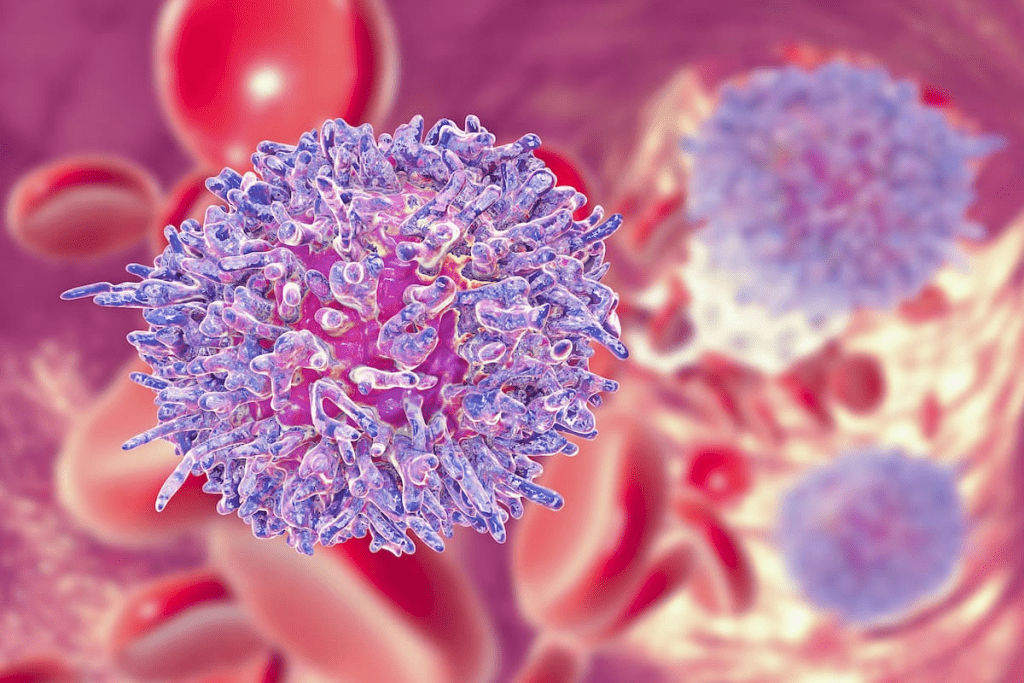
The American Cancer Society and SEER data show about 6,100 new ALL cases and 1,400 deaths in the US for 2025. This shows a rise in cure rates. Our team is ready to offer the newest treatments and care to help patients get better.
Key Takeaways
- Acute lymphoblastic leukemia (ALL) is considered one of the easiest leukemias to cure.
- Five-year survival rates for ALL in children can reach 92%.
- The American Cancer Society estimates 6,100 new ALL cases in the US for 2025.
- Improved treatment protocols have contributed to better cure rates.
- Livhospital.com is committed to delivering world-class healthcare for international patients.
Understanding Leukemia: Types and Classifications
It’s important to know the different types of leukemia to find the best treatment. Leukemia is a cancer that affects the blood and bone marrow. It’s not just one disease but a group of diseases with abnormal blood cells.
Leukemia is mainly divided into two types: acute and chronic. This division is key because it affects treatment choices and how well a patient might do.
Acute vs. Chronic Leukemia
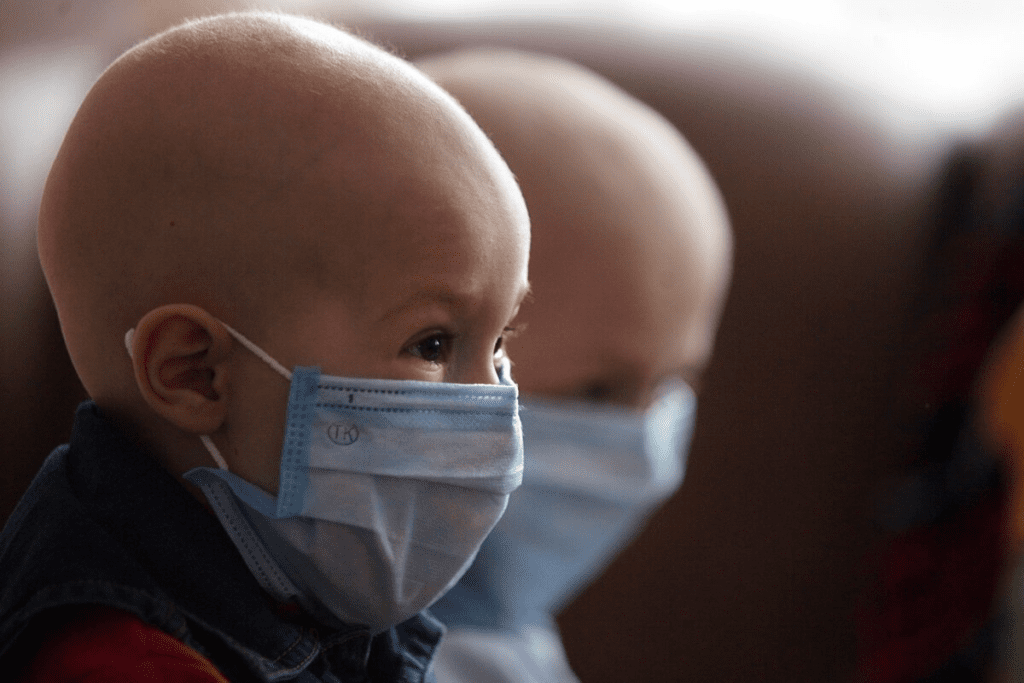
Acute leukemia grows fast, leading to a quick health decline without treatment. Acute lymphoblastic leukemia (ALL) and acute myeloid leukemia (AML) are the main types. Chronic leukemia grows more slowly, giving more time before symptoms worsen. Chronic lymphocytic leukemia (CLL) and chronic myeloid leukemia (CML) are the main chronic types.
- Acute leukemia needs quick treatment because it progresses quickly.
- Chronic leukemia might not need immediate treatment, as it grows slowly.
Lymphocytic vs. Myeloid Leukemia
Leukemia is also split by the blood cell type affected: lymphocytic or myeloid. Lymphocytic leukemia affects lymphocytes, which are key to the immune system. Myeloid leukemia impacts myeloid cells, which make red blood cells, platelets, and most white blood cells.
Knowing the difference between lymphocytic and myeloid leukemia helps choose the right treatment. For example, targeted therapies might work better for some leukemia types based on their cell origin.
- Lymphocytic leukemia is more common in adults and is often linked to CLL.
- Myeloid leukemia can be acute (AML) or chronic (CML), each needing different treatments.
Understanding these classifications helps doctors create treatment plans that fit each patient’s needs. This can lead to better results.
Acute Lymphoblastic Leukemia (ALL): The Most Curable Form
Acute Lymphoblastic Leukemia (ALL) is a highly curable leukemia, mainly in children. We’ve seen big steps forward in treating ALL, boosting survival chances. This leukemia makes lots of immature white blood cells quickly. Its cure rate is high because it reacts well to today’s treatments.
B-Cell ALL and Treatment Responsiveness
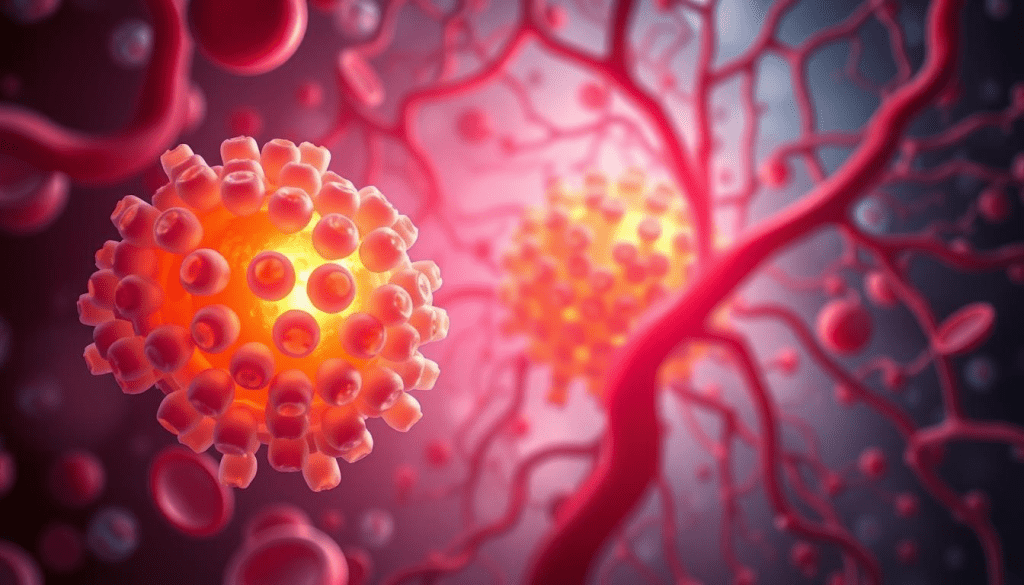
B-cell ALL is a part of ALL that responds well to treatment. Targeted therapies, like tyrosine-kinase inhibitors for certain ALL, have greatly helped patients. Adding these therapies to treatment plans has made B-cell ALL patients’ outlooks better.
The reason B-cell ALL responds well to treatment is its biology. This makes it more open to certain treatments. So, patients with B-cell ALL usually have a better chance of recovery than those with leukemia.
Adult ALL Treatment Outcomes
While ALL is more common in kids, adults can get it too. Sadly, adult ALL treatment results are not as good as in kids. But, we’ve made big strides in adult ALL treatment, using strong chemotherapy and targeted therapies.
Thanks to these advances, adults with ALL are living longer. We keep working to find better, less harsh treatments for adult patients.
Acute Promyelocytic Leukemia (APL): A Highly Treatable Subtype
Acute Promyelocytic Leukemia (APL) is now one of the most treatable leukemias. This is thanks to big steps forward in medical treatment. APL is a type of Acute Myeloid Leukemia (AML) where abnormal cells build up in the bone marrow.
Thanks to new treatments, APL is now a highly curable disease. This is a big change from before.
ATRA and Arsenic Trioxide Therapy
The treatment of APL has changed a lot with All-Trans Retinoic Acid (ATRA) and Arsenic Trioxide. ATRA helps turn abnormal cells into normal ones. This lowers the risk of bleeding problems.
Arsenic Trioxide kills off leukemia cells. Together, ATRA and Arsenic Trioxide have made APL treatment much better.
Clinical trials have shown that ATRA and Arsenic Trioxide work well together. They help most APL patients get better completely. This treatment is now the main way to treat APL, because it’s less harsh than the old chemotherapy.
Long-term Outcomes for APL Patients
Thanks to ATRA and Arsenic Trioxide, APL patients are doing much better over time. Many studies show that most patients can live long, healthy lives. Some studies even say that over 90% of patients can be cured.
This success shows that targeted treatments can really help. It’s making doctors think about new ways to treat other leukemias too. They’re working hard to make treatments even better and safer.
Chronic Lymphocytic Leukemia (CLL): High Survival Rates
Modern treatments have greatly improved the outlook for CLL patients. CLL grows slowly, which helps it have higher survival rates than other leukemias.
Favourable Outcomes in CLL
CLL often has a good prognosis, thanks to early diagnosis and treatment. Its slow growth allows for timely management. Also, new treatments have led to better patient results.
There have been big steps forward in CLL treatment. New targeted therapies have boosted survival rates. These treatments offer more effective and tailored care for patients.
Modern Treatment Approaches for CLL
Today’s CLL treatment combines therapies based on each patient’s needs. Targeted therapies, like BTK and BCL2 inhibitors, are very promising. They target cancer cells while sparing healthy ones, improving outcomes.
Immunotherapies and other new methods have also expanded CLL treatment options. Ongoing clinical trials aim to find even better treatments, raising hopes for better survival rates.
By understanding CLL’s unique traits and using modern treatments, we can keep improving patient outcomes. Our goal is to provide personalized care that enhances life quality and survival for CLL patients.
Comparing Cure Rates Across Leukemia Types
It’s important to know the cure rates for different leukemia types. This knowledge helps both patients and doctors. Each type of leukemia has its own treatment outcomes and prognosis. We’ll look at how cure rates vary among these types, focusing on the challenges of some.
Statistical Analysis of Five-Year Survival Rates
Five-year survival rates show how well leukemia treatments work. Acute Lymphoblastic Leukemia (ALL) and Acute Promyelocytic Leukemia (APL) have high cure rates with new treatments. For example, ALL’s five-year survival rate in the U.S. is about 68.8%. APL’s cure rates range from 80% to 90% with the right treatment.
Acute Myeloid Leukemia (AML) is harder to cure. Its five-year survival rate is around 40.5% for adults under 65. This shows we need better treatments for AML.
Acute Myeloid Leukemia (AML): Why It’s More Difficult to Cure
AML is tough to cure for several reasons. It has many genetic subtypes, making treatment hard. It also affects older adults, who may have other health issues. A study found, “AML remains a challenging disease to treat, with lower cure rates compared to other leukemia subtypes.”
AML’s biology is complex, and it often resists chemotherapy. This makes finding new treatments urgent. Researchers are looking into targeted therapies and new drugs to help AML patients.
“The development of resistance to conventional chemotherapy is a significant challenge in treating AML, highlighting the need for new therapeutic approaches.”
Leading Hematologist
In summary, cure rates vary a lot among leukemia types. While ALL and APL have good cure rates, AML is harder to treat. Knowing these differences helps manage patient hopes and plan treatments better.
Targeted Therapies Revolutionizing Leukemia Treatment
Targeted therapies have changed how we treat leukemia. We’re moving from old chemotherapy to new, precise treatments. These therapies aim at cancer cells, protecting healthy ones and reducing side effects.
Tyrosine-Kinase Inhibitors for Philadelphia Chromosome-Positive ALL
TKIs have made a big difference in treating Philadelphia chromosome-positive ALL. TKIs block the tyrosine kinase enzyme caused by the Philadelphia chromosome. This has led to better remission rates and longer lives for patients.
TKIs have changed the game for Philadelphia chromosome-positive ALL. Patient outcomes have greatly improved, with many going into complete remission. Now, treatments can be tailored to each patient’s genetic makeup.
Immunotherapies and CAR T-Cell Therapy
Immunotherapies, like CAR T-cell therapy, are also making waves. CAR T-cell therapy turns a patient’s T-cells into leukemia fighters. It has shown great success in treating some leukemias, including ALL that don’t respond to other treatments.
CAR T-cell therapy has brought new hope to those who’ve tried everything else. It uses the immune system to attack leukemia. As research grows, we expect even more from CAR T-cell therapy and other immunotherapies.
The future of leukemia treatment looks bright, thanks to targeted therapies. As we keep improving these treatments, we hope to see even better results for our patients. Combining targeted therapies with other treatments could greatly improve survival and quality of life for leukemia patients.
The Role of Genetic Factors in Leukemia Curability
Genetic markers play a big role in how well leukemia can be treated. The right or wrong genetic mutations can change a patient’s chances of getting better. Thanks to new research, doctors can now tailor treatments to fit each patient’s needs.
Genetic Markers and Their Impact on Prognosis
Some genetic markers can really change how well a leukemia patient will do. For example, the Philadelphia chromosome in CML and some ALL cases means a different treatment plan. Genetic tests help find these markers, helping doctors predict how the disease will progress and choose the best treatment.
“Using genetic info in treatment planning is a big step forward for leukemia care,” says a top hematologist. “Knowing a patient’s genetic makeup lets us offer treatments that are more targeted and effective.”
Personalized Treatment Based on Genetic Profiles
Personalized medicine has changed how we treat leukemia. By looking at a patient’s genetic profile, we can find the best treatments and avoid bad side effects. Tyrosine-kinase inhibitors (TKIs) are very effective for CML patients with the Philadelphia chromosome-positive mutation.
- Genetic profiling helps find the best treatment plan.
- Targeted therapies work better and have fewer side effects.
- Research is always updating what we know about leukemia genetics.
As we keep moving forward, genetic factors will become even more important in treating leukemia. By keeping up with genetic research and using it in our treatments, we can help more patients get better.
Age as a Factor in Leukemia Treatment Success
Age is key in how well leukemia treatment works. Kids usually do better than adults. Older adults have more health problems and can’t handle strong treatments as well.
Why Children Often Respond Better to Treatment
Children, like those with Acute Lymphoblastic Leukemia (ALL), often get better faster than adults. Several reasons explain this:
- Children usually don’t have as many health problems as adults, making them better at handling tough treatments.
- Leukemia in kids is often different genetically, making it more likely to respond to treatments.
- Because of this, kids get more intense treatments, which can lead to higher cure rates.
a top pediatric oncologist, said,
“The advances in pediatric oncology have been remarkable, with cure rates for childhood ALL now exceeding 90%.”
Treatment Considerations for Older Adults
Older adults with leukemia have their own set of challenges:
- They often have other health issues that make treatment harder.
- They may not handle strong treatments as well as younger people.
- Leukemia in older adults can be genetically different, making it harder to treat.
To meet these challenges, treatment for older adults is customized. Expert explained,
“Treatment decisions for older adults with leukemia require careful consideration of their overall health, functional status, and patient preferences.”
We know age is very important in how well leukemia treatment works. By understanding the unique needs of patients at different ages, we can make treatments more effective and tailored to each person.
Early Detection and Its Impact on Curability
Early detection is key in fighting leukemia, making treatments more effective. We’ve made big strides in understanding leukemia. Spotting the disease early is a major factor in successful treatment. We’ll look at the signs and symptoms of leukemia and how doctors diagnose it.
Warning Signs and Symptoms
It’s important to know the early signs of leukemia. Symptoms include persistent fatigue, unexplained weight loss, and frequent infections. Some people might notice swollen lymph nodes, easy bruising, or pale skin. Spotting these signs early can lead to better treatment results.
Diagnostic Approaches and Their Accuracy
Diagnosing leukemia involves several methods, each with its own accuracy. The main ones are blood tests, bone marrow biopsies, and imaging tests like X-rays or CT scans. Blood tests find abnormal blood cells, while bone marrow biopsies give a detailed look at the bone marrow.
We mix these methods to ensure accurate diagnosis. This helps us create effective treatment plans. Early detection and accurate diagnosis greatly improve treatment success and survival rates.
Future Directions in Leukemia Treatment
The field of leukemia treatment is changing fast. New therapies and clinical trials are leading the way. We’re working hard to find better ways to help patients and give them hope.
Innovations in Therapy
New therapies are key in fighting leukemia. Targeted therapies aim directly at cancer cells, reducing harm to healthy ones. Studies show tyrosine-kinase inhibitors are effective for some types of leukemia.
Immunotherapies, like CAR T-cell therapy, are also making a big difference. They use the body’s immune system to attack cancer. Trials have shown these therapies can be very effective, giving patients new hope.
Combination Approaches for Enhanced Efficacy
For hard-to-treat leukemia, we’re trying different combinations of treatments. Mixing chemotherapy, targeted therapy, and immunotherapy might help beat resistance. This could lead to better results for patients.
- Combining ATRA and arsenic trioxide for Acute Promyelocytic Leukemia (APL) has shown high cure rates.
- Using CAR T-cell therapy in conjunction with other immunotherapies to enhance anti-tumour responses.
- Exploring combinations of targeted therapies to overcome resistance in leukemia cells.
As we learn more about leukemia and how to treat it, the future looks bright. We’re on the path to improving the lives of those with leukemia.
Conclusion: Hope and Progress in Leukemia Treatment
Leukemia treatment has seen big steps forward, with many subtypes now having better cure rates. New therapies and treatment methods bring hope for the future.
At livhospital.com, we’re all about giving top-notch care and support to our patients. We make sure they get the best treatment results. Our goal is to keep up with the latest in leukemia treatment, so we can offer our patients the newest therapies and trials.
The outlook for leukemia treatment is bright, thanks to ongoing research and new treatments being developed. We’re hopeful that these advancements will lead to even better cure rates and outcomes for patients. This means patients can look forward to more effective treatments and a brighter future.
FAQ’s:
What is Acute Promyelocytic Leukemia (APL)?
Acute promyelocytic leukemia (APL) is a type of leukemia. It has seen big improvements in treatment. Now, it’s much more curable than before.
What are the treatment options for Acute Lymphoblastic Leukemia (ALL)?
For ALL, treatments include targeted therapies. For example, tyrosine-kinase inhibitors help those with Philadelphia chromosome-positive ALL. These treatments have greatly improved outcomes.
How does Chronic Lymphocytic Leukemia (CLL) differ from other types of leukemia?
CLL grows slowly and has high survival rates. It often has a good prognosis, mainly if caught and treated early.
What is the role of genetic factors in leukemia curability?
Genetics play a big role in leukemia treatment success. Certain genetic markers can predict how well a patient will do. Personalized treatment plans based on these markers are becoming more common.
How does age impact leukemia treatment success?
Age is very important in leukemia treatment. Kids usually do better and have higher cure rates. But, older adults face more challenges due to health issues and less tolerance to treatments.
What is the importance of early detection in leukemia treatment?
Finding leukemia early is key to improving treatment success. Recognizing symptoms early leads to quicker diagnosis and treatment. Accurate diagnosis is also critical.
What are the emerging therapies for leukemia treatment?
New therapies like immunotherapies and CAR T-cell therapy are changing leukemia treatment. They offer more precise treatments with fewer side effects than traditional chemotherapy.
What is the cure rate for Acute Promyelocytic Leukemia (APL)?
APL has a high cure rate thanks to treatments like all-trans retinoic acid (ATRA) and arsenic trioxide. It’s now one of the most treatable leukemias.
How do targeted therapies work in leukemia treatment?
Targeted therapies, like tyrosine-kinase inhibitors, target specific genetic markers or proteins in leukemia cells. This offers more precise treatments.
What is the difference between Acute Lymphoblastic Leukemia (ALL) and Acute Myeloid Leukemia (AML)?
ALL and AML are different types of leukemia. ALL is more curable, mainly in children. AML is harder to treat and has lower cure rates.
What is the prognosis for patients with Chronic Lymphocytic Leukemia (CLL)?
CLL usually has a good prognosis, especially if caught and treated early. Modern treatments, including targeted therapies, have improved outcomes even more.
References
- Sultan, I., et al. (2025). Trends in childhood cancer: Incidence and survival based on SEER data 1975-2019. Cancer Epidemiology, Biomarkers & Prevention. https://pmc.ncbi.nlm.nih.gov/articles/PMC11698462/
- World Health Organization. (2025). Childhood cancer. https://www.who.int/news-room/fact-sheets/detail/cancer-in-children
- Children’s Cancer and Leukaemia Group. (2025). Children and young people’s cancer in numbers. https://www.cclg.org.uk/about-cancer/cancer-children-and-young-people/children-and-young-peoples-cancer-numbers
- American Cancer Society. (2024). Childhood Cancer. https://www.cancer.org/cancer/childhood-cancer.html
- CureSearch for Children’s Cancer. (2024). Childhood Cancer Statistics. https://curesearch.org/childhood-cancer-statistics/