Last Updated on December 2, 2025 by Bilal Hasdemir
Bladder Surgery and the Role of Suprapubic Catheterization
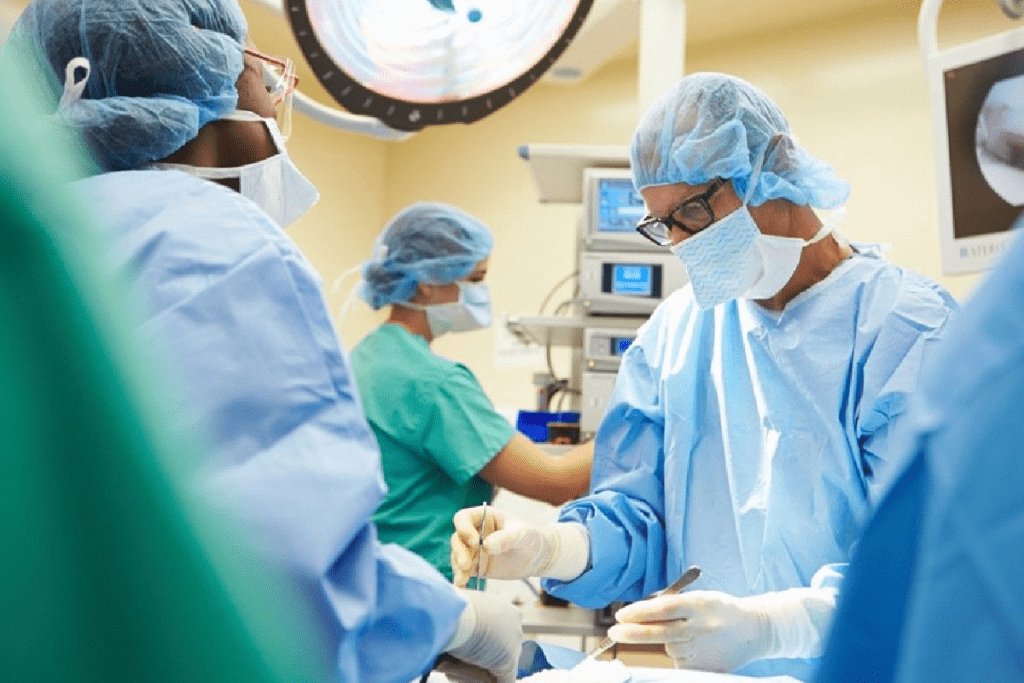
Bladder surgery is a complex medical procedure that requires careful planning and expert medical guidance. Whether it’s a minor procedure or a radical cystectomy, it’s important for patients to understand the risks, benefits, and recovery process involved.
One important part of bladder surgery and recovery is suprapubic catheterization. This is when a catheter is placed directly into the bladder through the lower abdomen, rather than through the urethra. Doctors often use suprapubic catheterization in cases where the urethra needs to heal or when long-term drainage is required.
Types of Bladder Surgery
Bladder surgery can involve different procedures, including:
- TURBT (Transurethral Resection of Bladder Tumor) “ Commonly performed for bladder cancer patients.
- Radical Cystectomy “ Complete removal of the bladder, often requiring urinary diversion.
- Partial Cystectomy “ Removal of only the affected section of the bladder.
In many of these cases, suprapubic catheterization may be recommended to improve comfort and reduce complications during recovery.
Risks and Complications
Like all surgeries, bladder operations carry risks such as bleeding, infection, and urinary retention. Here, suprapubic catheterization can play an important role by ensuring safe bladder drainage and lowering the risk of urinary tract infections compared to long-term urethral catheters.
Why Suprapubic Catheterization Matters
Patients who undergo bladder surgery often worry about quality of life afterward. With suprapubic catheterization, recovery can be more comfortable. It reduces urethral discomfort, allows easier hygiene, and often improves patient outcomes during the healing process.
Key Takeaways
- Bladder surgery is a complex procedure with varying risks and outcomes.
- Understanding the different types of bladder surgery is key to making informed decisions.
- Patient factors and surgical type greatly influence outcomes.
- Leading international hospitals set standards for bladder surgery.
- Recovery expectations vary based on the surgical procedure.
5 Factors That Classify Bladder Surgery as Major
Several factors make bladder surgery a major operation. This includes complex procedures like ileal conduit urinary diversion. These surgeries require careful thought and planning.
Surgical Complexity and Organ Sensitivity
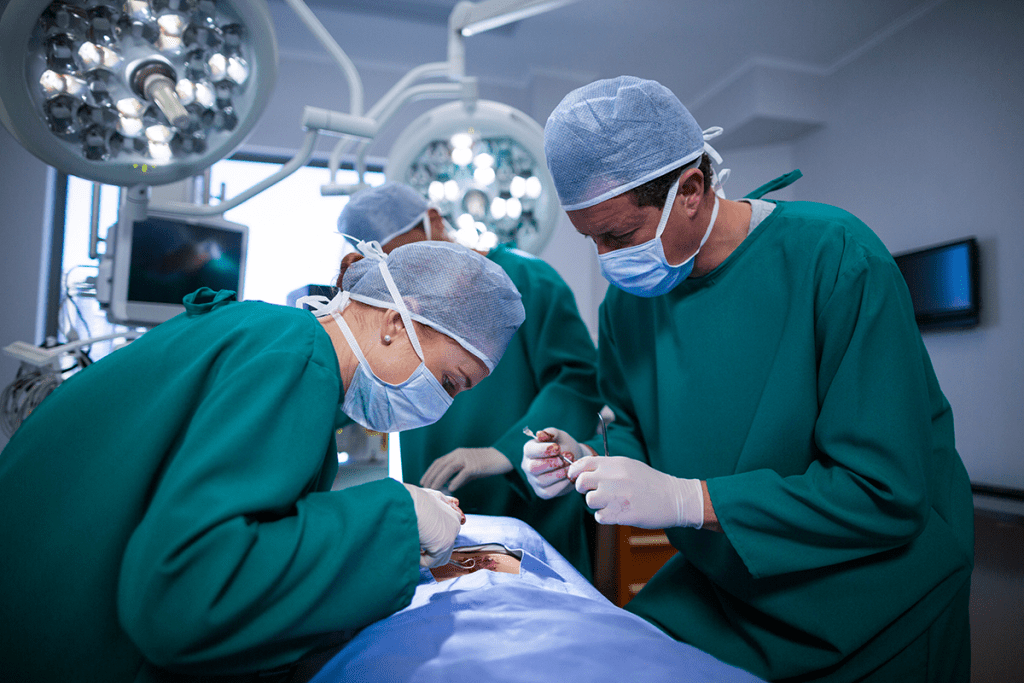
Bladder surgery is complex because of the organ’s sensitivity. Procedures like transurethral resection of bladder tumor (TURBT) need precision. This is to avoid any complications.
Bladder surgery is delicate and requires expertise. While complications are rare, they are a concern. Studies show that complications in urologic laparoscopic surgery range from 15“32%. Major complications affect about 1“3% of patients.
Anesthesia Requirements
Bladder surgery often needs general anesthesia or deep sedation. This increases the surgery’s complexity and risks.
Talking to your healthcare provider about anesthesia options is key. This helps you know what to expect.
Hospital Stay Duration
After bladder surgery, hospital stays can be long. This is true for open surgeries. Patients may stay for several days to a week or more.
Long hospital stays help with recovery and managing complications. We provide thorough care during this time.
Potential Impact on Quality of Life
Bladder surgery can affect a patient’s quality of life. Procedures like radical cystectomy or ileal conduit urinary diversion can impact urinary and sexual function.
We listen to patients’ concerns and plan to minimize life impact. We discuss managing changes in urinary and sexual function after surgery.
7 Common Types of Bladder Surgical Procedures
Bladder surgeries are many and varied. They help with different bladder problems. These surgeries range from simple to complex, each tackling a unique issue.
Transurethral Resection of Bladder Tumor (TURBT Procedure)
The TURBT procedure is a small surgery for bladder tumors. It uses a special tool inserted through the urethra. This tool removes the tumor from the bladder wall.
“The TURBT procedure is a cornerstone in the management of bladder cancer, providing a less invasive way to remove tumors.”
Radical Cystectomy
Radical cystectomy is a big surgery. It removes the bladder and nearby tissues. It’s for bladder cancer that has spread to the bladder muscle.
This surgery can save lives, but takes a lot of time to recover. It might also mean creating a new way for urine to leave the body.

Partial Cystectomy
Partial cystectomy removes just the bad part of the bladder. It’s for tumors that are in one spot. This surgery is less invasive and can lead to quicker healing.
Bladder Augmentation
Bladder augmentation makes the bladder bigger. It’s for people with small bladders. The surgery uses a piece of intestine to make the bladder larger.
“Bladder augmentation can greatly improve life for those with small bladders.”
These surgeries show the many ways to treat bladder problems. Each has its own use, benefits, and risks. The right surgery depends on the patient’s condition and health.
Suprapubic Catheterization: A Less Invasive Bladder Procedure
Suprapubic catheterization is a less invasive way to manage urinary retention. It involves putting a catheter through the abdomen to drain urine from the bladder.
The Procedure Explained
The procedure starts with a small incision in the lower abdomen. Using ultrasound guidance, a catheter is inserted into the bladder. This method drains urine without needing to go through the urethra.
This procedure might seem scary, but it’s actually quite simple. The catheter is secured, and patients learn to manage it at home.
Differences Between Female Catheter and Male Catheter Placement
Men and women have different anatomy, affecting how catheters are placed. For female patients, the procedure is often easier because of a shorter urethra. The suprapubic method also helps avoid many challenges.
In male patients, the procedure must consider the prostate and surrounding areas. Our team carefully plans to ensure safe and effective placement.
When Doctors Recommend This Approach
Doctors suggest suprapubic catheterization for those who can’t use clean intermittent catheterization or have specific medical conditions. It’s great for people with urethral damage or blockages.
- Patients with neurological disorders affecting bladder control
- Individuals with urethral trauma or stricture
- Those who have had unsuccessful traditional catheterization
Recovery and Management
Recovery from suprapubic catheterization requires watching the catheter site closely to avoid problems. Patients learn how to clean and care for the catheter to lower infection risk.
Good management means regular check-ups with healthcare providers. This ensures the catheter stays in good shape and works properly.
4 Major Risks and Complications of Bladder Surgery
It’s key to know the risks of bladder surgery before deciding. Like any surgery, bladder surgery has its own set of risks. These can affect how well the surgery goes.
Statistical Overview: 15-32% Complication Rate
Research shows bladder surgery complications range from 15“32%. This shows how important it is to know the risks. We need to think about these numbers when deciding on surgery.
Major Complications (Clavien Grade 3 or Higher)
Some patients face major complications, like Clavien Grade 3 or higher. These can really affect a patient’s life and need quick medical help. Knowing these risks helps ensure we act fast.
Bladder Injuries During Pelvic Operations (0.5-2% Incidence)
Bladder injuries happen in 0.5-2% of pelvic operations. These can cause more problems if not fixed right away. We stress the need for careful planning and doing to avoid these issues.
When Complications Lead to “Surgery Gone Wrong” Scenarios
Complications can sometimes cause serious problems, known as “surgery gone wrong.” These can greatly affect a patient’s health and life. Choosing skilled surgeons and following care instructions is very important.
To wrap up, bladder surgery risks include:
- A complication rate of 15“32%
- Major complications (Clavien Grade 3 or higher) in some patients
- Bladder injuries during pelvic operations with a 0.5-2% chance
- The risk of “surgery gone wrong” scenarios with serious effects
Knowing these risks helps patients and doctors make better choices about bladder surgery.
Recovery Timeline: What to Expect After Bladder Surgery
The recovery time after bladder surgery changes based on the surgery type. Patients need clear guidance to care for themselves after surgery.
Minimally Invasive Procedures: 2-4 Week Recovery
Procedures like TURBT usually need 2-4 weeks to recover. “Patients can usually resume their normal activities within a month,” says a leading urologist. It’s important to slowly get back to normal to avoid problems.
Open Surgeries: Extended Recovery Period
Open surgeries, like radical cystectomy, need more time to heal. As the surgeon advises, “Plan for enough rest and follow instructions carefully for healing.”
Physical Restrictions and Activity Guidelines
After surgery, patients must follow activity guidelines. We suggest avoiding heavy lifting, bending, or hard work for weeks. A gradual return to normal activities is vital for recovery.
Stitch Management and Wound Care
Stitch care and wound management are key to recovery. As
“Proper wound care can significantly reduce the risk of infection and promote healing.”
noted a medical expert. We give detailed instructions on stitch care and wound site care for a smooth recovery.
Understanding the recovery timeline and following care instructions helps patients heal better after bladder surgery.
3 Ways to Speed Up Nerve Regeneration After Bladder and Prostate Surgery
After bladder and prostate surgery, patients often face challenges with nerve regeneration. This is a key part of their recovery. We will explore three key methods to support and enhance this process.
Physical Therapy Approaches
Physical therapy is important for nerve regeneration after surgery. Gentle exercises and targeted therapy can stimulate nerve function. This improves overall recovery.
- Pelvic floor exercises to strengthen the muscles and support nerve regeneration
- Biofeedback therapy to help patients regain control over their bodily functions
- Electrical stimulation to promote nerve healing and muscle strength
These physical therapy methods can be tailored to the individual patient’s needs. This ensures a personalized approach to their recovery.
Medication and Supplementation
Certain medications and supplements can support nerve regeneration. While their effectiveness can vary, some options include:
- Antioxidants to reduce oxidative stress and promote healing
- Anti-inflammatory medications to minimize nerve damage
- Nutritional supplements that support nerve health, such as vitamin B12
It’s important for patients to consult with their healthcare provider before starting any new medication or supplement. This ensures safety and efficacy.
Lifestyle Modifications for Optimal Healing
Lifestyle changes can significantly impact nerve regeneration and overall recovery. We recommend:
- Adopting a balanced diet rich in nutrients that support nerve health
- Engaging in regular, gentle exercise to promote circulation and healing
- Managing stress through techniques like meditation or deep breathing exercises
By incorporating these lifestyle modifications, patients can create an optimal environment for nerve regeneration. This enhances their recovery.
By combining physical therapy, appropriate medication and supplementation, and healthy lifestyle choices, patients can potentially speed up nerve regeneration after bladder and prostate surgery. This leads to a more complete recovery.
Conclusion: Weighing the Risks and Benefits of Bladder Surgery
Bladder surgery, like suprapubic catheterization and the TURBT procedure, is a big step. It’s important to think about the risks and benefits before deciding. We need to balance the possible problems with the surgery’s advantages to make smart choices.
Knowing about different bladder surgeries, like those for the vejiga, is key. This knowledge helps both patients and doctors. It helps everyone understand the surgery better and make choices that fit their health goals.
Choosing to have bladder surgery should be a thoughtful decision. It’s best to talk to a healthcare provider about the risks and benefits. This way, patients can find the treatment that’s right for them.
FAQ
What is bladder surgery, and why is it considered major?
Bladder surgery includes many procedures, like suprapubic catheterization and TURBT. It’s major because it’s complex and requires anesthesia. It also affects how long you stay in the hospital and your quality of life.
What are the different types of bladder surgical procedures?
There are several types. TURBT is for diagnosing and treating bladder tumors. Radical cystectomy removes the bladder and tissues around it. Partial cystectomy removes part of the bladder. Bladder augmentation increases the bladder’s capacity.
What is suprapubic catheterization, and when is it recommended?
Suprapubic catheterization involves placing a catheter through the abdomen to drain urine. It’s for patients who can’t do clean intermittent catheterization or have certain medical conditions.
What are the risks and complications associated with bladder surgery?
Bladder surgery has significant risks, with a complication rate of 15-32%. Major complications can happen. Bladder injuries during pelvic operations are a risk, occurring in about 0.5-2% of cases.
How long does it take to recover from bladder surgery?
The recovery time varies by procedure. TURBT, a minimally invasive procedure, takes about 2-4 weeks to recover from. Open surgeries like radical cystectomy require a longer hospital stay and recovery.
How can nerve regeneration be supported after bladder and prostate surgery?
Nerve regeneration can be supported through physical therapy, certain medications, and supplements. Lifestyle changes like dietary adjustments and stress management also help.
What is the difference between female and male catheter placement?
The differences in female and male catheter placement are due to anatomical variations.
What are the activity guidelines after bladder surgery?
Patients are given physical restrictions and activity guidelines to ensure proper healing after bladder surgery.
How is stitch management and wound care handled after bladder surgery?
Stitch management and wound care are key to recovery. They require careful monitoring and maintenance to avoid complications.
Can bladder surgery affect urinary and sexual function?
Yes, bladder surgery can impact urinary and sexual function. It’s a critical consideration for patients and healthcare providers.
References
- Zhu, W., et al. (2019). A ureteral stricture disease score and classification system to quantify surgical complexity. World Journal of Urology, 39(7), 2473-2480. https://www.ncbi.nlm.nih.gov/pmc/articles/PMC8575562/