Last Updated on November 27, 2025 by Bilal Hasdemir
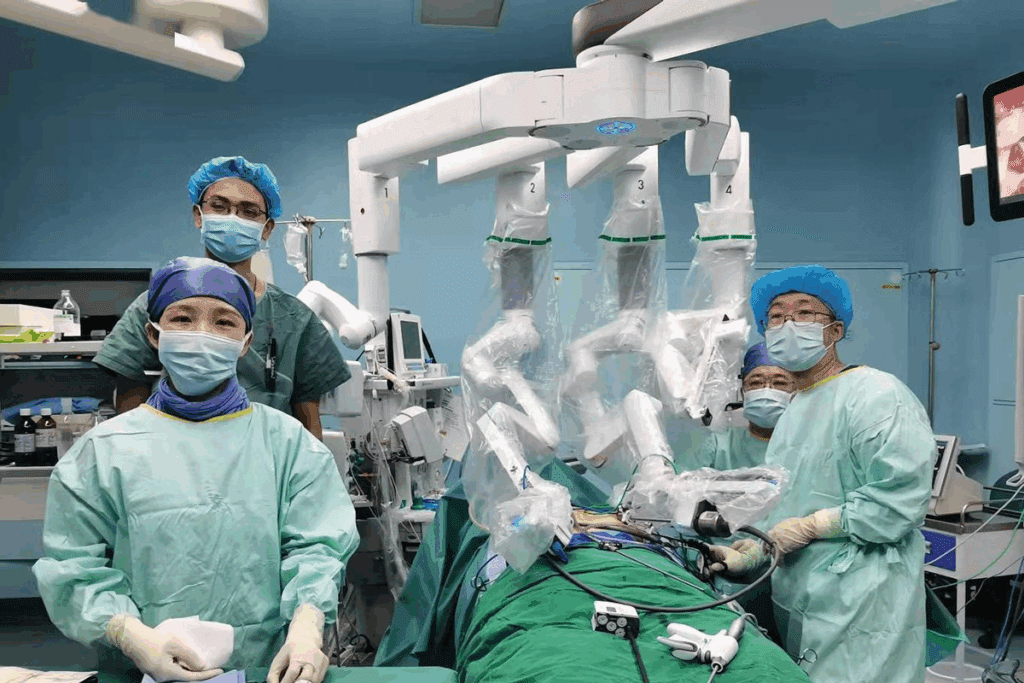
Robotic surgery is one of the most significant recent innovations in the medical field. More and more operating rooms in the United States are using robotic systems.
This technological leap has changed how surgical procedures are done. It brings many benefits to both doctors and patients. The precision and flexibility of robotic systems make them a favorite among many medical professionals.
Key Takeaways
- The benefits of robotic surgery include enhanced precision and flexibility.
- Robotic systems offer improved outcomes for patients.
- Surgeons benefit from reduced fatigue during long procedures.
- The technology allows for complex surgeries to be performed with greater ease.
- Robotic surgery is becoming increasingly popular in the United States.
The Evolution of Surgical Techniques
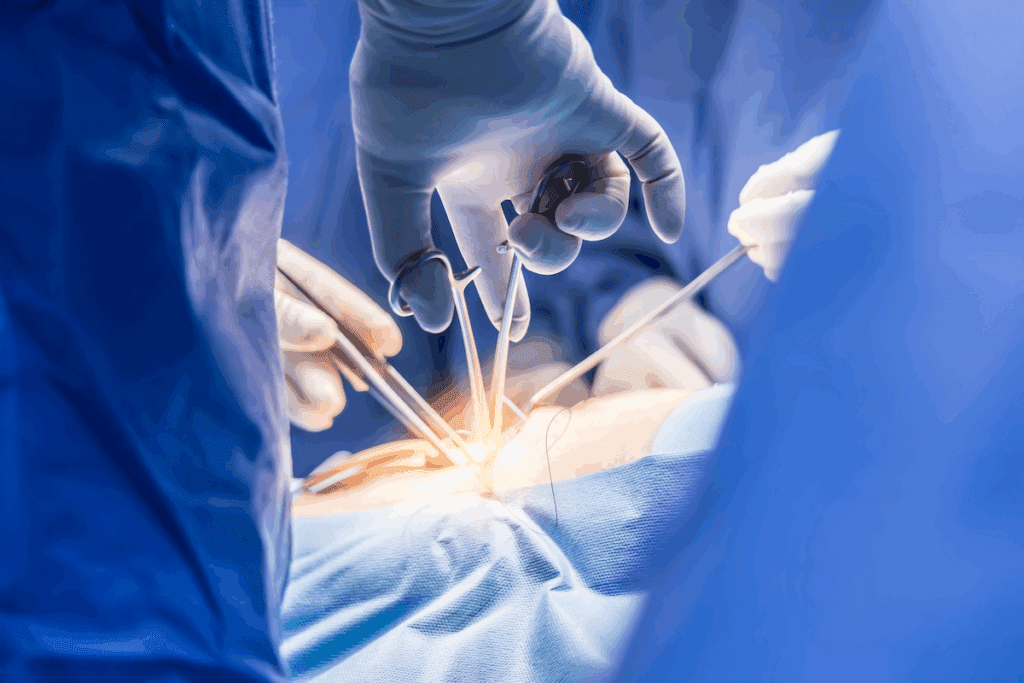
The history of surgery is filled with innovation. It has moved from open surgery to using robotic systems. These changes have come from new medical technology and the need for more precise, less invasive methods.
From Open Surgery to Minimally Invasive Approaches
Older surgery methods involved big cuts to get to the problem area. This open surgery way was slow to heal, caused a lot of blood loss, and had more risks. Then, minimally invasive surgery came along. It uses smaller cuts, which means less harm to the patient and quicker healing.
The Introduction of Robotic Systems in Operating Rooms
The use of robotic systems in surgery has changed things a lot. It makes surgeons better at their jobs and helps patients more. Robotic surgery is more precise, flexible, and controlled than old ways. It lets surgeons do hard tasks easily.
| Surgical Technique | Characteristics | Benefits |
| Open Surgery | Large incision, direct access | Simple, straightforward approach |
| Minimally Invasive Surgery | Smaller incisions, less trauma | Faster recovery, less blood loss |
| Robotic Surgery | Precision, flexibility, enhanced control | Complex procedures with greater accuracy, improved patient outcomes |
The transition from open surgery to robotic systems highlights the medical field’s pursuit of better patient care. As tech gets better, so will surgery. This means even better care for patients in the future.
Understanding Robotic Surgery Systems
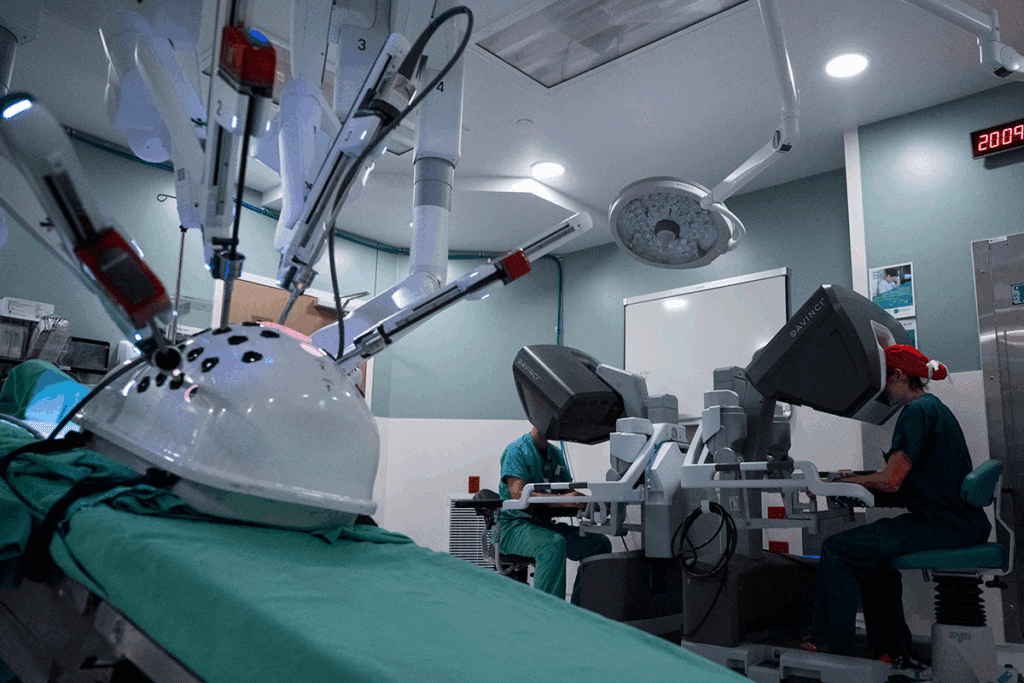
Robotic technology has changed how surgeons work. Now, they can do complex surgeries with better accuracy. Robotic surgery systems are key in today’s surgery, bringing many benefits for patients.
Components of Modern Robotic Surgical Platforms
Modern robotic surgery setups have a few main parts. There’s a console for the surgeon, a cart with robotic arms near the patient, and a 3D vision system. The robotic arms have wristed instruments for detailed work.
The vision system gives a clear, big view of the surgery area. This helps surgeons work more accurately. These parts work together for a more precise surgery.
Popular Robotic Surgery Platforms in the United States
In the U.S., some robotic surgery systems are very popular. The da Vinci Surgical System is one, known for its advanced tech and use in many surgeries.
Another well-known system is the Robotic Surgical System by Medtronic. It’s known for its robotic-assisted surgery features. These systems are used in many surgeries, like urology and gynecology, to improve results and patient care.
Why Surgeons Prefer Robotic Surgery
Surgeons are choosing robotic surgery more often. They like its enhanced precision and improved patient outcomes. This choice is backed by studies and surveys.
Survey Data on Surgeon Satisfaction Rates
Recent surveys show surgeons are very happy with robotic surgery. A study in a top medical journal found over 90% of surgeons are satisfied. They like the improved visualization and enhanced dexterity it offers.
Comparative Advantages Over Traditional Methods
Robotic surgery beats traditional methods in many ways. It has reduced blood loss, less postoperative pain, and faster recovery times. It also gives a three-dimensional view of the area, making dissection and suturing more precise.
Adoption Trends Among Surgical Specialties
Robotic surgery is not just for one specialty; it’s used in many. Urology and gynecology are big users, for procedures like prostatectomies and hysterectomies. It’s also gaining ground in general surgery and cardiac surgery, showing its wide acceptance.
Enhanced Precision and Accuracy Benefits
Robotic surgery brings many benefits to the operating room. It offers surgeons the tools needed for complex procedures with high accuracy.
Motion Scaling Technology
Motion scaling technology is key to robotic surgery’s precision. It lets surgeons make big movements outside the body. These movements are then scaled down to fit inside the body for more precise actions.
This technology is great for detailed procedures. It helps surgeons perform delicate tasks with less risk of harming nearby tissues.
Precision in Complex Anatomical Areas
Robotic surgery is excellent for complex areas. The high-definition 3D visualization and flexible instruments help surgeons reach and work in hard-to-reach spots.
- Improved visualization of anatomical details
- Enhanced dexterity in confined spaces
- Better preservation of surrounding tissues
This is very important for surgeries on delicate structures like nerves and blood vessels. Precision is key here.
Reduction in Technical Errors
Robotic surgery’s precision also means fewer technical errors. The mix of motion scaling, high-definition visualization, and design reduces human mistakes. This makes surgery safer for patients.
- Minimized tremors and involuntary movements
- Improved instrument control
- Enhanced stability during long procedures
By cutting down on technical errors, robotic surgery leads to better results and faster recovery for patients.
Improved Control and Dexterity for Surgeons
Robotic surgery has changed the game for surgeons. They can now do complex procedures with more ease and accuracy. This is thanks to the advanced features of robotic surgical systems.
Wrist-Like Movements of Robotic Instruments
Robotic instruments are made to move like human wrists. This lets surgeons do precise and flexible work during surgery. It’s super helpful for delicate tasks that need careful moves.
Expanded Range of Motion
The robotic system lets surgeons move more than traditional laparoscopic tools. This means they can do complex tasks like dissections and suturing more easily.
Accessing Anatomically Challenging Regions
Robotic surgery helps surgeons reach hard-to-get areas with better precision. The system’s advanced vision and dexterity help them navigate tricky anatomy.
| Feature | Benefit | Impact on Surgery |
| Wrist-Like Movements | Enhanced Precision | Improved outcomes in delicate procedures |
| Expanded Range of Motion | Increased Flexibility | Easier complex dissections and suturing |
| Access to Challenging Regions | Better Navigation | More effective navigation of complex anatomy |
These advanced features greatly improve a surgeon’s control and dexterity. This leads to better results in surgery.
Superior Visualization Capabilities
Robotic surgery has made a big leap in surgical tech. It changes how surgeons see and work on the operating site. Now, they have clear and detailed views.
3D High-Definition Vision Systems
Robotic surgery stands out with its 3D high-definition vision. This gives a stereo-clarity better than old methods. The high-definition 3D view lets surgeons see details clearly. This helps them do complex surgeries with more precision.
- Enhanced visual clarity for better decision-making
- Improved depth perception for complex procedures
- Better visualization of anatomical structures
10X-15X Magnification Benefits
Robotic surgery’s magnification is a big plus. With 10X to 15X magnification, surgeons can see small details clearly. This is key for precise work in delicate surgeries.
“The high magnification power of robotic systems allows for a level of precision that is difficult to achieve with traditional surgical methods.”
Enhanced Depth Perception During Procedures
The 3D vision in robotic surgery also improves depth perception. This is key in complex surgeries. It helps surgeons understand and work on tricky areas with more confidence and accuracy.
| Visualization Feature | Benefit |
| 3D High-Definition Vision | Enhanced clarity and precision |
| 10X-15X Magnification | Detailed view of small structures |
| Enhanced Depth Perception | Improved navigation of complex anatomy |
In conclusion, robotic surgery’s advanced visualization has changed surgery. With 3D vision, magnification, and depth perception, it’s more precise. These advances open up new possibilities for complex surgeries.
Ergonomic Advantages for Surgical Teams
Robotic surgery is changing how medical teams work in the operating room. These systems are made to make the work environment better for surgeons and their teams.
Seated Console Position Benefits
One big plus of robotic surgery is the seated console. Surgeons sit comfortably, which helps them stay focused during long surgeries. This setup also helps them keep a steady posture, making them work better.
Reduced Physical Strain During Long Procedures
Robotic surgery makes long surgeries easier on surgeons. The design of these systems means surgeons don’t have to stand or bend for a long time. This makes them more precise and focused during the surgery.
Prevention of Occupational Injuries and Fatigue
The design of robotic surgery systems helps prevent injuries and fatigue. By making surgery less physically demanding, these systems lower the risk of injuries. This is good for surgeons and helps create a healthier work environment.
| Ergonomic Feature | Benefit | Impact on Surgical Teams |
| Seated Console Position | Reduced Fatigue | Improved performance during long procedures |
| Ergonomic Design | Minimized Physical Strain | Reduced risk of musculoskeletal disorders |
| Stable Posture | Enhanced Precision | Better surgical outcomes |
Elimination of Hand Tremors and Enhanced Stability
Robotic surgery is great because it gets rid of hand tremors. This makes surgeries more precise. In delicate surgeries, a small tremor can cause big problems.
Tremor Filtering Technology
Robotic surgery uses special technology to remove hand tremors. This tech makes sure the tools move exactly as planned. No shaking or wobbling.
This technology has changed surgery for the better. It helps with precise cuts and stitches. It’s a big help in complex surgeries.
Impact on Microsurgical Precision
Getting rid of hand tremors makes microsurgery better. Tools move smoothly and accurately. This means surgeons can do very detailed work.
| Aspect | Traditional Surgery | Robotic Surgery |
| Tremor Presence | Yes | No |
| Precision Level | Variable | High |
| Stability | Dependent on Surgeon | Enhanced by Technology |
Benefits for Aging Surgeons
Aging surgeons get a lot from robotic surgery. The tech helps with hand tremors that come with age. It lets them do complex surgeries with ease.
Robotic surgery makes surgeries better and lets skilled surgeons work longer. This improves care for everyone.
Learning Curve and Professional Development
Robotic surgery is growing fast, and so is the need for good training. Surgeons must keep learning new tech and methods. This is key for them to do well in this field.
Training Requirements for Robotic Surgery Certification
Surgeons learn robotic surgery through a detailed program. It covers both theory and practice. This training helps them use robotic systems well.
Certification programs mix learning, simulation, and real cases. This ensures surgeons meet high standards. The da Vinci Surgical System has its own training, with online and hands-on parts.
Simulation and Virtual Reality Practice Tools
Simulation and virtual reality are big in robotic surgery training. They let surgeons practice without risk. These tools help build muscle memory, which is vital for robotic skills.
VR tools like the RobotiX Mentor offer real-life surgical scenarios. They give surgeons feedback on their skills. This helps them know what to work on.
Career Advancement Through Robotic Expertise
Being good at robotic surgery can boost a surgeon’s career. It adds to their skills and opens up new chances for growth and leadership.
Hospitals are using more robotic tech, so the need for skilled surgeons is rising. Those who are trained in robotic surgery can lead in hospitals, help with research, and teach others.
Improved Patient Outcomes and Safety
Robotic surgery has changed the medical world for the better. It brings better care and safety to patients. The technology and precision of robotic systems have changed how surgeons work.
Reduced Complication Rates
Robotic surgery has fewer complications than old methods. This is because robotic systems are very precise. They let surgeons do complex tasks with more accuracy.
A study in the Journal of Robotic Surgery showed robotic-assisted hysterectomy has fewer complications. It had a 7.8% complication rate. Laparoscopic and abdominal hysterectomies had 12.2% and 20.3% rates, respectively.
Faster Recovery Times
Robotic surgery means patients recover faster. It causes less damage and blood loss. This leads to quicker healing and less pain after surgery.
A study compared recovery times for robotic and traditional surgery. Robotic surgery patients stayed in the hospital for 1.5 days. Traditional surgery patients stayed for 3.5 days.
Patient Satisfaction Metrics
Patient happiness is key to measuring surgery success. Robotic surgery boosts satisfaction. It reduces pain, speeds up recovery, and leaves less scarring.
| Surgical Method | Patient Satisfaction Rate | Average Recovery Time |
| Robotic Surgery | 92% | 1.5 weeks |
| Traditional Surgery | 80% | 4-6 weeks |
The table shows robotic surgery’s benefits. It has higher patient satisfaction and faster recovery. As technology gets better, patient outcomes will keep improving. This makes robotic surgery a top choice for many surgeries.
Minimally Invasive Advantages
Robotic surgery has changed the medical world. It offers a new way to do surgery that helps patients heal faster and better. This method is becoming more popular because it has many benefits over old ways of surgery.
Robotic surgery has many good points. It makes surgeries less invasive. This means:
- Smaller and Fewer Incisions: Robotic surgery uses smaller cuts than old surgery. This causes less damage and pain.
- Reduced Blood Loss: The robotic system’s precision cuts down on blood loss during surgery.
- Decreased Post-Operative Pain: Patients usually feel less pain after robotic surgery. This is because of the small cuts and less damage.
Smaller and Fewer Incisions
The robotic system lets surgeons do complex surgeries through tiny cuts. This is not possible with old surgery methods. This leads to:
- Less scarring
- Lower risk of infection
- Quicker healing times
Reduced Blood Loss During Procedures
The robotic system’s precision and control cut down on blood loss during surgery. This is very helpful in complex surgeries where blood loss is a big worry.
Decreased Post-Operative Pain and Narcotic Use
Patients after robotic surgery usually feel less pain. This is because the surgery is less invasive, causing less damage. This means they often need less pain medicine, which lowers the chance of opioid addiction.
In summary, robotic surgery’s minimally invasive nature greatly improves patient outcomes. It leads to faster healing, less pain, and fewer complications.
Expanding Surgical Capabilities
Robotic surgery has changed the way we do surgery. It lets surgeons do more procedures with better precision and accuracy.
Procedures Made Possible Through Robotic Technology
Robotic surgery has opened up new possibilities for complex surgeries. It gives surgeons the dexterity and vision they need for tough operations.
For example, it’s key in urological and gynecological procedures. The precision of robotic tools helps surgeons work in tight spaces without harming nearby tissues.
Complex Cases and Robotic Advantages
In tough cases, robotic surgery shines. It allows for meticulous dissection and precise reconstruction. This is super helpful in surgeries for cancer or other delicate needs.
Robotic surgery means less blood loss and fewer complications. Its enhanced visualization and dexterity help surgeons handle complex anatomy. This makes it a vital tool for surgeons.
Broadening the Scope of Minimally Invasive Surgery
Robotic surgery has also made minimally invasive surgery more possible. It lets surgeons do procedures that were too complex before. This leads to faster recovery times and less pain for patients.
With robotic technology, more patients can get minimally invasive surgeries. This has made patients happier and led to overall better outcomes.
Surgical Specialties Embracing Robotic Technology
Robotic technology is changing surgery in many ways. It’s making procedures more advanced and less invasive. This change is happening across different surgical fields, improving how doctors work and patient results.
Urology Applications
In urology, robotic surgery is big news. It’s used for prostatectomies and nephrectomies. This tech offers better precision and control, leading to fewer complications and faster recovery.
Gynecologic Surgery
Robotic tech is also making a big impact in gynecology. It’s used for hysterectomies and myomectomies. The tech’s improved vision and dexterity help patients recover better and face less risk.
General Surgery Applications
General surgery is also seeing more robotic-assisted procedures. This includes cholecystectomies and hernia repairs. Robotic systems make complex surgeries easier, often avoiding the need for open surgery.
Cardiac and Thoracic Procedures
Robotic tech is used in heart and chest surgeries too. It’s used for mitral valve repairs and thymectomies. Its precision and minimally invasive nature are key benefits, reducing harm to patients.
| Surgical Specialty | Common Robotic Procedures | Benefits of Robotic Surgery |
| Urology | Prostatectomies, Nephrectomies | Enhanced precision, Less blood loss |
| Gynecologic Surgery | Hysterectomies, Myomectomies | Better visualization, Improved dexterity |
| General Surgery | Cholecystectomies, Hernia Repairs | Versatility, Reduced recovery time |
| Cardiac and Thoracic | Mitral Valve Repairs, Thymectomies | Precision, Minimal invasiveness |
Future Directions in Robotic Surgery
Robotic surgery is on the verge of a new era. This is thanks to new technologies and better tools. Several areas are set to change robotic surgery in the future.
Emerging Technologies and Next-Generation Systems
New robotic systems will bring better vision, more precise tools, and improved dexterity. These changes will let doctors do more surgeries robotically. This means better results for patients and a better experience for doctors.
Next-generation robotic systems will be designed to be flexible. They will be easy to update with new tools and technologies.
Artificial Intelligence Integration
The use of artificial intelligence (AI) in robotic surgery will change everything. AI will help plan surgeries, guide doctors during operations, and improve care after surgery. It will use data to predict and prevent problems.
- Enhanced data analysis for better surgical planning
- Real-time decision support during surgery
- Predictive analytics for post-operative care
Remote Surgery Possibilities
Remote surgery could make top-notch care available worldwide. It lets skilled surgeons operate from afar. This means patients won’t have to travel as far for surgery.
For remote surgery to work, we need a strong and secure internet. It must be fast and reliable.
Miniaturization and Specialized Applications
Robotic surgery is getting smaller and more precise. Smaller robots can do complex surgeries through tiny cuts. This leads to faster recovery times and better results for patients.
Robotic surgery will also improve in areas like microsurgery and neurosurgery. Advances in precision and dexterity will help a lot.
Conclusion
Robotic surgery has changed the game in surgery, bringing many benefits for both doctors and patients. It uses advanced tech to make surgeries more precise and accurate. This leads to better results for patients.
Doctors prefer robotic surgery for good reasons. It gives them better control and dexterity, and they can see more clearly. It also makes long surgeries easier on them.
Patients are seeing big improvements too. They have fewer complications, heal faster, and feel less pain after surgery. Robotic surgery is used in many areas, like urology and gynecology.
The future of surgery looks bright with robotic tech. New advancements like artificial intelligence and smaller robots will make surgery even better. Robotic surgery is here to stay, improving care and pushing surgery forward.
FAQ
What are the primary benefits of robotic surgery for surgeons?
Robotic surgery brings many advantages. It offers better precision and accuracy. It also gives surgeons more control and dexterity. Plus, it provides superior visualization and ergonomic benefits that reduce strain and fatigue.
How does robotic surgery improve precision and accuracy?
Robotic surgery uses motion scaling technology. This technology allows for precise movements in complex areas. It reduces technical errors and boosts overall precision.
What are the advantages of robotic instruments’ wrist-like movements?
The wrist-like movements of robotic instruments offer an expanded range of motion. This makes it easier for surgeons to access and work in anatomically challenging areas with greater precision.
How does robotic surgery enhance visualization during procedures?
Robotic surgery systems have 3D high-definition vision systems. They provide 10X-15X magnification and enhanced depth perception. This improves the surgeon’s ability to see the surgical site clearly.
What ergonomic benefits do robotic surgery systems provide for surgeons?
Robotic surgery systems allow surgeons to operate from a seated console position. This reduces physical strain during long procedures. It also prevents occupational injuries and fatigue.
How does robotic surgery eliminate hand tremors?
Robotic surgery systems use tremor filtering technology. This technology eliminates hand tremors and enhances stability. It allows for more precise movements and improved microsurgical precision.
What training is required for surgeons to become proficient in robotic surgery?
Surgeons need specialized training and certification programs. These programs include simulation and virtual reality practice tools. They help surgeons develop the necessary skills and expertise in robotic surgery.
How does robotic surgery improve patient outcomes?
Robotic surgery is linked to reduced complication rates and faster recovery times. It also improves patient satisfaction metrics. This leads to better patient outcomes overall.
What are the minimally invasive advantages of robotic surgery?
Robotic surgery allows for smaller and fewer incisions. It reduces blood loss during procedures and decreases post-operative pain and narcotic use. This results in a less invasive and more comfortable experience for patients.
Which surgical specialties are adopting robotic technology?
Many surgical specialties are adopting robotic technology. These include urology, gynecologic surgery, general surgery, and cardiac and thoracic procedures. Robotic technology is helping improve patient outcomes and expand surgical capabilities.
What future developments can be expected in robotic surgery?
Emerging technologies will shape the future of robotic surgery. These include artificial intelligence integration, remote surgery possibilities, and miniaturization. These advancements will enable more complex procedures and expand robotic surgery’s applications.
References
- Reddy, K. (2023). Advancements in robotic surgery: A comprehensive review. Journal of Minimal Access Surgery, 19(4), 254-267. https://pmc.ncbi.nlm.nih.gov/articles/PMC10784205/