Last Updated on November 27, 2025 by Ugurkan Demir
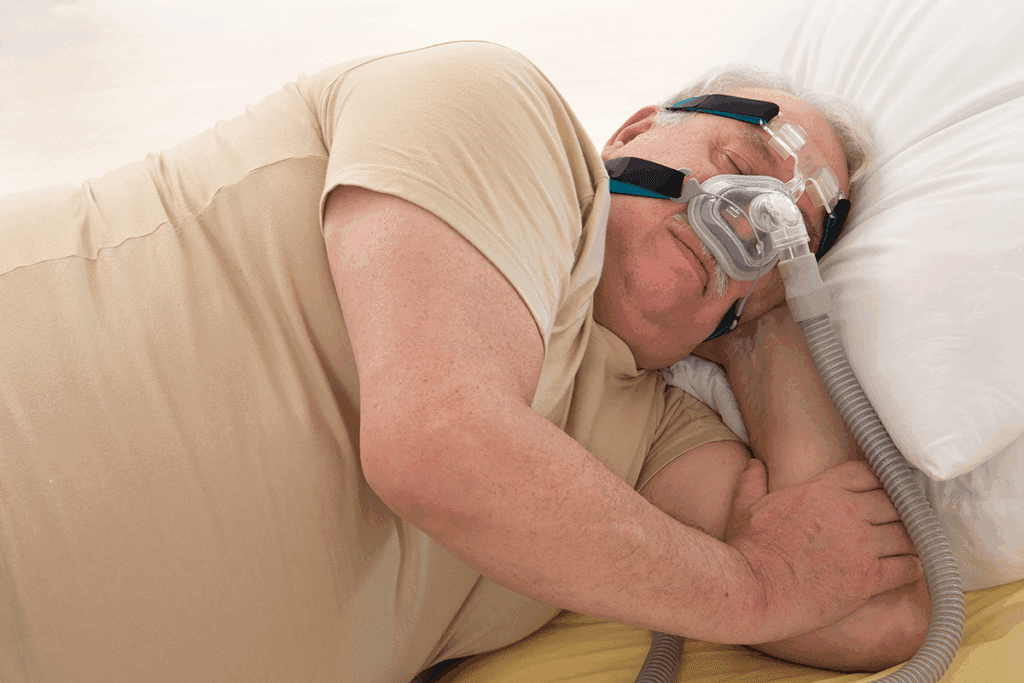
Obstructive sleep apnea (OSA) happens when the upper airway collapses or narrows during sleep. This disrupts normal breathing. For those who can’t use CPAP therapy, surgical solutions are a good option.
At Liv Hospital, our team carefully looks at each patient. We use advanced tests to find where the airway gets blocked. This helps us suggest customized surgical approaches to fix OSA.
Today’s sleep apnea surgery includes many procedures to open up the airway. We’ll talk about these options, their benefits, and what patients can expect. This will help them make better choices for their care.
How to treat sleep apnea with surgery to treat sleep apnea, including procedures targeting the palate, tongue, or jaw.
Key Takeaways
- Surgical solutions are available for patients with obstructive sleep apnea who are intolerant to CPAP therapy.
- Advanced diagnostic methods are used to identify specific airway obstructions.
- Customized surgical approaches are recommended based on individual patient needs.
- Modern surgical techniques aim to improve airway patency and overall sleep quality.
- Patients can expect significant benefits from surgical treatments for OSA.
Understanding Obstructive Sleep Apnea and Its Impact
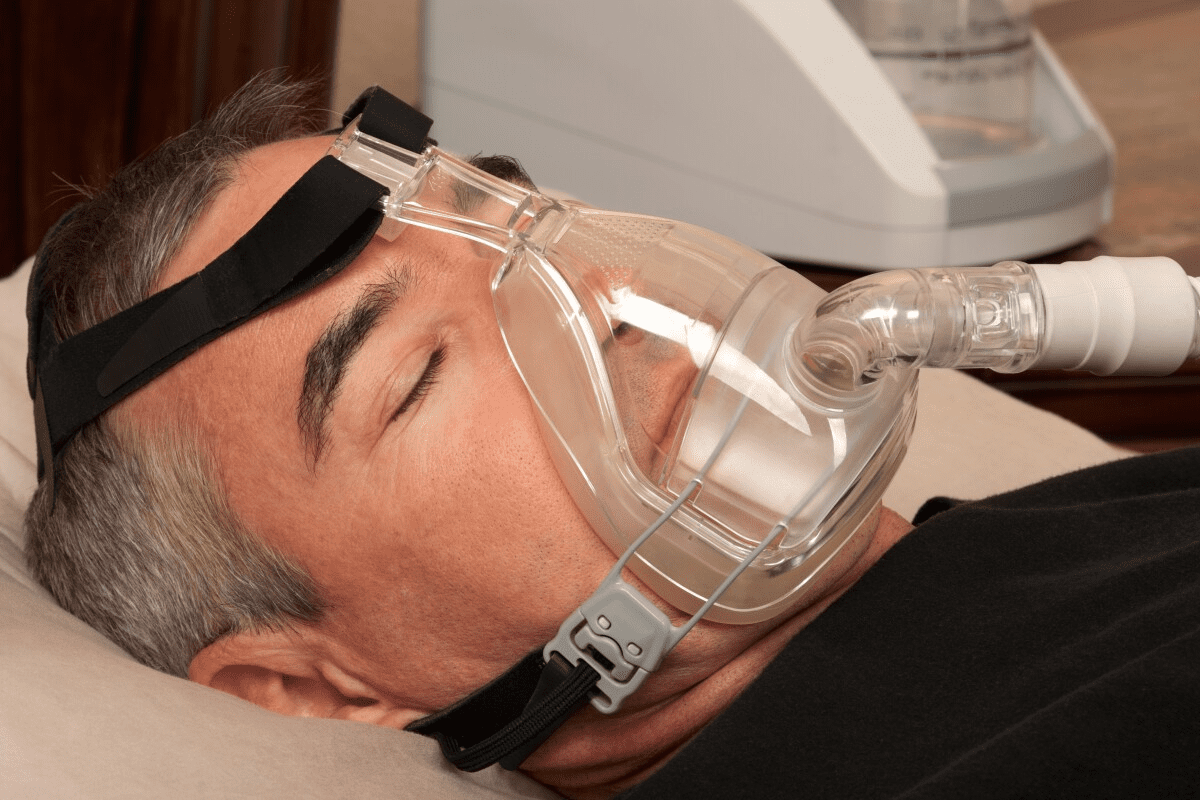
Obstructive sleep apnea is more than a sleep issue; it’s a serious condition that affects many people. It disrupts sleep quality and overall health. Millions worldwide suffer from it.
The Mechanics of Airway Obstruction
Obstructive sleep apnea (OSA) happens when the airway gets blocked during sleep. This blockage can be caused by relaxation of the throat muscles, excess tissue in the throat, or structural issues like a deviated septum or enlarged tonsils.
The airway blockage in OSA is complex. It involves both the body’s structure and how it works. When we sleep, our throat muscles relax. This can narrow or block the airway, mainly in people with certain physical traits.
When Non-Surgical Treatments Fail
Non-surgical treatments like Continuous Positive Airway Pressure (CPAP) devices are often the first choice for OSA in adults. Yet, they don’t work for everyone. Some find CPAP machines hard to use, leading to adherence issues. In these cases, other treatments, including surgery, are needed.
Every person reacts differently to non-surgical treatments. If these treatments don’t work, finding other ways to help is key. This is to improve the quality of life for those with OSA.
There are many surgical methods to tackle upper airway blockages. The right surgery depends on the patient’s anatomy, how severe their OSA is, and their overall health.
Determining If You’re a Candidate for Sleep Apnea Surgery

Before you can have sleep apnea surgery, you need to see if it’s right for you. This check involves looking at your sleep, finding where the blockage is, and checking your health history.
Comprehensive Sleep Evaluation and Testing
A detailed sleep check is key to seeing if you’re a good fit for surgery. We do a full check-up and a special test to look at your airway. This helps find where the blockage is and how bad your sleep apnea is.
We might also do sleep studies to measure how bad your sleep apnea is. These studies look at things like how often you stop breathing and how low your oxygen levels go. This info helps us plan your surgery.
Identifying Specific Obstruction Sites
Finding where the blockage is in your airway is very important. We use special tests to see your airway when you’re asleep. This helps us find exactly where the blockage is.
Knowing where the blockage is lets us plan the best surgery for you. This can help make your surgery more effective.
Medical Considerations and Risk Assessment
Checking your health is a big part of deciding if surgery is right for you. We look at your health history and any medicines you take. This helps us find any risks.
Studies show that surgery can really help people with sleep apnea. It can make you feel more awake, stop snoring, and improve your life. By carefully checking if surgery is right for you, we can make sure it’s safe and effective.
Surgery to Treat Sleep Apnea: Overview of Approaches
Surgical treatments for sleep apnea have grown, with many methods to tackle different blockages. When CPAP therapy doesn’t work, surgery is a good option.
Matching Procedures to Obstruction Patterns
Choosing the right surgery depends on finding where and how the airway is blocked. Tests help pick the best surgery.
- Soft Palate Procedures: For blockages at the soft palate level.
- Tongue-Based Surgeries: For tongue base issues.
- Nasal Surgeries: To fix nasal passage blockages.
- Advanced Skeletal Procedures: For severe skeletal issues.
Single-Level vs. Multi-Level Interventions
Sleep apnea often has blockages at several levels. It’s important to know the difference between single and multi-level surgeries.
Single-level surgeries focus on one blockage area. Multi-level surgeries tackle many areas at once, providing a broader solution.
Soft Palate Procedures and Their Effectiveness
The soft palate often blocks airflow in sleep apnea patients. Several surgeries aim to fix this. These procedures help improve breathing and lessen sleep apnea symptoms.
Uvulopalatopharyngoplasty (UPPP) Technique and Outcomes
Uvulopalatopharyngoplasty, or UPPP, is a common sleep apnea surgery. It removes extra throat tissue, including the uvula, to open the airway. UPPP can greatly reduce sleep apnea in many patients, but results vary by person and condition severity.
UPPP is done under general anesthesia and might require a hospital stay. It’s important to follow post-operative care closely to avoid complications. Patients are watched for bleeding or infection signs.
Laser-Assisted Uvulopalatoplasty (LAUP)
Laser-Assisted Uvulopalatoplasty, or LAUP, is another method to treat sleep apnea. It uses a laser to trim tissue and reshape the uvula and soft palate. While LAUP can cut down on snoring, its success in treating OSA is less certain and is not usually used alone for sleep apnea.
Palatal Implants for Soft Palate Collapse Treatment
Palatal implants are a simpler way to treat sleep apnea from soft palate collapse. These small, cylindrical devices are made of a safe material and are placed in the soft palate. They help keep the soft palate from blocking the airway at night, reducing obstructions.
Palatal implants are seen as a less complex procedure with a quicker recovery. But, how well they work can depend on the individual case and sleep apnea severity.
Tongue-Based Surgical Interventions
Tongue-based surgeries are a big step forward in treating sleep apnea. They focus on the tongue base, a common blockage during sleep.
Let’s look at three main surgeries: Transoral Robotic Surgery (TORS) for tongue base reduction, genioglossus advancement for moving the tongue forward, and hypoglossal nerve stimulation technology.
Transoral Robotic Surgery (TORS) for Tongue Base Reduction
TORS is a new, less invasive surgery. It uses robots to remove extra tissue at the tongue base. This makes breathing easier during sleep.
Benefits of TORS include its precision, quick recovery, and focus on specific blockages. Robots help surgeons do complex tasks more accurately.
Genioglossus Advancement for Anterior Tongue Repositioning
Genioglossus advancement moves the genioglossus muscle forward. This muscle controls tongue movement. Moving it forward keeps the tongue from blocking the airway at night.
This surgery works best when combined with other treatments. Key benefits include better airway stability and less sleep apnea.
Hypoglossal Nerve Stimulation Technology
Hypoglossal nerve stimulation uses a device to control tongue movement. It keeps the tongue forward, keeping the airway open at night.
Advantages include continuous therapy and adjustability for each patient. It’s a good option for those who haven’t found relief with other treatments.
Nasal Surgeries to Improve Airflow and Breathing
Improving nasal airflow through surgery is key for managing sleep apnea. Nasal surgeries fix specific issues that block breathing at night.
Septoplasty for Deviated Septum Correction
A deviated septum blocks breathing. It’s when the thin wall between the nasal passages is off-center. Septoplasty fixes this, making breathing easier.
- Corrects the deviation, making airflow better
- Often done with other nasal surgeries
- Improves breathing and sleep quality
Turbinate Reduction Procedures
Turbinate bones in the nose can block airflow if they’re too big. Turbinate reduction makes these bones smaller. This improves airflow and reduces resistance.
- Radiofrequency turbinate reduction uses heat to shrink the bones
- Surgical turbinate reduction removes or reduces the bones
Nasal Valve Correction Techniques
The nasal valve area is key for airflow. If it collapses or narrows, breathing is hard. Nasal valve correction surgeries widen or strengthen this area.
- Nasal valve repair strengthens the area to prevent collapse
- Spreader grafts widen the nasal valve area
Surgeries for these nasal issues improve breathing. This leads to better sleep and less sleep apnea symptoms.
Advanced Skeletal Procedures for Severe OSA
For those with severe obstructive sleep apnea (OSA), advanced skeletal procedures are a top choice. These methods work well for people with big blockages in their airways. They haven’t gotten better with other treatments.
These procedures change the upper and lower jaws to make the airway bigger. It’s key for severe OSA because it fixes the main problems causing the condition.
Maxillomandibular Advancement (MMA) Surgery
MMA surgery moves both the upper and lower jaws forward. This makes the airway bigger. It stops the airway from closing during sleep, cutting down OSA symptoms.
This surgery is for those with severe OSA and big airway blockages. It’s effective because it fixes many problems at once, giving a full solution to OSA.
Key Benefits of MMA Surgery:
- Significant reduction in apnea-hypopnea index (AHI)
- Improved sleep quality and daytime functioning
- Enhanced overall quality of life
Outcomes and Success Rates of Skeletal Surgery
MMA surgery results are very good, with high success rates. People who have it see a big drop in their AHI, meaning better sleep.
Outcome Measure | Pre-Surgery | Post-Surgery |
Apnea-Hypopnea Index (AHI) | 40.2 ± 15.6 | 10.5 ± 5.2 |
Sleep Quality Score | 3.1 ± 1.2 | 6.8 ± 1.5 |
Daytime Functioning Score | 2.8 ± 1.1 | 7.2 ± 1.3 |
Studies show MMA surgery works well, with success rates from 86% to 90%. It’s a strong treatment for severe OSA.
We see MMA surgery as a good option for severe OSA, for those who haven’t improved with other treatments. Knowing the benefits and results helps patients make better choices.
Recovery, Risks, and Expected Outcomes
Understanding the recovery, risks, and outcomes of sleep apnea surgery is key. This knowledge helps patients prepare for their journey. It’s important to know what to expect.
Post-Operative Care and Recovery Timeline
After surgery, post-operative care is vital for a smooth recovery. This care includes watching for breathing problems and oxygen levels, often in intensive care. Using CPAP therapy before and after surgery helps keep breathing stable.
The recovery time varies, from a few days to weeks, based on the surgery’s complexity. Following post-operative instructions closely is essential to avoid complications and ensure healing.
Important aspects of post-operative care include:
- Monitoring for signs of infection or complications
- Managing pain effectively
- Following a specific dietary plan
- Attending follow-up appointments
Potential Complications and How to Minimize Them
Sleep apnea surgery comes with risks like infection, bleeding, and reactions to anesthesia. Knowing these risks helps patients make informed choices.
To reduce risks, it’s important to:
- Choose an experienced surgeon
- Follow pre- and post-operative instructions carefully
- Attend all scheduled follow-up appointments
Being aware of complications and taking proactive steps can greatly reduce risks.
Measuring Surgical Success with Follow-Up Sleep Studies
Success of sleep apnea surgery is measured by follow-up sleep studies. These studies check if the apnea-hypopnea index (AHI) and sleep quality have improved.
Outcome Measure | Pre-Surgery | Post-Surgery |
Apnea-Hypopnea Index (AHI) | 30 events/hour | 5 events/hour |
Oxygen Saturation | 80% | 95% |
Sleep Quality Score | Poor | Good |
The table shows how sleep metrics can improve after surgery. Follow-up sleep studies are key to measuring the surgery’s success.
Conclusion: Making an Informed Decision About Sleep Apnea Surgery
Choosing sleep apnea surgery can be tough. Patients can weigh the pros and cons of different surgeries with their doctors. This helps find the right treatment for each person.
Doctors tailor treatment plans based on where the blockage is. They talk to patients about possible blockages and what surgery might do. This helps patients make smart choices.
There are many ways to treat sleep apnea, like soft palate surgery or tongue treatments. Nasal surgeries and more complex skeletal procedures are also options. The right surgery depends on the patient’s needs and how bad their sleep apnea is.
Knowing about the surgery options helps patients decide. We suggest talking to doctors to figure out the best treatment. This way, patients can choose wisely for their sleep apnea.
FAQ
What is sleep apnea surgery?
Sleep apnea surgery is a set of procedures aimed at treating obstructive sleep apnea (OSA). It works by removing blockages in the upper airway. This helps improve airflow and reduces sleep disruptions.
Who is a candidate for sleep apnea surgery?
People with moderate to severe OSA who haven’t seen improvement with other treatments might be good candidates. They need specific anatomical obstructions that can be fixed with surgery.
What are the different types of sleep apnea surgery?
There are several types of sleep apnea surgery. These include soft palate procedures, tongue-based surgeries, nasal surgeries, and advanced skeletal procedures. Each type targets different areas to improve airflow.
What is the UPPP technique, and what are its outcomes?
UPPP, or Uvulopalatopharyngoplasty, removes excess tissue from the soft palate. It aims to improve airflow. While outcomes vary, it can help some patients with sleep apnea.
How is the success of sleep apnea surgery measured?
Success is measured by follow-up sleep studies. These studies check if sleep quality has improved and if apnea-hypopnea index (AHI) has decreased.
What are the possible risks and complications of sleep apnea surgery?
Risks include post-operative pain, swelling, bleeding, and infection. There’s also a chance of changes in speech or swallowing. Risks depend on the surgery type.
Can nasal surgery cure sleep apnea?
Nasal surgery, like septoplasty or turbinate reduction, can’t cure sleep apnea. But it can help improve nasal airflow and overall breathing.
What is the recovery process like after sleep apnea surgery?
Recovery varies by procedure but usually involves managing pain, rest, and follow-up care. This helps monitor healing and address any complications.
Is there a surgery to cure sleep apnea?
Surgery can greatly improve sleep apnea symptoms. But whether it “cures” it depends on the OSA severity and other health conditions.
What is maxillomandibular advancement (MMA) surgery?
MMA surgery advances the upper and lower jaw. This enlarges the airway, reducing obstructions and improving sleep quality for those with severe OSA.
How do I determine if I’m a candidate for tongue-based surgical interventions?
To check if you’re a candidate for tongue-based surgeries, you need a thorough sleep evaluation and testing. This identifies specific obstruction sites and assesses surgery suitability.
What is hypoglossal nerve stimulation technology?
This technology involves implanting a device that stimulates the hypoglossal nerve. It controls tongue movement, keeping the airway open during sleep and reducing apnea episodes.
Can sleep apnea surgery be combined with other treatments?
Yes, surgery can be combined with treatments like CPAP therapy or oral appliances. This approach depends on individual patient needs for optimal outcomes.
References
National Center for Biotechnology Information. (2025). How to Treat Sleep Apnea with Surgery Options. Retrieved from https://pmc.ncbi.nlm.nih.gov/articles/PMC11476387/