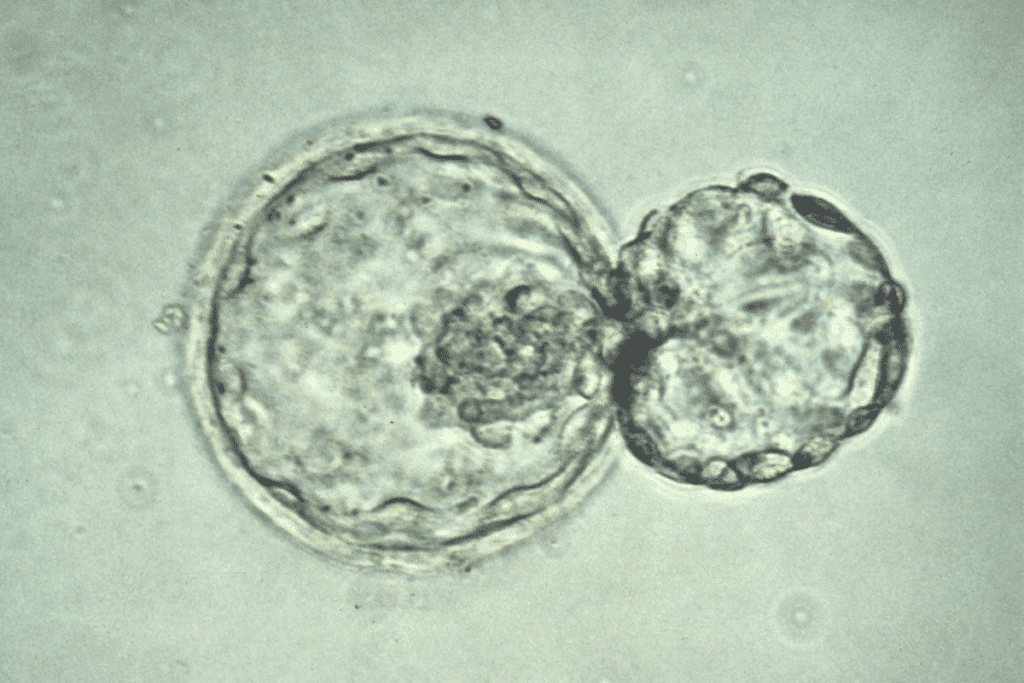
The two-week wait after embryo transfer can be tough. Figuring out safe activities is a big challenge.
At Liv Hospital, we know how to balance safety with feeling good during this time.swimming after embryo transferPeristalsis: Surprising Positive RBC Organ Link We focus on you, giving advice based on science.
Swimming after FET worries many patients. Some doctors say wait 48-72 hours. Others say wait until you get a positive pregnancy test.
Key Takeaways
- Wait 48-72 hours before swimming after FET for optimal safety.
- Some fertility clinics recommend waiting until the pregnancy test for maximum safety.
- Post-transfer activities should be carefully timed to avoid complications.
- Clear guidance on post-transfer activities is key for emotional well-being.
- Patient-centered care balances medical safety with emotional needs.
Understanding the Embryo Transfer Process
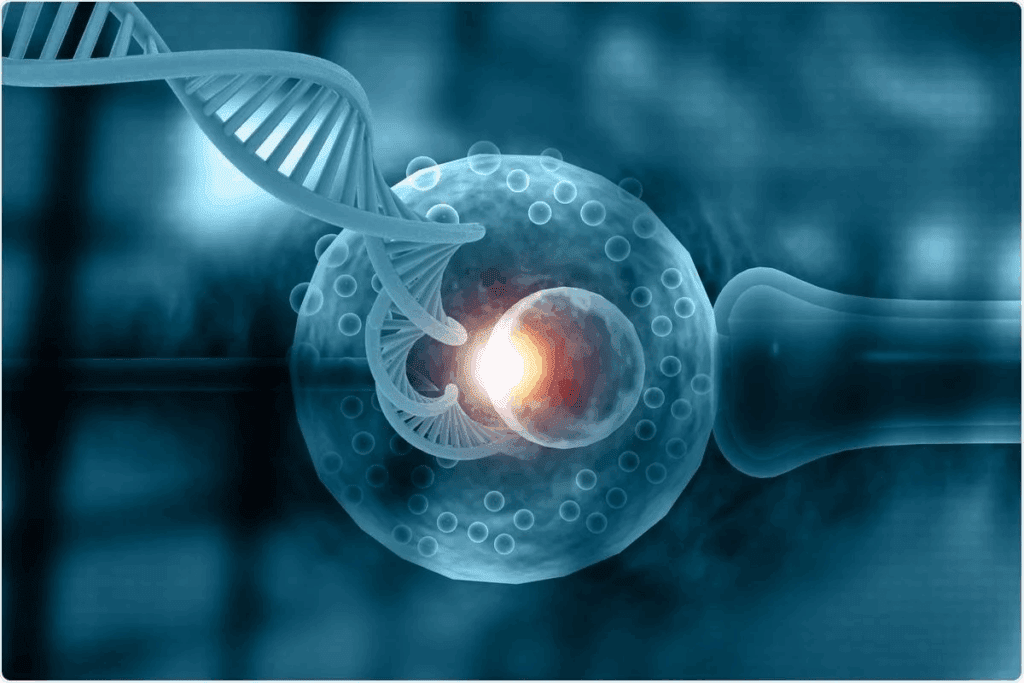
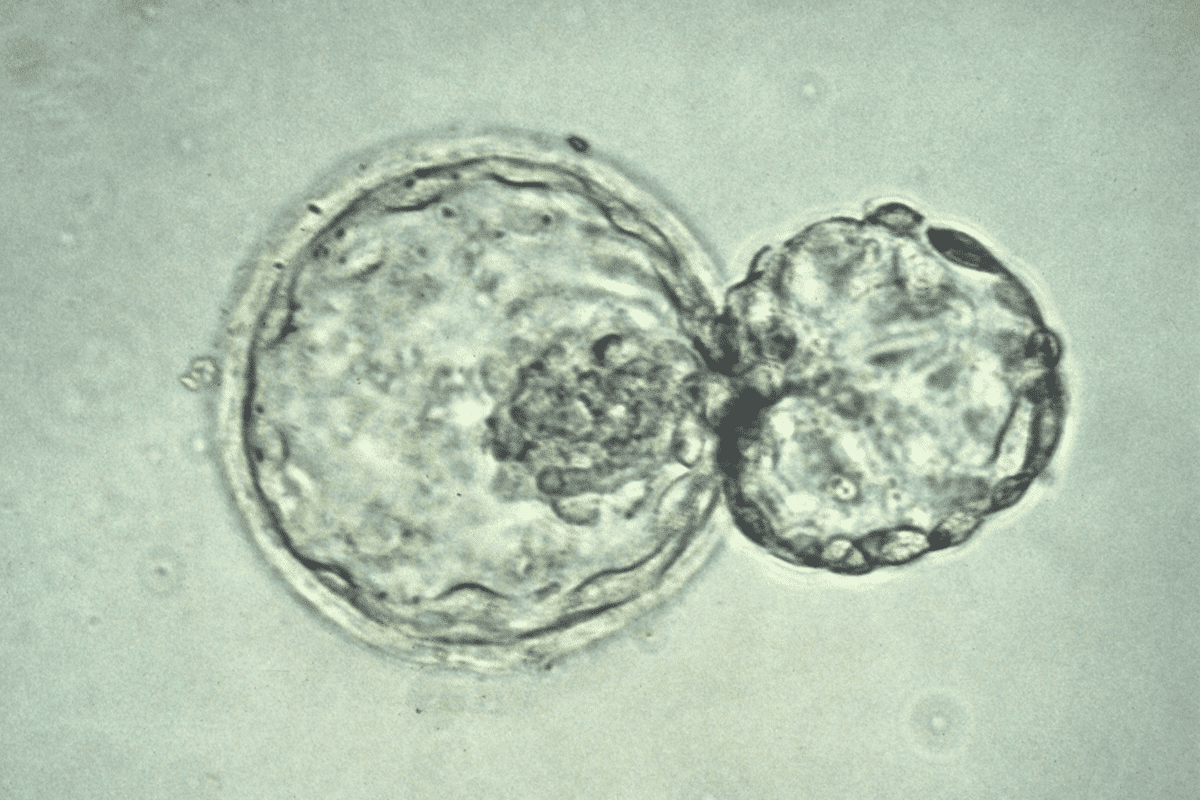
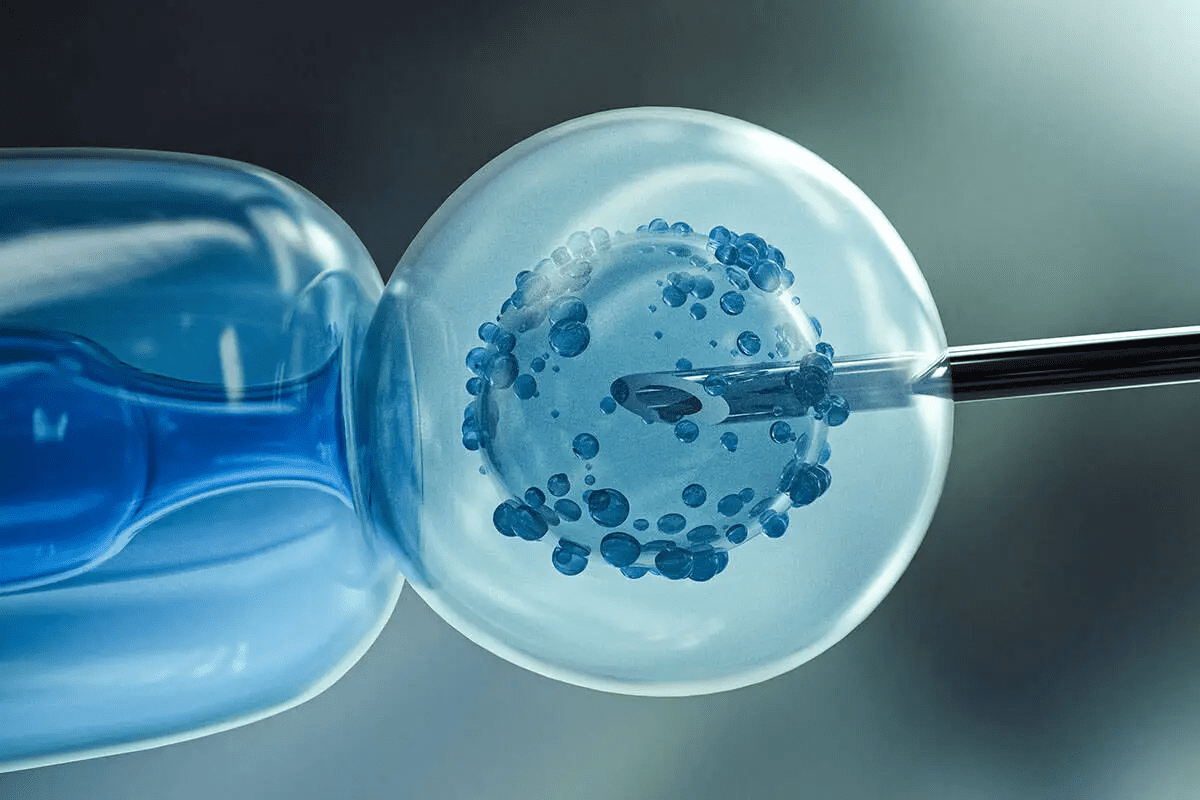
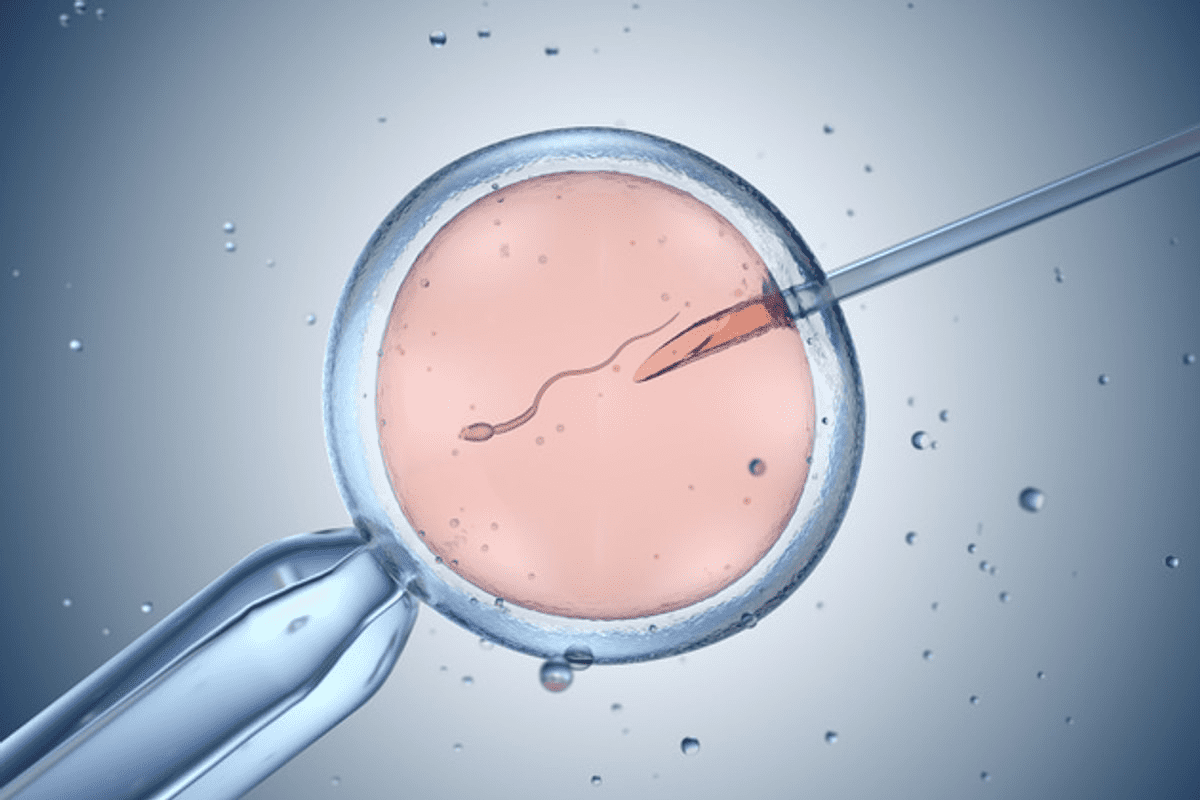
It’s key to know about the embryo transfer process for those going through IVF. This step is vital in the IVF journey. It involves putting embryos into the uterus to start a pregnancy.
The Procedure Explained
The embryo transfer is simple but needs to be done with great care. Embryos are carefully selected and transferred into the uterus with a catheter. This is done under ultrasound to place them correctly. It happens 3-5 days after egg retrieval, a key part of IVF.
Why the First Days Are Critical for Implantation
The first days after transfer are very important for implantation. The embryo needs to attach to the uterine lining. This needs a good uterine environment and a healthy embryo. Implantation usually happens 6-10 days after fertilization.
Physical Changes Following Transfer
Patients might feel some physical changes after transfer, like cramping or spotting. These symptoms are usually short-lived. They can happen because of the procedure or the body’s reaction to the embryos. It’s important to watch these symptoms and talk to your doctor if they worry you.
| Symptom | Possible Cause | Action |
|---|---|---|
| Mild Cramping | Procedure-related or implantation | Monitor symptoms, contact healthcare provider if severe |
| Spotting | Hormonal changes or implantation | Report to healthcare provider if heavy or persistent |
Knowing about the embryo transfer process and what happens after can help patients. It lets them understand their IVF journey better and make informed choices about their care.
Medical Considerations for Post-Transfer Activities
[Add image here]
After an embryo transfer, it’s important to know what activities are safe. The process, whether fresh or frozen, is a big step in fertility treatment. Patients often wonder if they can swim or do other activities.
We’ll look at the main medical points to consider. These points help ensure the success of the embryo transfer.
Cervical Opening and Infection Risks
The cervix may stay open a bit after the transfer. This makes it risky to get in water that might have bacteria. Such infections could harm the implantation process.
Infection prevention is key during this time. Doctors advise avoiding water until the cervix closes, usually in 48-72 hours.
Physical Recovery from the Procedure
Feeling tired and uncomfortable is common after the transfer. The procedure might cause some pain or spotting.
It’s important to rest and avoid hard activities. This helps your body heal from the procedure.
Temperature Regulation Concerns
Keeping your body at a stable temperature is important after the transfer. Extreme temperatures could harm the embryo.
For example, hot tubs are not recommended because of the high temperatures. Cold temperatures could also be harmful by reducing blood flow to the uterus.
Impact of Activity on Implantation Success
There’s debate about how much activity affects implantation success. While it’s best to avoid extreme activities, gentle movements are usually okay.
| Activity Level | Impact on Implantation | Recommendation |
|---|---|---|
| High Impact | Potential negative impact due to increased physical stress | Avoid |
| Moderate | Mild impact; may be beneficial for circulation | Allowed with caution |
| Low Impact/Gentle | Minimal to no negative impact; potentially beneficial | Recommended |
The table shows how activity level can affect implantation success. Finding a balance between rest and gentle activity is key.
Knowing these medical points helps patients make smart choices about their activities after the transfer. This supports the success of the procedure.
When Is Swimming After Embryo Transfer Safe?
After an embryo transfer, many wonder when they can safely swim again. The answer depends on medical advice and personal health. It’s important to consider these factors carefully.
Standard Medical Guidelines (48-72 Hours)
Fertility clinics usually say wait 48-72 hours before swimming. This helps the embryo implant safely. Medical Expert, “Waiting 48-72 hours helps the embryo implant better.”
“The first few days after embryo transfer are critical. Patients are advised to avoid heavy lifting, bending, and strenuous activities, including swimming, to minimize the risk of complications.”
Medical Expert, Fertility Expert
Conservative Approach (Waiting Until Pregnancy Test)
Some doctors recommend waiting until the pregnancy test, around day 9 after a day 5 transfer. This cautious approach aims to reduce risks during implantation.
A study in the Journal of Fertility and Sterility showed waiting until the pregnancy test to swim doesn’t harm success rates. It’s similar to starting sooner.
Individual Factors That Affect Timing
Several factors, like the type of transfer and health, affect when it’s safe to swim. For example, those with certain health issues might need to wait longer.
| Factor | Influence on Swimming Timing |
|---|---|
| Type of Embryo Transfer | Fresh transfers might require longer waiting periods compared to frozen transfers. |
| Overall Health | Patients with certain health conditions may need to wait longer before swimming. |
| Clinic Guidelines | Different fertility clinics may have varying recommendations based on their protocols and patient data. |
Signs You Should Wait Longer
Recognizing signs to wait longer before swimming is key. Bleeding or severe cramping are red flags. Always check with your doctor for advice.
Listening to your body and following your doctor’s instructions are critical for a successful outcome after embryo transfer.
Swimming Environments: Safety Comparison
Different swimming spots have different risks after an embryo transfer. It’s important to know these differences to make smart choices about what to do during the waiting period.
Chlorinated Pools: Relative Safety Factors
Chlorinated pools are safer for swimming after an embryo transfer than natural waters. Chlorine in these pools kills bacteria, lowering infection risks. But, make sure the pool is clean and the chlorine levels are right.
- Properly chlorinated pools minimize bacterial risks
- Check pool maintenance records if available
- Avoid pools with strong chemical odors
Ocean Swimming: Bacterial Considerations
Ocean swimming is riskier because of bacteria, viruses, and other germs. Saltwater in the ocean has some cleaning power, but it’s not enough to avoid infections. This is true for people with open wounds or weak immune systems.
Key considerations for ocean swimming:
- Avoid areas with known sewage or agricultural runoff
- Be cautious of red tide or other algal blooms
- Shower immediately after swimming
Lakes and Rivers: Higher Risk Assessment
Lakes and rivers have many pathogens, like bacteria, viruses, and parasites. The chance of getting sick is higher here, mainly if the water is polluted with farm or sewage waste.
“The risk of waterborne infections should not be underestimated, even for those going through fertility treatments.”
Hot Tubs and Jacuzzis: Why They’re Contraindicated
Hot tubs and jacuzzis are not recommended after an embryo transfer. The warm water can harm the embryo by raising your body’s temperature too high.
- Avoid temperatures above 100.4°F (38°C)
- High temperatures can affect embryo development
- Risk of overheating and dehydration
In summary, chlorinated pools are the safest for swimming after an embryo transfer, as long as they are clean. It’s key to understand the risks of different swimming places and choose wisely to protect your health.
Essential Precautions for Swimming After Embryo Transfer
Swimming after an embryo transfer needs careful thought. It’s a great way to relax and stay active while waiting for IVF results. But, it’s important to be cautious to protect your health and the success of the treatment.
Infection Prevention Strategies
Swimming can increase the risk of infection. To lower this risk, choose clean and well-maintained swimming spots. Pools with clear water and regular maintenance are best. Stay away from natural waters like lakes or rivers, as they can have harmful bacteria.
“The cleanliness of the swimming environment is key to avoiding infections,” says Medical Expert, a fertility specialist. “Patients should pick pools that are tested regularly for bacteria.”
Monitoring Your Body’s Signals
Pay attention to how your body feels after swimming. If you notice any unusual cramping, bleeding, or discomfort, stop swimming right away. Your body’s signals are important indicators of your health status.
Appropriate Swimming Intensity
Keep your swimming intensity moderate. Avoid intense or high-impact swimming that could stress or discomfort you. Gentle strokes and leisurely swimming are best to keep you calm and relaxed.
When to Exit the Water Immediately
Knowing when to stop swimming is as important as knowing how to swim safely. If you feel pain, severe cramping, or heavy bleeding while swimming, get out of the water right away. It’s always better to err on the side of caution when it comes to your health. Talking to your healthcare provider about any concerns or symptoms is wise.
By following these precautions, you can enjoy swimming after an embryo transfer while minimizing risks. This way, you can stay active and relaxed during the IVF process.
Managing Medication Protocols While Swimming
The time after embryo transfer is key for implantation. It’s important to balance swimming with medication. Planning carefully ensures treatment success and implantation.
Considerations for Vaginal Progesterone Users
Those using vaginal progesterone need to know how to swim while taking it. This medication supports implantation after embryo transfer. Timing swimming with medication is key.
Medical Expert, “Vaginal progesterone users should be cautious when swimming, as water exposure can affect the medication’s absorption.”
“It’s essential to time swimming sessions around progesterone administration to minimize any impact on treatment effectiveness.”
Timing Swimming Around Medication Administration
Timing is critical for swimming after using vaginal progesterone. Wait a few hours after taking the medication to swim. This ensures the medication is absorbed well, reducing washout risk.
- Administer vaginal progesterone as prescribed.
- Wait for at least 2-3 hours before swimming.
- Use waterproof protection to minimize leakage.
Waterproof Protection Options
If you can’t wait to swim, waterproof protection is a good option. There are many products to keep the medication in place. Look for swimwear with built-in protection or tampons.
Waterproof protection options include:
| Product | Description | Benefits |
|---|---|---|
| Swimwear with lining | Designed for women using vaginal medications | Provides comfort and protection |
| Swim tampons | Retains medication during swimming | Effective in minimizing leakage |
By managing medication and timing swimming, you can enjoy activities while supporting your embryo transfer. Always talk to your healthcare provider for advice on medication and swimming after a frozen embryo transfer.
Temperature Considerations for Embryo Development
Knowing how water temperature affects your body is important, like when you swim after an embryo transfer. The right temperature is key for the embryo’s growth, early on after transfer.
How Water Temperature Affects Core Body Temperature
Swimming after an embryo transfer needs careful thought about water temperature. Water that’s too hot or too cold can harm the embryo. Our body’s temperature needs to stay just right, and big changes can stress it out.
Hot water can make your body temperature go up, which isn’t good for the embryo. Cold water can make your blood vessels narrow, cutting off blood to the uterus. So, it’s important to watch the water temperature when swimming or in water activities after transfer.
Safe Temperature Ranges for Swimming
Finding a safe swimming temperature is key to avoid risks. Water between 78°F and 82°F (25°C to 28°C) is usually safe. But, always talk to your doctor for advice that fits you.
| Water Temperature (°F) | Water Temperature (°C) | Safety Consideration |
|---|---|---|
| Below 70°F | Below 21°C | Cold; may cause vasoconstriction |
| 78°F – 82°F | 25°C – 28°C | Generally considered safe |
| Above 90°F | Above 32°C | Hot; may raise core body temperature |
Avoiding Temperature Extremes
Staying away from extreme temperatures is important for the embryo. Hot tubs and jacuzzis, with water over 100°F (38°C), are not recommended after an embryo transfer. They can make your body temperature too high.
Choose pools with temperatures in the safe range for swimming. If you’re thinking about other water activities, like ocean swimming or hot tubs, talk to your doctor first. They can help you decide what’s best.
Alternative Activities During the Waiting Period
Waiting after an embryo transfer can be tough. Trying new activities can make this time easier. We suggest gentle and safe options to keep you feeling good.
Gentle Exercise Options
Walking or yoga are safe after an embryo transfer. They help reduce stress and keep you healthy without too much effort.
Here are some gentle exercises:
- Short walks in a park or around your neighborhood
- Light stretching exercises
- Yoga or Pilates modified to avoid heavy lifting or bending
Safe Ways to Stay Cool
It’s important to stay cool, but avoid extreme temperatures. Lukewarm showers or fans can help keep you comfortable.
Relaxation Techniques
Relaxation techniques can lower stress and anxiety. Try meditation, deep breathing, or soothing music to help.
Doctor-Approved Activities
Always check with your doctor before trying new activities after an embryo transfer. They should be low-risk and not too strenuous.
Here’s a quick look at some safe activities and their benefits:
| Activity | Benefits |
|---|---|
| Gentle Walking | Reduces stress, maintains physical health |
| Yoga/Pilates | Improves flexibility, reduces anxiety |
| Meditation/Deep Breathing | Reduces stress, promotes relaxation |
| Listening to Music | Enhances mood, reduces anxiety |
After an embryo transfer, it’s key to balance activity with rest. These activities can help you manage the waiting period better and improve your experience.
Common Misconceptions About Swimming After Embryo Transfer
Swimming after embryo transfer is a topic of much debate. Many patients worry about the safety of swimming after the procedure. They are concerned about its impact on implantation.
Can Swimming Cause an Embryo to Dislodge?
One big worry is that swimming can dislodge the embryo. But research shows this is unlikely. The embryo is securely attached to the uterine lining.
Swimming, when done correctly and at the right time, is not a big risk. The embryo is firmly attached to the uterine wall.
The Truth About Activity and Implantation
Another myth is that activity levels after embryo transfer affect implantation success. While caution is advised, complete bed rest is not needed. In fact, some activity is good for health.
Research says a mix of rest and gentle activity is best. Swimming can be part of this mix. It’s a low-impact exercise that keeps you physically and mentally healthy.
Balancing Caution with Quality of Life
It’s important to find a balance between caution and enjoying life after embryo transfer. Avoiding all activities is not necessary. It can harm your mental health. Swimming, when okayed by a healthcare provider, can be safe and fun.
Talk to your healthcare provider about your plans. They can give advice based on your medical history and treatment specifics.
What Research Actually Shows
Studies have looked at the effects of activities like swimming on IVF success. The findings are clear. Swimming, when done right and in moderation, doesn’t harm implantation or pregnancy rates.
| Activity | Impact on Implantation | Recommendation |
|---|---|---|
| Swimming | No significant negative impact | Moderation is key; consult your healthcare provider |
| Strenuous Exercise | Potential negative impact if excessive | Avoid high-intensity activities post-transfer |
| Gentle Exercise (e.g., Yoga) | Generally safe and beneficial | Recommended for maintaining physical and mental well-being |
Understanding the facts and myths about swimming after embryo transfer helps patients make informed choices. Always get advice from a healthcare provider for what’s best for you.
Conclusion
Swimming after embryo transfer needs careful thought to keep it safe and healthy. Knowing about the embryo transfer process and following doctor’s advice helps. This way, you can lower the risks of swimming after FET.
Thinking about swimming after frozen embryo transfer involves timing, environment, and health. It’s best to wait 48-72 hours before swimming or doing hard activities after IVF transfer, as doctors usually say.
To swim safely and protect your health and possible pregnancy, follow the tips in this article. Balancing caution with enjoying life and staying up-to-date on FET tips helps. This way, you can have a good experience during this important time.
Swimming after embryo transfer can be safe and fun if you’re careful and follow doctor’s advice. By focusing on health and safety, you can go through this time with confidence.
FAQ
When is it safe to swim after a frozen embryo transfer (FET)?
Waiting to swim after FET depends on several factors. Most doctors say wait 48-72 hours. Some might suggest waiting until you get a positive pregnancy test, usually around day 9 after the transfer.
What are the risks associated with swimming after embryo transfer?
Swimming too soon can lead to infections from dirty water. It might also harm the embryo if the water is too cold or hot.
Are chlorinated pools safe for swimming after embryo transfer?
Chlorinated pools are safer if they’re well-kept. Chlorine helps kill germs. But, make sure the pool is clean and well-maintained.
Can I swim in the ocean or lakes/rivers after embryo transfer?
Swimming in oceans or lakes/rivers is riskier. They can have more bacteria. It’s best to avoid them or take extra precautions.
Why are hot tubs and jacuzzis contraindicated after embryo transfer?
Hot tubs and jacuzzis are not safe because the water is too warm. This can harm the growing embryo.
How can I minimize the risk of infection while swimming after embryo transfer?
Choose clean pools and watch for any unusual symptoms. These include cramping or bleeding.
Can swimming cause an embryo to dislodge after transfer?
Some think swimming can dislodge the embryo. But, research and doctors say it’s unlikely. They suggest being cautious but not too strict.
How should I manage my medication protocol while swimming after FET?
If you’re taking vaginal progesterone, plan your swims around your meds. You can also use waterproof covers to keep the treatment effective.
What are some alternative activities to swimming during the waiting period after FET?
Try gentle exercises like walking or yoga. You can also relax, stay cool safely, or do activities your doctor approves.
How does water temperature affect core body temperature and embryo development?
Water temperature can change your body’s temperature. Avoid extreme temperatures to help the embryo grow well.
What are the signs that I should wait longer before swimming after embryo transfer?
If you bleed or have severe cramps, wait longer. These signs might mean you need to be more careful.
What are the general guidelines for post-IVF transfer activities?
Avoid hard activities and take steps to reduce risks. Your specific advice will depend on your situation and what your doctor says.
References
National Center for Biotechnology Information. Evidence-Based Medical Guidance. Retrieved from https://pmc.ncbi.nlm.nih.gov/articles/PMC7468008/).