Last Updated on November 26, 2025 by Bilal Hasdemir

The liver is key in digestion, making bile, a fluid stored in the gallbladder. Bile duct issues can be silent but deadly. Symptoms of bile leakage are often seen as normal digestive problems.
Liv Hospital focuses on patients first, aiming for early detection and quick treatment. Knowing how the liver and gallbladder work is key. Leaks can happen after surgery, gallbladder removal, trauma, or stenting. It’s important to spot the signs.
Key Takeaways
- Bile is produced in the liver and stored in the gallbladder.
- Bile duct problems can be life-threatening if not detected early.
- Symptoms of bile leakage can be mistaken for other digestive issues.
- Liv Hospital offers patient-centered expertise in biliary care.
- Early detection and treatment are key for bile duct problems.
The Biliary System: Understanding Bile Production and Flow

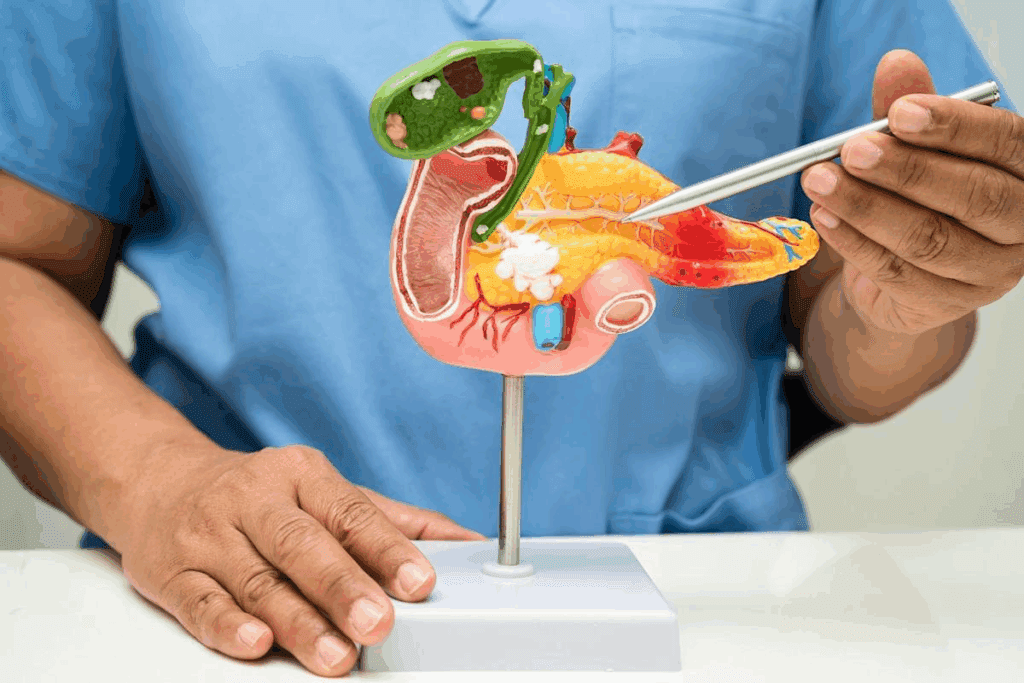
The liver, gallbladder, and bile ducts work together in the biliary system. They help with bile production and flow. This system is key for digestion and health.
How the Liver Makes Bile
The liver is vital in making bile, a digestive fluid that breaks down fats. It produces about one liter of bile every day. The liver cells, called hepatocytes, are responsible for this.
So, to answer the question, “does the liver make bile?” – yes, it is the main place for bile production.
The Gallbladder’s Storage Function
The gallbladder stores bile from the liver until it’s needed in the small intestine for fat digestion. When food reaches the small intestine, the gallbladder releases bile into the biliary duct system. This system then carries it to the intestine.
The Biliary Duct System Explained
The biliary duct system is a network of ducts. They transport bile from the liver and gallbladder to the small intestine. Problems like biliary ductal dilatation can happen due to blockages.
These issues might need a stent in the liver duct to fix bile flow.
Knowing how the biliary system works is key for diagnosing and treating problems.
Common Causes of Bile Leakage and Ductal Problems
Bile duct injuries and leakage can happen for many reasons. Surgery and trauma are big factors. The biliary system’s complex nature makes it prone to problems.
Post-Hepatobiliary Surgery Complications
Complications after hepatobiliary surgery are a major cause of bile leakage. Surgeries like liver transplants or bile duct repairs can lead to injuries. Patients with a history of cholecystectomy (gallbladder removal) coded under ICD-10 might face these issues.
| Surgical Procedure | Risk of Bile Leakage |
| Liver Transplant | High |
| Bile Duct Repair | Moderate |
| Gallbladder Removal | Low to Moderate |
Gallbladder Removal and Its Risks
Gallbladder removal, or cholecystectomy, is a common surgery. It can lead to risks like bile leakage. The risk is usually low but can be higher in some cases, like if surgery complications occur.
Trauma-Induced Leakage
Abdominal trauma can cause bile duct injuries and leakage. Severe trauma, like from a car accident, can harm the biliary system. Quick medical care is key to reducing damage.
Biliary Stenting Complications
Biliary stenting keeps the bile ducts open. But it can cause problems like bile leakage and stent blockage. It’s important to watch for these issues closely.
In summary, bile leakage and ductal problems can come from surgery, trauma, and stenting issues. Knowing the causes helps in managing and treating these problems effectively.
7 Key Symptoms of Bile Leakage to Recognize
Knowing the signs of bile leakage is key to quick treatment. If not treated fast, bile leakage can cause serious problems. It’s important for both patients and doctors to know these symptoms well.
1. Right Upper Quadrant Abdominal Pain
Right upper quadrant abdominal pain is a main sign of bile leakage. This pain happens when bile irritates the peritoneum. Spotting this symptom early is very important.
2. Fever and Chills
Fever and chills often show up with bile leakage. They happen because the body tries to fight off infection. Keeping an eye on your temperature is key to spotting and treating bile leakage.
3. Jaundice (Yellowing of Skin and Eyes)
Jaundice, or yellow skin and eyes, is a big warning sign. It’s caused by too much bilirubin in the blood. This can happen if bile flow is blocked or leaked.
4. Persistent Nausea
Persistent nausea is common in bile leakage cases. It’s caused by bile building up in the belly, leading to discomfort and nausea.
The table below lists the main symptoms of bile leakage:
| Symptom | Description |
| Right Upper Quadrant Abdominal Pain | Pain in the right upper abdomen due to bile irritation |
| Fever and Chills | Body’s response to possible infection from bile leakage |
| Jaundice | Yellowing of skin and eyes from bilirubin buildup |
| Persistent Nausea | Nausea from bile buildup in the belly |
In summary, knowing these symptoms is critical for early diagnosis and treatment of bile leakage. Anyone showing these signs should get medical help right away.
Bile Duct Problems: Beyond Leakage
Bile duct problems are more than just leakage. They include many issues that can harm a patient’s health. These problems can change how the bile duct works, leading to serious health issues.
Biliary Ductal Dilatation: Causes and Effects
Biliary ductal dilatation means the bile ducts get wider. This usually happens because of blockages or other health issues. It can cause bile flow problems, leading to jaundice, pain, and a higher chance of infections.
Knowing what causes it, like stones or tumors, is key to treating it well.
Enlarged Liver Ducts: Clinical Significance
When liver ducts get bigger, it can mean there’s a problem. This could be due to blockages, inflammation, or birth defects. The size of the ducts can show if there’s a bigger issue like cholangitis or secondary biliary cirrhosis.
Imaging tests are important to see how big the ducts are and find the cause.
Cystic Duct Issues vs. Common Bile Duct Problems
The cystic duct and common bile duct are different parts of the biliary system. Each can have its own problems. Cystic duct issues often come from gallstones. Common bile duct problems can be from blockages, stones, or strictures.
Telling these problems apart is important for the right treatment. This could be surgery or using endoscopes.
In summary, bile duct problems are complex and need a detailed approach to solve. It’s important for doctors to understand issues like dilatation, enlarged ducts, and the differences between cystic and common bile duct problems. This helps them give the best care possible.
Complications of Untreated Bile Leakage
Bile leakage can cause serious problems if not treated quickly. It can lead to severe infections and even life-threatening conditions.
Risk of Severe Infection
Untreated bile leakage increases the risk of severe infection. Bile leaking into the belly can cause peritonitis. This is an inflammation of the lining in the belly. It’s very dangerous and needs quick treatment.
Sepsis: A Life-Threatening Complication
Sepsis is a big risk with untreated bile leakage. It happens when the body’s fight against infection gets out of control. This can cause organs to fail and even death. Early treatment of sepsis is key to avoid serious damage.
Long-Term Health Consequences
Surviving severe infections or sepsis from bile leakage can harm your health long-term. People might face chronic fatigue, digestive problems, and a higher risk of infections. Quick treatment of bile leakage is vital to avoid these issues.
Diagnosing Bile Leakage and Duct Problems
Diagnosing bile leakage and duct problems is a detailed process. It involves a thorough medical history, lab tests, and imaging. Getting the diagnosis right is key to treating these conditions effectively.
Medical History Assessment (ICD-10 Coding)
First, a detailed medical history is taken. This looks at symptoms, past health, and surgeries. ICD-10 coding helps classify these details accurately. For example, codes for bile duct injuries or gallbladder diseases are used.
Laboratory Tests and Biomarkers
Laboratory tests are critical for diagnosing bile issues. Key tests include:
- Liver function tests (LFTs) to check liver health
- Bilirubin levels to see if there’s jaundice or bile blockage
- Alkaline phosphatase (ALP) to spot bile duct damage
- Gamma-glutamyl transferase (GGT) to check bile duct health
These tests help find liver and bile duct problems. They guide further tests and treatments.
Imaging Techniques for Confirmation
Imaging is key to confirming bile and duct problems. Common methods include:
- Ultrasound: Good for spotting bile duct swelling or gallstones
- Computed Tomography (CT): Shows detailed images of the biliary system
- Magnetic Resonance Cholangiopancreatography (MRCP): Visualizes bile and pancreatic ducts well
- Endoscopic Retrograde Cholangiopancreatography (ERCP): Helps in both diagnosis and treatment
These imaging methods help doctors see the biliary system. They spot problems and plan treatments.
Treatment Approaches for Managing Symptoms of Bile Leakage
Bile leakage treatment includes non-surgical and surgical methods. These are chosen based on the leakage’s cause and severity. It’s key to manage symptoms well to avoid more problems and improve health.
Non-Surgical Interventions
Non-surgical treatments are often the first step. They include:
- Antibiotic therapy to fight infections
- Drainage of bile collections through percutaneous drainage
- Endoscopic retrograde cholangiopancreatography (ERCP) with stenting to help bile flow
Endoscopic interventions are popular because they’re less invasive and work well for bile duct problems.
Surgical Management Options
When non-surgical methods don’t work, surgery might be needed. Surgical options include:
| Surgical Procedure | Description |
| Hepaticojejunostomy | A surgical procedure that creates a new pathway for bile drainage |
| Bile duct repair | Direct repair of the bile duct to restore normal bile flow |
A leading gastroenterologist says, “Surgery is often needed for complex bile duct injuries. This shows the importance of a team approach to treatment.”
“Choosing between non-surgical and surgical treatment depends on the bile leakage’s details and the patient’s health.”
Recovery and Follow-Up Care
Recovery from bile leakage treatment, whether non-surgical or surgical, needs careful follow-up. This includes watching for complications, managing symptoms, and proper wound care. Patients should follow a personalized care plan to help their recovery.
Effective treatment of bile leakage not only treats symptoms but also aims to prevent long-term health issues. By knowing the treatment options, patients and healthcare providers can work together for the best results.
Prevention and Risk Reduction Strategies
Preventing bile leakage is key to keeping patients healthy. By taking the right steps, people can lower their risk of bile duct problems. This helps avoid serious complications.
Post-Surgical Care Guidelines
After surgery, it’s important to follow your doctor’s advice. This includes wound care, taking medicine, and going to follow-up visits. Good post-surgical care can lower the risk of problems.
Watch for signs of trouble like more pain, fever, or jaundice. If you notice these, get help right away.
Monitoring for High-Risk Patients
It’s vital to watch over patients at high risk for bile leakage. This includes those who’ve had liver or bile duct surgery, or have other health issues.
Regular check-ups can catch problems early.
When to Contact Your Healthcare Provider
Knowing when to get medical help is important. Look out for severe pain, fever, chills, or jaundice. If you see these signs, call your doctor.
Being proactive and informed helps patients manage their health. Working with doctors can prevent complications and keep conditions under control.
Conclusion: Importance of Early Recognition and Treatment
It’s key to spot and treat bile leakage and duct issues early. Knowing the signs like pain in the right upper abdomen, fever, and jaundice is critical. This helps doctors act fast.
Studies show that catching these problems early can greatly help patients. Knowing what causes them, their symptoms, and how to treat them helps people make better choices. This knowledge is important for their care.
Don’t underestimate the value of quick action. Early treatment can stop serious problems like severe infections and sepsis. Doctors are essential in diagnosing and treating these issues. Patients need to know the pros and cons of each treatment.
Being well-informed and proactive can lower the risk of complications. This leads to better health outcomes. Managing bile leakage and duct problems well means getting medical help quickly, choosing the right treatment, and ongoing care.
FAQ
What is bile leakage, and how does it occur?
Bile leakage happens when bile, a digestive fluid, escapes from the biliary system. It can be caused by surgery, trauma, or problems with biliary stenting.
What are the symptoms of bile duct problems?
Signs of bile duct issues include pain in the right upper abdomen, fever, jaundice, and nausea. These symptoms can point to problems like enlarged liver ducts.
Does the liver produce bile?
Yes, the liver makes bile. It’s stored in the gallbladder and released into the small intestine to help digest fats.
What is the role of the gallbladder in bile storage?
The gallbladder holds bile from the liver. It releases it into the small intestine for digestion when needed.
What are the risks associated with biliary stenting?
Biliary stenting can cause problems like stent blockage or leakage. These issues can lead to infection, sepsis, or serious health problems.
How is bile leakage diagnosed?
Doctors diagnose bile leakage by looking at your medical history, doing lab tests, and using imaging like ultrasound or CT scans. These help confirm the leakage.
What are the treatment options for managing symptoms of bile leakage?
To manage bile leakage symptoms, doctors might use non-surgical methods like drainage or stenting. Sometimes, surgery is needed to fix the biliary system.
How can I reduce my risk of bile leakage and duct problems?
To lower your risk, follow post-surgery care and watch for signs of complications. If you’re at high risk, contact your doctor quickly if you notice any symptoms.
What is the significance of a history of cholecystectomy in ICD-10 coding?
Knowing if you’ve had a cholecystectomy is key in ICD-10 coding. It affects how doctors diagnose and treat biliary issues later on.
Can bile duct problems cause long-term health consequences?
Yes, ignoring bile duct problems can lead to severe infections and sepsis. This shows why quick medical help is so important.
What is biliary ductal dilatation, and what are its causes?
Biliary ductal dilatation means the bile ducts get bigger. It’s often due to blockages, inflammation, or other issues that stop bile flow.
References
- Ahmad, F., et al. (2007). An Algorithm for the Management of Bile Leak Following Laparoscopic Cholecystectomy. Journal of the Society of Laparoendoscopic Surgeons. https://pmc.ncbi.nlm.nih.gov/articles/PMC1963538/