Last Updated on December 2, 2025 by Bilal Hasdemir
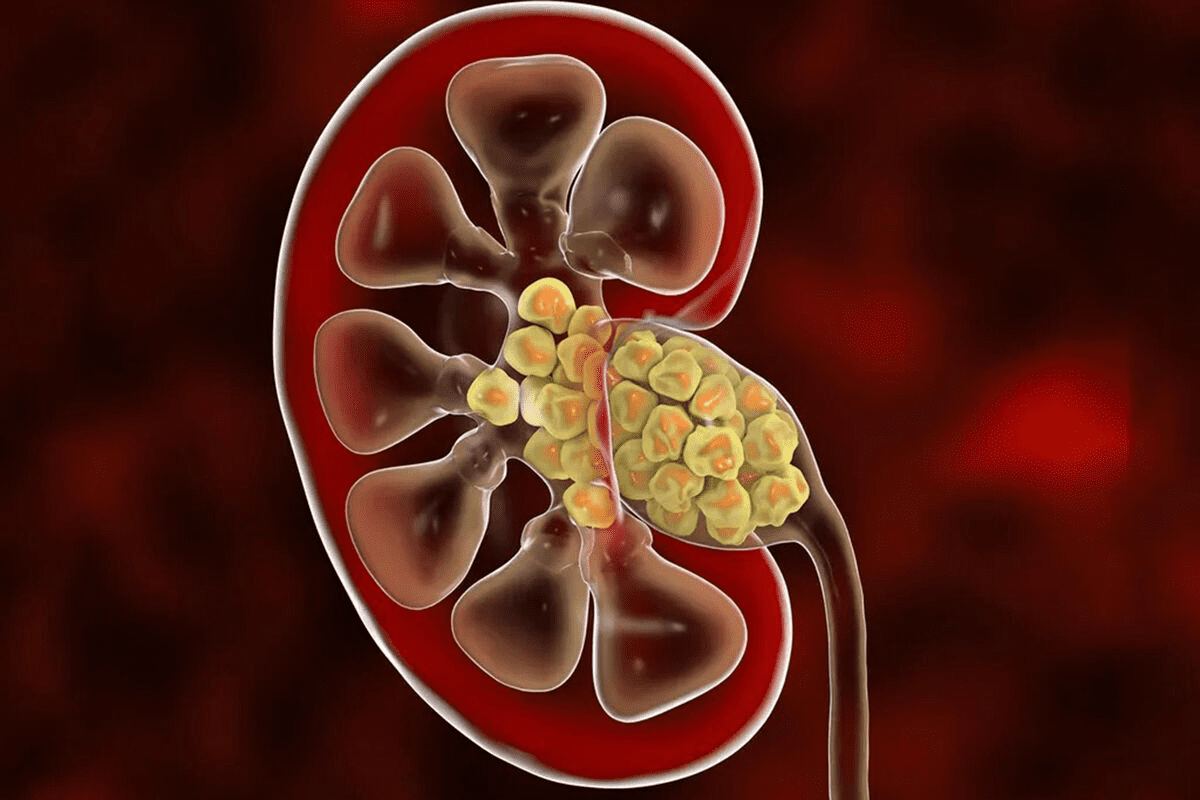
Dealing with kidney stones is painful and stressful. Knowing the signs of a kidney stone is key to getting help fast. We’ll look at drinks and diets that ease pain and keep kidneys healthy.

image is to be corrected’
Drinking lots of water is a top natural way to clear kidney stones. A kidney stone is a small, solid mass of tiny crystals. Drinking water helps prevent these stones and lowers the chance of more problems.
Key Takeaways
- Drinking plenty of water helps to flush out kidney stones.
- Understanding the signs of a kidney stone is key to quick medical help.
- Other drinks may help with kidney stone symptoms.
- Staying hydrated is essential to prevent kidney stones from forming.
- Good diet choices can help kidney health and lower stone risk.
The Reality of Kidney Stones and Their Impact
Kidney stones, or renal calculi, are hard deposits that form inside the kidneys. They can cause severe pain, known as kidney stone pain or pain of renal stone. This pain is a big health worry for many people. It’s key to know what kidney stones are and how they form to manage and prevent them.
What Are Kidney Stones?
Kidney stones are solid masses of crystals that form in urine. There are four main types: calcium, uric acid, struvite, and cystine stones. These stones form due to diet, how much you drink, and genetics.
For women, what causes kidney stones includes dehydration, certain diets, and family history. Knowing these causes can help prevent stones.
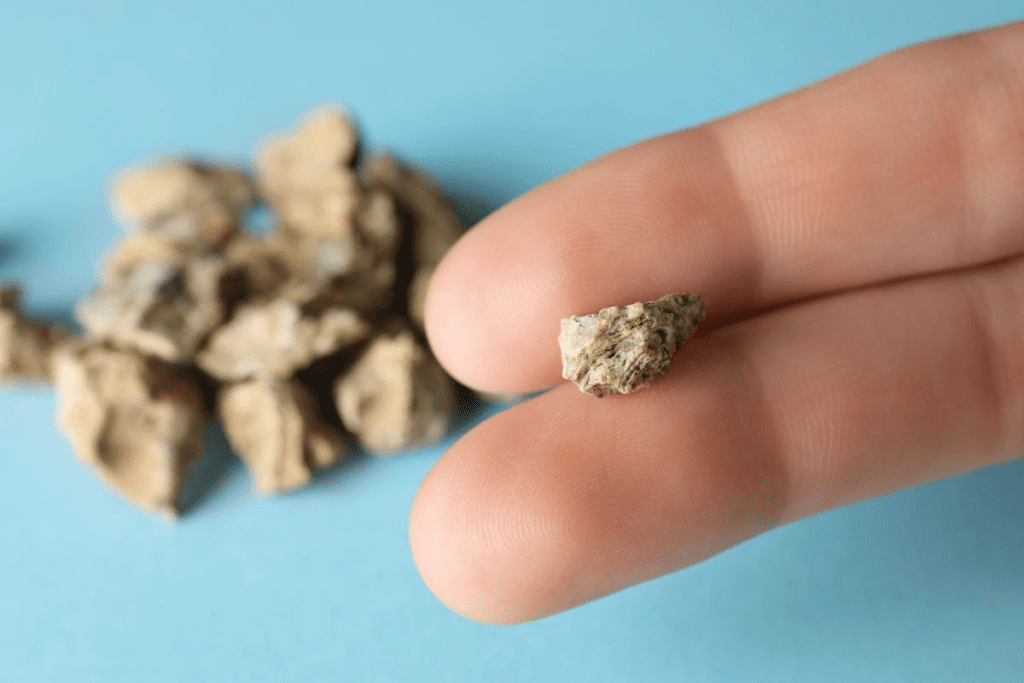
image is to be corrected’
How Beverages Can Help With Management and Prevention
Drinking enough water is key to preventing kidney stones. It makes urine flow more, helping prevent stones and making them easier to pass.
We’ll look at drinks that help manage and prevent kidney stones. We’ll see their benefits and how to add them to your diet.
Common Symptoms of Kidney Stones You Shouldn’t Ignore
It’s important to know the signs of kidney stones to get help quickly. These stones can cause a lot of pain and discomfort, and how they affect you can vary.

Physical Pain and Discomfort
Severe pain is a common symptom of kidney stones. This pain often starts in the back or side and moves to the lower abdomen or groin. It can be constant or come and go, and its intensity can change.
Severe pain can also make you feel sick to your stomach and cause vomiting. Sometimes, the pain is so bad it makes it hard to do everyday things.
Urinary Changes and Other Warning Signs
Kidney stones can also change how you urinate. You might see blood in your urine, making it look pink, red, or brown. You might also urinate more often, feel pain while urinating, or have a strong urge to go.
Other signs include fever and chills, which can happen if you have an infection. If you notice any of these symptoms, you should see a doctor right away.
Drinking enough water is key to avoiding kidney stones. Aim for 2-3 liters of water a day. This helps keep your urine diluted, which lowers the chance of minerals forming stones.
By knowing these symptoms and staying hydrated, you can lower your risk of getting kidney stones. Also, be careful with what you eat to help prevent them.
The Science Behind Hydration and Kidney Stone Prevention
Drinking enough water is key to preventing kidney stones. It keeps our kidneys healthy and stops stones from forming.
How Fluid Intake Affects Stone Formation
Drinking plenty of water all day can lower the risk of kidney stones. It helps our kidneys work right, flushing out minerals that could form stones. Adequate fluid intake also makes these minerals less concentrated in our urine, which lowers the chance of stones.
Studies show that drinking at least 2 quarts (2 liters) of water a day can help prevent kidney stones. This is because more urine helps remove minerals that can form stones.
Recommended Daily Fluid Consumption
How much water should we drink daily to prevent kidney stones? The “eight glasses a day” rule is a good start, but needs can vary. A better goal is to drink enough to make at least 2 liters of urine per day.
The type of fluid we drink also matters. For example, adding lemon juice to water can boost urinary citrate levels. This helps prevent stones from forming.
Signs of Adequate Hydration
How do we know if we’re drinking enough water? Look at the color of your urine. Pale yellow or clear urine means you’re hydrated. Dark yellow or amber urine means you need to drink more.
Also, listen to your body. If you’re urinating often and don’t feel thirsty, you’re likely drinking enough. This helps keep your kidneys healthy and prevents stones.
Water: The Most Effective Natural Remedy
Drinking plenty of water is the best natural way to prevent and get rid of kidney stones. It’s important for keeping your kidneys working well and staying healthy.
“Adequate hydration is essential for preventing kidney stone formation,” says a leading expert in urology. Water helps to dilute the urine, reducing the concentration of minerals that can form stones. If we don’t drink enough, our urine gets more concentrated, raising the risk of stones.
How Water Helps Flush Out Kidney Stones
Water is key in flushing out kidney stones by making more urine. This helps move stones through the urinary tract and out of the body, lowering the risk of problems. Drinking enough water also helps prevent new stones from forming.
image is to be corrected’
Scientific Evidence Supporting Water Consumption
Many studies show water’s benefits in preventing kidney stones. People who drink more water have a lower risk of kidney stones than those who drink less. A study in the Journal of the American Society of Nephrology found that drinking a lot of fluids reduces the risk of getting kidney stones again.
“Increasing water intake is a simple yet effective strategy for reducing the risk of kidney stones.”
Best Practices for Increasing Water Intake
To get the most from water for preventing kidney stones, drink enough all day. Here are some tips:
- Drink at least 8-10 glasses of water per day.
- Check your urine to make sure it’s pale yellow or clear.
- Avoid sugary drinks and caffeine, as they can dry you out.
- Make water taste better by adding lemon or lime slices.
By following these tips, you can lower your risk of kidney stones and keep your kidneys healthy.
Lemon Water: Harnessing the Power of Citrate
Lemon water is a simple way to prevent kidney stones. It’s because of its citrate content. This drink can be a great addition to your daily routine to help with kidney stone pain and prevent more stones.
Citrate’s Role in Inhibiting Stone Formation
The citrate in lemons helps stop kidney stones from forming, mainly calcium stones. Citrate stops crystals from growing, which are the stones’ building blocks. It does this by binding with calcium, reducing the chance of stones forming.
Adding lemon juice to water boosts urinary citrate levels. This is good for those who often get kidney stones. Lemons have citrate, which stops calcium stones from forming.
Research Supporting Lemon Juice for Kidney Stones
Many studies have looked into lemon juice’s effect on kidney stones. They show that lemon juice can raise urinary citrate levels, lowering stone risk. A study in a medical journal found that lemon juice boosts citrate excretion, helping prevent stones.
Preparing Effective Lemon Water
To get the most from lemon water, make it right. Mix one lemon’s juice with 8 ounces of water. You can adjust the lemon juice to your taste, but start small to avoid stomach issues. Drinking it often helps keep citrate levels up.
Adding lemon water to your daily routine helps prevent kidney stones and eases kidney stone pain. Always talk to a healthcare professional before making any diet changes, even if you’re just adding lemon water.
Apple Cider Vinegar: A Possible Solution for Kidney Stones
Apple cider vinegar might help with kidney stones because of its acetic acid. We’ll look into how this common item could aid in managing and stopping kidney stones.
How Acetic Acid Affects Kidney Stones
The acetic acid in apple cider vinegar could be key in helping with kidney stones. Acetic acid may dissolve or stop kidney stones from forming by changing the urine’s chemical makeup. It might also boost citrate levels in urine, which can stop calcium stones from forming.
The 2019 Clinical Study Results
A 2019 study looked at vinegar’s effect on kidney stones. It found that drinking vinegar daily raised urinary citrate and lowered calcium levels. These changes can help prevent kidney stones from forming. This suggests apple cider vinegar could help prevent kidney stones from coming back.
Safe Consumption Methods and Dosage
If you’re thinking about using apple cider vinegar for kidney stones, knowing how to use it safely is important. Mix apple cider vinegar with water to avoid stomach upset. Aim for 1-2 tablespoons in a big glass of water, taken once or twice a day. But always talk to your doctor before starting if you have health issues.
Learning about apple cider vinegar’s benefits and safe use can help you decide if it’s right for your kidney stone prevention plan.
Basil and Celery Juices: Natural Anti-Inflammatory Options
Basil and celery juices have antioxidants and anti-inflammatory compounds. They may help keep your kidneys healthy. These natural remedies are getting attention for their kidney health benefits and stone prevention.
Basil Juice Benefits for Kidney Function
Basil has antioxidants and anti-inflammatory properties. These can support kidney function. Anti-inflammatory compounds in basil may reduce kidney inflammation, improving overall health.
To add basil juice to your diet, follow these steps:
- Blend a handful of fresh basil leaves with water.
- Strain the mixture to remove any solids.
- Drink the juice on an empty stomach for best results.
Regularly drinking basil juice may reduce oxidative stress and inflammation. This supports kidney function.
Celery Juice and Kidney Stone Prevention
Celery juice may help prevent kidney stones. Its anti-inflammatory and antioxidant properties can lower the risk of stone formation. Studies show celery juice can:
- Lower urinary oxalate levels are a common stone component.
- Improve overall urinary health.
Adding celery juice to your daily routine is easy. Just juice fresh celery stalks and drink it. It’s best to drink it on an empty stomach for better absorption.
Knowing the benefits of basil and celery juices helps people make smart choices. They can include these natural remedies in their kidney health plan.
Other Herbal Teas and Infusions for Kidney Health
Many herbal teas can help with kidney health and kidney stones. Adding them to your diet may offer extra benefits. This is beyond what regular treatments can do.
Dandelion Tea Benefits
Dandelion tea is known for its ability to increase urine output. It helps remove waste from the body. This is great for people with kidney stones, as it helps flush them out.
Dandelion tea’s diuretic properties also lower mineral concentration. This can reduce the risk of new stones forming.
Nettle Tea for Kidney Function
Nettle tea supports kidney health. It has anti-inflammatory properties that protect the kidneys from damage.
Studies show nettle tea may improve kidney function. It reduces oxidative stress and promotes a healthy urinary tract.
Marshmallow Root Tea as a Diuretic
Marshmallow root tea is a natural diuretic and soothes the urinary tract. Its mucilaginous properties calm irritated tissues. This may help ease the passage of kidney stones.
While more research is needed, marshmallow root tea is seen as a gentle addition to a kidney-friendly diet.
Before adding these herbal teas to your routine, talk to a healthcare professional. This is important if you have health conditions or are on medications. They can help you decide if these teas are right for you.
Cranberry Juice: Separating Fact from Fiction
Cranberry juice has been used for many years to help with urinary tract problems. But its role in preventing kidney stones is debated. Some think it might help, while others say the proof is lacking.
Effects on Urinary pH and Kidney Stones
Cranberry juice can change the pH of urine, which might affect kidney stones. The acidity in cranberry juice could prevent some types of kidney stones by making urine more acidic. But this effect can differ based on diet and health.
A study in the Journal of Urology found cranberry juice didn’t lower the risk of kidney stones in women.
“The lack of a significant association between cranberry juice consumption and reduced risk of kidney stones suggests that its role in prevention may be limited.”
This shows how tricky it is to use cranberry juice as a prevention method.
When to Avoid Cranberry Juice
While cranberry juice might help some, it’s not good for everyone. People with calcium oxalate stones should be careful because it’s high in oxalate. Too much oxalate can raise the risk of these stones.
Also, those with kidney disease or taking blood thinners should talk to their doctor before drinking cranberry juice often.
Research-Based Recommendations
The National Kidney Foundation says cranberry juice might not stop kidney stones. So, it’s key to look at other proven ways to prevent them, like drinking enough water and changing your diet.
If you want to try cranberry juice, do it in small amounts. A diluted version might be safer and helpful. But we need more studies to know for sure.
Coconut Water and Pomegranate Juice: Beneficial Alternatives
Coconut water and pomegranate juice are getting attention for their kidney health benefits. They are not only tasty but also have special properties. These can help manage and prevent kidney stones.
Electrolyte Benefits of Coconut Water
Coconut water is full of electrolytes like potassium. Potassium is key to many body functions. It helps balance fluids and can lower the risk of stones. It also keeps you hydrated, which is vital for avoiding kidney stones.
“Drinking coconut water is a smart choice for better fluid intake and kidney health,” say health experts. Its natural electrolytes make it a great choice for staying hydrated without sugary drinks.
Antioxidant Properties of Pomegranate Juice
Pomegranate juice is packed with antioxidants. Antioxidants fight oxidative stress, which can lead to kidney stones. Drinking pomegranate juice can improve kidney function and lower stone risk.
Incorporating These Drinks Into Your Diet
To get the most from coconut water and pomegranate juice, add them to your diet. Here are some tips:
- Drink coconut water after working out or in the heat to replace lost electrolytes.
- Drink pomegranate juice in small amounts because of its sugar. Choose 100% juice without added sugars.
- Try mixing coconut water with lime or lemon juice for flavor and extra health benefits.
Adding these drinks to your hydration routine can help your kidney health. It might also lower the risk of kidney stones. Always talk to a healthcare professional before making any diet changes.
Beverages to Avoid When Dealing With Kidney Stones
Knowing which drinks to avoid is key to managing kidney stones. Some drinks can make stones worse. Knowing this helps you make better diet choices.
High-Oxalate Drinks
Drinks with a lot of oxalate can raise your risk of kidney stones. This is true for those who often get calcium oxalate stones. Here are some examples:
- Dark Leafy Green Juices: These juices, like spinach, are full of oxalate.
- Chocolate-Based Drinks: Chocolate has oxalate, so drinks made with it can be risky.
- Certain Fruit Juices: Juices from berries can also have a lot of oxalate.
Knowing about these drinks can help lower your risk of getting stones.
Sugary Drinks and Their Impact
Sugary drinks are bad for many health issues and can also increase your risk of kidney stones. It’s best to limit or avoid:
- Soda: Both regular and diet sodas can raise your risk of stones.
- Fruit Drinks with Added Sugars: Unlike 100% fruit juices, these can be harmful.
- Sweetened Teas and Coffees: Adding a lot of sugar to these can be risky for stones.
Alcohol and Caffeine Restrictions
While a little alcohol and caffeine is okay for most, too much can harm. It’s important to know:
- Excessive Alcohol Consumption: Drinking too much can lead to dehydration and increase your risk of stones.
- High Caffeine Intake: While some caffeine is safe, too much can be a diuretic. This can cause dehydration if you don’t drink enough water.
Staying balanced with your diet and watching these drinks can help manage and prevent kidney stones.
Conclusion: Creating Your Kidney Stone Prevention Drinking Plan
Creating a drinking plan is key to preventing kidney stones. Knowing how hydration works and choosing the right drinks can lower your risk. We’ve looked at drinks like water, lemon water, and herbal teas that help prevent stones.
To pass kidney stones, staying hydrated is important. Drinking fluids that help flush out stones is also key. The time it takes to pass a stone varies, but a good drinking plan can ease symptoms and keep your kidneys healthy. Making smart choices about what we drink helps prevent stones and keeps our kidneys working well.
By picking the right drinks and avoiding bad ones, we can make a plan that fits us. This plan helps us stay on track and lowers the chance of getting kidney stones. It keeps our kidneys in top shape.
FAQ
What are the most effective drinks to help destroy kidney stones?
Drinking lots of water is the top advice. But lemon water, apple cider vinegar, basil juice, and celery juice might also help prevent and pass kidney stones.
How does hydration help prevent kidney stone formation?
Hydration helps flush out stones and prevents them by diluting minerals in urine that can cause stones.
What are the common symptoms of kidney stones?
Common symptoms include physical pain and discomfort, changes in urine, and other signs like nausea, vomiting, and needing to urinate often.
How can lemon water help prevent kidney stones?
Lemon water has citrate, which stops stone formation by binding to minerals that can cause stones.
Is apple cider vinegar effective in treating kidney stones?
Apple cider vinegar has acetic acid, which might dissolve stones. But its effectiveness is being studied, and it should be used safely and in small amounts.
What are the benefits of basil and celery juices for kidney health?
Basil juice may boost kidney function. Celery juice might prevent stones because of its anti-inflammatory properties.
Can herbal teas and infusions help support kidney health?
Yes, teas like dandelion, nettle, and marshmallow root may help kidney health. They are diuretic and anti-inflammatory.
Is cranberry juice effective in preventing kidney stones?
Cranberry juice might prevent urinary tract infections. But its role in preventing kidney stones is debated and varies by person.
What beverages should be avoided when dealing with kidney stones?
Avoid high-oxalate drinks, sugary drinks, and too much alcohol and caffeine. They can make the condition worse.
How can I create a personalized drinking plan to prevent kidney stones?
Drink water, lemon water, and herbal teas. Avoid harmful drinks. This can lower your risk of kidney stones.
How long does it take to pass a kidney stone?
The time to pass a stone varies. It depends on the stone’s size, location, and individual factors.
What causes kidney stones in women?
Kidney stones in women can be due to dehydration, diet, and genetics.
What are the signs of a kidney stone?
Signs include severe pain, nausea, vomiting, and changes in urine. These may need medical attention.
References
Sorensen, E. N., & Robertson, W. G. (2020). The role of fluid intake in the prevention of kidney stone disease. Urology Research & Practice. https://urologyresearchandpractice.org/Content/files/sayilar/155/3-The.pdf