Last Updated on December 1, 2025 by Bilal Hasdemir
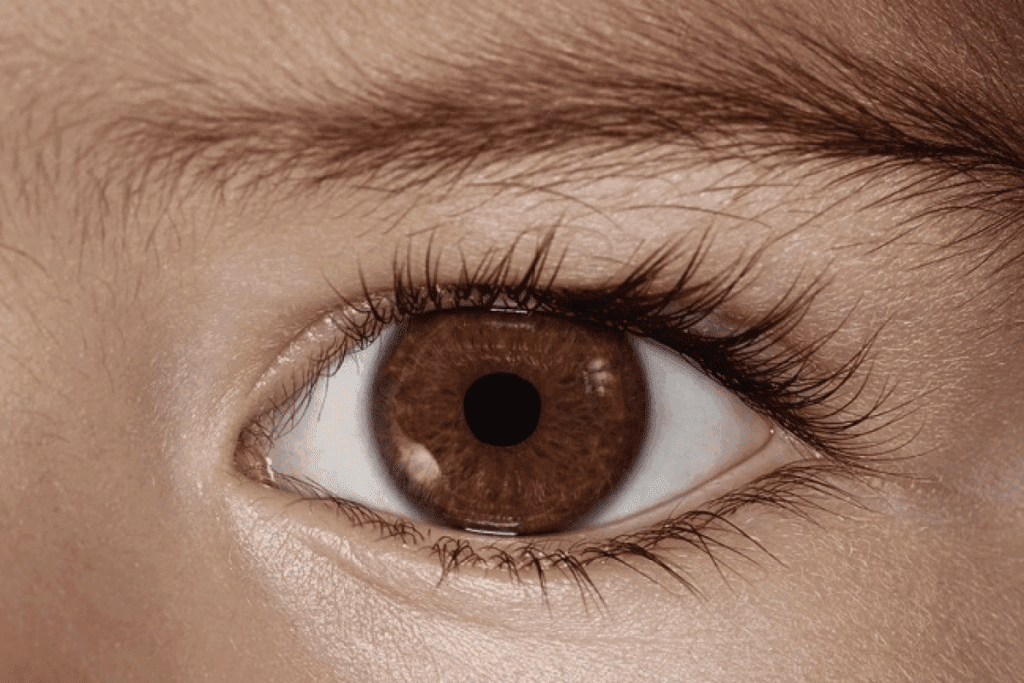
Retinoblastoma is a rare and aggressive eye cancer that affects young children. It cures the disease and avoids removing the eye in 80% of cases.
As a parent, worrying about your child’s health is normal, even more so when it’s about their vision. We’ll look into when retinoblastoma usually starts, how it’s diagnosed, and the treatment options.
Key Takeaways
- Retinoblastoma is a rare childhood cancer of the eye.
- Intra-arterial chemotherapy is a highly effective treatment.
- Early diagnosis is key for successful treatment.
- Knowing when it starts is important for parents.
- Retinoblastoma treatment has made big strides.
Understanding Retinoblastoma: An Overview
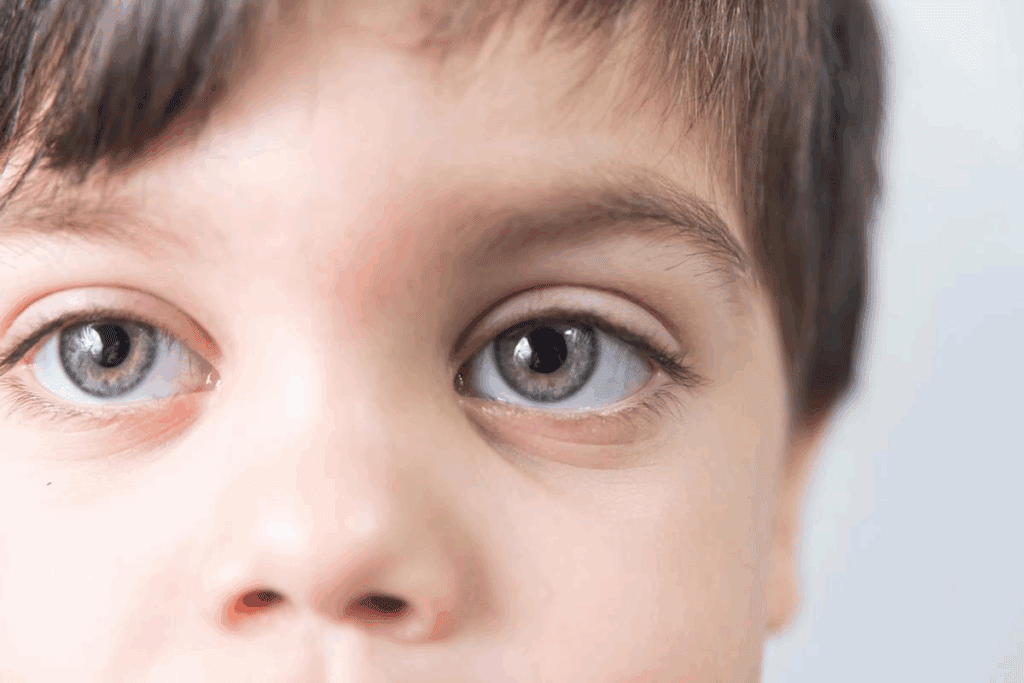
Learning about retinoblastoma starts with knowing what it is and how common it is. It’s a complex eye cancer that needs a detailed approach to diagnose and treat.
Definition and Basic Facts
Retinoblastoma is a rare eye cancer that grows in the retina, the part of the eye that catches light. It often shows up in kids under 5. It can be passed down in families or happen by chance, linked to a specific gene.
Important facts about retinoblastoma are:
- It’s a rare cancer, found in about 1 in 15,000 to 1 in 20,000 babies worldwide.
- Finding it early is key to treating it well and saving vision.
- It can happen in one eye or both.
Prevalence and Statistics
Retinoblastoma is rare, affecting about 1 in 15,000 to 1 in 20,000 babies. Most cases are found in kids under 5, showing why early checks are important.
Some important stats on retinoblastoma are:
- It’s about 3% of all childhood cancers.
- In the U.S., around 300 kids get it each year.
- Worldwide, it’s more common in some places because of genes and environment.
As we learn more about retinoblastoma, knowing how common it is and the genetic links is key. It helps us find better treatments and support families dealing with it.
The Typical Age of Onset for Retinoblastoma
Knowing when retinoblastoma starts is key for catching it early. This rare eye cancer mostly hits young kids.
It can show up at any age, but mostly in kids under three. This means we must watch infants and toddlers closely for signs.
Retinoblastoma in Newborns and Infants
Retinoblastoma in babies is rare but hard to spot. Symptoms can be small and missed at check-ups.
Look out for:
- A white glow or reflection in the pupil, known as leukocoria
- Crossed eyes or strabismus
- Poor vision or unusual eye movements
Spotting it early in babies is very important. It can make a big difference in treatment. Parents should watch for odd signs and talk to a doctor if they see anything.
Retinoblastoma in Toddlers and Older Children
In older kids, retinoblastoma’s signs are clearer. Look for:
- Vision problems or complaints of poor eyesight
- A difference in the size or shape of the eyes
- Eye redness or swelling
Parents and caregivers should know these signs. If something seems off, get medical help fast. Early treatment can really help kids with retinoblastoma.
Regular eye checks for kids are a must, even more so if there’s a family history. Being alert and proactive helps catch and treat this disease better.
Types of Retinoblastoma
Retinoblastoma is divided into two main types: hereditary and non-hereditary. Each type has its own genetic traits. Knowing the type helps doctors understand the disease better and choose the right treatment.
Hereditary Retinoblastoma
Hereditary Retinoblastoma makes up about 40% of cases. It happens when a child gets a mutated RB1 gene from their parents. This gene increases the child’s risk of getting Retinoblastoma. Familial DNA testing can spot people at risk.
“A germline mutation in the RB1 gene raises the risk of Retinoblastoma and other cancers later,” say genetic oncology experts.
Non-Hereditary (Sporadic) Retinoblastoma
Non-hereditary or sporadic Retinoblastoma makes up about 60% of cases. It’s caused by a random mutation in the RB1 gene in retinal cells. This type usually affects only one eye.
Knowing if Retinoblastoma is hereditary or non-hereditary is key for family screening and genetic counseling. Hereditary cases often involve both eyes and increase the risk of other cancers. Non-hereditary cases usually stay in one eye.
Figuring out the type of Retinoblastoma is critical for treatment and family guidance. Families with Retinoblastoma should get full genetic testing. This helps manage risks and plan care.
The Genetics Behind Retinoblastoma
Retinoblastoma is closely linked to genetic alterations, mainly in the RB1 gene. The RB1 gene acts as a tumor suppressor. It controls cell growth and division. Mutations in this gene can lead to retinoblastoma.
The Retinoblastoma Gene (RB1)
The RB1 gene is key in controlling cell growth. It encodes a protein that regulates the cell cycle. This prevents too much cell division. If both copies of the RB1 gene are mutated, the risk of retinoblastoma goes up a lot.
Studies show the RB1 gene is linked to retinoblastoma and other cancers. Knowing how the RB1 gene works and its mutations helps us understand tumor formation.
Genetic Mutations and Inheritance Patterns
Retinoblastoma can be hereditary or non-hereditary. Hereditary retinoblastoma happens when a child gets a mutated RB1 gene from a parent. This makes the risk of retinoblastoma higher and it often starts at a younger age.
Genetic testing can find RB1 gene mutations. This helps figure out the risk of retinoblastoma in family members. Knowing how it’s inherited is key for genetic counseling and managing family risk.
| Inheritance Pattern | Description | Risk of Retinoblastoma |
| Hereditary | Mutated RB1 gene inherited from a parent | High |
| Non-Hereditary | Spontaneous mutations in the RB1 gene | Low to Moderate |
Genetic counseling is advised for families with retinoblastoma history. It helps understand risk and make informed family planning decisions. It also helps watch for early disease signs.
Knowing the genetics of retinoblastoma is key for early detection and management. By spotting genetic mutations and understanding how it’s passed down, we can better manage risk. This improves outcomes for families affected.
Symptoms of Retinoblastoma
Spotting retinoblastoma early is key. Its first signs can be hard to see. We’ll look at these signs to help spot them early.
Early Warning Signs
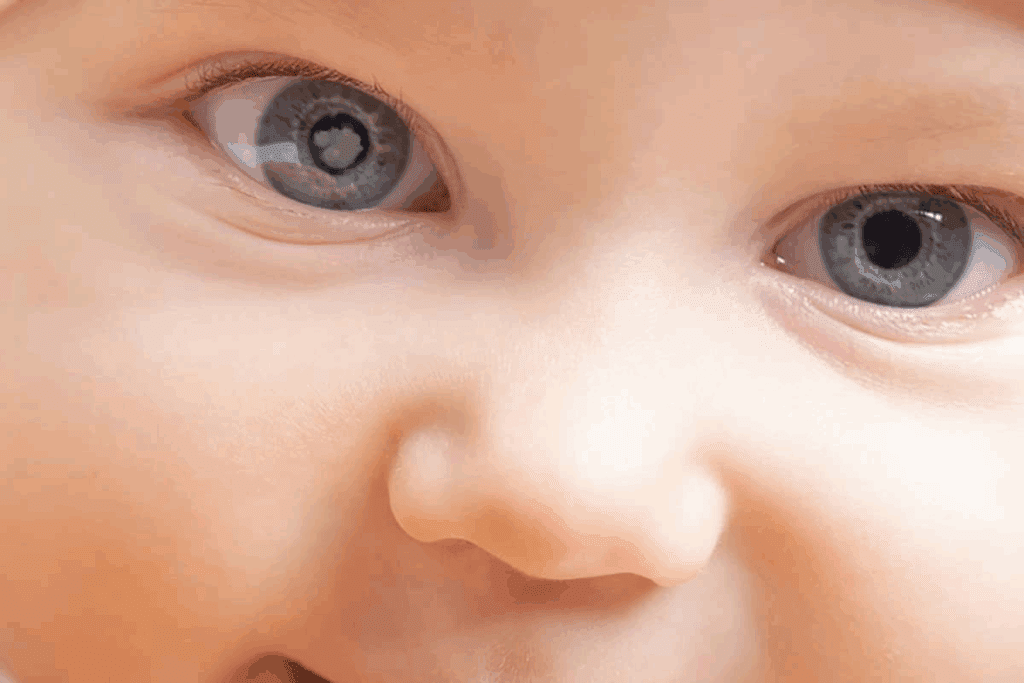
Leukocoria, or the “white pupil reflex,” is a common sign. It looks like a white glow in the eye. This happens when a tumor reflects light differently.
Strabismus, or crossed eyes, is another sign. It happens when the tumor messes with eye alignment. This can be seen when eyes don’t line up right.
Advanced Symptoms
As retinoblastoma gets worse, more symptoms show up. These include vision changes and eye abnormalities. Kids might have trouble seeing or feel eye pain.
In serious cases, the eye might look red, swollen, or bulge out. It’s important to watch for these signs. If you see anything odd, get medical help fast. Early treatment is much better.
Leukocoria: The White Glow in the Eye
Leukocoria is often seen in photos and is a key early sign of retinoblastoma. It shows as a white glow or reflection in the pupil. This can worry parents and caregivers a lot.
Causes of the White Pupil Reflex
The white pupil reflex, or leukocoria, happens when light reflects off a tumor or abnormal tissue in the eye. In retinoblastoma, this usually happens when a tumor grows in the retina. It reflects light back through the pupil.
Key factors contributing to leukocoria include:
- The presence of a tumor within the eye
- Abnormal tissue growth within the retina
- Reflection of light off the tumor
Detecting Leukocoria in Photographs
Leukocoria is often found in photos taken with a flash. If a tumor is there, the pupil might look white or cloudy. This is because light reflects off the tumor.
To spot leukocoria in photos, look for:
- A white or cloudy look in one or both pupils
- An odd reflection or glow in the eye
| Signs to Look For | Description |
| White Pupil Reflex | A white or cloudy look in the pupil |
| Unusual Reflection | An odd glow or reflection in the eye |
If you see any odd signs or symptoms in your child’s eyes, in photos or not, see a doctor right away. They can check it out and give advice.
Visual Changes and Eye Abnormalities
It’s important to know about visual changes and eye problems linked to retinoblastoma. This serious eye cancer mainly hits young kids. It can cause noticeable eye changes.
Strabismus (Crossed Eyes)
Strabismus, or crossed eyes, is a common sign of retinoblastoma. The tumor can mess with the eye’s alignment. This makes the eyes point in different directions. If you see this, it’s a sign to get a doctor’s check-up right away.
Changes in Eye Appearance and Vision
Retinoblastoma can also change how the eye looks and how well it sees. Leukocoria, or a white pupil, is a known symptom. But, other signs include a red, swollen, or big eye. Kids might have trouble seeing or say they can’t see well.
Keep an eye out for any changes in your child’s eyes or vision. Catching retinoblastoma early can really help with treatment. If you see signs like strabismus, leukocoria, or other eye issues, see an eye doctor or a pediatrician. They can check things out and tell you what to do next.
When to Seek Medical Attention
Retinoblastoma symptoms can be scary. Knowing when to get medical help is key. As a parent, knowing the signs your child needs care fast can help a lot. We’ll talk about urgent symptoms and what to expect at the first doctor visit.
Recognizing Urgent Symptoms
Retinoblastoma shows itself in several urgent signs. These need quick medical check-ups. Here are some:
- Leukocoria: A white glow in the pupil, seen in low light or photos.
- Strabismus: Crossed eyes or squint, a sign of vision issues.
- Vision Changes: Blurred vision or seeing problems, hard to spot in young kids.
- Eye Redness or Swelling: Long-lasting redness, swelling, or inflammation.
- Poor Vision or Blindness: Noticeable vision loss or blindness in advanced cases.
What to Expect at the First Doctor Visit
If you think your child has retinoblastoma symptoms, see a pediatrician or ophthalmologist. Here’s what happens:
- Comprehensive Eye Examination
- Medical History: The doctor will ask about your child’s health, family history, and symptoms.
- Diagnostic Tests: Tests like ultrasound, MRI, or CT scans might be done to confirm retinoblastoma.
| Symptom | Description | Action |
| Leukocoria | White glow in the pupil | Seek immediate medical attention |
| Strabismus | Crossed eyes or squint | Consult an ophthalmologist |
| Vision Changes | Blurred vision or difficulty seeing | Schedule an eye examination |
Diagnosing Retinoblastoma
Diagnosing retinoblastoma involves several steps. These include eye exams, imaging tests, and genetic testing. This detailed approach helps doctors accurately diagnose and treat the disease.
Eye Examinations and Clinical Assessment
The first step in diagnosing retinoblastoma is a detailed eye exam. We do these exams under anesthesia to keep the child comfortable and get accurate results. The exam includes:
- Visual inspection of the eye
- Assessment of the retina using specialized instruments
- Measurement of intraocular pressure
As a renowned ophthalmologist, once said,
“The diagnosis of retinoblastoma is mainly based on what the tumor looks like during an exam under anesthesia.”
Imaging Tests and Procedures
Imaging tests are key in diagnosing retinoblastoma and seeing how far it has spread. We use different imaging methods, including:
- Ultrasound: To check the tumor’s size and spread
- MRI (Magnetic Resonance Imaging): To see if the tumor has spread to other areas
- CT scans: Though less used because of radiation risks, CT scans help spot calcification in the tumor
Genetic Testing and Family Screening
Genetic testing is vital in diagnosing retinoblastoma, focusing on the RB1 gene. We suggest genetic testing for all retinoblastoma patients. For families with known RB1 mutations, prenatal or early infancy testing can lead to early detection and management.
The American Academy of Ophthalmology highlights the importance of genetic testing. It helps in early detection in family members and guides treatment plans.
Staging and Classification of Retinoblastoma
The International Classification System for retinoblastoma helps doctors stage the disease. This system is key for knowing how far the disease has spread. It guides the choice of treatments.
International Classification System
The International Classification System is widely used for staging retinoblastoma. It sorts the disease based on tumor size and spread. This helps doctors predict how well treatment will work and choose the best options.
The system has different groups:
| Group | Description |
| A | Tumors are small and localized, with a high likelihood of successful treatment with focal therapies. |
| B | Tumors are larger, but confined to the retina, and may require more aggressive treatment. |
| C | Tumors have seeded into the vitreous, indicating a more advanced disease that may require chemotherapy or other systemic treatments. |
| D | Tumors are extensive, with significant seeding and a risk of retinal detachment, requiring intensive treatment. |
| E | Tumors are very advanced, with a high risk of extraocular extension or other severe complications. |
How Staging Affects Treatment Decisions
The stage of retinoblastoma at diagnosis greatly affects treatment choices. For early stages (Groups A and B), treatments like laser or cryotherapy might be enough. But for more advanced stages (Groups C, D, and E), treatments like chemotherapy or radiation are needed.
Getting the disease’s stage right is critical for a good treatment plan. It helps doctors tailor treatment to each child’s needs. This way, they can better predict success and improve treatment outcomes.
Treatment Options for Retinoblastoma
Retinoblastoma treatment involves many methods. These depend on the tumor’s size, location, and whether it’s in one or both eyes. The patient’s overall health also plays a role.
Focal Therapies
Focal therapies target the tumor directly. They include:
- Laser Photocoagulation: Uses a laser to cut off the tumor’s blood supply.
- Cryotherapy: Freezes the tumor cells, causing them to die.
- Thermotherapy: Uses heat to kill cancer cells in the tumor.
- Brachytherapy: Places a radioactive plaque near the tumor for targeted radiation.
Chemotherapy Approaches
Chemotherapy uses drugs to kill cancer cells. It can be given through an IV or directly into the eye’s artery.
Intra-arterial Chemotherapy: This method sends drugs straight to the eye. It’s more effective and has fewer side effects.
Radiation Therapy
External beam radiation therapy (EBRT) is used for advanced cases. It sends high-energy rays to the tumor from outside the body.
Surgical Interventions
Surgery is needed for large tumors or those causing eye damage. Options include:
- Enucleation: Removes the eye, often for very advanced tumors.
- Exenteration: Removes the eye and surrounding tissues, for very advanced cases.
The table below shows the treatment options for retinoblastoma:
| Treatment Option | Description | Indications |
| Focal Therapies | Directly applied to the tumor | Small to medium-sized tumors |
| Chemotherapy | Systemic or intra-arterial | Advanced disease, multiple tumors |
| Radiation Therapy | External beam radiation | Advanced cases, failure of other treatments |
| Surgical Interventions | Enucleation or exenteration | Large tumors, significant eye damage |
Every patient’s case is different. The best treatment often combines these methods. Our team works with patients and families to find the best treatment plan. We use the latest medical advancements and consider each patient’s unique needs.
Prognosis and Survival Rates
The outlook for retinoblastoma has gotten better thanks to new treatments. Knowing what affects the prognosis and current survival rates helps patients and their families.
Factors Affecting Prognosis
Many things influence the prognosis for retinoblastoma. These include the disease’s stage at diagnosis, genetic mutations, and treatment success. Catching it early and acting fast are key to better outcomes.
Key factors influencing prognosis:
- The stage and severity of retinoblastoma at diagnosis
- The presence of metastasis or spread to other parts of the body
- The effectiveness of the chosen treatment approach
- Genetic factors, including hereditary mutations
Long-term Survival Statistics
Survival rates for retinoblastoma are good, thanks to modern medicine. In places with good healthcare, many patients live long lives after diagnosis.
| Stage at Diagnosis | 5-Year Survival Rate |
| Intraocular (within the eye) | 95-100% |
| Extraocular (spread beyond the eye) | 60-80% |
| Metastatic (spread to distant parts of the body) | 30-50% |
These numbers show how important early detection and treatment are. With the right care, many retinoblastoma patients can have a good outcome.
Getting a retinoblastoma diagnosis is tough for families. But, with the right medical help and support, the outlook can be good. It’s vital to work with doctors to find the best treatment and keep track of the disease.
Living with Retinoblastoma: Long-term Effects and Care
Children with retinoblastoma need ongoing care to watch their vision and eye health. They also face risks of secondary cancers. As they grow, managing their health is key to their well-being.
Vision and Eye Health Monitoring
Regular eye exams are vital for kids with retinoblastoma. They should see an eye doctor every year. This helps catch problems like cataracts or glaucoma early.
Important things to watch for include:
- Visual acuity to detect any decline in vision
- Eye alignment to check for strabismus
- Intraocular pressure to monitor for glaucoma
- Retinal health to identify any signs of detachment or tumors
Secondary Cancer Risks and Surveillance
Kids with hereditary retinoblastoma are at higher risk for secondary cancers, like osteosarcoma. It’s important to watch for these cancers with regular check-ups and screenings.
Recommended steps include:
- Annual physical examinations to check for any signs of secondary cancers
- Imaging studies such as X-rays or MRI scans as recommended by the healthcare provider
- Genetic counseling to understand the risks and implications for family members
Being proactive and vigilant can greatly improve the long-term health of retinoblastoma survivors. It’s a team effort between doctors, patients, and families for complete care.
Conclusion
Retinoblastoma is a rare and aggressive eye cancer that mainly affects young children. It’s vital for families to know the signs and symptoms. Early detection and treatment are key to better outcomes for kids with this disease.
We’ve looked at retinoblastoma’s genetics, symptoms, diagnosis, and treatment options. Knowing the risks and watching for signs can help families get their kids the right care on time.
We aim to keep raising awareness about retinoblastoma. We hope this article has given you the info and support you need. For survivors and their families, remember the importance of ongoing care for vision and eye health. Also, keep an eye out for secondary cancer risks.
FAQ
What is retinoblastoma?
Retinoblastoma is a rare and aggressive eye cancer. It mostly affects young children, under 5 years old. It grows in the retina, the light-sensitive part at the back of the eye.
What are the typical symptoms of retinoblastoma?
Symptoms include a white glow in the eye, crossed eyes, and changes in how the eye looks and sees.
At what age does retinoblastoma typically occur?
It usually happens in young children, under 5 years old.
What is leukocoria, and how is it related to retinoblastoma?
Leukocoria is a white glow in the eye. It happens when light reflects off a tumor or abnormal tissue. It’s a common sign of retinoblastoma.
How is retinoblastoma diagnosed?
Doctors use eye exams, imaging tests, and genetic testing to diagnose it.
What are the treatment options for retinoblastoma?
Treatments include focal therapies, chemotherapy, radiation, and surgery. The choice depends on the disease’s stage and severity.
Can retinoblastoma be cured?
Yes, many children can be cured with early diagnosis and treatment. The cure rate depends on the disease’s stage and severity.
What is the role of genetics in retinoblastoma?
It’s caused by genetic mutations in the RB1 gene. Hereditary cases come from inherited mutations. Non-hereditary cases are from spontaneous mutations.
How does staging affect treatment decisions for retinoblastoma?
Staging helps doctors choose the best treatment and predict outcomes.
What are the long-term effects of retinoblastoma, and how can they be managed?
Children need ongoing care to watch their vision and eye health. This also helps catch any secondary cancers early.
What is intra-arterial chemotherapy, and how is it used to treat retinoblastoma?
It’s a treatment that delivers chemotherapy directly to the eye through the ophthalmic artery.
Reference
- Wilne, S., Koller, K., Collier, J., Kennedy, C., Grundy, R., & Walker, D. (2010). The diagnosis of brain tumours in children: a guideline to assist healthcare professionals in the assessment of children who may have a brain tumour. Archives of Disease in Childhood, 95(7), 534–539. https://adc.bmj.com/content/95/7/534