
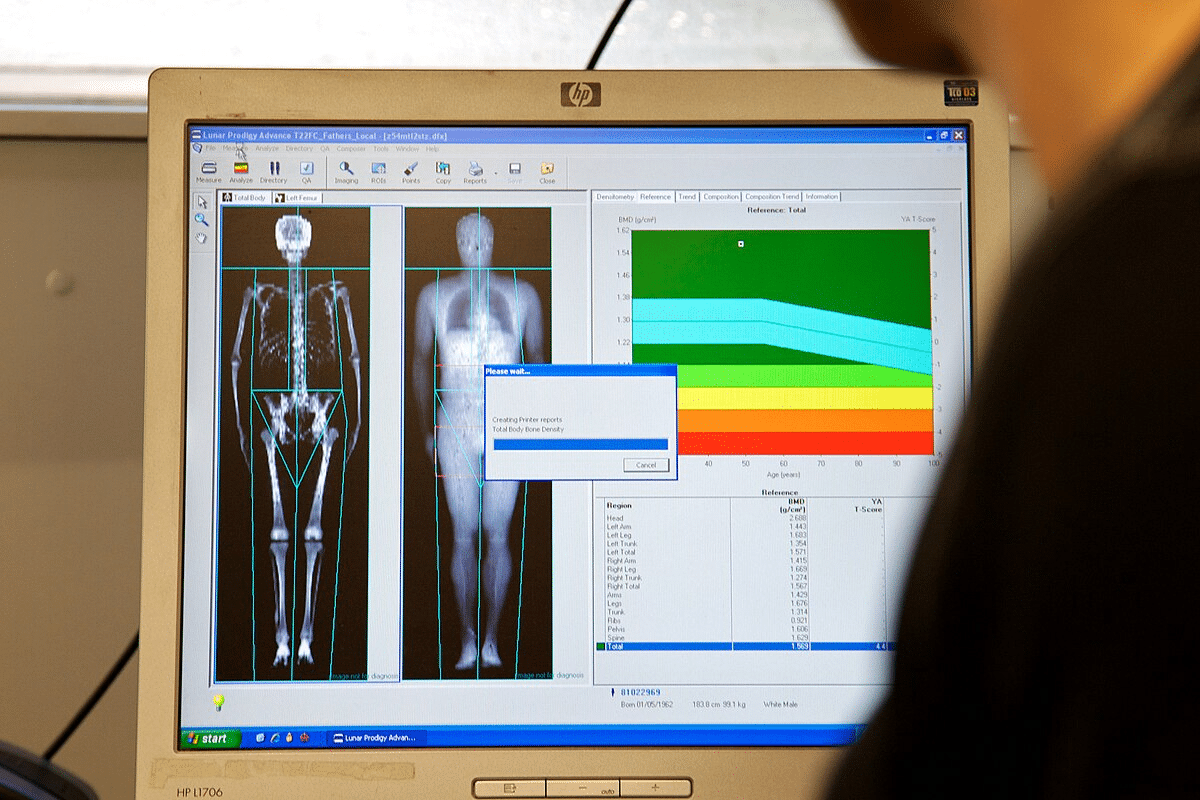
Explaining the difference and interpretation of the t score z score results from a DEXA scan for bone health assessment. Understanding your DEXA scan results is key to managing your bone health. DEXA scans are important for spotting osteoporosis and tracking bone density. They use two main metrics: T-score and Z-score.
Knowing how to read these results helps you make smart choices. It lets you find the best ways to keep your bones strong. At Liv Hospital, we think it’s important to educate patients and offer reliable medical advice for bone health.
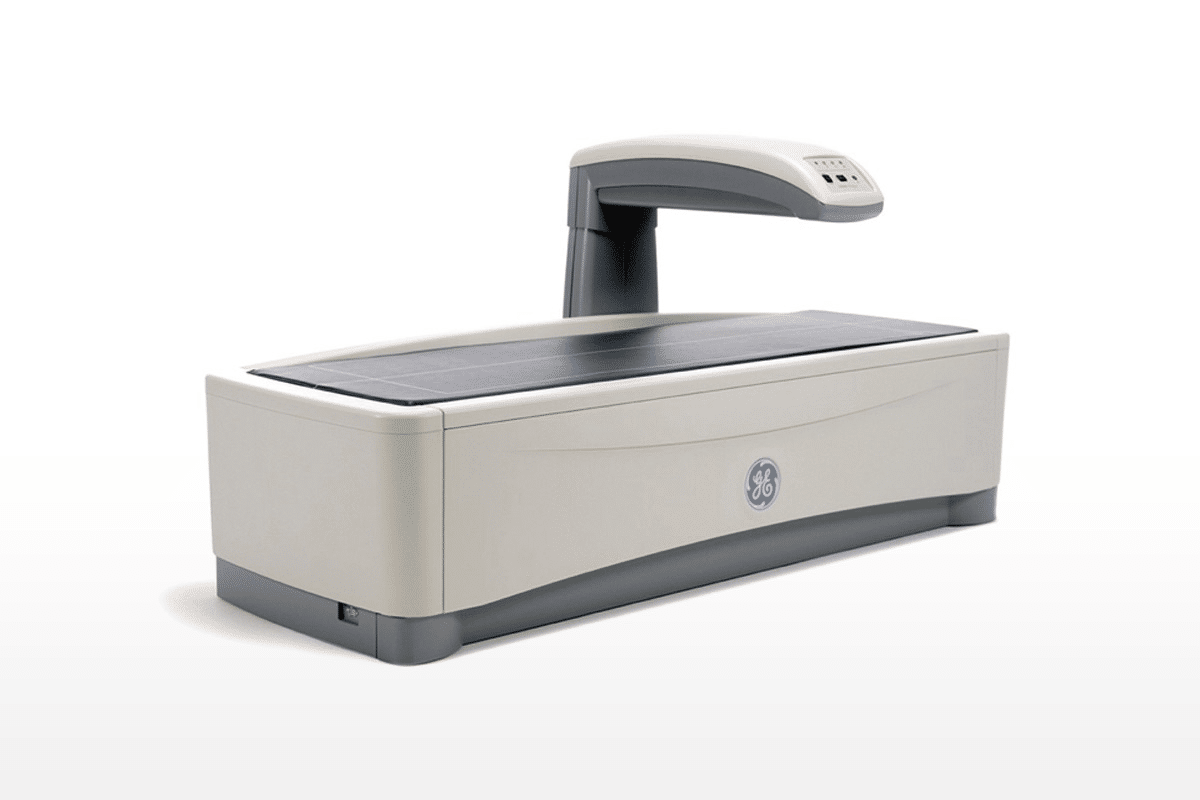
It’s important to know how DEXA scans work to understand bone density results. DEXA scans are key in checking bone health. They give accurate and detailed bone mineral density measurements.
A DEXA scan, also known as a bone density scan, is a non-invasive test. It uses low-dose X-rays to check bone strength and find fracture risks. DEXA scans are the top choice for bone mineral density because they’re very accurate.
Dual-Energy X-ray Absorptiometry (DEXA) uses two X-ray beams with different energies. These beams are absorbed differently by bone and soft tissue. This lets us calculate bone mineral density.
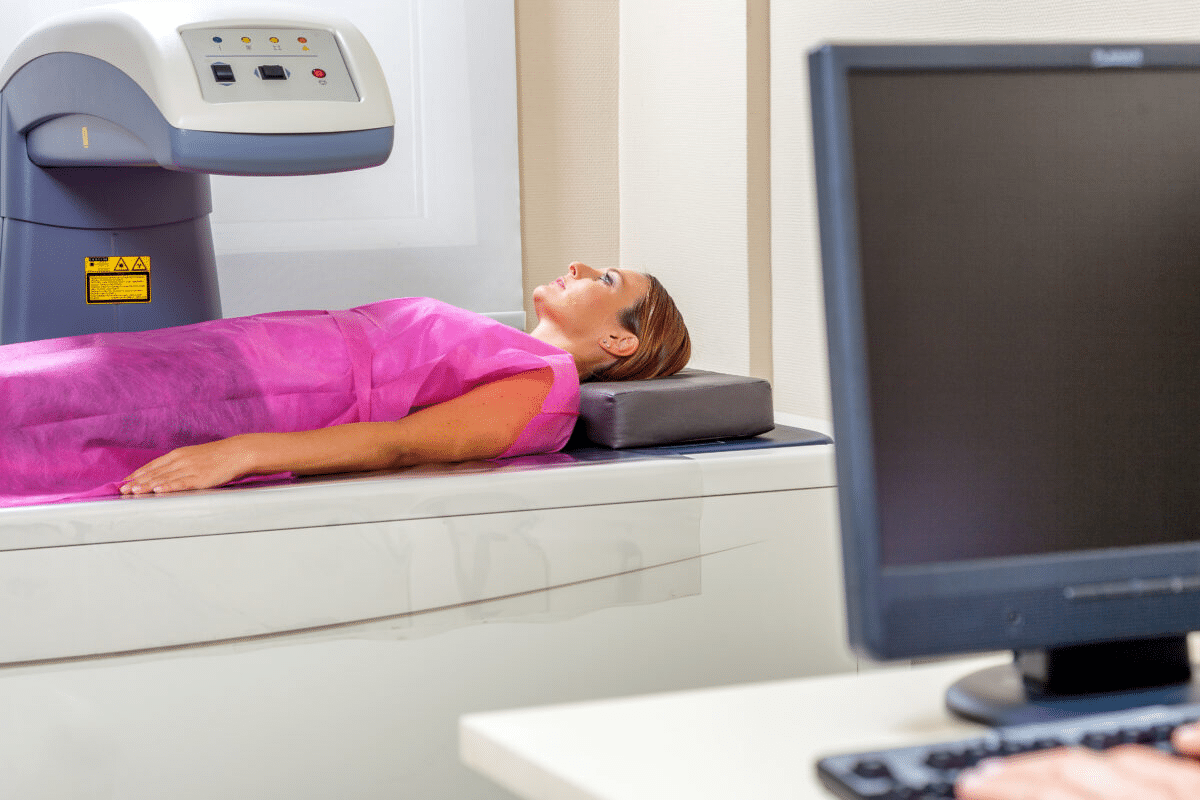
The process involves lying on a table while a scanner arm moves over your body. It usually focuses on the spine, hip, or forearm. The scan is quick, taking just a few minutes, and is painless.
DEXA scans are the top choice for bone density for several reasons:
|
Advantages of DEXA Scans |
Description |
|---|---|
|
High Accuracy |
Provides precise measurements of bone mineral density. |
|
Low Radiation |
Involves minimal exposure to X-rays, ensuring safety. |
|
Comprehensive |
Assesses bone density in multiple body areas. |
Knowing how DEXA scan technology works and its benefits helps us see why bone density measurements are key for bone health.
Understanding DEXA scan results can seem hard at first. But, breaking down the report into its main parts makes it easier. A DEXA scan report gives a detailed look at your bone health. It includes important measurements and scores to help doctors diagnose and treat bone issues.
Your DEXA scan report has several key sections. Each section gives unique insights into your bone density. The main parts are:
Knowing these parts is key to understanding your DEXA scan results.
Let’s look at a sample DEXA report to understand its parts. A typical report might have:
|
Region |
BMD (g/cm²) |
T-Score |
Z-Score |
|---|---|---|---|
|
Lumbar Spine |
1.234 |
-1.2 |
0.8 |
|
Total Hip |
1.012 |
-0.8 |
1.1 |
|
Femoral Neck |
0.876 |
-1.5 |
0.7 |
This table shows how different body parts are measured and scored. The BMD value is a direct measurement. T-scores and Z-scores give comparative insights.
DEXA scan reports often use terms you might not know. Some common terms are:
Knowing these terms helps you understand your DEXA scan results better and their health implications.
It’s important to know about T Scores and Z Scores to understand DEXA scan results. These measurements help us see how healthy our bones are. They guide doctors in making the right treatment plans.
T Scores compare your bone density to a healthy young adult of the same sex. This score helps doctors find out if you have osteoporosis and if you might break bones. It’s based on how your bone density compares to a young adult’s, using standard deviation.
Key points about T Scores include:
Z Scores compare your bone density to people of the same age, sex, and ethnicity. This score is key for finding out why someone might have low bone density, like kids or young women.
Z Scores are significant because they:
T Scores and Z Scores give different views of bone health. T Scores are key for spotting osteoporosis and predicting fracture risk. Z Scores are important for finding secondary causes of bone loss. Together, they give a full picture of bone health.
Knowing both T Scores and Z Scores helps doctors make better choices for patient care. This includes deciding on more tests, lifestyle changes, or treatments.
Understanding your DEXA scan T score is key to knowing your bone health. The T score compares your bone density to a healthy young adult of the same sex. It helps doctors spot osteoporosis and predict fracture risks.
A T score of -1.0 or higher means your bone density is normal. The World Health Organization says this is like a healthy young adult’s. Eating right and exercising regularly helps keep your bones strong.
A T score between -1.0 and -2.5 shows low bone mass or osteopenia. It’s not as bad as osteoporosis but is a warning sign. People with osteopenia should eat better and move more to prevent osteoporosis.
A T score of -2.5 or lower means you have osteoporosis. This serious condition makes bones weak and raises fracture risks. Getting medical help and making lifestyle changes are important.
Severe osteoporosis is when your T score is below -2.5 and you’ve had fractures. This is a big risk for more fractures. You need a full plan to manage it, including medicine and lifestyle changes.
Knowing your T score is critical for bone health. Here’s a table that shows bone density levels based on T scores:
|
T Score Range |
Bone Density Classification |
Risk of Fracture |
|---|---|---|
|
-1.0 or higher |
Normal |
Low |
|
Between -1.0 and -2.5 |
Low bone mass/Osteopenia |
Moderate |
|
-2.5 or lower |
Osteoporosis |
High |
|
Below -2.5 with fractures |
Severe Osteoporosis |
Very High |
By knowing your T score and what it means, you can take steps to protect your bones. This helps lower the chance of fractures.
Z scores are key when checking bone density. They compare your bone density to others of the same age. This is very helpful for young people or those losing bone unexpectedly.
A Z score compares your bone density to others like you. A score between -2.0 and +2.0 is normal. It means your bone density is close to the average for your age and group.
For example, a Z score of 0 means your bone density is right on average. A score of +1 or -1 means it’s one standard deviation above or below average.
A Z score of -2.0 or lower means your bone density is lower than expected. This could be due to medical issues or certain medicines.
Doctors might do more tests to find out why your bone density is low. They’ll look at your medical history and lifestyle too.
Abnormal Z scores, like those below -2.0, can point to secondary causes of bone loss. These include:
It’s important to find and treat these causes to keep bones healthy and prevent more loss.
Knowing about Z scores can help you take care of your bones. It can lower the risk of osteoporosis and fractures.
It’s important to know the difference between T scores and Z scores when looking at DEXA scan results. The right score depends on the patient’s age, gender, and if they’ve gone through menopause.
For women and men over 50, the T-score is key. It compares their bone density to a young adult of the same sex. This helps doctors spot osteoporosis and predict fracture risk.
T-score classification:
|
T-score Range |
Classification |
|---|---|
|
-1.0 or higher |
Normal bone density |
|
Between -1.0 and -2.5 |
Low bone mass/Osteopenia |
|
-2.5 or lower |
Osteoporosis |
For those under 50, Z-scores are better. They compare bone density to others of the same age. This is helpful for spotting issues in younger people.
It’s essential to consider the Z-score in the context of other clinical factors.
DEXA scans for kids use Z-scores adjusted for age and sometimes height or bone age. This is because kids are growing and their bones change.
For kids, a Z-score below -2.0 means they might have a problem that needs looking into.
DEXA scans are key for checking bone health in different body parts. They help spot osteoporosis, predict fracture risks, and check if treatments work. Common spots for these scans are the lumbar spine, hip, femoral neck, forearm, and total body.
The lumbar spine is a main spot for DEXA scans. It’s prone to osteoporotic fractures. Measuring bone density here can show early signs of bone loss.
Hip scans, including the femoral neck, are also key. Hip fractures can be very serious. These scans help figure out fracture risks and check if treatments are working.
DEXA scans of the forearm are sometimes done. This is when spine or hip scans aren’t possible. Forearm scans give extra info on bone health, mainly for those with certain risks.
Total body DEXA scans check bone density all over. They’re good for overall health checks and tracking bone issues. Total body DEXA is great for research and checking bone health in kids.
|
Measurement Site |
Significance |
|---|---|
|
Lumbar Spine |
Early detection of bone loss, osteoporotic fracture risk |
|
Hip and Femoral Neck |
Assessment of hip fracture risk, monitoring treatment response |
|
Forearm |
Additional information on bone health, specially when other sites are not feasible |
|
Total Body |
Comprehensive assessment of bone health, useful in research and pediatric assessments |
Knowing about DEXA scan sites and their importance is key. Each spot gives unique insights into bone health. Together, they help doctors make better care plans for patients.
DEXA scan results can be influenced by several factors. These include age, body size, and certain medical conditions. Knowing about these factors helps in understanding your bone density measurements accurately.
Age is a key factor in bone density. As we get older, our bones naturally lose density. This loss can impact DEXA scan results, making age a critical factor to consider.
Key Age-Related Changes:
Body size and composition can affect DEXA scan results. Larger body sizes can sometimes lead to less accurate measurements.
Considerations for Body Size:
|
Body Size Factor |
Impact on DEXA Results |
|---|---|
|
High BMI |
Potential for less accurate measurements |
|
Muscle Mass |
Can positively influence bone density |
|
Fat Distribution |
May affect bone density readings |
Certain medical conditions can significantly impact bone density, affecting DEXA scan results.
Common Medical Conditions:
Many medications can influence bone density, either positively or negatively.
Understanding these factors is key to accurately interpreting your DEXA scan results. It helps in making informed decisions about your bone health.
Average bone density charts show how bone health changes with age and gender. They help us understand bone density changes over time. This information is useful for making sense of DEXA scan results.
Bone density in women changes a lot with age. Hormonal shifts and menopause play big roles. Bone density usually peaks in early adulthood and then drops, with a faster drop after menopause.
|
Age Group |
Average Bone Density (g/cm²) |
T Score Range |
|---|---|---|
|
20-29 |
1.05 ± 0.10 |
-0.5 to 0.5 |
|
30-39 |
1.03 ± 0.12 |
-0.7 to 0.3 |
|
40-49 |
0.98 ± 0.15 |
-1.0 to 0.0 |
|
50-59 |
0.92 ± 0.18 |
-1.5 to -0.5 |
|
60+ |
0.85 ± 0.20 |
-2.0 to -1.0 |
Men’s bone density also changes with age, but differently than women’s. Men tend to lose bone density more slowly, but it drops faster after 50.
|
Age Group |
Average Bone Density (g/cm²) |
T Score Range |
|---|---|---|
|
20-29 |
1.10 ± 0.12 |
0.0 to 1.0 |
|
30-39 |
1.08 ± 0.13 |
-0.2 to 0.8 |
|
40-49 |
1.05 ± 0.15 |
-0.5 to 0.5 |
|
50-59 |
1.00 ± 0.18 |
-1.0 to 0.0 |
|
60+ |
0.95 ± 0.20 |
-1.5 to -0.5 |
Bone density varies by ethnicity and race. For example, people of African descent often have denser bones than Caucasians or Asians.
To compare your DEXA scan to norms, consider your age, gender, and race. Your doctor can use these charts to explain your results. They’ll guide you on what to do next.
DEXA scans are known for their accuracy. But, several factors can affect their reliability and results. They are good for checking bone density. Knowing their limits is key for correct diagnosis and treatment.
DEXA scans are usually accurate and precise. Precision means the test can give the same results when done the same way. They are very precise, with a coefficient of variation (CV) between 0.5% and 1.5% for spine and hip scans.
But, many things can change how accurate DEXA scans are. This includes the quality of the equipment, the skill of the technician, and the patient’s health. For example, some medical conditions or medications can change bone density readings.
There are several ways DEXA scan results can be off. These include:
Sometimes, more tests are needed to confirm DEXA scan results. This might include CT or MRI scans, or tests of bone turnover. More tests are suggested when DEXA results are unclear, or when they don’t match symptoms or other tests.
It’s important for doctors to know about DEXA scan reliability and limits. This helps them make better decisions for patient care. By understanding these factors, doctors can give more accurate diagnoses and treatments.
To keep your bones healthy, knowing when and how often to get a DEXA scan is key. This helps you understand your bone density and take steps to prevent or manage osteoporosis.
The need for DEXA scans changes with age and risk factors. For example, postmenopausal women and men over 50 are often advised to get a scan. This is because they face a higher risk of osteoporosis.
Key risk factors that may necessitate a DEXA scan include:
|
Age Group |
Risk Factors |
Recommended DEXA Scan Frequency |
|---|---|---|
|
Postmenopausal women and men over 50 |
Presence of risk factors |
Initial scan, then every 2-5 years |
|
Premenopausal women and men under 50 |
Presence of significant risk factors |
As recommended by a healthcare provider |
The time between DEXA scans varies based on the first results. Those with normal bone density might not need another scan for 5-10 years. But, those with osteoporosis might need more frequent checks.
For example:
Insurance coverage for DEXA scans can vary. Many plans cover it for those at risk or with osteoporosis history. The cost can be high, so check with your insurance.
Factors affecting insurance coverage include:
Before a DEXA scan, remove metal objects and avoid certain meds or supplements. Knowing this can help get accurate results.
Tips for preparation:
Understanding your DEXA scan results is the first step towards maintaining or improving your bone health. With this knowledge, you and your healthcare provider can create a personalized plan to address any bone density concerns.
DEXA scan results provide valuable insights into your bone health, enabling targeted interventions. Whether through lifestyle changes, medication, or other treatments, taking action based on your DEXA scan results can significantly impact your overall well-being.
By working closely with your healthcare provider, you can develop a strategy to improve your bone density and reduce the risk of fractures. This proactive approach to bone health can lead to better health outcomes and a improved quality of life.
Taking action based on your DEXA scan results is key for maintaining strong bones and preventing osteoporosis. By doing so, you can take control of your bone health and make informed decisions about your care.
A DEXA scan is a non-invasive test that uses low-level X-rays to measure bone mineral density. It’s the top choice for diagnosing osteoporosis and checking fracture risk.
A T-score compares your bone density to a healthy young adult of the same sex. A Z-score compares it to an average person of the same age, sex, and size.
A normal T-score is -1.0 or higher, showing your bone density is within the normal range. A T-score between -1.0 and -2.5 means you have low bone mass or osteopenia. A T-score of -2.5 or lower indicates osteoporosis.
The frequency of DEXA scans varies based on your age, risk factors, and previous results. Women over 65 and men over 70 should get regular scans. Those with risk factors or a history of osteoporosis might need more frequent tests.
Yes, body size, certain medical conditions, and some medications can affect DEXA scan results. It’s important to talk about these factors with your healthcare provider when reviewing your results.
DEXA scans are very reliable for measuring bone density. But, they have some limitations. They might not accurately assess bone quality or detect certain types of bone loss. In some cases, additional testing may be needed.
To prepare for a DEXA scan, you might need to remove metal objects like jewelry or clothing with metal fasteners. The test is quick and painless, usually taking just a few minutes.
Average bone density values change with age and sex. Bone density peaks in the mid-to-late 20s and then declines. There are charts and tables that show average bone density values for different age groups and sexes.
Ethnic and racial variations can affect bone density, with some groups having higher or lower average bone density. When looking at DEXA scan results, your healthcare provider will consider these variations to give a more accurate view of your bone health.