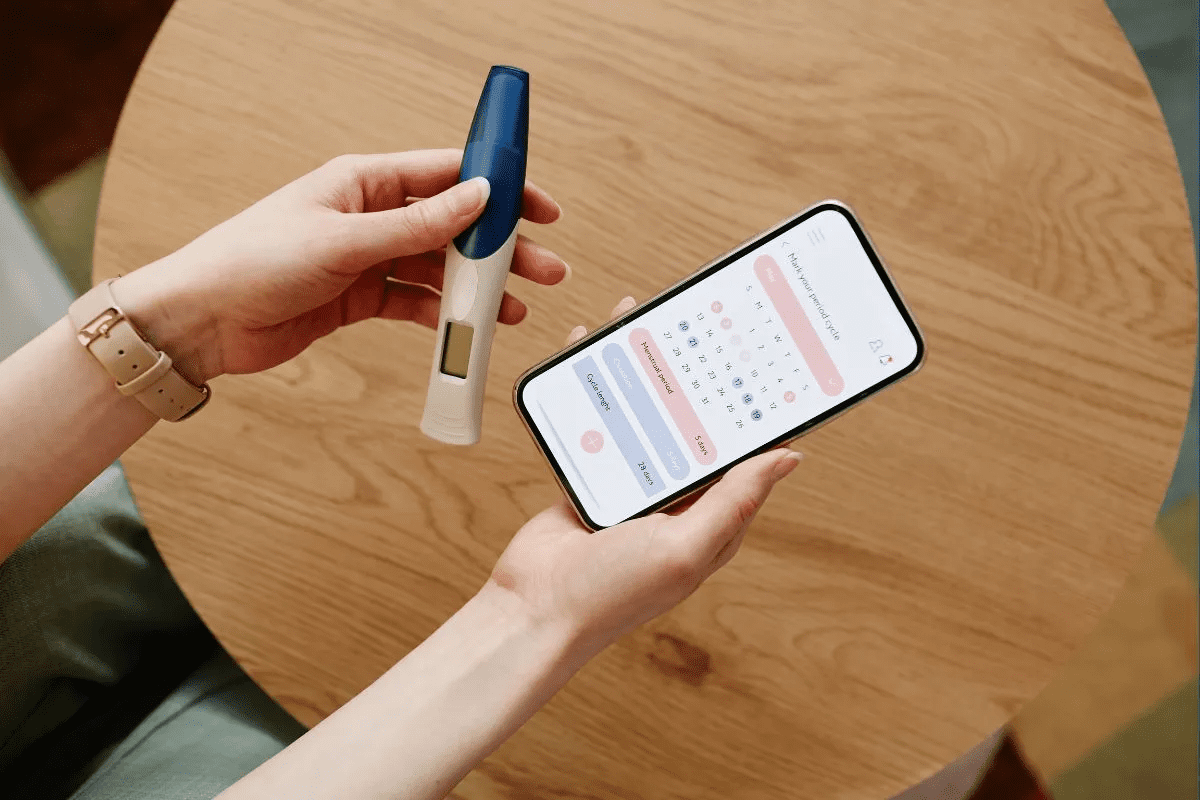
Starting your journey to have a baby can feel overwhelming, especially when facing complex medical terms. At Liv Hospital, we believe in making things clear and caring for our patients every step of the way.
If you’re just beginning or have been told you have TEC infertility or other fertility challenges, it’s important to understand key terms like TTC, IVF, DPT, and CD. Knowing these helps you communicate better with your doctors and connect with others who share your experience.
Being part of a TTC community online can also offer emotional support and encouragement as you navigate your TEC infertility journey toward parenthood.
Key Takeaways
- Understanding fertility-related acronyms is key for your journey.
- Clear patient education is vital for top reproductive care.
- Joining a TTC community offers support and connection.
- Knowing common fertility terms helps talk better with doctors.
- Understanding fertility words can make you feel less alone.
Understanding the Language of Fertility

Clear talk about reproductive health is key. Knowing fertility acronyms is a big part of this. As we explore fertility, we meet many terms and abbreviations. Learning these can help us understand better and talk better with doctors.
Why Fertility Acronyms Matter
Fertility acronyms and abbreviations are shortcuts. They help us quickly get complex ideas and share our stories. “CD,” or cycle day, is a key term. It marks specific days in the menstrual cycle.
CD1 is the first day of your period. Knowing this is key for tracking when you might get pregnant.
Understanding what does CD mean for pregnancy helps plan for getting pregnant. It lets people make better choices about their reproductive health.
Navigating the Fertility Journey
Understanding fertility is more than just knowing a few words. It’s about knowing the whole language of fertility. When we look at CD meaning pregnancy, we see it’s not just about knowing. It’s about using this knowledge to increase our chances of getting pregnant.
Knowing what does CD mean in pregnancy helps us understand how to plan for pregnancy. This is very useful for those getting fertility treatments. It helps in timing and getting ready.
By learning the language of fertility, we can make the journey clearer. Whether it’s cycle days or other terms, knowing helps us on our fertility path.
TTC Infertility: The Starting Point
[Add image here]
TTC, or trying to conceive, is the first step in the fertility journey. For some, it’s easy, but for others, it’s a big challenge. Knowing what TTC means is key to understanding the fertility world.
What TTC Means
TTC stands for “trying to conceive.” It includes doctor visits, lifestyle changes, and emotional support. It’s the first step for those wanting to get pregnant.
The TTC process involves:
- Understanding and tracking ovulation cycles
- Making informed lifestyle choices to enhance fertility
- Seeking medical guidance when necessary
When TTC Becomes a Challenge
For some, TTC is hard and emotionally tough. If getting pregnant is delayed, they might need medical help. This can include IVF (In Vitro Fertilization).
Key challenges during TTC include:
- Dealing with the emotional stress of delayed conception
- Navigating the complexities of fertility treatments
- Managing the financial implications of fertility care
It’s important to understand these challenges. This way, we can offer the right support and resources to those trying to conceive.
Cycle Tracking Terminology
Cycle tracking terms are key for understanding fertility. Knowing your menstrual cycle’s language helps find your fertile time. This boosts your chances of getting pregnant.
CD: Cycle Day Explained
Cycle Day (CD) marks the start of your menstrual cycle. It begins on the first day of your period, known as CD1. Tracking CD helps you see your cycle’s length and patterns. It also tells you when you might ovulate.
For example, if your period starts on January 1st, it’s CD1. With a 28-day cycle, you ovulate around CD14. Knowing your CD is vital for planning when to have sex or use fertility treatments.
DPO: Days Past Ovulation
Days Past Ovulation (DPO) counts how many days after ovulation have passed. It’s key for those trying to conceive. It helps time sex or fertility treatments with ovulation.
For instance, if you ovulated on CD14 and it’s now CD17, you’re 3 DPO. Knowing DPO helps guess when you might see a positive pregnancy test. Implantation usually happens 7-10 DPO.
| Cycle Day (CD) | Days Past Ovulation (DPO) | Description |
|---|---|---|
| CD1 | N/A | First day of menstrual period |
| CD14 | 0 DPO | Typical ovulation day for a 28-day cycle |
| CD17 | 3 DPO | Three days after ovulation |
| CD21 | 7 DPO | Seven days after ovulation, possible implantation day |
By tracking these cycle terms, you can better manage your fertility. This helps make smart choices about your reproductive health.
Treatment and Procedure Acronyms
Fertility treatments have acronyms that can be confusing. It’s important to understand these terms to make informed decisions about our care.
IVF: In Vitro Fertilization
IVF, or In Vitro Fertilization, is a well-known fertility treatment. It combines eggs and sperm in a lab to create embryos. This process includes egg retrieval, fertilization, and embryo transfer.
IVF is often suggested for those facing fertility challenges. This includes blocked fallopian tubes or low sperm count.
IUI: Intrauterine Insemination
IUI, or Intrauterine Insemination, is another common treatment. It involves inserting sperm into the uterus during ovulation. This helps with fertilization.
IUI is less invasive than IVF. It’s recommended for those with unexplained infertility or using donor sperm.
AI: Artificial Insemination
AI, or Artificial Insemination, is a broader term. It includes IUI. It means putting sperm into a woman’s cervix or uterus to get pregnant.
AI can use partner or donor sperm. It’s chosen for its less invasive nature.
Understanding these acronyms helps us navigate fertility treatments. Whether it’s IVF, IUI, or AI, talking to healthcare professionals is key. They can help choose the best treatment for you.
Post-Treatment Terminology
After fertility treatments, it’s key to know the post-treatment terms. This language can be tricky, but knowing it helps manage hopes and the wait after treatment.
The Two-Week Wait (2WW)
The Two-Week Wait (2WW) is the time from ovulation or embryo transfer to the pregnancy test. This period is filled with hope and worry as people wait to see if treatment worked.
Knowing the 2WW is part of many fertility treatments helps prepare mentally and emotionally for the wait.
Days Post-Transfer (DPT)
Days Post-Transfer (DPT) counts the days after an embryo transfer in IVF or ART. Tracking DPT helps mark the time until a pregnancy test can be taken.
For many, DPT is a daily reminder of the wait. Knowing its importance helps manage the emotional ups and downs of fertility treatments.
Learning about 2WW and DPT helps us better understand fertility treatments. Knowing these terms is a step towards feeling more in control and ready for what’s next.
Conception and Pregnancy Terms
As we explore conception and pregnancy, knowing key terms is key. These terms and concepts are vital for expectant parents. They help ensure a healthy pregnancy.
Baby Dance Explained
“Baby dance” (BD) is a term for intercourse timed for conception. It’s a simple yet important part of trying to conceive.
Knowing the best time for BD can boost your chances of getting pregnant. This means tracking your menstrual cycle and finding your fertile window.
Prenatal Vitamins
Prenatal vitamins (PNV) are supplements for pregnant women or those trying to conceive. They have important nutrients for fetal growth.
PNV include folic acid, iron, and calcium. These nutrients are good for both mom and baby.
| Term | Meaning |
|---|---|
| BD | Baby Dance – Intercourse timed for conception |
| PNV | Prenatal Vitamins – Supplements for pregnant women or those trying to conceive |
Knowing these terms can greatly affect your journey to becoming a parent.
Medical Testing and Support Abbreviations
Understanding medical testing and support abbreviations is key in fertility care. As we explore fertility treatments, we come across many tests and procedures. These are often shortened into abbreviations. Knowing these terms helps us make better decisions about our care.
Hysterosalpingogram (HSG)
A Hysterosalpingogram (HSG) is an X-ray test for the fallopian tubes. It checks if the tubes are blocked or damaged, which affects fertility. The test involves injecting dye into the uterus and taking X-rays to see the dye flow.
Semen Analysis (SA)
Semen Analysis (SA) is vital for checking male fertility. It looks at a semen sample for sperm count, motility, and shape. This test finds fertility issues in men and guides treatment.
Baby Aspirin (BASA)
Baby Aspirin (BASA) might be suggested during fertility treatment. It’s thought to improve blood flow to the uterus, helping implantation. But, it should only be taken under a doctor’s advice, as it’s not for everyone.
Emotional Journey Terminology
Understanding specific terms is key when dealing with fertility care. The path to becoming a parent is filled with many emotions. From hope and joy to sadness and grief, knowing these terms can help cope with the journey.
Pregnancy Test Results: BFP and BFN
The result of a pregnancy test is a big moment. BFP (Big Fat Positive) means you’re pregnant, while BFN (Big Fat Negative) means you’re not. These terms are more than just abbreviations; they mark important emotional moments.
A BFP brings joy and relief. But a BFN can be hard to handle. Using these terms helps share your feelings more clearly.
Miscarriage Terminology: MC
Not all pregnancies go as planned. MC stands for miscarriage, which is losing a pregnancy before the 20th week. Miscarriage and pregnancy loss are often used the same way.
Dealing with a miscarriage is tough. It’s important to recognize the emotional toll and seek help when needed. Knowing the right terms can help you understand and cope with this loss.
| Term | Meaning | Emotional Significance |
|---|---|---|
| BFP | Big Fat Positive | Positive pregnancy test result, often met with joy and relief. |
| BFN | Big Fat Negative | Negative pregnancy test result, can be a source of disappointment. |
| MC | Miscarriage | Loss of a pregnancy, emotionally challenging. |
By grasping these terms, you can better handle the emotional side of fertility. It’s vital to be empathetic and supportive during these times.
Conclusion: Empowering Your Fertility Journey
Learning about fertility is key to understanding the complex world of trying to conceive. Knowing common ttc infertility acronyms helps you make smart choices. It lets you take charge of your fertility journey.
We’ve looked at 15 important terms to help you grasp the process. From cycle tracking terms like CD and DPO to treatment acronyms like IVF and IUI. Knowing these acronyms helps you talk clearly with doctors and support groups. This ensures you get the care and advice you need.
Keep learning, ask questions, and seek help when you need it. This way, you’ll be ready for the ups and downs of your fertility journey. You’ll be empowered to reach your goal of starting a family.
FAQ
What does TTC stand for in infertility?
TTC means “trying to conceive.” It’s the term for when people are trying to get pregnant.
What does the V in IVF stand for?
The “V” in IVF means “fertilization.” IVF stands for “in vitro fertilization,” a way to help people get pregnant.
What is CD in the context of fertility?
CD is short for “cycle day.” It helps track the menstrual cycle and find when you might get pregnant.
What does DPT mean in pregnancy?
DPT means “days post-transfer.” It’s used to count the days after an embryo is transferred.
What is the meaning of 2WW?
2WW is short for “two-week wait.” It’s the time after fertility treatment, like an embryo transfer or insemination.
What does IUI stand for?
IUI means “intrauterine insemination.” It’s a treatment where sperm is put directly into the uterus.
What is AI in the context of fertility?
AI is short for “artificial insemination.” It’s when sperm is put into the reproductive tract with medical help.
What does DPO mean?
DPO stands for “days past ovulation.” It tracks the days after you’ve ovulated.
What is PNV?
PNV is short for “prenatal vitamins.” These are supplements taken during pregnancy to help the baby grow.
What does BD mean in the context of fertility?
BD is short for “baby dance.” It’s a way to say you’re trying to conceive in a fun way.
What is HSG?
HSG is short for “hysterosalpingogram.” It’s a test to check the uterus and fallopian tubes.
What does SA stand for in fertility?
SA is short for “semen analysis.” It’s a test to check the quality and amount of sperm.
What is BFP and BFN?
BFP means “big fat positive,” which is a positive pregnancy test. BFN means “big fat negative,” which is a negative test.
What does MC mean in the context of fertility?
MC is short for “miscarriage.” It’s when a pregnancy ends before the 20th week.
What is BASA in fertility treatment?
BASA is short for “baby aspirin.” It’s a low-dose aspirin that some people take during fertility treatment.
References
National Health Service (NHS). Evidence-Based Medical Guidance. Retrieved from https://www.nhs.uk/conditions/infertility/