Do you wake up at night to use the bathroom? It’s a common problem. Nighttime urination can really mess up your sleep. A big study found that good sleep helps avoid bladder problems at night.
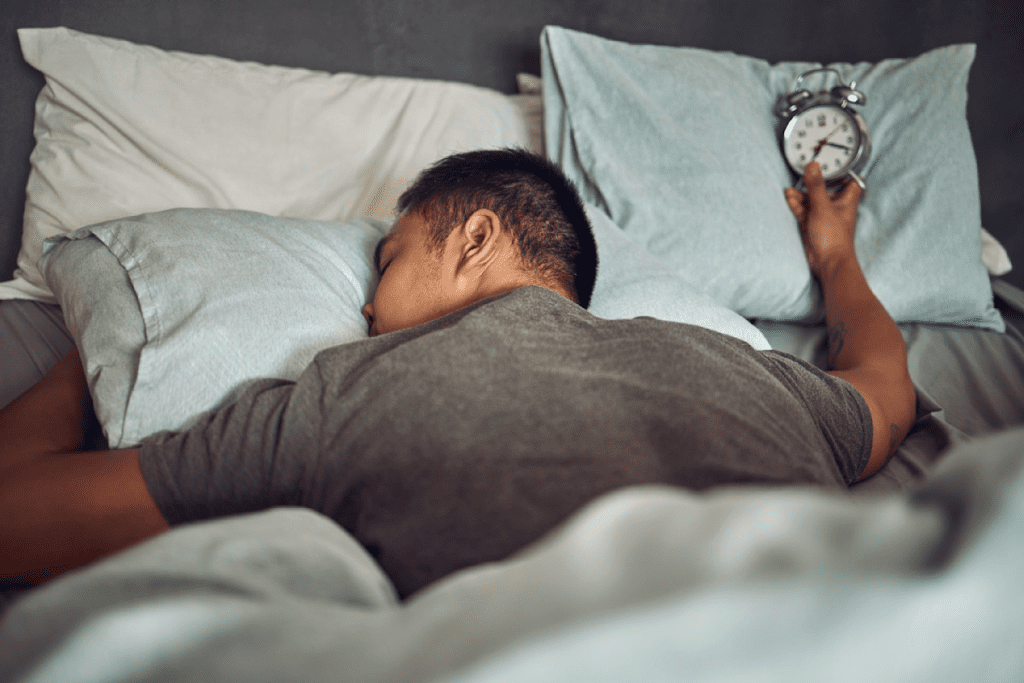
To sleep better, you need to empty your bladder before bed. Try not to drink too much water 2-4 hours before sleep. Also, cut down on caffeine and alcohol in the evening.
Key Takeaways
- Limit fluid intake 2-4 hours before bedtime.
- Practice double voiding to ensure complete bladder emptying.
- Avoid bladder irritants like caffeine and alcohol in the evening.
- Understand the causes of frequent nighttime urination.
- Implement practical solutions to minimize nocturia.
Understanding Nighttime Urination and Its Impact
Waking up to urinate at night, known as nocturia, is more than a small problem. It messes with sleep and can harm your health a lot.
What Causes Frequent Overnight Urination?
Many things cause nocturia. Age is a big one, as our bladders get smaller with time. Also, health issues like diabetes and urinary tract infections can lead to it. Drinking too much water before bed, like coffee or alcohol, also plays a part.
- Decreased bladder capacity with age
- Medical conditions like diabetes and urinary tract infections
- Excessive fluid intake before bedtime
- Consumption of diuretic beverages
How Nighttime Urination Affects Sleep Quality
Nocturia messes with sleep by breaking up the normal sleep cycle. It makes it hard to get deep, restful sleep. This can cause tiredness during the day, lower productivity, and weaken your immune system.
For more on managing nocturia and its sleep effects, check outMedical News Today. They offer tips and treatments for the condition.

The Double Voiding Technique: A Complete Guide
Emptying your bladder fully before bed is possible with the double voiding technique. This method involves two trips to the bathroom. We’ll show you how to do it, explain its benefits, and give step-by-step instructions.
What is Double Voiding and How Does It Work?
Double voiding ensures your bladder is empty before bed. You urinate, wait a bit, and then urinate again. This helps avoid nocturia, or nighttime urination, improving your sleep.
This technique works by fully emptying the bladder. It’s great for those who wake up to use the bathroom often. By using double voiding, you might not have to get up as much at night.
Step-by-Step Instructions for Proper Double Voiding
To double void correctly, follow these steps:
- Urinate as you normally would, taking your time to empty your bladder.
- Wait for about 30 seconds to a minute after you’ve finished urinating.
- Try to urinate again, even if you don’t feel the need to. This second attempt can help ensure that your bladder is fully emptied.
Relaxing your pelvic floor muscles can make double voiding more effective. Try deep breathing or listening to calming music to relax.
Common Mistakes to Avoid When Double Voiding
Double voiding is simple, but there are mistakes to avoid:
- Not waiting long enough between attempts to urinate.
- Not relaxing sufficiently can lead to incomplete bladder emptying.
- Forcing the second urination if there’s no urine to pass.
Knowing these common mistakes can help you improve your double voiding technique. This way, you can get the most out of it.
Timing Your Fluid Intake for Drier Nights
To cut down on nighttime trips to the bathroom, timing your drinks is key. Changing when and how much you drink can help a lot. We’ll look at ways to manage your drinks better.
The 2-4 Hour Rule Before Bedtime
Try not to drink 2-4 hours before bedtime to fight nocturia. This lets your body process the drinks before sleep. It means you won’t need to get up as much at night.
To follow this tip well:
- Watch how much you drink before bed.
- Don’t drink too much right before bed.
- Change your drink schedule as you see fit.
Morning and Daytime Hydration Strategies
It’s important to drink a lot during the day to stay hydrated. Here’s what we suggest:
- Drink most of your fluids in the morning and early afternoon.
- Stay away from caffeinated and alcoholic drinks that can bother your bladder.
- Drink fluids evenly to keep your body hydrated all day.
Using these tips can help you go to the bathroom less at night.
Tracking Fluid Intake and Output
Watching how much you drink and how often you go can help you understand your body. We recommend:
- Keep a diary of what you drink and when.
- Write down how often and how much you pee.
- Change your drink schedule based on what you see.
Knowing how your body handles water can help you make choices to reduce nighttime bathroom trips.
Dietary Adjustments to Reduce Nighttime Urination
Diet is key in managing nocturia. Simple changes can make a big difference. The foods and drinks we choose can either irritate or soothe our bladders. This affects how often we need to urinate at night.
By making the right dietary adjustments, we can reduce nighttime urination. This improves our sleep quality.
Caffeine and Alcohol: The Bladder’s Enemies
Caffeine and alcohol can harm our bladders. They are diuretics, increasing urine production. This can irritate the bladder, leading to more frequent urination.
Reducing caffeine and alcohol consumption helps. It’s best to limit or avoid them, mainly before bedtime.
Here are some effects of caffeine and alcohol on the bladder:
- Increased urine production
- Bladder irritation
- Disrupted sleep patterns
Foods That May Irritate the Bladder
Other foods and drinks can also irritate the bladder. These include:
- Spicy foods
- Acidic foods like citrus fruits and tomatoes
- Carbonated drinks
- Artificial sweeteners
Keeping a food diary helps find out which foods irritate the bladder. Avoiding these can reduce nighttime urination.
Beneficial Foods for Bladder Health
Some foods can help bladder health and reduce nocturia. These include:
- High-fiber foods like whole grains and vegetables
- Foods rich in omega-3 fatty acids, such as salmon
- Alkaline foods like bananas and almonds
Eating a balanced diet with these foods can help manage nocturia. It also improves bladder health.
Bladder Training Exercises for Better Nighttime Control
To get better control at night, you need to do bladder training exercises every day. These exercises help you control your bladder better and cut down on nighttime trips to the bathroom.
These exercises make your bladder stronger by working on the pelvic floor muscles. They also help your bladder hold more urine. We’ll look at the different exercises and methods you can use.
Kegel Exercises for Stronger Pelvic Floor Muscles
Kegel exercises are key in bladder training. They make your pelvic floor muscles stronger. Here’s how to do them right:
- Find the right muscles by stopping your urine flow midstream.
- Contract these muscles for 5-10 seconds.
- Then, release them for 5-10 seconds.
- Do this 10-15 times, three times a day.
Being consistent with Kegel exercises is important. Doing them regularly can really help with bladder control.
Bladder Stretching Techniques
Bladder stretching helps you hold urine longer by gradually increasing the time between bathroom trips. Here’s how:
- Keep a voiding diary to track when you pee.
- Slowly increase the time between bathroom visits.
- Try to pee at set times, not when you feel the urge.
Stretching your bladder can make you pee less at night. It helps your bladder hold urine for longer.
Creating an Effective Bladder Training Schedule
Having a good bladder training schedule is key. It helps you set realistic goals and track your progress. Here’s how to do it:
- Start with goals based on how often you pee now.
- Slowly increase the time between bathroom visits.
- Keep an eye on how you’re doing and adjust your schedule as needed.
By sticking to a good bladder training schedule, you can see big improvements in bladder control. You’ll also pee less at night.
Special Considerations for Women and Older Adults
Managing nocturia needs special care for women and older adults. Our bodies change with age or health events, affecting bladder control. This can lead to nighttime urination.
Women often face urinary incontinence at night. This is due to childbirth, menopause, and hormonal changes. These can weaken pelvic floor muscles and impact bladder control.
Female Urinary Incontinence at Night: Causes and Solutions
Female urinary incontinence at night has several causes. These include:
- Childbirth can weaken pelvic floor muscles
- Menopause, leading to decreased estrogen levels
- Hormonal changes affecting bladder control
To manage female urinary incontinence at night, we recommend:
- Pelvic floor exercises, such as Kegels, to strengthen muscles
- Behavioral modifications, like timed voiding and fluid management
- Medical treatments, including hormone replacement therapy or medications that help with bladder control
Women with night time incontinence need to see a healthcare provider. They can find the cause and create a treatment plan.
Age-Related Bladder Changes and Management
As we age, our bladders change, leading to nocturia. These changes include:
- Reduced bladder capacity
- Weakened bladder muscles
- Increased urine production at night
To manage age-related bladder changes, we suggest:
- Adjusting fluid intake to reduce nighttime urination
- Implementing bladder training exercises to improve bladder capacity
- Using protective garments or absorbent products for managing incontinence
By understanding and addressing these age-related changes, older adults can better manage nocturia and improve their quality of life.
We stress the need for a complete approach to managing nocturia in women and older adults. This includes lifestyle changes, behavioral modifications, and medical interventions as needed.
Medical Interventions for Persistent Nighttime Urination
For those dealing with persistent nighttime urination, medical interventions may be necessary. They help alleviate symptoms and enhance quality of life. When simple changes don’t work, healthcare providers suggest various treatments.
When to Consult a Healthcare Provider
If you’re facing persistent or severe nocturia, seeing a healthcare provider is key. They can check for underlying conditions causing your symptoms. Look for medical help if you have frequent nighttime trips to the bathroom, sudden nocturia, or pain while urinating.
Antimuscarinic Medications and Other Treatments
Antimuscarinic medications are often used to treat an overactive bladder and reduce nocturia. They help by reducing bladder contractions and increasing its capacity. Other options include beta-3 adrenergic agonists, which relax the bladder muscle and boost capacity.
- Antimuscarinic medications: oxybutynin, tolterodine
- Beta-3 adrenergic agonists: mirabegron
- Other treatments: desmopressin for nocturnal polyuria
Managing Underlying Medical Conditions
It’s vital to manage underlying medical conditions to reduce nighttime urination. Issues like diabetes, sleep apnea, and heart failure can lead to nocturia. We collaborate with healthcare providers to create a treatment plan that tackles these conditions. This may include lifestyle changes, medications, or other interventions.
By tackling the root causes of nocturia and using medical treatments when needed, we help people gain better bladder control and sleep quality.
Conclusion: Creating Your Personalized Bladder Management Plan
By using methods like double voiding, managing fluids, and training your bladder, you can make a plan just for you. This plan will help you manage your bladder better.
Managing nighttime urination means changing what you eat. Avoid caffeine and alcohol. Also, eat foods that are good for your bladder. We want you to be in charge of your bladder health with a plan that fits you.
A good bladder plan can really change your life for the better. By following the tips we’ve shared, you can cut down on nighttime trips to the bathroom. Start by looking at your habits and making small changes. This will help you have a drier, healthier tomorrow.
FAQ
What is double voiding, and how can it help with nighttime urination?
Double voiding means you pee, wait a bit, and then pee again. This ensures your bladder is empty. It can cut down on nighttime trips to the bathroom.
How can I adjust my fluid intake to reduce nocturia?
To cut down on nighttime pee, stop drinking 2-4 hours before bed. Keeping track of what you drink and pee can help you find the right balance.
What foods can irritate the bladder and worsen nighttime urination?
Foods like caffeine and alcohol can make your bladder upset. Avoiding these can help you sleep better.
How can bladder training exercises help with nighttime urination?
Exercises like Kegels strengthen your pelvic floor. This can help you control your bladder better, reducing nighttime pee.
What are the causes of female urinary incontinence at night?
Nighttime pee can be caused by hormonal changes, weak muscles, or medical issues. Knowing the cause helps find the right solution.
When should I consult a healthcare provider about my nighttime urination?
If you’ve tried to change your habits but can’t stop nighttime pee, see a doctor. They can check for health issues and suggest treatments.
What are antimuscarinic medications, and how can they help with nighttime urination?
These meds help with an overactive bladder and nighttime pee. They relax the bladder muscle, making it easier to control.
How can I create a personalized bladder management plan?
Make a plan by using double voiding, adjusting fluids, changing your diet, and doing bladder exercises. This can help manage nighttime pee and improve bladder health.
What is nocturia, and how does it affect sleep quality?
Nocturia is frequent peeing at night, which can mess up your sleep. Knowing the cause and using management strategies can help improve sleep.
How can I manage underlying medical conditions that contribute to nighttime urination?
To reduce nighttime pee, manage health issues like diabetes or sleep disorders. A doctor can help create a treatment plan to help you sleep better.
References
- Yoshimura, N., & Chancellor, M. B. (2019). Pharmacologic treatment of nocturia. Urology, 125, 12-18.https://doi.org/10.1016/j.urology.2018.10.027



 Departments
 Related Videos
 Our Doctors
 News
News