Last Updated on December 3, 2025 by Bilal Hasdemir
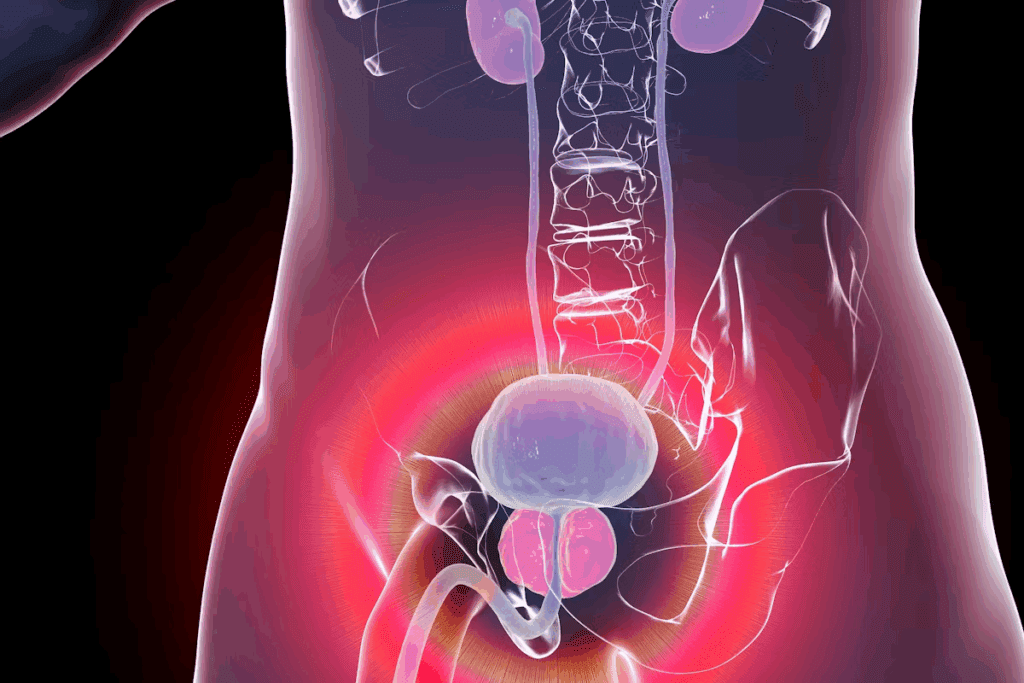
As men get older, keeping their prostate health in check is key. A swollen prostate can cause discomfort and lower your quality of life. Studies show that some nuts might help with prostate health and reduce swelling.
While foods like walnuts, Brazil nuts, and almonds can support a healthy prostate, it’s also important to know the ten worst foods for prostate health. Avoiding unhealthy options while adding nutrient-rich nuts to your diet can make a real difference.
These nuts are packed with antioxidants and nutrients that may ease symptoms of an enlarged prostate. Adding them to your meals can be a smart move for long-term health and wellness.
Key Takeaways
- Including specific nuts in your diet may help reduce a swollen prostate.
- Walnuts, Brazil nuts, and almonds are rich in nutrients beneficial for prostate health.
- A balanced diet that includes these nuts can support overall prostate well-being.
- Nutritional antioxidants in these nuts may help alleviate symptoms of an enlarged prostate.
- A healthy diet combined with these nuts can reduce the risk of prostate-related complications.
The Prostate Gland and Common Health Issues

Knowing about the prostate gland is key to men’s health. It’s prone to issues that can really affect life quality. The prostate gland is vital for the male reproductive system.
Anatomy and Function of the Prostate
The prostate gland is a small, walnut-sized organ below the bladder in men. It wraps around the urethra, the tube that carries urine from the bladder to the penis. Its main job is to make seminal fluid, which nourishes and protects sperm during ejaculation.
The prostate gland has different types of tissue. Glandular tissue makes prostate fluid, a big part of semen. Fibrous and muscular tissues support the prostate and help with fluid flow.
Benign Prostatic Hyperplasia (BPH) and Other Conditions
As men get older, the prostate gland can grow bigger, known as Benign Prostatic Hyperplasia (BPH). BPH often leads to urinary problems like weak urine flow, needing to pee a lot, and waking up to pee at night.
| Condition | Description | Common Symptoms |
| Benign Prostatic Hyperplasia (BPH) | Enlargement of the prostate gland | Weak urine flow, frequent urination, nocturia |
| Prostatitis | Inflammation of the prostate gland | Painful urination, fever, pelvic pain |
| Prostate Cancer | Malignant tumor in the prostate gland | Often asymptomatic in early stages, later symptoms include difficulty urinating, painful ejaculation |
Other prostate issues include prostatitis, an inflammation, and prostate cancer, a tumor. Knowing about these and their symptoms is important for keeping the prostate healthy.
How Diet Influences Prostate Size and Health

Research shows that what we eat can affect our prostate size and health. This opens up new ways to manage prostate problems. It’s clear that some foods and nutrients are key to keeping the prostate working well.
The Science Behind Food and Prostate Function
The prostate gland reacts to what we eat. Zinc is very important for prostate health. Foods like oysters and beef are good sources of zinc. Antioxidants in fruits and veggies also protect the prostate from damage.
Studies show that our diet greatly affects prostate health. Eating lots of whole foods like fruits, veggies, and grains can help. But eating too much processed or high-fat food can harm the prostate.
Inflammation Pathways and Dietary Interventions
Chronic inflammation can lead to prostate problems like BPH. Eating the right foods can help fight inflammation. Omega-3 fatty acids in fish and flaxseeds are anti-inflammatory and can reduce prostate inflammation.
Eating foods that fight inflammation is good for the prostate. This includes berries, leafy greens, and healthy fats like nuts and avocados. Making smart food choices can lower the risk of prostate issues or help with symptoms.
Walnuts: The First Prostate-Shrinking Nut
Walnuts are getting more attention for their role in prostate health. They are packed with omega-3 fatty acids. These acids, like alpha-linolenic acid (ALA), help fight inflammation.
Omega-3 Fatty Acids and Prostate Inflammation
Omega-3 fatty acids, like ALA in walnuts, help reduce body inflammation. This is important for men with benign prostatic hyperplasia (BPH). Eating foods rich in omega-3s, like walnuts, can help fight this inflammation.
Key benefits of omega-3 fatty acids in walnuts include:
- Reducing prostate inflammation
- Improving overall heart health
- Supporting brain function
Clinical Studies on Walnut Consumption and Prostate Size
Many studies have looked into walnuts’ effect on prostate health. A study in the Journal of Nutrition found that walnut eaters had better prostate health. It suggested walnuts’ anti-inflammatory effects might help shrink prostate size in men with BPH.
More research is needed, but current studies support walnuts in a healthy diet. Adding a handful of walnuts to your daily meals can be beneficial.
Brazil Nuts: Selenium Powerhouses for Prostate Health
Brazil nuts are famous for their selenium, a key mineral for prostate health. Selenium is vital for the body and helps the prostate. It has been shown to positively affect the prostate.
How Selenium Affects Prostate Tissue
Selenium is important for prostate health in many ways. It acts as an antioxidant, protecting cells from damage. This is key for prostate tissue, as damage can lead to inflammation and issues like BPH and prostate cancer.
The antioxidant effects of selenium keep prostate cells healthy. It reduces oxidative stress, which is good for the prostate gland. This is vital as men get older and face more prostate problems.
Research Supporting Brazil Nuts for Prostate Health
Many studies show selenium’s benefits for prostate health. Men with more selenium in their bodies have a lower risk of prostate cancer. The exact how is being studied, but selenium’s role is clear.
Some key findings include:
- A study in “Cancer Research” found selenium supplements cut prostate cancer risk.
- “The Journal of Nutrition” research linked selenium intake to lower prostate cancer risk.
- A clinical trial showed selenium supplements slow prostate cancer growth.
Eating Brazil nuts can boost your selenium and support prostate health. With their high selenium and nutritional value, they’re great for a prostate-friendly diet.
Almonds: The Third Nut for Prostate Protection
Almonds are a key food for prostate health. They are tasty and packed with nutrients that help the prostate. This makes them a great snack for prostate health.
Zinc, Vitamin E, and Prostate Cell Function
Almonds are full of zinc and vitamin E. These nutrients are key to a healthy prostate. Zinc helps with cell growth and division in the prostate. Vitamin E fights off damage from free radicals.
Together, zinc and vitamin E in almonds are great for the prostate. Studies show they can lower the risk of prostate problems like BPH and cancer.
Anti-Inflammatory Properties of Almonds
Almonds also have anti-inflammatory effects. This can help reduce inflammation in the prostate. The monounsaturated fats and antioxidants in almonds help fight inflammation.
Eating almonds can help lower prostate inflammation. They are a good part of a diet focused on prostate health.
The Ten Worst Foods for Prostate Health
Keeping your prostate healthy is not just about eating good foods. It’s also about avoiding bad ones. What we eat greatly affects our health, and some foods are worse for the prostate than others.
Processed Meats and Red Meat
Processed meats like sausages and bacon, and red meat, can harm the prostate. They have lots of saturated fats and AGE products, causing inflammation. Try to eat less of these foods to lower the risk.
Dairy Products and High-Fat Foods
Dairy, mainly the fatty kinds, can affect prostate health. They might raise hormone and growth factor levels. Opt for low-fat or non-dairy options to help your prostate.
Sugar and Refined Carbohydrates
Too much sugar and refined carbs can cause insulin resistance and inflammation. These are bad for the prostate. It’s wise to cut down on sugary snacks and refined grains.
Alcohol and Caffeine Considerations
Drinking too much alcohol and caffeine can hurt the prostate. Alcohol can dehydrate and harm prostate function. Too much caffeine can irritate the bladder and prostate. Drink alcohol and caffeine in moderation.
Being careful about what we eat can help us support our prostate health. Making smart food choices is a big step in the right direction.
Other Beneficial Seeds for Prostate Health
Some seeds are great for prostate health, with pumpkin and flaxseeds at the top. They are packed with nutrients that help support a healthy prostate.
Pumpkin Seeds and Their Zinc Content
Pumpkin seeds are rich in zinc. Zinc is an essential mineral for the prostate, helping with immune function and possibly preventing prostate growth. A zinc deficiency can lead to prostate problems, making pumpkin seeds a good choice for a healthy diet.
Pumpkin seeds also have antioxidants and other nutrients that boost overall health. You can easily add them to salads or smoothies.
Flaxseeds and Lignans for Prostate Protection
Flaxseeds are great for prostate health, thanks to their lignans. Lignans are phytoestrogens that protect the prostate, possibly lowering cancer risk and other prostate issues.
To eat flaxseeds, grind them and mix them into oatmeal, yogurt, or baked goods. It’s important to consume them in a way that your body can use their nutrients.
Adding pumpkin seeds and flaxseeds to your diet gives your body many nutrients for prostate health. These seeds, along with nuts, create a strong base for a healthy prostate diet.
Fruits That Support Prostate Function
Certain fruits are packed with nutrients that can help support prostate health and function. A diet rich in these fruits can be a valuable addition to a prostate-healthy lifestyle.
Antioxidant-Rich Berries
Berries like blueberries, strawberries, and raspberries are full of antioxidants. These antioxidants fight oxidative stress, which can harm prostate cells. They also help reduce inflammation, a key factor in prostate health issues.
We recommend adding a variety of berries to your diet. Enjoy them as a snack, add them to your breakfast cereal, or blend them into a smoothie.
Watermelon and Natural Lycopene
Watermelon is a great source of lycopene, a powerful antioxidant. Lycopene helps protect prostate cells from damage and may reduce the risk of prostate issues.
Adding watermelon to your diet can be a refreshing way to support your prostate health. It’s also a good source of hydration, which is essential for overall health.
Citrus Fruits and Vitamin C Benefits
Citrus fruits like oranges, grapefruits, and lemons are high in vitamin C. Vitamin C is vital for immune function and overall health. It also has antioxidant properties that can help protect the prostate.
Aside from vitamin C, citrus fruits contain other beneficial compounds. These compounds may help reduce inflammation and support prostate health.
| Fruit | Key Nutrient | Benefit to Prostate Health |
| Berries | Antioxidants | Reduces oxidative stress and inflammation |
| Watermelon | Lycopene | Protects prostate cells from damage |
| Citrus Fruits | Vitamin C | Supports immune function and reduces inflammation |
By adding these fruits to your diet, you can support your prostate health. A balanced diet and a healthy lifestyle can greatly improve your overall well-being.
Vegetables That Reduce Prostate Inflammation
Adding certain vegetables to your meals can help lower prostate inflammation. Look for ones packed with antioxidants and anti-inflammatory compounds.
Cruciferous Vegetables and Sulforaphane
Cruciferous veggies like broccoli, cauliflower, and kale are great for the prostate. They’re full of sulforaphane. Sulforaphane fights inflammation and protects cells, helping to reduce prostate issues.
These veggies have a special compound that turns into sulforaphane when you chop or chew them. This makes sulforaphane easy for your body to use, benefiting your prostate.
Tomatoes and Cooked vs. Raw Lycopene
Tomatoes are also good for the prostate, thanks to lycopene. Lycopene is a strong antioxidant that may lower prostate disease risk.
Cooked tomatoes are better than raw ones because cooking releases lycopene. This makes it easier for your body to use the lycopene from cooked tomatoes, like sauces or stews.
Eating a variety of veggies can help your prostate health. Focus on cruciferous veggies and tomatoes to fight prostate inflammation.
The Controversial Role of Eggs in Prostate Health
Eggs are known for their nutritional value, but their impact on prostate health is a topic of debate. It’s important to look at the latest research and how to prepare eggs for the best health benefits.
Current Research on Eggs and Prostate Size
Studies on eggs and prostate health are ongoing. Some say eggs might raise the risk of prostate cancer, while others find no link. Eggs are packed with protein, vitamins, and minerals, but also cholesterol and fatty acids that could affect prostate health.
Research suggests that eating eggs in moderation doesn’t significantly increase prostate cancer risk. But how eggs are cooked and what else you eat can change this.
Key findings from recent research include:
- Egg consumption might slightly raise the risk of advanced prostate cancer, some studies say.
- The nutrients in eggs, like choline and selenium, could protect against prostate problems.
- Eating eggs as part of a diet full of fruits, veggies, and whole grains might help prostate health.
Healthiest Ways to Prepare Eggs for Prostate Patients
For those worried about prostate health, how eggs are cooked matters a lot. It’s best to choose methods that keep eggs’ nutrients without adding too much fat or calories.
Healthy egg preparation methods include:
- Boiling: A simple way to cook eggs without extra fat.
- Poaching: A low-fat method that keeps eggs’ nutrients.
- Scrambled eggs with veggies: Adding veggies like spinach or bell peppers boosts the meal’s nutrient value.
Eating eggs with other nutrient-rich foods can make them even healthier. For example, eggs with whole-grain toast or in a salad with veggies can help support prostate health.
Being careful about how you cook and eat eggs can help you enjoy their benefits while protecting prostate health. Remember, moderation and balance are key in any diet.
Beverages That Impact Prostate Size
The drinks we choose can greatly affect our prostate health. Some drinks help, while others can harm. It’s key to know which drinks support or harm our prostate.
Green Tea and Prostate Health Benefits
Green tea is known for its benefits for prostate health. It’s packed with antioxidants called catechins. These may lower the risk of prostate cancer and help with BPH symptoms.
Green tea’s catechins, like EGCG, fight inflammation and slow cell growth in the prostate. This can help keep the prostate healthy.
Coffee, Alcohol, and Their Effects on the Prostate
Coffee and alcohol are drinks we often consume. They can affect our prostate health. Drinking coffee in moderation might protect against some prostate issues. But too much can be bad.
Drinking too much alcohol can increase the risk of prostate cancer and other problems. Alcohol might change hormone levels and damage DNA.
It’s important to drink these beverages in moderation. For coffee, that’s 3-4 cups a day. For alcohol, it’s up to one drink a day for men.
Knowing how these drinks affect our prostate health helps us make better choices. Drinking green tea and being careful with coffee and alcohol can support our prostate health.
Creating a Complete Prostate-Healthy Meal Plan
To support prostate health, it’s key to make a meal plan that has the right mix of nutrients. Eating a variety of foods that are rich in nutrients can help keep your prostate healthy.
Balancing Nutrients for Optimal Prostate Function
Getting the right nutrients is important for prostate health. You need to eat enough vitamins, minerals, and healthy fats. Zinc is important for the prostate, and you can find it in foods like oysters and pumpkin seeds.
It’s also important to eat foods that fight inflammation. Omega-3 fatty acids in walnuts and flaxseeds can help with this, supporting your prostate health.
| Nutrient | Benefit for Prostate Health | Food Sources |
| Zinc | Supports prostate function | Oysters, pumpkin seeds, beef |
| Omega-3 Fatty Acids | Reduces inflammation | Walnuts, flaxseeds, salmon |
| Selenium | Antioxidant properties | Brazil nuts, fish, turkey |
Sample 7-Day Menu Featuring the Three Beneficial Nuts
Adding walnuts, Brazil nuts, and almonds to your diet is easy and tasty. Here’s a 7-day menu to help you get started:
- Monday: Oatmeal with sliced almonds and berries for breakfast
- Tuesday: Grilled chicken salad with walnuts and a citrus vinaigrette for lunch
- Wednesday: Snack on Brazil nuts and dried fruits
- Thursday: Almond-crusted salmon with roasted vegetables for dinner
- Friday: Walnut and avocado smoothie for breakfast
- Saturday: Mixed greens salad with sliced almonds, cherry tomatoes, and a balsamic vinaigrette for lunch
- Sunday: Trail mix with Brazil nuts, almonds, and dark chocolate for a snack
As
“The food you eat can either be the safest and most powerful form of medicine or the slowest form of poison.”
This quote shows how important what you eat is for your health, including your prostate.
By following this meal plan and eating the three beneficial nuts, you can help your prostate health. Remember, a good diet is just one part of staying healthy.
Supplements That Complement Dietary Approaches
Eating right is key to a healthy prostate. But some supplements can also help. They support your overall health, not just your diet.
Saw Palmetto and Beta-Sitosterol
Saw palmetto and beta-sitosterol are good for your prostate. Saw palmetto comes from a tree and helps with BPH symptoms. Beta-sitosterol, a plant sterol, improves urine flow and reduces BPH symptoms.
Studies show saw palmetto can ease prostate symptoms. Beta-sitosterol has anti-inflammatory effects. This helps your prostate stay healthy.
| Supplement | Potential Benefits | Key Components |
| Saw Palmetto | Reduces BPH symptoms, improves urinary flow | Fatty acids, sterols |
| Beta-Sitosterol | Improves urinary flow, reduces BPH symptoms | Plant sterol |
Lycopene and Selenium Supplements
Lycopene and selenium are good for your prostate. Lycopene, found in tomatoes, lowers prostate cancer risk. Selenium is an antioxidant that also fights cancer.
“The antioxidant properties of lycopene and selenium make them valuable supplements for supporting prostate health and potentially reducing the risk of prostate-related issues.”
Pycnogenol and Other Emerging Options
Pycnogenol is a flavonoid from pine bark. It’s good for your prostate because of its antioxidants. Other supplements like pomegranate and green tea are also being studied.
In summary, a healthy diet is important, but supplements can help too. Saw palmetto, beta-sitosterol, lycopene, selenium, and pycnogenol are promising. Always talk to a doctor before taking new supplements.
Lifestyle Factors That Affect Prostate Size
Many lifestyle choices can affect your prostate health. This includes how much you exercise and how you manage stress. We’ll look into how these choices impact your prostate size and health.
Exercise and Its Impact on Prostate Health
Exercise is good for your overall health, and it’s great for your prostate too. Studies show that being active can lower the risk of BPH and urinary problems.
Exercise helps by reducing inflammation, improving blood flow, and keeping hormones balanced.
Stress Management Techniques for Prostate Patients
Stress can make prostate problems worse. So, managing stress is key to keeping your prostate healthy. Meditation, yoga, and deep breathing can help lower stress.
Good stress management can also reduce stress hormones and boost your overall health.
| Lifestyle Factor | Benefits for Prostate Health |
| Regular Exercise | Reduces inflammation, improves circulation, supports hormonal balance |
| Stress Management | Decreases stress-related hormones, improves overall well-being |
Adding regular exercise and stress management to your life can greatly help your prostate health.
When to Consult a Healthcare Provider
Knowing when to see a healthcare provider is key to prostate health. While diet changes and supplements help, some cases need medical care.
Warning Signs That Require Medical Attention
Some symptoms mean you should see a doctor right away. These include:
- Severe urinary retention: trouble or pain when trying to urinate
- Pain or discomfort: ongoing pain in the pelvic area, lower back, or when urinating
- Blood in urine or semen: finding blood, which could mean an infection or a serious issue
- Frequent or painful urination at night: waking up to urinate often, which can mess up sleep
If you notice any of these signs, seeing a healthcare provider quickly is important.
Discussing Dietary Approaches With Your Doctor
Talking to your doctor about diet changes or supplements for prostate health is vital. They can help with:
- Potential interactions: how diet changes or supplements might affect your medicines
- Appropriate dosages: the right amounts of certain nutrients or supplements
- Monitoring progress: regular check-ups to see if your diet plan is working
Working with your healthcare provider helps make a plan that supports your prostate health.
Conclusion
Maintaining prostate health is a complex task. It involves changing your diet, making lifestyle changes, and sometimes using supplements. Eating nuts like walnuts, Brazil nuts, and almonds can help reduce inflammation in the prostate. This can improve overall prostate health.
It’s also important to avoid foods that can make prostate problems worse. Stay away from processed meats and high-fat dairy products. Eating foods like pumpkin seeds, berries, and cruciferous vegetables can also help support prostate function.
Lifestyle choices are key, too. Regular exercise and managing stress are important for prostate health. Always talk to a healthcare provider to find the best plan for you.
In summary, a healthy diet, lifestyle choices, and supplements can help keep your prostate healthy. This approach can lower the risk of prostate problems.
FAQ
What are the best nuts for prostate health?
Walnuts, Brazil nuts, and almonds are good for the prostate. They have omega-3 fatty acids, selenium, zinc, and vitamin E.
How does diet influence prostate size and health?
Diet is key to prostate health. Foods like fruits, vegetables, and nuts can reduce inflammation and improve health.
Are eggs bad for prostate health?
Eggs’ effect on prostate health is unclear. But, eating them boiled or poached is a healthy choice.
What beverages are beneficial for prostate health?
Green tea is good for the prostate because of its antioxidants. But too much coffee and alcohol can harm it.
Can supplements help support prostate health?
Supplements like saw palmetto and lycopene might help. But talk to a doctor before taking them.
How can lifestyle factors impact prostate health?
Exercise and managing stress are good for the prostate. Activities like yoga can help keep it healthy.
What are the warning signs that require medical attention for prostate health?
Signs like trouble urinating or pain while doing so need a doctor. Don’t ignore these symptoms.
How can I create a prostate-healthy meal plan?
Eat a mix of fruits, veggies, whole grains, and nuts. Walnuts, Brazil nuts, and almonds are great choices. A 7-day meal plan can guide you.
Are there any specific foods that can shrink a swollen prostate?
No food can shrink a swollen prostate. But a diet rich in fruits, veggies, and nuts may help with symptoms.
What are the worst foods for prostate health?
Avoid processed meats, dairy, high-fat foods, sugar, and refined carbs. They’re bad for the prostate.
How much lycopene is recommended for prostate health?
The right amount of lycopene isn’t clear. But eating tomatoes and taking supplements can be good. Always check with a doctor first.
Can caffeine and alcohol affect prostate health?
Too much caffeine and alcohol can harm the prostate. It’s best to drink them in moderation.
Reference
- Fraser, G. E., Sabaté, J., Beeson, W. L., & Strahan, T. M. (2008). The effect of walnut intake on factors related to prostate and vascular health. Nutrition Journal, 7(1), 12. https://pmc.ncbi.nlm.nih.gov/articles/PMC2412899/