Last Updated on December 3, 2025 by mcelik

Tendonitis is when the tendons get inflamed. It can cause pain, stiffness, and numbness. Knowing how these symptoms are linked is key for the right treatment.
Tendonitis can press on nerves, causing numbness in the area. This numbness is a sign that something might be wrong with the nerves.
Key Takeaways
- Tendonitis can cause numbness due to nerve compression or irritation.
- Numbness is a symptom that requires prompt medical attention.
- Effective diagnosis is critical for treating tendonitis and numbness.
- Understanding the connection between tendonitis and numbness is vital.
- Treatment options vary based on the severity of tendonitis and numbness.
The Relationship Between Tendonitis and Numbness
To understand how tendonitis causes numbness, we need to look at tendon inflammation and its effect on nerves. Tendonitis is a condition that can cause a lot of pain and make daily activities hard.
What is Tendonitis?
Tendonitis is when tendons, which connect muscles to bones, get inflamed. This can happen from too much strain, overuse, or injury. It leads to pain and stiffness in the affected area. Tendonitis can happen anywhere in the body, but it’s most common in the shoulders, elbows, wrists, knees, and heels.
The symptoms of tendonitis vary based on where and how bad the inflammation is. Common signs include pain, swelling, and less mobility in the tendon. Sometimes, tendonitis can also cause numbness and tingling sensations because of nerve compression.
How Tendon Inflammation Affects Surrounding Tissues
When a tendon gets inflamed, it can press on nearby nerves. This swelling can hurt nerve function, causing numbness and tingling. This link is key in conditions like peripheral nerve damage tendonitis, where inflammation directly harms nerves.
In summary, tendonitis and numbness are connected through inflammation and nerve compression. Knowing this helps in diagnosing and treating the condition.
Understanding Tendonitis: Causes and Risk Factors
Tendonitis is a condition where tendons get inflamed. It can happen for many reasons. These include how we move and our body’s natural defenses.
Common Causes of Tendon Inflammation
Tendon inflammation often comes from repetitive strain or overuse. Doing the same thing over and over can cause tiny tears in tendons. This leads to pain and swelling. Also, direct injury to a tendon can start tendonitis.
- Repetitive strain or overuse
- Direct injury to a tendon
- Poor ergonomics or technique
- Aging, which can lead to tendon degeneration
Some medical conditions also raise the risk of tendonitis. For example, rheumatoid arthritis can make tendons inflamed.
Activities and Populations at Higher Risk
Some activities and groups face a higher risk of tendonitis. Athletes and those who do sports with lots of repetition (like tennis or running) are more likely to get it. Also, people with poor ergonomics at work or doing tasks that strain tendons are at risk.
Doctors say knowing the causes and risk factors of tendonitis is key to preventing and managing it. This shows how important it is to be aware and take steps to prevent it.
Key groups at risk include:
- Athletes and sports enthusiasts
- Individuals with jobs involving repetitive motions
- People with poor posture or ergonomics
- Older adults, due to age-related tendon degeneration
Recognizing Tendonitis Symptoms
Knowing the signs of tendonitis is key to getting better. Tendonitis is when the tendons get inflamed. It can make everyday tasks hard.
Primary Symptoms of Tendon Inflammation
The main signs of tendonitis are pain, stiffness, swelling, and numbness. These can get worse with movement or activity.
“Pain is usually the first sign, feeling sharp or dull around the tendon,” a doctor explains.
“Sometimes, the pain is so bad it limits how you move and affects your life.”
When to Seek Medical Attention
See a doctor if your symptoms don’t go away or get worse. Early diagnosis helps a lot in treatment.
- Persistent pain or swelling
- Increasing numbness or tingling sensations
- Reduced mobility or strength
If you notice these signs, talk to a healthcare expert. They can check you out and create a treatment plan.
Tendonitis and Numbness: The Direct Connection
Understanding the link between tendonitis and numbness is key. It shows how inflamed tendons can press on nerves and mess with their function.
How Inflamed Tendons Can Compress Nerves
When tendons get inflamed, they swell up. This swelling takes up more space and puts pressure on nearby nerves.
Nerve compression occurs when the swollen tendon presses on the nerve. This can cause numbness, tingling, and pain in the area.
Secondary Effects of Chronic Tendonitis
Chronic tendonitis can harm the tissues and nerves around it. Long-term inflammation can cause lasting nerve damage.
| Condition | Effect on Nerves | Symptoms |
| Acute Tendonitis | Temporary Nerve Compression | Numbness, Tingling |
| Chronic Tendonitis | Persistent Nerve Compression | Chronic Numbness, Pain |
The table shows how acute and chronic tendonitis affect nerves and symptoms differently.
Nerve Compression Syndromes Related to Tendonitis
It’s important to understand how tendonitis and nerve compression syndromes are connected. Tendonitis, which is inflammation of the tendons, can cause nerve compression. This is a key factor in developing effective treatment plans.
Understanding Nerve Entrapment
Nerve entrapment happens when a nerve gets compressed or pinched. This can be due to inflammation or swelling around it. When tendons get inflamed, they can press on nearby nerves, causing entrapment.
Common factors contributing to nerve entrapment include:
- Repetitive motion injuries
- Poor ergonomics
- Trauma or direct injury
- Systemic conditions like diabetes
Common Compression Syndromes
There are several nerve compression syndromes linked to tendonitis. These include:
- Carpal Tunnel Syndrome: This is when the median nerve in the wrist gets compressed. It’s often caused by tendonitis in the wrist.
- Sciatic Nerve Compression: This can happen due to issues like piriformis syndrome or hamstring tendonitis. It leads to sciatica symptoms.
- Cubital Tunnel Syndrome: This involves compression of the ulnar nerve at the elbow.
It’s vital to recognize these syndromes to treat both the tendonitis and the nerve compression effectively.
Peripheral Nerve Damage from Tendonitis
Tendonitis can cause inflammation that damages peripheral nerves. This leads to chronic symptoms. When tendons get inflamed, they can harm the nerves around them.
This can cause numbness, tingling, and ongoing pain. It’s a serious issue that needs attention.
Mechanisms of Nerve Injury
Nerve damage from tendonitis happens in a few ways. Compression is a main cause. When a tendon swells, it can press on nerves, disrupting their work.
Nerve entrapment is another issue. An inflamed tendon can trap nerves, causing pain and numbness.
The inflammation from tendonitis can also irritate nerves. This makes nerves work too much or not at all. Symptoms include tingling, numbness, or pain along the nerve path.
Long-term Consequences of Nerve Compression
Ignoring nerve compression from tendonitis can have lasting effects. Chronic numbness and persistent pain are common. In bad cases, it can cause permanent nerve damage.
This damage can lead to numbness or weakness that doesn’t go away. It’s important to treat tendonitis early to avoid these problems.
Carpal Tunnel Syndrome and Tendonitis
It’s important to understand how carpal tunnel syndrome and tendonitis are connected. Both affect the wrist and hand, leading to similar symptoms. This makes it hard to diagnose them correctly.
The Relationship Between Wrist Tendonitis and Carpal Tunnel
Wrist tendonitis can lead to carpal tunnel syndrome. It causes swelling in the carpal tunnel. This swelling presses on the median nerve, causing numbness and tingling.
The inflammation from tendonitis makes nerve compression worse. Treating both conditions together is key to managing symptoms.
Distinguishing Between the Two Conditions
While both can cause hand pain and numbness, they have different causes. Tendonitis is about tendon inflammation. Carpal tunnel syndrome is about nerve compression.
| Condition | Primary Symptoms | Causes |
| Wrist Tendonitis | Pain, swelling, and tenderness | Overuse, repetitive strain |
| Carpal Tunnel Syndrome | Numbness, tingling, and weakness | Nerve compression, often due to swelling or inflammation |
To tell them apart, a detailed check-up is needed. This includes physical tests and imaging. Treatment should aim at both tendonitis and nerve compression.
Sciatic Nerve Issues and Tendonitis
It’s important to understand how tendonitis and sciatic nerve problems are linked. The sciatic nerve is the biggest nerve in our body. It goes from the lower back to the legs. Problems with the tendons around it can affect the nerve’s function.
Piriformis Syndrome and Sciatic Nerve Compression
Piriformis syndrome happens when the muscle in the buttock presses on the sciatic nerve. This can cause numbness, tingling, and pain in the buttocks and leg. Tendonitis in the piriformis muscle can make this worse, putting more pressure on the nerve.
The piriformis muscle is near the sciatic nerve. When it gets inflamed or tight, it can harm the nerve. Diagnosing piriformis syndrome involves a physical exam and sometimes imaging to check for other nerve problems.
Hamstring Tendonitis and Sciatic Symptoms
Hamstring tendonitis is when the tendons in the back of the thigh get inflamed. This can cause pain and affect the sciatic nerve. Symptoms like numbness or tingling can spread to the foot.
The hamstring tendons are close to the sciatic nerve. Inflammation or irritation of these tendons can press on the nerve. Treating hamstring tendonitis means fixing the tendon and any nerve issues to ease symptoms.
Upper Extremity Tendonitis and Localized Numbness
Tendonitis in the upper body can make you feel numb. This happens when tendons get inflamed and press on nerves. It affects the shoulder, elbow, wrist, and hand.
Shoulder and Elbow Tendonitis
Shoulder tendonitis, also called rotator cuff tendonitis, happens when tendons around the shoulder get inflamed. This can cause shoulder pain and stiffness. It might also make you feel numb in your arm.
Elbow tendonitis, known as tennis elbow or golfer’s elbow, affects the outer or inner elbow tendons. It mainly causes elbow pain but can also make your forearm or hand feel numb or tingle.
Wrist and Hand Numbness with Tendonitis
Tendonitis in the wrist and hand can make you feel numb in specific areas. For example, tendonitis of the wrist flexors can press on the median nerve. This can cause numbness in your thumb, index, and middle fingers, like carpal tunnel syndrome.
The swelling from tendonitis can also press on nerves, making numbness worse. In the hand, tendonitis can cause finger pain and stiffness. It might also make you feel numb or tingle.
It’s important to understand how tendonitis in the upper body and numbness are connected. Doctors can treat both the tendon inflammation and nerve compression. This helps to reduce symptoms and improve how you move.
Lower Extremity Tendonitis and Numbness Patterns
Lower extremity tendonitis can cause numbness in the lower limbs. It often affects the hip, knee, ankle, and foot. This leads to discomfort and neurological symptoms.
Hip and Knee Tendonitis

Tendonitis in the hip and knee can cause a lot of pain. In the hip, gluteal tendonitis can lead to pain and numbness in the thigh. Patellar tendonitis in the knee causes pain below the kneecap and numbness around the knee.
| Condition | Common Symptoms | Potential Numbness Patterns |
| Gluteal Tendonitis | Pain in the hip and thigh | Numbness radiating down to the thigh |
| Patellar Tendonitis | Pain below the kneecap | Numbness around the knee area |
Ankle and Foot Numbness with Tendon Inflammation
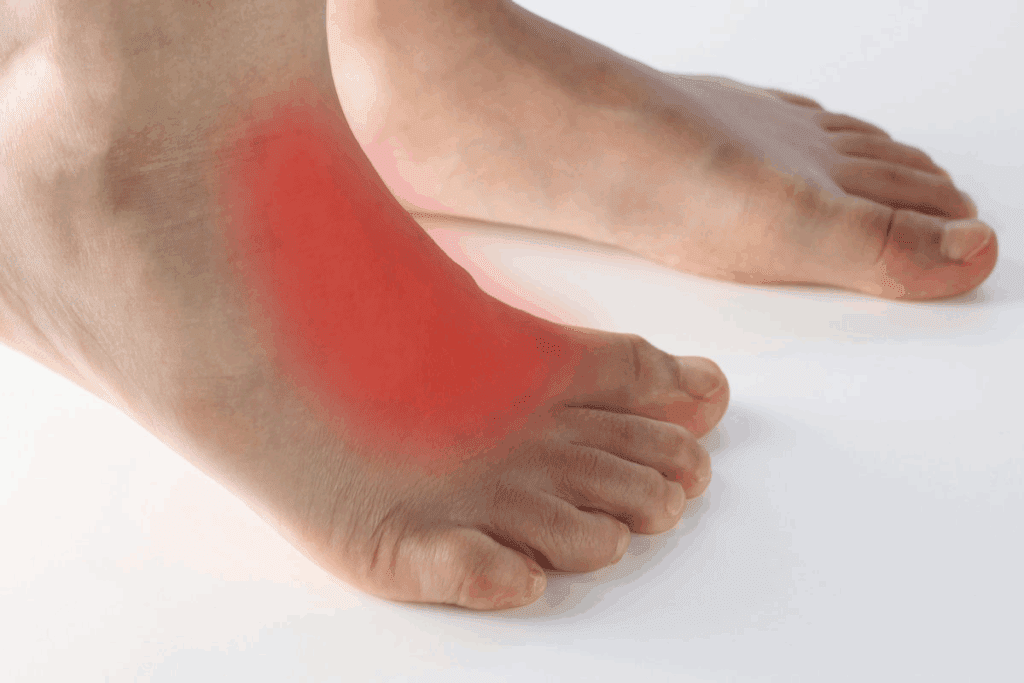
Tendonitis in the ankle and foot can cause numbness. Achilles tendonitis leads to pain and stiffness in the back of the ankle. This can cause numbness in the foot. Peroneal tendonitis causes pain on the outside of the ankle and numbness on the top of the foot.
The numbness from lower extremity tendonitis varies by location and severity. Knowing the link between tendonitis and numbness is key for diagnosis and treatment.
Diagnosing Tendonitis and Associated Numbness
Identifying tendonitis and numbness requires a detailed diagnostic process. Accurate diagnosis is key to creating a good treatment plan.
Physical Examination Techniques
Physical exams are essential in diagnosing tendonitis and numbness. Doctors use several methods to check the affected area. These include feeling for tenderness, checking joint mobility, and assessing muscle strength.
Palpation helps doctors find tenderness or swelling in the tendon. Range of motion tests check how well the joint moves. Strength tests measure muscle power around the tendon.
Imaging and Diagnostic Tests
Imaging studies are often needed to confirm the diagnosis. They help rule out other possible causes of symptoms. Common imaging methods include:
- X-rays: Good for spotting bone spurs or calcifications that might cause tendonitis.
- Ultrasound: Shows tendons and soft tissues in real-time, helping find inflammation or tears.
- MRI (Magnetic Resonance Imaging): Offers detailed images of tendons, nerves, and tissues, great for complex cases.
| Imaging Modality | Advantages | Limitations |
| X-ray | Quick, widely available, good for bone abnormalities | Limited soft tissue visualization |
| Ultrasound | Real-time imaging, good for tendons and soft tissues | Operator-dependent, limited deep tissue visualization |
| MRI | Excellent soft tissue detail, complete evaluation | Expensive, claustrophobic for some patients |
Nerve Conduction Studies
Nerve conduction studies (NCS) measure nerve electrical activity. They’re useful when numbness is a symptom, as they can spot nerve damage or compression.
During NCS, electrodes are placed on the skin over the nerve. A small electrical impulse is applied, and the response is recorded. This helps doctors assess nerve function and find areas of injury or compression.
By using physical exams, imaging, and NCS, doctors can accurately diagnose tendonitis and numbness. This leads to effective treatment plans.
Conservative Treatment Approaches
When dealing with tendonitis and numbness, we often start with conservative treatments. These methods help ease symptoms, aid in healing, and improve function without surgery.
Rest and Activity Modification
Rest and activity modification are key in treating tendonitis. It means avoiding activities that make it worse and changing daily habits to ease tendon strain. This helps the tendons heal and improves recovery chances.
Physical Therapy Interventions
Physical therapy is vital in managing tendonitis and numbness. A physical therapist creates a custom exercise plan to:
- Strengthen muscles around the tendon
- Improve flexibility and range of motion
- Boost proprioception (body position awareness)
Anti-inflammatory Medications
Anti-inflammatory medications are also important in tendonitis treatment. They help lower pain and swelling, making it easier to do physical therapy and daily tasks. Common choices include ibuprofen or naproxen.
Addressing Both Tendon and Nerve Symptoms
When tendonitis causes numbness, treating both tendon and nerve issues is critical. This might include a mix of treatments like physical therapy, nerve exercises, or vitamin B supplements. These help support nerve health.
With a thorough conservative treatment plan, many people with tendonitis and numbness see big improvements. Their symptoms lessen, and their quality of life gets better.
Advanced Treatment Options for Persistent Cases
When simple treatments don’t work, more advanced options like corticosteroid injections and regenerative medicine can help. These methods offer relief for those with ongoing tendonitis and numbness.
Corticosteroid Injections
Corticosteroid injections are used to reduce tendon inflammation. They can greatly help by lessening swelling and pain from tendonitis.
Benefits: Quick inflammation reduction, pain relief.
Risks: May weaken or rupture tendons with repeated use.
Regenerative Medicine Approaches
Regenerative medicine, like platelet-rich plasma (PRP) therapy, is becoming more popular for tendonitis treatment. It involves injecting plasma rich in platelets from the patient’s blood to aid healing.
Benefits: Encourages tendon healing, is minimally invasive.
Risks: Results can vary, and it can be expensive.
Surgical Interventions for Nerve Decompression
When tendonitis causes nerve compression, surgery might be needed. Surgery can remove pressure from the nerve, easing numbness and other symptoms.
Benefits: Offers significant relief from nerve compression symptoms.
Risks: Includes surgical complications like infection and nerve damage.
| Treatment Option | Benefits | Risks |
| Corticosteroid Injections | Quick reduction in inflammation, pain relief | Potential for tendon weakening or rupture |
| Regenerative Medicine | Promotes tendon healing, minimally invasive | Variable efficacy, cost |
| Surgical Interventions | Significant relief from nerve compression symptoms | Surgical risks, including infection, nerve damage |
Each advanced treatment has its role in managing persistent tendonitis and numbness. The right choice depends on the severity of symptoms and the patient’s health.
Preventing Tendonitis and Nerve Compression
By using proper ergonomics, exercising regularly, and making smart lifestyle choices, you can lower your risk of tendonitis and nerve compression. These steps help protect your muscles and keep your nerves working well.
Proper Ergonomics and Technique
Good ergonomics in daily life and workspaces is key to avoiding tendonitis. Ergonomic adjustments help lessen tendon and nerve strain. For example, sitting at a desk right means your feet should be flat and knees at or below hip level. Your monitor should be at eye level, and your keyboard should let your elbows stay at 90 degrees.
Proper technique is also essential in sports and physical activities. Using the right form in exercises or tasks helps avoid tendon stress. For instance, golfers should focus on a correct swing to prevent elbow or shoulder tendonitis.
Strengthening and Flexibility Exercises
Doing strengthening and flexibility exercises regularly is key to preventing tendonitis and nerve compression. Strengthening muscles around joints helps support and stabilize them, lowering tendon strain risk. Flexibility exercises, like stretching, improve movement and reduce nerve entrapment chances.
- Include exercises that target the major muscle groups, such as the shoulders, legs, and core.
- Perform stretching exercises regularly, focusing on areas prone to tendonitis, like the Achilles tendon and rotator cuff.
Fitness experts say, “A balanced exercise program with strength training and flexibility exercises can greatly lower musculoskeletal injury and condition risks.”
Lifestyle Modifications
Some lifestyle modifications can also help prevent tendonitis and nerve compression. Keeping a healthy weight reduces tendon and joint strain. Also, avoiding repetitive motions and taking breaks during activities can prevent overuse injuries.
“A balanced lifestyle with regular physical activity, a healthy diet, and enough rest can boost musculoskeletal health and lower tendonitis risk.”
Managing stress through relaxation, like meditation or deep breathing, can also help. It reduces muscle tension and promotes well-being.
When Numbness with Tendon Pain Indicates a More Serious Condition
It’s important to find out why you have numbness and tendon pain. Tendonitis can cause these symptoms because of inflammation and nerve pressure. But sometimes, these signs might mean a more serious problem.
Red Flags to Watch For
Some symptoms with tendon pain and numbness need quick medical check-ups. These red flags include:
- Sudden onset of severe numbness or pain
- Progressive weakness in the affected limb
- Loss of coordination or balance
- Recent trauma or injury to the affected area
- Systemic symptoms such as fever or unexplained weight loss
If you notice any of these signs, see a doctor right away. They can check for serious issues.
Conditions That Mimic Tendonitis-Related Numbness
Many health problems can make you feel like you have tendonitis. These conditions include:
- Diabetic neuropathy
- Multiple sclerosis
- Peripheral artery disease
- Nerve entrapment syndromes not related to tendonitis
Getting a correct diagnosis is key. A doctor can tell if your numbness is from tendonitis or something else.
When to Seek Immediate Medical Attention
If you see any red flags or are unsure about your symptoms, get medical help fast. Quick diagnosis and treatment are very important.
In short, tendonitis can cause numbness, but knowing the warning signs is key. By watching for these signs and getting medical help when needed, you can get the right care for your health.
Conclusion
Tendonitis and numbness are closely linked and can greatly affect a person’s life. We’ve looked at how tendon inflammation and nerve compression are connected. This shows how tendonitis can cause numbness.
To treat tendonitis and numbness, we need a full plan. This plan should tackle both the tendon inflammation and the nerve compression. Knowing the causes, symptoms, and treatments is the first step to managing the condition.
There are many ways to treat tendonitis and numbness. Options include rest, physical therapy, and anti-inflammatory drugs. More advanced treatments like corticosteroid injections and regenerative medicine are also available. If symptoms don’t get better or get worse, it’s important to see a doctor.
Understanding the link between tendonitis and numbness helps in getting the right treatment. With the right care, it’s possible to lessen symptoms. This improves health and overall well-being.
FAQ
Can tendonitis cause numbness and tingling sensations?
Yes, tendonitis can cause numbness and tingling. This happens when inflamed tendons press on nerves.
What are the common causes of tendon inflammation?
Tendon inflammation often comes from repetitive strain or overuse. It can also be caused by sudden injuries. Poor ergonomics, not warming up or cooling down properly, and certain health conditions can make it worse.
How is tendonitis diagnosed?
Doctors use a physical exam, medical history, and imaging tests like ultrasound or MRI to diagnose tendonitis. Sometimes, nerve conduction studies are needed too.
What is the relationship between wrist tendonitis and carpal tunnel syndrome?
Wrist tendonitis can lead to carpal tunnel syndrome. This is because swelling from tendonitis can press on the median nerve. This causes numbness and tingling in the hand.
Can piriformis syndrome cause sciatic nerve symptoms?
Yes, piriformis syndrome can cause sciatic nerve symptoms. This includes numbness, tingling, and pain. It happens when the sciatic nerve is compressed by the piriformis muscle.
What are the treatment options for tendonitis and associated numbness?
Treatments for tendonitis and numbness include rest, physical therapy, and anti-inflammatory drugs. Advanced treatments include corticosteroid injections, regenerative medicine, and surgery.
How can tendonitis and nerve compression be prevented?
To prevent tendonitis and nerve compression, keep ergonomics right. Do strengthening and flexibility exercises regularly. Also, make lifestyle changes to avoid repetitive strain and overuse.
When should I seek immediate medical attention for numbness with tendon pain?
Seek immediate medical help for sudden or severe numbness, tingling, or pain. Also, if you have trouble controlling your muscles or feel weak. These could be signs of a serious problem.
Can tendonitis cause peripheral nerve damage?
Yes, tendonitis can lead to peripheral nerve damage if not treated or if treatment is delayed. This can cause chronic compression and permanent nerve damage.
What is the role of physical therapy in treating tendonitis and numbness?
Physical therapy is key in treating tendonitis and numbness. It helps reduce inflammation, improves movement, and strengthens muscles. This relieves nerve compression.
Reference
- National Library of Medicine MedlinePlus: