Last Updated on November 4, 2025 by mcelik
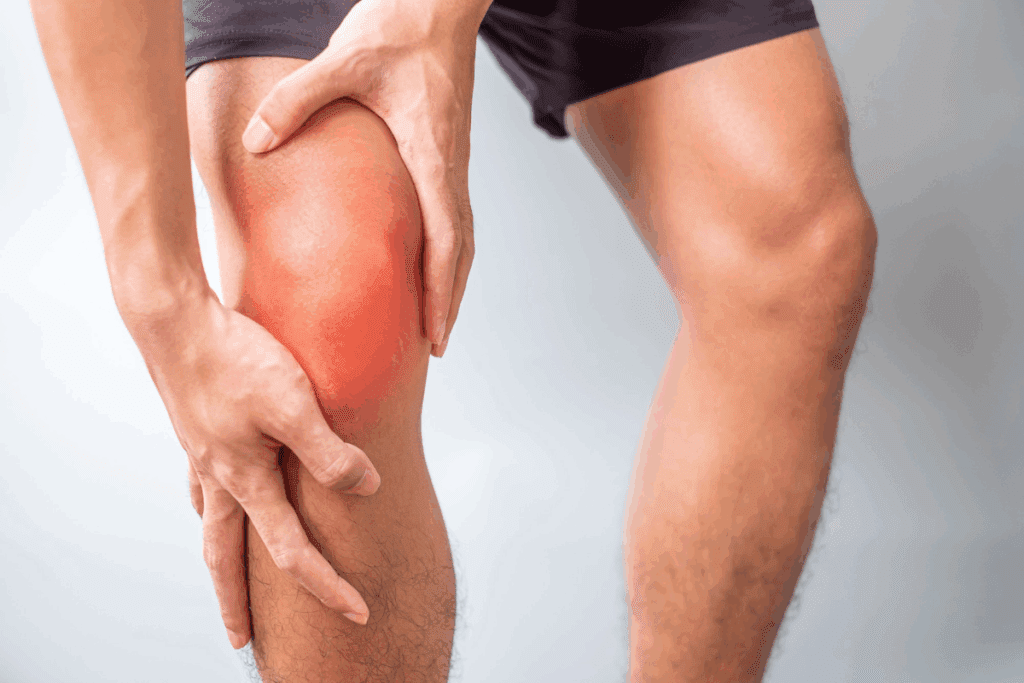
Musculoskeletal disorders affect millions globally, with tendonitis and arthritis being common. They impact the musculoskeletal system but have different causes, symptoms, and treatments. In the U.S., 1 in 5 adults has arthritis, yet many don’t know the difference between it and tendonitis. Tendonitis vs arthritis: The Simple way to tell the Crucial difference for Accurate diagnosis and treatment.
It’s important to know the difference between tendonitis and arthritis for proper care. Tendonitis is inflammation of tendons, while arthritis is inflammation of joints. Knowing the difference helps patients get the right treatment.
Key Takeaways
- Tendonitis and arthritis are two distinct musculoskeletal conditions.
- Understanding the differences between these conditions is key for proper diagnosis.
- Tendonitis involves inflammation of the tendons, while arthritis affects the joints.
- Both conditions have different causes, symptoms, and treatments.
- Proper diagnosis is essential for effective management of these conditions.
Understanding Tendonitis and Its Characteristics

Tendonitis is a condition that affects the tendons. These are strong, fibrous cords that connect muscles to bones. To understand tendonitis, we need to know about the anatomy of tendons and their role in our musculoskeletal health.
Definition and Anatomy of Tendons
Tendons are made of collagen fibers. They play a key role in movement by transmitting forces from muscles to bones. Tendonitis happens when these tendons get inflamed or irritated. This can be due to overuse, injury, or repetitive motion.
This inflammation causes pain and tenderness, often near the joint.
Common Types of Tendonitis
There are several common types of tendonitis. Achilles tendonitis affects the tendon connecting the calf muscles to the heel bone.
Other forms include tennis elbow (lateral epicondylitis) and golfer’s elbow (medial epicondylitis). Both affect the tendons around the elbow.
What Is Arthritis? A Comprehensive Overview

Arthritis is a term for over 100 conditions that cause joint pain and swelling. It affects millions globally, impacting their daily lives and activities.
Definition and Joint Anatomy
Arthritis refers to conditions that cause pain and swelling in the joints. Joints are where two bones meet, important for movement and flexibility. The joint anatomy includes cartilage, ligaments, tendons, and synovial fluid, all affected by arthritis.
Major Types of Arthritis
The most common types of arthritis are osteoarthritis, rheumatoid arthritis, and psoriatic arthritis. Osteoarthritis breaks down cartilage, causing bone pain. Rheumatoid arthritis is an autoimmune disease that causes inflammation and can lead to severe joint damage. Psoriatic arthritis occurs in some people with psoriasis, causing joint pain and inflammation.
Understanding the symptoms and causes of these types is key for effective management and treatment. Each type has unique characteristics and affects joints differently. A proper diagnosis is essential for targeted treatment.
Tendonitis vs Arthritis: Key Differences
It’s important to know the difference between tendonitis and arthritis. Both can cause pain, but they affect different parts of the body.
Anatomical Differences
Tendonitis happens when tendons, which connect muscles to bones, get inflamed. Arthritis, on the other hand, affects the joints where bones meet. This difference is key because it changes how we treat each condition.
Tendons are like cords that help muscles move bones. Joints, being more complex, allow for movement and support weight.
Pathological Processes
Tendonitis is usually caused by overuse or injury. Arthritis, though, has many causes like wear and tear or autoimmune responses. This shows how each condition has its own reasons for happening.
Knowing these differences helps doctors create better treatment plans. For tendonitis, rest and physical therapy might help. Arthritis treatment can include medicine, lifestyle changes, or even surgery.
Understanding these differences is key for doctors to make the right diagnosis and treatment. This helps patients get better faster.
The Relationship Between Tendon and Joint Health
Healthy tendons are key for joints to work right. When tendons get inflamed or damaged, it hurts joint health a lot. Tendons link muscles to bones, helping us move and stay stable.
When they’re in good shape, joints move smoothly. They also absorb shock and handle the stress of physical activities.
How Tendons Support Joint Function
Tendons help joints by giving them the stability they need and making movement possible. They connect muscles to bones, letting joints move freely. Healthy tendons are important for joints to function well.
Damage or inflammation in tendons can cause pain and make it hard to move. It also raises the chance of getting hurt again.
The health of tendons is linked to the soft tissues around them, like ligaments and muscles. All these work together to support and move joints.
Biomechanical Connections
The way tendons and joints work together is complex. Tendons face different stresses like tension, compression, and shear forces. These stresses can harm their health and function.
The strength and flexibility of tendons are key. They help joints move and handle stress.
| Biomechanical Factor | Effect on Tendons | Impact on Joint Health |
| Tension | Can cause tendon strain | May lead to joint instability |
| Compression | Can result in tendon compression syndrome | May cause pain and reduced mobility |
| Shear Forces | Can lead to tendon damage | May result in joint dysfunction |
Knowing how tendons and joints work together is key for treating tendonitis and arthritis. Healthcare experts can make better treatment plans by understanding their connection. This helps fix the root causes of musculoskeletal problems.
Common Causes of Tendonitis
It’s important to know what causes tendonitis to prevent and treat it. Tendonitis is when tendons get inflamed and hurt. It can happen for many reasons.
Overuse and Repetitive Motion
Overuse or repetitive motion is a big reason for tendonitis. Doing the same thing over and over can hurt a tendon. This can happen in:
- Jobs that require repetitive movements
- Sports activities like tennis or golf
- Musical performances that involve repetitive hand or finger movements
Injury and Trauma
Injury or trauma to a tendon can also cause tendonitis. This can happen from a sudden hit or a fall. It can damage the tendon and cause inflammation.
Age-Related Factors
Age-related changes can make tendons more likely to get tendonitis. As we get older, tendons lose some of their stretchiness. This makes them more likely to get hurt.
To prevent tendonitis, we need to understand these causes. We should do warm-up exercises, use the right techniques, and keep our tendons healthy. This includes exercising right and eating well.
Common Causes of Arthritis
Arthritis comes from a mix of genetics, environment, and body functions. Each type of arthritis has its own cause. But they all lead to joint pain and swelling.
Genetic Factors
Genetics play a big role in some arthritis types, like rheumatoid arthritis (RA) and osteoarthritis (OA). If your family has arthritis, you might get it too. Scientists have found certain genes that raise the risk of RA and OA.
Autoimmune Processes
Rheumatoid arthritis is caused by the immune system attacking the joints. This leads to swelling and damage. It’s a mix of genetics and environment that starts this attack.
Wear and Tear
Osteoarthritis happens when joints wear out over time. As we get older, the cartilage that protects the joints wears away. This causes pain and stiffness. Being overweight, injuries, and repetitive strain can make it worse.
| Cause | Type of Arthritis | Description |
| Genetic Factors | Rheumatoid Arthritis, Osteoarthritis | Increased risk due to family history and specific genetic markers. |
| Autoimmune Processes | Rheumatoid Arthritis | The immune system attacks the joint lining, causing inflammation. |
| Wear and Tear | Osteoarthritis | Deterioration of cartilage over time, exacerbated by age, obesity, and injury. |
Knowing why arthritis happens is key to treating it. Healthcare providers can make better plans by understanding the causes. This helps them meet each patient’s needs better.
Comparing Symptoms: Tendonitis and Arthritis
Tendonitis and arthritis share some symptoms, but they have key differences. Both can cause pain and stiffness. The way and where these symptoms appear can help diagnose these conditions.
Pain Characteristics and Patterns
Tendonitis pain is usually in the area of the affected tendon. It gets worse with movement or activity that uses the tendon. For example, Achilles tendonitis hurts the back of the ankle when walking or running.
Arthritis pain is more spread out in the joint. It can feel like grinding or crunching (crepitus). Arthritis pain can be constant, even when resting, and gets worse after being inactive for a while.
Common tendonitis pain signs include:
- Pain that gets worse with specific movements
- Tenderness to the touch
- Pain that feels better with rest
Arthritis pain may:
- Be constant or get worse at night
- Be accompanied by stiffness, mainly in the morning
- Feel better with movement, in some cases
Swelling, Stiffness, and Mobility Issues
Both tendonitis and arthritis can cause swelling and stiffness, but in different ways. Tendonitis usually has swelling around the tendon, while arthritis has swelling in the joint. Stiffness is common in both, but arthritis stiffness lasts longer in the morning.
Mobility issues are common in both. Tendonitis limits movement due to pain, while arthritis reduces joint mobility more. Early diagnosis and treatment can help with these issues and improve life quality.
Key mobility issues to watch for include:
- Difficulty moving the affected joint or limb
- Reduced range of motion
- Pain or stiffness that interferes with daily activities
Diagnostic Approaches for Tendonitis
Diagnosing tendonitis involves checking symptoms, doing physical exams, and using imaging tests if needed. This detailed approach helps find tendonitis correctly and treat it right.
Physical Examination Techniques
Physical exams are key in diagnosing tendonitis. Doctors use methods like palpation, range of motion tests, and strength tests. Palpation is when they feel the tendon to find tenderness or swelling.
Range of motion tests check how well the joint moves. Strength tests see if the muscle works right. These help figure out how bad the tendonitis is and what treatment to use.
Imaging and Other Tests
Imaging tests like ultrasound and MRI help confirm tendonitis. Ultrasound is great for seeing tendons and finding inflammation or tears. MRI shows detailed pictures of tendons and the area around them, helping find how damaged the tendon is.
| Diagnostic Test | Use in Tendonitis Diagnosis | Benefits |
| Ultrasound | Visualize tendons, detect inflammation or tears | Quick, non-invasive, and cost-effective |
| MRI | Detailed images of tendons and surrounding tissues | High sensitivity for detecting tendon damage |
| X-ray | Rule out bone-related issues | Widely available, quick results |
Diagnostic Approaches for Arthritis
Healthcare professionals use many ways to diagnose arthritis. They look at how the body works, do blood tests, and use imaging studies. This helps figure out what kind of arthritis someone has and how bad it is.
Blood Tests and Markers
Blood tests are key in finding arthritis. They check for special markers that show certain types of arthritis. For example, rheumatoid factor (RF) and anti-citrullinated protein antibody (anti-CCP) are signs of rheumatoid arthritis. Antinuclear antibodies (ANA) might show up in lupus or other autoimmune diseases.
These tests help doctors tell arthritis types apart. They also help decide the best treatment.
Imaging and Joint Fluid Analysis
Imaging tests like X-rays, ultrasound, and MRI are vital. They show joint damage and how the disease is getting worse. X-rays can spot joint space narrowing and bone damage. Ultrasound and MRI give clear pictures of soft tissues like tendons and ligaments.
Joint fluid analysis, or arthrocentesis, is another important test. It involves taking fluid from a joint to diagnose conditions like septic arthritis or gout. This test can find infections, inflammation, or arthritis caused by crystals.
When Tendonitis and Arthritis Coexist
In some cases, tendonitis and arthritis can happen together. This makes things more complicated. It’s important to know how these two conditions affect people’s lives.
Rheumatoid Arthritis and Tendon Involvement
Rheumatoid arthritis (RA) is a chronic autoimmune disorder that mainly affects joints. But it can also affect tendons, causing tendonitis. This inflammation can weaken tendons, making them more likely to get injured or rupture.
Research shows that tendon involvement is common in RA patients. Some people first notice tendonitis symptoms. The tendons around the hands, wrists, and feet are most often affected.
Osteoarthritis and Adjacent Tendonitis
Osteoarthritis (OA) is when cartilage in joints breaks down. OA mainly affects the joint but can also cause tendonitis nearby. This happens because of changes in how the joint moves and the stress on the tendons.
For example, OA in the knee can cause tendonitis in the patellar or quadriceps tendons. It’s important to treat both OA and tendonitis together for the best results.
| Disease Characteristics | Rheumatoid Arthritis | Osteoarthritis |
| Nature of Disease | Autoimmune, inflammatory | Degenerative, wear and tear |
| Tendon Involvement | Common, due to inflammation | Less common, often secondary to joint changes |
| Typical Tendons Affected | Hands, wrists, feet | Adjacent to affected joints (e.g., knee, hip) |
Treatment Options for Tendonitis
Understanding the different ways to treat tendonitis is key. It involves both simple and more complex methods. The goal is to lessen inflammation, ease pain, and help the tendon heal.
Conservative Approaches
Most treatments start with simple steps. The RICE method (rest, ice, compression, elevation) helps a lot. It reduces swelling and pain.
Physical therapy is also important. It includes exercises to make the tendon stronger and more flexible. Sometimes, NSAIDs are given to help with pain and swelling.
Using orthotics or braces is another way to support the tendon. This helps during everyday activities. Changing your lifestyle, like avoiding repetitive actions and staying at a healthy weight, also helps manage tendonitis.
Medical Interventions
If simple treatments don’t work, doctors might suggest more serious options. Corticosteroid injections can help a lot by reducing inflammation. But, they can weaken the tendon, so they’re used carefully.
In serious cases or when other treatments fail, surgery might be needed. Surgery can fix damaged tendons or repair tears. New treatments like PRP therapy are also being used. It uses the patient’s own blood to help the tendon heal.
Treatment Options for Arthritis
Managing arthritis well means using many ways to ease symptoms and slow the disease. Each treatment plan is made just for the person. It takes into account the type of arthritis, how severe it is, and the person’s health.
Medication Approaches
Medicines are key in fighting arthritis symptoms. Nonsteroidal anti-inflammatory drugs (NSAIDs) help by reducing pain and swelling. For serious cases, disease-modifying antirheumatic drugs (DMARDs) and biologic agents are used to slow the disease.
The Arthritis Foundation says starting DMARDs early can greatly help patients with rheumatoid arthritis.
“The goal of arthritis treatment is not just to alleviate symptoms but to improve the patient’s quality of life.”
Corticosteroids are also used to cut down inflammation. The right medicine depends on the arthritis type, how bad it is, and how well the patient responds to treatment.
Surgical and Advanced Therapies
When other treatments don’t work, surgery might be needed. Joint replacement surgery is often used to fix severely damaged joints. It aims to make the joint work better and lessen pain. Arthroscopy is another surgery that fixes or removes damaged tissue.
New treatments like regenerative medicine, including platelet-rich plasma (PRP) therapy, are being looked into. They might help fix damaged joints. These treatments are part of a bigger plan to help people with arthritis live better lives.
By mixing medicines, lifestyle changes, and sometimes surgery, people with arthritis can see big improvements. They can feel better and live better too.
Lifestyle Modifications and Self-Care
Making smart lifestyle choices can really help with tendonitis and arthritis. Adding healthy habits to your daily life can bring big relief from symptoms.
Exercise and Physical Therapy
Regular exercise and physical therapy are key for managing tendonitis and arthritis. Gentle activities like yoga, swimming, or cycling keep joints moving and muscles strong. They don’t strain the tendons and joints too much. Physical therapy offers custom exercises and techniques to boost flexibility and cut down pain.
Dietary Considerations
Dietary considerations are important for fighting inflammation and boosting health. Eating foods that fight inflammation, like omega-3s, antioxidants, and fiber, can ease tendonitis and arthritis symptoms. Good foods include fatty fish, nuts, and leafy greens. Avoid processed and sugary foods. Drinking plenty of water is also key for healthy tendons and joints.
Combining tendonitis relief and arthritis relief strategies is a smart way to manage your condition. Pay attention to what you eat and make sure to include the right exercise and physical therapy in your routine.
Prevention Strategies for Tendonitis and Arthritis
Knowing what causes tendonitis and arthritis is key to preventing them. By taking care of your joints and tendons, you can lower your risk of getting these conditions.
Joint Protection Techniques
Keeping your joints safe from too much stress is important. Use good ergonomics, avoid repetitive actions, and wear the right gear when you’re active. Keeping a healthy weight is also important. Too much weight can hurt your hips, knees, and ankles.
Maintaining Tendon Health
Keeping your tendons healthy needs regular exercise, good food, and not overdoing it. Stretching and strengthening exercises make tendons flexible and strong. Drinking enough water and eating foods full of antioxidants and omega-3 fatty acids helps too.
When to Seek Medical Attention
Knowing when to see a doctor is key for managing tendonitis and arthritis. Both can really affect your life if not treated right.
Red Flags for Tendonitis
Some signs mean you need to see a doctor fast for tendonitis. Look out for severe pain that makes it hard to do everyday things. Also, watch for significant swelling or trouble moving the affected area.
If you feel a sudden, sharp pain or see a joint deformity, get help right away. Also, if your symptoms don’t get better with home care, see a doctor.
Warning Signs for Arthritis
Arthritis symptoms that need a doctor’s attention include persistent joint pain and stiffness, mainly in the morning. Also, look out for swelling around the joints.
If you can’t move as well as before or have joint pain and swelling for weeks, see a doctor. Early treatment can help manage symptoms and slow the disease.
Conclusion: Understanding the Distinction Between Tendonitis and Arthritis
Getting a correct diagnosis is key when it comes to tendonitis and arthritis. Both affect the musculoskeletal system but need different treatments. Knowing the differences between tendonitis and arthritis is vital for effective care.
We’ve looked at what each condition is, why they happen, their symptoms, and how to treat them. By understanding tendonitis and arthritis, people can better handle their diagnosis and treatment. This can greatly improve their life quality.
In summary, knowing the differences helps doctors give better care and patients manage their health better. By focusing on musculoskeletal health, we can lower the risk of problems and boost our overall health.
FAQ
What is the main difference between tendonitis and arthritis?
Tendonitis is when tendons get inflamed. Arthritis is when joints get inflamed. Knowing the difference helps doctors find the right treatment.
Can tendonitis be a symptom of arthritis?
Yes, arthritis can make tendons inflamed. This makes treating both conditions harder. It’s common in rheumatoid and osteoarthritis.
What are the common causes of tendonitis?
Tendonitis often comes from too much strain or sudden injury. It can also be caused by overuse, repetitive motion, and getting older.
How is tendonitis diagnosed?
Doctors check symptoms and do physical exams. They might use ultrasound or MRI to confirm it.
What are the treatment options for tendonitis?
Treatment includes rest, ice, and physical therapy. In severe cases, doctors might use injections or surgery.
Can lifestyle modifications help manage tendonitis and arthritis?
Yes, regular exercise, physical therapy, and diet changes can help. They can make symptoms better and improve life quality.
How can I prevent tendonitis and arthritis?
Preventive steps include protecting joints and keeping tendons healthy. Avoiding too much strain or sudden injuries also helps.
When should I seek medical attention for tendonitis or arthritis?
See a doctor if pain, swelling, or stiffness is severe. Or if symptoms come on suddenly or with fever.
Are there any differences in the symptoms of tendonitis and arthritis?
Yes, symptoms can differ. Tendonitis affects tendons, causing pain and stiffness. Arthritis affects joints, causing similar symptoms but in different places.
Can arthritis cause tendonitis?
Yes, arthritis, like rheumatoid arthritis, can lead to tendonitis. This is because arthritis is inflammatory.
What is the role of physical therapy in managing tendonitis and arthritis?
Physical therapy is key for both conditions. It improves joint mobility, strengthens muscles, and reduces pain and swelling.
References
- Patal, A., & Ferguson, P. (2017). Tendinopathy: why the difference between tendinitis and tendinosis matters. Journal of Orthopaedic & Sports Physical Therapy, 47(8), 560‑564. https://pubmed.ncbi.nlm.nih.gov/29078821/