Last Updated on November 26, 2025 by Bilal Hasdemir

Prostate cancer is a big health issue for millions of men worldwide. A terminal diagnosis happens when the cancer has spread beyond the prostate and no longer responds to treatments. This stage, known as stage 4 or metastatic prostate cancer, brings big challenges for patients and doctors.
It’s important to know how prostate cancer progresses and when it’s considered terminal. We’ll look into the details of advanced prostate cancer and how to manage it.
Key Takeaways
- Terminal prostate cancer is diagnosed when the disease has spread beyond the prostate gland.
- Advanced prostate cancer is no longer responding to curative treatments.
- Stage 4 or metastatic prostate cancer is considered terminal.
- Understanding disease progression is key for patients and their families.
- Managing advanced prostate cancer needs a full approach.
Understanding Prostate Cancer Basics
Learning about prostate cancer means looking at its definition, how common it is, and what increases the risk. By exploring these key points, we get a better understanding of the disease and its effects.
What is Prostate Cancer?
Prostate cancer happens when cells in the prostate gland grow too much and form a tumor. The prostate gland is a small, walnut-sized gland in men that produces fluid for semen. This cancer is serious because it can spread and become dangerous.
“Prostate cancer is a complex disease, and understanding its biology is key to developing effective treatments.”
Common Statistics and Prevalence
Prostate cancer is a common cancer in men, mostly in older men. Recent stats show it affects many men worldwide, with different rates in different places.
Looking at how common prostate cancer is, we see age is a big factor. Most cases are found in men over 65. Knowing this helps us see how big of a deal it is and why we need to be aware and get checked.
Risk Factors and Causes
Several things can increase the risk of getting prostate cancer. Age is the biggest risk factor, with more cases after 50. Family history also matters, as men with a close relative with prostate cancer are at higher risk.
Genetic changes, like in the BRCA1 and BRCA2 genes, can also play a part. Lifestyle and environmental factors might affect risk too, but more research is needed.
Experts say,
“Identifying risk factors and understanding their implications can help in the early detection and management of prostate cancer.”
By knowing these basics, we can handle the complex issues of prostate cancer better.
Stages of Prostate Cancer Progression

Prostate cancer goes through several stages, from localized to metastatic. Knowing these stages helps doctors predict outcomes and pick the best treatments.
Localized Cancer
Stage 1 prostate cancer is localized, staying within the prostate gland. It hasn’t spread to nearby tissues or lymph nodes. Often, it’s found by a PSA test or a digital rectal exam (DRE).
Confined but More Advanced
Stage 2 cancer is also in the prostate but is more advanced. It might be felt during a DRE, and PSA levels could be higher. Treatment can be surgery, radiation, or watching and waiting, based on the patient’s health and wishes.
Locally Advanced
Stage 3 cancer has grown beyond the prostate, possibly into nearby tissues like the seminal vesicles. At this point, treatments like hormone therapy and radiation are often used together.
Metastatic Cancer
Stage 4 is the most severe, with cancer spreading to distant parts of the body. Metastatic prostate cancer requires a different approach, focusing on symptom control and slowing the disease’s growth.
Understanding prostate cancer stages is key to early detection and effective management. As cancer progresses, treatments become more complex, and care needs to be more thorough.
Knowing the exact stage of prostate cancer is essential for patients to make informed decisions. It’s important to talk about each stage and its treatment implications with a healthcare provider.
Terminal Prostate Cancer: Definition and Criteria
“Terminal prostate cancer” means the cancer can’t be cured anymore. It has spread and doesn’t respond to treatments. Knowing about terminal prostate cancer helps patients, families, and doctors make better choices.
Medical Definition of Terminal Cancer
Terminal cancer, like prostate cancer, is when treatments can’t cure it anymore. Doctors look at the cancer’s stage, spread, and the patient’s health to decide if it’s terminal.
When Prostate Cancer Becomes Incurable
Prostate cancer is incurable when it spreads to other parts of the body. This is called metastatic prostate cancer. It happens when the cancer is aggressive and doesn’t respond to treatments.
Difference Between Advanced and Terminal Stages
Advanced and terminal prostate cancer both mean the disease has spread. But, advanced cancer might be treatable. Terminal cancer, though, is not treatable and will likely lead to death.
Here’s a table to show the differences:
| Characteristics | Advanced Prostate Cancer | Terminal Prostate Cancer |
| Treatment Response | May respond to treatments | No longer responds to treatments |
| Disease Spread | Has spread | Has spread and continues to progress |
| Prognosis | Variable | Poor, with a focus on palliative care |
It’s important to understand terminal prostate cancer. Knowing the difference between advanced and terminal stages helps patients and families prepare. It helps them make informed decisions about their care.
Metastatic Prostate Cancer Explained

It’s important for patients and doctors to understand metastatic prostate cancer. This stage means the cancer has spread beyond the prostate. It has reached other parts of the body.
Common Sites of Metastasis
Prostate cancer often spreads to certain areas. The most common places are:
- Bones: like the spine, pelvis, and ribs
- Lymph nodes: near the prostate and elsewhere
- Organs: like the lungs, liver, and sometimes the brain
Bone Metastasis Significance
Bone metastasis is a big worry in metastatic prostate cancer. It can cause many problems, including:
| Complication | Description |
| Bone pain | Pain in the affected bones, which can be severe and debilitating |
| Pathological fractures | Fractures that occur due to weakened bones |
| Hypercalcemia | Elevated calcium levels in the blood due to bone breakdown |
Visceral Metastasis Implications
Visceral metastasis means cancer has spread to organs like the lungs or liver. This has big implications for how well a patient will do and what treatments they might need. It often means the cancer is more aggressive and needs stronger treatments.
Dealing with metastatic prostate cancer is tough for patients and their families. It’s key to understand how the disease progresses and what treatment options are available. This helps in making informed decisions about care.
Diagnostic Process for Terminal Prostate Cancer
To diagnose terminal prostate cancer, we use several methods. These include imaging, biopsy, and biomarker analysis. Our goal is to understand the disease’s extent accurately.
Advanced Imaging Techniques
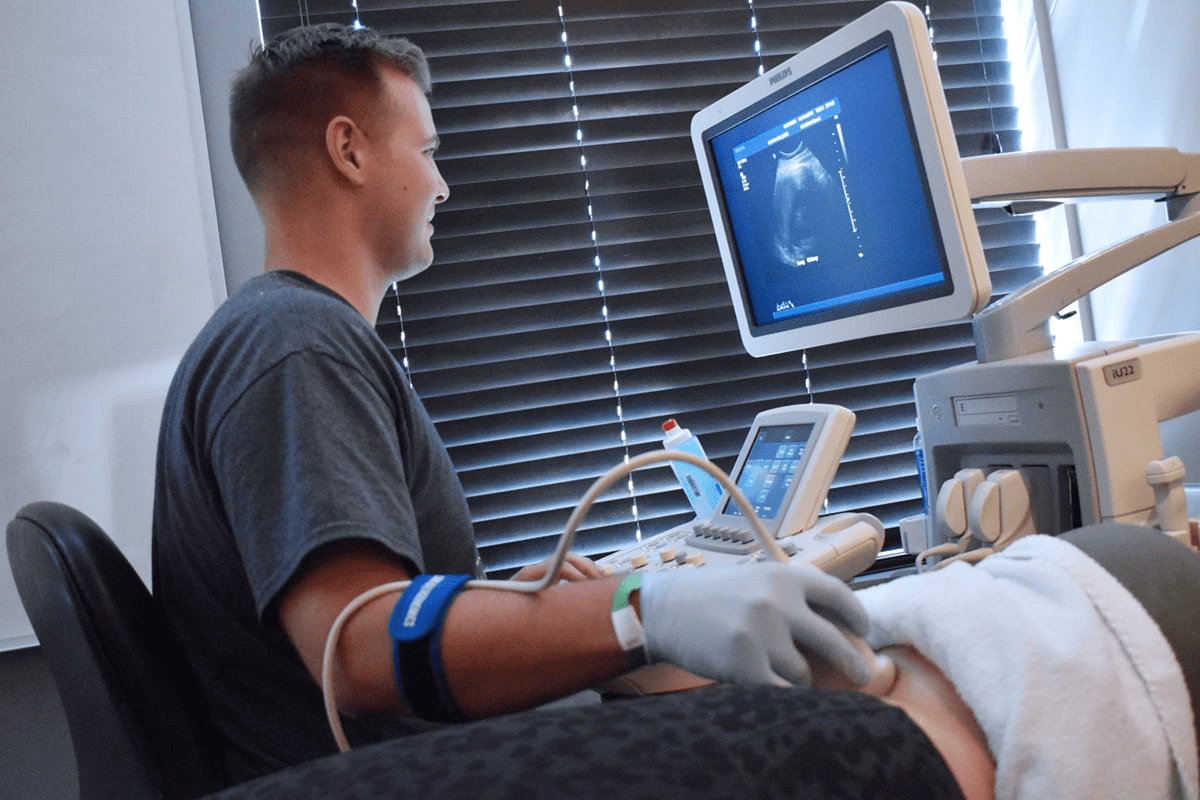
Advanced imaging is key in finding terminal prostate cancer. MRI (Magnetic Resonance Imaging) and CT (Computed Tomography) scans help see if cancer has spread. This is important for treatment planning.
- MRI gives detailed views of the prostate and nearby tissues.
- CT scans spot cancer in lymph nodes or distant organs.
- Bone scans check for cancer in bones, a common place for it to spread.
Biopsy Findings
A biopsy takes a sample of prostate tissue for testing. The results show if cancer is present and how aggressive it is.
The Gleason score shows how much cancer cells look like normal cells. A higher score means the cancer is more aggressive.
Biomarkers and Genetic Testing
Biomarkers are substances that show disease presence or progression. For prostate cancer, PSA (Prostate-Specific Antigen) levels are important. Genetic tests also give insights into cancer behavior and treatment options.
- PSA levels track disease progress and treatment success.
- Genetic tests, like for BRCA1 and BRCA2 mutations, show genetic risks.
Multidisciplinary Assessment
A team of healthcare experts works together for diagnosis and treatment. This team includes urologists, oncologists, radiologists, and pathologists. Their collaboration ensures a complete understanding of the disease.
Key Indicators of Disease Progression
It’s important to know the signs of prostate cancer getting worse. Watching certain markers and symptoms helps decide the best treatment. This is key for managing the disease well.
PSA Levels and Their Significance
PSA levels are a big deal in tracking prostate cancer. If PSA levels go up, it means the cancer might be spreading. “A quick rise in PSA levels can mean the disease is aggressive,” studies say.
PSA tests are important because they show if the cancer is getting worse before symptoms appear. They help doctors change treatment plans as needed.
Treatment Resistance Patterns
When prostate cancer stops responding to treatment, it’s a sign it’s getting worse. We look at how the cancer reacts to treatments to adjust plans. This helps us understand the cancer better.
Resistance can show up in different ways, like when treatments that use hormones don’t work anymore. Then, doctors have to look for other options.
Clinical Deterioration Signs
Signs of getting worse are also important. These include more pain, trouble peeing, or other big problems. Spotting these early helps doctors make changes to care plans.
By keeping an eye on PSA levels, treatment resistance, and signs of getting worse, we can manage prostate cancer better. This helps improve care for patients.
Late-Stage Prostate Cancer Symptoms
Advanced prostate cancer brings distressing symptoms that need careful management. These symptoms can greatly affect a patient’s life quality as the disease worsens.
Physical Symptoms
Patients with late-stage prostate cancer face many physical symptoms. They might feel fatigue, weight loss, and loss of appetite. These can be caused by the cancer or by treatments.
Pain Manifestations
Pain is a common symptom in late-stage prostate cancer, often from bone metastases. Effective pain management is key to better life quality. Treatments include medication and radiation therapy.
Systemic Complications
Systemic complications can happen when cancer spreads to other parts of the body. For example, bone metastases can cause fractures or spinal cord compression. Managing these complications needs a team effort.
Quality of Life Impact
The symptoms and complications of late-stage prostate cancer can greatly affect a patient’s quality of life. It’s vital to address these through palliative care. This focuses on relieving symptoms and the stress of serious illness.
Understanding and managing late-stage prostate cancer symptoms helps healthcare providers. They can improve patient outcomes and enhance their quality of life.
Survival Rates and Life Expectancy
Prostate cancer survival rates change a lot based on when it’s found and other things. It’s key for patients and their families to know these rates and what affects them. This helps them understand prostate cancer care better.
Statistical outlook for metastatic disease
Metastatic prostate cancer, where cancer spreads, has a tougher outlook than localized cancer. Survival rates for this type have gotten better with new treatments. But, it’s a big worry.
Stats show the 5-year survival rate for metastatic prostate cancer is about 30%. But, this can change based on how far the cancer has spread and the patient’s health.
Factors affecting prognosis
Many things can change how likely a patient is to survive prostate cancer. These include:
- Stage at diagnosis: The sooner it’s found, the better the chance.
- PSA levels: Higher levels mean the cancer might be more aggressive.
- Gleason score: A higher score means the cancer is more aggressive.
- Patient’s overall health: Other health issues can impact treatment and results.
Individual variability in outcomes
It’s important to remember that outcomes can differ a lot even with the same diagnosis. Things like genetics, how well treatments work, and lifestyle play a big role.
For example, some with metastatic disease might live for years with the right treatment. Others might see their disease get worse faster.
Discussing prognosis with patients
Talking about prognosis is a sensitive but important part of care. We aim to have honest talks with our patients about their outlook, treatment choices, and what they can expect.
We make these talks fit each patient’s needs and wishes. This way, they’re well-informed and supported on their care journey.
Treatment Options for Terminal Prostate Cancer
For those with terminal prostate cancer, the main goal is to ease pain and keep quality of life good. At this point, the focus moves from trying to cure the cancer to palliative care. This aims to manage symptoms and make patients more comfortable.
Hormone Therapy Approaches
Hormone therapy, or androgen deprivation therapy (ADT), is key in treating terminal prostate cancer. It lowers male hormones that help cancer grow. There are different ways to do hormone therapy, including:
- Orchiectomy: Surgery to remove the testicles to stop testosterone production.
- LHRH agonists: Medications that lower testosterone by stopping LHRH production.
- LHRH antagonists: Drugs that block LHRH, reducing testosterone production.
- Anti-androgens: Medications that block androgens at the cellular level.
Chemotherapy Considerations
Chemotherapy is another option for terminal prostate cancer, when hormone therapy doesn’t work. The choice of chemotherapy depends on the patient’s health and past treatments.
Common Chemotherapy Regimens:
| Chemotherapy Regimen | Description | Common Side Effects |
| Docetaxel | A taxane-based chemotherapy drug often used with prednisone. | Fatigue, hair loss, nausea |
| Cabazitaxel | For patients who have had docetaxel before. | Neutropenia, diarrhea, fatigue |
Radiation for Symptom Management
Radiation therapy can help with symptoms like pain, urinary problems, or spinal cord issues. It can be given from outside the body (external beam radiation therapy) or from inside (brachytherapy).
Novel Therapeutic Approaches
New treatments for terminal prostate cancer are being researched. Some promising ones include:
- Immunotherapy: Therapies that boost the immune system to fight cancer cells.
- Targeted Therapy: Treatments that target specific molecules in cancer growth.
- PARP Inhibitors: Drugs that block DNA repair in cancer cells, for patients with certain genetic mutations.
These options show the many ways to manage terminal prostate cancer. They aim to improve patient outcomes and quality of life.
Castration-Resistant Prostate Cancer
Castration-resistant prostate cancer is a big challenge in treating advanced prostate cancer. It happens when cancer keeps growing and spreading, even with hormone therapies that lower testosterone to castration levels.
Understanding Castration Resistance
Castration-resistant prostate cancer is a stage where cancer grows despite hormone therapies. These therapies lower testosterone to castration levels. This resistance means the cancer is less likely to respond to traditional treatments.
Treatment Challenges
Treating castration-resistant prostate cancer is tough. The cancer doesn’t respond to hormone therapy, so we need other options. We have to choose from chemotherapy, second-line hormone therapies, and new treatments.
Second-Line Hormone Therapies
Second-line hormone therapies are used when first treatments fail. They block testosterone’s effects on cancer cells or reduce testosterone production. Abiraterone and enzalutamide are examples that help extend life and slow disease growth.
Management Strategies
Managing castration-resistant prostate cancer requires a team effort. We focus on treating the cancer and improving quality of life. This includes pain management, radiation therapy, and supportive care for emotional well-being.
By understanding castration-resistant prostate cancer and treatment options, we can create a detailed plan. This plan aims to manage the disease and improve patient outcomes.
Palliative Care Approaches
Palliative care is key for treating terminal prostate cancer. It helps reduce suffering and improves life quality. Understanding its role is vital for those with advanced prostate cancer.
Goals of Palliative Treatment
The main goal of palliative care is to ease symptoms and pain. It helps patients function better and enjoy life, even with serious illness. Palliative care teams work closely with patients and their families to create care plans that meet their needs.
Pain Management Protocols
Managing pain is a big part of palliative care for prostate cancer patients. It uses various methods, like medication and nerve blocks. Tailoring pain management to the individual is key to ensure it works well without side effects.
Symptom Control Strategies
Palliative care also tackles symptoms like nausea, fatigue, and shortness of breath. Using different strategies, teams can greatly improve patient comfort.
“The goal is to make the patient as comfortable as possible, allowing them to maintain their dignity and quality of life.”
Improving Quality of Life
The ultimate goal of palliative care is to enhance life quality for patients with terminal prostate cancer. It does this by managing symptoms and providing emotional, social, and spiritual support. By caring for the whole person, palliative care helps patients live their remaining life fully.
Studies and patient stories show palliative care’s impact on terminal prostate cancer treatment. It proves the value of complete care in handling tough situations.
Hospice Care for End-Stage Disease
When prostate cancer reaches its final stage, hospice care is vital for patients and their families. It aims to offer comfort, manage pain, and provide emotional and spiritual support to those with advanced illnesses.
When to Consider Hospice
Choosing hospice care is usually when a patient’s cancer no longer responds to treatments and their life expectancy is short. Our healthcare team helps patients and their families decide when it’s the right time. This ensures they get the support they need during this tough time.
Some signs it might be time for hospice care include:
- Significant decline in physical function
- Increased pain or symptom burden
- Frequent hospitalizations or emergency visits
- Shift in patient goals from curative treatment to comfort and quality of life
Services Provided
Hospice care offers a wide range of services tailored to each patient’s needs. These include:
- Pain and symptom management
- Emotional and spiritual support for patients and their families
- Assistance with daily living activities
- Medications and medical equipment related to the terminal illness
- Bereavement support for families
Benefits for Patients and Families
Hospice care has many benefits, allowing patients to receive quality care at home or in a hospice facility. It also offers emotional support and guidance to families, helping them cope with caring for a loved one with advanced cancer.
By focusing on comfort, symptom management, and emotional support, hospice care helps patients maintain their dignity and quality of life. We support both patients and their families, providing them with the care and resources they need.
Communicating with Healthcare Providers
For those facing terminal prostate cancer, talking well with doctors is key. Good communication means patients get care that fits their needs and wishes.
Discussing Prognosis and Options
Knowing about your cancer’s outlook and treatment choices is important. Patients should ask doctors about life expectancy, treatment results, and clinical trials. This info helps in making care choices.
Key questions to ask:
- What are the expected outcomes of the recommended treatments?
- Are there any clinical trials available for my condition?
- How will the proposed treatment plan affect my quality of life?
Shared Decision-Making
Shared decision-making means working together with doctors and family. It makes sure treatments match what patients value and need. This way, patients get care that respects them and benefits from medical team’s knowledge.
The benefits of shared decision-making include:
- Increased patient satisfaction
- Better alignment with patient values and preferences
- Improved treatment adherence
Second Opinions
Getting a second opinion can offer new views on your condition and treatments. We suggest talking to specialists or cancer centers. This can confirm your diagnosis or suggest other ways to treat it.
Coordinating Care Team
A well-coordinated care team is essential for managing terminal prostate cancer. Patients should pick a main doctor to oversee their care. This ensures all care aspects are covered and changes in treatment are handled smoothly.
By keeping communication open and working together, patients and doctors can handle terminal prostate cancer care better.
Emotional and Psychological Support
Dealing with terminal prostate cancer is more than just medical care. It’s about emotional and psychological support too. We must focus on the emotional and psychological needs of patients and their families.
Coping with a Terminal Diagnosis
Getting a terminal diagnosis is tough. It changes lives, bringing feelings like denial, anger, sadness, and fear. Coping with this news takes support, understanding, and patience.
Here are some ways to cope:
- Seeking Support: Talking to others who face similar challenges can offer comfort and understanding.
- Professional Counseling: Therapists can help manage emotions and deal with the diagnosis.
- Support Groups: Joining a group can make patients and families feel less alone.
Support for Patients
Patients with terminal prostate cancer need support that covers physical, emotional, and psychological needs. A good approach includes:
- Pain and Symptom Management: Making sure patients get the right medical care for their symptoms.
- Emotional Support: Giving access to counseling, support groups, and resources to help emotionally.
- Practical Support: Helping with daily tasks and needs to ease the burden on patients and families.
Resources for Families and Caregivers
Families and caregivers are key in supporting patients with terminal prostate cancer. They also need resources and support. Some valuable resources include:
- Counseling Services: Professional counseling helps families and caregivers deal with their emotions.
- Support Groups: Many groups offer support for families and caregivers.
- Educational Resources: Information about the disease and caring for loved ones is helpful.
Mental Health Interventions
Mental health interventions are vital for patients and their families. We support a proactive mental health approach that includes:
- Early Intervention: Addressing mental health needs early.
- Access to Professionals: Making sure patients and families can see mental health professionals.
- Holistic Approaches: Using practices like mindfulness, meditation, and therapy for mental well-being.
By focusing on emotional and psychological support, we can improve life quality for patients with terminal prostate cancer and their families.
Conclusion
Managing terminal prostate cancer needs a mix of medical treatment, palliative care, and emotional support. Knowing how prostate cancer progresses and its stages is key to choosing the right treatment.
Palliative care is very important. It helps reduce symptoms and improves life quality for those with terminal prostate cancer. Emotional support is also critical for patients and their families. It helps them deal with the diagnosis.
By taking a complete care approach, we can give patients the best care. This includes their physical, emotional, and mental needs. This way, we ensure they get top-notch support and care for terminal prostate cancer.
FAQ
What is terminal prostate cancer?
Terminal prostate cancer is when the disease spreads to other parts of the body. It’s considered incurable and life-limiting.
How is prostate cancer considered terminal?
It’s terminal when the cancer spreads and no longer responds to treatments like surgery or radiation.
What are the common sites of metastasis in prostate cancer?
Prostate cancer often spreads to bones, lymph nodes, and organs like the liver and lungs.
What is the significance of bone metastasis in prostate cancer?
Bone metastasis can cause a lot of pain, fractures, and other issues. It greatly affects a patient’s quality of life.
How is terminal prostate cancer diagnosed?
Doctors use imaging tests, biopsies, biomarkers, and genetic tests to diagnose it. A team of experts also assesses the situation.
What are the key indicators of disease progression in prostate cancer?
Signs include rising PSA levels, not responding to treatments, and clinical decline.
What are the symptoms of late-stage prostate cancer?
Symptoms include pain, urinary issues, fatigue, and systemic problems. These greatly affect a patient’s life quality.
What is the survival rate for metastatic prostate cancer?
Survival rates vary based on how far the cancer has spread and the patient’s health.
What treatment options are available for terminal prostate cancer?
Treatments aim to manage symptoms and improve life quality. Options include hormone therapy, chemotherapy, radiation, and new treatments.
What is castration-resistant prostate cancer?
It’s cancer that grows despite hormone therapy that lowers testosterone to castration levels.
What is the role of palliative care in terminal prostate cancer?
Palliative care helps manage symptoms, pain, and improves life quality for patients with terminal cancer.
When should hospice care be considered for prostate cancer patients?
Hospice care is for when treatments no longer work and life expectancy is short.
How can patients with terminal prostate cancer and their families access emotional and psychological support?
Support is available through counseling, support groups, and mental health services.
Why is effective communication with healthcare providers important for patients with terminal prostate cancer?
Good communication is key to discussing prognosis, treatment options, and care coordination. It ensures patients get the support they need.
What is the importance of discussing prognosis with patients with terminal prostate cancer?
Talking about prognosis helps patients understand their disease. It helps them make informed care decisions and prepare for the future.
References
National Cancer Institute. (2024). Prostate Cancer Treatment (PDQ ®)“Patient Version. Retrieved from https://www.cancer.gov/types/prostate/patient/prostate-treatment-pdq