Last Updated on December 1, 2025 by Bilal Hasdemir
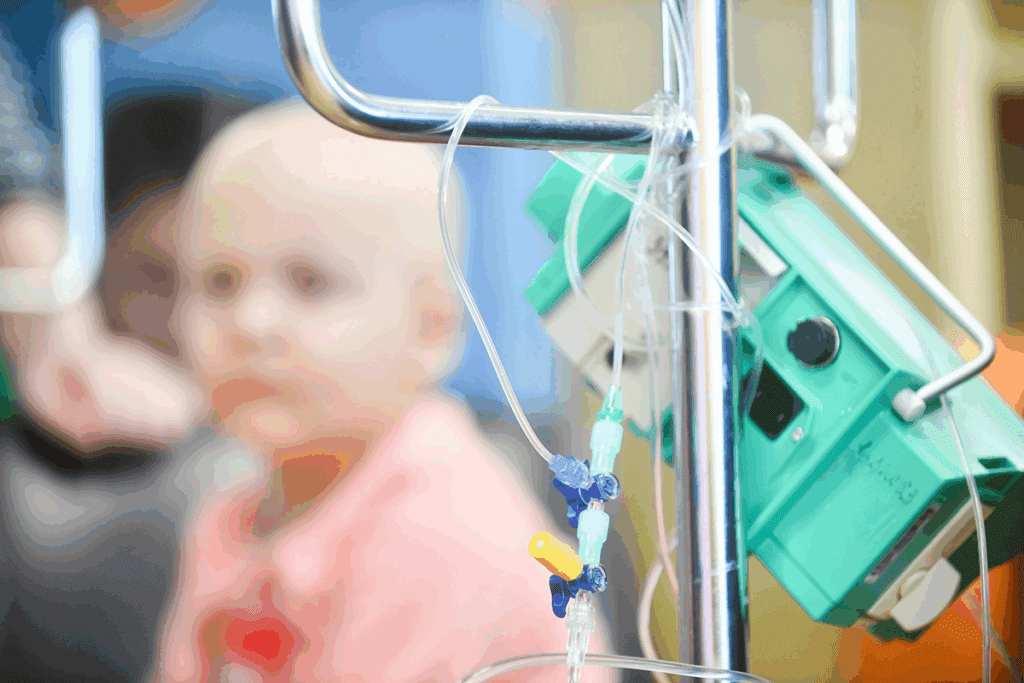
Childhood leukemia is a cancer that affects the blood and bone marrow. It can start unexpectedly in young lives. The American Cancer Society says symptoms include fatigue, weakness, pale skin, fever, easy bruising or bleeding, and frequent infections.
The disease can start suddenly or gradually. Knowing the signs and how doctors test for it is key. This helps find the disease early and treat it well.
Key Takeaways
- Childhood leukemia can have a sudden or gradual onset.
- Recognizing symptoms early is key for diagnosis.
- A pediatric leukemia blood test is a main tool for diagnosis.
- Understanding leukemia diagnosis in kids is vital for parents.
- Early detection leads to better treatment outcomes.
Understanding Childhood Leukemia

“Leukemia in children is a complex disease that needs a deep understanding,” say doctors. It’s divided into different types based on the affected cell and how fast it grows. Full overview of all procedures used for Testing for leukemia in children, from blood draw to bone marrow biopsy.
Types of Childhood Leukemia
There are two main types of childhood leukemia: Acute Lymphoblastic Leukemia (ALL) and Acute Myeloid Leukemia (AML).
Acute Lymphoblastic Leukemia (ALL)
ALL is the most common leukemia in kids, making up 80% of cases, says the American Cancer Society. It affects lymphoid cells and causes the fast growth of immature lymphocytes.
Acute Myeloid Leukemia (AML)
AML is less common in kids but is more aggressive. It affects myeloid cells, causing abnormal cells to build up in the bone marrow.
Prevalence and Risk Factors
Knowing the prevalence and risk factors of childhood leukemia is key for early detection and treatment.
Age and Gender Considerations
Leukemia can happen at any age in childhood, but some ages are riskier. Boys are slightly more likely to get leukemia than girls, research shows.
Genetic and Environmental Factors
Genetic conditions like Down syndrome raise the risk of leukemia. High radiation and some toxins also increase the risk.
Parents and caregivers should know these risk factors. This way, they can get medical help quickly if symptoms show up.
The Onset of Childhood Leukemia: Gradual or Sudden?

It’s important to know how childhood leukemia starts to catch it early. The disease can start quickly or slowly in kids. This depends on the child.
Typical Progression Patterns
Leukemia in kids can be either acute or chronic. Acute leukemia grows fast, causing symptoms quickly. Chronic leukemia grows slower, with symptoms taking longer to show.
Timeline of Disease Development
How fast leukemia symptoms show up can vary. Acute leukemia symptoms can pop up in days or weeks. Chronic leukemia symptoms take months or years to appear.
| Type of Leukemia | Typical Timeline for Symptom Development |
| Acute Leukemia | Days to weeks |
| Chronic Leukemia | Months to years |
Why Symptoms May Appear Sudden
Sometimes, leukemia symptoms can show up fast, surprising families. This is often seen in acute leukemia. It happens when the disease grows too fast for the body to keep up.
“The sudden appearance of symptoms in acute leukemia is due to the rapid proliferation of leukemic cells, which can quickly outnumber normal blood cells.”
Factors Affecting Symptom Development
Many things can change how leukemia symptoms show up in kids. These include the type of leukemia, the child’s health, and how the disease grows.
Individual Variations in Disease Progression
Every child’s immune system and health can affect how leukemia grows. Some kids may get symptoms fast because their immune system is weak. Others may get them slower if their immune system is strong.
Acute vs. Chronic Presentations
Knowing if leukemia is acute or chronic is key. Acute leukemia needs quick treatment because it grows fast. Chronic leukemia might allow for a bit more time before treatment starts, depending on the child’s health.
Common Signs and Symptoms of Childhood Leukemia
It’s important to spot the early signs of childhood leukemia. This cancer can show itself in many ways, starting with small symptoms that grow bigger over time.
Physical Symptoms
Physical signs are often the first clue that a child might have leukemia. These signs can include:
Fatigue and Pallor
Children with leukemia might feel very tired and look pale. This is because they have fewer red blood cells. Red blood cells carry oxygen all over the body.
Bruising and Bleeding
They might also bruise easily and bleed more. This is because they have fewer platelets. Platelets help blood to clot.
Recurrent Infections and Fever
They might get sick more often and have fevers. This is because leukemia affects how white blood cells work. White blood cells fight off infections.
Behavioral Changes
Children with leukemia might also act differently.
Decreased Activity and Energy
They might not want to play as much or have lots of energy. This is because leukemia makes them very tired.
Changes in Appetite
Some kids might not want to eat as much. This can happen when they don’t feel well.
When to Seek Medical Attention
Parents need to know when to take their child to the doctor.
Red Flags for Parents
Look out for signs like losing weight without trying, bone pain, or swollen lymph nodes. These are serious signs.
Differentiating from Common Childhood Illnesses
It can be hard to tell if a child has leukemia or just a cold. But if symptoms last a long time or seem off, it’s best to check with a doctor.
The American Cancer Society says, “Signs like being very tired, weak, pale, having fevers, easy bruising, or getting sick a lot can mean leukemia.”
“Early detection is key to effective treatment.”
| Symptom | Description | Possible Cause |
| Fatigue | Persistent tiredness | Low red blood cell count |
| Bruising/Bleeding | Easy bruising or bleeding | Low platelet count |
| Fever/Infections | Frequent fevers or infections | Low white blood cell count |
Initial Assessment and Screening
A pediatrician’s first step is to check if a child might have leukemia. They look for signs or symptoms that could mean the disease is present.
Pediatrician Evaluation
The pediatrician starts with a full physical check-up and a detailed medical history. This helps understand the child’s health and find any risk factors.
Physical Examination Process
The pediatrician looks for any unusual signs, like swollen lymph nodes or bleeding. These could mean leukemia and need more checking.
Medical History Assessment
The pediatrician also looks at the child’s past health, family history, and any treatments. This helps guess if leukemia is likely.
Preliminary Tests
After the check-up, the child gets some tests. The first one is the Complete Blood Count (CBC).
Initial Blood Work
A CBC checks the levels of blood cells. If the results are off, it might mean leukemia. Then, more tests like leukemia genetic testing are needed.
Referral to Specialists
If leukemia is suspected, the child sees specialists like pediatric oncologists. They do more tests, like imaging tests for leukemia in kids, to see how far the disease has spread.
The first steps in diagnosing childhood leukemia are very important. They help doctors find the disease early and start the right treatment.
Testing for Leukemia in Children: A Guide
Diagnosing leukemia in kids needs many tests. These tests help find leukemia and plan treatment.
Complete Blood Count (CBC)
A CBC is the first test for leukemia. It checks blood components like red and white cells and platelets.
What CBC Measures
A CBC looks at several important parts:
- White Blood Cell Count (WBC): High or odd WBC counts might show leukemia.
- Red Blood Cell Count (RBC): Low RBC counts could mean anemia, a leukemia symptom.
- Platelet Count: Low platelets can cause bruising and bleeding, common in leukemia.
Abnormal Findings in Leukemia
Signs of leukemia in a CBC include:
- High or low white blood cell counts.
- Low red blood cell counts or hemoglobin levels.
- Low platelet counts.
The American Cancer Society says, “A CBC is often the first test for leukemia. Odd CBC results might mean leukemia, but more tests are needed to be sure.”
“A CBC is often one of the first tests done to check for leukemia. Abnormal results on a CBC can be a sign of leukemia, but more tests are needed to confirm the diagnosis.” – American Cancer Society
Blood Smear Examination
A blood smear looks at blood under a microscope to find odd cells.
Identifying Abnormal Cells
This test finds:
- Blast cells, young white blood cells seen in leukemia.
- Odd cell shapes.
Blast Cell Significance
Blast cells in the blood mean leukemia. They’re not in healthy people’s blood.
Flow Cytometry
Flow cytometry is a detailed test for blood cells.
How the Test Works
Flow cytometry labels cells with antibodies and then analyzes them:
- It uses antibodies that stick to certain proteins on cell surfaces.
- It looks at the labeled cells as they pass through a laser beam, finding proteins.
What Results Indicate
Flow cytometry results show:
- Leukemia cells by their surface proteins.
- The type of leukemia.
| Diagnostic Test | Purpose | Indications for Leukemia |
| Complete Blood Count (CBC) | Measures blood components | Abnormal WBC, RBC, or platelet counts |
| Blood Smear Examination | Identifies abnormal cells | Presence of blast cells |
| Flow Cytometry | Analyzes cell characteristics | Presence of specific leukemia cell markers |
Advanced Diagnostic Methods
More tests are used to understand leukemia better.
Specific Techniques Used
Genetic testing and molecular analysis find specific leukemia genetic changes.
Benefits for Patient Care
These tests give detailed info for:
- Understanding the disease.
- Choosing the right treatment.
- Tracking how well treatment works.
In conclusion, finding leukemia in kids uses many tests. CBC, blood smear, flow cytometry, and more tests give important info. Together, they help doctors diagnose and treat leukemia well.
Bone Marrow Testing Procedures
Bone marrow testing is key in finding leukemia. It includes aspiration and biopsy. These tests show if leukemia is present, what type it is, and how far it has spread in children.
Bone Marrow Aspiration
Bone marrow aspiration takes a liquid sample from the bone marrow. It’s done to find abnormal cells.
Procedure Details
The patient gets local anesthesia first. Then, a needle is inserted into the hip to get a bone marrow sample. The whole process takes about 10-15 minutes.
Sample Analysis
The bone marrow sample is then looked at under a microscope. This helps find leukemia cells and understand the type and severity.
Bone Marrow Biopsy
A bone marrow biopsy removes a small piece of bone and marrow. It’s often done with aspiration.
When It’s Necessary
A biopsy is needed when aspiration isn’t enough or more bone marrow details are required.
Differences from Aspiration
Unlike aspiration, a biopsy takes a solid piece of bone and marrow. It gives more info about the bone marrow’s structure and cell distribution.
What to Expect During These Procedures
Both procedures are done with local anesthesia or conscious sedation to reduce pain. Knowing what to expect can help reduce anxiety.
Pain Management and Sedation Options
Pain management is important. Local anesthesia numbs the area, and conscious sedation relaxes the patient. The choice depends on the patient’s age, health, and the procedure.
Recovery and Follow-up
After the procedure, patients are watched for a short time. Some might feel sore or bruised at the needle site. This usually goes away in a few days. Care instructions are given to help with healing.
Advanced Diagnostic Methods
Diagnosing childhood leukemia has gotten better with new methods. These methods help find out the exact type and stage of leukemia. This information is key for choosing the right treatment.
Genetic and Molecular Testing
Genetic and molecular tests are essential for diagnosing childhood leukemia. They find specific genetic changes linked to different leukemia types.
Cytogenetic Analysis
Cytogenetic analysis looks at leukemia cells’ chromosomes for any oddities. Knowing this helps predict how the disease will progress and pick the best treatment.
PCR and FISH Testing
PCR and FISH are molecular tests that spot specific genetic mutations. They make diagnosing leukemia more accurate and help track any remaining disease cells.
Imaging Tests
Imaging tests check how far leukemia has spread and look for any complications.
X-rays and CT Scans
X-rays and CT scans are used to see if leukemia has affected bones or other organs. They help spot any urgent issues.
Ultrasound and MRI
Ultrasound and MRI are great for checking if leukemia has touched organs. They help find problems like big lymph nodes or spleens.
Lumbar Puncture (Spinal Tap)
A lumbar puncture, or spinal tap, collects cerebrospinal fluid (CSF) for testing. It’s key to see if leukemia has reached the brain or spinal cord.
Purpose in Leukemia Diagnosis
The main goal of a lumbar puncture is to find leukemia cells in the CSF. This info is important for staging and treatment planning.
Procedure and Recovery
To do a lumbar puncture, a needle is put between two vertebrae in the lower back. It’s done under sedation to reduce pain. Recovery is fast, with some soreness at the needle site.
Understanding Test Results and Diagnosis
Understanding test results is key to diagnosing leukemia in kids. It helps doctors know if leukemia is present, what type it is, and how advanced it is.
Interpreting Blood Work
Blood tests are the first step in finding leukemia. They check for odd levels of white, red blood cells, and platelets.
Key Markers and Values
Doctors look at specific markers and values in blood tests. These include white blood cell count, hemoglobin levels, and platelet count. If these are off, it might mean leukemia.
What Different Results Mean
Results can show different things. A high white blood cell count could mean leukemia. But low hemoglobin or platelet counts might show bone marrow failure.
Diagnostic Criteria for Childhood Leukemia
To diagnose leukemia, doctors use both clinical checks and lab tests. They look for certain criteria to confirm it.
Definitive Diagnosis Requirements
A bone marrow biopsy or aspiration is usually needed for a sure diagnosis. It lets doctors see the cells up close.
Ruling Out Other Conditions
Doctors also check for other conditions that might look like leukemia. This includes infections or other cancers.
Staging and Classification
After diagnosing leukemia, it’s staged and classified. This helps decide the best treatment plan.
Risk Stratification
Risk stratification looks at age, white blood cell count, and genetic issues. It helps figure out the risk level.
How Classification Affects Treatment
The type and stage of leukemia affect treatment. It decides how strong the chemotherapy will be and if other treatments are needed.
Conclusion: Next Steps After Diagnosis
Getting a leukemia diagnosis for a child can feel overwhelming. But knowing what comes next is key to moving forward. After tests confirm leukemia, the main goal is to find the best treatment.
Parents and caregivers should talk to their doctor about treatment choices. This might include chemotherapy, radiation, or a bone marrow transplant. These methods aim to kill leukemia cells and help the child get better.
It’s vital to work closely with the healthcare team. They can explain the diagnosis, treatment options, and what to expect. This way, families can make informed choices and get the best care for their child.
FAQ
What are the common symptoms of childhood leukemia?
Symptoms include feeling very tired, pale skin, and getting sick often. You might also bruise easily, have swollen lymph nodes, or pain in bones or joints.
How is childhood leukemia diagnosed?
Doctors use a few methods to diagnose leukemia. They check your overall health, do a blood test, and examine your bone marrow. They also use special tests to look at your cells.
What is the role of bone marrow testing in leukemia diagnosis?
Bone marrow tests are key in finding and identifying leukemia. They look at the cells in your bone marrow to see if there’s cancer.
What is flow cytometry, and how is it used in leukemia diagnosis?
Flow cytometry is a test that looks at cell characteristics. It helps doctors identify and classify leukemia cells, which is important for diagnosis.
Can leukemia be detected through a routine blood test?
Yes, a routine blood test can show signs of leukemia. If it does, you’ll need more tests to confirm the diagnosis.
What is the difference between Acute Lymphoblastic Leukemia (ALL) and Acute Myeloid Leukemia (AML)?
ALL affects lymphoid cells and is more common in kids. AML affects myeloid cells and is more common in adults but can also occur in children.
How do genetic and molecular testing contribute to leukemia diagnosis?
These tests help find specific genetic changes linked to leukemia. They guide treatment and give insight into how the disease might progress.
What is a lumbar puncture, and why is it performed in leukemia diagnosis?
A lumbar puncture, or spinal tap, collects cerebrospinal fluid. It checks for leukemia cells in the central nervous system.
How is the stage and classification of childhood leukemia determined?
The stage and classification depend on several factors. These include the type of leukemia, age, white blood cell count, and how well you respond to treatment.
What happens after a leukemia diagnosis is confirmed?
After a diagnosis, a treatment plan is made. This might include chemotherapy, radiation, or targeted therapy. You’ll be closely watched by your healthcare team.
References
- Prior, S. J., Munk, S., & Bakkers, A. L. (2024). Bone marrow aspiration and biopsy: Procedure and clinical utility. StatPearls. https://www.ncbi.nlm.nih.gov/books/NBK539869/