Last Updated on November 25, 2025 by Ugurkan Demir
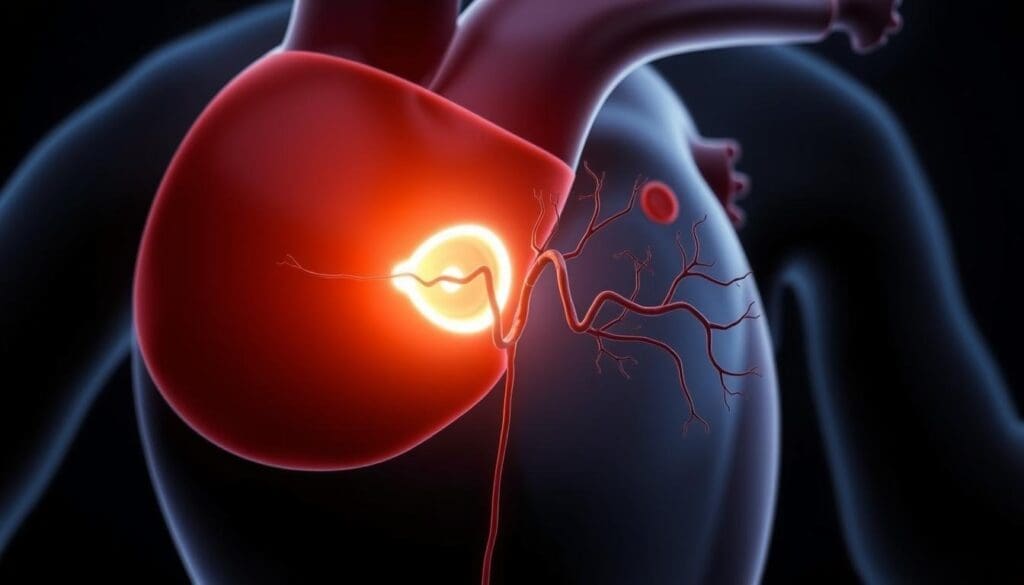
For EMTs and those interested in heart health, knowing where the heart’s electrical impulse starts is key.the electrical impulse of the heart normally begins at the The sinoatrial (SA) node, a small group of cells in the upper right atrium, acts as the heart’s natural pacemaker.
The SA node starts the electrical impulse that makes the heart beat in sync. This ensures blood flows well through the body. EMT Chapter 6 stresses how important it is to know about the SA node for a healthy heart rhythm.
At Liv Hospital, we focus on top-notch healthcare with a patient-first approach. We make sure you get the right care from start to finish.
Key Takeaways
- The sinoatrial (SA) node is the heart’s natural pacemaker.
- EMT Chapter 6 highlights the importance of the SA node in cardiac care.
- Understanding the heart’s electrical impulse is key for EMTs.
- Liv Hospital offers full care for heart issues.
- Knowing the SA node’s role is essential for a healthy heart rhythm.
The Cardiac Conduction System: An Overview
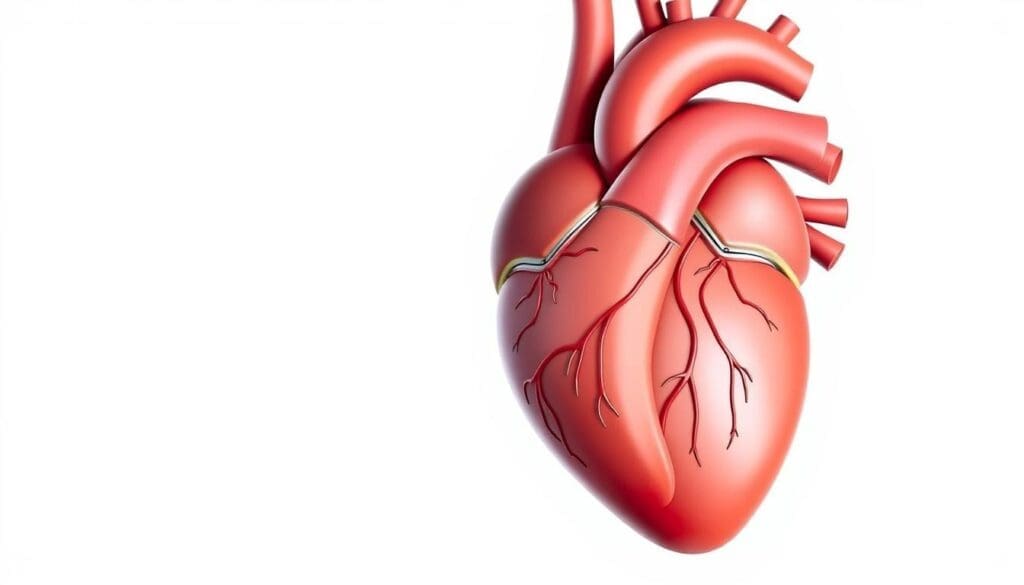
The cardiac conduction system is a complex network that controls the heartbeat. It makes sure the heart pumps blood well all over the body. EMT Chapter 6 talks about its main points.
The Heart’s Electrical Framework
The heart’s electrical system is key for its pumping action. It includes the SA node, AV node, and Purkinje fibers. These parts work together to keep the heart rhythm normal.
The main parts of the cardiac conduction system are:
- The SA node, which starts the heartbeat
- The AV node, which sends the impulse to the ventricles
- The bundle of His, which sends the impulse to the ventricles
- Purkinje fibers, which spread the impulse in the ventricles
Key Concepts from EMT Chapter 6
EMT Chapter 6 explores the cardiac conduction system. It shows how important it is for a normal heart rhythm. EMTs need to know this to handle cardiac emergencies well.
Some important ideas from EMT Chapter 6 are:
- The electrical impulse of the heart starts at the SA node
- The AV node delays the impulse for proper ventricular filling
- The bundle of His and Purkinje fibers spread the impulse in the ventricles
By learning these ideas, EMTs can understand the cardiac conduction system better. They can then give better care to patients with heart emergencies.
The Electrical Impulse of the Heart Normally Begins at the Sinoatrial Node
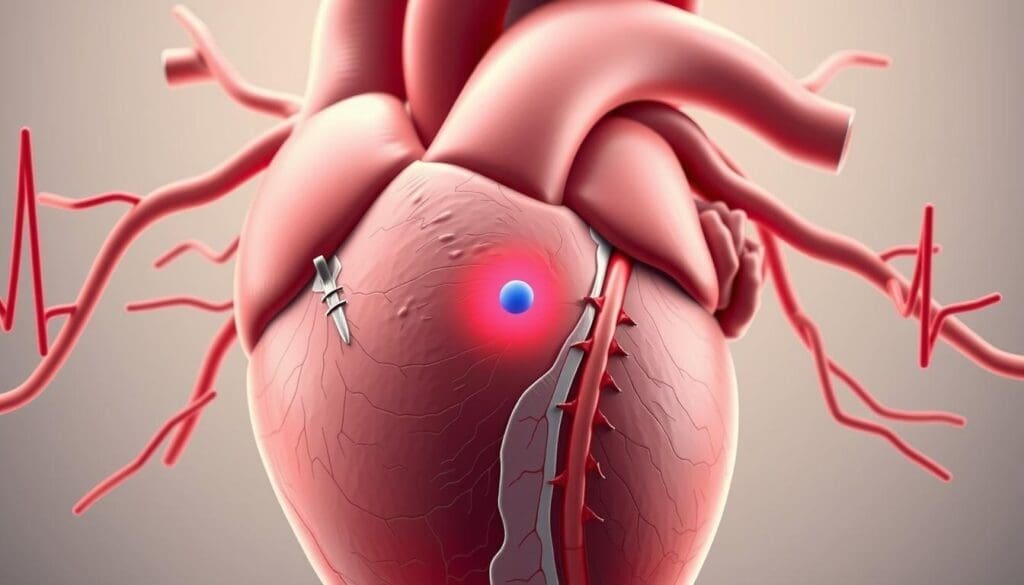
For EMTs, knowing where the heart’s electrical impulse starts is key. The sinoatrial (SA) node, a small group of cells, is the heart’s sparkplug.
Structure and Location of the SA Node
The SA node sits in the upper right atrium. It’s a key player in starting heartbeats and keeping the rhythm steady.
Its location is essential for its job. It’s packed with nerves that help control its work.
The Heart’s Natural Pacemaker Function
The SA node is the heart’s natural pacemaker. It beats 60 to 100 times a minute in adults. This keeps the heart rhythm normal.
It can make electrical impulses on its own. This makes it a critical part of the heart’s electrical system.
Common EMT Quiz Questions About the SA Node
EMTs often face questions about the SA node. They might ask about its location, its role as the heart’s pacemaker, and what affects its beat.
| Characteristics | Description |
| Location | Upper right atrium |
| Function | Natural pacemaker, initiates heartbeat |
| Firing Rate | 60-100 times per minute in adults |
| Innervation | Richly innervated with autonomic nerve fibers |
The Journey of Electrical Impulses Through the Heart
For EMTs, knowing how electrical impulses move through the heart is key. The heart’s electrical impulse starts at the sinoatrial (SA) node. It then goes through a complex process involving several important parts.
From SA Node to Atrial Myocardium
The SA node sends the first electrical impulse. It travels to the atrial myocardium, making the atria contract. This contraction is vital for filling the ventricles with blood.
The AV Node: The Electrical Gateway
The impulse then hits the atrioventricular (AV) node. This node acts as a gateway, slowing down the impulse. This delay is key for the ventricles to fill with blood before they contract.
Bundle of His and Purkinje Fibers
The impulse then goes through the bundle of His and Purkinje fibers. This leads to the ventricles contracting in sync. This synchronized contraction is essential for good blood flow.
To show how electrical impulses travel, let’s look at a table:
| Structure | Function |
| SA Node | Starts the electrical impulse |
| Atrial Myocardium | Contracts due to the impulse, filling the ventricles |
| AV Node | Slows down the impulse, letting ventricles fill |
| Bundle of His and Purkinje Fibers | Helps the ventricles contract together |
For EMTs, knowing the heart’s electrical impulse journey is critical. It helps them diagnose and manage heart issues. By understanding how the impulse moves, EMTs can better handle cardiac emergencies.
Normal Heart Rate and Rhythm: What EMTs Need to Know
As EMTs, knowing normal heart rates and rhythms is key. It helps us check if the heart is working right. We need to spot any problems early.
Adult Heart Rate: 60-100 Beats Per Minute
In adults, a normal heart rate is between 60 to 100 beats per minute. This shows the heart pumps enough blood and saves energy too.
Normal Heart Rate Implications: A heart rate in this range means the heart’s rhythm is good. The SA node, the heart’s natural leader, is working well.
Pediatric and Geriatric Considerations
Heart rates change with age. Kids have higher rates than adults, and older adults’ rates can vary more.
- Pediatric heart rates: Newborns (0-1 month): 100-160 bpm, Infants (1-12 months): 80-120 bpm, Toddlers (1-2 years): 80-120 bpm, Children (6-12 years): 70-100 bpm.
- Geriatric heart rates: Older adults usually have a heart rate like younger adults (60-100 bpm). But, their rates can change more with age.
Factors Affecting Normal Heart Rate
Many things can change heart rate. EMTs need to think about these when checking patients.
| Factor | Description | Effect on Heart Rate |
| Physical Condition | Athletes or individuals with high physical fitness | Lower resting heart rate |
| Stress or Anxiety | Emotional or psychological stress | Increased heart rate |
| Medical Conditions | Conditions like fever, hyperthyroidism | Increased heart rate |
Knowing these factors and heart rate ranges helps EMTs. They can then better care for patients and make smart choices.
Understanding Electrocardiogram (ECG) Basics for EMTs
For EMTs, knowing the basics of electrocardiograms (ECGs) is key. ECGs help us check the heart’s electrical activity. They show us the heart’s health through different parts of the ECG.
The P Wave: Atrial Depolarization
The P wave shows when the atria depolarize. It means the electrical impulse is moving towards the AV node. If the P wave looks different, it might mean the atria are too big or the heart rhythm is off.
Key aspects of the P wave include:
- Normal duration: less than 0.12 seconds
- Normal amplitude: less than 0.25 mV
- Upright in lead II in normal sinus rhythm
The QRS Complex: Ventricular Depolarization
The QRS complex shows when the ventricles depolarize. It’s the electrical activation of the ventricles. A normal QRS is under 0.12 seconds. If it’s longer, it could mean the heart’s electrical pathways are blocked.
Important features of the QRS complex:
- Duration: normally less than 0.12 seconds
- Amplitude: varies, but typically larger than P waves
- Morphology: can vary depending on the lead and cardiac condition
The T Wave: Ventricular Repolarization
The T wave shows when the ventricles repolarize. It’s the time when the ventricles recover electrically. Normally, the T wave is upright in leads with upright QRS complexes. If the T wave is inverted, it could mean the heart is not getting enough blood or has other problems.
Characteristics of the T wave:
- Normally upright in leads I, II, and V4-V6
- Amplitude: typically less than the QRS complex
- Can be affected by various conditions, including ischemia and electrolyte imbalances
Knowing how to read an ECG is vital for EMTs. It helps us spot heart problems and decide the best course of action. By learning ECG basics, we can give better care in heart emergencies.
Common Cardiac Arrhythmias and Their Origins
Cardiac arrhythmias are disruptions in the heart’s rhythm. EMTs need to know about these to give the right care, as Chapter 6 explains.
The heart’s electrical activity is complex. Arrhythmias happen when this process is disrupted. The electrical impulse of the heart normally begins at the sinoatrial node.
Sinus Arrhythmias
Sinus arrhythmias change how fast the sinoatrial (SA) node fires. This leads to an irregular heart rhythm. It might be linked to breathing or other body processes.
For example, sinus arrhythmia can happen during deep breathing. The heart rate goes up when you inhale and down when you exhale. This is usually not a problem.
Atrial Arrhythmias
Atrial arrhythmias happen in the atria due to abnormal electrical activity. A common one is atrial fibrillation, which causes a fast and irregular heart rhythm. Symptoms include palpitations, shortness of breath, and fatigue.
A study found that atrial fibrillation affects millions worldwide. Managing it often means controlling the heart rate and preventing stroke with anticoagulation therapy.
Ventricular Arrhythmias
Ventricular arrhythmias come from the ventricles and can be dangerous. Ventricular tachycardia is a fast heart rhythm from the ventricles. If not treated quickly, it can turn into ventricular fibrillation, which needs immediate defibrillation.
“Ventricular fibrillation is a medical emergency that requires immediate attention, as it can lead to cardiac arrest if not treated promptly with defibrillation.”
It’s key for EMTs to know about cardiac arrhythmias. By understanding these, EMTs can handle cardiac emergencies better and help patients more.
Recognizing Life-Threatening Cardiac Emergencies
As EMTs, we must quickly spot cardiac emergencies that can be deadly. The heart’s electrical start comes from the sinoatrial node. Any problem here can cause serious issues.
Life-threatening heart problems need fast action. EMTs must know how to spot issues like ventricular fibrillation and ventricular tachycardia. These are critical emergencies.
Ventricular Fibrillation
Ventricular fibrillation is a chaotic heart rhythm that can cause cardiac arrest. It’s a fast, irregular beat that stops the heart from pumping blood well. Immediate defibrillation is key to treating it.
Ventricular Tachycardia
Ventricular tachycardia is a fast heart rate from the ventricles. It can turn into ventricular fibrillation, which is very dangerous. Quick action and treatment are vital for a good outcome.
Asystole and PEA
Asystole means the heart has no electrical activity. Pulseless electrical activity (PEA) shows electrical activity but no heart contraction. Both are emergencies that need quick CPR and medical help.
In summary, EMTs must quickly spot serious heart problems. Knowing the causes and signs helps us give the right care fast. This can greatly improve patient results. The heart’s electrical start is vital, and any issue can be serious.
EMT Assessment of Cardiac Patients: Chapter 6 Applications
Understanding the heart’s electrical impulse is key for EMTs when checking cardiac patients. We’ll explore how to apply what we learned in EMT Chapter 6 to real-life situations.
Primary Assessment Techniques
Primary assessment looks at the patient’s airway, breathing, and circulation (ABCs). This first check is vital to see how serious the heart issue is and what care is needed right away. EMTs need to know how to check these important functions well.
They check if the patient is awake, if the airway is clear, and how breathing and circulation are. Each step is important to spot heart problems.
Vital Signs Interpretation
Reading vital signs is a big part of checking patients. For heart patients, EMTs focus on heart rate, blood pressure, breathing rate, and oxygen levels. If these signs are off, it could mean different heart problems, like irregular heartbeats or cardiac arrest.
For example, a heart rate that’s not normal (60-100 beats per minute for adults) might mean a problem. Also, blood pressure that’s not right can show heart stress or failure. EMTs need to know how to spot these signs and what they mean.
Patient History Considerations
Getting a full patient history is key to understanding the heart issue. EMTs should ask about the patient’s medical past, current meds, and any symptoms. This info helps EMTs figure out what might be causing the heart problem and decide the best care.
This info also helps when talking to hospital staff when the patient gets there. By using primary checks, vital signs, and history, EMTs can give full care to heart patients. This way, they make sure to cover all parts of the patient’s health, leading to better results.
EMT Interventions for Cardiac Emergencies
EMTs are key in handling heart emergencies. Their actions can greatly affect patient results. Knowing the heart’s electrical system and spotting irregular heartbeats are essential for EMTs. Now, we’ll look at the steps EMTs take to manage heart emergencies well.
Basic Life Support Protocols
Basic Life Support (BLS) protocols are vital for heart emergencies. These include CPR, which is chest compressions and rescue breaths. High-quality CPR is essential for keeping blood flowing and oxygen to vital organs until better care is available.
EMTs are trained to do CPR the right way. This means doing chest compressions without stopping too often. The chest compression to rescue breath ratio changes based on the patient’s age and the number of rescuers. For adults, the American Heart Association suggests a 30:2 ratio.
Proper technique and sticking to these guidelines are key for effective CPR.
AED Application and Use
Automated External Defibrillators (AEDs) give electrical shocks to fix abnormal heart rhythms. AEDs are made to be easy to use, with voice prompts and visual guides for EMTs. Using AEDs quickly can greatly increase survival chances in cardiac arrest.
EMTs are trained to use AEDs fast and right. This means applying the device as soon as cardiac arrest is spotted. The AED checks the heart rhythm and shocks it if needed, aiming to get a normal rhythm back.
Oxygen Administration
Oxygen therapy is a critical intervention for heart emergencies. It ensures the body’s tissues get enough oxygen, which is key during heart events when oxygen needs might rise. EMTs know how to use different oxygen devices, like nasal cannulas and non-rebreather masks.
The aim of oxygen therapy in heart emergencies is to keep oxygen levels right while avoiding too much oxygen. Keeping an eye on the patient’s oxygen levels and adjusting the flow as needed is important.
Case Studies: Applying Chapter 6 Knowledge in the Field
Case studies offer valuable insights into managing cardiac emergencies. They show how EMTs can handle complex situations. Knowing the electrical impulse of the heart normally begins at the sinoatrial node is key for understanding cardiac rhythms.
Scenario 1: Chest Pain with Arrhythmia
A 55-year-old male patient comes in with chest pain and an irregular pulse. The EMT must quickly assess the situation. They recognize the patient’s symptoms could be serious.
By using Chapter 6 knowledge, the EMT can identify the arrhythmia. They then provide the right care.
Scenario 2: Cardiac Arrest Management
In a cardiac arrest, EMTs must act fast to restore heart function. They perform CPR and use an Automated External Defibrillator (AED) if needed. Knowing the cardiac conduction system is essential.
Scenario 3: Post-Resuscitation Care
After resuscitation, the patient needs careful monitoring and supportive care. EMTs must watch for complications and provide the right interventions. This ensures the best outcome.
| Scenario | Key Actions | Chapter 6 Knowledge Applied |
| Chest Pain with Arrhythmia | Assess patient, identify arrhythmia | Understanding cardiac rhythms |
| Cardiac Arrest Management | Perform CPR, use AED | Cardiac conduction system knowledge |
| Post-Resuscitation Care | Monitor patient, provide supportive care | Recognizing possible complications |
By using Chapter 6 knowledge in these scenarios, EMTs can better manage cardiac emergencies. Practicing these scenarios helps improve skills and patient care.
Conclusion: Mastering Cardiac Conduction for EMT Success
Understanding the heart’s conduction system is key to good cardiac care. In EMT Chapter 6, we learn that the heart’s electrical start comes from the sinoatrial node. Its work is vital for a regular heartbeat.
EMTs need to know about cardiac conduction to act fast in emergencies. They must spot arrhythmias and know how to do CPR and use AEDs. This knowledge helps them give top-notch care and better patient results.
As EMTs grow in their skills, knowing about cardiac conduction is essential. We stress the need for ongoing learning in this field. This ensures EMTs can face heart emergencies with skill and accuracy.
FAQ
Where does the electrical impulse of the heart normally begin?
The electrical impulse starts at the sinoatrial (SA) node. It’s in the upper right atrium.
What is the role of the SA node in the heart?
The SA node is the heart’s natural pacemaker. It starts the electrical impulses that make the heart beat.
What is the normal heart rate range for adults?
Adults should have a heart rate between 60 to 100 beats per minute.
How does the electrical impulse travel through the heart?
The impulse starts at the SA node. It goes through the atrial myocardium, causing the atria to contract. Then, it reaches the AV node and the bundle of His and Purkinje fibers. This leads to the ventricles contracting.
What is the significance of the AV node in the cardiac conduction system?
The AV node is a gateway. It delays the impulse before it reaches the ventricles. This lets them fill with blood before contracting.
What do EMTs need to understand about ECG tracings?
EMTs need to know the P wave shows atrial depolarization. The QRS complex means ventricular depolarization. The T wave shows ventricular repolarization. This helps them read ECG tracings right.
What are some common cardiac arrhythmias?
Common arrhythmias include sinus arrhythmias and atrial fibrillation. Ventricular arrhythmias like ventricular tachycardia are also common.
How do EMTs manage cardiac emergencies?
EMTs handle cardiac emergencies with CPR and AEDs. They also give oxygen.
What is ventricular fibrillation?
Ventricular fibrillation is a chaotic rhythm. It can cause cardiac arrest. It needs immediate CPR and defibrillation.
Why is understanding the cardiac conduction system important for EMTs?
Knowing the cardiac conduction system helps EMTs recognize and manage cardiac emergencies. It ensures they give the best care to patients.
References
- Lung, K., & Lui, F. (2023). Anatomy, Abdomen and Pelvis: Arteries. In StatPearls. National Center for Biotechnology Information. https://www.ncbi.nlm.nih.gov/books/NBK525959/