Last Updated on November 13, 2025 by
Leukemia in Children: Understanding the Causes
Leukemia is the most common cancer in kids, making up about 33% of all childhood cancer cases. Parents and researchers often ask, what causes leukemia in children? It’s an important question, as understanding the root causes can lead to better treatments and improved survival rates.
Studies show that both genetic predispositions and environmental factors play a role in leukemia development. While we’re not yet certain of all the triggers, identifying key risk factors is crucial for early detection and effective treatment. Ongoing research continues to explore what causes leukemia and how different factors, like genetics and environmental exposure, may increase the risk.
By learning more about what causes leukemia, healthcare providers and families can work together to improve prevention strategies and support early diagnosis.
Key Takeaways
- Leukemia is the most common childhood cancer.
- Genetic and environmental factors contribute to leukemia risk.
- Understanding risk factors is key to early detection.
- Research is ongoing to improve treatments and survival rates.
- Childhood leukemia needs a complete treatment plan.
Understanding Childhood Leukemia: The Basics
Leukemia is a cancer that affects the body’s blood-making tissues. This includes the bone marrow and lymphatic system. It causes an abnormal increase in white blood cells. Knowing the basics of leukemia helps us see how it’s different from other childhood cancers.
Definition and Blood Cell Development
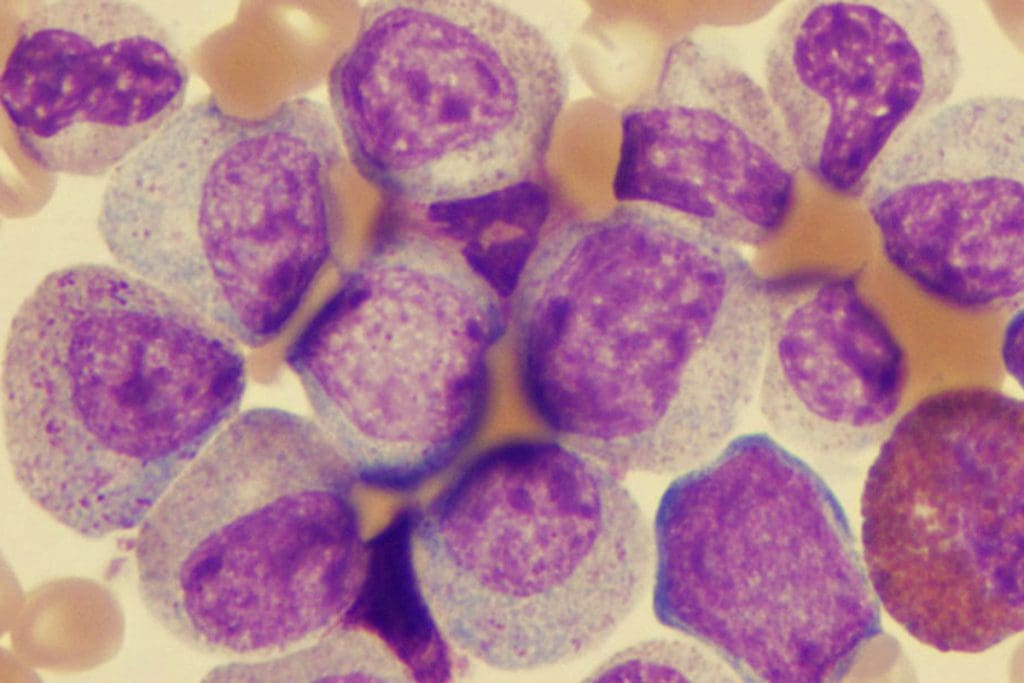
Leukemia is when abnormal cells grow too much in the bone marrow. This stops normal blood cells from being made. Blood cell development is complex, turning cells into different types like red and white blood cells. In leukemia, this process goes wrong, causing too many immature or abnormal cells.

The bone marrow makes blood cells through a process called hematopoiesis. In healthy people, this process is well-controlled. But in leukemia, genetic changes can mess with this control, leading to too many cancer cells.
How Leukemia Differs from Other Childhood Cancers
Leukemia is different because it starts in the blood-making tissues, not in a specific organ. This changes how it’s diagnosed and treated. Unlike solid tumours, leukemia spreads through the bone marrow and bloodstream.
- Leukemia is a systemic disease, affecting the whole body.
- It needs treatments that target the bone marrow and bloodstream.
- The genetic and molecular traits of leukemia cells guide treatment choices.
Figuring out if leukemia is hereditary means looking at genetic factors that might raise a child’s risk. While some genetic conditions can increase risk, most leukemia cases aren’t directly passed down.
Types of Childhood Leukemia
It’s important to know the different types of leukemia to help kids get the right treatment. There are mainly two types: Acute Lymphoblastic Leukemia (ALL) and Acute Myeloid Leukemia (AML).
Acute Lymphoblastic Leukemia (ALL)
ALL is the most common leukemia in kids, making up 75-80% of cases. It happens when the bone marrow makes too many immature lymphocytes. These are white blood cells that help fight off infections.
Symptoms of ALL include feeling very tired, looking pale, and getting sick often. This is because the bone marrow can’t make enough normal blood cells.
Treatment for ALL usually includes chemotherapy, targeted therapy, and sometimes a bone marrow transplant. Thanks to better treatments, more kids with ALL are living longer.
Acute Myeloid Leukemia (AML)
AML makes up about 15-20% of childhood leukemia cases. It’s when the bone marrow makes too many myeloid cells. This can cause anemia, infections, and bleeding problems because normal cells can’t grow.
AML treatment is often more intense than for ALL. It might include chemotherapy, targeted therapy, and a bone marrow transplant. The treatment plan depends on the type of AML and the child’s health.
In summary, knowing the difference between ALL and AML is key to finding the right treatment. While both are serious, medical research and treatments are getting better. This means more kids with leukemia are surviving.
Epidemiology of Childhood Leukemia
Understanding childhood leukemia is key to finding ways to prevent it. This disease is a big worry worldwide. Its numbers have gone up a lot over time.
Global Incidence and Trends
Childhood leukemia cases have gone up globally. From 1990 to 2021, there was a 59% increase. This shows we need to keep studying what causes it.
Global health studies help track these changes. They help us understand childhood leukemia better.
Age Distribution and Peak Occurrence
Childhood leukemia doesn’t hit everyone the same. It mostly affects kids between 2 and 5 years old. Acute lymphoblastic leukemia (ALL) is the most common type.
Knowing when it happens most helps us catch it early. The disease also varies by place. This suggests that genetics and environment play a part.
What Causes Leukemia in Children?
To understand leukemia in kids, we must look at how it starts. It happens when blood cells get genetic changes that make them grow too much. This is due to many factors that mess up how blood cells are made.
Cellular and Molecular Mechanisms
Leukemia in kids comes from genetic changes in blood cells. These changes mess with how cells grow, divide, and live. So, the cells start growing out of control, filling the bone marrow and blood with bad cells.
Several important steps are involved in leukemia’s onset. These include:
- Dysregulation of cell cycle checkpoints allows damaged cells to continue dividing.
- Impaired apoptosis, or programmed cell death, fails to eliminate malignant cells.
- Abnormalities in signalling pathways that control cell growth and survival.
Chromosomal Abnormalities
Chromosomal changes are key in leukemia in kids. These can be translocations, deletions, or extra copies of genetic material. They mess with genes that control cell growth and division.
Some common changes include:
- The Philadelphia chromosome, from a swap between chromosomes 9 and 22, is found in some leukemias.
- Mixed lineage leukemia (MLL) gene rearrangements are common in infant leukemia.
These changes create fusion genes that make bad proteins. These proteins push leukemia to grow. Knowing about these changes helps us find better treatments for kids with leukemia.
Is Leukemia Genetic? Hereditary Factors Explained
Understanding leukemia’s genetic basis is key to finding risk factors and treatments. Leukemia is a blood and bone marrow cancer with a mix of genetic and environmental causes.
Genetics in leukemia is complex, with inherited and acquired changes. Some genetic predispositions greatly raise leukemia risk.
Genetic Predispositions and Family History
Family history is a big factor in leukemia risk. Those with a first-degree relative with leukemia face higher risks. Syndromes like Li-Fraumeni syndrome and ataxia-telangiectasia increase leukemia risk due to inherited mutations.
Genetic predispositions make the body more likely to get leukemia. For example, TP53 gene mutations in Li-Fraumeni syndrome raise cancer risk, including leukemia.
Down Syndrome and Increased Risk of Acute Lymphoblastic Leukemia
Children with Down syndrome face a higher risk of leukemia, like ALL and AML. The extra chromosome 21 in Down syndrome disrupts normal cell functions.
ALL risk is 20- to 40-fold higher in Down syndrome kids than the general population. Knowing the genetic reasons behind this risk helps in finding new treatments.
In summary, genetics and heredity are key in leukemia. Knowing these factors helps find high-risk individuals and develop better prevention and treatment plans.
Environmental Causes of Blood Cancer
Research has found several environmental triggers for leukemia. Knowing these factors is key for prevention and early detection.
Ionizing Radiation Exposure
Ionizing radiation is a known risk for leukemia. High levels of ionizing radiation, like from nuclear accidents or some medical treatments, raise the risk. Studies show that ionizing radiation can damage DNA, leading to cancerous mutations. For example, survivors of the atomic bombings in Hiroshima and Nagasaki had higher leukemia rates due to radiation.
Chemical and Toxic Exposures
Some chemicals and toxins increase leukemia risk. Benzene, found in gasoline and used in industries, is a known leukemogen. Workers exposed to benzene or those living near contaminated areas face higher leukemia risks. Other chemicals, like pesticides and solvents, also raise the risk.
“The International Agency for Research on Cancer has classified benzene as ‘carcinogenic to humans,’ highlighting its role in causing leukemia.”
Other Environmental Triggers
Other environmental factors may also increase leukemia risk. For instance, viruses like the Human T-Cell Leukemia Virus (HTLV) are linked to certain leukemias. While evidence is growing, knowing these triggers helps in prevention and early detection.
By understanding environmental causes of leukemia, people can reduce their exposure to harmful factors. This might lower their risk of getting this disease.
Recognizing and Diagnosing Childhood Leukemia
It’s very important to spot childhood leukemia early. This is because leukemia is a cancer that affects the blood and bone marrow. It can show symptoms that are not very clear, making it hard to catch it on time.
Warning Signs and Symptoms
Children with leukemia might show signs that look like common sicknesses. Some common warning signs include:
- Persistent fever without an obvious cause
- Unexplained fatigue or weakness
- Frequent infections due to a compromised immune system
- Bone pain or joint pain, which can be severe
These symptoms can be vague and might not point to leukemia right away. This is why a detailed medical check-up is needed if these symptoms last for a while.
Diagnostic Procedures and Confirmation
To diagnose leukemia, doctors use diagnostic procedures to find cancer cells in the blood or bone marrow. The main tests are:
- Blood tests to check the blood cells’ count and shape
- Bone marrow aspiration or biopsy to look at the bone marrow directly
- Lumbar puncture to see if leukemia cells are in the cerebrospinal fluid
These tests help confirm the diagnosis, find out the type of leukemia, and plan the treatment.
Treatment Approaches and Survival Outcomes
Modern treatments have greatly improved how we manage childhood leukemia. This has led to better survival rates for kids. The focus is now on making treatments more effective and reducing long-term side effects.
Modern Treatment Protocols and Specialized Care Centers
New treatment plans have made a big difference for kids with leukemia. Specialized care centers are key in giving these advanced treatments. They have teams of experts who know how to handle childhood leukemia well.
Modern treatments include:
- Risk stratification to tailor treatment intensity
- Combination chemotherapy regimens
- Targeted therapy for specific genetic abnormalities
- CNS prophylaxis to prevent central nervous system involvement
These comprehensive treatment plans aim to be effective yet gentle on the body. Specialized care centers help ensure kids get top-notch care. This leads to better survival rates.
Survival rates for childhood leukemia have soared in recent years. In high-income countries, the survival rate for Acute Lymphoblastic Leukemia (ALL) is now over 90%. This is a huge improvement.
Conclusion: Research Progress and Future Directions
Understanding what causes leukemia in children is key to finding better treatments. Research has found genetic and environmental factors that lead to the disease.
Studies have shown that some genetic conditions, like Down syndrome, raise the risk of leukemia. Researchers are working to understand how genes and environment interact.
New treatments have greatly improved survival rates for kids with leukemia. Special care centers and modern treatments have been essential in this progress.
Future research will focus on the disease’s molecular mechanisms and targeted therapies. This work aims to better treat leukemia and improve children’s lives worldwide.
As research continues, we can expect to learn more about leukemia’s causes. This knowledge will help in creating new, effective treatments.
FAQ’s:
What is leukemia, and how does it affect children?
Leukemia is a cancer that affects the blood and bone marrow. It happens when abnormal white blood cells grow too much. In kids, it can make them feel tired, look pale, and get sick often.
Is leukemia genetic or hereditary?
Some leukemia cases are linked to genes, but most aren’t. Yet, some genetic conditions, like Down syndrome, can raise the risk.
What are the main types of childhood leukemia?
There are two main types in kids: Acute Lymphoblastic Leukemia (ALL) and Acute Myeloid Leukemia (AML). ALL is more common, making up about 80% of cases.
What causes chromosomal abnormalities in leukemia?
Chromosomal issues in leukemia come from genetic mutations or cell division errors. These can cause cancerous cells to grow.
How does ionizing radiation exposure increase the risk of leukemia?
Ionizing radiation can damage DNA, leading to genetic mutations. This can cause leukemia. High exposure, like from nuclear accidents, raises the risk.
What are the warning signs and symptoms of childhood leukemia?
Symptoms include feeling tired, looking pale, getting sick often, bruising easily, and bone pain. If your child shows these signs, see a doctor right away.
How is childhood leukemia diagnosed?
Doctors use physical checks, blood tests, bone marrow biopsies, and imaging to diagnose. They look at the results to confirm and understand the disease.
What are the treatment options for childhood leukemia?
Treatment often includes chemotherapy, radiation, and targeted therapy. The choice depends on the disease type, severity, and the child’s health.
Can Down syndrome increase the risk of acute lymphoblastic leukemia?
Yes, kids with Down syndrome face a higher risk of ALL. Genetic issues from Down syndrome might play a role.
What are the survival outcomes for children with leukemia?
Thanks to modern treatments, survival rates have improved. About 90% of kids with leukemia can survive, though it varies by disease type and severity.
Are there any environmental factors that can trigger leukemia?
Yes, toxins like benzene and pesticides, and radiation can increase leukemia risk. Exposure to these can contribute to the disease.
How does family history impact the risk of developing leukemia?
A family history of leukemia might slightly raise your risk. But most cases aren’t directly caused by inherited genes.
References
- American Cancer Society. (2024). Key statistics for childhood cancers. Retrieved from https://www.cancer.org/cancer/childhood-cancer.html