

specific therapeutic questions grieving parents help. Learn to ask “Can you tell me about his favorite toy?” to honor memory.
Did you know that a patient’s recovery can be greatly influenced by the care they get? Compassionate care is key in nursing, and the Roach Theory of Caring is a major principle. It highlights the need for compassion, competence, and confidence in caring for patients.
It looks at care from a holistic view, focusing on patients’ physical, emotional, and spiritual health. By using this theory, healthcare workers can give world-class care that meets each patient’s unique needs.
Key Takeaways
- The Roach Theory of Caring is a big deal in nursing.
- It stresses the value of compassion, competence, and confidence in patient care.
- This theory takes a holistic approach, looking at patients’ physical, emotional, and spiritual needs.
- Understanding and applying this theory can lead to better patient outcomes.
- The Roach Theory of Caring helps healthcare professionals provide top-notch care.
Overview of the Roach Theory of Caring
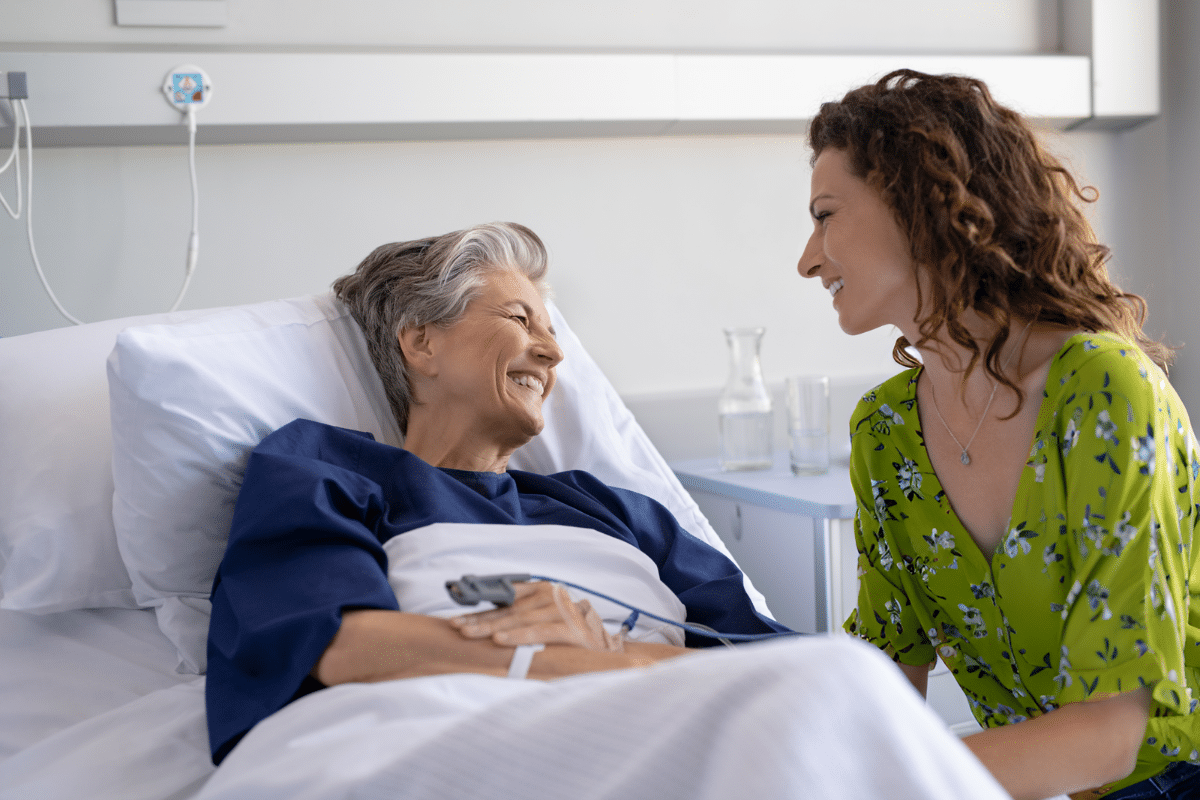
It shows how important caring is in nursing. It says that a caring relationship between nurses and patients is key to great care.
This theory sees caring as more than just tasks. It’s about how nurses connect with patients, understand their needs, and offer emotional support.
Definition and Background
The Roach Theory of Caring views caring as a caring and complete approach to nursing. It includes compassion, competence, confidence, conscience, and commitment. It believes caring is vital for healing and affects patient results.
Sister Callista Roy’s work is at the heart of this theory.
Importance in Nursing Practice
The Roach Theory of Caring is vital in nursing. It helps nurses give care that is both skilled and compassionate and patient-centered. It makes a healing environment, lowers stress, and boosts patient happiness.
This theory is important in many nursing areas, like patient assessment and care planning. By using the Roach Theory, nurses can improve care quality and help patients get better.
|
Key Components |
Description |
|---|---|
|
Compassion |
Showing empathy and understanding towards patients |
|
Competence |
Having the necessary skills and knowledge to provide care |
|
Confidence |
Instilling trust in patients through professional demeanor |
|
Conscience |
Guiding care decisions with ethical principles |
|
Commitment |
Dedication to providing high-quality care |
Philosophical Foundations of the Theory

The Roach Theory of Caring is built on a mix of philosophical views. It highlights the need for compassion, empathy, and understanding in patient care. This framework is shaped by many philosophical and theoretical views that have influenced nursing over time.
Key Philosophers and Theorists
The Roach Theory draws from several key thinkers. Jean Watson’s humanistic philosophy is a big influence, focusing on caring and compassion. Simone Roach herself also contributed, building on these ideas to create a full theory for nursing care.
“Caring is the essence of nursing, and it is through caring that we can make a meaningful difference in the lives of our patients.” –
Simone Roach
The theory also bases itself on ethical principles that put patients’ well-being and dignity first. This ethical aspect is key to understanding how the theory works in real healthcare settings.
Ethical Considerations
The Roach Theory of Caring is deeply rooted in ethics. It follows principles like respect for persons, doing good, avoiding harm, and respecting autonomy. These guide nurses to provide care that is respectful, compassionate, and focused on the patient’s needs.
|
Ethical Principle |
Application in Roach Theory |
|---|---|
|
Respect for Persons |
Recognizing the dignity and worth of each patient |
|
Beneficence |
Acting in the best interests of the patient |
|
Non-maleficence |
Avoiding harm to the patient |
|
Autonomy |
Supporting patients in making informed decisions about their care |
In conclusion, the Roach Theory of Caring is deeply rooted in caring, compassion, and ethical practice in healthcare. By understanding these foundations, nurses can see how the theory applies to today’s nursing practice.
The Six Caring Phenomena in the Theory
The Roach Theory of Caring focuses on six key areas. These areas help nurses give the best care possible. They are essential for understanding caring in nursing.
Compassion
Compassion is a key part of the Roach Theory. It means showing empathy and emotional support to patients. Nurses who show compassion greatly help patients recover and feel better about their care. For example, a caring nurse might listen to a patient’s worries, giving them comfort and reassurance.
“Compassion is not just a feeling, but a commitment to act on behalf of the patient.”
— Roach
Competence
Competence means having the right knowledge and skills for nursing. Nurses need to keep up with new medical practices and technologies. It’s not just about technical skills. It also means understanding patient care well and applying that knowledge in different situations.
- Staying current with medical advancements
- Applying knowledge in clinical settings
- Demonstrating proficiency in nursing skills
Confidence
Confidence in nursing is about trusting oneself. When nurses seem confident, patients trust them more. Confidence lets nurses make good decisions, even when it’s hard. It grows from experience, learning, and practice.
Conscience
Conscience in the Roach Theory means being aware of moral and ethical issues. Nurses face tough ethical choices and must always think of their patients’ well-being. A strong conscience helps nurses act with integrity, making sure their actions match caring principles.
By using these caring phenomena, nurses can give care that meets patients’ physical, emotional, and spiritual needs.
Application of the Roach Theory in Healthcare
Nurses can greatly improve care by using the Roach Theory of Caring. It highlights the need for caring relationships and patient-centered care. These are key to better patient results.
Developing Caring Relationships
Creating caring relationships is at the heart of the Roach Theory. It’s about making patients feel important, respected, and heard. Nurses are key in building these connections by being empathetic and caring.
To build caring relationships, nurses can:
- Listen actively to patients’ concerns and needs.
- Show empathy and compassion in their actions and words.
- Respond quickly to patients’ needs, providing timely care.
Enhancing Patient-Centered Care
Patient-centered care is a big part of the Roach Theory. It means tailoring care to fit each patient’s needs and wants. This approach boosts patient happiness and recovery rates.
|
Aspect of Care |
Traditional Approach |
Patient-Centered Approach |
|---|---|---|
|
Communication |
Primarily between healthcare providers |
Includes patients in decision-making processes |
|
Care Planning |
Based on standard protocols |
Tailored to individual patient needs and preferences |
|
Emotional Support |
Limited to medical staff |
Includes family and support networks |
Using the Roach Theory in healthcare has led to better patient results and care quality. Nurses can make a big impact by focusing on caring relationships and patient-centered care.
The Role of Nurses in Implementing the Theory
Nurses play a key role in making the Roach Theory a reality. They do this through direct care, teaching, and leadership.
Educating and Training Staff
Teaching the Roach Theory is vital for nursing staff. Nursing education programs should focus on compassion, competence, confidence, and conscience.
Teaching nurses about the Roach Theory boosts their caring abilities. It also makes healthcare more compassionate. Training should help nurses understand and use the theory in their work.
Healthcare groups can create tailored training modules for their staff. These can include case studies, role-playing, and reflection. This ensures nurses can apply the Roach Theory every day.
Integrating into Nursing Curricula
It’s important to include the Roach Theory in nursing school. This way, new nurses will know its principles.
We suggest a curriculum that covers both theory and practice. This mix of classroom and clinical training lets students see the theory in action.
- Use case studies to show the Roach Theory in action.
- Give students chances to reflect and apply the theory to real situations.
- Encourage students to build caring relationships with patients and families.
Impact on Patient Outcomes
The Roach Theory of Caring has a big impact on patient outcomes. It focuses on six key areas: compassion, competence, confidence, conscience, commitment, and comportment. This helps healthcare providers create a caring environment that improves patient care.
Improved Patient Satisfaction
Studies show that patients feel better when they are cared for. Patient satisfaction is key in healthcare, showing the quality of care. The Roach Theory helps create a caring and supportive space, leading to higher satisfaction rates.
A study in a nursing journal found patients cared for by the Roach Theory were happier. This was because the theory emphasizes compassion, competence, and confidence. These elements build trust between patients and healthcare providers.
Enhanced Recovery Rates
The Roach Theory also boosts recovery rates. The Roach Theory helps create a caring environment that promotes healing, leading to better recovery rates, fewer complications, and shorter stays for patients who feel supported and cared for.
A study in several hospitals showed units using the Roach Theory had fewer complications and better recovery rates. This was because the theory focuses on supporting patients’ physical, emotional, and spiritual needs.
Challenges in Implementing the Theory
The Roach Theory of Caring has many benefits, but it faces challenges in real-world healthcare. It focuses on compassion, competence, confidence, and conscience. This requires a big change in how care is given, which can be hard for some places.
Organizational Barriers
One big challenge is overcoming organizational barriers. These include rigid hierarchical structures that make it hard for staff to work together. Also, limited resources make it tough to train staff fully.
We also face issues with policy and procedure that don’t match the Roach Theory. For example, policies that focus on speed over patient care can block the theory’s implementation. It’s key for healthcare groups to update their policies to support caring.
Resistance to Change
Another big challenge is getting staff to accept the change. The Roach Theory needs a cultural shift, which some staff might resist. They might think it’s too slow or adds to their workload. It’s important to educate staff and show how it helps both patients and staff.
To beat resistance, we need to involve staff in the change. Give them the training and support they need. This way, they’ll feel more connected to the theory and help it succeed.
Future Directions for Roach Theory Research
Emerging trends in nursing will shape the Roach Theory’s future. As healthcare evolves, it’s key to adapt the Roach Theory to new challenges.
Emerging Trends in Nursing
The nursing field is seeing new trends that will affect the Roach Theory. These trends include:
- Technological Advancements: Technology is changing healthcare delivery. Research should look into using the Roach Theory in telehealth and robotic care.
- Personalized Medicine: Personalized medicine requires tailored care. It’s important to understand how to meet individual patient needs.
- Global Health Initiatives: Global health is becoming more connected. The Roach Theory could improve care in different cultures.
Areas for Further Exploration
While the Roach Theory is strong, there’s more to explore. Key areas include:
- Studying the Roach Theory’s effect on patient outcomes in various settings.
- Integrating the theory into nursing education to promote caring among new nurses.
- Looking into how the theory can help address healthcare disparities and promote equity.
Case Studies Demonstrating the Theory
The Roach Theory of Caring has shown its worth in real-life patient care. It’s been used in many healthcare places. This has led to better care and happier patients.
Real-Life Applications in Practice
The Roach Theory is used in hospitals, clinics, and community health groups. For example, a hospital in the U.S. used it to better its care. Nurses learned to focus on six caring areas: compassion, competence, confidence, conscience, commitment, and comportment.
This training made care more focused on the patient. Nurses became more empathetic and understanding. Patients were happier with their care.
- Improved communication between nurses and patients
- Enhanced patient trust in healthcare providers
- Better management of patient pain and discomfort
Outcomes from Selected Case Studies
Many case studies show the Roach Theory’s positive effects. A study in a rehab center found patients recovered faster. They also had better overall outcomes than those with standard care.
|
Case Study |
Outcome |
|---|---|
|
Rehabilitation Center |
Shorter recovery times and better patient outcomes |
|
Pediatric Ward |
Improved patient and family satisfaction |
These studies prove the Roach Theory works well in practice. It shows promise for better care in various healthcare settings.
Conclusion and Key Takeaways
We’ve talked about the Roach Theory of Caring and its lasting impact on healthcare. It’s a key part of nursing, focusing on care, skill, and confidence. These are vital for looking after patients well.
Summary of Key Points
The Roach Theory of Caring is based on six key areas: compassion, competence, confidence, conscience, commitment, and comportment. These are essential for building strong relationships between healthcare workers and patients.
- Compassion and empathy help us understand what patients need.
- Competence makes sure care is done right and fast.
- Confidence in nursing builds trust and better results for patients.
By using these areas, nurses can offer care that meets patients’ physical, emotional, and spiritual needs.
The Enduring Relevance of Caring in Nursing
The Roach Theory of Caring is as important today as it was when first introduced. Jean Watson said, “Caring is the essence of nursing.” It shapes nursing education, practice, and research.
“Caring is not just an emotion, but a therapeutic intervention that can lead to better patient outcomes.”
— Roach Theory of Caring
Its lasting value comes from its ability to adapt to changes in healthcare. Below is a summary of our main points.
|
Key Aspect |
Description |
Impact on Nursing |
|---|---|---|
|
Caring Phenomena |
Six elements that define caring in nursing |
Enhances patient-centered care |
|
Nursing Education |
Integration of the Roach Theory into curricula |
Prepares nurses for compassionate care |
|
Patient Outcomes |
Improved satisfaction and recovery rates |
Demonstrates the theory’s effectiveness |
In conclusion, the Roach Theory of Caring is essential for nursing. It guides practice, education, and research. Its focus on care and compassion is central to quality patient care.
References and Further Reading
We’ve reached the end of our look into the Roach Theory of Caring. Here’s a list of resources for those wanting to learn more. These references and further reading materials will help you keep learning and exploring.
Key Resources for Further Study
To really understand the Roach Theory, check out books and articles focused on it. These texts offer deep analysis and real-life examples. They show how the theory works in nursing.
Online Platforms for Additional Learning
There are many online resources too. You can find academic journals, nursing forums, and educational websites. These places offer the latest research and discussions on the Roach Theory and nursing care.
FAQ
What is the Roach Theory of Caring?
The Roach Theory of Caring is a nursing theory. It highlights the importance of compassion, competence, and confidence in patient care. It focuses on caring for patients holistically, considering their physical, emotional, and spiritual needs.
Who developed the Roach Theory of Caring?
Sister Callista Roy, a renowned nursing theorist, developed the Roach Theory of Caring. Later, other nursing scholars expanded upon it.
What are the six caring phenomena in the Roach Theory of Caring?
The six caring phenomena are compassion, competence, confidence, conscience, commitment, and comportment. These are key for providing top-notch patient care.
How does the Roach Theory of Caring impact patient outcomes?
The Roach Theory of Caring boosts patient satisfaction and recovery rates. It focuses on a patient-centered approach, meeting patients’ physical, emotional, and spiritual needs.
What are the challenges in implementing the Roach Theory of Caring in healthcare settings?
Challenges include organizational barriers and resistance to change. There’s also a need for education and training to foster caring relationships between nurses and patients.
How can nurses develop caring relationships with their patients?
Nurses can show compassion, competence, and confidence. They should prioritize patient-centered care, understanding and meeting each patient’s unique needs and preferences.
What is the significance of the Roach Theory of Caring in contemporary nursing practice?
The Roach Theory of Caring is vital in today’s nursing practice. It offers a framework for delivering high-quality, patient-centered care in a fast-changing healthcare environment.
How can the Roach Theory of Caring be integrated into nursing curricula?
The theory can be integrated into nursing curricula through coursework, clinical training, and simulation-based education. This prepares future nurses to provide caring and compassionate care.
What are the future directions for research on the Roach Theory of Caring?
Future research should explore emerging trends in nursing, like technology’s role in patient care. It should also look into the theory’s impact on patient outcomes in various healthcare settings.
National Center for Biotechnology Information. Evidence-Based Medical Insight. Retrieved from https://pubmed.ncbi.nlm.nih.gov/10095495/