Last Updated on December 2, 2025 by Bilal Hasdemir

Immunotherapy has changed how we treat diseases like cancer. It uses the body’s immune system. A lot of patients see better results from this treatment. But, it’s important to make lifestyle changes too.
Knowing what to avoid is key to getting the most out of immunotherapy. This article will cover important immunotherapy lifestyle tips. We’ll also look at important things to think about while you’re on treatment. Explaining the side effect profile and listing key Things to avoid during immunotherapy (e.g., certain medications).
Key Takeaways
- Understand the importance of lifestyle adjustments during immunotherapy.
- Learn how to minimize possible side effects.
- Discover essential tips for making treatment work better.
- Explore the role of diet and nutrition in immunotherapy.
- Find out how to manage stress during treatment.
Understanding Immunotherapy and Its Sensitivities
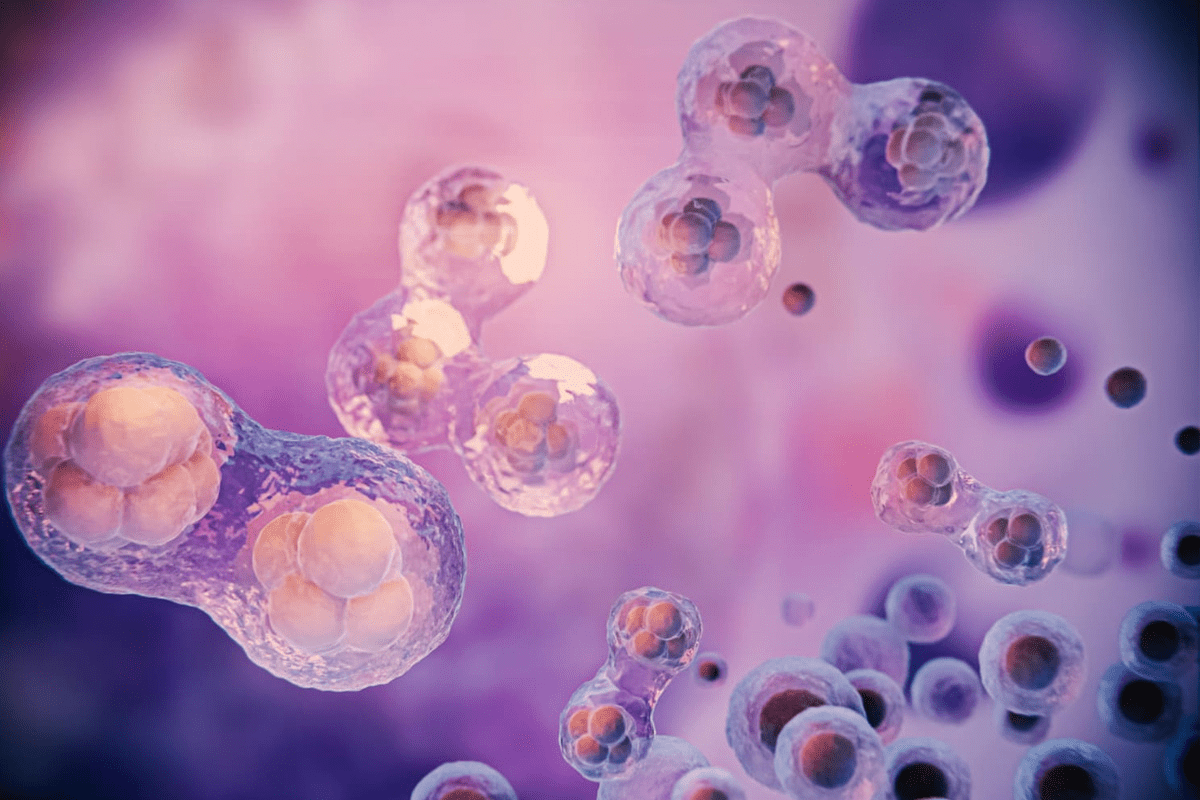
Immunotherapy is a new way to fight cancer. It uses your body’s immune system to attack cancer cells. This makes your body stronger against cancer.
How Immunotherapy Works in Your Body
Immunotherapy boosts your immune system to fight cancer. There are different ways to do this, like:
Types of Immunotherapy Treatments
Checkpoint inhibitors help your immune system work better. Adoptive T-cell therapy changes T-cells to find and kill cancer cells.
How Your Immune System Responds
When you get immunotherapy, your immune system might attack healthy cells too. This can cause side effects. It’s important to watch for and manage these side effects to keep the treatment working well.
A top oncologist, says, “Immunotherapy is very promising for cancer treatment. But, we must manage side effects carefully.”
“The key to successful immunotherapy lies in understanding its sensitivities and taking proactive steps to manage possible side effects.”
A Cancer Researcher
Why Certain Restrictions Are Necessary
During immunotherapy, you need to make some lifestyle changes. This includes eating differently, avoiding some medicines, and being careful with supplements and other therapies.
The Importance of Following Medical Guidance
Listening to your doctor is very important when you’re on immunotherapy. This means following a special diet, knowing about medicine interactions, and talking about any side effects or worries.
By knowing how immunotherapy works and following the right precautions, you can get the most out of your treatment. This way, you can enjoy its benefits while avoiding its risks.
Dietary Restrictions and Things to Avoid During Immunotherapy

A well-planned diet is key for patients on immunotherapy. It boosts treatment success and manages side effects.
Foods That May Interfere with Treatment
Certain foods can weaken the immune system or cause inflammation. This can hinder immunotherapy’s effectiveness.
High-Risk Foods for Compromised Immunity
For those with weak immunity, avoid these foods:
- Raw or undercooked fish and soft-cooked eggs
- Unpasteurized cheeses and unwashed fruits or vegetables
These foods may have harmful bacteria like Salmonella or E. coli. They’re risky for those with weakened immune systems.
Foods That May Trigger Inflammation
Some foods can trigger or worsen inflammation. These include:
- Processed meats
- Refined sugars
- Foods high in saturated and trans fats
Raw and Undercooked Foods to Avoid
Raw and undercooked foods are risky during immunotherapy. Stay away from:
- Raw eggs and undercooked poultry
- Unpasteurized dairy products and juices
Cooking foods well can lower the risk of foodborne illnesses.
Safe Diet Plans During Treatment
A safe diet during immunotherapy includes nutrient-rich, safely prepared foods.
Recommended Food Preparation Methods
Follow these food preparation tips:
- Cook foods thoroughly
- Avoid cross-contamination by separating raw and cooked foods
- Use clean water for washing fruits and vegetables
By sticking to these guidelines, patients can eat well and avoid risks.
Hydration and Beverage Considerations
Staying hydrated is key when you’re on immunotherapy. It helps your body work well and supports your immune system. This is important for the treatment to work right.
Alcohol Consumption and Immunotherapy
Drinking alcohol can be tricky when you’re on immunotherapy. It might mess with the treatment and make side effects worse. It’s important for patients to know how alcohol affects them.
Why Alcohol Can Be Problematic
Alcohol can make side effects like fatigue and nausea worse. It can also make the treatment less effective. This is because it affects how your immune system works.
Guidelines for Occasional Consumption
If you do drink alcohol while on immunotherapy, follow these tips:
- Stick to moderate drinking (up to one drink a day for women, up to two for men).
- Avoid binge drinking or drinking too much.
- Talk to your doctor for advice that fits your treatment.
Caffeine Intake Limitations
Caffeine is something to think about during immunotherapy too. While a little caffeine is okay, too much can cause jitters, anxiety, and trouble sleeping. These issues can get worse with immunotherapy.
Recommended caffeine intake: Keep daily caffeine to 200-300 mg (about 1-2 cups of coffee).
Optimal Hydration Strategies
Drinking enough water is very important during immunotherapy. Here’s how to stay hydrated:
- Drink 8-10 glasses of water a day.
- Make sure your urine is pale yellow or clear.
- Avoid drinks that can make you lose water, like those with a lot of caffeine or sugar.
Water Quality Considerations
The water you drink matters too. Using filtered or bottled water can reduce the risk of harmful substances in tap water.
Key considerations for water quality:
- Look up local water quality reports.
- Use a water filter that catches common pollutants.
- Think about using bottled water if tap water worries you.
Medication Interactions to Be Aware Of
Medication interactions can affect how well and safely immunotherapy works. It’s key for patients to know which drugs might interact with their treatment. This helps avoid any problems.
Over-the-Counter Medications to Avoid
Some over-the-counter (OTC) drugs can mess with immunotherapy. Be careful with:
Pain Relievers and Anti-inflammatories
Drugs like ibuprofen and acetaminophen are usually okay. But, always check with your doctor first. They might make side effects worse or mix badly with other drugs.
Cold and Allergy Medications
OTC cold and allergy meds can also cause issues with immunotherapy. Antihistamines and decongestants are mostly safe. But, always get your doctor’s okay before using them to avoid problems.
| Medication Type | Potential Interaction | Precaution |
| Pain Relievers | May increase risk of bleeding or kidney damage | Consult healthcare provider before use |
| Cold and Allergy Medications | Can exacerbate side effects like drowsiness or dry mouth | Use under healthcare provider’s guidance |
Antibiotics and Immunotherapy
Antibiotics might be needed during immunotherapy. But, use them carefully. Some can change your gut’s bacteria, which might affect how well immunotherapy works.
Discussing All Medications with Your Healthcare Team
Tell your healthcare team about all your meds, including OTC drugs, supplements, and prescriptions. This helps spot any drug interactions early.
Medication Tracking Systems
Keeping track of your meds is important. You can use a simple log or a mobile app for this. It helps you and your doctor stay organized.
Knowing about possible drug interactions and talking openly with your healthcare team is key. It helps avoid risks and makes sure you get the most from your immunotherapy treatment.
Supplements and Alternative Treatments
Using supplements and alternative treatments with immunotherapy needs careful thought. Some people use them to help their treatment or deal with side effects. But, it’s key to know what’s safe and what might harm you.
Supplements That May Interfere with Immunotherapy
Some supplements can affect how well immunotherapy works. Knowing these interactions is important to avoid problems.
Immune-Boosting Supplements
Immune-boosting supplements might seem like a good idea. But, some can make your immune system too active. This might cause more side effects or make the treatment less effective.
Antioxidant Supplements
Antioxidants help fight oxidative stress. But, antioxidant supplements might block the stress needed by some immunotherapies. This could affect how well the treatment works.
Herbal Remedies to Approach with Caution
Herbal remedies need caution too. Some herbs can react with medicines or make side effects worse. Always talk to your doctor before using herbal remedies during immunotherapy.
Avoiding Unapproved Therapies
Be careful of unapproved therapies that promise to improve immunotherapy. Staying away from unapproved therapies is key to avoid harm and keep the treatment effective.
In summary, while supplements and alternative treatments can be helpful, using them with immunotherapy requires careful management. Always talk to your healthcare team before adding any supplements or alternative treatments to your routine.
Physical Activity and Rest Balance
When you’re on immunotherapy, finding the right balance between exercise and rest is key. This balance helps keep you healthy and makes sure the treatment works well.
Exercise Guidelines During Treatment
Exercise is a big part of staying healthy while on immunotherapy. But, it’s important to stick to certain rules to avoid pushing too hard.
Safe vs. High-Risk Activities
Safe activities include walking, yoga, or light swimming. But, you should stay away from high-impact or contact sports that could hurt you.
- Safe Activities: Walking, light yoga, swimming
- High-Risk Activities: Contact sports, high-impact aerobics
Activities to Limit or Avoid
Some activities might need to be cut back or stopped during immunotherapy. This includes hard exercises that could make you tired or hurt you.
| Activity Type | Recommendation |
| Strenuous Exercise | Limit or Avoid |
| Low-Impact Exercise | Continue with Caution |
Managing Fatigue and Energy Conservation
Managing fatigue is a big deal during immunotherapy. Saving energy and balancing rest with activity is key.
Creating a Balanced Rest Schedule
Try to make a schedule that includes regular breaks. This helps keep your energy up all day.
By mixing physical activity with rest, you can handle fatigue better. This supports your health during immunotherapy.
Infection Prevention and Environmental Factors
Preventing infections is key when you’re on immunotherapy. You also need to watch out for things around you. People on immunotherapy can get sick easier because their immune systems are weak.
Avoiding Exposure to Illness
To stay safe from infections, it’s important to avoid getting sick. This means being careful in public and at home.
Public Spaces and Gatherings
When you’re out or at events, stay away from sick people. Places with lots of people and close contact can spread germs easily.
Household Precautions
At home, make sure everyone washes their hands a lot. Clean surfaces often and don’t share things to stop germs from spreading.
Live Vaccines and Immunotherapy
Talking to your doctor about vaccines is very important. Live vaccines can be risky for people with weak immune systems. You need to know which vaccines are okay for you.
Environmental Triggers to Minimize
Some things in your environment can affect your health while you’re on immunotherapy. Knowing what these are can help you take better care of yourself.
Household Chemicals and Pollutants
Try to stay away from strong chemicals and pollutants at home. Use green cleaning products and make sure your home has good air flow to cut down on bad air.
| Precaution | Action | Benefit |
| Avoiding Sick Individuals | Maintain distance from those who are ill | Reduces risk of infection |
| Good Hygiene Practices | Frequent handwashing and surface disinfection | Minimizes transmission of infectious agents |
| Safe Vaccination | Consult healthcare provider on vaccine safety | Prevents complications from live vaccines |
| Reducing Environmental Triggers | Use eco-friendly products and ensure good ventilation | Lowers exposure to harmful chemicals and pollutants |
Stress Management and Lifestyle Adjustments
Managing stress is key for those on immunotherapy. It can affect how well the treatment works. Stress can weaken the immune system, making it harder to fight off diseases.
How Stress Impacts Immunotherapy Effectiveness
Chronic stress can harm how the body responds to immunotherapy. It’s important for patients to use healthy ways to manage stress. This includes meditation, yoga, or deep breathing exercises.
Harmful Coping Mechanisms to Avoid
Some coping methods can be harmful and should be avoided. These include:
- Using tobacco and smoking products, which can worsen treatment outcomes.
- Consuming recreational substances, which can interact negatively with immunotherapy.
Tobacco and Smoking Products
Tobacco and smoking products can weaken the immune system. They can also make immunotherapy less effective. Quitting these habits is strongly advised.
Recreational Substances
Recreational substances can have unpredictable effects on immunotherapy. They may lead to adverse effects. It’s best to avoid these substances during treatment.
Skin Care and Sun Exposure Precautions
Patients on immunotherapy may experience skin side effects. Proper skin care and sun protection are essential.
Products and Ingredients to Avoid
Some skincare products and ingredients can make skin reactions worse. Patients should avoid harsh products. Instead, choose gentle, fragrance-free alternatives.
Sun Protection Requirements
Using a broad-spectrum sunscreen with a high SPF is important. Wear protective clothing and seek shade when outdoors. This helps prevent sun-related skin damage.
| Precaution | Benefit |
| Avoiding harsh skincare products | Reduces risk of skin irritation |
| Using broad-spectrum sunscreen | Protects against UV damage |
| Wearing protective clothing | Minimizes sun exposure |
By adopting healthy lifestyle habits and avoiding harmful coping mechanisms, patients can better manage stress. This can help improve their immunotherapy outcomes.
Conclusion: Maintaining Balance During Your Immunotherapy Journey
Undergoing immunotherapy means you need to think about many lifestyle factors. This helps the treatment work better and reduces side effects. Keeping your immune system in balance is key.
Pay attention to what you eat, drink enough water, and watch how medicines interact. Also, don’t forget about exercise and managing stress. These steps help your body respond well to treatment.
Using these tips can make your treatment journey smoother. Always talk to your healthcare team for advice. They can help you get the best results.
Being proactive and informed is important. It helps you stay balanced and make the most of your treatment.
FAQ
What are some general lifestyle tips to follow during immunotherapy?
Keeping a balanced lifestyle is key during immunotherapy. Eat healthy, drink plenty of water, and exercise often. Also, get enough sleep and manage stress well.
Are there specific foods I should avoid while on immunotherapy?
Yes, avoid raw or undercooked foods and high-risk items like raw eggs. Also, foods that cause inflammation should be skipped. A safe diet and proper food handling are important.
Can I consume alcohol during immunotherapy?
It’s best to limit or avoid alcohol during treatment. It can affect your immune system. Always check with your doctor first.
Are there any medications I should avoid taking during immunotherapy?
Some over-the-counter meds and supplements can interact with your treatment. Always talk to your doctor about any medications you’re taking.
Can I take supplements or alternative treatments during immunotherapy?
Be cautious with supplements and herbal remedies. They might interfere with your treatment. Always check with your doctor before adding anything new to your routine.
How can I balance physical activity and rest during immunotherapy?
Balance exercise with rest to avoid fatigue. Follow your doctor’s exercise advice and avoid too much strenuous activity. Save your energy for important tasks.
How can I prevent infections during immunotherapy?
To avoid infections, stay away from sick people and practice good hygiene. Also, avoid live vaccines. These steps help keep you safe during treatment.
How does stress impact immunotherapy effectiveness?
Stress can harm your treatment’s success. Try healthy stress-relievers like meditation or yoga. Making lifestyle changes can also help manage stress.
Are there any specific skin care precautions I should take during immunotherapy?
Yes, protect your skin from the sun and use gentle products. This helps prevent side effects and keeps your skin healthy.
What are some strategies for managing fatigue during immunotherapy?
To fight fatigue, balance rest and activity. Save energy for important tasks. A healthy lifestyle and doctor’s advice can also help.
Can I get vaccinated while on immunotherapy?
Generally, avoid live vaccines during treatment. Always talk to your doctor about vaccinations and your treatment plan.
References
Nature. Evidence-Based Medical Insight. Retrieved from https://www.nature.com/articles/s41419-024-06641-6
National Center for Biotechnology Information. Evidence-Based Medical Insight. Retrieved from https://www.ncbi.nlm.nih.gov/pmc/articles/PMC7602474/
National Center for Biotechnology Information. Evidence-Based Medical Insight. Retrieved from https://www.ncbi.nlm.nih.gov/pmc/articles/PMC7602474/
National Center for Biotechnology Information. Evidence-Based Medical Insight. Retrieved from https://pubmed.ncbi.nlm.nih.gov/29685484/