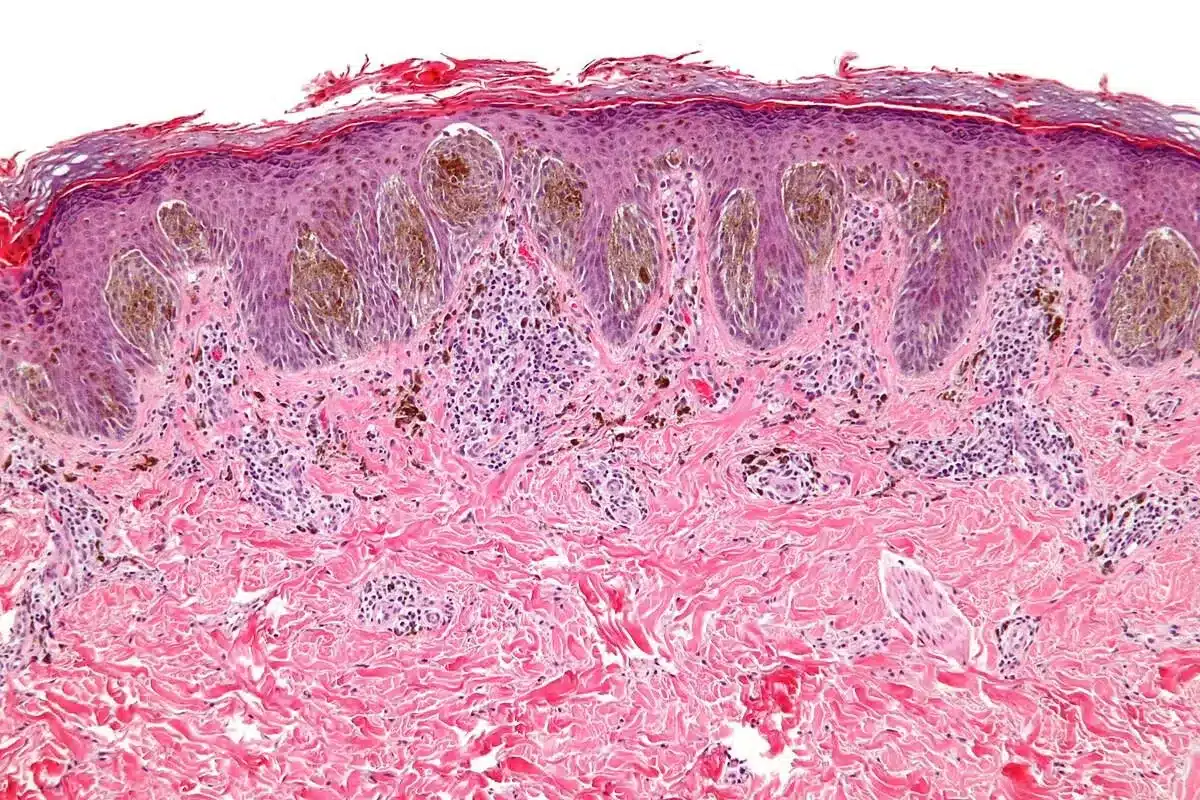

Getting bariatric surgery can change your life for the better, helping you lose weight and feel healthier. But, it can also lead to hair loss. About 57% of people who have this surgery face hair loss, making it a big worry. Nutritional and supplement strategies to prevent thinning hair after bariatric surgery (Telogen Effluvium).
At Liv Hospital, we know how upsetting hair loss after surgery can be. We focus on you, giving you the best care to deal with side effects. Knowing how to prevent hair loss and stay healthy is key during your recovery.
Key Takeaways
- Approximately 57% of bariatric surgery patients experience hair loss.
- Proper nutrition and supplementation can help minimize hair loss.
- Liv Hospital’s patient-centered approach provides comprehensive guidance on managing post-surgical complications.
- Evidence-based medical care is vital in keeping you healthy during recovery.
- Understanding the causes of hair loss after bariatric surgery is essential for effective prevention.
Understanding Post-Bariatric Hair Loss

One of the side effects of bariatric surgery is hair loss, known as telogen effluvium. This can be upsetting for those who have lost a lot of weight. It’s important to know that hair loss after surgery is common.
What is Telogen Effluvium?
Telogen effluvium is when you lose a lot of hair because of stress. After bariatric surgery, your body might go through this as it adjusts to weight loss and diet changes. It’s a temporary condition, and knowing about it can help you manage your recovery.
Prevalence and Timeline of Hair Shedding
Hair loss usually starts three to six months after surgery. This condition, telogen effluvium, happens when your body is stressed by fast weight loss and changes in hormones and nutrients. It’s usually short-term, and hair growth will come back once your body adjusts.
It’s important for patients to know about hair loss after surgery. Understanding it helps them deal with the changes they go through.
Why You’re Losing Hair After Weight Loss Surgery

Many people who have had bariatric surgery notice they’re losing more hair. Knowing why this happens can help find ways to stop it.
The Normal Hair Growth Cycle
Hair grows in cycles. Each hair follicle goes through growth, transition, and rest phases before it falls out. This cycle is key for healthy hair. But stress can mess with it.
How Surgical Stress Affects Hair Follicles
Surgery stress makes hair follicles go into the resting phase too early. This is called Telogen Effluvium. So, more hair falls out than usual, often 3 to 6 months after surgery.
Impact of Rapid Weight Loss on Hair Health
Fast weight loss after surgery makes hair loss worse. The body uses nutrients for healing and metabolism instead of hair growth. This can cause hair loss. So, stress from surgery and quick weight loss lead to a lot of hair shedding.
Knowing these reasons can help patients take steps to reduce hair loss after surgery.
Risk Factors That Increase Hair Loss Severity
Hair loss after bariatric surgery can vary a lot. This is because of several important factors. Knowing these can help both patients and doctors prevent or lessen hair loss.
Age and Gender Considerations
Younger people and women tend to lose more hair after surgery. Women, in particular, face a higher risk because of changes in hormones and not getting enough nutrients. Some patients with lots of hair lose it, while others with thinning hair might not see much change.
Procedure-Specific Risks
The type of surgery also plays a big role. Malabsorptive procedures, like gastric bypass, can lead to not getting enough nutrients. This can cause hair loss. It’s key for patients to watch their diet closely after these surgeries.
Pre-existing Conditions That Worsen Hair Loss
Having nutritional deficiencies, like low vitamin D or iron, can make hair loss worse after surgery. If you already had thinning hair or hair loss before, you might lose more after surgery. Talking to your doctor about your health history is very important.
Knowing these risks can help patients take steps to prevent or lessen hair loss. It also helps them promote healthy hair growth after surgery.
Essential Nutrients for Hair Health After Surgery
Good nutrition is vital to stop hair loss and help it grow back after bariatric surgery. It’s important to make sure patients get the right nutrients for their hair to stay healthy.
Protein Requirements for Hair Regrowth
Protein is the base of healthy hair. After bariatric surgery, patients eat fewer calories, so every meal matters. We suggest they aim for 60 to 80 grams of protein daily to help their hair grow and keep muscle.
It’s key to eat foods rich in protein. If needed, supplements can help, but always choose whole foods first for nutrition.
Critical Vitamins for Hair Follicle Function
Vitamins are vital for hair follicle health. Vitamin B12 is key for making red blood cells, which carry oxygen to hair follicles. Vitamin D keeps hair follicles healthy, and Vitamin A helps the scalp.
- Vitamin B12: essential for red blood cell production
- Vitamin D: maintains hair follicle health
- Vitamin A: supports scalp health
Minerals That Prevent Post-Bariatric Hair Loss
Minerals are also key for hair health. Zinc helps hair grow and stay healthy. Iron stops hair loss by making sure hair follicles get enough oxygen. Biotin is important for hair to grow back.
| Mineral | Role in Hair Health |
|---|---|
| Zinc | Supports hair growth and maintenance |
| Iron | Prevents hair loss by ensuring adequate oxygen to hair follicles |
| Biotin | Promotes hair regrowth |
By focusing on these nutrients, patients can greatly improve their hair health after bariatric surgery. It’s important to work with healthcare providers to create a nutrition plan that fits their needs.
Pre-Surgery Strategies to Minimize Future Hair Loss
Before bariatric surgery, you can take steps to prevent hair loss. Focus on nutrition, build protein, and practice good hair care. These actions help your body adjust to surgery changes.
Nutritional Optimization Before Surgery
Eating a balanced diet is key for healthy hair. Nutritional optimization before surgery ensures your body has what it needs for hair growth. Include foods rich in protein, vitamins, and minerals.
Choose nutrient-dense foods like lean proteins, fruits, veggies, and whole grains. A healthcare provider or nutritionist can help with a personalized diet plan.
| Nutrient | Food Sources | Benefit for Hair Health |
|---|---|---|
| Protein | Lean meats, fish, eggs, dairy | Essential for hair growth and strength |
| Vitamin C | Citrus fruits, berries, leafy greens | Promotes collagen production and reduces oxidative stress |
| Iron | Red meat, spinach, fortified cereals | Critical for healthy hair follicles |
Building Protein Reserves
Protein is vital for hair health. Building protein reserves before surgery can reduce hair loss risk. Eat a high-protein diet in the weeks before surgery.
Good protein sources include lean meats, fish, eggs, dairy, and plant-based options like beans and lentils. Spread out your protein intake throughout the day for better health and hair growth.
Establishing Healthy Hair Care Habits
Good hair care habits are also important. Establishing healthy hair care habits can help prevent hair loss. Be gentle with your hair, avoid too much heat styling, and use gentle products.
“Gentle hair care practices can significantly reduce the risk of hair loss after bariatric surgery. By adopting these habits before surgery, individuals can better protect their hair.” – Medical Expert, Bariatric Surgeon
Medical Consultation for Hair Loss Prevention
Talking to a healthcare provider about hair loss prevention strategies before surgery is wise. They can give you advice tailored to your health and nutritional needs.
Discuss your situation with your doctor to create a plan for minimizing hair loss after surgery.
Post-Surgery Nutrition Plan to Protect Your Hair
A well-planned diet is key after bariatric surgery to prevent hair loss. Focus on a diet rich in protein, complex carbs, and healthy fats. This supports hair health and overall recovery.
High-Protein Diet Strategies After Bariatric Surgery
Eating a lot of protein is important after surgery for hair growth. Choose lean proteins like chicken, fish, and legumes. Eat small meals often to keep energy up and support hair follicles.
Here are some high-protein foods to add to your diet:
- Lean meats like chicken and turkey
- Fish and seafood
- Eggs and dairy products
- Legumes such as beans and lentils
- Nuts and seeds
Meal Planning to Maximize Nutrient Absorption
Good meal planning is key for getting the right nutrients for hair health. Eat complex carbs like whole grains, fruits, and veggies for vitamins and minerals. Healthy fats in foods like avocados and nuts also help with hair growth.
| Food Group | Examples | Nutritional Benefits |
|---|---|---|
| Lean Proteins | Chicken, Fish, Legumes | Supports hair regrowth and overall health |
| Complex Carbohydrates | Whole Grains, Fruits, Vegetables | Provides essential vitamins and minerals |
| Healthy Fats | Avocados, Nuts, Seeds | Important for overall health and hair regrowth |
Hydration and Its Impact on Hair Health
Drinking enough water is vital for hair health and recovery after surgery. Aim for 64 ounces of water a day to keep hair follicles healthy and promote growth.
Drink lots of water and avoid processed foods. Focus on nutrient-rich meals to support your health and hair growth.
Supplement Protocol to Prevent Hair Loss After Gastric Surgery
Preventing hair loss after gastric surgery needs a good plan. Bariatric surgery can cause big nutritional gaps if not managed right. These gaps can lead to hair loss. So, it’s key to know the right supplements for hair health.
Essential Bariatric Vitamins and Minerals
After bariatric surgery, patients must take special vitamins and minerals. A daily multivitamin made for post-bariatric patients is a must. Biotin helps make keratin, iron and zinc fix follicles, and vitamin D and calcium boost overall health.
It’s best for patients to work with their healthcare provider to make a custom supplement plan. This plan should match their nutritional needs after surgery.
Hair-Specific Supplements
Some supplements are great for hair health, aside from general bariatric vitamins. Biotin, vitamin B, and omega-3 fatty acids help hair grow and reduce shedding. Choose high-quality supplements that your body can easily absorb.
Timing and Absorption Considerations
When you take supplements can affect how well they’re absorbed. For example, iron works better on an empty stomach. But, calcium can block iron absorption if taken together. So, it’s smart to take supplements at different times of the day.
Also, the type of supplement matters. Methylated vitamins are better absorbed by some people with certain genes.
Working With Your Doctor on Personalized Protocols
Creating a custom supplement plan needs teamwork with a healthcare provider. It’s important to check nutritional levels and hair health often. This way, the plan can be changed as needed. This approach helps ensure the best support for hair health after bariatric surgery.
| Supplement | Benefit for Hair Health | Recommended Daily Intake |
|---|---|---|
| Biotin | Supports keratin production | 2500-5000 mcg |
| Iron | Essential for follicle repair | 45-60 mg |
| Zinc | Supports hair growth and repair | 8-11 mg |
| Vitamin D | Important for overall health | 2000 IU |
By sticking to a good supplement plan and working with a healthcare provider, bariatric patients can lower their risk of hair loss. This also supports their overall health.
Hair Care Practices That Reduce Shedding
Gentle hair care is key to less hair loss after bariatric surgery. The right techniques and products help keep hair intact during recovery.
Gentle Washing and Styling Techniques
Choosing gentle washing and styling is vital. Wash with mild shampoo and conditioner. Avoid hot water to keep natural oils in.
Styling should be gentle too. Use heat protectants and avoid heat tools. Wide-tooth combs help prevent breakage.
Products to Avoid After Bariatric Surgery
Some hair products can make shedding worse. Stay away from harsh chemicals like sulfates and parabens. They harm hair and scalp.
Also, avoid products with strong fragrances or dyes. They can irritate the scalp and lead to hair loss.
Recommended Hair Products for Thinning Hair
For thinning hair, the right products are essential. Use gentle, sulfate-free shampoos and conditioners made for thinning hair.
Look for products with biotin, keratin, and vitamins. They strengthen hair and encourage growth.
| Product Type | Recommended Ingredients | Benefits |
|---|---|---|
| Sulfate-free Shampoo | Biotin, Keratin | Strengthens hair, promotes regrowth |
| Conditioner | Vitamin E, Coconut Oil | Nourishes and moisturizes hair |
| Hair Mask | Argan Oil, Shea Butter | Repairs and protects hair |
Protective Hairstyles During Recovery
Wearing protective hairstyles can reduce shedding. Braids, buns, and ponytails are good choices. They lessen stress on hair follicles.
Avoid tight hairstyles to prevent breakage and loss.
Medical Interventions for Severe Hair Loss
Severe hair loss after bariatric surgery can be a big issue. Some people may lose a lot of hair, and it doesn’t grow back quickly. In these cases, medical help can support hair growth.
Topical Treatments for Hair Regrowth
Topical treatments are a good start against hair loss. Natural oils like rosemary and pumpkin seed oil can help hair grow. Apply these oils to your scalp to boost hair follicles.
Always talk to a healthcare provider before trying new treatments. They can make sure they’re safe for you.
Prescription Options When Supplements Aren’t Enough
If supplements don’t work, prescription meds might be needed. Minoxidil (Rogaine) is often used. It helps hair grow and slows down loss.
Work with your doctor to find the right treatment. They can also watch for any side effects.
When to Consult a Dermatologist
See a dermatologist for severe or ongoing hair loss. They can check your scalp and hair. They’ll suggest treatments and help with any underlying issues.
Emerging Therapies for Post-Bariatric Hair Loss
New treatments for hair loss are being studied. Low-level laser therapy (LLLT) and platelet-rich plasma (PRP) therapy are promising. They might help your hair grow back.
| Therapy | Description | Potential Benefits |
|---|---|---|
| Low-Level Laser Therapy (LLLT) | A non-invasive treatment using low-level laser or light-emitting diodes | Stimulates hair growth, increases hair density |
| Platelet-Rich Plasma (PRP) Therapy | Involves injecting platelet-rich plasma (PRP) into the scalp | Promotes hair growth, improves hair thickness |
These new therapies look promising. But, talk to a healthcare professional to find the best treatment for you.
Conclusion: The Road to Hair Recovery
Hair loss after bariatric surgery can be upsetting. But, it’s usually just a short-term issue. By eating right, taking supplements, and being gentle with your hair, you can help it grow back.
Hair usually starts growing back in six to nine months. This happens when your body gets the nutrients it needs. With the right care, most people see their hair grow back within a year after surgery.
It’s important to be patient and work with your healthcare team. This way, you can manage hair loss and recover well. By following these steps, you can overcome hair loss and get back to full health.
FAQ
What is telogen effluvium, and how does it relate to hair loss after bariatric surgery?
Telogen effluvium is a condition where you shed a lot of hair. It happens when your body is stressed. After bariatric surgery, it’s common because of the quick weight loss and changes in diet.
How common is hair loss after bariatric surgery?
About 57 percent of people lose hair after bariatric surgery. It’s a common problem after surgery.
What causes hair loss after weight loss surgery?
Hair loss after surgery is mainly due to the body’s stress response. The quick weight loss and changes in diet disrupt hair growth.
Can certain factors increase the likelihood and severity of hair loss after bariatric surgery?
Yes, factors like age, gender, and the surgery type can make hair loss worse. Also, if you had nutritional problems before, it could affect your hair more.
How can I prevent hair loss after bariatric surgery?
To avoid hair loss, eat well before surgery and build up your protein. After surgery, eat foods rich in protein, carbs, and healthy fats. This helps keep your hair healthy.
What role do supplements play in preventing hair loss after bariatric surgery?
Supplements can fill nutritional gaps that might cause hair loss. Talk to your doctor about taking vitamins and minerals, and hair-specific supplements.
How can I support my hair health during the recovery period?
Use gentle hair care, like soft washing and styling. Avoid harsh chemicals and try protective hairstyles to reduce shedding.
Is hair loss after bariatric surgery permanent?
No, hair loss after surgery is usually temporary. Hair starts growing back in six to nine months. It fully recovers in a year.
What medical interventions are available for severe or prolonged hair loss?
For serious hair loss, there are topical treatments, medicines, and new therapies. A dermatologist can help find the best treatment for you.
How can I manage hair loss after gastric sleeve surgery?
To manage hair loss after gastric sleeve, eat right, take supplements, and use gentle hair care. Work with your healthcare team to create a plan.
Can I regrow my hair after bariatric surgery?
Yes, with the right care and nutrition, most people can regrow their hair after surgery. Focus on a balanced diet, supplements, and gentle hair care.
References
National Center for Biotechnology Information. Evidence-Based Medical Guidance. Retrieved from https://pmc.ncbi.nlm.nih.gov/articles/PMC10890033/