Last Updated on December 1, 2025 by Bilal Hasdemir
Cancer is a major cause of death globally, with over 19 million new cases diagnosed annually. An oncologist is a cancer doctor who specializes in oncology. This is the branch of medicine that deals with diagnosing, staging, and treating cancer.
The main types of oncology are medical, surgical, and radiation, each focusing on different aspects of cancer care.
Key Takeaways
- Cancer is a significant global health issue, with millions of new cases diagnosed every year.
- Oncology is the branch of medicine that deals with the diagnosis, staging, and treatment of cancer.
- Oncologists are specialized who play a critical role in cancer patient care.
- The field of oncology is constantly evolving, with new advancements in medical technology and research.
- Comprehensive treatment plans are developed by oncologists in collaboration with other healthcare professionals.
The Field of Oncology and Its Importance
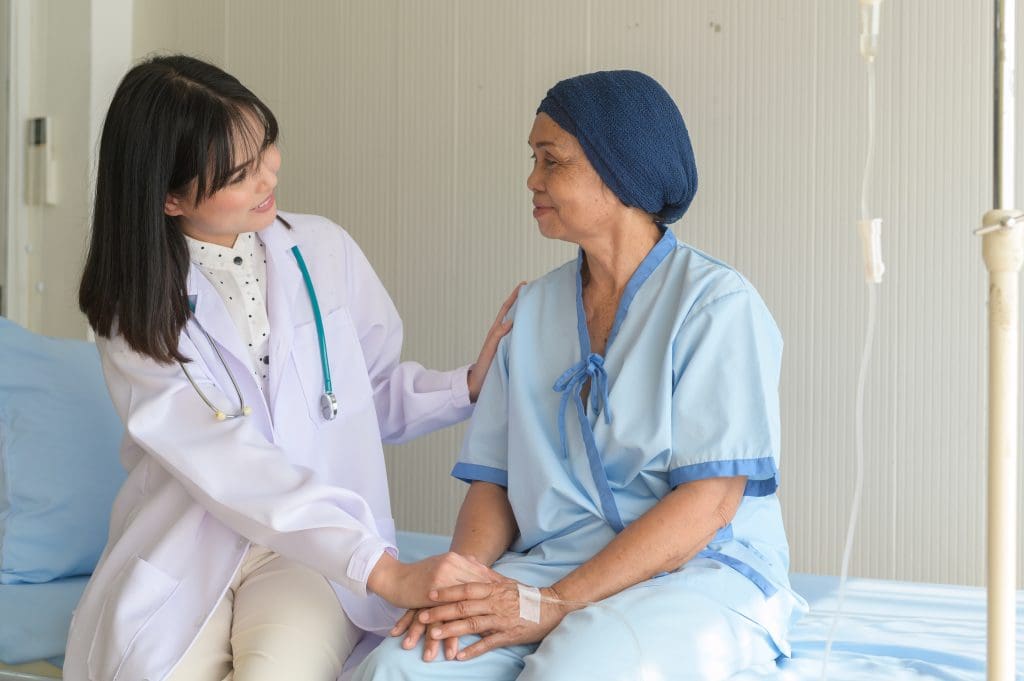
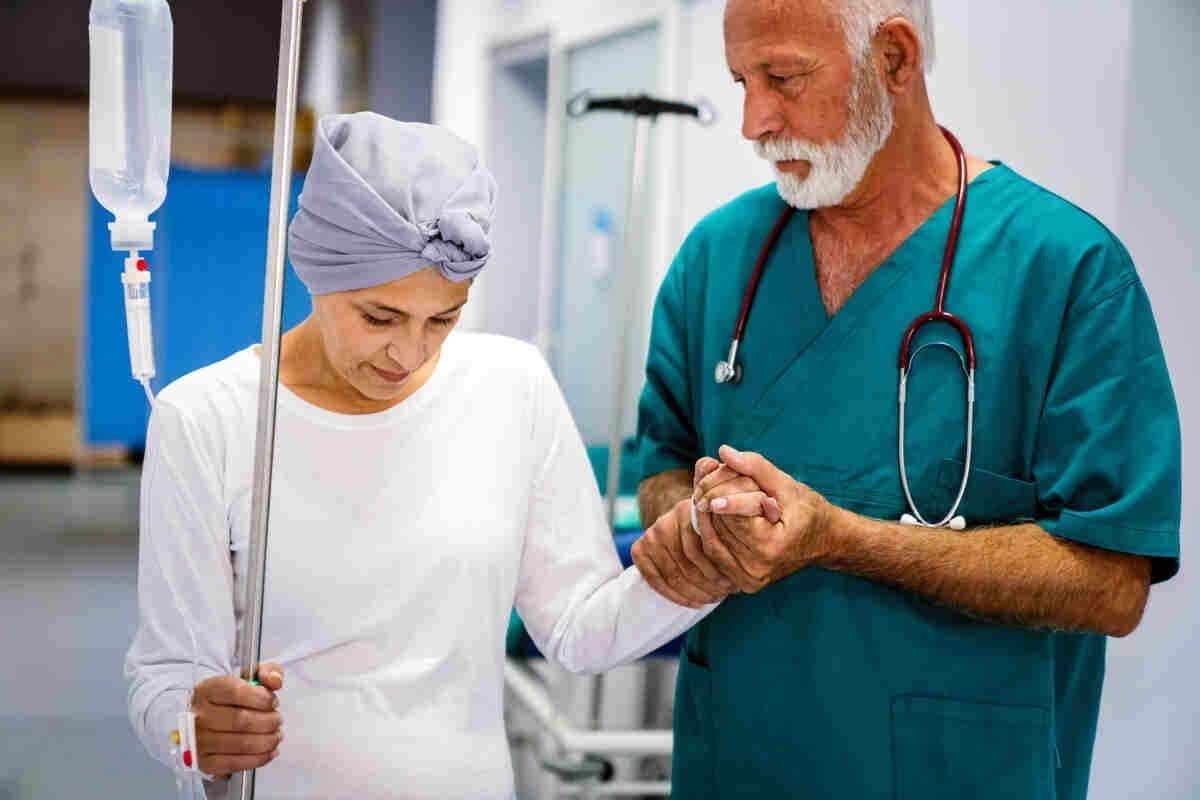
Oncology is a wide field that studies and fights cancer. It’s a medical area focused on finding, treating, and stopping cancer. Cancer is a big reason for deaths around the world.
Definition and Scope of Oncology
Oncology looks into cancers, from how they start to how to stop them. An oncologist is a doctor who deals with cancers. There are many branches of oncology, like medical, surgical, and radiation oncology.
The field of oncology keeps growing. New ways and tools are being found to help patients more.
| Oncology Specialty | Description |
| Medical Oncology | Uses treatments like chemotherapy, targeted therapy, and immunotherapy to fight cancer. |
| Surgical Oncology | Removes tumors through surgery. It’s often used with other treatments. |
| Radiation Oncology | Uses high-energy radiation to kill cancer cells. |
The Evolution of Cancer Treatment
Cancer treatment has changed a lot over time. It’s moved from old methods like surgery and radiation to new ones like targeted and immunotherapies. The growth of oncology specialties has made cancer care better. Patients now get better care and live better lives.
The Three Main Types of Oncology
Oncology is the branch of medicine that deals with cancer. It is divided into three main types. These areas work together to give cancer patients the best care.
Overview of Primary Oncology Disciplines
The three main types of oncology are medical oncology, surgical oncology, and radiation oncology. Each one is important for treating cancer.
- Medical Oncology: Uses treatments like chemotherapy and targeted therapy to fight cancer.
- Surgical Oncology: Removes tumors through surgery. It often goes hand-in-hand with other treatments.
- Radiation Oncology: Kills cancer cells with high-energy radiation.
The Multidisciplinary Approach to Cancer Care
Cancer care works best when many experts work together. Specialists from different areas create a treatment plan that fits the patient’s needs.
This approach has many benefits:
- It covers all parts of the patient’s condition.
- It leads to better treatment results because of teamwork.
- It makes the patient’s experience better by coordinating care.
How Oncology Specialties Collaborate
Working together is key for treating cancer well. For example, a patient might see a surgical oncologist first. Then, they might see a medical oncologist for chemotherapy. Lastly, they might see a radiation oncologist for radiation therapy.
This teamwork makes sure all parts of the patient’s cancer are treated. It helps get the best results for the patient.
Medical Oncology: Systemic Treatment Approaches
Medical oncology is a key part of cancer care. It uses systemic treatments to manage and treat cancer. Medical oncologists are vital in diagnosing, treating, and managing cancer patients. They often act as the main cancer doctor.
Role and Responsibilities of Medical Oncologists
Medical oncologists diagnose and treat cancer with systemic therapies. They create personalized treatment plans and manage symptoms. They also provide supportive care and work with other healthcare teams for complete care.
Key responsibilities include: giving chemotherapy, targeted therapies, and other treatments. They monitor how patients respond and adjust treatment plans as needed.
Chemotherapy and Its Applications
Chemotherapy is a mainstay in cancer treatment. It uses drugs to kill cancer cells. It can be used alone or with other treatments like surgery and radiation.
Targeted Therapies and Precision Medicine
Targeted therapies aim to kill specific cancer cells while sparing normal cells. Precision medicine tailors treatment to a patient’s cancer genetics. This approach has made treatments more effective and less harmful.
Immunotherapy: Harnessing the Immune System
Immunotherapy uses the body’s immune system to fight cancer. It includes treatments like checkpoint inhibitors and CAR-T cell therapy. These have shown great promise in treating different cancers.
Hormone Therapy for Hormone-Sensitive Cancers
Hormone therapy treats cancers that respond to hormones, like some breast and prostate cancers. It blocks natural hormones or interferes with hormone production. This slows or stops cancer cell growth.
Surgical Oncology: Operative Cancer Management
Surgical oncologists lead in cancer care, using various surgical methods to diagnose and treat cancer. Their skills are key in the team effort to manage cancer, working with other experts for complete care.
Role and Responsibilities of Surgical Oncologists
Surgical oncologists remove tumors and affected tissues through surgery. They also diagnose cancer through biopsies and stage surgeries. This helps figure out how far the cancer has spread.
They do more than just surgery. They help prepare patients for surgery and support them in recovery. This ensures patients get all-around care.
Diagnostic and Staging Surgeries
Diagnostic surgeries include biopsies to check for cancer cells. Staging surgeries determine how far the cancer has spread. This is key for planning treatment.
These surgeries give vital info for treatment plans. They help tailor care to each patient’s needs.
Curative and Palliative Surgical Approaches
Curative surgeries aim to remove cancer entirely, aiming for a cure. Palliative surgeries focus on easing symptoms and improving life quality for those with advanced cancer.
Both are important in cancer management. They cover different needs, from trying to cure to supporting care.
Minimally Invasive Techniques
Minimally invasive surgery has changed cancer surgery. It uses smaller incisions, causing less pain and quicker recovery. Techniques include laparoscopic and endoscopic surgeries.
These methods reduce the harm of traditional surgeries. They improve patient outcomes and life quality.
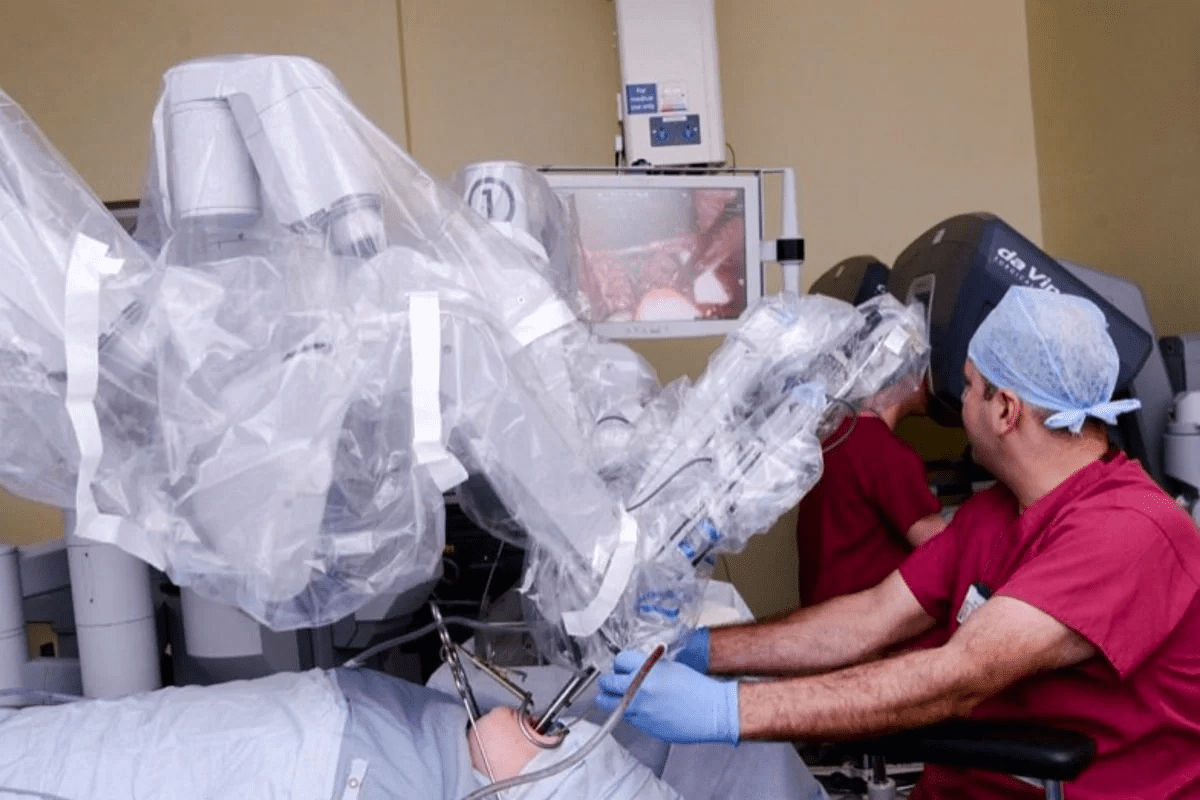
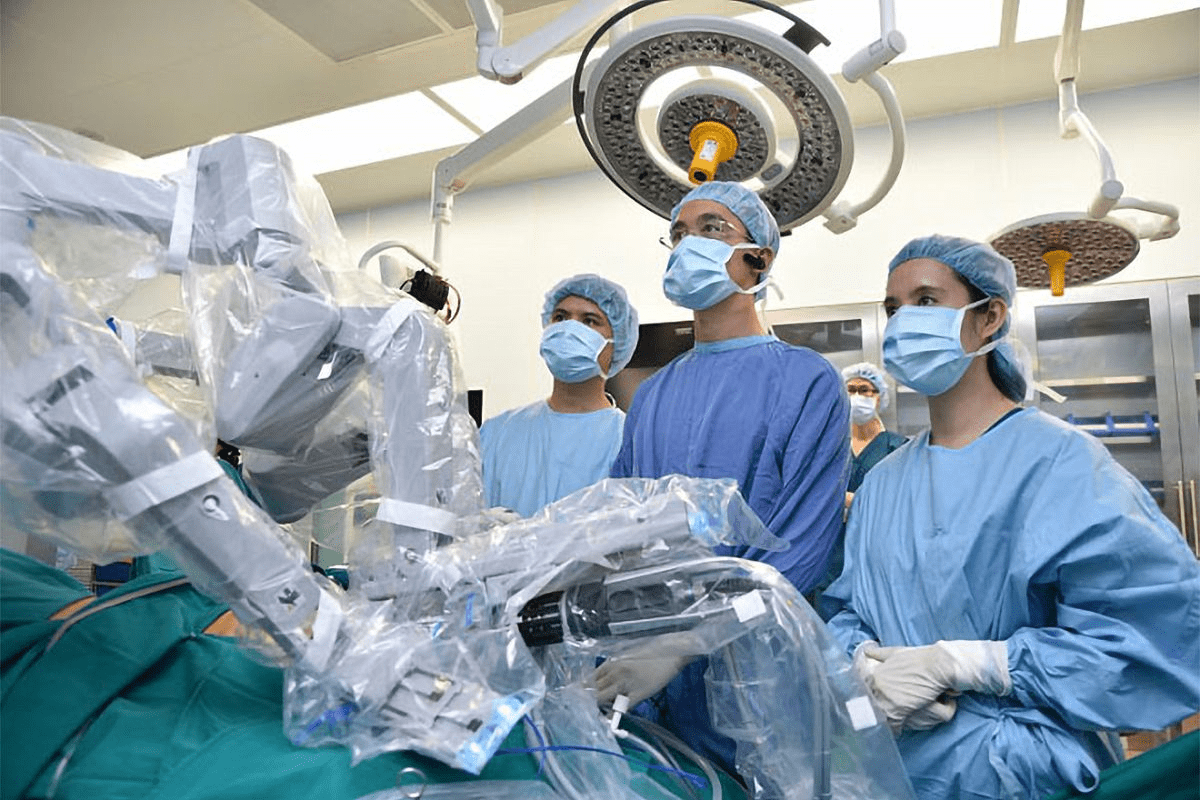
Robotic Surgery in Oncology
Robotic surgery is a big step forward in surgical oncology. It offers better precision, flexibility, and control. It makes complex procedures easier for surgeons.
Robotic systems in oncology lead to better results. There are fewer complications and faster recovery times.
| Surgical Approach | Description | Benefits |
| Curative Surgery | Aims to remove the cancer entirely | Offers the possibility of a cure |
| Palliative Surgery | Focuses on alleviating symptoms | Improves quality of life |
| Minimally Invasive Surgery | Involves smaller incisions | Less pain, quicker recovery |
| Robotic Surgery | Enhances precision and control | Improved outcomes, reduced complications |
Radiation Oncology: Treatment Through Energy
Radiation oncology is a key part in fighting cancer. It uses radiation to kill cancer cells. in this field plan how to use radiation therapy to treat cancer.
Role and Responsibilities of Radiation Oncologists
Radiation oncologists are who treat cancer with radiation. They decide the best radiation plan for each patient. They also work with other to give complete care.
Key responsibilities include:
- Evaluating patients to determine the suitability of radiation therapy
- Developing personalized treatment plans
- Overseeing the delivery of radiation therapy
- Monitoring patients’ progress and managing side effects
External Beam Radiation Therapy
External beam radiation therapy (EBRT) uses a machine outside the body to send beams to the tumor. This method helps target the tumor without harming nearby healthy tissues.
Advantages of EBRT include:
- Non-invasive
- Can be used to treat a wide range of cancers
- Can be combined with other treatments like surgery and chemotherapy
Intensity-Modulated Radiation Therapy (IMRT)
Intensity-modulated radiation therapy (IMRT) is a more advanced version of EBRT. It uses beams of different intensities to target tumors precisely. This method is better at treating tumors while protecting healthy tissues.
Brachytherapy: Internal Radiation
Brachytherapy places radioactive material inside or near the tumor. It delivers high doses of radiation to the tumor site, reducing harm to nearby tissues.
According to the American Cancer Society, “Brachytherapy can be used to treat a number of types of cancer, including prostate, breast, and gynecologic cancers.”
“Brachytherapy offers a highly effective treatment option for certain types of cancer, providing patients with a convenient and often less invasive alternative to external beam radiation therapy.”
Stereotactic Radiosurgery and Radiotherapy
Stereotactic radiosurgery (SRS) and stereotactic radiotherapy (SRT) are precise radiation treatments. SRS gives a single high dose, while SRT uses multiple fractions. They are used for small, well-defined tumors.
| Therapy Type | Description | Applications |
| External Beam Radiation Therapy (EBRT) | Radiation delivered from outside the body | Various cancers, including breast, prostate, and lung cancer |
| Intensity-Modulated Radiation Therapy (IMRT) | Advanced EBRT with varying radiation intensities | Cancers requiring precise targeting, such as head and neck cancers |
| Brachytherapy | Radioactive material placed inside or near the tumor | Prostate, breast, and gynecologic cancers |
| Stereotactic Radiosurgery (SRS) and Radiotherapy (SRT) | Highly precise radiation delivery | Small, well-defined tumors, including brain metastases |
Major Subspecialties Within the Types of Oncology
Oncology has many subspecialties, each focusing on different cancers and treatments. These areas have grown to tackle cancer’s complexity and variety. They help provide more precise and effective care.
Breast Oncology
Breast oncology deals with breast cancers. Breast cancer is common in women. This field has seen big improvements in treatment and patient outcomes.
Gynecologic Oncology
Gynecologic oncology handles cancers of the female reproductive system. This includes cervical, ovarian, and uterine cancers. Gynecologic oncologists use surgery and medicine to treat these cancers, often in teams.
Thoracic and Gastrointestinal Oncology
Thoracic oncology focuses on chest cancers, like lung and esophageal cancers. Gastrointestinal oncology deals with digestive system cancers, such as colon and stomach cancers. These areas require complex treatments and teamwork.
Neuro-oncology and Urologic Oncology
Neuro-oncology treats brain and spinal cord tumors. Urologic oncology handles urinary tract cancers, like prostate, bladder, and kidney cancers. Both need specialized knowledge and treatments.
Hematologic Oncology
Hematologic oncology deals with blood cancers, like leukemias, lymphomas, and myelomas. Hematologic oncologists use chemotherapy, targeted therapy, and bone marrow transplants to treat these diseases.
The variety of oncology subspecialties shows how complex cancer is. By focusing on specific cancers, these areas help improve treatments and patient results.
Age-Specific and Specialized Oncology Approaches
Oncology has grown to include treatments for different ages. This is key for effective care in various age groups.
Pediatric Oncology: Treating Childhood Cancers
Pediatric oncology deals with cancers in kids. These cancers are different from adult cancers, needing special treatments.
Unique Challenges in Pediatric Cancer Treatment
Dealing with cancer in kids is tough. It’s important to avoid long-term side effects and ensure kids grow normally after treatment.
Long-term Follow-up and Survivorship
Survivors of pediatric cancer need ongoing care. This helps watch for late treatment effects and offers support.
Geriatric Oncology: Cancer Care for Older Adults
Geriatric oncology focuses on cancer care for older adults. It considers their health, function, and how drugs might change with age.
Geriatric oncology is becoming more important. This is because more people are living longer and getting cancer.
Preventive and Interventional Oncology
Preventive oncology tries to stop cancer before it starts. This includes checking risks, using drugs to prevent cancer, and changing lifestyles. Interventional oncology uses small procedures to find and treat cancer.
Preventive and interventional oncology are ways to fight cancer before it starts. They aim to lower cancer rates and its effects.
The Future of Oncology Disciplines
Oncology is on the verge of a big change. This is thanks to emerging technologies and new ways to treat cancer. These changes will make cancer care better and help patients more.
Emerging Technologies and Treatment Modalities
New tools like nanotechnology, proton therapy, and advanced imaging are changing how we fight cancer. These cutting-edge technologies help target cancer cells better. This means less harm to healthy cells and better chances of beating cancer.
Integration of Artificial Intelligence
The use of artificial intelligence (AI) in oncology is a game-changer. It helps create treatment plans that fit each patient’s needs. AI also predicts how well a patient might do and makes work easier. AI looks at lots of data to find patterns that might miss.
Personalized Medicine and Genetic Profiling
Personalized medicine is key in oncology today. It uses genetic profiles to tailor treatments to each patient’s cancer. This approach has shown great promise in making treatments more effective and reducing side effects.
Conclusion
Oncology is a wide field with many disciplines working together. These include medical, surgical, and radiation oncology. Each plays a key role in fighting cancer.
Each discipline brings its own special skills to cancer care. This helps create treatment plans that fit each patient’s needs. Working together, they improve patient care and push cancer research forward.
Oncology disciplines are vital in the fight against cancer. Knowing about these areas helps both patients and . Together, they can tackle this tough disease more effectively.
FAQ
What is geriatric oncology?
Geriatric oncology focuses on cancer in older adults. It considers the unique needs and challenges of seniors.
What are some of the major subspecialties within oncology?
Major subspecialties include breast, gynecologic, thoracic, and gastrointestinal oncology. Also, neuro-oncology, urologic, and hematologic oncology are important.
What is the significance of understanding the different types of oncology?
Knowing the types of oncology is key to effective cancer care. Each specialty is vital for diagnosis, treatment, and management.
What is interventional oncology?
Interventional oncology uses minimally invasive procedures to treat cancer. Techniques include tumor ablation and embolization.
What is personalized medicine in oncology?
Personalized medicine tailors treatments to each patient’s cancer. It uses genetic profiling and targeted therapies.
How is artificial intelligence being used in oncology?
AI helps in oncology by improving diagnosis and treatment plans. It analyzes data to make predictions and identify patterns.
What is the role of preventive oncology?
Preventive oncology aims to prevent or catch cancer early. It includes screening, risk assessment, and lifestyle changes.
What is pediatric oncology?
Pediatric oncology treats cancers in children. It uses chemotherapy, radiation, and surgery to help kids.
What are the different types of radiation therapy used in radiation oncology?
Radiation oncologists use several radiation therapies. These include external beam radiation, IMRT, brachytherapy, and stereotactic radiosurgery.
What is surgical oncology?
Surgical oncology uses surgery to treat cancer. It involves removing tumors and surrounding tissue.
What is the role of a medical oncologist?
Medical oncologists diagnose and treat cancer with systemic therapies. This includes chemotherapy, targeted therapies, and hormone therapy.
What are the three main types of oncology?
Oncology has three main types: medical, surgical, and radiation oncology. These areas work together to treat cancer fully.