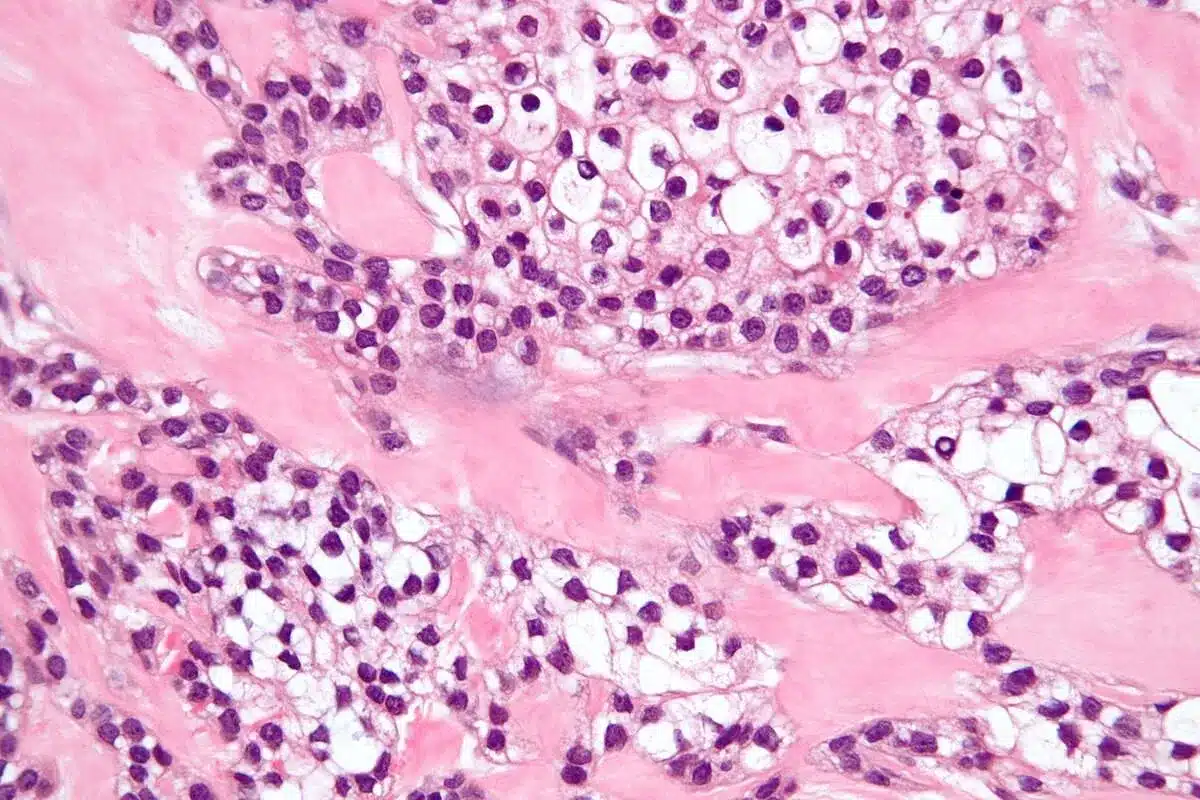
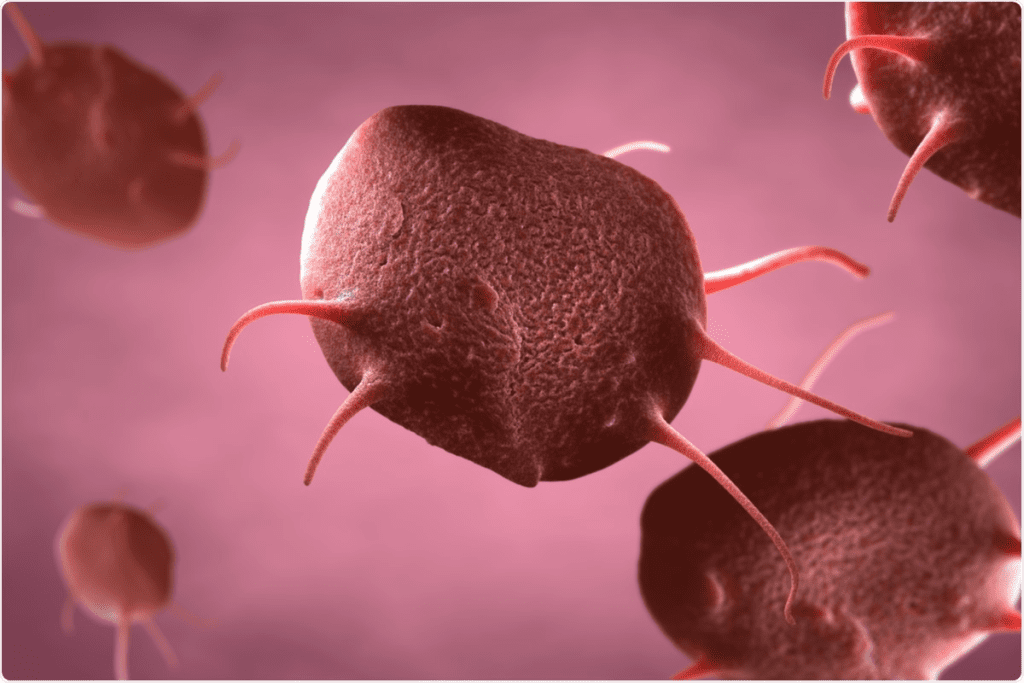
Thrombocytopenia is when your platelet count is below 150,000/microL. It can happen without being related to cancer. It has many causes, both from outside and inside the body. Can you have thrombocytopenia without cancer? Yes! Discover the amazing truth about non-malignant causes. Powerful reassurance and crucial diagnostic facts.
We look at why thrombocytopenia happens, not just because of cancer. It’s often due to infections or autoimmune diseases. Platelets are important for stopping bleeding by forming clots.
Knowing thrombocytopenia can happen without cancer is key. It helps doctors find the right treatment. We’ll cover what it is, why it happens, and what it means for your health.
Key Takeaways
- Thrombocytopenia can be caused by factors other than cancer.
- Infections and autoimmune disorders are among the causes.
- Low platelet count is a hallmark of thrombocytopenia.
- Proper diagnosis is key to effective treatment.
- Thrombocytopenia ICD10 coding helps in medical documentation.
Understanding Thrombocytopenia: Definition and Basics
Thrombocytopenia is when you have too few platelets in your blood. This can make you more likely to bleed or bruise easily. Knowing what it is and how it’s diagnosed is key.
A normal platelet count is between 150,000 to 450,000 per microliter of blood. For men, having less than 135,000 platelets is considered low. For women, it’s less than 157,000. There are several reasons why someone might have low platelets, like not enough being made or too many being destroyed.
How thrombocytopenia is diagnosed
To find out if you have thrombocytopenia, a simple blood test is used. This test shows if you have it and how bad it is. The National Institutes of Health says a complete blood count (CBC) is the main test for this.
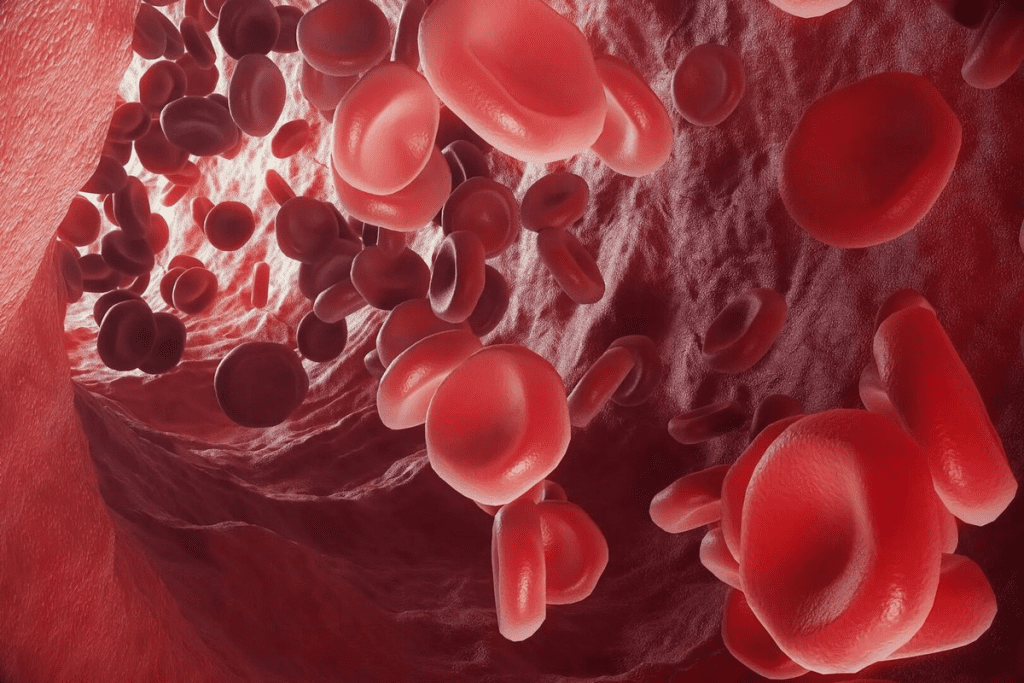
Classification of severity levels
Thrombocytopenia is divided into three levels based on platelet count. Mild is 100,000 to 150,000, moderate is 50,000 to 100,000, and severe is below 50,000. Knowing the level helps doctors decide the best treatment.
Many things can cause thrombocytopenia, like viral infections or autoimmune disorders. Even some medicines can lead to it. Knowing the cause is important for treating it right.
The Relationship Between Thrombocytopenia and Cancer
It’s important to know how thrombocytopenia and cancer are connected. Thrombocytopenia is when you have too few platelets in your blood. This can happen because of some cancers and their treatments.
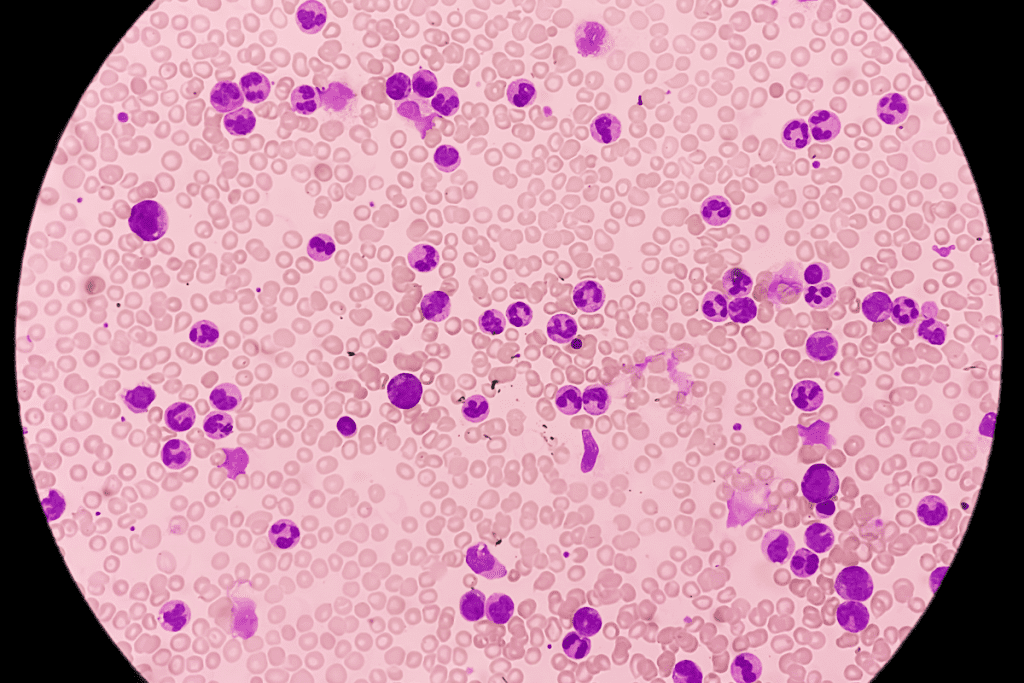
Why Thrombocytopenia is Associated with Cancer
Cancers like leukemia or lymphoma can cause thrombocytopenia. They affect the bone marrow, where platelets are made. A study found that more people get thrombocytopenia as they get older.
“The bone marrow makes platelets,” says a top hematologist. “When cancer hits the marrow, it stops making platelets.”
Chemotherapy and radiation therapy can also lower platelet counts. These treatments harm the bone marrow. So, people getting cancer treatment often get thrombocytopenia.
Cancer Treatments That Can Cause Low Platelet Counts
Some cancer treatments lead to thrombocytopenia. These include:
- Chemotherapy: It slows down the bone marrow, making fewer platelets.
- Radiation Therapy: It damages the bone marrow, affecting platelet production.
- Targeted Therapy: Some of these therapies can also lower platelet counts.
Doctors need to watch platelet counts in these patients. This helps manage thrombocytopenia well.
Distinguishing Features of Cancer-Related Thrombocytopenia
Cancer-related thrombocytopenia has unique signs. Patients might lose weight, feel tired, or have pain. These symptoms point to cancer.
Key signs include:
- Cancer cells in the bone marrow.
- Recent chemotherapy or radiation therapy.
- Other cancer symptoms.
Knowing these signs helps doctors diagnose and treat thrombocytopenia in cancer patients better.
Thrombocytopenia Without Cancer: Common Causes
Thrombocytopenia is not just linked to cancer. Many non-cancerous conditions can also cause it. This blood disorder happens when there are fewer platelets than normal. Platelets help blood to clot. Knowing the different causes is key for the right treatment.
Statistical Prevalence of Non-Cancer Related Cases
Many cases of thrombocytopenia are not due to cancer. For example, Immune Thrombocytopenia (ITP) occurs when the immune system attacks platelets. It affects about 3 to 4 per 100,000 adults each year. Other causes include viral infections, chronic liver disease, and some medicines.
These non-cancer causes are a big health concern. Viral infections like HIV and hepatitis C can cause thrombocytopenia. This happens because they harm the bone marrow or destroy platelets.
Age-Related Patterns in Acquired Thrombocytopenia
Thrombocytopenia can happen at any age. But, their causes and how common they are change with age. In kids, it often follows a viral infection. In adults, it might be linked to chronic diseases, medicines, or autoimmune disorders.
As we get older, the risk of conditions like chronic liver disease or myelodysplastic syndromes goes up. Knowing this helps doctors diagnose and treat thrombocytopenia better.
By understanding the non-cancer causes of thrombocytopenia and how they affect different ages, doctors can give better care. This leads to better health outcomes for patients.
Viral and Bacterial Infections Leading to Low Platelet Count
Viral and bacterial infections can harm platelet counts, causing thrombocytopenia. These infections can either directly or indirectly affect how platelets are made and destroyed. This results in a low number of platelets.
HIV and Thrombocytopenia
HIV infection is a known cause of thrombocytopenia. The virus can harm platelet production and increase their destruction. This happens through immune attacks and by suppressing the bone marrow.
Studies show that HIV can cause thrombocytopenia at any stage. We treat HIV-related thrombocytopenia with antiretroviral therapy (ART). ART helps by lowering the virus and boosting the immune system. Sometimes, we add treatments to help increase platelet counts.
Hepatitis C and Platelet Reduction
Hepatitis C virus (HCV) infection can also cause thrombocytopenia. HCV can lead to chronic liver disease. This disease can cause platelets to be trapped in the spleen and reduce thrombopoietin production, lowering platelet counts.
Direct-acting antivirals (DAAs) have greatly improved HCV treatment. Successful treatment with DAAs can improve platelet counts, even in patients with cirrhosis.
Other Infectious Causes of Thrombocytopenia
Other than HIV and HCV, many viral and bacterial infections can lead to thrombocytopenia. For example, sepsis from bacterial infections can cause DIC. This condition leads to both clotting and bleeding, lowering platelet counts.
Other viruses, like dengue fever and certain rickettsial infections, can also cause thrombocytopenia. The ways these infections affect platelets vary. They can directly infect megakaryocytes, cause immune attacks, or trap platelets in the spleen.
It’s important to know the cause of thrombocytopenia for proper treatment. We diagnose the cause with clinical evaluation, lab tests, and sometimes bone marrow exams.
Immune Thrombocytopenia (ITP): A Primary Non-Cancer Cause
ITP, or Immune Thrombocytopenia, is a condition where the immune system attacks platelets by mistake. This leads to a low platelet count. It’s a major cause of low platelets without cancer.
Understanding ITP is key to managing low platelet counts well. We’ll look at the differences between acute and chronic ITP. We’ll also cover how doctors diagnose this condition.
Acute vs. Chronic ITP
ITP comes in two main types: acute and chronic. Acute ITP mainly affects children and often starts after a viral infection. It shows up suddenly and usually goes away within a few months.
Chronic ITP is more common in adults and lasts over a year. It can go through ups and downs, with times of better and worse symptoms. Knowing if someone has acute or chronic ITP helps doctors choose the right treatment.
Diagnostic Approach to ITP
Diagnosing ITP involves several steps. Doctors first check for other reasons for low platelets, like cancer. Then, they use tests and sometimes bone marrow exams.
Important tests include:
- A complete blood count (CBC) to check platelet count and other blood cells.
- Blood smear to look at platelet shape and rule out other issues.
- Bone marrow aspiration or biopsy in some cases to see how platelets are made.
By accurately diagnosing ITP, doctors can create a treatment plan that fits the patient’s needs.
Other Autoimmune Disorders Affecting Platelet Counts
Autoimmune disorders like Immune Thrombocytopenia (ITP) can also lower platelet counts. These diseases happen when the body’s immune system attacks its own cells and tissues. This can lead to a decrease in platelet count.
Systemic Lupus Erythematosus and Thrombocytopenia
Systemic lupus erythematosus (SLE) is a chronic disease that can affect many parts of the body. Thrombocytopenia is common in SLE patients, affecting 20-40% of them. The causes are complex, involving immune complexes, autoantibodies, and bone marrow suppression.
SLE patients can have mild to severe thrombocytopenia. Treatment often focuses on reducing SLE activity. This may include corticosteroids, immunosuppressants, or other therapies.
Antiphospholipid Syndrome
Antiphospholipid syndrome (APS) is an autoimmune disorder that can cause thrombocytopenia. It’s more known for increasing the risk of blood clots. Thrombocytopenia in APS is due to the immune system destroying platelets, similar to ITP.
Managing APS aims to prevent blood clots. Treatment for thrombocytopenia may include corticosteroids or immunosuppressants, similar to ITP.
Rheumatoid Arthritis and Platelet Disorders
Rheumatoid arthritis (RA) is a chronic disease mainly affecting joints. It can also affect platelet counts. While less common, RA can cause anemia and thrombocytopenia.
Thrombocytopenia in RA can result from chronic inflammation, autoimmune destruction, and medication side effects. Treatment focuses on managing RA and adjusting medications as needed.
Medication-Induced Thrombocytopenia
Certain medicines can cause thrombocytopenia, a condition with low platelet counts. This shows why doctors must watch closely when giving out medicines.
Antibiotics that Can Lower Platelet Counts
Some antibiotics can lead to thrombocytopenia. Vancomycin and linezolid are two examples. These drugs might trigger an immune reaction against platelets.
It’s key to keep an eye on platelet counts for patients on long-term antibiotics. This is even more important if they’re taking other medicines that could worsen the risk of low platelets.
Heparin-Induced Thrombocytopenia (HIT)
Heparin-Induced Thrombocytopenia (HIT) is a serious condition caused by heparin. It can greatly lower platelet counts and increase the risk of blood clots. HIT is more common with unfractionated heparin than low molecular weight heparin.
To diagnose HIT, doctors look at symptoms and lab tests for heparin-dependent antibodies. Quick action is needed to avoid serious problems.
Anticonvulsants and Other Medications
Other than antibiotics and heparin, some medicines can also cause low platelet counts. Anticonvulsants like valproic acid and carbamazepine are examples. Also, some nonsteroidal anti-inflammatory drugs (NSAIDs) and antidepressants can have this effect.
Doctors need to know the possible side effects of medicines and watch patients closely. It’s also important for patients to know the signs of low platelets, like easy bruising or bleeding. They should get medical help right away if they notice these signs.
Liver Disease and Its Impact on Platelet Production
Liver disease is a big reason for low platelet counts. It affects how the body makes platelets. Liver problems can also mess with the spleen, making it hold onto more platelets.
Cirrhosis and Portal Hypertension
Cirrhosis is a serious liver condition. It can cause high pressure in the liver’s blood vessels. This high pressure makes the spleen bigger, trapping more platelets.
This link between cirrhosis, high liver pressure, and low platelets is clear. Low platelets often show how bad liver disease is.
Alcoholic Liver Disease
Drinking too much alcohol can harm the liver. It can go from fatty liver to cirrhosis. Low platelets are common because alcohol hurts the bone marrow and spleen.
Stopping alcohol use is key to helping the liver. But, if the liver is cirrhotic, getting platelet counts back up is harder.
Non-Alcoholic Fatty Liver Disease (NAFLD)
NAFLD means the liver has too much fat, even with little alcohol use. It’s linked to metabolic syndrome. If it gets worse, it can cause low platelets.
Managing NAFLD means fixing the metabolic problems. Changing diet and exercise helps. It can also help with platelet counts.
Hereditary and Congenital Causes of Thrombocytopenia
Thrombocytopenia isn’t just something you get; it can also be inherited or present at birth. It comes from specific genetic mutations or disorders. This shows that low platelet counts can have many causes, including inherited traits.
Hereditary and congenital thrombocytopenia are passed down in families or present at birth. They can greatly affect a person’s life, making it important to understand them well for proper care.
Genetic Disorders Affecting Platelet Production
Many genetic disorders can lead to thrombocytopenia by affecting platelet production. These disorders often involve genes important for platelet formation or function.
Wiskott-Aldrich syndrome is a rare genetic disorder. It causes low platelet counts, eczema, and weak immunity. It’s caused by mutations in the WAS gene, which is key for blood cell function.
“The diagnosis of Wiskott-Aldrich syndrome is typically made in early childhood, and it requires a thorough evaluation. This includes genetic testing and checking for symptoms.”
Wiskott-Aldrich Syndrome
Managing Wiskott-Aldrich syndrome involves treatments to control symptoms and prevent problems. This may include giving platelet transfusions, using immunosuppressive therapy, and sometimes, hematopoietic stem cell transplantation.
Bernard-Soulier Syndrome
Bernard-Soulier syndrome is a genetic disorder that affects platelet function and count. It’s marked by large platelets and low platelet counts. This happens because of mutations in genes for the glycoprotein Ib-IX-V complex, which is vital for platelet sticking.
Dealing with Bernard-Soulier syndrome focuses on stopping and treating bleeding. This is often done through platelet transfusions and other supportive actions.
Diagnosing the Underlying Cause of Thrombocytopenia
Diagnosing thrombocytopenia requires a detailed approach. We look for the main cause to treat it right. We use lab tests, imaging, and bone marrow exams to find the root of low platelet counts.
Laboratory Tests and Imaging Studies
Labs are key in finding thrombocytopenia. We start with a complete blood count (CBC) to check platelet counts. We also do blood smears and coagulation studies to see how blood works.
Imaging like ultrasound or CT scans, helps us see the spleen and liver. This helps find problems like liver disease or lymphoma that might cause low platelets.
Bone Marrow Examination
A bone marrow examination is often needed. It takes a bone marrow sample for analysis. This lets us see how platelets and other cells are made. It can show if there’s bone marrow failure or cancer infiltration.
When to Suspect Cancer vs. Non-Cancer Causes
Telling cancer from non-cancer causes is important. We look at the patient’s history, symptoms, and test results. For example, some cancers, like leukemia, can cause low platelets. But most cases are due to ITP or medication-induced thrombocytopenia.
By looking at the lab, imaging, and bone marrow results, we find the cause. Then, we can plan the best treatment.
Treatment Approaches for Non-Cancer Thrombocytopenia
The treatment for thrombocytopenia not caused by cancer focuses on finding and treating the root cause. We will look at different ways to manage this condition. We’ll focus on the causes and the best treatments.
Managing ITP and Autoimmune Causes
Immune Thrombocytopenia (ITP) is a common reason for low platelet counts not linked to cancer. ITP treatment often uses medicines that calm the immune system, like corticosteroids, to boost platelet numbers. Sometimes, intravenous immunoglobulin (IVIG) is given to quickly increase platelets.
For long-term ITP, ongoing treatment and lifestyle changes are needed. This includes regular platelet count checks. In severe cases, splenectomy might be considered if medical treatments fail.
Addressing Medication-Induced Cases
When medication causes low platelet counts, stopping the drug is the first step. This includes antibiotics, heparin, and some anticonvulsants. New medicines may be given to treat the condition without harming platelet production.
Treating Viral and Infectious Causes
Viral infections like HIV and hepatitis C can lead to low platelet counts. Treating the underlying infection is key to managing platelet levels. Antiviral treatments can help improve platelet counts as the infection is controlled.
Natural and Dietary Approaches to Increase Platelet Count
Besides medical treatments, some dietary changes and natural supplements can help raise platelet counts. Foods high in vitamin B12, folate, and iron are good. Some research shows that papaya leaf extract might also help platelet counts.
Always talk to a healthcare provider before trying new supplements. This ensures they are safe and right for you.
Conclusion: Living with Non-Cancerous Thrombocytopenia
It’s important to know that thrombocytopenia can happen without cancer. Understanding its causes is key to managing it. By knowing the causes and treatments, people with thrombocytopenia can live healthier.
Managing thrombocytopenia means making lifestyle changes and getting medical help. It’s about keeping an eye on platelet counts and fixing the root cause. This could be a viral infection or an autoimmune disorder.
With the right care, people with low platelet counts can avoid serious problems. They can also enjoy a better life. It’s vital to work with doctors to create a treatment plan that fits you.
FAQ’s:
What is thrombocytopenia?
Thrombocytopenia is when you have too few platelets in your blood. Platelets help your blood clot. Without enough, you might bleed a lot.
Can you have thrombocytopenia without having cancer?
Yes, you can have thrombocytopenia without cancer. It can happen from infections, autoimmune diseases, or some medicines.
How is thrombocytopenia diagnosed?
Doctors use blood tests to find out if you have thrombocytopenia. They look at your platelet count with a complete blood count (CBC).
What are the common causes of thrombocytopenia besides cancer?
Thrombocytopenia can be caused by infections, autoimmune diseases, some medicines, liver problems, and genetic conditions.
What is Immune Thrombocytopenia (ITP)?
ITP is when your immune system attacks and destroys platelets. This leads to a low platelet count.
How does HIV affect platelet count?
HIV can lower platelet counts by affecting how platelets are made and destroyed. It can also harm the bone marrow.
Can certain medications cause thrombocytopenia?
Yes, some medicines like antibiotics, heparin, and anticonvulsants can lower platelet counts. Heparin-Induced Thrombocytopenia (HIT) is a serious side effect.
How does liver disease impact platelet production?
Liver disease can cause thrombocytopenia. It happens due to high blood pressure in the liver, platelet trapping, and less thrombopoietin.
What are the treatment options for thrombocytopenia?
Treatment varies based on the cause. It might include managing autoimmune diseases, stopping certain medicines, treating infections, and using natural methods to boost platelets.
How can I increase my platelet count naturally?
Eating foods high in vitamin B12, folate, and iron can help. Also, avoid alcohol and manage health conditions to support platelet production.
What is a normal platelet count?
Normal platelet counts are between 150,000 and 450,000 per microliter of blood. Counts outside this range may indicate thrombocytopenia or thrombocytosis.
What is Heparin-Induced Thrombocytopenia (HIT)?
HIT is a serious condition caused by heparin. It leads to a big drop in platelet count and can cause severe blood clots.
References
- Medical News Today. (2025). What causes a low platelet count (Thrombocytopenia)? Retrieved October 1, 2025, from https://www.medicalnewstoday.com/articles/314123
- WebMD. (2023). Thrombocytopenia (Low Platelet Count). Retrieved October 1, 2025, from https://www.webmd.com/a-to-z-guides/thrombocytopenia-symptoms-causes-treatments