Last Updated on November 17, 2025 by Ugurkan Demir
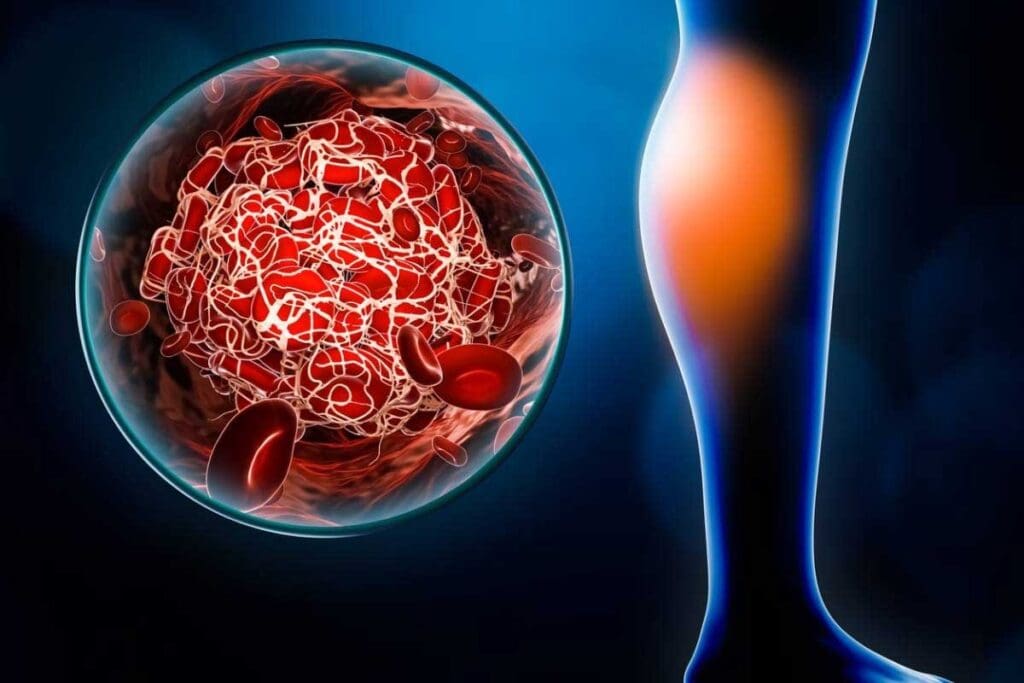
Knowing the different thrombus medical term for blood clots is key for clear talk between patients and doctors. At Liv Hospital, we think informed patients make better health choices.
A blood clot, also known as a thrombus, is a gel-like mass made of blood cells and proteins. Other names for blood clots are clot, coagulum, grume, embolus, and thrombosis.
We know how vital clear and correct info is for vascular health. Our team works hard to give top-notch treatment for vascular issues. We make sure our patients get the best care possible.
Key Takeaways
- Understanding medical terms for blood clots is essential for effective patient care.
- Liv Hospital is committed to providing transparent and patient-centered information.
- A blood clot is also known as a thrombus or clot.
- Other names for blood clots include coagulum, grume, embolus, and thrombosis.
- Liv Hospital offers advanced care in vascular health.
The Science Behind Blood Clots
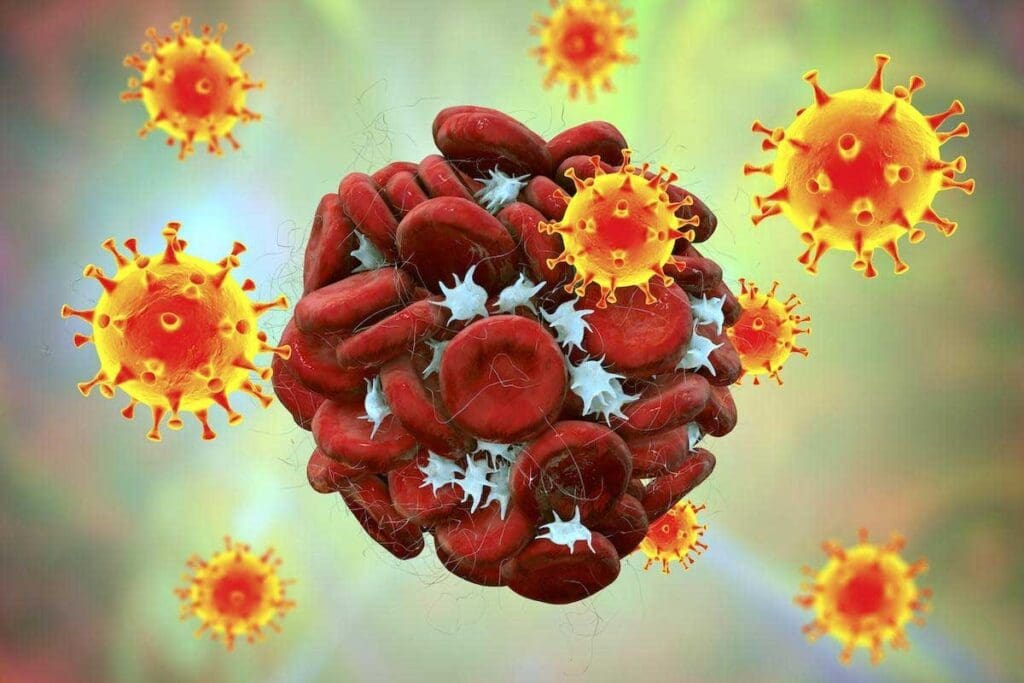
Exploring the science of blood clots shows how our body stops too much bleeding. Blood clotting, or hemostasis, is key when we get hurt. It involves many cells and molecules working together.
Normal Blood Clotting Process
The normal clotting process starts with the injured blood vessel shrinking to slow blood flow. Then, platelets stick to the injury, making a plug. This plug gets stronger with a fibrin clot, thanks to chemical reactions and clotting factors. This is vital to stop too much bleeding and help healing.
- Constriction of the injured blood vessel
- Formation of a platelet plug
- Creation of a fibrin clot to reinforce the platelet plug
When Clotting Becomes Problematic
But too much or too little clotting can be a problem. Thrombophilia means you’re more likely to form dangerous clots. On the flip side, hemophilia means you can’t clot enough, leading to long bleeding. Knowing about these conditions is key for treatment.
- Thrombophilia: An increased tendency to form blood clots
- Hemophilia: Insufficient clotting leading to prolonged bleeding
The Importance of Medical Terminology
Medical terms are essential for talking about blood clot issues. Terms like “thrombosis” mean blood clots in a blood vessel. Knowing these terms helps doctors and patients understand each other better.
Some common synonyms for blood clots are “clot,” “thrombus,” and “embolus.” A thrombus is a clot in a blood vessel, and an embolus is a clot that travels in the blood. Knowing these differences is important for clear communication in healthcare.
Thrombus: The Primary Medical Term for Blood Clots
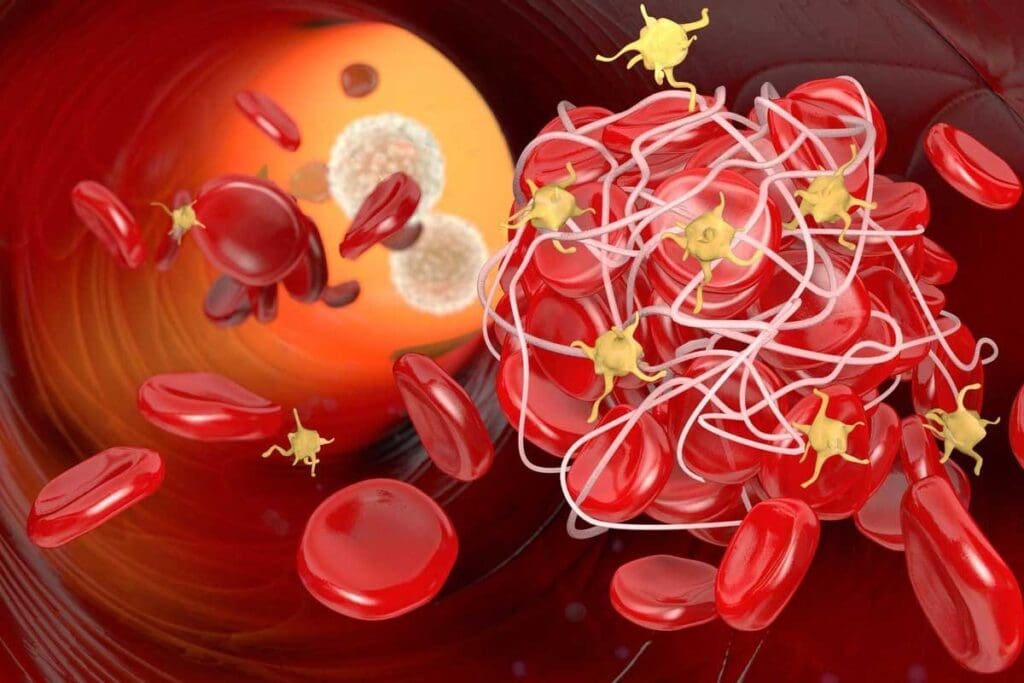
The term ‘thrombus’ refers to a blood clot inside a vein or artery that sticks to the wall. This is key in medical care because how a thrombus forms can affect treatment and outcomes.
Definition and Origin of the Term
A thrombus forms through blood clotting, platelets, and the blood vessel’s lining. The word ‘thrombus’ comes from Greek, meaning ‘clot’ or ‘curd.’ Knowing its roots helps us understand it better.
Thrombus formation is a natural response to injury. But when it happens too much or in the wrong place, it can cause serious health problems.
Characteristics of a Thrombus
A thrombus has important features for diagnosis and treatment. These include its makeup, size, and where it is in the blood vessels.
- Composition: A thrombus is made of platelets, red blood cells, and fibrin.
- Size and Location: Thrombi can be different sizes and happen in veins and arteries.
Attachment to Blood Vessel Walls
A thrombus sticks to the blood vessel wall. This can be partial or complete, affecting blood flow.
| Type of Attachment | Description | Clinical Implication |
| Mural Thrombus | Partially attached to the vessel wall | It may not completely block blood flow, but can cause problems |
| Occlusive Thrombus | Completely blocks the blood vessel | Can cause severe tissue damage or death |
Knowing how a thrombus sticks to blood vessel walls is key for treatment. We stress the need for accurate medical terms in treating blood clots.
Embolus: When Blood Clots Travel
An embolus happens when a blood clot breaks loose and moves through the blood. This is a serious issue that needs quick action.
Definition of an Embolus
An embolus is a clot or mass that moves in the blood. It’s very dangerous because it can block blood flow to important organs.
The Dangerous Journey Through the Bloodstream
As an embolus moves, it can harm blood vessels and organs. Its path is unpredictable. This can lead to serious problems, like organ failure or death, if not treated fast.
Common Destinations of Emboli
Emboli can go to different parts of the body, causing various health issues. Some common places include:
- Lungs: Causing a pulmonary embolism, which can be life-threatening.
- Brain: Resulting in a stroke, potentially leading to neurological deficits or death.
- Heart: Causing a myocardial infarction or heart attack.
- Limbs: Leading to peripheral artery occlusion, potentially resulting in limb ischemia.
Thrombosis: The Process of Clot Formation
It’s key to know about thrombosis to treat blood clot issues. Thrombosis is when a blood clot forms in a blood vessel. This blocks blood flow and can cause serious health problems.
Mechanisms Behind Thrombosis
Thrombosis happens due to many factors. These include changes in blood flow, the state of blood vessel walls, and blood properties. Changes in blood flow, like from sitting too long or after surgery, raise clot risk.
Virchow’s Triad: Three Factors Leading to Clots
Virchow’s triad explains the main reasons for thrombosis. They are blood flow changes, hypercoagulability, and endothelial injury. Knowing these helps doctors figure out who’s at risk for clots.
- Blood flow changes: Stasis or turbulence can lead to clots.
- Hypercoagulability: Issues with blood clotting increase risk.
- Endothelial injury: Damage to blood vessel walls starts clotting.
Common Types of Thrombotic Conditions
There are different types of thrombotic conditions. These include deep vein thrombosis (DVT), pulmonary embolism (PE), and arterial thrombosis. Each needs a quick diagnosis and treatment to avoid serious issues.
Understanding these conditions is vital for good care. By knowing the causes and risks of thrombosis, doctors can create better prevention and treatment plans.
Coagulum and Grume: Traditional Medical Terminology
The world of medicine is filled with old terms like ‘coagulum’ and ‘grume’. These words were once key in talking about blood clots. Even though they’re not used much today, they’re important for seeing how medical language has changed over time.
The Clotted Mass: Coagulum
A coagulum is a clotted mass, usually of blood. It’s a term from old medical books that talks about blood clotting. The body uses coagulum to stop bleeding after an injury.
Today, we see coagulum in some medical talks. It’s mostly about the physical side of blood clots, not their health effects.
An Archaic Term: Grume
Grume is an old word for a clot or a clotted mass. It’s not used much anymore, but you can find it in old medical texts. It’s interesting for those who like the history of medicine.
Knowing about grume helps us understand how medical language has grown. It’s not used much today, but it adds depth to older medical texts.
The Historical Context of These Terms
Looking at blood clots and their names has changed a lot over time. Terms like coagulum and grume show how our understanding of blood clots has grown.
These old terms are not just for learning. They help us see how far we’ve come in treating blood clots. By knowing how our ancestors talked about blood clots, we can appreciate the progress made in medicine today.
Clinical Classifications of Blood Clots
Classifying blood clots is key to the right treatment. They are sorted by where they form, what they’re made of, and the blood vessels they block. Knowing these types helps doctors give the right diagnosis and treatment.
Venous Thromboembolism (VTE)
Venous Thromboembolism (VTE) includes deep vein thrombosis (DVT) and pulmonary embolism (PE). DVT happens when a clot forms in deep leg veins. If it breaks off, it can reach the lungs, causing a PE. VTE is a big cause of illness and death, mainly in hospital patients.
Risk factors for VTE include:
- Prolonged immobilization
- Surgery
- Cancer
- Trauma
- Family history of VTE
Arterial Thrombosis
Arterial thrombosis is when a clot forms in an artery. It can cause sudden limb ischemia or damage to organs. It’s often linked to atherosclerosis, where plaque buildup can cause clots.
| Condition | Description | Common Consequences |
| Coronary Artery Thrombosis | Clot formation in coronary arteries | Myocardial Infarction (Heart Attack) |
| Cerebral Artery Thrombosis | Clot formation in cerebral arteries | Ischemic Stroke |
| Peripheral Artery Thrombosis | Clot formation in peripheral arteries | Acute Limb Ischemia |
Microvascular Thrombosis
Microvascular thrombosis is when clots form in small blood vessels. It can cause tissue ischemia and organ dysfunction. It’s common in diseases like thrombotic thrombocytopenic purpura (TTP) and hemolytic-uremic syndrome (HUS).
“Microvascular thrombosis is a critical component of various diseases, leading to significant morbidity.” – Expert in Hematology
Disseminated Intravascular Coagulation (DIC)
Disseminated Intravascular Coagulation (DIC) is a complex condition. It involves widespread clotting and bleeding in the blood vessels. It’s often caused by severe infections, trauma, or cancer.
Key features of DIC include:
- Prolonged clotting times
- Low platelet count
- Elevated D-dimers
- Clinical evidence of thrombosis and/or bleeding
In conclusion, knowing the different types of blood clots is vital for proper care. Each type has its own characteristics and treatment needs.
Everyday Terms for Blood Clots in Medical Communication
Healthcare professionals often use simple words to talk about blood clots with patients. This makes complex medical ideas easier to understand. It helps patients know what’s going on and what treatment they need.
“Clot” as a Universal Term
The word “clot” is known and used by both doctors and regular people. It means a group of blood that has turned solid, either inside or outside a blood vessel. Using “clot” in medical talk quickly tells patients about a thrombus or embolus.
For example, a doctor might say, “We found a clot in your leg that needs treatment.” This clear talk helps patients understand without getting lost in technical words.
“Lump” or “Mass” in Patient Education
In teaching patients, “lump” or “mass” might be used to talk about blood clots, like in deep vein thrombosis (DVT). These words are easier for patients to relate to, even if they don’t know medical terms.
For instance, a healthcare provider might say, “You have a lump in your leg from a blood clot. We need to start treatment to stop it from growing.” This way, the condition feels less mysterious and more manageable.
“Blockage” in Explaining Vascular Obstruction
The term “blockage” describes what happens when a blood clot stops a blood vessel. It’s very useful when talking about heart attacks or strokes, where a clot blocks blood to an important organ.
For example, a healthcare professional might say, “The blockage in your artery is causing your symptoms. We need to act fast to get blood flowing again.” This term helps patients see how urgent their situation is.
Importance of Clear Communication About Blood Clots
Talking clearly about blood clots is key for patients to understand and follow their care. Using simple words can make patients less anxious and more involved in their health. It’s also important for doctors to choose words that fit the patient’s level of understanding.
| Medical Term | Everyday Term | Example Usage |
| Thrombus | Clot | “We’ve found a clot in your leg.” |
| Embolus | Blockage | “The blockage in your artery is causing your symptoms.” |
| Deep Vein Thrombosis (DVT) | Lump or Mass | “You have a lump in your leg due to a blood clot.” |
By mixing medical terms with everyday language, doctors can make sure patients are informed and able to manage their health well.
Specialized Blood Clot Terminology Across Medical Specialties
Different medical fields have their own words for blood clots. This shows how complex and detailed thrombotic conditions are. Knowing these special words is key for good communication and care.
Cardiology: Coronary Thrombi and Infarctions
In cardiology, the main focus is on coronary thrombi and heart attacks. A coronary thrombus is a clot in the heart’s blood vessels. It can block blood flow, causing a heart attack. Doctors use acute coronary syndrome to talk about these heart issues.
Neurology: Cerebral Thrombi and Strokes
Neurologists work with cerebral thrombi, blood clots in the brain. These clots can cause strokes by blocking the brain’s blood flow. They talk about stroke a lot, using terms like thrombotic stroke and cerebrovascular accident (CVA).
Hematology: Hypercoagulable States
Hematologists study blood-clotting disorders, like hypercoagulable states. These are conditions where blood clots too easily. They use thrombophilia to describe these conditions. It’s important to understand these states to manage patients at risk of clots.
| Condition | Description |
| Thrombophilia | A condition characterized by an increased tendency to form blood clots |
| Hypercoagulability | A state where the blood is more prone to clotting than normal |
Obstetrics: Pregnancy-Related Thrombosis
In obstetrics, the focus is on pregnancy-related thrombosis. Pregnancy increases the risk of blood clots. Doctors use special terms to talk about these risks and manage them to keep the mother and baby safe.
“Pregnancy is a unique state that predisposes women to thromboembolic events due to changes in blood coagulability and venous pressure.”
It’s vital for healthcare professionals to know the special terms used in different fields. This helps them give better care to patients with blood-clotting issues. By understanding the unique terms in cardiology, neurology, hematology, and obstetrics, doctors can better diagnose and treat these complex conditions.
Modern Diagnostic and Treatment Approaches for Blood Clots
Medical imaging and lab tests have changed how we handle blood clots. These new tools help doctors find and treat clots better. This leads to better health outcomes for patients.
Advanced Imaging Techniques
Modern imaging is key in spotting blood clots. Ultrasound is used for veins close to the surface. Computed Tomography (CT) scans and Magnetic Resonance Imaging (MRI) are for deeper veins and arteries. These tools help doctors see how big, where, and how far the clots are.
Laboratory Tests for Thrombotic Conditions
Labs play a big role in diagnosing and treating blood clot issues. D-dimer tests find clot pieces in the blood. Coagulation profiles check how well blood clots. These tests help doctors choose the right treatments.
Anticoagulant and Thrombolytic Therapies
Anticoagulants stop new clots and keep old ones from growing. Warfarin, heparin, and direct oral anticoagulants (DOACs) like rivaroxaban and apixaban are used. Thrombolytics dissolve clots. They’re used for severe cases like stroke or a big pulmonary embolism.
Surgical and Interventional Procedures
Sometimes, surgery or interventional methods are needed for blood clots. Thrombectomy removes clots. Angioplasty and stenting open blocked arteries. These are often used with anticoagulants to avoid blockages coming back.
Liv Hospital’s Approach to Thrombotic Disorders
At Liv Hospital, we take a detailed approach to managing thrombotic disorders. We aim to provide top-notch care by following international standards and using the latest protocols.
International Standards in Thrombosis Management
We stick to international guidelines for managing thrombosis. This ensures our patients get the best treatments backed by solid evidence. Our commitment to these standards shows our dedication to world-class care.
Key aspects of our approach include:
- We regularly update our treatment plans to keep up with new research and guidelines.
- We work with international experts in thrombosis management.
- Our healthcare team gets continuous training to stay current with the latest knowledge.
State-of-the-Art Protocols and Technologies
Liv Hospital uses the latest technologies and treatments for thrombotic disorders. Our modern facilities help us make accurate diagnoses and offer effective treatments.
Advanced diagnostic techniques we utilize include:
- We use high-resolution imaging like MRI and CT scans.
- Our advanced lab tests help identify thrombotic conditions.
| Technology | Application in Thrombosis Management |
| MRI | Detailed imaging of blood vessels and clots |
| CT Scans | Rapid assessment of thrombotic events |
| Laboratory Tests | Identification of coagulation disorders |
Multidisciplinary Approach to Vascular Diseases
Our team at Liv Hospital includes experts from various fields. This ensures a complete approach to treating vascular diseases. Our team works together to meet our patients’ complex needs effectively.
Our team comprises:
- Vascular surgeons
- Interventional radiologists
- Hematologists
- Cardiologists
Patient Education and Preventive Strategies
We believe educating patients is key in managing thrombotic disorders. Our team works closely with patients to teach them about their conditions, treatment options, and how to prevent complications.
Key aspects of patient education include:
- Understanding the condition and its treatment
- Lifestyle changes to lower risk factors
- Knowing the symptoms of possible complications
Conclusion: The Critical Importance of Understanding Blood Clot Terminology
It’s key to know the different terms for blood clots. This helps doctors and patients talk clearly about health. Knowing terms like thrombus, embolus, and thrombosis is vital for right diagnosis and treatment.
Understanding blood clot terms is more than just words. It affects how well patients are cared for. Knowing these terms helps doctors tackle vascular diseases better. This is important for treating conditions like deep vein thrombosis and pulmonary embolism.
At Liv Hospital, we focus on clear talk and full care for blood clot issues. Our team works together to give the best treatment. We follow international standards and use the latest methods. We also teach patients how to prevent blood clots, helping them manage their health better.
FAQ
What is the medical term for a blood clot?
The main term for a blood clot is a thrombus. It forms in a blood vessel or the heart.
What is the difference between a thrombus and an embolus?
A thrombus stays in a blood vessel. An embolus breaks loose and travels, causing blockages elsewhere.
What are the common destinations of emboli?
Emboli can go to the lungs, brain, heart, or limbs. They can cause a stroke, heart attack, or blockages in limbs.
What is Virchow’s triad, and how does it relate to blood clot formation?
Virchow’s triad includes three factors for clotting: blood flow changes, clotting tendency, and injury to the blood vessel lining. These factors increase clotting risk.
What are some traditional medical terms used to describe blood clots?
Traditional terms include coagulum for a clotted mass and grume, an old term found in some texts.
How do different medical specialties use terminology related to blood clots?
Cardiology, neurology, hematology, and obstetrics use specific terms for blood clots. This shows their focus and the conditions they treat.
What are some modern diagnostic approaches for managing blood clots?
Modern methods include ultrasound and CT scans. They also use lab tests to check for clotting conditions.
What treatment modalities are available for managing blood clots?
Treatments include anticoagulants and thrombolytics. There are also surgeries and procedures to remove or dissolve clots.
How does Liv Hospital approach the management of thrombotic disorders?
Liv Hospital follows international standards for managing blood clots. They use the latest technology and focus on patient education and prevention.
Why is understanding blood clot terminology important in medical practice?
Knowing blood clot terms is key to clear communication among healthcare workers and with patients. It ensures correct diagnosis and treatment.
References:
- Centers for Disease Control and Prevention. (2025). Data and statistics on venous thromboembolism. https://www.cdc.gov/blood-clots/data-research/facts-stats/index.html