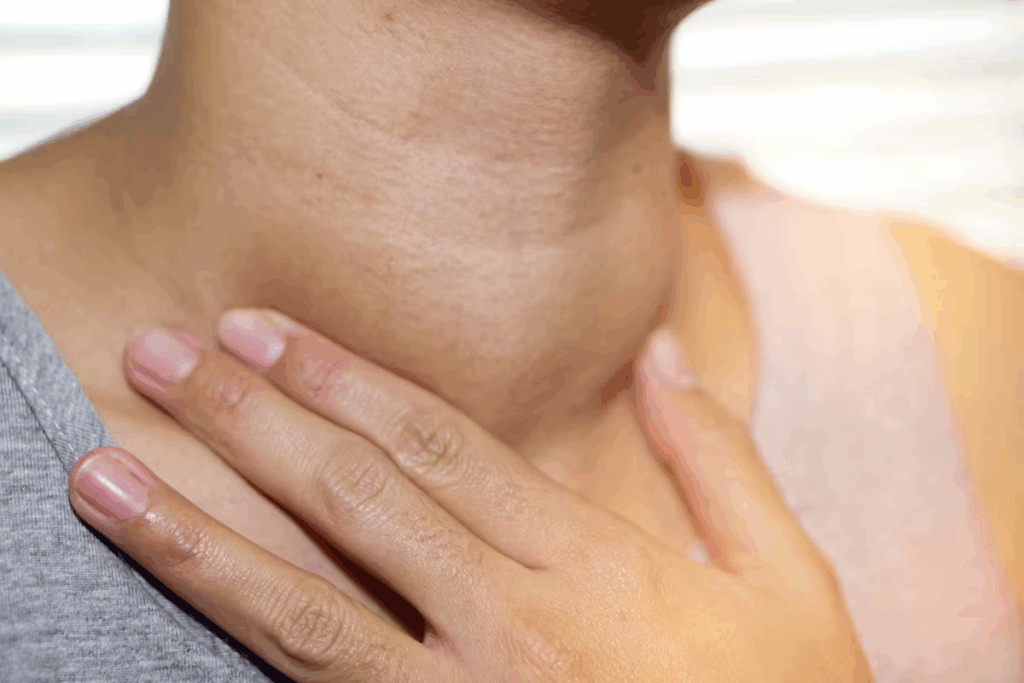
Learn the 7 signs of a “thyroid belly.” Understand how hypothyroidism causes the unique thyroid belly shape, weight gain, and related symptoms quickly. Are you gaining weight, mainly around your belly, or losing hair and feeling tired all the time? These signs might point to a problem with your thyroid health. Hypothyroidism, where the thyroid gland doesn’t make enough hormones, affects millions. It can really change how your body looks.
Dealing with these symptoms can be tough. At Liv Hospital, we’re here to help. We’ll look at the signs of thyroid belly, like weight gain and hair loss. We’ll also talk about why getting the right diagnosis and treatment is so important.
Key Takeaways
- Thyroid belly is a form of abdominal weight gain associated with hypothyroidism.
- Hypothyroidism affects an estimated 17 percent of women and about 5 percent of the U.S. population.
- Understanding the connection between thyroid hormones and body composition is key.
- Symptoms like hair loss and fatigue can be signs of thyroid problems.
- Getting a full check-up and care that focuses on you is vital for treatment.
The Thyroid-Weight Connection: Understanding the Basics
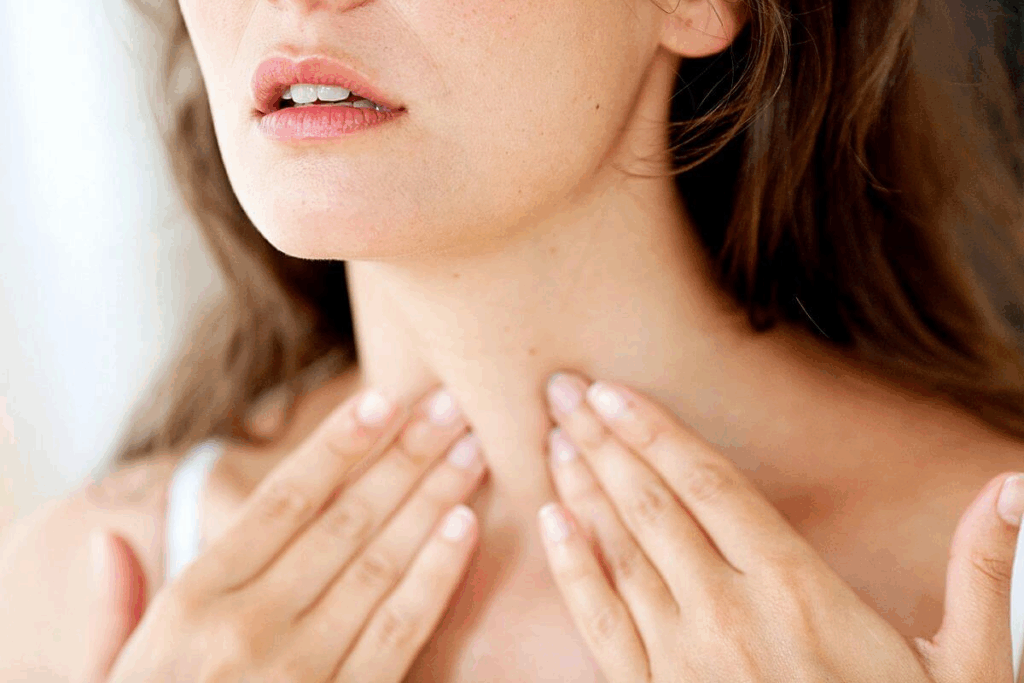
The thyroid gland is key to our body’s metabolic processes. Its problems can greatly affect our weight. It makes hormones that control how fast our metabolism works, which affects how we use energy.
What Is the Thyroid Gland and How Does It Function?
The thyroid gland is a small, butterfly-shaped gland in the neck. It produces thyroid hormones. These hormones, like thyroxine (T4) and triiodothyronine (T3), are vital for our metabolic rate and energy production.
When it works right, it helps us stay at a healthy weight and energy level. This is important for our overall well-being.
Prevalence of Thyroid Disorders in the United States
Thyroid disorders are a big health issue in the U.S., affecting millions. The American Thyroid Association says up to 20 million Americans have thyroid disease. Women are more likely to get it than men, and it gets more common with age.
The most common problems are hypothyroidism (underactive thyroid) and hyperthyroidism (overactive thyroid). Both can make it hard to manage weight and affect our health.
Thyroid Disorder | Prevalence in the U.S. | Common Symptoms |
Hypothyroidism | 4-10% of the population | Weight gain, fatigue, dry skin |
Hyperthyroidism | 1-2% of the population | Weight loss, anxiety, rapid heartbeat |
What Is Thyroid Belly Shape? Identifying the Characteristic Pattern
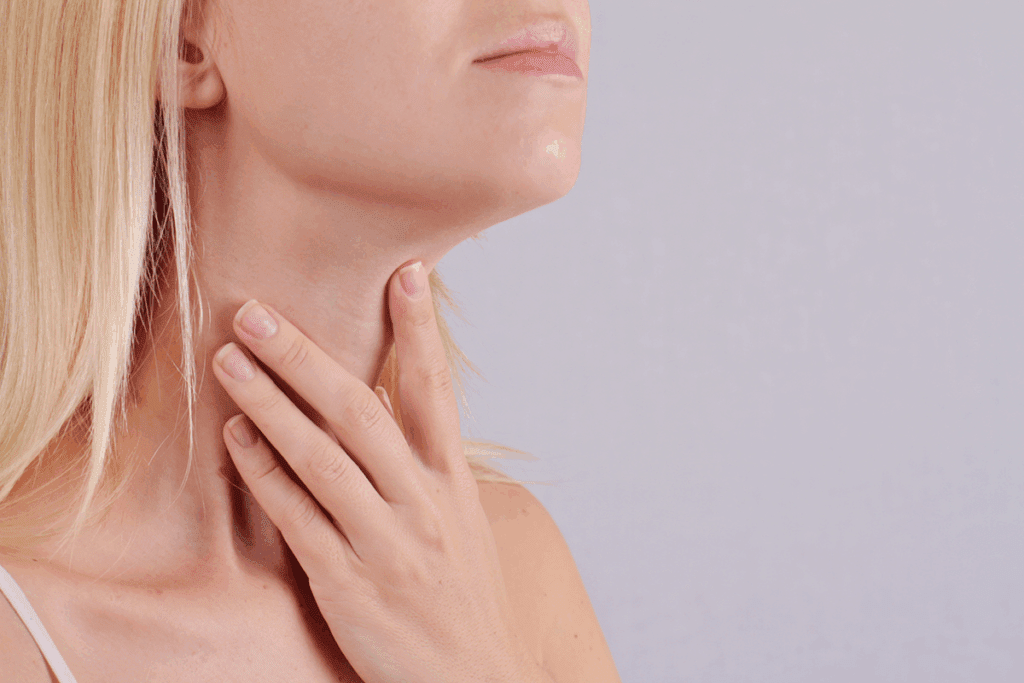
Thyroid belly is a unique way fat builds up in the belly area. It’s common in people with thyroid problems. This isn’t just about how you look; it can also mean there’s something wrong with your thyroid.
Visual Characteristics of Thyroid-Related Abdominal Weight
The belly of someone with thyroid belly looks different. It’s bigger and rounder. People with this also often feel tired and lose their hair.
Key Features:
- Centralized fat distribution
- Rounded abdominal appearance
- Often accompanied by other thyroid-related symptoms
Characteristics | Thyroid Belly | Other Types of Weight Gain |
Fat Distribution | Centralized | Varied |
Associated Symptoms | Fatigue, Hair Loss | Depends on the cause |
Abdominal Appearance | Rounded | Varied |
How Thyroid Belly Differs from Other Types of Weight Gain
Thyroid belly is different because of how fat is stored and the symptoms it comes with. It’s harder to lose weight because of thyroid problems. This is unlike regular weight gain.
In conclusion, spotting thyroid belly means knowing its look and link to thyroid health. If you gain belly fat and feel tired or lose hair, see a doctor. They can check if your thyroid is the problem.
Sign #1: Abdominal Weight Gain and Stubborn Fat Deposits
Thyroid belly is a big worry for many with hypothyroidism. It’s not just about looks; it’s a serious health issue. We’ll look into why thyroid belly happens and how it affects weight.
The Metabolic Mechanism Behind Thyroid Belly
The thyroid gland controls our metabolism. When it doesn’t work right, our metabolism slows down. This leads to weight gain, mainly around the belly.
Hypothyroidism also changes our cholesterol levels. This can make fat build up. Plus, it makes us feel tired, making it tough to stay active.
Typical Weight Distribution Patterns in Hypothyroidism
Weight gain in hypothyroidism doesn’t spread evenly. It mostly happens around the midsection, creating a “thyroid belly.” This is because of metabolic changes and inflammation from thyroid issues.
Knowing these patterns helps in managing weight gain from hypothyroidism. Spotting the signs early lets people get the right treatment and make lifestyle changes to fight thyroid belly.
Sign #2: Hair Loss and Thinning Related to Thyroid Dysfunction
Thyroid hormones are key to hair growth. Any problem with them can cause hair loss. This can make you feel bad about how you look and how you feel about yourself.
How Thyroid Hormones Affect Hair Growth Cycles
Thyroid hormones are vital for hair follicle growth. If they’re off, hair growth can get messed up. This leads to more hair falling out than usual.
Hair grows in cycles. The active growth phase is called anagen. Thyroid hormones control how long this phase lasts. If they’re not right, more hairs go into the resting phase. This means more hair loss.
Key factors in thyroid-related hair loss include:
- Disruption of the normal hair growth cycle
- Increased shedding due to hormonal imbalance
- Changes in hair texture and quality
Distinguishing Features of Thyroid-Related Hair Loss in Men and Women
Men and women both lose hair due to thyroid problems. But, there are differences. Women often see thinning all over their scalp. Men might notice balding on the crown or temples.
But, it’s not always clear-cut. Both men and women can see their hair thinning without clear patterns. It really depends on the person.
Characteristics | Men | Women |
Hair Loss Pattern | Often more pronounced on the crown or temples | Diffuse thinning across the scalp |
Hair Texture | May become finer or more brittle | Often becomes drier and more prone to breakage |
Knowing how thyroid function affects hair is important. Recognizing signs of thyroid-related hair loss helps. It lets people get the right medical help to fix their hair and feel better overall.
Sign #3: Facial Puffiness and Edema
Facial puffiness is a sign of thyroid issues, caused by fluid retention. Thyroid problems can change how we look, making facial changes very noticeable. We’ll look into why fluid retention happens in thyroid issues and how to spot facial changes.
Why Fluid Retention Occurs in Thyroid Disorders
Fluid retention leads to facial puffiness and edema in thyroid problems. Thyroid hormones are key in managing fluid balance in our bodies. When thyroid hormone levels drop, like in hypothyroidism, fluid balance is affected, causing swelling.
This swelling can happen in different parts of the body, including the face. The reason behind fluid retention is linked to how thyroid hormones work with other hormones. Knowing this helps manage symptoms of thyroid disorders.
Recognizing Facial Changes Through Visual Comparison
Spotting facial puffiness and edema means looking for changes over time. Comparing before and after pictures is a great way to see these changes. People with thyroid issues might see their face looks swollen, mainly around the eyes and cheeks.
Looking at pictures can help catch thyroid-related facial changes early. Being aware of these signs helps people get medical help if symptoms don’t go away or get worse.
Sign #4: Chronic Fatigue and Energy Depletion
The thyroid gland is key in making energy. When it’s off balance, we feel tired all the time. Thyroid hormones help our bodies use energy well. Without enough, doing simple things feels hard.
The Relationship Between Thyroid Function and Energy Production
Thyroid hormones help cells make energy. They control how fast our bodies use energy. If the thyroid isn’t working right, we get very tired.
On the other hand, too much thyroid hormone makes us use energy too fast. This can also make us feel very tired.
Thyroid Condition | Effect on Metabolic Rate | Resulting Symptom |
Hypothyroidism | Decreased | Fatigue |
Hyperthyroidism | Increased | Energy Depletion |
How Fatigue Contributes to Weight Management Challenges
Being tired all the time makes it hard to lose weight. When we’re exhausted, we don’t want to move or eat right. This can make us gain weight, even more so in hypothyroidism.
Also, tiredness makes it hard to keep up with exercise. This makes losing weight even tougher. It’s important to understand how thyroid issues affect energy and weight.
Sign #5: Skin Changes and Dermatological Symptoms
Skin health is closely tied to thyroid function. Imbalances can cause noticeable symptoms. Thyroid hormones help keep our skin healthy, and any problem with them can lead to skin issues.
Dry Skin, Brittle Nails, and Other External Signs
People with thyroid problems often have dry skin and brittle nails. These issues happen because of less sebum and slower skin cell growth. Some common signs include:
- Dry, rough skin
- Brittle or fragile nails
- Hair loss or thinning
- Cold intolerance
The Connection Between Skin Health and Thyroid Hormone Levels
Our skin’s health depends on thyroid hormone levels. Low thyroid hormone can make skin problems worse. Knowing this helps doctors treat skin issues related to the thyroid.
Thyroid hormone problems can affect skin in several ways:
- Less sebum means dry skin
- Slower skin cell growth
- Higher risk of skin infections
Spotting these symptoms helps doctors diagnose and treat thyroid issues. This improves patients’ lives a lot.
Sign #6: Temperature Sensitivity and Cold Intolerance
Many people with thyroid problems often feel too cold. This is because thyroid hormones help control how our body temperature works. When these hormones are off balance, it’s hard to keep our body warm.
Metabolic Rate and Its Effect on Body Temperature Regulation
Thyroid hormones are key to our body’s heat production. When we have more thyroid hormones, we burn more energy and feel warmer. But, if we have less, we burn less energy and feel colder.
Distinguishing Thyroid-Related Temperature Issues from Other Causes
Feeling cold can be a sign of thyroid problems, but it’s not the only cause. Other issues like anemia or poor blood flow can also make us feel cold. To know if it’s thyroid-related, look for signs like dry skin, hair loss, or constant tiredness, which often go with thyroid issues.
Symptom | Hypothyroidism | Hyperthyroidism |
Temperature Sensitivity | Cold intolerance | Heat intolerance |
Metabolic Rate | Decreased | Increased |
Common Symptoms | Cold hands and feet, fatigue | Excessive sweating, increased heart rate |
Sign #7: Visible Thyroid Enlargement (Goiter)
A visible thyroid enlargement, known as goiter, is a sign of thyroid problems. It happens when the thyroid gland swells up due to different thyroid disorders. These include hypothyroidism and hyperthyroidism.
It’s important to watch for thyroid enlargement to diagnose and treat it. We’ll show you how to check your thyroid at home. We’ll also talk about the changes you might see before and after treatment.
How to Perform a Thyroid Neck Check at Home
Checking your thyroid at home is easy. It can help you spot any swelling of the thyroid gland. Here’s how to do it:
- Stand in front of a mirror and tilt your head back.
- Find the thyroid gland at the base of your neck, just below the Adam’s apple.
- Swallow a sip of water and watch your thyroid gland as you swallow.
- If you see any swelling or enlargement, see a healthcare professional.
Before and After Treatment: Visual Changes in Thyroid Enlargement
Treatment for goiter depends on the cause. With the right treatment, the goiter can shrink and symptoms can lessen. Let’s look at some visual changes before and after treatment.
Characteristics | Before Treatment | After Treatment |
Thyroid Gland Size | Enlarged, potentially causing discomfort | Reduced, returning to normal size |
Symptoms | Difficulty swallowing, shortness of breath | Significant reduction or elimination of symptoms |
Visual Appearance | Noticeable swelling in the neck area | Reduced swelling, more normal appearance |
Knowing about the visual changes in thyroid enlargement and treatment can help manage your condition. If you think you have a goiter or are showing symptoms, see a healthcare professional for the right diagnosis and treatment.
Conclusion: Diagnosis, Treatment Options, and Lifestyle Management
We’ve looked at the signs of thyroid belly, like weight gain and hair loss. We also talked about facial puffiness, fatigue, and skin changes. These signs can point to thyroid problems.
To find out if you have a thyroid issue, doctors use blood tests and physical checks. They might prescribe medicine to fix hormone levels. They also suggest lifestyle changes to help manage symptoms.
If you notice thyroid belly shape or hair loss, it’s important to take care of yourself. Eating well, exercising, and managing stress are key. Women should watch for signs of thyroid belly and see a doctor if symptoms don’t go away.
With the right care and choices, people with thyroid issues can feel better. Working with doctors and making healthy choices can greatly improve your life.
FAQ
What is thyroid belly, and how is it related to hypothyroidism?
Thyroid belly is a term for weight gain around the belly area. It’s linked to hypothyroidism, where the thyroid gland doesn’t make enough hormones. This weight gain is often seen in the stomach area.
How common are thyroid disorders in the United States?
Thyroid disorders are quite common in the U.S., affecting many people. Hypothyroidism, in particular, is widespread. It can cause weight gain, hair loss, and tiredness.
What are the visual characteristics of thyroid belly?
Thyroid belly is marked by a round belly shape. It also involves fat buildup around the midsection. Weight gain can also happen in the face, arms, and legs.
How does hypothyroidism affect hair growth, and what are the distinguishing features of thyroid-related hair loss?
Hypothyroidism can lead to hair loss by disrupting hair growth cycles. Thyroid-related hair loss often shows as thinning hair on the scalp. It can also make hair dry and brittle.
What causes fluid retention in thyroid disorders, and how can it be recognized?
Fluid retention in thyroid disorders is due to low thyroid hormone levels. This leads to puffiness and swelling, mainly in the face. You can spot these changes by looking at visual comparisons.
How does thyroid function impact energy production, and what are the consequences of fatigue?
Thyroid hormones are key for energy production. Imbalances can lead to fatigue, weakness, and tiredness. This can make it hard to manage weight and cause other metabolic problems.
What are the external signs of thyroid disorders on the skin?
Thyroid disorders can show up in the skin, causing dryness, brittle nails, and hair loss. These signs can hint at thyroid problems.
How does thyroid function affect body temperature regulation?
Thyroid hormones help control metabolic rate, which affects body temperature. Hypothyroidism can make you feel cold, while hyperthyroidism can make you feel hot.
How can I perform a thyroid neck check at home, and what are the visual changes that occur before and after treatment?
To do a thyroid neck check at home, gently feel your neck for any swelling. Before and after treatment, you might see a change in swelling or size of the thyroid gland.
What are the diagnosis and treatment options for thyroid disorders, and how can lifestyle management strategies help?
Diagnosis usually involves blood tests and a physical exam. Treatment can include medication, lifestyle changes, or surgery. Making dietary changes and managing stress can help with symptoms and support health.
Government Health Resource. Thyroid Dysfunction: Signs, Symptoms, and Weight Changes. Retrieved from https://academic.oup.com/bmb/article/99/1/39/1927183