Last Updated on November 27, 2025 by Bilal Hasdemir
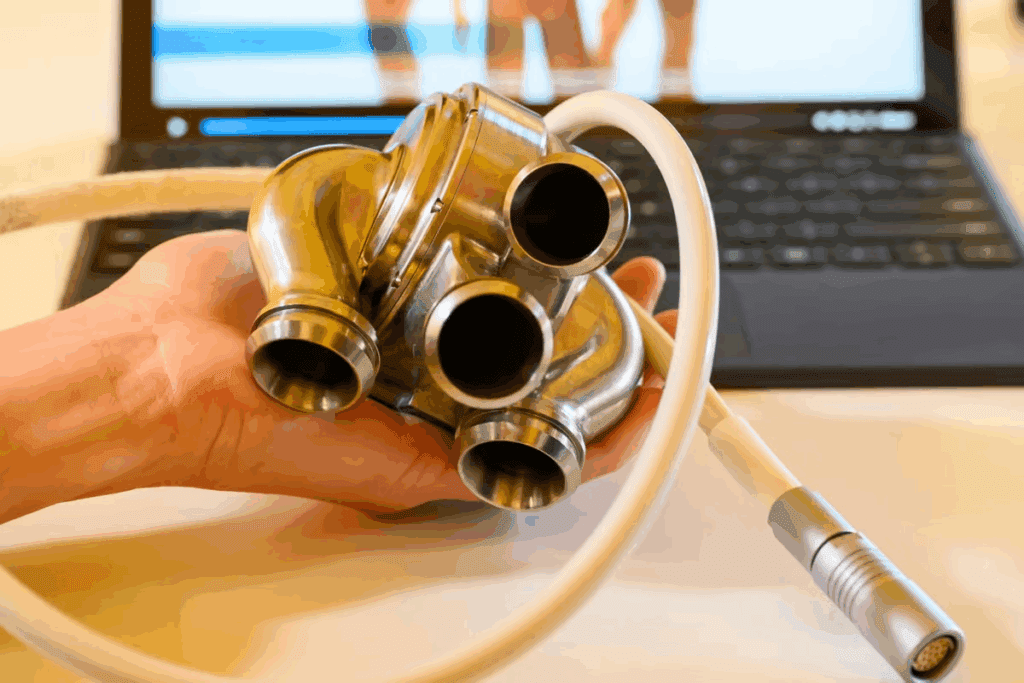
Did you know that over 6 million people in the United States have heart failure? This is when the heart can’t pump enough blood. For some, a bionic heart or artificial heart is a lifesaver.
We’re on the edge of a big change in heart care. Titanium heart technology is bringing new hope to patients everywhere. These devices help or replace the heart, making life better for those with severe heart issues.
At our institution, we’re dedicated to top-notch healthcare. We support patients from around the world. Knowing the costs and benefits of these new technologies is key for both patients and doctors.
Key Takeaways
- The cost of a bionic heart can vary a lot, depending on the tech and the patient’s needs.
- Titanium heart technology is a big step forward in artificial heart design.
- Patients thinking about a bionic heart should talk to doctors to learn about their choices.
- New advancements in heart care are helping patients with heart failure live better.
- It’s important to have full support for international patients when using these new technologies.
The Titanium Heart: Advanced Medical Technology
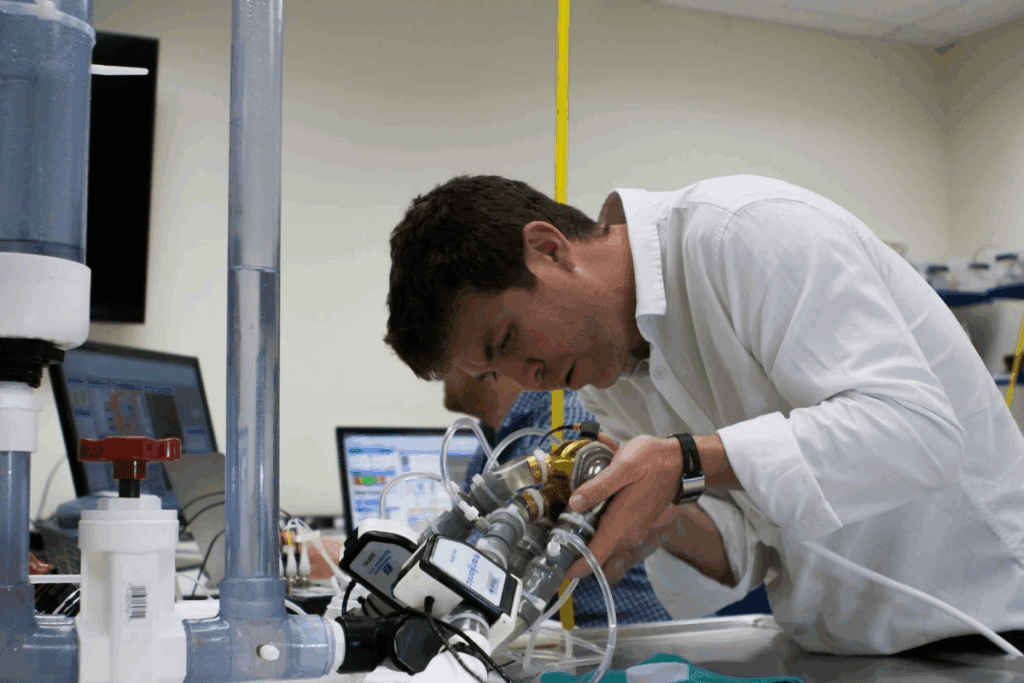
Titanium hearts are changing cardiology, giving a strong and safe option for heart failure patients. They bring new ways to treat heart problems.
What Makes Titanium Hearts Unique
Titanium hearts are special because they are strong, don’t corrode, and are safe for the body. These traits make titanium perfect for artificial hearts that can handle heart work.
Using titanium lets doctors make heart devices that look and work like the real thing. This can lead to better health and a better life for patients.
Benefits of Titanium in Heart Devices
There are many good things about titanium in heart devices. Durability is one, as titanium can handle the heart’s constant work. Also, titanium is biocompatible, which means it’s safer for people.
- Enhanced durability and resistance to corrosion
- Improved biocompatibility, reducing the risk of adverse reactions
- The ability to create complex structures that mimic natural heart function
Leading Titanium Heart Models and Manufacturers
Many top companies are leading in titanium heart tech. They keep making their devices better to help patients more.
| Manufacturer | Model | Key Features |
| Syncardia | Total Artificial Heart | Biocompatible titanium construction, portable driver for enhanced mobility |
| Carmat | Carmat TAH | Bioprosthetic materials, sensors for real-time monitoring, and enhanced durability |
| BiVACOR | BiVACOR TAH | Rotary blood pump design, compact and efficient, with titanium construction |
As titanium heart tech gets better, we’ll see even better results for patients. These advances are making a big difference in heart care, giving hope to those needing heart replacements.
Cost Breakdown of Bionic Heart Implantation
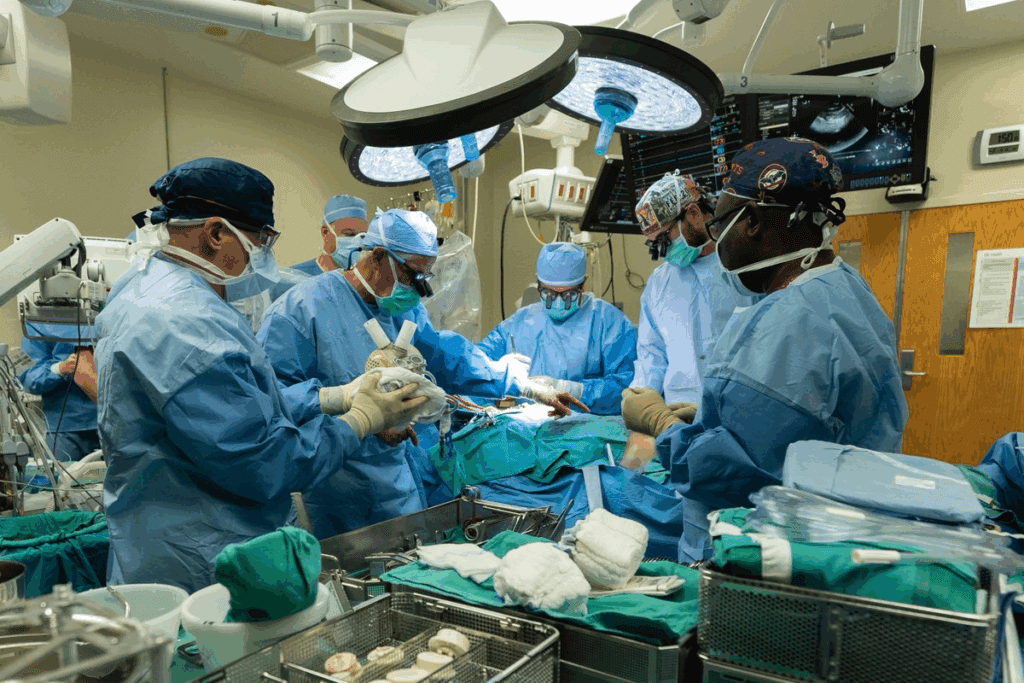
Knowing the cost of a bionic heart implant is key for those thinking about it. The total cost includes several parts, each adding to the overall price.
Device Costs
The cost of the bionic heart device is a big part of the total. Titanium heart devices are durable and compatible. Prices vary by manufacturer and model.
For example, top models from Syncardia or CardiacAssist can cost between $100,000 and $200,000. This depends on the technology and features.
Surgical Procedure Expenses
The surgery to put in a bionic heart is complex. It needs a skilled team. Costs include the surgeon’s fees, anesthesiologist’s fees, and hospital charges.
Prices can change based on where you are. Major cities usually charge more than smaller towns. On average, the surgery can cost between $50,000 and $150,000.
Post-Operative Care Costs
After the surgery, care is vital. This includes hospital stay, rehabilitation, and follow-up visits. Costs can range from $20,000 to $50,000 or more.
It’s important for patients to think about these costs when considering a bionic heart. Knowing the full cost helps patients make better decisions about their care.
Comparing Costs: Bionic Hearts vs. Traditional Heart Transplants
Looking into heart replacement options means understanding the costs. We’ll compare the expenses of bionic hearts and traditional transplants.
Initial Procedure Costs
The costs for bionic heart implants and traditional transplants differ a lot. Traditional transplants include the donor heart, surgery, and hospital stay costs. Bionic heart implants have the device, surgery, and hospital costs.
Important cost factors include:
- Device Costs: Bionic heart devices cost between $100,000 and over $300,000.
- Surgical Procedure: The surgery for bionic hearts is more complex, raising costs.
- Hospital Stay: Longer stays for bionic heart patients add to the total cost.
Long-term Maintenance Expenses
Long-term costs are also key. Traditional transplant patients need lifelong medication. Bionic heart patients face regular maintenance and battery replacements.
Long-term costs to consider are:
- Medication Costs: Medication for traditional transplants can be expensive.
- Device Maintenance: Bionic heart patients need frequent check-ups and replacements.
- Battery Replacements: The cost of batteries and replacements for bionic hearts.
Quality of Life Considerations
Cost is important, but quality of life matters too. Bionic hearts might offer more freedom and fewer restrictions than traditional transplants.
Quality of life factors include:
- Lifestyle Adjustments: Bionic heart patients might face fewer lifestyle changes.
- Survival Rates: Comparing survival rates between bionic hearts and traditional transplants.
- Comfort and Convenience: The comfort and ease of living with a bionic heart versus a transplant.
Insurance Coverage for Bionic Hearts
Getting insurance for artificial hearts is key for patients. As bionic heart tech gets better, knowing about insurance is more important. This is true for patients and doctors alike.
Coverage Under Medicare and Medicaid
In the U.S., Medicare and Medicaid help with bionic heart costs. Medicare helps those 65 or older, or those with disabilities. Medicaid varies by state, but it often helps those with lower incomes.
A report by the Centers for Medicare & Medicaid Services says coverage is reviewed. They check if the bionic heart is needed for treatment.
| Insurance Provider | Coverage Details | Patient Out-of-Pocket Costs |
| Medicare | Covers medically necessary bionic heart devices | Varies (deductibles and copays apply) |
| Medicaid | Varies by state; generally covers low-income individuals | Often minimal to no cost |
| Private Insurance | Coverage varies by policy; some plans cover bionic hearts | Varies (deductibles, copays, and coinsurance apply) |
Private Insurance Policies and Bionic Hearts
Private insurance can also help with bionic heart costs. But how much help it gives varies a lot. It’s smart to check your policy to know what’s covered and what you might pay out of pocket.
“Understanding your insurance coverage is key when thinking about a bionic heart implant. Patients should talk to their doctors and insurance companies to get through the process.” – Cardiothoracic Surgeon
.Navigating Insurance Approval
Getting insurance for bionic heart implants can be hard and slow. Patients and doctors need to work together. They must get the right papers, like medical records and letters explaining why the implant is needed.
To make things easier, we suggest:
- Check your insurance policy to know what’s covered
- Work with your doctor to get the needed papers
- Ask your insurance for approval before the surgery
By knowing about insurance and working with doctors, patients can handle getting coverage for bionic heart implants better.
The Implantation Procedure: What to Expect
Before bionic heart surgery, it’s key to know the steps of the implantation procedure. This detailed process includes getting ready for surgery and caring for yourself after. It aims to ensure the best results for those getting artificial hearts.
Pre-Surgical Preparation
Before titanium heart surgery, patients go through many checks. These help doctors see if they’re ready for the surgery. The checks include:
- Looking at their medical history
- Doing advanced heart tests (like MRI and CT scans)
- Running blood tests and other lab work
- Talking to a team of doctors
They also get advice on how to live better and what medicines to take before surgery.
The Surgery Process
The implantation procedure for a bionic heart is very detailed. It usually involves:
- Making a cut to get to the heart
- Using a heart-lung machine to keep blood flowing while they work
- Putting in the prosthetic heart device and making sure it works right
Some surgeries use robotic heart surgery. This can make the surgery more precise and help patients recover faster.
Immediate Post-Surgical Care
Right after surgery, patients stay in the ICU. They’re watched closely for any problems and to manage pain. The care includes:
- Keeping an eye on their vital signs and the new heart’s work
- Giving medicines to stop infection and pain
- Helping them move slowly to help them heal and avoid problems
Knowing these steps helps patients get ready for the implantation procedure. It also helps them understand what to expect on their way to recovery with their new artificial heart.
Living with a Bionic Heart
Getting a bionic heart is a big deal, not just a medical fix. It changes your daily life and future health. We’ll look at the upkeep, lifestyle changes, and future outlook for those with these cutting-edge devices.
Daily Maintenance Requirements
Keeping a bionic heart running right means daily care. This includes:
- Checking the device’s power and charging it up.
- Watching for any problems or odd behavior.
- Tracking how the device works and any issues.
By sticking to these routines, people can avoid big problems. This helps their bionic heart keep working well for their health.
Lifestyle Adjustments
Life with a bionic heart means making some changes. These might be:
- Staying away from strong magnets that could mess with the device.
- Changing how you exercise not to stress the device or your body too much.
- Planning trips to make sure you can get medical help and device checks.
These changes might seem tough, but many find the benefits of a bionic heart are worth it.
Long-term Prognosis and Quality of Life
The outlook for people with bionic hearts is usually good. Many see a big boost in their life quality. Thanks to titanium heart technology, these devices last longer and work better.
We keep working on making bionic heart tech better. This helps improve the quality of life for those with these devices. By taking care of their device, adjusting their lifestyle, and staying up-to-date, people with bionic hearts can look forward to a better future.
Patient Experiences with Titanium Heart Implants
Exploring bionic hearts, we learn a lot from patient experiences. These stories show the good and bad of titanium heart implants. They give us a glimpse into the human side of medical advancements.
Success Stories
Many patients with titanium heart implants see big improvements in their lives. A study in a Journal found better survival rates and function for those with LVADs, which often use titanium.
Notable Success Stories:
- A 55-year-old man with a titanium heart implant can now garden and walk again, months after surgery.
- A young woman with a heart defect got a bionic heart. Now, she can do things she used to avoid.
These stories show how titanium heart implants can change lives. But it’s also key to talk about the challenges some face.
Challenges and Complications
Titanium heart implants are promising but come with challenges. Patients might face infections, device failures, or need more surgeries. Knowing these risks helps manage expectations and improve care.
| Common Challenges | Frequency | Management Strategies |
| Infection | 15% | Prophylactic antibiotics, strict wound care |
| Device Malfunction | 5% | Regular device monitoring, timely software updates |
| Need for Additional Surgeries | 10% | Careful patient selection, meticulous surgical planning |
The table shows common challenges with titanium heart implants. It includes their frequency and how to manage them. This helps healthcare providers support their patients better.
In conclusion, patient experiences with titanium heart implants give us a detailed look at this technology. There are success stories and challenges. By improving care, we can make titanium heart implants even better for those who need them.
The “Backpack Heart”: Portable Artificial Heart Systems
The ‘backpack heart’ is a wearable artificial heart system. It’s designed to help patients with advanced heart failure. This device is part of a new wave of medical tech, aiming to give patients more freedom and independence.
How Portable Systems Work
Portable artificial heart systems are worn outside the body, usually in a backpack or harness. They take over the heart’s job, pumping blood around the body. These systems have advanced sensors and controls to keep an eye on the patient’s health and adjust as needed.
Key components of these systems include:
- A portable pump that can be worn externally
- A power source that allows for mobility
- Advanced monitoring systems to ensure optimal performance
Cost and Accessibility of Portable Systems
The cost of portable artificial heart systems is a big factor in how accessible they are. These systems are seen as advanced medical devices, and their price reflects the tech involved. Insurance coverage and financial help programs are key in making these devices available to those who need them.
A well-known cardiologist said, “The advent of portable artificial hearts marks a big change in treating heart failure. It gives patients a chance at a more normal life.”
“The future of heart failure treatment is not just about keeping patients alive, but about giving them a life worth living.”
We’re seeing more of these systems become available. More companies are making them, and research is ongoing to improve the tech and lower costs.
Ghost Hearts and Bioengineered Alternatives
The future of heart replacement is exciting with ghost hearts and bioengineered options. These new technologies bring hope to those waiting for heart transplants.
What Are Ghost Hearts?
Ghost hearts are made by removing cells from donor hearts. This leaves a scaffold that can be filled with a patient’s cells. This process, called decellularization, keeps the heart’s structure but makes it empty.
This idea is groundbreaking. It could solve the problem of organ rejection. Using a patient’s cells in the heart reduces the chance of rejection.
Cost Projections for Bioengineered Hearts
The cost of bioengineered hearts is a big challenge. Decellularizing and recellularizing hearts is complex. It needs advanced tools and skilled people.
Costs for these hearts vary. They depend on the procedure’s complexity, materials, and the team’s expertise. But, as technology improves, prices should drop.
| Procedure | Current Cost Estimate | Projected Future Cost |
| Decellularization and Recellularization | $100,000 – $200,000 | $50,000 – $100,000 |
| Implantation Surgery | $50,000 – $100,000 | $30,000 – $70,000 |
| Total Cost | $150,000 – $300,000 | $80,000 – $170,000 |
Robotic Heart Surgery: Cutting-Edge Procedures
Medical technology keeps getting better, and robotic heart surgery is leading the way. It’s changing how we treat heart problems. Robotics helps make surgeries more precise and cuts down on recovery time.
Advantages of Robotic Systems
Robotic heart surgery has many benefits. It means smaller cuts, less blood loss, and more precise work. Surgeons can do complex tasks with better control and accuracy.
- Minimally invasive procedures
- Reduced risk of complications
- Shorter hospital stays
- Faster recovery times
Financial Considerations
Robotic heart surgery is pricey. The cost of these systems is high, and patients often bear the expense. Here’s a look at the costs:
| Procedure | Cost Range | Insurance Coverage |
| Robotic Heart Surgery | $50,000 – $100,000 | Partial to Full |
| Traditional Heart Surgery | $30,000 – $80,000 | Partial to Full |
Robotic heart surgery is a big step forward in heart care. It’s pricey, but the benefits make it worth it for many patients.
Ethical and Financial Considerations
The use of bionic hearts in medicine brings up big ethical and financial questions. As we move forward, we must think about how this tech affects patients, healthcare, and society. It’s key to look at the big picture.
Access and Equity Issues
One big ethical issue is who gets bionic hearts. The cost can be too high for many. We need to make sure everyone has a fair chance to get this life-saving tech, no matter their income.
It’s not just about money. It shows deeper problems in healthcare. We need to tackle these issues with new policies, better insurance, and help for those who can’t afford it.
Financial Assistance Programs
To help with the cost, new programs are being set up. These programs can help pay for the device, surgery, and care after. This makes bionic hearts more reachable for those who need them.
More and more, companies, non-profits, and governments are helping out. They offer financial help, education, and support to those with bionic hearts. It’s a big help in understanding and living with this technology.
Balancing Cost and Medical Necessity
It’s also important to balance the cost with how necessary bionic hearts are. Doctors and policymakers need to set rules for when this tech is right to use. This helps keep costs down.
This means checking if a bionic heart is really needed for each patient. It also looks at whether it’s cheaper in the long run than other options. This way, we can make healthcare better and fairer for everyone.
Conclusion: The True Value of Artificial Heart Technology
Artificial heart technology has changed lives for the better. The use of titanium in these devices has made a big difference in cardiology. It offers hope to those needing a new heart.
The cost of a bionic heart is high, but its benefits are huge. These devices are durable and improve health greatly. Our institution provides top-notch care to patients from around the world.
Thinking about the cost of a heart replacement is important. But it’s also about investing in a patient’s future. We aim to make this technology available to all. As artificial hearts get better, they will help more people live better lives.
FAQ
What is a bionic heart, and how does it differ from a traditional heart transplant?
A bionic heart is a device that helps or replaces the heart’s function. It’s different from a traditional heart transplant. Instead of using a donor heart, a bionic heart is a mechanical device implanted in the body.
How much does a bionic heart cost?
The cost of a bionic heart varies. It depends on the device type, manufacturer, and where it’s implanted. We break down the costs, including the device, surgery, and post-care.
What are the benefits of titanium heart devices?
Titanium heart devices are durable and biocompatible. They resist corrosion well. Titanium is also light and strong, making it perfect for implants.
How long do patients typically live with a bionic heart?
The life span with a bionic heart varies. It depends on the device, the patient’s health, and post-care. We talk about the long-term outlook and quality of life for these patients.
Will insurance cover the cost of a bionic heart?
Insurance coverage for bionic hearts varies. It depends on the policy and device. We guide on insurance approval and discuss Medicare, Medicaid, and private insurance.
What is the implantation procedure for a bionic heart like?
The implantation process includes preparation, surgery, and post-care. We explain what happens during and after the procedure.
How do portable artificial heart systems work?
Portable artificial heart systems, or “backpack hearts,” are wearable outside the hospital. We explain how they work and their benefits for patients.
What are ghost hearts, and how do they differ from traditional heart transplants?
Ghost hearts are bioengineered using a patient’s cells. We discuss their benefits and costs compared to traditional transplants.
What are the benefits of robotic heart surgery?
Robotic heart surgery is minimally invasive. It reduces recovery time and improves accuracy. We discuss its benefits and costs.
Are there financial assistance programs available for patients who need a bionic heart?
Yes, financial help is available for bionic heart patients. We talk about manufacturer programs and non-profit organizations.
How do bionic hearts impact quality of life?
Bionic hearts can greatly improve life for heart failure patients. We discuss lifestyle changes and daily care for these patients.
What are the potential complications of bionic heart implantation?
Like any procedure, bionic heart implantation has risks. We discuss the possible complications and challenges patients may face.
References
- Arabía, F. A., et al. (2023). The total artificial heart: where have we been, where are we going? Journal of Thoracic and Cardiovascular Surgery, 166(3), 563-572. https://www.ncbi.nlm.nih.gov/pmc/articles/PMC10387043/