Last Updated on November 27, 2025 by Ugurkan Demir

Recovering from a tonsillectomy can be tough, even more so for adults. Adults often heal slower than kids. Knowing what to expect during the 2 to 3 week recovery period is key for a smooth healing.
At Liv Hospital, we focus on patient care. We aim for top medical results and support from many experts. We stress the need to manage pain, drink plenty of water, and eat soft foods.
Usually, recovering from a tonsillectomy means feeling pain for about 11 to 12 days. By following the right care steps, you can lessen pain and avoid problems.
Essential tonsil surgery recovery adults tips, focusing on pain control, hydration, and when to expect the worst pain.
Key Takeaways
- Understand the typical 2 to 3 week recovery timeline for tonsillectomy.
- Manage pain effectively with prescribed medication.
- Stay hydrated to support the healing process.
- Eat soft foods to minimize discomfort.
- Follow post-operative care instructions for a smooth recovery.
Understanding Adult Tonsillectomy and What to Expect
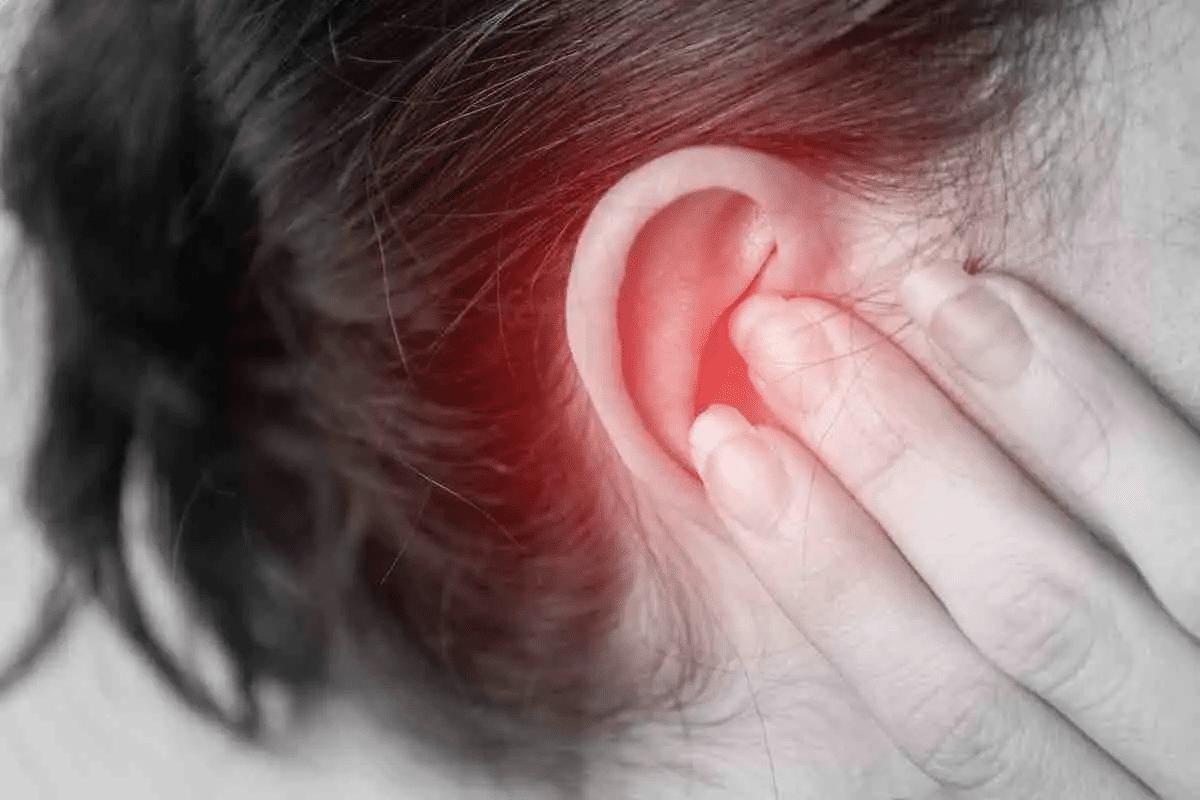
Learning about adult tonsillectomy recovery is key for a smooth healing. It’s important to know that recovery for adults is different from children’s.
Why Recovery Is More Difficult for Adults
Adults find it harder to recover from tonsillectomy than kids. This is due to several reasons. Adults’ health, other medical issues, and aging all play a part. Adults often feel more pain and discomfort during recovery, affecting their daily life.
Typical Recovery Timeline (2-3 Weeks)
Adults usually take 2 to 3 weeks to recover from tonsillectomy. They will face various symptoms that lessen as they get better. It’s important to take time off work and get support during this time. Knowing the recovery timeline helps set realistic goals and prepares for the challenges.
Common Post-Operative Symptoms
Adults often face several symptoms after a tonsillectomy. These include a sore throat, trouble swallowing, ear pain, and nausea. It’s normal to have a sore throat and trouble swallowing in the first week. Managing these symptoms well is important for a comfortable recovery.
By understanding these aspects of adult tonsillectomy recovery, patients can better prepare for the journey. This ensures a more comfortable and successful healing process.
Preparing for Your Tonsil Surgery Recovery
Knowing how to prepare for your tonsil surgery recovery is key. Adults need to plan well to make the healing process easier. This ensures a smooth and comfortable recovery.
Setting Up a Comfortable Recovery Space
Creating a cozy recovery space is vital for recovering from a tonsillectomy adults. You want a quiet, comfy area for resting. Here are some tips:
- Find a room with little noise and few distractions.
- Use soft pillows and blankets for a cozy feel.
- Keep important things close to avoid getting up too much.
Essential Supplies to Purchase Beforehand
Getting the right supplies before surgery helps a lot. Some important items include:
Supply | Purpose |
Soft foods (yogurt, pudding, smoothies) | Nutrition during the initial recovery phase |
Pain relief medication | Managing post-operative pain |
Hydration fluids (water, electrolyte drinks) | Staying hydrated during recovery |
Planning Time Off Work (10-14 Days Minimum)
It’s important to plan time off work for a good tonsillectomy recovery adult. Adults should take at least 10 to 14 days off. Also, avoid hard activities for 2 weeks.
Here’s how to plan well:
- Tell your boss early to get time off.
- Do some work ahead of time to reduce stress later.
- Have a support system ready for when you get back.
By following these tips, you can make your recovery more comfortable. Knowing how to recover quickly from a tonsillectomy means being well-prepared.
The First 72 Hours After Surgery: Critical Recovery Period
Knowing what to expect in the first 72 hours after tonsil surgery can make recovery easier. This time is key for a smooth recovery. We’ll help you understand what to expect right after surgery, how to handle pain, and when to seek medical help.
What to Expect Immediately After the Procedure
Right after your tonsillectomy, you’ll go to a recovery area. Medical staff will watch your vital signs. You might feel sleepy or confused because of the anesthesia. It’s normal to have a sore throat, trouble swallowing, and some bleeding or spitting up blood-tinged mucus. Your medical team will give you care and pain management tips.
Drinking fluids is important, even if it hurts to swallow. Make sure you have water or other fluids nearby. Over 50% of adults need pain medicine several times a day in the first week. Always follow your doctor’s advice on medication.
Managing Initial Pain and Discomfort
Controlling pain is key in the first 72 hours. Your doctor will give you pain medicine. It’s important to take the medicine as directed to keep the pain under control. You can also use ice packs or cold compresses on your neck to reduce swelling and pain.
Resting and avoiding hard activities are also important. Plan to take at least 10-14 days off work for rest and recovery.
Warning Signs That Require Medical Attention
While some pain is normal, watch out for signs that mean you need to see a doctor. Severe bleeding, trouble breathing, or a fever over 101.5°F (38.6°C) are warning signs. If you have any of these symptoms, call your healthcare provider right away.
Knowing about possible complications and when to get help can greatly improve your recovery. We’re here to support you every step of the way.
Effective Pain Management for Tonsil Surgery Recovery in Adults
Pain management is key for adults recovering from tonsillectomy. It’s not just about easing pain. It’s also about helping patients stay hydrated and eat well during their recovery.
Prescription Medication Guidelines and Scheduling
It’s important to follow your surgeon’s pain medication plan. Patients usually take pain meds on a set schedule. This helps keep pain under control.
“Taking pain medication as directed is key to a comfortable recovery,” says Medical Expert, an ENT specialist. “It’s essential to follow the dosage instructions carefully to avoid under-medicating or over-medicating.”
Managing Ear Pain and Referred Pain
Ear pain is common after tonsillectomy. It’s usually treated with the same pain meds as throat pain. Applying a warm compress to the ear or jaw area may also provide relief. Always talk to your healthcare provider about ear pain.
Non-Medication Pain Relief Techniques
There are also non-medication ways to ease pain. These include:
- Staying hydrated by drinking plenty of fluids
- Using a humidifier to add moisture to the air
- Sucking on ice pops or lozenges (when approved by your doctor)
- Resting and avoiding strenuous activities
Using these methods along with prescribed pain meds can help adults recover better from tonsil surgery.
Nutrition and Hydration Strategies
Proper nutrition and hydration are key after a tonsillectomy. They help manage pain, prevent dehydration, and support your body’s recovery. Being well-nourished and hydrated is important for healing.
The Critical Importance of Staying Hydrated
Drinking plenty of fluids is essential. Aim for 8-10 glasses a day. Cold or room temperature drinks are often more soothing for a sore throat. Staying hydrated keeps your throat comfortable and aids in healing. Cold drinks can cool your injured throat and provide hydration.
Best Foods for the First Week
In the first week, eat soft, easy-to-swallow foods. These include:
- Yogurt
- Pudding
- Smoothies
- Mashed potatoes
- Scrambled eggs
- Applesauce
These foods are gentle on the throat. They provide the nutrients you need without causing discomfort.
Foods and Drinks to Avoid During Recovery
Some foods and drinks can irritate your throat during recovery. Avoid:
- Spicy or acidic foods
- Sharp or crunchy foods like chips or crackers
- Hot beverages
- Alcohol
- Citrus fruits and juices
Avoiding these can help reduce irritation and support a smoother recovery.
Managing Common Complications During Recovery
Recovering from tonsil surgery can have its challenges. Knowing about possible complications helps you handle them better. Most people get through it without big problems, but being informed is key.
Dealing with Throat Scabs and Bad Breath
After a tonsillectomy, you might notice white scabs in your throat. These are part of healing, but they can make your breath smell bad. Keeping your mouth clean is very important during this time.
Use gentle mouthwashes and saltwater gargles to clean your throat. Bad breath can be managed by drinking plenty of water and brushing your teeth and tongue softly. Try to avoid foods with strong smells to help keep your breath fresh.
Handling Nausea, Vomiting, and Low-Grade Fever
Nausea and vomiting can happen due to the anesthesia and pain meds. Eat small, easy-to-digest meals to help with nausea. Drinking lots of water is also important to avoid dehydration.
A low-grade fever is a normal response to surgery. But, watch your temperature closely. If it gets too high, call your doctor. For mild fevers, you can try over-the-counter meds, but always check with your doctor first.
When to Contact Your Doctor Immediately
Some discomfort is normal after a tonsillectomy. But, there are times when you need to see your doctor right away. Severe bleeding, trouble breathing, or a fever that won’t go away are emergencies.
Also, seek medical help if you have severe pain that meds can’t control, can’t swallow, or show signs of dehydration like too much thirst, dark urine, or feeling dizzy.
Knowing about these complications and when to get help can make your recovery safer and smoother.
Week Two and Beyond: Progressing Through Your Recovery
Adults recovering from tonsillectomy see healing progress in the second week. They can start to do normal things again. It’s key to keep following recovery tips to avoid problems.
Gradually Returning to Normal Activities
In the second week, adults can slowly get back to their usual routines. But, it’s important to listen to your body and not push too hard. Going back to work or school should be based on how you’re feeling, usually 10-14 days after surgery. Here’s what we suggest:
- Start with easy tasks and then do more
- Stay away from heavy lifting, bending, or hard work
- Rest when you need to
Physical Activity Guidelines to Prevent Bleeding
It’s also key to avoid activities that might cause bleeding. Stay away from hard physical activities or sports that involve contact for 2-3 weeks after surgery. Here’s what we recommend:
- Avoid hard exercise or sports for 2-3 weeks
- Choose light walking or gentle stretching
- Watch how your body reacts to more activity
Signs That Your Recovery Is on Track
There are signs that show you’re recovering well. These include:
- Pain getting less over time
- Eating and drinking without pain
- Feeling more energetic
By following these tips and listening to your body, you can have a smooth and quick recovery from tonsillectomy.
Special Considerations for Tonsillectomy and Adenoidectomy
Choosing to have both tonsillectomy and adenoidectomy at the same time can affect how adults recover. This combo surgery is more complex. It might make the recovery longer and harder.
Combined Procedures and Extended Recovery Needs
Adults having adenotonsillectomy face special challenges. They might feel more pain and need more time to get better. Understanding that the combined surgery can cause more damage is key.
Patients should get ready for a longer recovery. They should have soft foods, drink lots of water, and rest well. Here’s a table showing the differences in recovery for both procedures:
Recovery Aspect | Tonsillectomy Alone | Combined Tonsillectomy and Adenoidectomy |
Pain Duration | Typically 7-10 days | Often 10-14 days or more |
Recovery Time | Usually 2 weeks | Can be 3 weeks or longer |
Nutrition Challenges | Moderate | More significant due to increased discomfort |
Recovery Differences Based on Surgical Technique
The way the surgery is done can also change how you feel after. New tech like coblation or laser surgery might cut down on bleeding and pain.
“The choice of surgical technique can significantly influence the patient’s recovery experience, with some methods like coblation or laser surgery, which offer faster healing times and less discomfort.” – Medical Expert, ENT Specialist
But, the surgeon’s choice and your health can affect the method used. We’ll talk about the best option for you before surgery.
Age-Related Recovery Factors for Adults
Age can play a big role in how adults recover from these surgeries. Older people might take longer to heal because their bodies heal slower and they might have health issues.
Older patients should pay extra attention to their recovery. They should follow their doctor’s advice closely and tell their doctor about any problems right away.
Conclusion: Keys to a Successful Recovery
Recovering from tonsil surgery needs careful planning, good pain management, and a healthy diet. By following these tonsil surgery recovery tips, adults can have a smooth recovery.
Getting ready for surgery is key. Create a comfy recovery area, buy what you need, and plan your work time off. These steps help a lot during recovery.
Managing pain well is also important for recovering from tonsillectomy. Follow your doctor’s advice on meds, handle ear pain, and try non-medication ways to feel better. This helps reduce pain and aids in healing.
Eating right is also critical for successful tonsillectomy recovery. Drink plenty of water, eat soft foods, and avoid things that might irritate your body. This helps your body heal faster.
We know everyone’s recovery is different. By focusing on preparation, pain control, and nutrition, we help patients feel confident in their recovery journey.
FAQ
How long is the typical recovery period for adults after a tonsillectomy?
Adults usually need 2-3 weeks to recover from a tonsillectomy. During this time, they might face several symptoms.
What are the most common post-operative symptoms after a tonsillectomy in adults?
Adults often experience throat pain, trouble swallowing, and ear pain. They might also have bad breath and a low-grade fever.
How can I manage pain after a tonsillectomy?
To manage pain, follow your doctor’s medication advice. Try non-medication methods like salt water gargling and ice packs on your neck.
What should I eat after a tonsillectomy?
Eat soft, bland, cool foods like yogurt and smoothies for the first week. Avoid hot, spicy, or sharp foods that can hurt your throat.
How can I stay hydrated during recovery?
Drinking lots of fluids is key. Choose water, clear broths, or drinks with electrolytes like coconut water or sports drinks.
What are the warning signs that require medical attention after a tonsillectomy?
Seek immediate help for severe bleeding, trouble breathing, high fever, or pain that can’t be controlled with medicine.
Can I return to work after a tonsillectomy?
It’s best to take 10-14 days off work for full recovery. Avoid hard work, heavy lifting, and bending to prevent bleeding.
How long does it take to recover from a tonsillectomy and adenoidectomy?
Recovery from both a tonsillectomy and adenoidectomy might take longer. You’ll need more rest and recovery time.
Are there any age-related recovery factors for adults undergoing a tonsillectomy?
Older adults might recover slower. This is due to slower healing, health issues, or other age-related factors.
What are the benefits of having a comfortable recovery space?
A comfortable space can reduce stress and help you relax. It makes managing symptoms easier.
How can I prevent complications during recovery?
Follow your doctor’s instructions, take medicine as directed, stay hydrated, and go to all follow-up appointments.
References
- Baugh, R. F., Archer, S. M., Mitchell, R. B., Rosenfeld, R. M., Amin, R.,侧. R., . . . Witsell, D. L. (2011). Clinical Practice Guideline: Tonsillectomy in Children. Otolaryngology—Head and Neck Surgery, 144(1 Suppl), S1-S30. Retrieved from https://journals.sagepub.com/doi/full/10.1177/0194599810389949