Last Updated on November 27, 2025 by Bilal Hasdemir

We are facing a big health challenge as cancer rates keep going up. New studies show a 77% jump in global cancer cases by 2050. This is due to lifestyle changes and more people living longer.
In 2025, some countries will see a lot of cancer cases. Australia, New Zealand, and many European countries will be among the top. It’s important to understand these differences to improve healthcare worldwide.
We will look at the top 10 countries with the highest cancer rates. We’ll see what causes these high rates and how they affect global health.
Key Takeaways
- Global cancer cases are projected to increase by 77% by 2050.
- Lifestyle and aging factors contribute to rising cancer rates.
- Australia, New Zealand, and European nations have among the highest cancer rates.
- Understanding global disparities is key to effective healthcare strategies.
- The top 10 countries with the highest cancer rates will be identified.
The Growing Global Cancer Crisis and 2025 Projections
As we near 2025, the world’s cancer problem is expected to get worse. This is due to changes in population and lifestyle. The World Health Organization (WHO) warns of a big increase in cancer cases. They stress the need for strong plans to fight this health crisis.
Current Global Cancer Statistics
Cancer is a major killer globally, with about 10 million deaths in 2020. Many factors contribute to this, like aging, smoking, bad diets, and not enough exercise. Cancer rates differ greatly across the world, with some places seeing more cases than others.
The spread of cancer worldwide is a worrying trend. Below is a table showing the top 5 countries with the highest cancer rates per 100,000 people.
| Country | Cancer Incidence Rate per 100,000 |
|---|---|
| Australia | 468.0 |
| New Zealand | 438.0 |
| Ireland | 373.0 |
| Denmark | 362.0 |
| France | 344.0 |
Methodology Behind 2025 Projections
The 2025 forecasts are based on current cancer data, population trends, and changes in risk factors. We use data from cancer registries and studies to predict future cases. The method looks at how aging, lifestyle changes, and better detection methods affect cancer rates.
Knowing these projections helps healthcare and policy makers plan for the future. For example, India is seeing more cancer cases due to lifestyle and demographic changes. This shows the need for specific actions to tackle the problem.
By studying current trends and forecasts, we can get ready for the global cancer crisis. It’s key to use a wide range of strategies, including prevention, early detection, and treatment. This way, we can lessen the impact of cancer worldwide.
Cancer Frequency by Country: Understanding Global Disparities
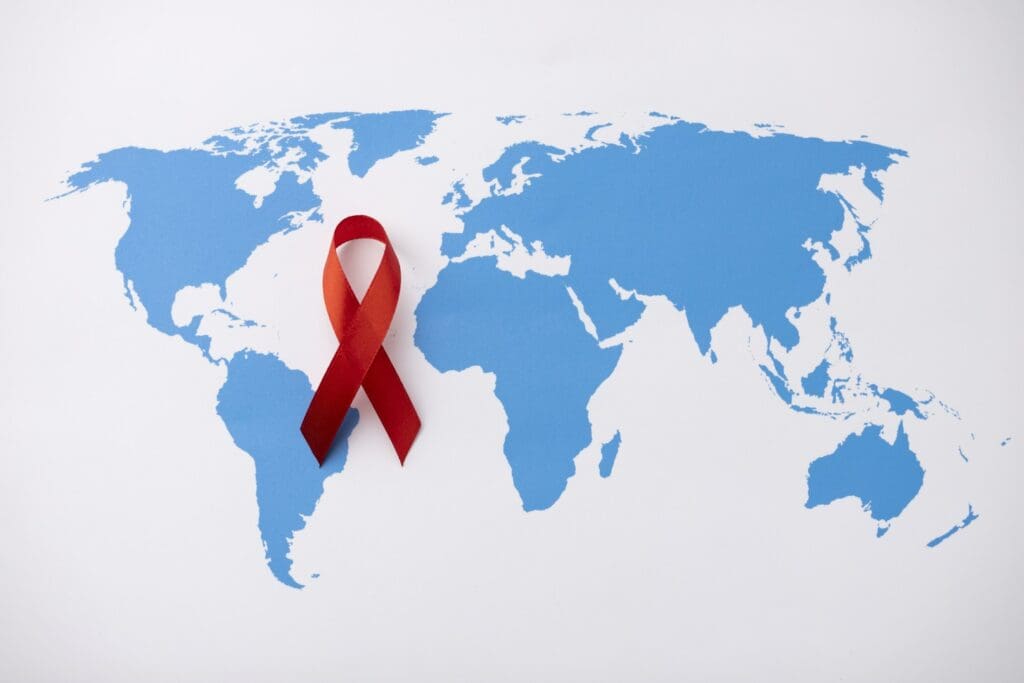
To understand cancer worldwide, we must look at money, healthcare, and people’s characteristics. Looking at cancer stats globally shows big differences in cancer rates across countries.
These differences come from many factors. We will dive into these in detail. First, we’ll look at how money and cancer rates are linked.
Economic Development and Cancer Correlation
Rich countries often have more cancer than poor ones. This is due to lifestyle changes with wealth, like eating more processed foods and moving less. Also, richer countries can find and report cancer better.
For example, Australia and New Zealand, with their high living standards, also have some of the highest cancer rates. This shows the link between wealth and cancer is complex.
Healthcare Access and Detection Capabilities
Healthcare quality and access are key to finding and reporting cancer. Countries with good healthcare find cancer early, leading to higher rates. But, poor countries might miss cases because of less access to care.
This gap is clear when comparing rich and poor countries. Rich nations report more cancer, but this might be because they find it more, not because it’s really more common.
Demographic and Lifestyle Influences
Age, population growth, and lifestyle choices like smoking and diet affect cancer rates. Older populations, for example, face higher cancer risks. Lifestyle choices also play a big role.
Different countries have different lifestyles, affecting cancer risk. Places with more smokers or unhealthy diets see more cancer. Knowing these factors helps in fighting cancer.
By looking at these factors, we can understand why cancer rates vary worldwide. This knowledge helps us tackle the challenges of this disease.
Australia: The Country with the Highest Cancer Rate
Australia has the highest cancer rate, with over 450 cases per 100,000 people. This makes it a key area to study for understanding cancer.
Current Statistics
Australia’s cancer rate is over 450 cases per 100,000 people. This puts it at the top globally. Factors like an aging population, lifestyle choices, and detection programs contribute to this rate.
The aging population is a big factor, as cancer risk grows with age. Lifestyle choices like smoking, drinking too much alcohol, and not being active also play a role.
Key Cancer Types and Risk Factors
The most common cancers in Australia are melanoma, breast, prostate, and colorectal cancer. Melanoma is a big concern because of Australia’s high UV radiation.
- Melanoma: High UV exposure due to geographical location.
- Breast Cancer: Lifestyle factors and genetic predisposition.
- Prostate Cancer: Aging population and improved detection methods.
- Colorectal Cancer: Dietary habits and lack of physical activity.
Prevention Strategies and Healthcare Response
Australia fights high cancer rates with prevention strategies. It runs public health campaigns to lower risks like smoking and drinking too much. It also promotes early detection through screenings.
A multi-faceted approach is key. This includes government policies, healthcare provider efforts, and individual actions to lower cancer rates and improve outcomes.
Australia’s healthcare response is strong, focusing on early detection and treatment. It has targeted screening programs for high-risk groups. It also ensures access to the latest treatments.
New Zealand: Second Highest Cancer Incidence Globally
New Zealand has the second-highest cancer rate in the world. Cancer affects a lot of people here, making it a big health problem. We need to focus on it and find ways to stop it.
Statistical Overview and Trends
New Zealand’s cancer rate is very high and keeps going up. The latest numbers show we have one of the highest rates globally. Many kinds of cancer are on the rise, making the rate even higher.
These trends show we need better healthcare and ways to prevent cancer. Some important facts are:
- Over 25,000 new cancer cases are diagnosed every year in New Zealand.
- The age-standardized incidence rate is about 450 per 100,000 people.
- Cancer rates are higher in some areas, which might be due to environment or lifestyle.
Common Cancer Types and Regional Variations
In New Zealand, the most common cancers are melanoma, breast cancer, prostate cancer, and colorectal cancer. Melanoma is very common because of the strong UV rays. Different areas have different cancer rates, too.
Places with more UV rays have more melanoma. Urban and rural areas have different cancer rates. This might be because of lifestyle and healthcare access.
| Cancer Type | National Incidence Rate | Regional Variation |
|---|---|---|
| Melanoma | High | Higher in regions with high UV exposure |
| Breast Cancer | Moderate to High | Variations due to screening and lifestyle |
| Prostate Cancer | Moderate to High | Influenced by screening practices |
Shared Risk Factors with Australia
New Zealand and Australia face similar cancer risks. These include UV rays, lifestyle choices like smoking and diet, and genetics. Melanoma is a big concern for both countries because of the environment.
Working together, we can tackle these risks. This includes public health campaigns, research, and changes in healthcare policies. Some ways to do this are:
- Promoting sun protection to lower UV exposure.
- Running anti-smoking campaigns and enforcing tobacco laws.
- Supporting healthy lifestyles through diet and exercise.
By tackling these risks, we can lessen the cancer burden in New Zealand. This will help improve health for everyone.
Ireland and European Cancer Hotspots
Cancer rates are rising in many European countries, with Ireland being a major concern. Several European nations face high cancer rates. It’s important to look at what’s causing this trend.
Rising Cancer Rates in Ireland
Ireland is seeing more cancer cases, with some types being more common. The overall cancer incidence in Ireland is among the highest globally. This makes it a key area for healthcare experts to focus on. Some important facts include:
- Over 29,000 new cancer cases diagnosed annually in Ireland.
- A significant rise in colorectal and breast cancer cases.
- Lifestyle factors, such as diet and smoking, contributing to the increased cancer risk.
It’s vital to understand these trends to create better prevention and treatment plans. We need to look at demographic and lifestyle factors to tailor our strategies.
Northern Europe’s Cancer Burden: Denmark
Denmark also faces a significant cancer burden. The cancer incidence rate in Denmark is high, with some areas having even higher rates. Key points include:
- High incidence of lung and breast cancer.
- Genetic predisposition playing a role in the high cancer rates.
- Advanced healthcare system providing extensive cancer care.
Denmark’s experience teaches us about managing high cancer rates. It highlights the importance of early detection and a strong healthcare system.
France: Exceeding 316 Cases per 100,000
France has a high cancer incidence rate, over 316 cases per 100,000 people. This is due to various factors like lifestyle, environment, and demographic changes. Key points include:
- High incidence of prostate and breast cancer.
- Regional variations in cancer rates across France.
- Comprehensive cancer screening programs in place.
By studying Ireland, Denmark, and France, we can find common themes and differences. These insights are key for creating targeted interventions and improving cancer care in Europe.
Hungary and Other High-Risk European Nations
Europe has some countries with very high cancer rates. Hungary is one of them. We’ll look at Hungary’s cancer stats and compare them with others in Europe. This will help us find out why these rates are so high.
Hungary’s Concerning Cancer Statistics
Hungary has seen high cancer rates for a long time. It’s one of the top countries in Europe for this. Lung, colorectal, and breast cancers are the most common types in Hungary.
Many things can cause these cancers, like lifestyle, environment, and genes. Knowing these causes is key to stopping cancer before it starts.
Belgium and the Netherlands
Belgium and the Netherlands also have high cancer rates. In Belgium, smoking and diet are big factors. The Netherlands sees a lot of breast and colorectal cancers too.
These countries have good healthcare, which helps find more cancers. But lifestyle and environment also play big roles.
Common Threads Across European High-Incidence Countries
Looking at Hungary, Belgium, and the Netherlands, we see some common reasons for high cancer rates. Smoking, drinking, and diet are big contributors. So are environmental factors and genes.
This means we can fight cancer in these countries by changing lifestyles and catching cancer early. By tackling these common issues, we can lower cancer rates across Europe.
North America’s Cancer Landscape
The cancer landscape in North America is complex. Different rates and types of cancer affect various populations. The United States and Canada have unique cancer profiles. These are shaped by demographics, lifestyle, and healthcare access.
United States Cancer Rates
The United States has higher cancer rates compared to many countries. Certain groups are more affected than others. Recent statistics show a significant cancer incidence rate in the US, with some states having higher rates.
Key Statistics:
- Cancer incidence rate: Over 450 cases per 100,000 people in some regions.
- Common cancer types: Breast, lung, prostate, and colorectal cancers are among the most prevalent.
- Regional variations: States like Kentucky and Louisiana have higher cancer incidence rates compared to others.
Canada’s Cancer Profile
Canada’s cancer profile is similar to the US but also has differences. The cancer incidence rate in Canada is slightly lower but is also significant.
“Cancer remains one of the leading causes of death worldwide, and North America is no exception. Understanding the cancer landscape is key for effective prevention and treatment strategies.”
| Country | Cancer Incidence Rate (per 100,000) |
|---|---|
| United States | 420 |
| Canada | 380 |
US-Europe Cancer Rate Comparison
Comparing cancer rates between the US and European countries offers insights. Some European countries, like Ireland and Denmark, have high rates. Others have lower rates.
Comparative Analysis:
- The US has a higher cancer incidence rate compared to many European countries.
- Countries like France and Germany have different cancer profiles, with varying rates of specific cancer types.
- Lifestyle and healthcare factors contribute to these differences.
Understanding these variations is essential for cancer prevention and treatment. By studying North America’s cancer landscape and comparing it with Europe, we can find best practices and areas for improvement.
The Paradox of Development: High-Income vs. Low-Income Countries
The world sees a paradox where rich countries have more cancer cases. This makes us wonder why. We’ll look into why rich nations have more cancer, why poor ones might not report it, and how rates vary between countries.
Why Developed Nations Show Higher Cancer Rates
Rich countries often have better detection and reporting mechanisms, leading to higher cancer rates. Aging populations, lifestyle changes, and environmental exposures also matter. For example, Australia and New Zealand have high rates due to their healthcare and aging populations.
Some key factors for higher cancer rates in rich nations include:
- Aging populations
- Lifestyle factors like smoking and diet
- Exposure to harmful substances
- Genetic predispositions
Underreporting Challenges in Developing Nations
On the other hand, poor countries struggle with cancer detection and reporting. They face limited healthcare access, lack of diagnostic tools, and poor cancer registries. This leads to underreporting of cancer cases. Countries like India, with huge populations, might have big cancer issues not shown in global stats.
The underreporting in poor nations comes from:
- Limited healthcare access
- Inadequate diagnostic tools
- Weak cancer registries
Countries with Most Cancer Cases vs. Highest Rates
It’s important to know the difference between countries with the most cases and the highest rates. Big countries like India and China have a big impact on global cancer numbers. But, smaller countries like Australia and New Zealand have the highest rates per person.
Understanding these differences is key to tackling global cancer. By knowing why rates vary, we can tailor our efforts to help different countries and populations.
Conclusion: Future Trajectories and Global Response
Cancer will keep being a big health problem worldwide. With more cases expected by 2050, we need a strong plan from health workers, leaders, and people everywhere.
Australia and New Zealand are leading in cancer rates. Knowing why this is happening is key to fighting cancer better.
We must join forces to make sure everyone gets good cancer care. This means better health services, healthy living, and more cancer research.
By knowing about cancer globally, we can make plans to lessen its impact. This will help patients everywhere get better care.
FAQ
What are the top countries with the highest cancer rates in 2025?
Countries like Australia, New Zealand, and several in Europe will likely have the highest cancer rates in 2025. This is due to lifestyle, aging populations, and different healthcare systems.
Why do high-income countries have higher cancer rates?
High-income countries like Australia and New Zealand might have higher cancer rates. This could be because they detect and report more cases. Lifestyle also plays a role.
What is the cancer rate in Australia?
Australia leads in cancer rates, with over 450 cases per 100,000 people. This is due to aging populations, lifestyle choices, and good detection programs.
Which European countries have high cancer rates?
Ireland, Denmark, France, Hungary, Belgium, and the Netherlands have high cancer rates in Europe. Each country faces different risk factors and cancer profiles.
How does the US compare to other countries in terms of cancer rates?
The US has higher cancer rates in some groups, due to demographics, lifestyle, and healthcare access. Its cancer profile can be compared to Canada and European countries.
Why do low-income countries have lower reported cancer rates?
Low-income countries might have lower reported cancer rates. This is because they often underdiagnose and underreport. This hides the true cancer burden in these areas.
What is the global cancer landscape expected to look like in the future?
The global cancer crisis is getting worse. Cancer cases are expected to rise a lot by 2025 and beyond. We need a strong response from healthcare, policymakers, and individuals worldwide.
What countries have the most cancer cases?
Countries with big populations, like India, have a big impact on the global cancer burden. High-income countries with high cancer rates, like Australia, also have a lot of cases.
What is the cancer rate in France?
France has high cancer rates, over 316 cases per 100,000 people. They face challenges in managing cancer, from prevention to treatment.
Which country has the highest rate of cancer?
Australia has the highest cancer rate, with many cases of melanoma, breast, and prostate cancer.
What are the common cancer types in New Zealand?
New Zealand has high rates of melanoma and other skin cancers. This is partly due to its location and lifestyle.
How do cancer rates vary across different regions within a country?
In countries like New Zealand, cancer rates can vary by region. This shows the need for targeted prevention and effective healthcare.
References
- OncoDaily. Cancer rates https://oncodaily.com/oncolibrary/cancer-rates
- World Cancer Research Fund. Global cancer data by country https://www.wcrf.org/preventing-cancer/cancer-statistics/global-cancer-data-by-country/
- World Population Review. Cancer rates by country https://worldpopulationreview.com/country-rankings/cancer-rates-by-country
- Global Cancer Observatory (GCO). Global Cancer Observatory https://gco.iarc.fr
- ACS Journals (American Cancer Society). Cancer statistics review (CA: A Cancer Journal for Clinicians) https://acsjournals.onlinelibrary.wiley.com/doi/10.3322/caac.21871