After knee replacement surgery, it’s key to watch what you do to heal right. At Liv Hospital, we help our patients with a detailed recovery plan. We stress avoiding certain exercises to avoid problems.
Too much exercise can harm your knee replacement. It might loosen the prosthesis or cause pain and swelling. We’re here to help you through post-surgery care.
We aim to make your recovery safer and stronger. We’ll tell you which exercises to skip. By following our advice, you can lower the risk of issues and live better after surgery.
Key Takeaways
- Avoid high-impact activities to prevent damage to the knee replacement.
- Be cautious with exercises that cause pain or swelling.
- Follow a complete recovery plan for the best healing.
- Know the top exercises to avoid for a safer recovery.
- Minimize the risk of complications with expert guidance.
Understanding Knee Replacement Recovery and Exercise Limitations
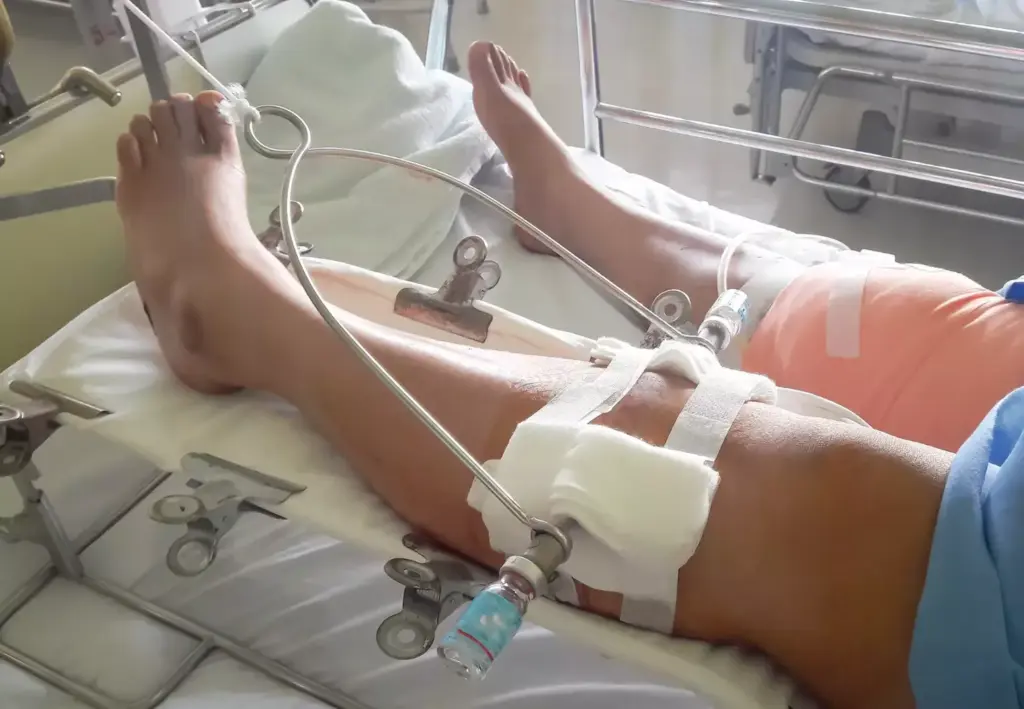
Knee replacement recovery is more than just healing. It involves a careful approach to exercise and physical activity. Understanding the procedure, the role of exercise, and the recovery timeline is key.
How a Knee Replacement Works
Knee replacement surgery replaces damaged or arthritic joint surfaces with artificial parts. These parts are made of metal and plastic. The goal is to restore function, reduce pain, and improve life quality.
The artificial joint is designed to last but can face stress. Certain activities can harm it. We’ll discuss these activities later. For now, it’s important to manage the new joint carefully during recovery.
The Importance of Proper Exercise After Surgery
Exercise is vital after knee replacement surgery. It helps regain strength, improve range of motion, and reduce stiffness. But, it’s also important to avoid overexertion and harmful activities.
We suggest a balanced exercise plan. It should include gentle stretching, strengthening, and gradual progression to more challenging activities. This balanced approach supports healing and aims for the best surgery outcomes.
Timeline for Returning to Physical Activity
The time to return to physical activity varies. Patients can start with gentle exercises soon after surgery. They can then increase intensity and range of motion as the knee heals.
Following your healthcare team’s advice is essential. They can tailor guidance based on your progress and health. Most patients can do light activities in 6-12 weeks. But, full recovery and strenuous activities may take months.
Can You Damage a Knee Replacement With Too Much Exercise?
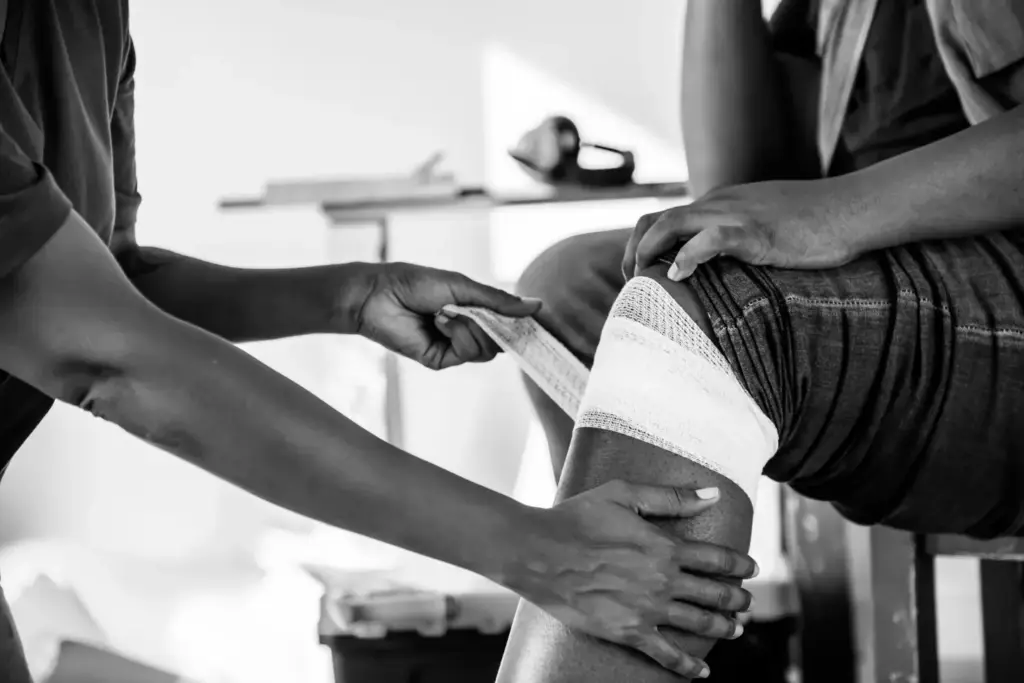
Physical activity is key for healing after knee surgery. But too much can be harmful. It’s important to find the right balance to avoid damaging your new knee.
How Excessive Activity Affects Your Prosthesis
Too much activity can stress your new knee too much. This can cause wear and tear or loosen the implant. High-impact activities are extra risky because they can harm the bone-implant connection.
It’s important to know how your knee replacement works. It’s made to move like a healthy knee, but it’s not perfect.
Signs You May Be Overexerting Your New Knee
Knowing when you’re pushing too hard is key. Look out for:
- Increased pain or swelling around the knee
- Reduced range of motion
- Instability or feeling of the knee “giving way”
If you notice these signs, talk to your doctor. They can help you adjust your workout plan.
Long-term Consequences of Overtraining
Too much exercise can harm your knee in the long run. It can wear out the prosthesis faster, increase the need for more surgery, and cause chronic pain. A study shows the importance of balanced exercise:
| Exercise Level | Risk of Complications | Recovery Time |
|---|---|---|
| Low | Low | Longer |
| Moderate | Moderate | Optimal |
| High | High | Variable |
Finding the right balance is essential for a good recovery and long-term success of your knee replacement.
1. Running and Jogging: High-Impact Stress on Your New Joint
Running and jogging can be risky for a new knee joint after surgery. These activities put a lot of stress and impact on the knee. This can harm the new joint’s longevity and function.
The Science Behind Impact Forces
Running or jogging makes our knees absorb big impact forces, often more than our body weight. This impact can wear down the artificial parts of the knee replacement. Studies show that high-impact activities can increase the risk of the prosthetic parts loosening or wearing out.
The science behind impact forces shows why running and jogging are risky. Each step in running sends a force through the lower body to the knee. This force can be up to 3-4 times our body weight, stressing the knee replacement a lot.
Why Even Light Jogging Can Be Problematic
Even light jogging can be risky because it involves repetitive impact on the knee. Some think light jogging is safe because it’s less intense. But, any jogging or running can harm a knee replacement.
Key concerns with jogging after knee replacement include:
- Increased risk of prosthetic loosening
- Potential for wear and tear on the artificial joint components
- Risk of injury to surrounding soft tissues
Safer Alternatives for Cardiovascular Fitness
While running and jogging might not be good after knee replacement surgery, there are safer options. Activities like cycling, swimming, or using an elliptical machine can work out your heart without the impact of running and jogging.
We suggest trying these alternatives to keep your heart healthy while protecting your knee replacement. It’s important to talk to your healthcare provider or physical therapist. They can help create a workout plan that fits your fitness goals and keeps your knee replacement safe.
2. Heavy Weight Lifting: Risks to Your Prosthesis
Heavy weight lifting can be risky for those with knee replacements. Strength training is key in recovery, but some lifts can harm the prosthetic. We’ll look at the dangers of heavy lifting after knee surgery and safer ways to stay strong.
Weight Limitations After Knee Replacement
Patients with knee replacements should avoid heavy lifting early on. The safe weight varies by prosthesis type, surgery method, and health. Usually, lifting 20-25 pounds (9-11 kg) is okay for the first few months.
Specific Lifting Exercises to Avoid
Some exercises are too risky after knee surgery. These include:
- Deep leg press: This can stress the knee joint too much.
- Heavy squats: While safe squats exist, heavy ones can harm the prosthesis.
- Leg extensions with heavy weights: These can also stress the knee replacement.
Modified Strength Training Approaches
There are safer ways to build strength. These include:
- Low-weight, high-repetition exercises: These improve strength without too much strain.
- Resistance band exercises: Bands are safe and effective for knee muscle strengthening.
- Body-weight exercises: Properly done body-weight squats can be helpful.
In summary, while lifting is good for recovery, avoid heavy lifting and high-risk exercises. Modified strength training helps keep muscles strong and supports the prosthetic’s life span.
3. Deep Squats and Lunges: Excessive Joint Pressure
Deep squats and lunges can be tough on a knee replacement. They involve bending the knee more than 90 degrees. This can stress the soft tissues and the prosthetic joint.
Why These Movements Strain Your New Knee
Deep squats and lunges put a lot of stress on the knee. This is a big problem for people with a knee replacement. The prosthetic joint might not handle the forces from these movements well.
The knee feels a lot of strain for several reasons:
- The degree of knee flexion
- The weight-bearing load on the knee
- The alignment of the prosthetic components
The Biomechanics of Knee Stress During Squatting
The biomechanics of knee stress during squatting is complex. It involves the bones, ligaments, and the prosthetic components. As the knee bends, the forces on the joint go up, mainly in the patellofemoral and tibiofemoral compartments.
Key factors contributing to knee stress during squatting include:
- Knee flexion angle: Greater flexion increases the stress on the knee joint.
- Weight-bearing: The more weight-bearing load, the greater the stress.
- Movement speed: Faster movements can generate higher impact forces.
Modified Lower Body Exercises
While deep squats and lunges are tricky, there are safer alternatives. These include:
- Straight leg raises to strengthen the quadriceps
- Wall squats with limited depth
- Step-ups using a low step
These exercises help keep the lower body strong and flexible. They do this without too much pressure on the knee replacement.
4. High-Impact Sports: Basketball, Tennis, and Soccer
Playing sports like basketball, tennis, and soccer can be tough after knee surgery. These games require quick stops, sharp turns, and a lot of knee action. This can harm the artificial knee over time.
The Dangers of Sudden Stops and Direction Changes
High-impact sports often mean sudden stops and quick turns. These can put too much stress on the knee replacement. This stress can wear down the prosthetic parts, leading to problems like loosening or damage.
A study in the Journal of Arthroplasty showed that these activities raise the risk of knee replacement failure. Here’s a table with findings from several studies on the effects of high-impact sports on knee replacements.
| Study | Activity | Risk Level |
|---|---|---|
| Journal of Arthroplasty, 2018 | Basketball | High |
| Orthopedic Clinics of North America, 2020 | Tennis | Moderate to High |
| American Journal of Sports Medicine, 2019 | Soccer | High |
Torsional Forces and Their Effect on Knee Replacements
Torsional forces, from twisting motions, can also risk knee replacements. These forces can make the prosthetic loosen or get out of place. This can cause pain and reduce how well the knee works.
Lower-Impact Sports to Consider Instead
If you love staying active, there are safer sports to try. Swimming, cycling, and golf are great for exercise without the stress of high-impact sports. We suggest these alternatives to keep fit while protecting your knee replacement.
5. Jumping Activities and Plyometrics
After knee replacement surgery, it’s important to know the risks of jumping and plyometrics. These activities can stress your new knee joint too much. This could lead to serious problems.
Landing Forces and Their Effect on Your Knee Replacement
Jumping and landing can be hard on your knee. The impact goes through your knee joint. This can be a problem for people with a knee replacement.
The prosthetic joint is made to handle everyday wear and tear. But too much impact can cause it to loosen or get damaged. Studies show that jumping a lot can increase the chance of implant failure or needing another surgery.
Jumping involves a lot of force when you land. This force can be several times your body weight. For people with knee replacements, this is a big concern. Their prosthetic might not be made to handle such forces.
Why Box Jumps and Jump Training Are Particulary Risky
Box jumps and jump training are high-risk for knee replacement patients. They involve explosive movements and quick, hard landings. These can stress the prosthetic joint and the bone and tissue around it.
The risks of box jumps and jump training include:
- Increased risk of implant loosening or failure
- Potential for periprosthetic fractures (fractures around the implant)
- Excessive wear on the prosthetic components
Non-Jumping Alternatives for Fitness
Even without jumping, you can stay fit and healthy after knee replacement surgery. Try low-impact exercises like:
- Cycling: Stationary cycling or using a recumbent bike is a great way to improve cardiovascular fitness without high-impact stress on your knee.
- Swimming or water aerobics: These activities provide excellent cardiovascular benefits while minimizing joint stress.
- Elliptical trainer: This machine simulates running without the high-impact landings, making it a safer alternative.
It’s important to talk to your healthcare provider or a physical therapist. They can help create a fitness plan that’s right for you after knee replacement surgery.
6. Hiking on Uneven Terrain and Inclines
After knee replacement surgery, uneven terrain and inclines can be tough. Hiking is great for enjoying nature and staying active. But, the new knee joint might face extra stress from uneven surfaces and steep slopes.
Stability Challenges for Artificial Joints
Artificial knee joints are made to be stable and supportive. Yet, uneven forces on hikes can test them. “The stability of a knee replacement is key, even more so on uneven terrain,” as it affects how long and well the prosthesis works.
It’s important to think about how artificial joints handle uneven surfaces. The prosthetic knee tries to move like a real one. But, it can’t control movements or absorb shocks as well as a natural knee.
How Uneven Surfaces Create Unpredictable Forces
Hiking on uneven terrain can make knee joint forces unpredictable. Inclines and declines can make the knee bend in ways that might stress the prosthesis.
For example, going down a steep slope can make the knee bend more than usual. This can put extra stress on the artificial joint. Going up can also put more weight on the knee, straining the prosthetic parts.
Key factors that contribute to these challenges include:
- The angle and steepness of the incline
- The unevenness of the terrain
- The individual’s overall muscle strength and balance
Safer Walking and Hiking Options
It’s not a must to avoid hiking after knee replacement. But, we suggest safer options to protect the new knee joint.
Choosing trails with smoother surfaces and gentle inclines can help. Using trekking poles can also improve stability and offer extra support.
“Using trekking poles can significantly reduce the strain on your knee by redistributing some of the weight and impact to your arms and the poles themselves.”
Consider low-impact, controlled walking and hiking spots like treadmills or flat paths. These places let you stay active while avoiding uneven terrain risks.
7. High-Risk Activities: Skiing, Skating, and Rollerblading
Skiing, skating, and rollerblading are high-risk for those with knee replacements. These sports involve fast speeds and falls. They also put stress on the new joint from twisting motions.
Fall Risks and Torsional Forces
Falls can be very dangerous for knee replacement patients. The impact from a fall might harm the prosthesis or the bone and tissue around it. Torsional forces, or twisting motions, can also stress the knee replacement. This stress can cause the implant to loosen or fail over time.
Torsional forces are a significant concern because they can make the implant move in ways not typical for normal knee movement. This can lead to complications.
Why Balance-Dependent Activities Pose Special Concerns
Activities like skiing, skating, and rollerblading are risky because they require balance and coordination. Patients with knee replacements may have changed biomechanics. This can affect their balance and increase the risk of falls.
Maintaining Balance and Coordination Safely
To stay balanced and coordinated after knee replacement, patients can do exercises to improve stability and strength. This might include standing on one leg or using a balance board. Strengthening the muscles around the knee is also important.
It’s key for patients to gradually return to physical activities. They should follow a rehabilitation program designed by their healthcare provider or physical therapist. This helps them regain strength and stability safely.
8. Excessive Walking Without Proper Progression
Knee replacement patients often ask how much walking is too much. They want to regain their strength and mobility. Walking is key to recovery, but too much too soon can harm the new joint.
Can Too Much Walking Damage a Knee Replacement?
Walking too much without proper progression can risk a knee replacement. The constant stress and impact can wear down the prosthetic parts. This can lead to loosening or damage over time.
Studies show that too much activity, like excessive walking, can raise the risk of prosthetic failure. This is more common in younger patients or those who are very active. But, it doesn’t mean you should stop walking. Instead, follow a gradually progressive walking program to stay safe.
Signs You’re Overdoing Your Walking Routine
Knowing when you’re walking too much is important after knee replacement surgery. Look out for these signs:
- Increased pain or discomfort in the knee or surrounding areas
- Swelling or inflammation that persists or worsens over time
- Instability or feeling like the knee is giving way
- Noticeable decrease in range of motion
If you notice any of these symptoms, talk to your healthcare provider or physical therapist. They can help adjust your walking routine.
Building Walking Endurance Safely
To safely build walking endurance after knee replacement, start with short walks. Gradually increase the distance and intensity over time. Remember to include rest days and listen to your body. Pushing through pain can harm your recovery.
A good walking program should include:
- Initial short walks (5-10 minutes) with frequent breaks
- Gradual increase in walking duration and frequency
- Incorporation of strengthening exercises for the surrounding muscles
- Proper footwear and walking technique
By following these steps and working with your healthcare team, you can create a safe walking routine. This will support your recovery and long-term joint health.
9. Kneeling and Prolonged Bending Activities
It’s important to know how kneeling and bending affect a knee replacement. These actions can put a lot of pressure on the prosthesis and the tissues around it. This can lead to problems.
Pressure Points on Your Prosthesis
Kneeling and bending can cause pressure points on the knee replacement. This pressure can make the prosthesis wear out faster. It can also cause the implant to loosen over time.
Key areas affected by kneeling and bending include:
- The anterior (front) portion of the knee replacement, which can experience increased stress during deep bending.
- The patellofemoral joint, where the kneecap meets the femoral component, which can be subjected to abnormal forces during kneeling.
Gardening and Household Activities That May Cause Problems
Some gardening and household tasks involve kneeling or bending. These can be hard on the knee after surgery. Activities like gardening, cleaning floors, or doing laundry may stress the knee replacement.
| Activity | Potential Risk | Adaptation |
|---|---|---|
| Gardening | Kneeling and bending can stress the knee replacement. | Use raised garden beds or long-handled tools. |
| Floor cleaning | Kneeling or bending to clean can put pressure on the knee. | Use a mop with a long handle or a cleaning robot. |
| Laundry | Bending to load or unload the washing machine can be stressful. | Use a laundry sorter or a washing machine with a higher loading door. |
Adaptations for Daily Activities
To avoid problems with kneeling and bending, patients can make some changes. Using tools that help, changing how tasks are done, and using ergonomic principles can help. This reduces stress on the knee replacement.
For example, using a gardening stool or raised garden beds can eliminate the need for kneeling. Using long-handled cleaning tools can also reduce bending or kneeling.
By making these changes, patients can protect their knee replacement. They can enjoy a more comfortable and active life.
10. Repetitive Impact Activities: Step Aerobics and Jump Rope
Many patients worry about the impact of certain activities on their knee replacements after surgery. Step aerobics and jump rope are great for your heart but can harm artificial joints.
Cumulative Stress on Your Knee Replacement
Activities with repetitive impact can stress your knee replacement over time. Each move adds strain to the prosthesis and the bone and tissue around it. This can cause wear and tear, leading to loosening or other issues.
We know keeping your heart healthy is important. But for those with knee replacements, it’s key to balance this with avoiding damage to the prosthesis.
Why Even Moderate Impact Can Add Up Over Time
Moderate impact activities can be risky if done too much. Step aerobics and jump rope put shock on the knee with each step or jump. While the prosthesis is made to last, too much impact can wear it down faster.
It’s not just intense activities that are a problem. Even low-to-moderate impact activities, done often or for a long time, can stress the knee replacement.
Low-Impact Aerobic Alternatives
There are low-impact aerobic options that are safer for your knee. Swimming, cycling, and using an elliptical machine are great for keeping your heart fit without harming your knee replacement.
- Swimming: Provides a full-body workout with minimal joint impact.
- Cycling: Can be done stationary or on a bike, giving a low-impact cardiovascular workout.
- Elliptical trainer: Mimics running without the high-impact stress on joints.
We suggest talking to your healthcare provider or a physical therapist. They can help create a safe exercise plan for you after knee replacement surgery.
Conclusion: Safe Exercise After Knee Replacement
Understanding safe exercise after knee replacement is key for a good recovery. We’ve talked about exercises to avoid to protect your new knee. These activities can harm your knee joint.
It’s important to know your body’s limits and adjust your workouts. Avoiding activities like running and heavy lifting is vital. This helps prevent damage to your new knee.
Instead, choose low-impact exercises. These keep your heart healthy, build strength, and improve flexibility. They don’t strain your knee too much.
Safe exercise is about finding the right balance. Knowing what to avoid and choosing safe options helps. This way, you can enjoy a healthier, more active life.
What exercises should be avoided after knee replacement surgery?
After knee replacement surgery, avoid high-impact activities. This includes running, jogging, and jumping. Also, steer clear of heavy weight lifting, deep squats, lunges, and high-risk activities like skiing and skating.
Can too much walking damage a knee replacement?
Walking is good after knee replacement surgery. But, too much walking can be harmful. It’s important to build up your walking slowly and watch for signs of overdoing it.
Why are deep squats and lunges problematic after knee replacement?
Deep squats and lunges put too much pressure on the knee. This can strain the prosthesis. Instead, try safer lower body exercises.
What are the risks of heavy weight lifting after knee replacement?
Heavy weight lifting can damage the prosthesis if you lift too much. Avoid certain lifting exercises. Instead, use modified strength training.
Can high-impact sports be played after knee replacement surgery?
No, high-impact sports like basketball and soccer are not safe after knee replacement. They can cause damage to the prosthesis.
How can I maintain cardiovascular fitness after knee replacement surgery?
For a safe workout, try low-impact activities. Cycling, swimming, or using an elliptical machine are good options. They’re easier on the knee.
Are there any specific exercises that can help prevent knee replacement?
Some exercises can’t prevent knee replacement. But, keeping the muscles around the knee strong can help. Try leg press, leg extensions, and leg curls.
What are the signs of overexertion after knee replacement surgery?
Overexertion signs include more pain, swelling, or stiffness in the knee. You might also feel unstable. If you notice these, see a healthcare provider.
Can kneeling and prolonged bending activities cause problems after knee replacement?
Yes, kneeling and bending can harm the prosthesis. Use a kneeler or modify tasks to avoid these risks.
How can I safely progress my exercise routine after knee replacement surgery?
Follow your healthcare provider’s advice. Start with low-impact activities. Gradually increase intensity and duration, watching for signs of overexertion.
What are the long-term consequences of overtraining after knee replacement surgery?
Overtraining can damage the prosthesis over time. This can lead to loosening or failure. Balance your activities with rest and follow your healthcare provider’s guidance.