Last Updated on November 27, 2025 by Bilal Hasdemir

Cancer treatments have greatly improved survival rates. But, their side effects need careful attention. At Liv Hospital, we focus on patient care and advanced standards. We know how important it is to navigate treatment with confidence.
Studies show that up to 80% of patients face at least one big side effect during cancer treatment. Our guide offers expert advice to manage these side effects. We aim to balance medical knowledge with warmth and empathy.
We will look at the top 15 cancer therapy side effects. We’ll also give tips on how to watch for them. This way, patients get the care they need.
Key Takeaways
- Understanding the prevalence of cancer treatment side effects
- Expert insights into managing treatment side effects
- Guidance on navigating cancer therapy with confidence
- Importance of patient-centered care in cancer treatment
- Overview of the top 15 cancer meds side effects
The Reality of Cancer Meds Side Effects
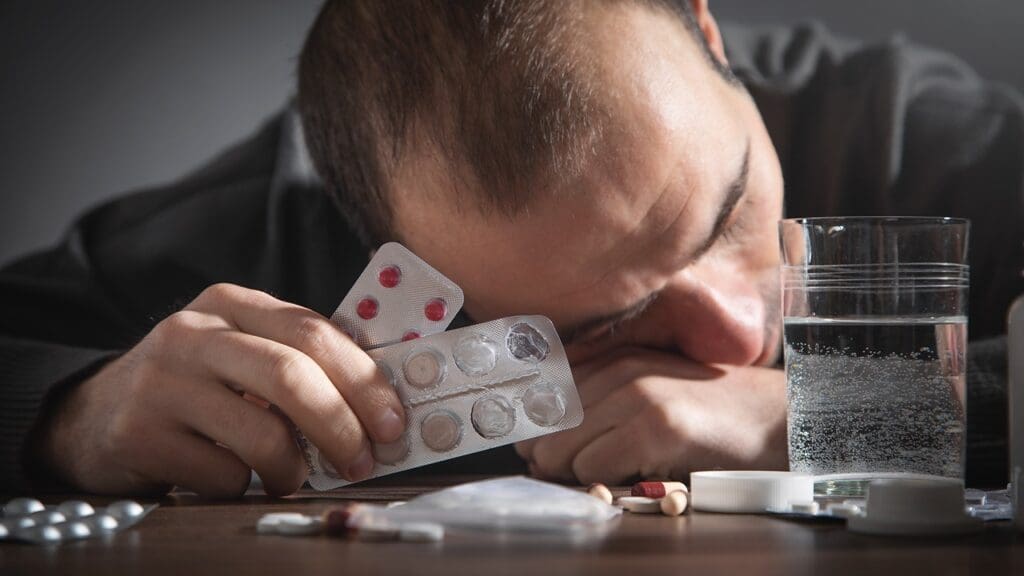
Cancer medications have a big impact on the body. They affect not just cancer cells but also healthy ones. It’s important to understand how these medications work in the body.
How Cancer Medications Affect Healthy Cells
Cancer drugs target fast-growing cancer cells. But, they can also harm healthy cells that grow quickly. This includes cells in the bone marrow, hair follicles, and the digestive tract lining. Side effects can range from fatigue and hair loss to serious issues like anemia and a higher risk of infections.
The 80% Rule: Prevalence in Cancer Patients
Research shows that up to 80% of cancer patients face significant side effects from their treatment. This fact shows how common side effects are in cancer treatment. It’s important for patients to know what to expect.
| Side Effect | Prevalence | Impact on Patients |
|---|---|---|
| Fatigue | 60-90% | Significantly affects daily activities |
| Nausea and Vomiting | 50-80% | Can lead to dehydration and weight loss |
| Hair Loss | 40-100% | Affects self-esteem and body image |
It’s key to understand these side effects to manage them well. Knowing what to expect helps patients deal with the challenges of cancer treatment.
Different Types of Cancer Medications and Their Side Effect Profiles
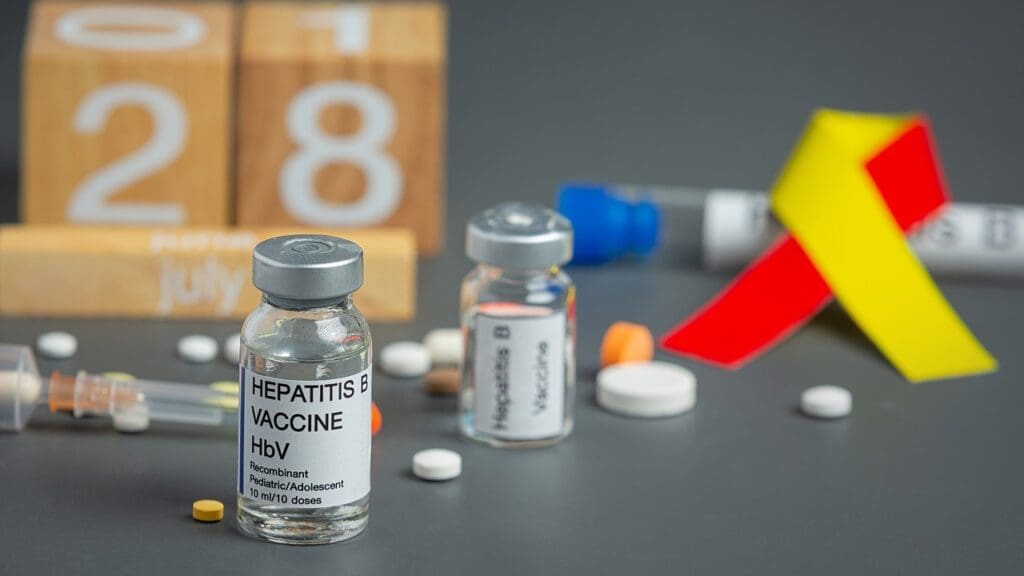
Today, we have many cancer treatments, each with its own side effects. We’ll look at the main types of cancer medications and their side effects. This will help patients know what to expect during treatment.
Chemotherapy Agents
Chemotherapy uses drugs to kill cancer cells. It can cause hair loss, nausea, vomiting, and fatigue. This is because chemotherapy affects not just cancer cells but also healthy cells.
Targeted Therapy Medications
Targeted therapy aims at specific molecules in cancer growth. It usually has fewer side effects than chemotherapy. But, it can lead to skin rashes, diarrhea, and liver problems. The side effects depend on the medication’s target.
Immunotherapy Drugs
Immunotherapy boosts the body’s immune system to fight cancer. Side effects include fatigue, skin rash, and inflammation in different parts of the body. Some patients may need close monitoring for severe side effects.
Hormone Therapy Treatments
Hormone therapy is for cancers that respond to hormones, like some breast and prostate cancers. Side effects are hot flashes, mood changes, and sexual dysfunction. The side effects depend on the type of hormone therapy and the patient’s gender.
Knowing the side effects of these cancer medications helps patients and doctors make better treatment choices. It also helps manage side effects more effectively.
Top 5 Common Cancer Meds Side Effects
Cancer treatments can have big effects on the body, leading to many common side effects. Patients often face symptoms that can really impact their life quality. We’ll look at the top 5 side effects of cancer meds, including their causes, symptoms, and how to manage them.
1. Fatigue and Energy Depletion
Fatigue is a big problem for almost all cancer patients at some point. It’s feeling very tired or weak that makes daily tasks hard. Fatigue comes from many things, like the cancer itself, treatment side effects, and feeling down.
We can fight fatigue by eating well, drinking lots of water, and doing gentle exercises like yoga or short walks. Getting enough rest and adjusting your daily routine can also help a lot.
2. Nausea and Vomiting
Nausea and vomiting are common side effects of many cancer meds. These can cause dehydration, poor nutrition, and a lower quality of life if not handled right. How bad it is can depend on the drug and the person taking it.
To fight nausea, try eating small meals often and avoid foods with strong smells. Medicines like ondansetron can help control nausea and vomiting. Talking to your doctor about any bad or lasting symptoms is key.
3. Hair Loss (Alopecia)
Hair loss is a tough side effect for many cancer patients. It happens because chemotherapy targets fast-growing cells, like hair follicles. How much hair you lose can vary, from thinning to complete baldness.
Even though hair loss is hard, it’s usually temporary. We can offer support by talking about options like scalp cooling devices, which might reduce hair loss. Using gentle hair care products and avoiding heat styling can also help.
4. Decreased Appetite and Weight Changes
Cancer meds can mess with your appetite and metabolism, leading to weight changes. Some people might eat less, while others might gain weight because of water retention or metabolism changes.
To handle appetite changes, eat foods that are full of nutrients and think about taking supplements. Talking to a dietitian can give you advice on how to stay well-nourished during treatment.
| Symptom | Management Strategy |
|---|---|
| Fatigue | Balanced diet, hydration, gentle exercise |
| Nausea/Vomiting | Small meals, anti-nausea medication |
| Hair Loss | Scalp cooling, gentle hair care |
| Appetite Changes | Nutrient-dense foods, dietary consultation |
5. Diarrhea and Constipation
Diarrhea and constipation are common side effects of cancer treatment. These happen because the meds affect the digestive system.
To deal with diarrhea, drink lots of water and eat a bland diet. For constipation, eat more fiber and stay active. Medicines might also be needed to help with these symptoms.
Knowing and managing the side effects of cancer meds is key to better outcomes. By understanding the side effects and using good management strategies, we can improve life quality for those going through cancer treatment.
“The key to managing side effects is early intervention and open communication with your healthcare team.”
Neurological and Cognitive Side Effects to Monitor
Cancer treatments can affect the brain and nervous system deeply. This can lead to various neurological and cognitive issues. It’s vital to know about these side effects to offer the best care.
6. Peripheral Neuropathy: Numbness and Tingling
Some cancer drugs can cause peripheral neuropathy. This condition makes hands and feet feel numb, tingle, and hurt. If you notice these symptoms, tell your doctor right away. They can adjust your treatment to help.
7. Cognitive Impairment (“Chemo Brain”)
“Chemo brain” is when patients struggle with memory, focus, and information processing. Studies show up to 75% of cancer patients on chemo may face these challenges (Livestrong.org). The exact reasons are unclear, but chemo, hormonal shifts, and the cancer itself might play a role.
8. Headaches and Sleep Disturbances
Headaches and sleep issues are common in cancer patients. These can stem from treatment, stress, or anxiety. It’s key to manage these symptoms to keep patients’ quality of life high.
| Side Effect | Symptoms | Management Strategies |
|---|---|---|
| Peripheral Neuropathy | Numbness, tingling, pain in hands and feet | Report symptoms to healthcare team, adjust treatment plans |
| Cognitive Impairment (“Chemo Brain”) | Difficulty with memory, concentration, processing information | Cognitive rehabilitation, stress management |
| Headaches and Sleep Disturbances | Headaches, insomnia, daytime fatigue | Pain management, sleep hygiene practices |
It’s critical to manage neurological and cognitive side effects in cancer care. Knowing about these effects helps patients and doctors work together. This way, they can lessen these issues and improve treatment results.
Blood-Related Side Effects of Cancer Treatment
Cancer treatment can harm the blood, causing many problems. We will look at anemia, neutropenia, and thrombocytopenia, which affect patients’ lives.
9. Anemia and Fatigue
Anemia means not enough red blood cells or hemoglobin. This leads to tiredness, weakness, and shortness of breath. Cancer treatment can damage the bone marrow, where red blood cells are made. Fatigue is a common symptom of anemia, making daily tasks hard.
10. Neutropenia and Increased Infection Risk
Neutropenia is when there are fewer neutrophils, a type of white blood cell. Neutrophils fight infections. A low count means a higher risk of infections. Cancer treatment can lower neutrophil counts. Patients with neutropenia are more likely to get infections, which can be dangerous.
11. Thrombocytopenia and Bleeding Issues
Thrombocytopenia is when there are fewer platelets. Platelets help blood clot. A low count can cause bruising, bleeding gums, and nosebleeds. Cancer treatment can damage the bone marrow, where platelets are made. Patients with thrombocytopenia should avoid injuries to prevent bleeding.
| Blood-Related Side Effect | Description | Consequences |
|---|---|---|
| Anemia | Lack of red blood cells or hemoglobin | Fatigue, weakness, shortness of breath |
| Neutropenia | Low neutrophil count | Increased infection risk |
| Thrombocytopenia | Low platelet count | Bleeding issues, bruising |
It’s important to know about these blood-related side effects. This knowledge helps manage and reduce their impact. By understanding these complications, patients can work with their healthcare team to improve their quality of life.
Skin and Mucous Membrane Reactions
Cancer treatment can lead to skin and mucous membrane side effects. These can greatly affect a patient’s life during treatment. We will look at common reactions, their causes, and symptoms.
12. Skin Rashes, Dryness, and Photosensitivity
Skin reactions are common side effects of some cancer drugs. Skin rashes can be due to allergies or treatment sensitivity. Dry skin, or xerosis, often causes itching.
Photosensitivity, or increased sun sensitivity, can also happen. This makes patients more likely to get sunburned. To deal with these issues, patients should use gentle skin care, avoid too much sun, and wear protective clothes.
13. Mucositis and Mouth Sores
Mucositis is inflammation of mucous membranes, often in the mouth and gut. It can cause painful mouth sores, making it hard to eat and drink. It’s a common side effect of chemotherapy and radiation, mainly when targeting the head and neck.
To ease symptoms, keep good oral hygiene, use topical anesthetics, and eat soft, bland foods.
For more info on managing side effects, check out Liv Hospital. They offer detailed guidance on cancer care.
Knowing about these side effects helps patients prepare for treatment. They can work with their healthcare team to reduce discomfort.
Serious Cancer Meds Side Effects Requiring Immediate Attention
Knowing the serious side effects of cancer treatment can really help patients. Cancer drugs aim to kill cancer cells but can harm healthy cells too. Some side effects are severe and need quick medical help to avoid serious problems.
14. Cardiovascular Complications
Certain cancer drugs can harm the heart and blood vessels. This can lead to serious heart problems.
Heart Damage and Rhythm Abnormalities
Some treatments can damage the heart muscle. This might cause heart failure or cardiomyopathy. Also, some drugs can mess with the heart’s rhythm, causing arrhythmias.
Blood Pressure Changes
Cancer treatments can change blood pressure. Some might have high blood pressure, while others might have low blood pressure. It’s important to check blood pressure often during treatment.
| Cardiovascular Complication | Symptoms to Watch For | Action to Take |
|---|---|---|
| Heart Damage | Shortness of breath, fatigue, swelling in legs | Contact your healthcare provider immediately |
| Rhythm Abnormalities | Palpitations, dizziness, fainting | Seek emergency care if symptoms persist |
| Blood Pressure Changes | Headaches, dizziness, nosebleeds | Monitor blood pressure regularly, report changes to your doctor |
15. Severe Immune Reactions
Severe immune reactions can happen with some cancer treatments, like immunotherapy drugs.
Allergic Responses
Some people might have allergic reactions to cancer drugs. These can be mild or severe. Signs of a severe allergic reaction include trouble breathing, a fast heartbeat, and low blood pressure.
Immune-Related Adverse Events
Immunotherapy can make the immune system attack healthy tissues. This can affect the skin, liver, and stomach.
It’s key for patients to know about these serious side effects. They should talk to their healthcare team right away if they notice any bad symptoms. Quick action can make a big difference in treatment success and quality of life.
Managing and Minimizing Treatment Side Effects
To get the best results, managing cancer treatment side effects is key. We’ll look at ways to lessen these effects. This can make life better for those going through cancer treatment.
Preventive Strategies Before Treatment
Before starting treatment, there are steps to take to reduce side effects. These include:
- Nutritional counseling to keep nutrition on track before, during, and after treatment.
- Oral care to avoid mouth problems and other oral issues.
- Exercise planning to stay active and fight off tiredness.
By taking these steps, patients can handle treatment better.
Supportive Care During Cancer Therapy
Supportive care is very important during treatment. It helps manage side effects. This includes:
- Symptom management with medicine and other methods.
- Emotional support from doctors, family, and support groups.
- Nutritional support to deal with diet-related side effects.
Supportive care helps patients deal with treatment challenges.
When to Contact Your Healthcare Team
Knowing when to ask for help is important. Call your healthcare team if you have:
- Severe or lasting side effects.
- Signs of infection, like fever or chills.
- Unusual bleeding or bruising.
Being proactive and informed can lessen cancer treatment side effects. This can make the treatment experience better.
Conclusion: Balancing Treatment Benefits Against Side Effects
Effective cancer treatment balances therapy benefits and side effects. Cancer meds can cause mild to severe issues. Knowing these side effects is key for better patient care and life quality.
We’ve looked at different cancer drugs, like chemotherapy and immunotherapy. Each has its own side effects. Patients and doctors can work together to lessen these effects.
Managing treatment side effects is vital in cancer care. Preventive steps and supportive care help patients handle treatment better. It’s important to weigh treatment benefits against side effects for the best results.
Understanding and managing cancer treatment side effects improves patient outcomes. This approach helps patients get effective treatment with fewer side effects. It’s all about finding a balance for better care.
FAQ
What are the most common side effects of cancer medications?
Common side effects include fatigue, nausea, and hair loss. Decreased appetite and stomach problems like diarrhea and constipation are also common. These happen because the drugs can harm healthy cells too.
How do different types of cancer medications affect side effect profiles?
Different drugs have different side effects. For example, some cause hair loss and nausea. Others might lead to skin rashes or mood changes. It depends on the type of drug.
What are neurological and cognitive side effects of cancer treatment?
Side effects can include numbness, tingling, and memory problems. Headaches and trouble sleeping are also common. These can be due to the drugs or other treatment effects.
What are the blood-related side effects associated with cancer treatment?
Anemia, low white blood cell count, and low platelet count are common. These can cause fatigue, infections, and bleeding. They are serious and need attention.
How can skin and mucous membrane reactions be managed during cancer treatment?
Use gentle products and avoid too much sun. Stay hydrated to manage skin and mouth issues. Good oral hygiene and topical treatments can help with sores.
What are serious side effects of cancer medications that require immediate attention?
Serious issues include heart problems and severe allergic reactions. Seek help for chest pain, trouble breathing, or severe rashes. These are life-threatening.
How can treatment side effects be minimized and managed?
Use preventive measures and supportive care. Talk to your healthcare team for a plan. This helps manage side effects and improve life during treatment.
What is the importance of balancing treatment benefits against side effects?
It’s key to balance treatment benefits and side effects. Managing side effects helps patients live better during treatment. It ensures they can stick to their treatment plan.
How can patients experiencing side effects of cancer treatment get support?
Contact your healthcare team for help. They can offer guidance and support. Cancer support groups and organizations also provide resources and emotional support.
Are there any long-term side effects of cancer treatment that patients should be aware of?
Yes, treatments can lead to long-term issues like secondary cancers or cognitive problems. Talk to your healthcare provider about your risks. They can help with follow-up care.
References
- American Cancer Society (ACS): https://www.cancer.org/cancer/managing-cancer/treatment-types/chemotherapy/chemotherapy-side-effects.html
- National Cancer Institute (NCI): https://www.cancer.gov/about-cancer/treatment/side-effect
- Cancer Research UK: https://www.cancerresearchuk.org/about-cancer/treatment/cancer-drugs/side-effects
- Centers for Disease Control and Prevention (CDC): https://www.cdc.gov/cancer-survivors/patients/side-effects-of-treatment.html