Last Updated on November 27, 2025 by Bilal Hasdemir
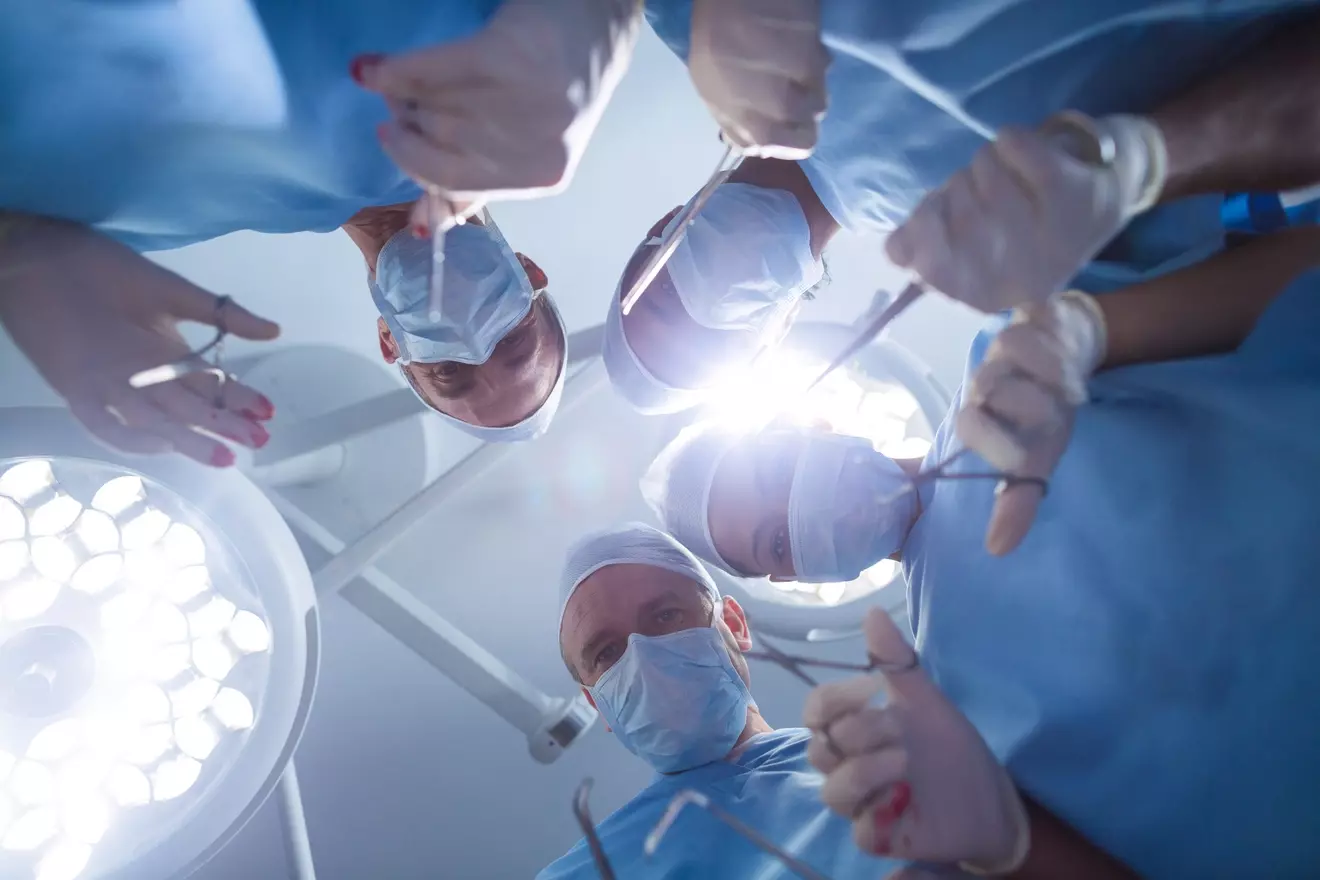
Gynecological surgeries have made big strides, giving women many options for health care. At Liv Hospital, we focus on what’s best for our patients. We make sure they get the safest and most advanced treatments.
We know how vital gynecological surgical procedures are for top-notch healthcare. Now, thanks to new techniques, patients can heal faster and face fewer risks.
Our team is all about giving you the best care. We understand how important these procedures are for women’s health.
Key Takeaways
- Gynecological surgeries have evolved significantly, prioritizing patient safety and recovery.
- Liv Hospital offers a patient-centered approach to gynecological care.
- Minimally invasive techniques reduce risks and recovery times.
- A range of diagnostic and surgical interventions are available for female reproductive health.
- Our team is dedicated to providing world-class healthcare to international patients.
The Evolving Landscape of Women’s Reproductive Health
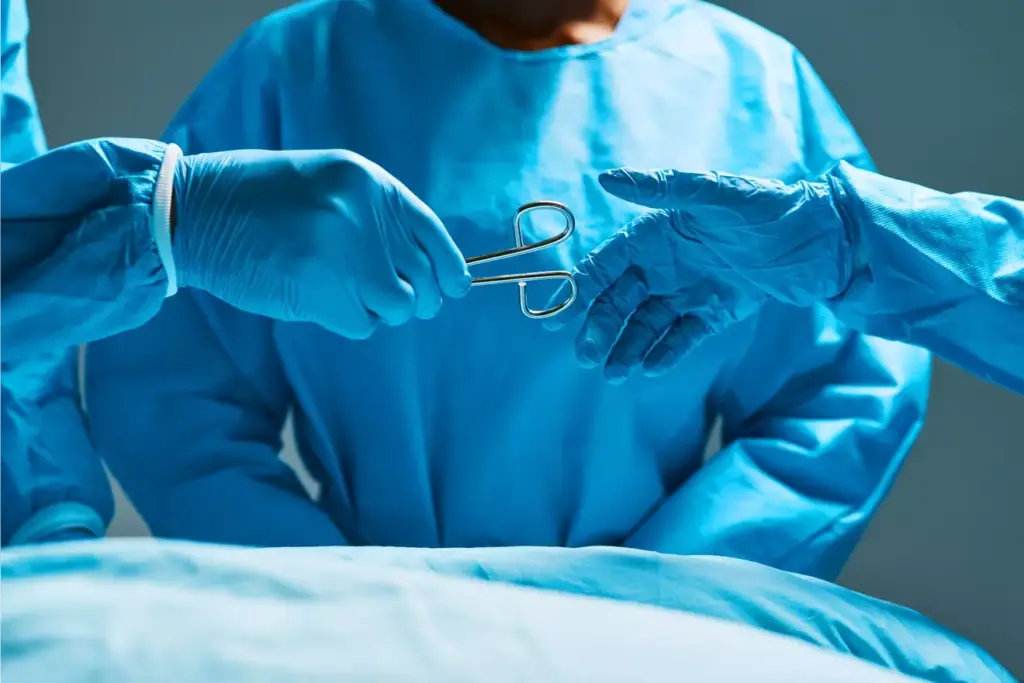
The world of women’s reproductive health is changing fast. New medical tech and changing patient needs are driving this change. Now, care is more personalized, effective, and less invasive.
New obstetric procedures are leading this change. They offer better results and experiences for patients everywhere. These improvements aren’t just in surgery. They also include better diagnostic tools and care after surgery, supporting women fully.
- Minimally invasive surgical techniques that reduce recovery time and scarring
- Advanced diagnostic tools that enable early detection and treatment of reproductive health issues
- Personalized treatment plans tailored to individual patient needs and medical histories
- Enhanced patient education and support programs to improve health literacy and outcomes
These changes are making a big difference in obstetrics and gynecology. Healthcare providers can now offer more effective and caring care. We keep working to make obstetric procedures and ob gyn procedures better. Our goal is to improve women’s health all over the world.
By adopting these new changes, we’re not just making care better. We’re also making the care environment more supportive and welcoming. This shift in women’s reproductive health care shows the power of medical innovation. It also shows our commitment to top-notch healthcare services.
Understanding Common Gyn Procedures and Their Importance
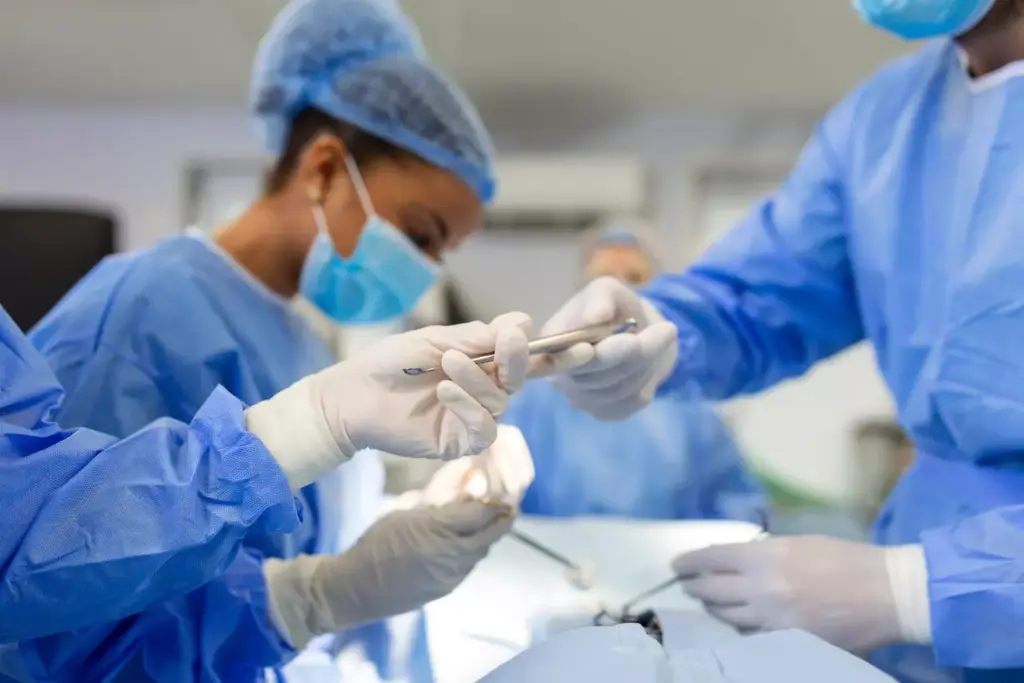
Gyn procedures cover a wide range of tests and treatments. They are key to keeping women’s reproductive health in check. They help tackle various gynecological issues.
These procedures are not just about surgery. They also include tests that spot and manage health problems. Knowing the difference between these types is important for patient care.
Diagnostic vs. Therapeutic Procedures
Diagnostic tests aim to find or confirm a disease or condition. Here are a few examples:
- Ultrasound: It helps see the female reproductive organs.
- Colposcopy: It closely looks at the cervix and vagina.
- Endometrial biopsy: It takes tissue from the uterus lining.
Therapeutic procedures, on the other hand, aim to treat conditions. They can be simple surgeries or complex operations. For example, gynecological surgeries can fix issues like fibroids, endometriosis, and prolapse.
When Surgical Intervention Becomes Necessary
Surgery is needed when other treatments don’t work or when the problem is serious. For instance:
- Severe endometriosis: Surgery might be needed to remove lesions.
- Uterine fibroids: Options like myomectomy or hysterectomy might be considered.
- Pelvic organ prolapse: Surgery can fix the problem.
Choosing surgery is a big decision. It’s made after talking it over with healthcare providers. Patients need to know the risks, benefits, and other options.
Understanding gyn procedures helps patients make better health choices. We aim to give care that meets each patient’s unique needs.
Uterine Procedures: Treating Fibroids and Abnormal Bleeding
Uterine procedures have changed how we treat fibroids and abnormal bleeding. These issues can cause a lot of pain and distress. It’s important to find the right treatment for each woman.
Uterine procedures help with many gynecological problems. Hysterectomy and myomectomy are key in treating fibroids and bleeding. Let’s look at each one closely.
Hysterectomy: Complete and Partial Options
A hysterectomy removes the uterus. It’s used for fibroids, bleeding, and some cancers. There are total and partial hysterectomies, depending on the situation.
“Hysterectomy is a top choice for severe fibroids and bleeding,” says specialist doctor “It’s a big decision, considering health and future plans.”
Myomectomy: Preserving Fertility While Removing Fibroids
Myomectomy removes fibroids but keeps the uterus. It’s key for women wanting to keep their fertility. The surgery method depends on the fibroids’ size and location.
Preserving fertility is a big deal for us. Myomectomy is a good choice for those wanting to conceive later. It’s a big factor in choosing a uterine procedure.
In summary, procedures like hysterectomy and myomectomy are essential for treating fibroids and bleeding. Knowing the options and the importance of fertility helps women make better health choices.
Essential Minimally Invasive Gyn Procedures
We’re seeing big changes in gynecology with the rise of minimally invasive procedures. These methods are changing how we treat women’s health issues. They offer quicker recovery times and lower risks.
These procedures are becoming more popular because of their benefits. They cause less pain after surgery and keep patients in the hospital for less time. Studies show laparoscopic procedures lead to less pain and shorter stays than open surgery.
Diagnostic Laparoscopy: Window to Reproductive Health
Diagnostic laparoscopy is key in gynecology. It lets us see the reproductive organs and find issues like endometriosis and ectopic pregnancies. We make small cuts in the belly to put in a laparoscope, which shows images on a screen.
Benefits of Diagnostic Laparoscopy:
- Accurate diagnosis of reproductive health issues
- Minimally invasive, reducing recovery time
- Ability to assess the extent of certain conditions
Operative Laparoscopy: Treating Conditions with Minimal Invasion
Operative laparoscopy goes beyond just looking. It lets surgeons treat problems during the same visit. This can include removing cysts or doing hysterectomies.
The advantages of operative laparoscopy include:
- Less post-operative pain
- Shorter hospital stays
- Faster return to normal activities
Recovery and Advantages Over Open Surgery
One big plus of minimally invasive procedures is how fast patients recover. They usually feel less pain and can get back to their routine sooner than with open surgery.
| Procedure | Recovery Time | Post-operative Pain |
|---|---|---|
| Laparoscopic Surgery | 1-3 weeks | Mild to Moderate |
| Open Surgery | 6-12 weeks | Moderate to Severe |
As we keep improving in gynecology, these minimally invasive methods will stay important. They give our patients the best results with less discomfort and less time off work.
Endometrial and Uterine Cavity Treatments
Women’s reproductive health often needs precise treatments. Endometrial ablation and hysteroscopy are key for many conditions. They help treat issues in the uterine cavity and endometrium.
6. Endometrial Ablation for Heavy Menstrual Bleeding
Endometrial ablation treats heavy menstrual bleeding by removing the uterine lining. It’s for women with bleeding that affects their daily life.
There are different ways to do this, like thermal balloon, radiofrequency, or cryoablation. The choice depends on the patient and the doctor’s advice.
7. Hysteroscopy: Visualization and Treatment
Hysteroscopy lets doctors see inside the uterus. They use a hysteroscope through the cervix for a clear view.
This method is both for checking and treating problems. It helps remove polyps, fibroids, or adhesions. It’s great for women with bleeding issues, infertility, or miscarriages.
Doctors often choose hysteroscopy for its accuracy and minimal invasiveness. It’s a top choice for many patients.
Endometrial ablation and hysteroscopy are big steps in treating uterine issues. Knowing about them helps women make better choices for their health.
Cervical Health Procedures
We stress how important cervical health procedures are. They help prevent cancer and keep women healthy. These procedures check and treat problems in the cervix.
8. LEEP Procedure for Abnormal Cervical Cells
The Loop Electrosurgical Excision Procedure (LEEP) removes abnormal cells from the cervix. This method is both for checking and treating these cells. Doctors can look at the removed tissue for cancer and treat the area at the same time.
LEEP is used when a Pap smear finds abnormal cells. It uses a thin wire loop heated by electricity to remove the tissue. LEEP is precise, which helps avoid harming healthy tissue, making it safe and effective.
9. Colposcopy and Cervical Biopsies for Cancer Screening
Colposcopy is a tool to closely look at the cervix, vagina, and vulva for diseases. A special microscope called a colposcope is used to see the cells of the cervix. This lets doctors see more than with just the eye.
If a colposcopy finds something suspicious, a cervical biopsy might be done. This takes a small tissue sample from the cervix for a closer look. Cervical biopsies are key for finding pre-cancerous lesions and early cervical cancer. They help start treatment early.
Doctors say colposcopy and cervical biopsies are key for finding cancer early. They help improve treatment results and patient outcomes.
Ovarian and Fallopian Tube Interventions
Surgical procedures on the ovaries and fallopian tubes help treat many reproductive issues. These treatments address problems like ovarian cysts and damage to the fallopian tubes. Such issues can greatly affect a woman’s life quality and ability to have children.
Ovarian Cystectomy and Cancer Prevention
Ovarian cystectomy removes cysts from the ovaries but keeps the healthy tissue around them. It’s key for women who want to keep their fertility. This surgery also helps prevent cancer by removing risky cysts.
The benefits of ovarian cystectomy are:
- It keeps the ovaries working and helps with fertility.
- It removes cysts that could turn cancerous.
- It lowers the chance of the ovaries twisting or bursting.
Tubal Ligation and Modern Sterilization Approaches
Tubal ligation, or “getting one’s tubes tied,” is a way to prevent pregnancy. It blocks or cuts the fallopian tubes. We talk about new, less invasive ways to do this, which make recovery faster and leave less scar.
Key aspects of tubal ligation include:
- It’s very effective as a permanent birth control method.
- New, minimally invasive methods like laparoscopic tubal ligation.
- It’s for women who don’t want more children.
Understanding these surgeries helps women make better choices about their reproductive health. We aim to give full care and support to those going through these procedures.
Pelvic Floor Reconstruction and Support
We understand how important pelvic floor reconstruction is for women’s health. Issues like pelvic organ prolapse and urinary incontinence can really affect daily life. They can make everyday activities harder and impact overall happiness.
12. Pelvic Organ Prolapse Repair Techniques
Pelvic organ prolapse happens when the muscles and tissues around the pelvic organs get weak. This causes the organs to drop into the vagina. Pelvic organ prolapse repair techniques work to fix this and get things back to normal.
There are different ways to repair prolapse, including:
- Vaginal prolapse repair, which is less invasive and often preferred for its quicker recovery time.
- Laparoscopic or robotic-assisted surgery, which offers precision and minimal scarring.
- Sacrocolpopexy, a procedure that attaches the prolapsed organ to the sacrum.
Each method has its own benefits and when to use them depends on the case and what the patient prefers.
13. Surgical Solutions for Urinary Incontinence
Urinary incontinence is another common issue that surgery can help with. Surgical solutions for urinary incontinence include:
- Midurethral sling procedures, which support the urethra.
- Botox injections into the bladder muscle to reduce overactivity.
- Sacral neuromodulation, a therapy that regulates bladder function.
These surgeries aim to improve bladder control and lessen incontinence symptoms.
Pelvic floor reconstruction and support are key for treating pelvic organ prolapse and urinary incontinence. Knowing about the different surgical options helps patients make better choices for their care.
Critical Obstetric Surgical Procedures
Obstetric surgery includes important procedures like cesarean deliveries and surgeries for ectopic pregnancies. These surgeries are lifesaving and need great skill. We will look at cesarean sections and ectopic pregnancy surgeries, covering when they are needed, how they are done, and how they are managed.
Cesarean Section: Indications and Techniques
A cesarean section, or C-section, is a surgery to deliver a baby through the abdomen and uterus. It’s used when a vaginal delivery is not safe for the mother or baby.
Indications for Cesarean Section:
- Fetal distress or abnormal heart rate
- Multiple pregnancies (twins, triplets, etc.)
- Previous uterine surgery or cesarean section
- Preeclampsia or other complications
To perform a cesarean section, a careful incision is made in the abdomen and uterus. The surgery is usually done under regional anesthesia, like a spinal or epidural block.
| Procedure | Key Steps | Benefits | |||
|---|---|---|---|---|---|
| Cesarean Section | 1. Incision in abdomen and uterus | 2. Delivery of the baby | 3. Closure of incisions | 1. Safe delivery in complicated pregnancies | 2. Reduced risk of birth complications |
Ectopic Pregnancy Surgery and Management
An ectopic pregnancy happens when a fertilized egg implants outside the uterus, often in a fallopian tube. Surgery is needed for ectopic pregnancies, mainly if they are diagnosed late or at risk of rupture.
Surgical Management of Ectopic Pregnancy:
- Laparoscopic surgery: Minimally invasive procedure to remove the ectopic pregnancy
- Laparotomy: Open surgery in cases of severe bleeding or rupture
Quick action is key to manage ectopic pregnancy and prevent complications. Our medical experts stress the importance of early diagnosis and proper surgery.
In conclusion, surgeries like cesarean sections and ectopic pregnancy surgeries are critical for the health of mothers and babies. Knowing when and how to perform these surgeries is vital for healthcare providers.
Comprehensive Endometriosis Management
Managing endometriosis is complex. It needs a mix of medical and surgical treatments. Each patient’s case is different, so we tailor our treatment plans.
Surgical Excision vs. Ablation Approaches
There are two main surgical methods for endometriosis: excision and ablation. Surgical excision removes the lesions, aiming for a more lasting fix. Ablation uses heat or laser to destroy the implants. The choice depends on the disease’s extent, location, and the patient’s health and fertility goals.
Let’s look at the main differences between these methods:
| Aspect | Surgical Excision | Ablation |
|---|---|---|
| Method | Removal of endometriotic lesions | Destruction of endometrial implants using heat or laser |
| Effectiveness | Potentially more definitive by removing the source | Effective for symptom relief, but may not remove all lesions |
| Recovery Time | Generally longer due to the invasive nature | Often shorter, as it’s less invasive |
Integrated Medical and Surgical Strategies
Managing endometriosis often means combining medicine and surgery. Medicine can help reduce symptoms and slow the disease. Surgery, like excision or ablation, can offer more relief.
A team approach is key in treating endometriosis. This team includes gynecologists, pain specialists, and mental health experts. They work together to tackle the disease’s many challenges.
By mixing medical and surgical treatments, we provide better care for endometriosis patients. Our focus is on the individual, making sure treatments fit each person’s needs and goals.
Patient Preparation and Recovery for Gynecological Surgery
The journey to recovery from gynecological surgery starts before the surgery. We focus on pre-operative counseling and post-operative care. Our goal is to ensure the best outcomes for our patients.
Pre-operative Counseling and Expectations
Pre-operative counseling is key. We give patients all the details about the procedure. This includes risks and benefits, and what to expect during recovery.
Key aspects of pre-operative counseling include:
- Explanation of the surgical procedure and its objectives
- Discussion of possible risks and complications
- Instructions on what to do before surgery, like diet and meds
- Guidance on post-operative care, including pain management and follow-ups
We aim to make our patients feel ready and confident for their surgery.
Post-operative Care and Healing Timeline
Post-operative care is vital for a smooth recovery. Our team gives detailed instructions on managing pain and recognizing complications. We also stress the importance of follow-up appointments.
“A well-planned recovery is just as important as the surgery itself,” says a leading gynecological surgeon. “By following our post-operative care guidelines, patients can minimize the risk of complications and achieve the best possible outcomes.”
The healing time varies based on the surgery and patient factors. Most women can get back to normal in a few weeks. But, full recovery might take longer. It’s important to follow our specific guidance for the best healing.
Post-operative care typically includes:
- Pain management strategies
- Wound care and monitoring for signs of infection
- Gradual return to normal activities
- Follow-up appointments to assess recovery progress
We support our patients from start to finish. This ensures the best outcomes and a return to optimal health.
Technological Advancements in Gynecological Surgery
New technologies are changing gynecological surgery for the better. They bring more precision and better results for patients. Now, we see more advanced and less invasive surgeries.
Robotic-Assisted Procedures and Precision Medicine
Robotic surgery is a big leap forward in gynecology. It lets surgeons do complex tasks with high accuracy and less invasion. Common surgeries like hysterectomies and myomectomies are now done with robots. This means less blood loss, fewer complications, and quicker healing.
Key Benefits of Robotic-Assisted Surgery:
- Enhanced precision and dexterity
- Minimally invasive, reducing scarring and recovery time
- Improved visualization of the surgical site
- Reduced risk of complications
Emerging Techniques and Future Innovations
Gynecological surgery is always getting better, with new methods showing great promise. Precision medicine is key, tailoring treatments to each patient’s genes.
| Innovation | Description | Potential Impact |
|---|---|---|
| Precision Medicine | Tailoring treatment to individual genetic profiles | Improved treatment efficacy and reduced side effects |
| 3D Printing in Surgery | Creating customized surgical models and implants | Enhanced surgical planning and personalized patient care |
| Artificial Intelligence | Assisting in diagnosis and surgical decision-making | Improved diagnostic accuracy and surgical outcomes |
As tech keeps improving, we’ll see even more changes in gynecological surgery. This will lead to better care and more tailored treatments for patients.
Conclusion
Gynecological procedures are key to keeping women’s reproductive health in check. They help manage many conditions that affect daily life. We’ve looked at different procedures, like diagnostic laparoscopy and surgeries like hysterectomy and cesarean section.
Medical experts say it’s important to keep improving gyn procedures. This helps patients get better care and live better lives. As we keep working on new techniques, we can help more women around the world.
Knowing about the different gyn procedures helps women make smart health choices. Healthcare providers can then give them the care they need. We’re dedicated to top-notch healthcare for everyone, including international patients looking for advanced treatments.
FAQ
What are gyn procedures, and why are they important for women’s health?
Gyn procedures are medical treatments for the female reproductive system. They help keep women healthy by treating issues like fibroids and abnormal bleeding.
What is the difference between diagnostic and therapeutic gyn procedures?
Diagnostic procedures, like laparoscopy, find problems in the reproductive system. Therapeutic procedures, such as hysterectomy, fix these problems through surgery.
When is surgical intervention necessary for gyn conditions?
Surgery is needed when other treatments don’t work or when conditions are severe. This includes large fibroids, severe endometriosis, or certain cancers.
What are the benefits of minimally invasive gyn procedures?
These procedures have small incisions, less pain, and quicker recovery. They also have fewer risks than traditional surgery.
What is the role of hysterectomy in treating uterine conditions?
Hysterectomy removes the uterus to treat fibroids, abnormal bleeding, and some cancers. It can be partial or total, depending on the case.
How do endometrial ablation and hysteroscopy address heavy menstrual bleeding?
Endometrial ablation destroys the uterine lining to stop heavy bleeding. Hysteroscopy treats uterine issues like polyps or fibroids that cause bleeding.
What is the significance of the LEEP procedure in cervical health?
LEEP removes abnormal cells from the cervix to prevent cervical cancer. It’s a way to manage cervical dysplasia.
How do ovarian cystectomy and tubal ligation impact reproductive health?
Ovarian cystectomy removes cysts to keep ovaries working and fertility intact. Tubal ligation blocks the fallopian tubes to prevent pregnancy.
What are the benefits of pelvic floor reconstruction and support procedures?
These procedures improve life quality by fixing bladder and bowel control issues. They also support vaginal health.
What is the importance of cesarean section and ectopic pregnancy surgery?
Cesarean section ensures safety in complicated pregnancies. Ectopic pregnancy surgery is urgent to save the mother and baby.
How is endometriosis managed comprehensively?
Managing endometriosis involves surgery and medical treatments. It aims to reduce symptoms and improve life quality.
What are the key aspects of patient preparation and recovery for gyn surgery?
Preparation includes counseling to set expectations. Recovery focuses on post-operative care and follow-up to ensure healing.
How are technological advancements impacting gyn surgery?
Advances like robotic-assisted procedures improve surgery precision and outcomes. New techniques and innovations will further enhance care.
What is the significance of continued advancements in gyn procedures?
Ongoing advancements are key to better patient outcomes and more treatment options. They improve care for women worldwide.