Last Updated on November 25, 2025 by Ugurkan Demir
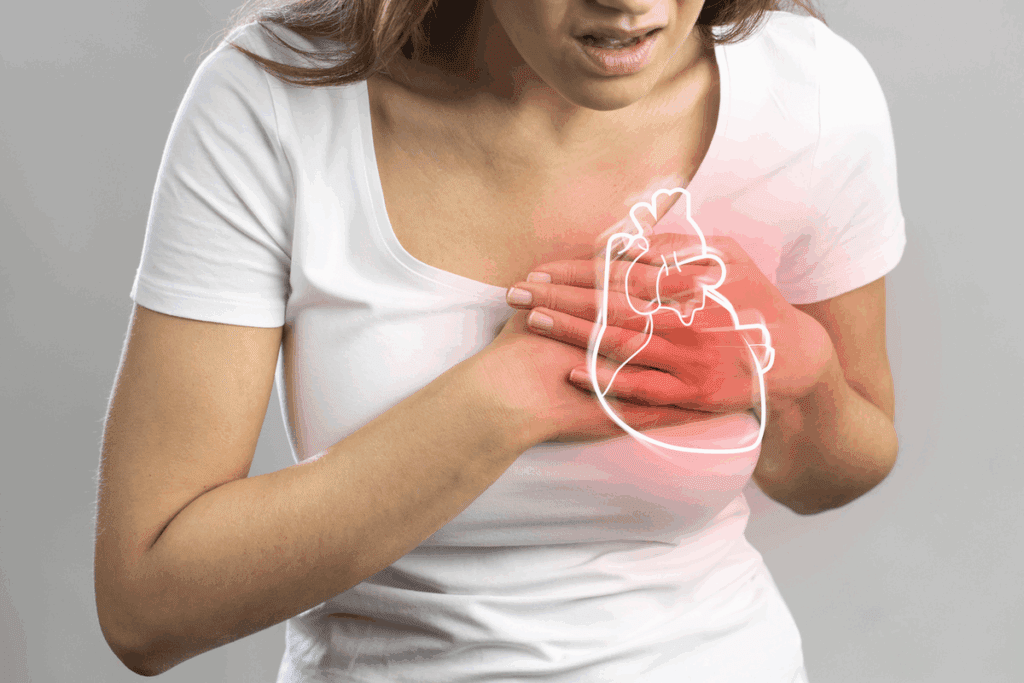
Coronary artery bypass grafting (CABG) is a life-saving surgery that helps restore blood flow to parts of the heart that need more oxygen and nutrients. This artery bypass heart procedure is one of the most common and effective treatments for severe coronary artery disease.
Nearly 400,000 CABG surgeries are performed every year worldwide. At Liv Hospital, we provide top-quality healthcare and complete support for both local and international patients.
In this guide, we’ll explore the key facts about the artery bypass heart surgery — including its history, diagrams, and different types — to help you fully understand this important and complex procedure.
Key Takeaways
- CABG surgery is a highly effective treatment for coronary artery disease.
- The procedure involves grafting a healthy blood vessel to bypass blocked or narrowed coronary arteries.
- Nearly 400,000 CABG surgeries are performed worldwide each year.
- Understanding the history and evolution of CABG surgery is key to its current uses.
- There are different types of CABG surgery, each with its own advantages and considerations.
What Is Coronary Artery Bypass Graft Surgery

CABG, or coronary artery bypass grafting, is a surgery to help blood flow to the heart. It uses blood vessels from other parts of the body to bypass blockages in the heart’s arteries. This restores a healthy blood supply to the heart muscle.
Definition of Coronary Bypass
A coronary artery bypass graft is a surgery where a surgeon uses a graft to bypass a blocked or narrowed artery. The graft is a blood vessel taken from another part of the body. It reroutes blood flow around the blockage, ensuring the heart muscle gets the oxygen and nutrients it needs.
The grafts in CABG are usually taken from the patient’s own body, like the legs, arms, or chest. This allows for a new pathway for blood to flow to the heart. It bypasses the diseased or blocked sections of the coronary arteries.
The Prevalence of Bypass Surgery
Coronary artery bypass graft surgery is a common procedure worldwide. Nearly 400,000 CABG procedures are done every year. This shows its importance in treating coronary artery disease.
It’s a significant decision for patients to have CABG. But, it’s reassuring to know the procedure has improved over time. Advances in surgical techniques and post-operative care have led to better outcomes for patients.
The History and Evolution of Artery Bypass Heart
The history of artery bypass heart surgery is filled with innovation and growth. Coronary artery bypass grafting (CABG) has changed a lot over the years. It has become a key treatment for coronary artery disease.
When Was the First Heart Bypass Surgery
Dr. Rene Favaloro performed the first heart bypass surgery in 1967. This groundbreaking surgery started a new chapter in cardiac surgery. Dr. Favaloro’s work set the stage for modern CABG techniques, which are now vital in treating heart disease.
History of CABG Development
CABG has seen big steps forward in surgery and technology. At first, it was mainly for severe heart disease. But, with better grafting, heart bypass, and care, it now helps more people.
The introduction of off-pump CABG and less invasive methods has made it even more accessible. This means more patients can benefit from it.
Modern Advancements in Bypass Surgery
Today, we’re working to make surgery better, faster, and safer. Minimally invasive CABG and hybrid coronary revascularization are now common. New graft materials and tools have also helped improve CABG.
These changes have made CABG more effective and safer. It’s now a better option for those with complex heart disease.
The history of artery bypass heart surgery shows us how far we’ve come. As we keep improving, we hope to make things even better for patients.
Understanding Heart Bypass Surgery Diagrams
Diagrams of heart bypass surgery show how grafts bypass blocked arteries. This restores blood flow to the heart. They are key for patients and doctors to grasp the surgery’s details.
Anatomy of a Blocked Coronary Artery
A blocked coronary artery stops blood flow to the heart muscle. This is due to plaque buildup, known as coronary artery disease. It can cause chest pain and heart attacks. Knowing the anatomy helps understand why bypass surgery is needed.
Heart Bypass Diagram Explained
A heart bypass diagram shows how surgeons graft a healthy vessel onto the blocked artery. This creates a new path for blood. It helps the heart muscle get the oxygen and nutrients it needs.
The process includes several steps:
- Identifying the blocked coronary artery
- Harvesting a graft vessel from another part of the body
- Attaching the graft above and below the blocked section
- Restoring blood flow through the graft
Blood Flow Rerouting Process
The heart bypass surgery’s core is rerouting blood flow. Surgeons make a detour around the blocked artery. This ensures the heart muscle gets the oxygen and nutrients it needs.
| Step | Description |
| 1 | Identifying the blockage in the coronary artery |
| 2 | Harvesting a suitable graft vessel |
| 3 | Attaching the graft to bypass the blockage |
| 4 | Verifying the restoration of blood flow |
Understanding heart bypass surgery diagrams and the blood flow rerouting process helps patients. It shows the complexity and importance of this life-saving procedure.
Types of Bypass Procedures and Their Diagrams
Coronary artery bypass grafting (CABG) is a key surgery for heart disease. It can vary a lot from one person to another, based on how many blockages they have. The type of bypass needed depends on how many arteries are blocked.
Single Bypass Procedure
A single bypass surgery creates a new path for blood to flow around one blocked artery. This is usually done when one major artery is severely blocked. The new path is made from a graft, which can come from the leg or chest.
Single bypass surgery is simpler than others, leading to quicker recovery times. But, the choice of surgery depends on the patient’s heart health during the surgery.
Double Bypass Surgery
A double bypass surgery tackles two blocked arteries at once. It involves creating two new paths for blood to bypass the blockages. This surgery is more complex, needing more grafts and longer surgery times.
The double bypass is for patients with blockages in two major arteries. It requires careful planning and skill from the surgical team for the best results.
Triple Bypass Diagram and Explanation
A triple bypass deals with three blocked arteries. It requires grafting three new paths. This surgery is for those with severe heart disease.
The triple bypass diagram shows how three grafts reroute blood flow. This improves blood supply to the heart. It greatly improves life quality for those with many blockages.
Quadruple Bypass Diagram and Complexity
The quadruple bypass is the most complex, dealing with four blocked arteries. It involves grafting four new paths to ensure the heart gets enough blood.
The quadruple bypass diagram highlights the surgery’s complexity, with four grafts. It’s for those with severe disease affecting many arteries.
Though complex, quadruple bypass surgery greatly improves survival and life quality for those with extensive disease.
Graft Sources Used in Heart Bypass Surgery
Heart bypass surgery uses grafts from different sources. Each has its own benefits and drawbacks. Choosing the right graft is key to the surgery’s success and the patient’s recovery.
Left Internal Mammary Artery (LIMA)
The Left Internal Mammary Artery (LIMA) is a top choice for heart bypass grafting. It has high success rates and lasts long. Using LIMA grafts can also improve survival chances and lower the need for more surgeries.
Advantages of LIMA grafts include:
- High long-term patency rates
- Improved survival rates
- Reduced risk of repeat surgeries
Saphenous Vein Grafts
Saphenous vein grafts are also common in heart bypass surgery. They come from the patient’s leg and help bypass blocked arteries.
Key considerations for saphenous vein grafts:
- Readily available and easily accessible
- Can be used for multiple bypasses
- May have lower long-term patency rates compared to arterial grafts
Alternative Arterial Conduits
Other arteries like the radial artery and the right internal mammary artery can also be used. These options are useful for complex cases or when other grafts are not available.
Understanding the various graft sources helps surgeons tailor their approach. This ensures the best outcomes and improves life quality for those undergoing heart bypass surgery.
The Meaning of Bypass Surgery for Heart Health
Bypass surgery makes new paths for blood to flow, boosting heart health. It lowers the chance of heart problems. It’s key for those with serious heart artery disease, helping the heart work better and improving life quality.
Creating New Routes for Blood Flow
Bypass surgery uses a healthy blood vessel to go around blocked or narrow heart arteries. This rerouting of blood flow makes sure the heart gets the oxygen and nutrients it needs.
It’s a detailed process. Surgeons pick the graft source carefully, often using the left internal mammary artery (LIMA) or saphenous vein grafts. They aim for the best graft function and longest life.
Heart Bypass Graft Functionality
The success of bypass surgery depends on how well the graft works. A good graft lets blood flow to the heart muscle. This cuts down on angina symptoms and boosts life quality.
Many things affect graft function. These include the graft type, how the surgery is done, and aftercare. Research shows arterial grafts, like the LIMA, last longer than vein grafts.
Preventing Heart Damage
Bypass surgery’s main goal is to stop heart damage by getting blood to the heart muscle. It bypasses blocked or narrow arteries. This lowers the risk of heart attacks and other heart issues.
Stopping heart damage is key to keeping the heart working well. It also lowers the risk of future heart problems. Good bypass surgery can greatly improve a patient’s heart health and life outlook.
CABG for Specific Cardiac Conditions
CABG is used to treat many heart conditions, including congestive heart failure and complex coronary artery diseases. This surgery improves patient outcomes and quality of life.
Congestive Heart Failure and Coronary Artery Bypass Surgery
Congestive heart failure (CHF) means the heart can’t pump enough blood. CABG helps by improving blood flow to the heart muscle. This makes the heart pump better.
A study in the Journal of the American College of Cardiology showed CABG helps CHF patients. It improves survival and reduces symptoms. Doctors decide on CABG based on symptoms and heart muscle health.
Left Main Coronary Artery Disease
Left main coronary artery disease (LMCAD) is serious. It blocks the main artery to the heart. CABG is often chosen for LMCAD, to bypass the block and restore blood flow.
CABG offers better survival rates for LMCAD patients than other treatments. The table below shows the differences in treatment approaches for LMCAD.
| Treatment Approach | Advantages | Disadvantages |
| CABG | Long-term survival benefits, improved blood flow | Surgical risks, recovery time |
| PCI (Percutaneous Coronary Intervention) | Less invasive, quicker recovery | Higher risk of restenosis, may not be suitable for complex cases |
| Medical Therapy | Non-invasive, manages symptoms | May not address underlying blockages, limited by disease severity |
Bypass Coronarian Approaches for Complex Cases
In complex cases, CABG can be customized. It may use multiple grafts or combine with other surgeries. The goal is to restore blood flow to all heart areas.
For complex cases, a team of doctors is key. They work together to find the best treatment. Advanced imaging and technologies also help improve outcomes.
Understanding CABG’s role in treating heart conditions helps doctors tailor treatments. As technology advances, CABG will likely help more patients with complex heart diseases.
International Terminology and Approaches
The world’s doctors use many terms and methods for coronary artery bypass grafting (CABG). This shows the variety and depth of healthcare worldwide in fighting heart disease.
Bypass Herz: German Terminology and Techniques
In Germany, CABG is called “Bypass Herz” or “Herz-Bypass,” meaning “heart bypass.” This term is known by doctors and the public. It shows the focus of the surgery: to bypass blocked arteries and get blood to the heart.
German heart surgery centers are leaders in CABG. They use new, less invasive methods and the latest graft materials. This helps improve CABG globally.
Global Variations in Surgical Approach
CABG methods change around the world. They depend on the patients, the healthcare setup, and the surgeon’s style. For example, some places might choose off-pump CABG to avoid cardiopulmonary bypass risks.
| Region | Common CABG Terminology | Notable Techniques |
| North America | Coronary Artery Bypass Grafting (CABG) | On-pump and off-pump CABG; use of LIMA and radial artery grafts |
| Europe (including Germany) | Bypass Herz/Herz-Bypass | Minimally invasive CABG; use of saphenous vein grafts |
| Asia | CABG; Coronary Artery Bypass Surgery | Off-pump CABG; hybrid coronary revascularization |
The table shows how CABG terms and methods vary worldwide. Knowing these differences helps with international teamwork and patients looking for CABG abroad.
As doctors worldwide share knowledge, CABG will keep getting better. New tech and methods will help improve care for all patients.
Recovery and Life After Heart Bypass Surgery
Recovering from heart bypass surgery is key for long-term health. We know this time can be tough. But with the right help, patients can get through it well.
Immediate Post-Operative Period
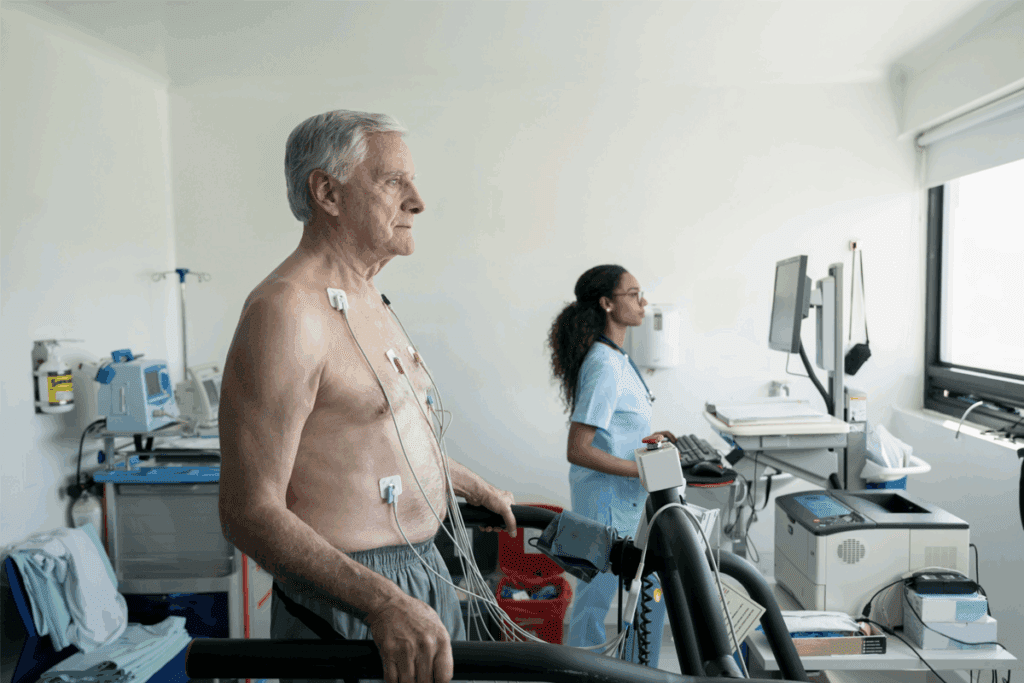
The first days after surgery are very important. Patients are watched closely in the ICU for any problems. They need to manage pain, avoid infections, and get strong enough to move to a regular room.
We stress the importance of listening to the medical team. This helps avoid risks.
Cardiac Rehabilitation Programs
Cardiac rehab is a big part of getting better after surgery. These programs help patients get stronger, improve heart health, and lower future heart risks. They include exercise, heart-healthy tips, and stress management.
We suggest joining these programs. They help a lot with recovery and overall health.
Long-term Lifestyle Modifications
Changing your lifestyle long-term is key for heart health after surgery. Patients should eat well, stay active, and manage stress. Quitting smoking and drinking less are also important.
We help patients create a plan that fits their life and health goals. This ensures they can keep their heart healthy for a long time.
Understanding the recovery and making lifestyle changes can greatly improve outcomes after surgery. We’re here to support our patients every step of the way.
Conclusion: The Future of Coronary Bypass Surgery
Looking ahead, coronary bypass surgery is set for big improvements. New surgical methods and technology will make CABG better. We’re seeing new grafting techniques and less invasive surgeries.
Research and innovation keep driving CABG forward. This means better results for patients. As medical tech gets better, so will care and success rates.
The outlook for coronary bypass surgery is very positive. It’s all about top-notch healthcare and support for patients from around the world. By leading in CABG advancements, we aim to give the best care possible.
FAQ
What is coronary artery bypass graft surgery?
CABG surgery reroutes blood flow around blocked heart arteries. It uses grafts to restore blood flow to the heart.
How many CABG procedures are performed annually worldwide?
Nearly 400,000 CABG procedures are done every year worldwide.
When was the first heart bypass surgery performed?
The first heart bypass surgery was in the late 1960s. It started CABG as a treatment for coronary artery disease.
What are the different types of bypass procedures?
There are single, double, triple, and quadruple bypass surgeries. Each varies in complexity and grafts used.
What is a heart bypass diagram?
A heart bypass diagram shows blocked coronary arteries and how grafts reroute blood flow. It visually represents the surgery.
What graft sources are used in heart bypass surgery?
Graft sources include the left internal mammary artery (LIMA), saphenous vein grafts, and other arterial conduits. Each has its own benefits and drawbacks.
How does CABG improve heart health?
CABG creates new blood flow routes, improves heart function, and prevents damage. It reduces heart attack and cardiac complication risks.
What is the recovery process like after heart bypass surgery?
Recovery starts with the immediate post-operative period. Then, there are cardiac rehabilitation programs and lifestyle changes to keep the heart healthy.
What is the meaning of “bypass herz” in the context of CABG?
“Bypass herz” is German for heart bypass. It refers to the CABG procedure for treating coronary artery disease.
Are there global variations in surgical approaches to CABG?
Yes, different techniques and terms are used worldwide for CABG.
What is the future of coronary bypass surgery?
The future of CABG surgery looks bright. Advances in techniques and technology will improve outcomes and patient care.
References:
- Hawkes, A. L., Lo, S. K., & Tunstall-Pedoe, H. (2006). Outcomes of coronary artery bypass graft surgery. PubMed Central (PMC). https://www.ncbi.nlm.nih.gov/pmc/articles/PMC1994021/
- Delimanoli, E., Muurlink, O., Myrianthefs, P., & Korompeli, A. (2024). Cardiac rehabilitation after open heart surgery: A narrative systematic review. Journal of Cardiovascular Development and Disease, 11(11), 376.https://www.mdpi.com/2308-3425/11/11/376
- Pezeshki, P. S., et al. (2023). 7-Year outcomes in diabetic patients after coronary artery bypass graft surgery. BMC Cardiovascular Disorders. https://bmccardiovascdisord.biomedcentral.com/articles/10.1186/s12872-023-03279-8 BioMed Centr