Last Updated on November 26, 2025 by Bilal Hasdemir

At Liv Hospital, we know how tough it is for lymphoma patients during chemotherapy. We focus on you, using the newest treatments to help you get better. We also offer full support every step of the way.
We’ll look at the best chemotherapy treatments for lymphoma, how they work, and what you might feel during treatment. Drugs like Imbruvica and Epkinly from AbbVie Inc. are big players in these treatments.
Key Takeaways
- Overview of top chemotherapy treatments for lymphoma
- Understanding the mechanisms of lymphoma treatment medications
- Patient expectations during lymphoma chemotherapy treatment
- The role of patient-centered care at Liv Hospital
- Latest advancements in lymphoma treatment protocols
- Comprehensive support provided by Liv Hospital’s team
Understanding Lymphoma and Treatment Fundamentals

It’s key to understand lymphoma to find the best treatment. Lymphoma is a cancer that starts in the immune system, in the lymphatic system. It’s divided into two main types: Hodgkin’s lymphoma and non-Hodgkin’s lymphoma.
Types of Lymphoma: Hodgkin’s vs. Non-Hodgkin’s
Hodgkin’s lymphoma has Reed-Sternberg cells in the lymph nodes. It’s rare and moves slowly from one lymph node group to the next. Early-stage Hodgkin’s lymphoma can often be cured with chemotherapy and radiation.
Non-Hodgkin’s lymphoma is more common and includes many types of cancer. It can start anywhere in the body and is often found later. The treatment for non-Hodgkin’s lymphoma depends on the type and stage.
“The difference between Hodgkin’s and non-Hodgkin’s lymphoma is key for choosing the right treatment.”
Why Chemotherapy Is the Primary Treatment Approach
Chemotherapy is a main treatment for lymphoma, mainly for non-Hodgkin’s lymphoma. It uses drugs to kill cancer cells or stop them from growing. Companies like Johnson & Johnson have made drugs like DARZALEX and IMBRUVICA, which help treat lymphoma.
- Chemotherapy can be used alone or with other treatments like radiation.
- It’s often the main treatment for advanced lymphoma.
- The choice of chemotherapy depends on the lymphoma type, stage, and patient factors.
Chemotherapy plays a big role in lymphoma treatment. It helps fight cancer cells that have spread.
The Most Effective Chemotherapy Drugs for Lymphoma
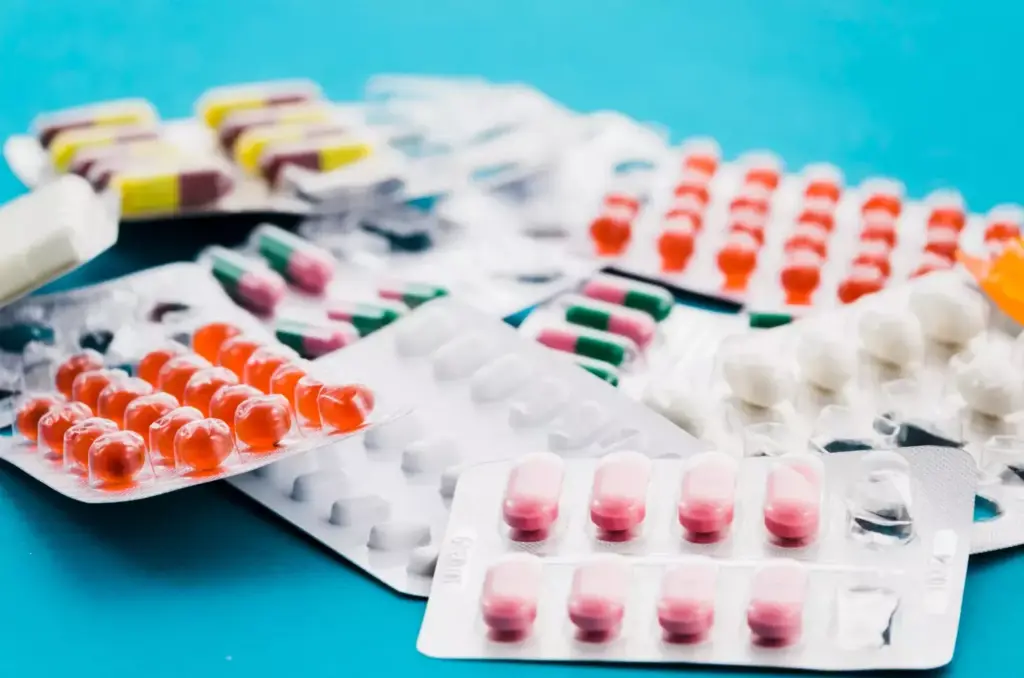
For those with lymphoma, knowing about chemotherapy drugs is key. Lymphoma starts in the lymph system’s cells. It needs a treatment plan that works well and fits the disease’s type and stage.
We use many chemotherapy drugs to fight lymphoma. Each drug works differently against cancer cells. The choice depends on the lymphoma type, stage, and the patient’s health.
How These Medications Target Cancer Cells
Chemotherapy drugs target fast-growing cells, like cancer cells. Drugs like cyclophosphamide and doxorubicin damage cancer cells’ DNA, stopping them from growing.
AbbVie’s Imbruvica is a targeted therapy for some lymphomas. It blocks Bruton’s tyrosine kinase (BTK), a key protein for B cells’ survival and spread.
Factors That Determine Drug Selection
Choosing chemotherapy drugs depends on several things. These include the lymphoma type, stage, and the patient’s health. For example, some drugs might not be good for patients with certain health issues.
| Chemotherapy Drug | Mechanism of Action | Common Use in Lymphoma |
|---|---|---|
| Rituximab | Targets CD20 antigen on B cells | B-cell lymphomas |
| Cyclophosphamide | Damages DNA of cancer cells | Various types of lymphoma |
| Doxorubicin | Interferes with DNA replication | Hodgkin’s and non-Hodgkin’s lymphoma |
| Vincristine | Disrupts cell division | Hodgkin’s and non-Hodgkin’s lymphoma |
| Prednisone | Corticosteroid with anti-inflammatory effects | Various lymphoma treatment protocols |
Knowing how these factors affect treatment choices helps patients. By using the right drugs and a full care plan, we can improve lymphoma treatment results.
Rituximab: The Targeted Antibody Therapy
Rituximab is a targeted therapy that has greatly helped patients with lymphoma. It is often paired with chemotherapy to treat B-cell lymphomas. This method is more precise in killing cancer cells.
Mechanism of Action and Applications
Rituximab targets the CD20 antigen on B cells, marking them for destruction. This targeted approach reduces harm to normal cells, a common problem with traditional chemotherapy. By binding to CD20, rituximab triggers several actions that reduce B cells, including antibody-dependent cellular cytotoxicity and complement-dependent cytotoxicity.
To learn more about immunotherapy, including targeted therapies like rituximab, visit our detailed guide on immunotherapy.
Effectiveness in B-Cell Lymphomas
Rituximab has shown great success in treating B-cell lymphomas. It improves response rates and survival. Its ability to target and remove malignant B cells makes it a key part of chemotherapy regimens.
Studies have shown that adding rituximab to standard chemotherapy improves treatment outcomes and survival in B-cell lymphoma patients.
Common Side Effects and Management
Rituximab can cause side effects like infusion reactions, neutropenia, and increased infection risk. Managing these side effects is key to keeping quality of life during treatment. Strategies include premedication with antihistamines and corticosteroids, adjusting infusion rates, and monitoring blood counts.
Effective side effect management allows patients to stay on their treatment plans. This improves their chances of successful outcomes.
Cyclophosphamide: The Cornerstone of Lymphoma Treatment
Cyclophosphamide is a key part of lymphoma treatment. It helps treat different types of lymphoma, like non-Hodgkin’s lymphoma. This medicine stops cancer cells from growing by messing with their DNA.
Mechanism of Action Against Lymphoma
Cyclophosphamide is an alkylating agent. It works by cross-linking DNA strands. This causes cancer cells to die, helping control lymphoma growth.
Dosing Strategies and Administration
The amount of cyclophosphamide given can change. It depends on the lymphoma type, the patient’s health, and the treatment plan. It’s usually given intravenously in a hospital. The dose and how often it’s given are carefully planned to work well and avoid side effects.
Managing Possible Side Effects
Side effects of cyclophosphamide include nausea, tiredness, and hair loss. To help, we might give extra medicines, like anti-nausea drugs. We keep a close eye on patients to adjust the treatment if needed to lessen side effects.
Doxorubicin: The Powerful Anthracycline
Doxorubicin is a key treatment for lymphoma, fighting this disease with strength. It’s a chemotherapy drug used for many lymphoma types, including Hodgkin’s and non-Hodgkin’s.
Mechanism and Effectiveness
Doxorubicin works by getting between DNA strands. This stops cancer cells from growing and makes them die. It’s very good at killing cancer cells, making it a mainstay in treatment plans.
Cardiac Monitoring Requirements
Even though it’s effective, doxorubicin can harm the heart. So, it’s important to watch the heart closely while taking it. Doctors check the heart’s function often to catch any problems early.
Long-term Considerations
People who survive lymphoma treated with doxorubicin should watch out for long-term effects. These can include heart disease and new cancers. Regular check-ups are key to catching these issues early.
In summary, doxorubicin is a powerful tool against lymphoma, bringing big benefits when used right. Knowing how it works and its risks helps doctors use it best to help patients.
Vincristine: Targeting Cell Division
Vincristine is a key drug in fighting lymphoma. It stops cancer cells from dividing, which is vital for their growth.
Disrupting Cancer Growth
Vincristine is a vinca alkaloid drug. It works by attaching to tubulin, a protein needed for microtubules. This stops chromosomes from separating during cell division. This action slows down cancer cell growth, mainly in lymphoma.
Effectiveness in Lymphoma Treatment: Vincristine’s ability to stop cell division makes it a strong treatment for lymphoma.
Neurological Side Effects and Management
Vincristine can harm nerves, causing numbness, tingling, and pain in hands and feet. It’s important to manage these side effects to keep patients’ quality of life good.
- Regular monitoring of neurological symptoms
- Adjusting doses based on patient tolerance
- Implementing supportive care measures to alleviate symptoms
Dosing Limitations and Considerations
The dose of vincristine depends on the patient’s weight and health. It’s given through an IV and has a limited dose due to its neurotoxicity. Careful monitoring is key to avoid side effects and get the most benefit.
Prednisone: The Essential Corticosteroid
Corticosteroids like prednisone are key in treating lymphoma. Prednisone is used with chemotherapy to fight lymphoma. It helps reduce inflammation and weakens the immune system, making it a vital part of many treatments.
Role in Lymphoma Treatment Protocols
Prednisone is a big part of many lymphoma treatments, like the R-CHOP protocol. This protocol includes rituximab, cyclophosphamide, doxorubicin, vincristine, and prednisone. Pre-medications like prednisone help lessen chemotherapy side effects and make treatments work better.
Prednisone is used because it kills lymphoma cells and lowers inflammation. It’s very helpful at the start of treatment.
Managing Mood and Metabolic Effects
Prednisone is effective but can cause mood changes, weight gain, and metabolic issues. It’s important to manage these side effects to keep patients’ quality of life good during treatment.
Doctors often suggest eating less sodium and may give extra medicines for mood swings or sleep problems. It’s also key to watch blood sugar levels because prednisone can raise them.
| Side Effect | Management Strategy |
|---|---|
| Mood Changes | Psychological support, mood stabilizers |
| Weight Gain | Dietary counseling, low-calorie diet |
| Hyperglycemia | Blood sugar monitoring, diabetes management |
Tapering Schedules and Considerations
When stopping prednisone, it’s important to slowly reduce the dose to avoid withdrawal. The tapering schedule depends on how long the patient was on treatment and how they responded.
A common tapering plan is to cut the dose by 5-10 mg every few days. Once the dose is low, the reduction can be slower. This helps avoid adrenal insufficiency and other withdrawal symptoms.
Understanding prednisone’s role in lymphoma treatment and managing its side effects helps patients through their journey. It’s a key part of many chemotherapy regimens, bringing big benefits when used right.
Bendamustine: A Modern Alternative
Bendamustine is a new treatment for some lymphoma patients. It’s changing how we treat lymphoma. Bendamustine is a big part of this change.
Applications in Specific Lymphoma Types
Bendamustine works well for certain non-Hodgkin lymphoma (NHL) types. This includes indolent NHL and mantle cell lymphoma. It kills cancer cells by damaging their DNA.
We’re looking into using bendamustine for other lymphoma types too. It’s better than some old chemotherapy drugs. For more on new treatments, check out this market analysis.
Comparison to Traditional Agents
Bendamustine has different side effects than old chemotherapy drugs. It might have fewer long-term side effects. This is good for some patients.
But, we must think about the risks and benefits for each patient. We work with patients to find the best treatment for them.
Side Effect Profile and Management
Bendamustine can cause nausea, tiredness, and low blood cell counts. We have ways to help manage these side effects. This helps patients stay comfortable during treatment.
Knowing about side effects and how to manage them helps patients. We focus on caring for both the body and mind during lymphoma treatment.
Gemcitabine: Option for Relapsed Disease
Gemcitabine is a key chemotherapy drug for treating relapsed lymphoma. It’s very helpful for those who have seen their disease come back after first treatment.
When Gemcitabine Is Recommended
Gemcitabine is suggested for patients with lymphoma that has come back or not responded to treatment. It works by stopping cancer cells from making copies of themselves.
We think about gemcitabine for patients who have tried other chemotherapy before. The choice to use it depends on the patient’s health, past treatments, and type of lymphoma.
Effectiveness in Salvage Therapy
Gemcitabine is effective in salvage therapy for lymphoma patients. Research shows it can help patients with relapsed or refractory disease.
| Treatment Outcome | Gemcitabine Response Rate | Comparison to Other Treatments |
|---|---|---|
| Overall Response Rate | 40-60% | Comparable to other salvage therapies |
| Complete Response Rate | 15-30% | Variable depending on patient population |
| Progression-Free Survival | 6-12 months | Improved in some patient subsets |
Tolerability and Side Effect Management
Gemcitabine is usually well-tolerated but can cause side effects like myelosuppression, fatigue, and nausea. We watch patients closely for these and adjust the dose as needed to reduce side effects.
Side Effect Management Strategies:
- Regular blood count monitoring to manage myelosuppression
- Supportive care measures to alleviate fatigue and nausea
- Dose adjustments based on patient tolerance
By managing side effects well, we can make sure gemcitabine works best for our patients with relapsed lymphoma.
What to Expect During Lymphoma Chemotherapy Treatment
When you start lymphoma chemotherapy, you’ll follow a plan to help you get better. The treatment has cycles of medicine and breaks. This lets your body rest from the side effects.
Typical Treatment Cycles and Duration
How long and how often you get chemotherapy depends on the drugs and your health. Usually, treatments last from 2 to 4 weeks. Sometimes, you might need more or less treatment. The whole treatment can last 6 to 12 months, but it can change based on how you do.
Administration Methods and Settings
Chemotherapy can be given in different ways, like through an IV or by mouth. IV treatments are often given in a hospital. This way, doctors can watch for any quick reactions. If you take pills at home, your doctors will check on you regularly.
Monitoring Response and Adjusting Treatment
While you’re getting treatment, your doctors will keep an eye on how you’re doing. They use tests like CT scans or PET scans and blood tests. If the treatment isn’t working, they might change the drugs, the dose, or add other treatments.
“The key to successful lymphoma treatment is a personalized approach, taking into account the patient’s specific condition, overall health, and response to therapy.”
Knowing what to expect from chemotherapy can help you prepare. It lets you work with your doctors to get the best results.
Managing Side Effects and Maintaining Quality of Life
Managing side effects is key for those getting chemotherapy for lymphoma cancer. Treatment can be tough, but the right steps help keep life quality high.
Common Physical Side Effects
Those getting lymphoma chemotherapy face many physical issues. Fatigue, hair loss, nausea, and infection risks are common. It’s vital to tackle these to keep patients comfortable and healthy.
- Fatigue: Rest and gentle exercise can help alleviate fatigue.
- Hair Loss: Scalp cooling techniques may reduce hair loss.
- Nausea: Anti-nausea medications are effective in managing this side effect.
Emotional and Psychological Support
The emotional and psychological effects of lymphoma and chemotherapy are significant. Counseling, support groups, and stress management are very helpful.
Emotional support is key for patients dealing with lymphoma and its treatment. A holistic approach, including counseling and support networks, is recommended.
Nutrition and Exercise During Treatment
Eating well and exercising regularly boost life quality for those getting chemo for lymphoma. A healthy diet is essential for recovery and health.
| Nutritional Element | Benefit |
|---|---|
| Protein | Supports muscle health and recovery |
| Fruits and Vegetables | Rich in antioxidants and essential vitamins |
| Whole Grains | Provides sustained energy and fiber |
Exercise, adjusted to the patient’s strength, helps manage side effects and boosts well-being. It’s important to work with healthcare providers to create a personalized plan.
Conclusion: Navigating Your Lymphoma Treatment Journey
Dealing with lymphoma treatment is more than just the right medicine. It’s about getting all-around support and top-notch healthcare. At Liv Hospital, we get how tough lymphoma treatment can be. We’re here to give international patients the best care possible.
We’re all in when it comes to supporting patients with lymphoma. We’re with you from the start to the end, making sure you get the help you need. Our goal is to help you get through your treatment journey smoothly.
We aim to make your treatment as easy as possible. Our team is always there to help with side effects, check how well the treatment is working, and change plans if needed. We’re here to make your journey as smooth as can be.
Choosing Liv Hospital means you’re choosing top-quality care. We focus on your whole well-being, not just your health. We’re here to help you get the best results and support you every step of the way.
FAQ
What are the most common chemotherapy drugs used to treat lymphoma?
Common drugs for lymphoma include rituximab, cyclophosphamide, doxorubicin, vincristine, and prednisone. These drugs target cancer cells in different ways. The choice depends on the lymphoma type and stage.
How does rituximab work in treating B-cell lymphomas?
Rituximab targets specific proteins on cancer cells. It helps eliminate them from the body. It’s a key treatment for B-cell lymphomas, often used with other drugs.
What are the common side effects of chemotherapy for lymphoma?
Side effects include fatigue, hair loss, nausea, and infection risk. Emotional support is also key. Counseling and support groups can help.
How is chemotherapy administered for lymphoma treatment?
Chemotherapy is usually given through an IV. Some drugs are taken orally. Treatment length and cycles vary based on lymphoma type and patient health.
What is the role of prednisone in lymphoma treatment protocols?
Prednisone reduces inflammation and suppresses the immune system. It’s used with other drugs to boost their effectiveness.
How does bendamustine compare to traditional chemotherapy agents?
Bendamustine is a newer option for lymphoma treatment. It’s effective in some types and has different side effects than traditional drugs. It’s a valuable choice for some patients.
What is gemcitabine used for in lymphoma treatment?
Gemcitabine treats relapsed lymphoma by stopping DNA synthesis. It’s effective in salvage therapy, helping patients who didn’t respond to initial treatment.
How can patients manage side effects during lymphoma chemotherapy treatment?
Managing side effects is vital for quality of life. Emotional support, nutrition counseling, and exercise can help. They reduce the physical and emotional impacts of treatment.
What are the latest advancements in lymphoma treatment?
New treatments include targeted therapies, immunotherapy, and personalized medicine. These offer hope for patients. Ongoing research aims to improve treatment outcomes.
How long does chemotherapy treatment for lymphoma typically last?
Treatment length varies by lymphoma type, stage, and patient health. It can last from months to years. Patients should discuss their plan with their healthcare team.