Last Updated on November 27, 2025 by Bilal Hasdemir

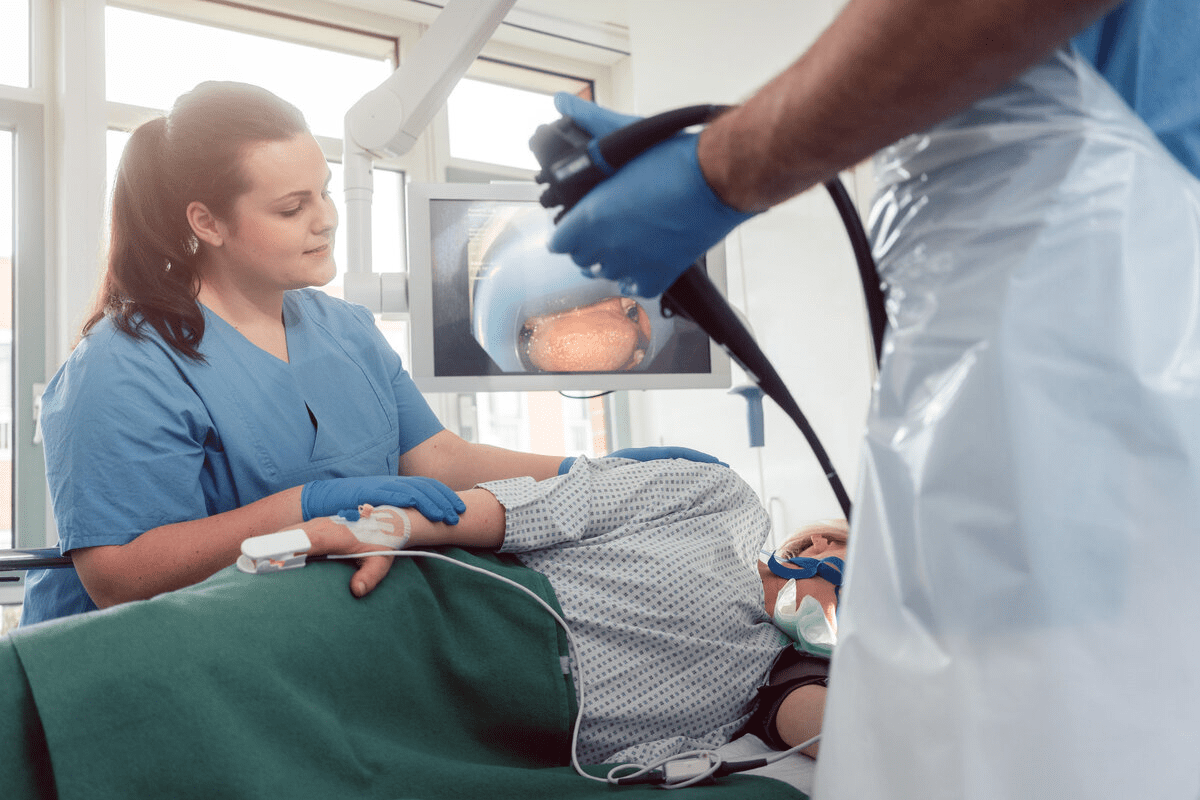
Choosing the right meningioma treatment can change your life. At Liv Hospital, our trusted specialists offer many options. These include advanced surgery, targeted radiation, and new therapies.
We know every diagnosis is different. So, we have many meningioma treatments to choose from. These range from surgery to radiation therapy and watching the tumor, based on its type and where it is.
We aim to give you a full view of meningioma therapy options. We stress the importance of care tailored to you. This is key for international patients looking for top medical care.
Key Takeaways
- Comprehensive meningioma treatment options are available, including surgery, radiation, and observation.
- Personalized care is key for effective treatment.
- Liv Hospital’s specialists offer advanced and innovative therapies.
- Treatment depends on the tumor’s characteristics and location.
- International patients get full support for their healthcare needs.
Understanding Meningiomas: Benign vs. Malignant

Meningiomas are tumors that grow from the meninges, which protect the brain and spinal cord. Knowing if a meningioma is benign or malignant is key to managing it.
What Are Meningiomas and How Common Are They?
Meningiomas are slow-growing tumors that can affect people differently. They are the most common type of brain tumor, making up about 30% of all primary brain tumors.
Most meningiomas are benign, or non-cancerous. This means 80-90 percent of patients have a type of tumor that is not cancer. Yet, it’s important to manage it carefully.
Benign Meningioma: Characteristics and Prognosis
Benign meningiomas grow slowly and don’t spread aggressively. Patients with benign meningioma usually have a good prognosis. Early diagnosis and treatment are key to a better outcome.
“The majority of meningiomas are benign, and with appropriate treatment, patients can experience a significant improvement in their quality of life.”
| Characteristics | Benign Meningioma | Malignant Meningioma |
|---|---|---|
| Growth Rate | Slow | Rapid |
| Tumor Behavior | Non-aggressive | Aggressive |
| Prognosis | Favorable | Poor |
Signs and Symptoms That Require Medical Attention
Some meningiomas don’t show symptoms early on. But, certain signs need medical attention. These include headaches, seizures, vision changes, or weakness in the limbs. Catching these symptoms early is vital for proper treatment.
- Headaches that worsen over time
- Seizures or convulsions
- Vision problems, including double vision or loss of peripheral vision
- Weakness or numbness in the arms or legs
Early detection and proper management of meningiomas can greatly improve a patient’s life. If you notice any symptoms, see a doctor right away.
Diagnosis and Assessment Before Treatment Selection
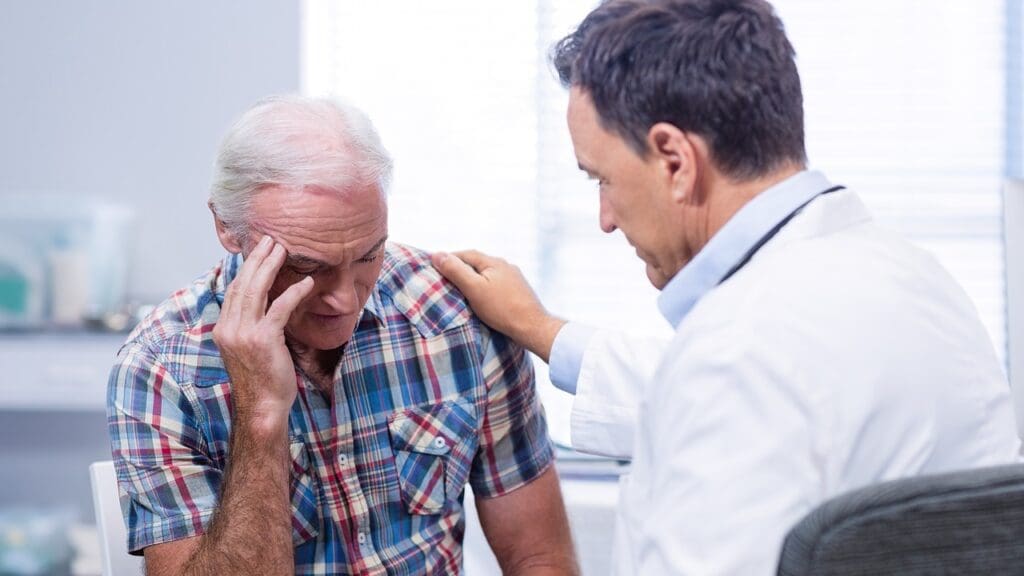
Before we choose a treatment, we need to do a thorough diagnosis and assessment. Accurate diagnosis is key to effective treatment. We use advanced imaging techniques and careful evaluation to understand the meningioma.
Imaging Techniques for Accurate Diagnosis
We use top-notch imaging to diagnose meningiomas. MRI (Magnetic Resonance Imaging) and CT (Computed Tomography) scans help us see the tumor and its surroundings. MRI is great for soft tissues, while CT scans show bony details well.
The right imaging depends on the meningioma’s type and the patient’s health. Our radiologists and neurosurgical team work together to plan the best treatment.
Grading and Classification of Meningiomas
After diagnosing, we grade and classify the meningioma. The World Health Organization (WHO) grading system divides them into three grades: Grade I (benign), Grade II (atypical), and Grade III (malignant). This helps us predict how the tumor might behave.
Knowing the meningioma’s grade and type is vital for choosing the right treatment. We look at the tumor’s size, location, and the patient’s health to create a personalized plan.
Key Factors That Influence Treatment Decisions
Several factors guide our treatment choices for meningioma. These include the tumor’s grade, size, and location, as well as the patient’s age and health. We also consider the patient’s preferences and values.
Our team reviews each case carefully, using the latest research and guidelines. We talk about the risks and benefits of each option with our patients. This way, they can make informed decisions about their care.
Treatment Option 1: Surgical Removal of Meningioma
Deciding to have meningioma surgery is a big choice. It depends on the tumor’s location and the patient’s health. Surgery is often the first choice for meningiomas that cause symptoms or grow too fast.
Candidates for Meningioma Surgery
Not every meningioma needs surgery right away. We usually suggest surgery for tumors that cause big problems, are big, or grow fast. Each case is different, and we consider many factors before deciding.
Key factors that influence the decision to undergo surgery include:
- The size and location of the meningioma
- The presence and severity of symptoms
- The patient’s overall health and medical history
- The rate of tumor growth
Craniotomy and Minimally Invasive Approaches
There are different ways to remove a meningioma, like traditional craniotomy or newer, less invasive methods. The choice depends on the tumor and the patient’s needs.
Craniotomy involves temporarily removing a portion of the skull to access the tumor. This method is good for bigger or more complex tumors.
Recovery and Success Rates After Surgical Removal
Recovery from meningioma surgery varies. It depends on the tumor’s location, how much surgery is needed, and the patient’s health.
Success rates for surgical removal are generally high. Many patients see their symptoms improve a lot. But, the success also depends on the surgeon’s skill and experience.
We know surgery is scary, but we’re here to help. We provide all the care and support you need during treatment.
Treatment Option 2: Radiation for Meningioma
Radiation therapy is a key treatment for meningiomas. It offers hope to patients with tumors hard to remove surgically. It’s vital for tumors that are hard to reach or can’t be removed.
This therapy uses high-energy rays to kill tumor cells. It’s very effective for some meningiomas, even if they’re benign but in tricky spots.
Stereotactic Radiosurgery (Gamma Knife, CyberKnife)
Stereotactic radiosurgery (SRS) is a precise radiation therapy. It focuses on the tumor, sparing healthy tissue. Gamma Knife and CyberKnife are great for small to medium meningiomas.
Key benefits of SRS include:
- High precision in targeting the tumor
- Minimal damage to surrounding brain tissue
- Short treatment duration, often completed in a single session
Fractionated External Beam Radiotherapy
FEBRT divides the radiation dose into smaller fractions. It’s given over several sessions. This method treats larger tumors or those in sensitive areas safely.
The advantages of FEBRT include:
- Effective for larger or more complex tumors
- Reduced risk of side effects due to fractionation
- Flexibility in treatment planning to accommodate individual patient needs
Proton Therapy for Hard-to-Reach Meningiomas
Proton therapy uses protons to kill cancer cells. It’s great for meningiomas near important structures. It’s precise and has fewer side effects.
“Proton therapy represents a significant advancement in the treatment of meningiomas, providing a precise and effective option for patients with tumors in challenging locations.” – Expert in Radiation Oncology
We aim to give our patients the best meningioma treatments. Radiation therapy, in all its forms, is a key part of our treatment plan.
Treatment Option 3: Observation and Active Monitoring
For some patients, watching and monitoring closely is the best first step for meningiomas. This means keeping a close eye on the tumor for any changes. It avoids jumping straight to surgery or other treatments.
When “Watch and Wait” Is Appropriate
We suggest a “watch and wait” approach for some meningiomas. This is for tumors that are small, don’t cause symptoms, or grow slowly. It’s often for benign meningiomas that don’t pose a big health risk.
Choosing to watch and wait comes after detailed tests like MRI or CT scans. Our team looks at the tumor, the patient’s health, and other factors. They decide if watching and waiting is the right plan.
Monitoring Protocols and Follow-up Schedule
During the watchful waiting period, regular check-ups and scans are key. We usually do MRI or CT scans every 6 to 12 months. This depends on the tumor and the patient’s health.
We keep a close eye on any new symptoms. If needed, we adjust the treatment plan. This way, we catch any changes in the tumor quickly.
Transitioning from Observation to Active Treatment
If the meningioma grows, causes symptoms, or is risky, we might switch to more active treatment. This could be surgery, radiation, or other options. It depends on the situation.
Our team works with the patient to find the best treatment. They consider the latest tests and the patient’s health. This approach ensures the best care for meningioma patients.
Treatment Option 4: Medication and Hormone Therapy
Medication and hormone therapy are getting more attention in treating meningiomas. We’re learning more about these tumors, which opens up new non-surgical treatment paths. These methods can help manage symptoms and treat certain meningioma types.
Anti-Seizure and Symptom Management Medications
Managing symptoms is key for many meningioma patients. Anti-seizure medications help prevent seizures, a common symptom. We also use other drugs to control headaches, nausea, and other symptoms.
A study in the Journal of Neuro-Oncology found that antiepileptic drugs greatly reduce seizures in brain tumor patients.
“The management of seizures in patients with brain tumors requires a complete approach, including antiepileptic drugs.”
| Medication Type | Primary Use | Common Examples |
|---|---|---|
| Anti-Seizure | Prevent seizures | Levetiracetam, Carbamazepine |
| Corticosteroids | Reduce swelling | Dexamethasone |
Hormone Therapy for Hormone-Sensitive Meningiomas
Some meningiomas grow in response to hormones like estrogen and progesterone. Hormone therapy can slow their growth. We use drugs that block or reduce natural hormones.
Hormone therapy is a good option for patients with recurring or untreatable meningiomas. Research is ongoing to see how well drugs like tamoxifen and mifepristone work.
Emerging Drug Therapies and Clinical Trials
New treatments for meningiomas are being explored. Targeted therapies and other new treatments are being tested in clinical trials. These studies aim to find safe and effective treatments.
Patients interested in clinical trials should talk to their doctor. We want to give our patients access to the latest treatments and technologies.
As research advances, we hope to see more treatment options for meningioma patients.
Treatment Option 5: Specialized Meningioma Treatment for Complex Cases
Meningiomas in hard-to-reach spots, like the sphenoid wing or skull base, need special care. A team of experts, including neurosurgeons and radiation oncologists, work together. This team aims to get the best results for patients.
Sphenoid Wing Meningioma Treatment Approaches
Sphenoid wing meningiomas are tricky because they’re near important parts like the optic nerve and big blood vessels. Treatment plans must be very careful. They need to remove the tumor without harming nearby nerves or blood vessels.
We use advanced surgery, like microsurgery and endoscopic surgery, to reach these tumors. Sometimes, stereotactic radiosurgery is used. It helps control the tumor’s growth without hurting nearby tissues too much.
Brain Tumor Behind Eye: Surgical and Non-surgical Options
Meningiomas behind the eye are special challenges. They can mess with vision and eye movement. Surgery is often the first choice, but it needs careful planning and skill.
For some, fractionated radiation therapy might be better. It’s for those who can’t have surgery or if the tumor isn’t causing big problems. The choice between surgery and radiation depends on the tumor’s size, where it is, and the patient’s health.
Skull Base Meningioma Treatment Considerations
Skull base meningiomas are also complex. They need a deep understanding of the area’s anatomy. Planning involves detailed images and team talks to find the best way to treat.
We look at the tumor’s size, how fast it’s growing, and the symptoms it causes. We might choose surgery, radiation, or both. Advanced radiation methods, like proton therapy, are used for tumors near important areas.
Treatment Option 6: Frontal Lobe Meningioma Surgery
Surgery for frontal lobe meningiomas is complex. It aims to keep brain function intact. These tumors grow in the meninges around the frontal lobe. They can be harmless or cancerous, leading to various symptoms based on size and location.
Surgical Techniques for Frontal Lobe Access
Doctors use different methods to reach these tumors. These include:
- Craniotomy: This is a traditional surgery where part of the skull is removed to get to the tumor.
- Minimally Invasive Surgery: This uses smaller cuts and special tools, like endoscopy.
The method chosen depends on the tumor’s size, where it is, and the patient’s health.
Preservation of Cognitive Function
Keeping brain function is key in treating these tumors. Our team uses advanced methods like:
- Neuro-navigation: This helps find the tumor and important brain areas.
- Intraoperative monitoring: It checks brain function while we operate.
These methods help us avoid harming the brain and keep cognitive function.
Recovery and Rehabilitation After Frontal Lobe Surgery
Recovering from this surgery needs a detailed plan. This includes:
- Physical Therapy: To improve strength and movement.
- Cognitive Rehabilitation: To fix any brain function problems after surgery.
- Speech Therapy: If needed, to enhance speaking skills.
Our team works together to support patients fully in their recovery.
Treatment Option 7: Combination Therapies for Meningioma
For many patients, a mix of treatments works best for meningioma. We combine different strategies to fit each patient’s needs. This makes treatment plans more effective and improves life quality.
Surgery Followed by Radiation Therapy
Surgery followed by radiation therapy is a common mix. It’s great for tumors that are hard to remove or grow fast.
Benefits of Surgery Followed by Radiation Therapy:
- Improved local control of the tumor
- Reduced risk of recurrence
- Enhanced survival rates
We use advanced radiation methods like stereotactic radiosurgery. This targets leftover tumor cells carefully, protecting healthy tissues.
Multimodal Approaches for Aggressive or Recurrent Tumors
For aggressive or recurring meningiomas, a mix of treatments is suggested. This might include surgery, radiation, and systemic treatments like targeted therapy or chemotherapy.
The goal of multimodal treatment is to tackle the tumor from all sides, boosting treatment success.
We create a custom treatment plan for each patient. We use the latest in meningioma care.
Integrative and Supportive Care Strategies
Along with main treatments, integrative and supportive care is key. This includes nutrition advice, pain management, mental support, and rehab.
Key Components of Integrative Care:
- Nutritional support to enhance overall health
- Pain and symptom management
- Psychological counseling and support groups
- Rehabilitation services to restore function and improve quality of life
By adding these elements, we offer complete care. It meets patients’ physical, emotional, and social needs.
Conclusion: Making Informed Decisions About Your Meningioma Treatment
Exploring meningioma treatments shows how important it is to make informed choices. Knowing about surgery, radiation, and therapies helps patients pick the best option for them.
It’s wise for patients to team up with their healthcare team to create a treatment plan. This way, care is tailored to each person’s needs, leading to better results.
When deciding on treatment, consider the meningioma’s type and grade, and your health. This informed decision making for meningioma treatment is key to the best outcomes.
Our institution is dedicated to top-notch healthcare for international patients. We help guide patients through the meningioma treatment decision process, ensuring they get the best care.
FAQ
What is a meningioma, and is it cancerous?
A meningioma is a tumor in the meninges, which protect the brain and spinal cord. Most are benign, meaning they are not cancerous.
What are the symptoms of a meningioma?
Symptoms vary based on the tumor’s location and size. Common signs include headaches, seizures, and weakness or numbness in the arms or legs. Vision problems can also occur.
How is a meningioma diagnosed?
Diagnosis often uses MRI or CT scans. These tests show the tumor’s size, location, and type.
What are the treatment options for a meningioma?
Treatment options include surgery, radiation therapy, and observation. Medication and hormone therapy, as well as combination therapies, are also available.
When is surgery recommended for a meningioma?
Surgery is often needed for tumors causing symptoms or growing. It’s also considered if the tumor is in an accessible area.
What is the difference between stereotactic radiosurgery and fractionated external beam radiotherapy?
Stereotactic radiosurgery gives a high dose of radiation in one session. Fractionated external beam radiotherapy gives smaller doses over time.
Can meningiomas be treated with observation only?
Yes, small, asymptomatic meningiomas may be monitored. Treatment is only needed if the tumor grows or causes symptoms.
What is the role of hormone therapy in meningioma treatment?
Hormone therapy is used for meningiomas sensitive to hormones. This includes those with progesterone receptors.
Are there any new or emerging treatments for meningiomas?
Yes, new treatments like targeted therapies and immunotherapies are being tested in clinical trials.
How is frontal lobe meningioma surgery performed?
Frontal lobe meningioma surgery requires careful planning. It aims to preserve cognitive function while removing the tumor.
What are the benefits and risks of combination therapies for meningioma?
Combination therapies, like surgery followed by radiation, can be effective. But, they may also increase the risk of side effects.
Can benign meningiomas become malignant?
While rare, benign meningiomas can turn malignant over time.
How often should I follow up with my healthcare team after meningioma treatment?
Follow-up schedules depend on the meningioma’s type and stage, and the treatment used.
Are there any supportive care strategies for managing meningioma symptoms?
Yes, supportive care like physical therapy and counseling can help manage symptoms. This improves quality of life.