Last Updated on November 18, 2025 by Ugurkan Demir
At Liv Hospital, we know how important it is to understand your surgery. That’s why we’ve picked the top 7 spinal fusion operation videos. They show the surgical process clearly and in detail.
These videos mix real surgical footage with animations. This helps patients understand what happens during spine surgery. Watching them, patients learn about the methods surgeons use to fix the spine and ease back pain.
We think these videos help our patients make better choices about their health.
Key Takeaways
- Clear visualization of the spinal fusion surgical process
- Expert surgical footage combined with clear animation
- Better understanding of the techniques used by surgeons
- Relief from chronic back pain through spinal stabilization
- Informed decision-making for patients considering surgery
Understanding Spinal Fusion Surgery
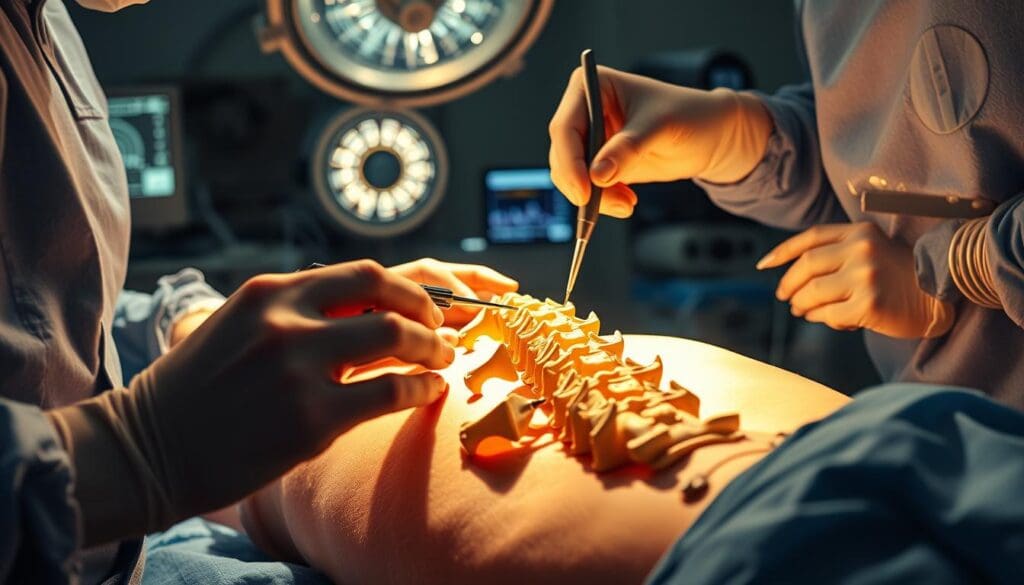
Spinal fusion surgery is a complex procedure that has changed how we treat spinal conditions. It joins two or more vertebrae to stabilize the spine and reduce chronic back pain. Many surgeries, like lumbar fusion, are shown in high-quality back surgery videos and animation guides. These help patients understand the surgery’s details.
The Purpose and Benefits of Spinal Fusion
The main goal of spinal fusion is to stabilize the spine and lessen pain from abnormal vertebrae motion. By fusing vertebrae, we improve spinal stability and reduce pain. The benefits include:
- Reduced chronic pain
- Improved spinal stability
- Enhanced quality of life
- Potential to resume normal activities
Spinal fusion is great for those who haven’t found relief with other treatments like physical therapy or medication. Watching a surgical procedure video helps patients understand the surgery and what to expect during recovery.
Common Conditions Treated with Spinal Fusion
Spinal fusion treats many spinal conditions, including:
- Degenerative disc disease
- Spondylolisthesis
- Spinal stenosis
- Scoliosis
- Fractures
These conditions often cause chronic pain and discomfort, affecting a patient’s quality of life. Spinal fusion addresses the pain’s source, providing long-term relief and improving well-being.
What to Expect During Recovery
Recovery from spinal fusion surgery varies based on the individual and the surgery’s complexity. Generally, patients can expect:
- A hospital stay of a few days
- A period of rest and limited activity
- Physical therapy to regain strength and mobility
- Follow-up appointments to monitor healing
Following the surgeon’s instructions is key for a smooth recovery. Watching a back surgery video can also help manage expectations and reduce anxiety. It provides a visual guide to the recovery process.
Why Spinal Fusion Operation Videos Are Valuable Resources
Spinal fusion operation videos are great because they teach both patients and doctors about spinal fusion surgery. They offer a detailed look at the surgery process. This is hard to learn in other ways.
Educational Value for Patients Facing Surgery
For those facing spinal fusion surgery, these videos are very helpful. They show the surgery step by step. This helps patients understand what will happen during and after surgery.
Watching minimally invasive spine surgery videos helps patients understand the differences in surgery types. This knowledge helps them make better choices about their treatment.
Professional Development for Medical Students
These videos are also key for medical students and surgical residents. They show the details of surgical techniques and how to use medical hardware. They also highlight the specifics of different spinal fusion methods.
By watching spinal fusion animation and real surgeries, doctors can learn more. This helps them get better at surgery, which means better care for patients.
Reducing Anxiety Through Visual Understanding
Another big plus of these videos is they help reduce anxiety in patients. Knowing what to expect makes patients feel more calm and ready for surgery.
These videos are even more useful when they explain the procedure, recovery, and possible results. This gives patients a full picture of their treatment.
Types of Spinal Fusion Techniques Shown in Modern Videos
Today’s surgical videos show many spinal fusion techniques. This shows how complex and detailed modern spinal surgery is. The choice of technique depends on the patient’s condition, where in the spine the problem is, and the surgeon’s style.
Minimally Invasive vs. Open Surgical Approaches
Modern videos often compare minimally invasive and open surgical approaches. Minimally invasive surgery uses smaller cuts and less damage to tissue. This can mean quicker healing times. On the other hand, open surgery gives a better view, which is key for complex cases.
“The choice between minimally invasive and open surgery depends on the specific needs of the patient,” a leading orthopedic surgeon says. Both methods have their benefits and are chosen based on what the patient needs.
Different Fusion Locations: Lumbar, Cervical, and Thoracic
Spinal fusion can happen in different parts of the spine, like the lumbar, cervical, and thoracic areas. Each part has its own challenges and needs special techniques. For example, lumbar fusion is common for lower back pain, while cervical fusion is for neck issues.
- Lumbar fusion is often used to treat conditions like degenerative disc disease.
- Cervical fusion is typically performed to alleviate neck pain and stabilize the cervical spine.
- Thoracic fusion, though less common, is used to address spinal deformities or injuries in the mid-back region.
Hardware Options: Screws, Rods, and Cages
The hardware used in spinal fusion surgery is key for stabilizing the spine and helping it fuse. Common tools include screws, rods, and cages. These help support the spine and encourage bone growth.
A recent study found that “The use of advanced hardware in spinal fusion has significantly improved fusion rates and patient outcomes.” The right hardware depends on the surgery type and the patient’s body.
| Hardware Type | Function | Common Use |
|---|---|---|
| Screws | Stabilize vertebrae | Lumbar and cervical fusion |
| Rods | Provide additional support | Scoliosis correction |
| Cages | Facilitate bone growth | Interbody fusion |
Top Spinal Fusion Operation Video: A Detailed Guide
A top-rated spinal fusion operation video offers a detailed look at lumbar fusion. It helps patients learn about the surgery through clear visuals. This makes the complex process easier to understand.
Video Source and Surgeon Credentials
The video comes from a trusted medical education site. It features a well-known spine surgeon with lots of experience. The surgeon has many successful surgeries and has published in top medical journals. This means the video’s information is both right and trustworthy.
Detailed TLIF Procedure Demonstration
The video shows the Transforaminal Lumbar Interbody Fusion (TLIF) procedure in detail. It covers everything from preparing the patient to the end of the surgery. This gives viewers a full picture of what happens during a lumbar fusion.
The TLIF procedure includes:
- Accessing the spine through a posterior approach
- Removing the damaged disc
- Placing a cage or graft to facilitate fusion
- Stabilizing the spine with screws and rods
Bone Graft Placement and Hardware Installation
The video also shows how bone graft and hardware are used. It explains how the bone graft helps the vertebrae fuse. It also shows how screws and rods are put in to keep the spine stable.
| Step | Description |
|---|---|
| Bone Graft Placement | Positioning graft material to facilitate fusion |
| Hardware Installation | Installing screws and rods for spinal stabilization |
By watching this detailed guide, patients can better understand the surgery. This can help reduce anxiety and prepare them for the procedure.
Best Animated Spinal Fusion Tutorial for Patient Education
Animated spinal fusion tutorials have changed how we teach patients about surgery. They use 3D animations to show the details of spinal fusion surgery. This makes it easier for patients to understand what will happen during the procedure.
3D Animation Quality and Anatomical Accuracy
The quality of the 3D animation and its accuracy are key. Good animations show the spine and tools clearly. This helps patients grasp the surgery’s details.
Being accurate with the anatomy builds trust. It makes learning about the surgery more effective.
Step-by-Step Breakdown of the Fusion Process
Animated tutorials break down the fusion process step by step. They show how the patient is prepared, the surgery approach, bone graft placement, and hardware installation. This visual guide helps patients understand the surgery fully.
| Step | Description |
|---|---|
| 1 | Preparation of the patient for surgery |
| 2 | Surgical approach to the spine |
| 3 | Placement of bone grafts |
| 4 | Installation of hardware (screws, rods) |
Clear Explanation of Post-Operative Bone Growth
Animated tutorials also explain how bone grows after surgery. They show how the bone graft merges with the spine. This helps patients know what to expect during recovery.
These tutorials combine detailed 3D animations with clear explanations. They are a great tool for teaching patients about spinal fusion. They help patients understand the surgery and reduce anxiety by showing what will happen.
Most Detailed Minimally Invasive Spinal Fusion Procedure Video
Minimally invasive spinal fusion surgery has changed how we treat spinal problems. It’s popular because it can lead to faster recovery and less damage to tissues compared to old methods.
Advanced MIS Techniques Showcased
Minimally invasive spinal fusion videos show advanced techniques. These allow surgeons to do complex surgeries through small cuts. They use special tools and imaging to see the area they’re working on.
-Dr. a top spine surgeon, says, “Minimally invasive methods have changed spinal surgery. They offer a safer, more efficient way than old methods.”
Benefits of Reduced Tissue Damage
One big plus of minimally invasive spinal fusion is less tissue damage. Smaller cuts and advanced methods mean less harm to the area. This means less pain after surgery, faster healing, and fewer complications.
- Less post-operative pain
- Quicker recovery times
- Reduced risk of complications
- Smaller scars
Specialized Equipment and Access Portals
Minimally invasive spinal fusion needs specialized equipment. This includes access portals and retractors for small incisions. These tools are key to the surgery’s success.
Advanced imaging like fluoroscopy and endoscopy helps surgeons see the spine’s complex anatomy. This makes their work more precise.
“The use of advanced imaging and special tools has raised the bar in spinal surgery,” says -Dr. a leading expert in minimally invasive spine surgery.
Comprehensive Cervical Spinal Fusion Demonstration with Expert Commentary
A detailed cervical spinal fusion demo is key to grasping spine surgery’s complexities. These demos, with expert comments, offer a deep look into the surgical methods and choices made in cervical spinal fusion.
Anterior Approach to Cervical Spine
The anterior approach is a common method in cervical spinal fusion surgeries. It involves going through the front of the neck to reach the spine. Experts point out the need for exact knowledge of anatomy and the subtleties of surgical technique.
Disc Removal and Cage Placement Techniques
Removing the disc and placing a cage are key steps in cervical spinal fusion. The team must carefully remove the damaged disc and get ready for the cage. Comments from seasoned surgeons shed light on the challenges and considerations during these steps.
Surgeon Narration and Teaching Points
Surgeon narration is vital in educational surgical videos. Surgeons explain their thought process and share important teaching points in real-time. This narration makes complex procedures easier to understand for both medical professionals and patients.
We find patient stories about recovery after back fusion operations very inspiring. These stories show the benefits of spinal fusion surgery and offer hope to those thinking about it. By sharing real-life experiences, we gain a better understanding of the surgery’s impact on patients’ lives.
Real Patient Journey: Before and After Spinal Fusion Operation Video
Seeing how someone goes through spinal fusion surgery can really help those thinking about it. We look at a video that shows a patient’s whole journey. It goes from before surgery to after they recover.
Pre-Surgery Patient Assessment and Imaging
The journey starts with a detailed check-up before surgery. The patient’s spine is looked at with MRI and CT scans. These tools give important info about the spine, helping doctors plan the surgery. The patient’s health is also checked to lower surgery risks.
The Complete Surgical Procedure Footage
The video then shows the surgery itself. It’s clear the surgeons are very skilled as they work on the spine. This part of the video is great for learning about spinal fusion.
Six-Month Follow-Up and Mobility Assessment
After surgery, the patient’s recovery is watched closely. At the six-month check-up, their mobility and health are checked. The video shows the patient’s big improvement after surgery. This check-up is key to seeing the surgery’s long-term effects.
This video covers the whole process, from first check-up to recovery. It gives a clear idea of what to expect with spinal fusion surgery. It’s very helpful for people thinking about it, showing them what the journey is like.
Revision Spinal Fusion Surgery: Complex Case Video Guide
When the first spinal fusion surgeries don’t work, we need to do a revision. This is a tough operation that needs a lot of knowledge about the spine. It also requires advanced surgical skills and careful planning.
Challenges of Failed Previous Fusion
Failed fusions can cause many problems. These include pseudoarthrosis, hardware failure, and disease in the segments next to the fusion. These issues can lead to ongoing pain, nerve problems, and a lower quality of life. It’s important to understand these challenges to find good solutions.
We figure out why the first surgery didn’t work by doing detailed patient checks. We use tools like CT scans and MRI to get this information. This helps us plan the revision surgery to meet the patient’s needs.
Advanced Techniques for Hardware Removal and Replacement
Revision surgeries often mean taking out and putting in new hardware. We use special methods to avoid hurting the tissue and place the hardware just right. We use special tools and imaging during surgery to help with these tricky steps.
The table below shows the main differences between the first spinal fusion and a revision:
| Aspect | Initial Spinal Fusion | Revision Spinal Fusion |
|---|---|---|
| Surgical Planning | Based on primary diagnosis | Includes analysis of previous surgery and complications |
| Hardware Use | Initial placement of hardware | Removal and replacement of hardware as needed |
| Bone Grafting | Primary bone grafting | Augmentation strategies for enhanced fusion |
Bone Graft Augmentation Strategies
Bone grafting is key in revision surgeries. We use different methods to help the spine fuse, like autografts, allografts, and synthetic substitutes. The type of graft depends on the patient’s situation, the extent of the revision, and the surgeon’s choice.
By using the latest techniques and materials, we can make revision surgeries more effective. This helps patients feel less pain and live better lives.
Conclusion: Maximizing the Educational Value of Spinal Fusion Videos
Spinal fusion operation videos are key for both patients and doctors. They help improve how well patients understand and do after surgery for back pain.
These videos show how lumbar and back fusions are done. This lets patients make better choices about their treatment. We looked at the best spinal fusion operation videos and why they’re so helpful.
Using these videos can make patient education better and lead to better treatment results. As medical tech gets better, so will the role of educational videos in helping patients.
FAQ
What is spinal fusion surgery?
Spinal fusion surgery joins two or more vertebrae. It stabilizes the spine and relieves chronic back pain.
Why are spinal fusion operation videos valuable for patients?
These videos educate by showing the surgery. They help patients know what to expect and reduce anxiety.
What types of spinal fusion techniques are shown in modern videos?
Modern videos show various techniques. This includes both minimally invasive and open surgeries. They also cover different areas like the lumbar, cervical, and thoracic regions. Plus, they show different hardware like screws, rods, and cages.
What is the TLIF procedure in spinal fusion surgery?
The TLIF (Transforaminal Lumbar Interbody Fusion) procedure is a detailed spinal fusion surgery. It shows bone graft placement and hardware installation.
How do animated spinal fusion tutorials help patients?
Animated tutorials use 3D animations to show the fusion process. They break down the surgery step by step. This helps patients understand the process and outcomes.
What are the benefits of minimally invasive spinal fusion surgery?
This surgery causes less tissue damage and has quicker recovery times. Videos highlight the specialized equipment and access portals used.
What can patients expect from a cervical spinal fusion demonstration?
A detailed cervical spinal fusion demonstration offers insights into the surgery. It covers the anterior approach, disc removal, cage placement, and surgeon narration.
What do real patient journey videos show?
Real patient journey videos show the before and after of spinal fusion surgery. They include pre-surgery assessment, the surgery itself, and follow-up mobility assessment.
What are the challenges of revision spinal fusion surgery?
Revision spinal fusion surgery videos address complex cases. They discuss failed previous fusions, advanced techniques for hardware removal and replacement, and bone graft augmentation strategies.
How can spinal fusion operation videos improve patient outcomes?
These videos increase patient understanding of their treatment. This leads to better outcomes for patients.