Last Updated on November 24, 2025 by
Choosing the right healthy snacks for kids is key for their growth and energy. Studies show that kids who eat nutrient-rich snacks have better diets.
Many snacks in packages are unhealthy, with too much sugar and fake stuff. But snack time is a chance to add good stuff to your kid’s diet. Look for snacks with little sugar, 2-3g of fiber, and 2-5g of protein. A tasty choice is a kale chips recipe, a great healthy kids snack.
Key Takeaways
- Choose snacks low in added sugar.
- Opt for snacks with 2-3g of fiber per serving.
- Select snacks with 2-5g of protein per serving.
- Incorporate nutrient-dense snacks into your child’s diet.
- Consider a kale chips recipe as a healthy snack option.
The Importance of Nutritious Snacks in Children’s Diets
Nutritious snacks are key for keeping kids’ energy up and their health strong. As parents face today’s challenges, knowing how snacks affect our kids is vital.

How Snacks Impact Overall Nutrition
Snacks are more than just a quick bite between meals. They give kids the nutrients they need to grow and develop. Experts say snacks should be low in sugar, with 2-3g of fiber and 2-5g of protein to keep energy levels high and support healthy growth.
With more kids becoming overweight, parents are looking for better snack options. Healthy choice frozen meals and other nutritious snacks are becoming favorites for their convenience and health benefits.
The Link Between Snacking Habits and Development
Snacking habits can greatly affect kids’ growth, impacting their energy, focus, and nutrition. By choosing whole foods for snacks, parents can help their kids develop healthy eating habits that last a lifetime.
- Nourishing snacks that are rich in essential vitamins and minerals
- Avoiding snacks high in added sugars and unhealthy fats
- Encouraging mindful eating habits to promote a healthy relationship with food
By picking the right snacks, we can help our kids stay healthy and well. As caregivers, it’s our duty to make sure the snacks we give them are good for their diet and growth.
Nutritional Guidelines for Healthy Snacks for Kids
Setting nutritional guidelines for snacks is key for kids’ health. We think whole foods and nutrient-rich snacks help kids develop good eating habits. These habits can last a lifetime.
Choosing snacks wisely is important. Snacks should have less than 5g of added sugar per serving for young kids. This helps avoid too much sugar, which can harm health. Opting for fruit or homemade popcorn chips seasoned with herbs is a better choice than sugary snacks.
Recommended Sugar Limits (Under 5g per Serving)
Keeping sugar intake low is good for teeth and overall health. We suggest snacks that are naturally sweet, like fruits, or have little added sugar. Always check the nutrition label to make sure the snack fits the sugar limit.
Ideal Fiber Content (2-3g per Serving)
Fiber is key for kids’ digestion and bowel health. Snacks with 2-3g of fiber per serving help meet daily fiber needs. Whole grain crackers, fruits, and veggies are great sources of fiber. Adding these to snacks helps balance their diet.
Optimal Protein Levels (2-5g per Serving)
Protein is vital for kids’ growth and development. Snacks with 2-5g of protein per serving meet their protein needs. Plain yogurt, nuts, and seeds are good sources of protein and other important nutrients.
Following these guidelines helps parents choose better snacks for their kids. Snacks that are rich in nutrients, like the right amount of sugar, fiber, and protein, support health and growth. For instance, healthy sweet snacks like dried fruits or fruit leathers can be a good choice if they have minimal added sugars.
In summary, setting clear snack guidelines is a smart way to encourage healthy eating in kids. Paying attention to sugar, fiber, and protein in snacks ensures kids get the nutrients they need for growth and development.
Fruit-Based Snack Options
Fruit-based snacks are great for kids. They are sweet and full of nutrients. We can help them eat healthy by adding different fruits to their meals.
Fresh Fruit Combinations are a tasty way to give kids a snack full of nutrients. Mixing fruits adds variety and ensures they get lots of vitamins and minerals. Here are some good mixes:
- Apples and berries for a crunchy and sweet treat
- Bananas and grapes for a mix of potassium and antioxidants
- Oranges and pineapple for a vitamin C boost
Fresh Fruit Combinations
Creating fruit salads or skewers makes snack time fun for kids. Trying different fruits and ways to present them keeps them interested and open to new tastes.
100% Fruit Bars and Leathers
100% fruit bars and leathers are a handy snack. They are made from pureed fruit that’s dried into bars or leathers. They’re a healthy, easy snack to take on the go.
When picking fruit bars and leathers, make sure they’re 100% fruit. Look for no added sugars or preservatives. Many brands offer tasty flavors that kids will love.
Homemade Fruit Popsicles
Homemade fruit popsicles are a cool treat for kids, perfect for hot days. Making them at home lets parents avoid added sugars and artificial flavors.
To make them, puree your favorite fruits, fill popsicle molds, and freeze. Adding a bit of lemon juice can make the flavor pop and keep the fruit color bright.
Fruit-based snacks offer many healthy options for kids. By adding fresh fruit, 100% fruit bars, and homemade popsicles to their snacks, we encourage them to enjoy nutritious foods for life.
Dairy and Protein-Rich Snacks
Snacking is key for kids’ daily nutrition. Choosing dairy and protein-rich snacks is a smart move. These snacks are tasty and full of nutrients for growth.
Plain Yogurt with Healthy Toppings
Plain yogurt is full of protein and calcium, perfect for kids. Add fresh fruits, honey, or granola for extra flavor and nutrition. “Yogurt is a versatile snack that can be tailored to a child’s taste preferences while providing essential nutrients,” says a pediatric nutrition expert.
Start with simple flavors for young toddlers. Mix yogurt with berries or banana for a tasty snack. Kids will love it.
Cheese-Based Snack Ideas
Cheese is rich in protein and calcium, great for kids’ bones. Try cheese sticks, cubed cheese, or cheese sandwiches. Pair with whole-grain crackers or fruit for extra fiber.
For kids with dietary restrictions, there are cheese alternatives. Vegan cheese made from nuts or soy is a good option for dairy allergies or intolerances.
Nut and Seed Butter Options
Nut and seed butters like peanut butter and sunflower seed butter are tasty and healthy. Spread on whole-grain toast, apple slices, or celery for a satisfying snack. Seed butters are safe for kids with nut allergies.
Always check for allergy signs when introducing nut or seed butters. Choose products with minimal added sugars and oils. Making your own nut butter is a fun, healthy activity for the family.
In conclusion, dairy and protein-rich snacks are essential for kids’ growth. Choose plain yogurt, cheese, and nut or seed butters for the nutrients they need to thrive.
Whole Grain and Fiber-Packed Choices
Whole grains like oats and barley are great for kids. They add fiber to their snacks, boosting health and digestion. Try different whole grains to make snack time fun and healthy.
Whole Grain Crackers and Dips
Whole grain crackers with healthy dips are a great start. Opt for crackers made from whole wheat or oats. Pair them with hummus or guacamole for a tasty, fiber-rich snack. It’s a fun way to introduce new flavors and textures.
Homemade Popcorn Variations
Homemade popcorn is a hit with kids. Season it with herbs and spices for a healthier choice. Adding nuts or dried fruits boosts fiber and nutrients.
Oat-Based Snack Recipes
Oats are perfect for snacks, from bars to cookies. Choose recipes with less sugar and add nuts or seeds. We have some tasty oat-based snacks for kids.
Adding whole grains and fiber to snacks helps kids develop good eating habits. Keep it fun by trying different whole grains and mixes.
Vegetable Snacks Kids Will Actually Eat
Getting kids to eat veggies can be hard. So, we’re looking at fun ways to make them more appealing. Carrots, cucumbers, and bell peppers are crunchy and full of nutrients. They’re great with healthy dips.
Creative Veggie Presentations
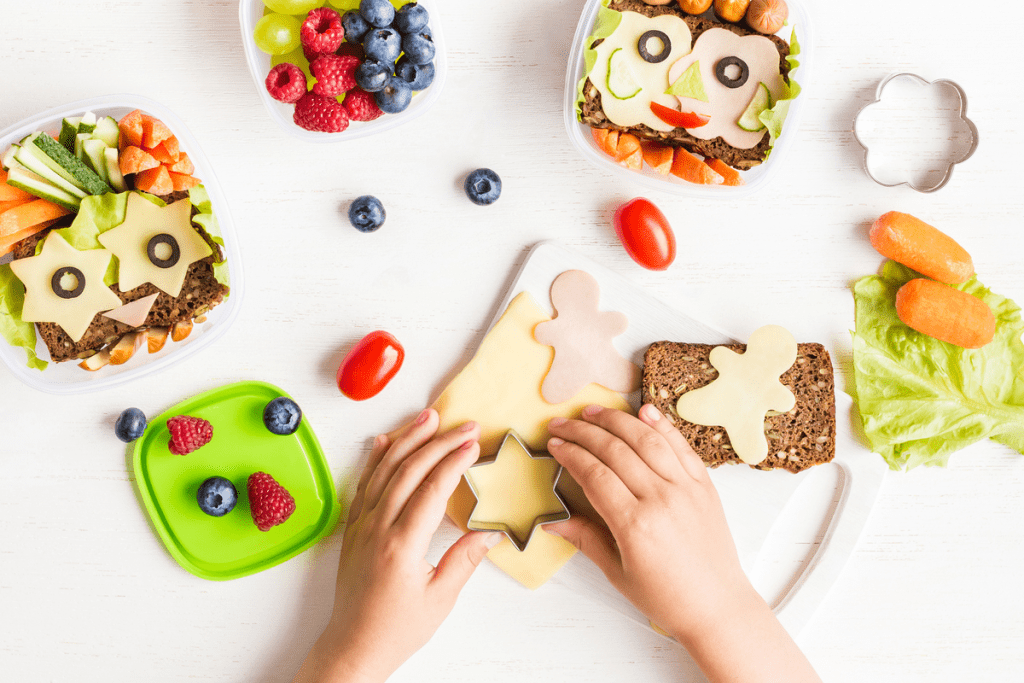
How you present veggies matters. Turning them into fun shapes or making a colorful platter can help. For example, using a cookie cutter or arranging veggies in a pattern can make snack time fun.
Try making a “veggie face” on the plate with sliced carrots, cucumbers, and cherry tomatoes. It makes mealtime fun and interactive for kids.
Kale Chips and Other Vegetable Crisps
Kale chips are a hit for a reason. They’re crispy, tasty, and full of nutrients. Making kale chips at home is easy: just toss kale with olive oil and seasonings, then bake until crispy.
Other veggies like sweet potatoes and beets can also be crispy snacks. Slice them thin, toss with olive oil and seasonings, and bake until crispy. They’re a tasty, healthy alternative to regular potato chips.
Vegetable-Based Dips and Spreads
Dips and spreads are a great way to enjoy veggies. Hummus, made from chickpeas, is a classic choice. It’s tasty, full of protein and fiber. Serve it with veggie sticks like carrots, cucumbers, and bell peppers for a satisfying snack.
Other options include spinach and artichoke dip or roasted red pepper spread. Make them healthier by using low-fat ingredients. Serve them with veggie sticks or whole grain crackers.
Special Dietary Considerations
Snacking for kids with special diets needs extra care. Every child is different, with unique dietary needs. We’ll look at some options for these kids.
Grain-Free Options for Sensitive Tummies
For kids with sensitive tummies, grain-free snacks are a good choice. Look for snacks like almond flour crackers or fruit-based snacks. The Mayo Clinic says trying different foods can lower allergy risks.
Here are some grain-free snack ideas:
- Fresh fruit and cut veggies with hummus
- Grain-free crackers with almond butter or cashew butter
- Homemade trail mix with nuts, seeds, and dried fruit
Allergen-Free Snack Alternatives
For kids with severe food allergies, finding safe snacks is key. Choose snacks made in facilities free from common allergens. Here are some safe snack options:
- Snacks from sunflower seeds or pumpkin seeds
- Fresh fruit and cut veggies with safe dips
- Allergen-free granola or energy bars
Managing Snacks for Picky Eaters
It’s tough to manage snacks for picky eaters with special diets. Involve your child in making snacks to encourage trying new foods. Make snacks fun by shaping them or using dips. For more tips, check out the Mayo Clinic website.
By understanding your child’s dietary needs, you can help them develop good snacking habits for life.
Conclusion: Creating Healthy Snacking Habits for Life
Choosing the right snacks for kids helps them develop good eating habits. These habits start early and can last forever. Healthy snacks are key to their health and happiness.
By picking snacks rich in nutrients and avoiding unhealthy ones, we guide kids to eat well. We can make their snacks better by adding whole foods, fruits, and veggies to their diet.
As caregivers, we shape our kids’ eating habits. We can teach them to love nutritious food. Making smart choices about snacks helps our kids grow up healthy and happy.
FAQ’s:
What are some healthy snack options for kids?
Fresh fruits and vegetables are great choices. Whole grain crackers, plain yogurt, and cheese are also good. Don’t forget about nut butters. For sweet treats, try fruit popsicles and homemade fruit leathers.
How can I make vegetable snacks appealing to my kids?
Get creative with veggies. Serve them with hummus or make kale chips. You can also make dips like guacamole or spinach dip.
What are some good dairy and protein-rich snack options for kids?
Plain yogurt with toppings is a good choice. Cheese-based snacks and nut butters are also great. Choose low-sugar and low-sodium options.
How can I ensure my child is getting enough fiber in their snacks?
Choose whole grain snacks like crackers and oat-based snacks. Popcorn is also a good option. Fruits and veggies are naturally high in fiber.
What are some healthy snack options for kids with special dietary needs?
For gluten intolerance, try fruit and veggie sticks with hummus. For allergies, sunflower seed butter or coconut-based snacks are good alternatives.
How can I limit unhealthy snack options for my kids?
Set nutritional guidelines for snacks. Focus on whole foods and nutrient-dense options. Avoid snacks high in added sugars, salt, and unhealthy fats.
What are some healthy sweet snack options for kids?
Fresh fruit, fruit popsicles, and homemade fruit leathers are great. Healthy sweet treats include dried fruit and fruit-based snacks.
How can I make snack time fun for my kids?
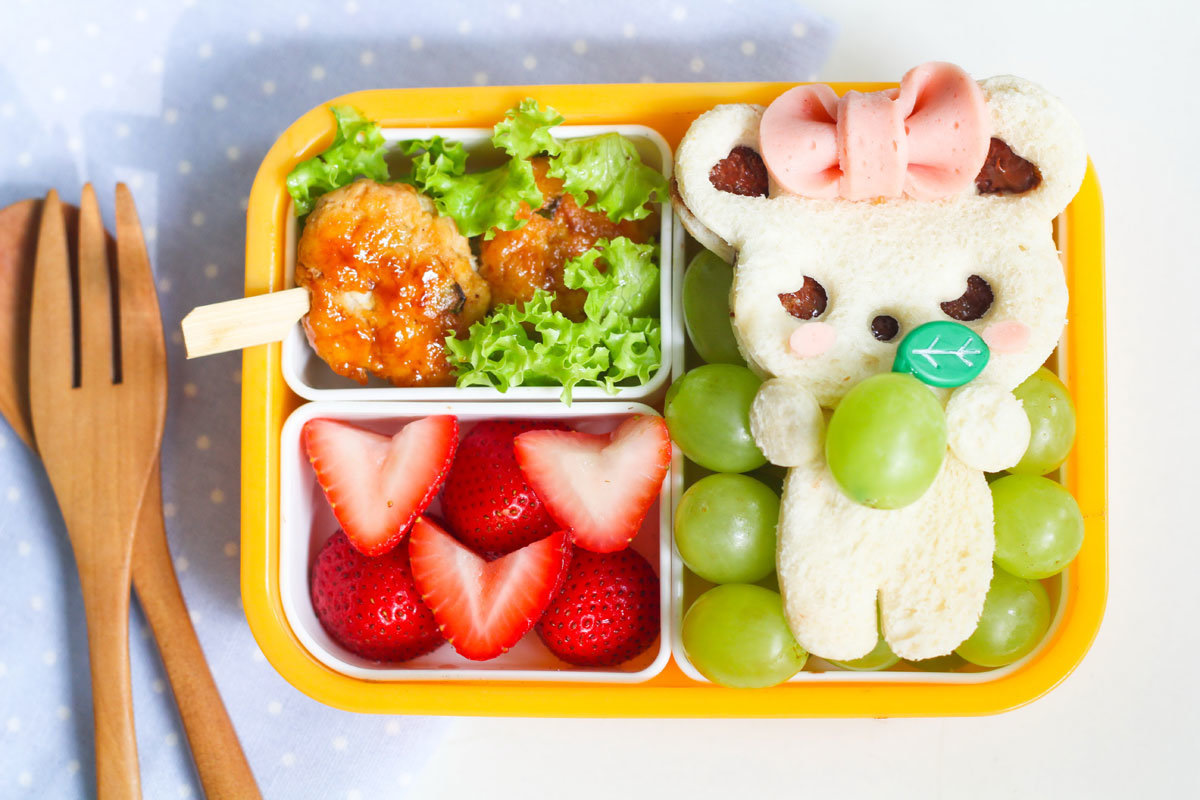
Make snack time interactive. Let them help with preparation, like making trail mix or fruit kebabs. Present snacks in creative ways, like making a fruit face.
REFERENCES:
O’Kane, N., et al. (2023). The patterns and position of snacking in children aged 2“12 years: Contribution to nutrient intakes and diet quality. Appetite, 181, 106324. https://www.sciencedirect.com/science/article/pii/S0195666323024364
Harris, J. L., et al. (2023). Healthy snacks and drinks for toddlers: A qualitative study of caregiver perceptions and behaviours. Nutrients, 15(3), 620. https://pmc.ncbi.nlm.nih.gov/articles/PMC9966055/
Canadian Diabetes and Health Foundation. (2025, July 20). Healthy school snacks for kids: Recommendations from a dietitian. https://cdhf.ca/en/healthy-school-snacks-for-kids-recommendations-from-a-dietitian/