Last Updated on December 1, 2025 by Bilal Hasdemir
totipotent stem cells
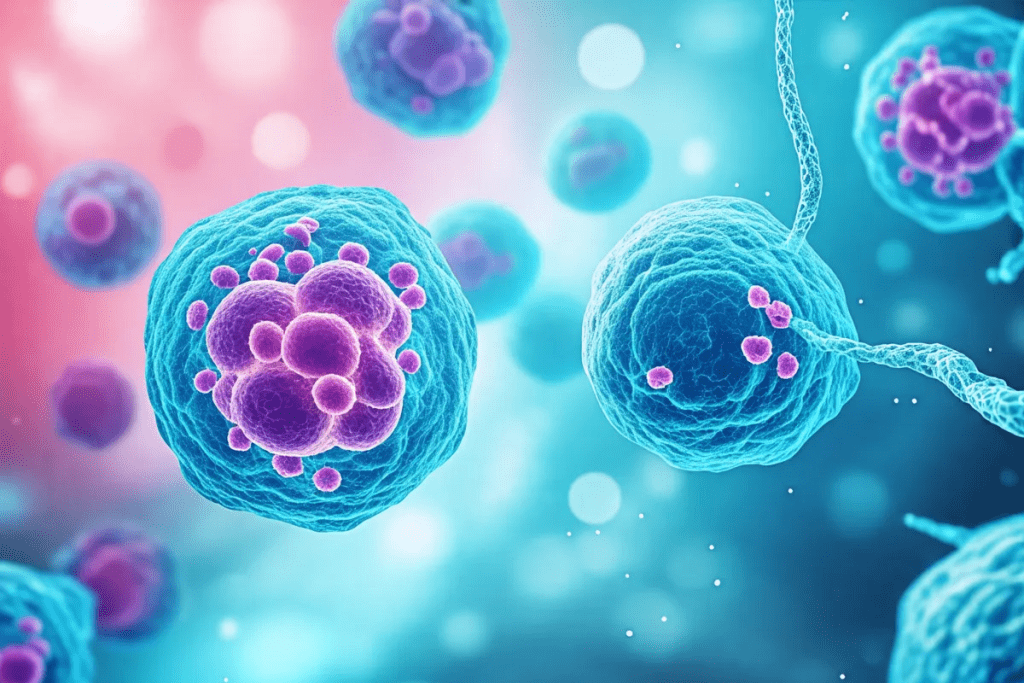
Totipotent stem cells can turn into any cell in the human body. This includes cells that make up the placenta and other tissues. They are key for early development.
The term totipotency means a single cell can grow into all cell types in an organism. Totipotent cells represent the highest level of cellular potential and are essential for embryo formation.
Learning about totipotent stem cells helps us understand human development. It also shows the promise of regenerative medicine.
Key Takeaways
- Totipotent stem cells can differentiate into any cell type in the body.
- Totipotency is vital for early developmental stages.
- The potency of stem cells shows how well they can form different cell types.
- Totipotent cells are essential for making the embryo and supporting tissues.
- Studying totipotent stem cells has big implications for regenerative medicine.
Understanding Stem Cell Potency
Stem cell potency is key to their role in growth and healing. It shows how well stem cells can change into different cell types. This is vital for their work in growth, fixing tissues, and in new treatments.
The Hierarchy of Cellular Differentiation
The hierarchy of stem cell differentiation is a basic idea in stem cell science. It shows the range of cell types stem cells can become. At the top are totipotent stem cells. These can turn into every cell in the body, including those in the embryo and placenta.
The hierarchy goes like this:
- Totipotent cells, which can form a complete organism.
- Pluripotent cells, which can become every body cell but not placenta cells.
- Multipotent cells, which can turn into several cell types but only in certain tissues.
- Unipotent cells, which can only become one cell type.
Why Potency Matters in Development and Medicine
Stem cell potency is very important in growth and medicine. In growth, it decides how complex and complete an organism can be. In medicine, it’s key for making new treatments, like fixing damaged tissues or organs.
Stem cell potency is important in medicine for several reasons:
- Regenerative Medicine: Using stem cells with the right potency is essential for fixing or replacing damaged tissues.
- Developmental Biology: Knowing how potency works in growth can help us understand normal and abnormal development.
- Therapeutic Applications: The potency of stem cells is what makes them good for certain treatments, making it a big deal in stem cell therapy.
In summary, stem cell potency is at the heart of understanding their abilities and uses. By knowing the hierarchy of differentiation and its importance in growth and medicine, scientists can unlock the full power of stem cells.
What Are Totipotent Stem Cells?
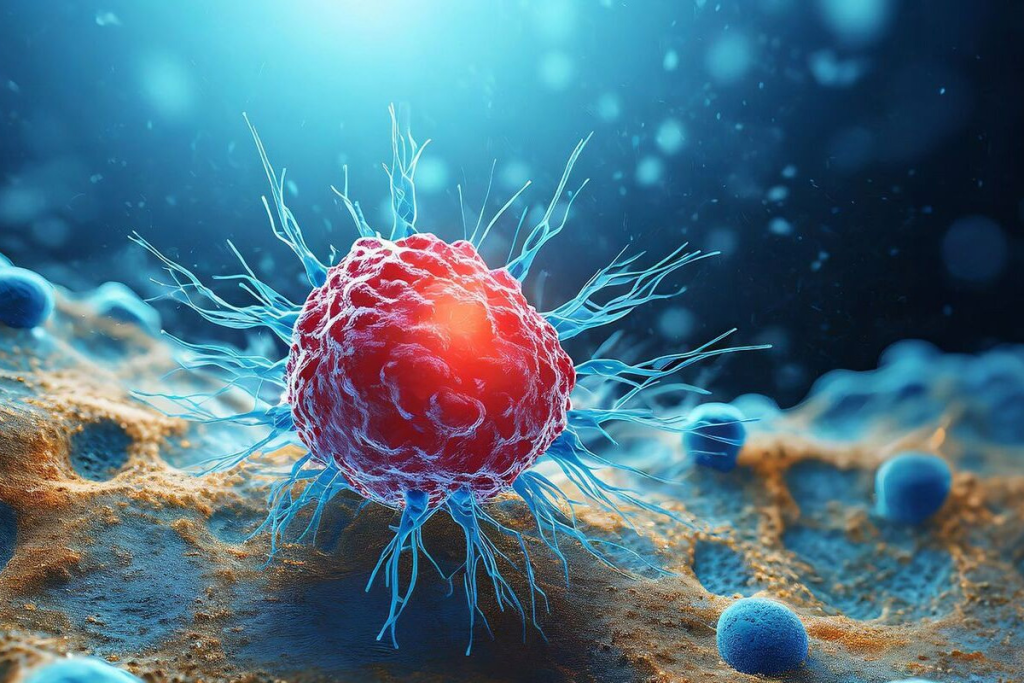
Totipotent stem cells can turn into any cell type. This makes them very important in the early stages of life.
Definition and Biological Meaning
Totipotency means a single cell can grow into all cell types in an organism. This includes cells in the embryo and extra-embryonic tissues like the placenta. Totipotent stem cells are the first cells in development, found right after fertilization but before the blastocyst forms.
These cells are special because they can create a complete organism. Unlike other stem cells, like pluripotent ones, they can also form extra-embryonic tissues.
Developmental Significance
The role of totipotent stem cells is huge. They mark the beginning of an organism’s life, where one cell can become a whole being. Learning about totipotency helps us understand early development. It also has big implications for reproductive medicine and regenerative therapies.
| Cell Type | Developmental Potentia | Examples |
| Totipotent | Can form all cell types, including extra-embryonic tissues | Zygote, early blastomeres |
| Pluripotent | Can form all cell types within the embryo | Cells within the inner cell mass of the blastocyst |
| Multipotent | Can form multiple cell types within a specific lineage | Hematopoietic stem cells, neural stem cells |
Research on totipotent stem cells is ongoing. It could help us understand developmental disorders and improve reproductive technologies.
Historical Discovery and Research Milestones
Our understanding of totipotency has grown a lot over time. This growth came from important experiments and discoveries. Many scientists have worked together to learn about totipotent stem cells.
Early Observations of Totipotency
The idea of totipotency started with early studies of embryos. Scientists found that the first cells after fertilization could become any cell type. These early observations helped us see the power of totipotent stem cells.
- The ability of a single fertilized egg to develop into a complete organism.
- Experiments showing that early blastomeres could give rise to entire embryos.
Pivotal Experiments and Breakthroughs
Many pivotal experiments have helped us understand totipotency better. These studies showed what totipotent stem cells can do. They also led to new areas of study in biology and medicine.
- Studies on the developmental ability of isolated blastomeres.
- Experiments involving the reprogramming of somatic cells to a totipotent state.
Evolution of Scientific Understanding
As research went on, we learned more about totipotency. We found that totipotent stem cells are not just a short phase in early development. They have big possibilities for medicine and biology.
The evolution of scientific understanding in this area has shown us more about how totipotency works. We’ve learned about important genes and how they control totipotency.
- Advances in understanding the molecular basis of totipotency.
- Implications of totipotency for regenerative medicine and reproductive technologies.
The Unique Properties of Totipotent Stem Cells
Totipotent stem cells can grow into any cell type in an organism. They have the power to self-renew, making them key in developmental biology and regenerative medicine.
Complete Developmental Potentia
These cells can turn into every cell type in the body. This includes both embryonic and extraembryonic tissues. Unlike other stem cells, they can form most but not all cell types.
Key aspects of their developmental potentia include:
- Ability to form a complete organism
- Capacity to differentiate into all three germ layers (ectoderm, endoderm, mesoderm)
- Potential to develop into extraembryonic tissues like the placenta
Self-Renewal Capacity
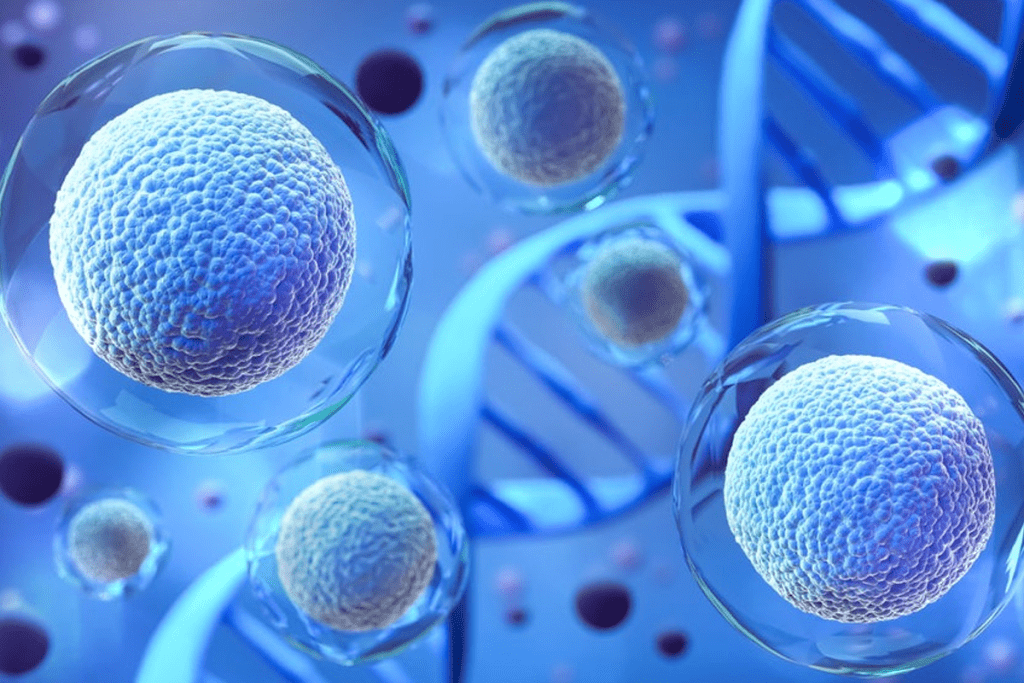
Totipotent stem cells can grow and multiply without becoming specialized cells. This is key for keeping their numbers up during early development.
The self-renewal process is tightly regulated by various molecular mechanisms. This ensures these cells keep growing as needed.
Distinguishing Cellular Markers
Specific markers help tell totipotent stem cells apart from other stem cells. These markers are vital for finding and isolating totipotent cells.
| Marker | Description | Significance |
| Oct4 | Transcription factor essential for maintaining pluripotency | High expression in totipotent and pluripotent cells |
| Nanog | Transcription factor involved in self-renewal | Associated with totipotent and pluripotent states |
| Cdx2 | Transcription factor important for trophoblast development | Expressed in totipotent cells and trophectoderm |
Understanding these unique properties is vital for advancing research in stem cell biology. It also opens up new possibilities for therapy.
Natural Sources of Totipotent Stem Cells
The earliest sources of totipotent stem cells are zygotes and early blastomeres. These cells are key in the early stages of a developing embryo. They help form a complete organism.
Zygotes and Fertilized Eggs
A zygote is formed when a sperm meets an egg. It’s the first cell of a new life. This single cell is totipotent, able to grow into a full organism. The zygote stage is vital because it holds the genetic material needed for growth.
Early Blastomeres (2-8 Cell Stage)
When the zygote divides, it becomes blastomeres. In the 2-8 cell stage, these cells are also totipotent. Each cell can grow into a complete embryo under the right conditions. This makes them important for research and medical uses.
The ability of these early cells to develop fully is unique. Learning about them can help us understand how life grows and how to fix damaged tissues.
Molecular Mechanisms Regulating Totipotency
Molecular Mechanisms Regulating Totipotency
The totipotent state is controlled by many molecular interactions. These interactions involve complex cellular processes. They help cells stay totipotent and support early development.
Key Transcription Factors
Transcription factors are key in regulating gene expression in totipotent cells. Oct4 and Sox2 are important. They help keep cells totipotent by controlling early development genes.
Their expression is tightly controlled. Any disruption can cause a loss of totipotency. Studies show Oct4 is vital for keeping cells pluripotent. Its decrease leads to differentiation.
Epigenetic Control Systems
Epigenetic modifications, like DNA methylation and histone changes, are vital for totipotency. They regulate gene expression without changing DNA. This helps keep cells totipotent.
| Epigenetic Modification | Role in Totipotency | Mechanism |
| DNA Methylation | Regulates gene expression | Methylation of CpG islands |
| Histone Modification | Maintains chromatin structure | Acetylation and methylation of histones |
Signaling Pathways Maintaining Totipotency
Signaling pathways, like the Wnt/β-catenin pathway, are key for totipotency. They regulate early development genes. This ensures cells stay totipotent.
The interaction between these mechanisms is complex and tightly regulated. Understanding how they work together is key. It helps us advance in developmental biology and regenerative medicine.
Totipotent vs. Pluripotent: Understanding the Differences
The difference between totipotent and pluripotent stem cells is key to understanding their roles. Both can turn into different cell types. But, their abilities to do so vary a lot.
Developmental Potentials
Totipotent stem cells can form any tissue, including the placenta. This lets them create a whole organism. On the other hand, pluripotent stem cells can turn into almost any body cell but can’t make the placenta.
Totipotency is seen in the very start of an embryo’s life. Pluripotency is found in cells of the blastocyst’s inner cell mass.
Functional and Molecular Distinctions
Totipotent and pluripotent stem cells differ in what genes they use. Totipotent cells have special genes and marks that let them grow into more types of cells. This makes them different from pluripotent cells.
Practical Implications of These Differences
The differences between these stem cells matter a lot for research and treatments. Knowing these differences helps us make better stem cell therapies. It also helps us learn more about how humans develop early on.
Studying totipotent stem cells can teach us about the start of life. This knowledge can help us use stem cells better in medicine. It could make treatments more effective.
The Complete Stem Cell Potency Spectrum
stem cell potency spectrum
The stem cell potency spectrum shows how cells can change from totipotent to unipotent. This range shows the different levels of cell development and specialization.
From Totipotent to Unipotent Cells
Cells move from totipotent to unipotent as they specialize. Totipotent cells can become any cell in the body, including those in the embryo and placenta. As cells get more specialized, their ability to develop changes.
“Totipotency is the highest level of cell ability, where one cell can become a whole organism,” say developmental biologists. This ability fades as cells differentiate.
Pluripotent, Multipotent, and Oligopotent Stages
There are stages between totipotency and unipotency. Pluripotent cells can become any body cell, except placenta cells. Multipotent cells can become several cell types but only in one lineage. Oligopotent cells can only become a few related cell types.
Hematopoietic stem cells are an example of multipotent cells. They can turn into different blood cells, like red and white blood cells, and platelets.
Cellular Differentiation Pathways
Cellular differentiation makes cells more specialized. This process is controlled by genes and the environment. As cells specialize, they move through different stages of potency, creating the variety of cells in our bodies.
Understanding how cells differentiate is key for using stem cells in medicine. This knowledge helps in making stem cells into specific cell types for healing.
Key factors influencing cellular differentiation include:
- Transcription factors that regulate gene expression
- Epigenetic modifications that affect chromatin structure and accessibility
- Signaling pathways that respond to environmental cues
By changing these factors, scientists can guide stem cells to become specific cell types.
Research and Clinical Applications of Totipotent Stem Cells
Research on totipotent stem cells is changing how we see developmental biology and its uses. These cells can turn into any cell in the body. This makes them very useful for medical and research purposes.
Developmental Biology Insights
Studying totipotent stem cells gives us a lot of insight into developmental biology. By seeing how these cells grow and change, scientists learn more about human development. They also find out what affects it.
Key areas of research include:
- Understanding the earliest stages of human development
- Identifying factors that influence cellular differentiation
- Exploring the role of epigenetics in development
Reproductive Technology Advancements
Totipotent stem cells are also key in improving reproductive technology. Their ability to become any cell type helps make in vitro fertilization (IVF) better. It also helps us understand early embryonic growth.
Advancements in this area include:
- Improved IVF success rates
- Better understanding of early embryonic development
- Potential for new reproductive therapies
Regenerative Medicine
The possibilities for totipotent stem cells in regenerative medicine are huge. They can turn into any cell type. This makes them perfect for fixing or replacing damaged tissues.
| Application | Description | Potential Benefits |
| Tissue Repair | Using totipotent stem cells to repair damaged tissues | Improved healing, reduced scarring |
| Organ Regeneration | Generating organs for transplantation | Increased availability of organs, reduced rejection rates |
| Cell Therapy | Using totipotent stem cells to produce therapeutic cells | Targeted treatment for various diseases |
In conclusion, totipotent stem cells are very promising. They help us understand developmental biology better. They also improve reproductive technologies and regenerative medicine. As we learn more about these cells, we will see big improvements in these fields.
Ethical and Regulatory Considerations
totipotent stem cells ethics
Using totipotent stem cells in research and medicine brings up big ethical and regulatory questions. As we explore their possibilities, we must think about the moral, legal, and social impacts of their use.
Moral Status of Early Embryos
One big ethical worry is the moral status of early embryos used to get totipotent stem cells. The question is whether these early embryos should be seen as having the same moral value as fully grown humans. This debate is at the core of many discussions on stem cell research.
Global Regulatory Frameworks
Rules for using totipotent stem cells differ around the world, showing different views on ethics and law. Some places have strict rules on using human embryos in research, while others are more open. It’s key for researchers and institutions to understand these rules.
Balancing Scientific Progress with Ethical Concerns
It’s tough to balance scientific progress with ethical worries. Scientists, ethicists, policymakers, and the public need to keep talking. Through these talks, we can find a way to support responsible totipotent stem cell research while tackling ethical issues.
Key considerations include:
- Ensuring transparency in research practices
- Setting clear rules for using totipotent stem cells
- Working together internationally on standards
As we go forward, it’s clear that using totipotent stem cells wisely means carefully thinking about ethics and rules.
Conclusion: Future Horizons for Totipotent Stem Cell Research
Research on totipotent stem cells is moving forward fast. This field is full of promise for the future. Studies are helping us learn more about totipotency and its role in science and medicine.
Understanding the difference between totipotency and pluripotency is key. This knowledge is important for reproductive technology and regenerative medicine. It will help unlock the full power of stem cell therapies.
The future of totipotent stem cell research is bright and full of possibilities. We need to keep studying their unique traits and how they work. This will help us use them to treat diseases.
Our understanding of totipotent stem cells will grow, along with the ethics of using them. As this field grows, it will change how we see human development and disease treatment.
FAQ
What are totipotent stem cells?
Totipotent stem cells can turn into any cell in the body. This includes the cells of the embryo and the placenta. They also form other important tissues.
What is the difference between totipotent and pluripotent stem cells?
Totipotent stem cells can create a whole organism. Pluripotent stem cells can make every type of body cell, except for placenta and supporting cells.
What is the significance of totipotency in development?
Totipotency is key in early development. It lets the fertilized egg create all the cells needed for the embryo and its support.
Where are totipotent stem cells found?
You can find totipotent stem cells in the zygote, fertilized eggs, and early blastomeres. These are cells from the first few divisions of the fertilized egg.
What regulates totipotency?
Many factors control totipotency. These include key genes, epigenetic systems, and signaling pathways. They help keep the stem cells in their totipotent state and support early growth.
Can totipotent stem cells be used in regenerative medicine?
Totipotent stem cells could be used in regenerative medicine. But, their use is mostly in research. Many scientific and ethical challenges must be solved before they can be used to help people.
What are the ethical considerations surrounding the use of totipotent stem cells?
Using totipotent stem cells raises big ethical questions. These include the moral status of early embryos and the risk of harm or exploitation.
How do totipotent stem cells differ from multipotent stem cells?
Totipotent stem cells can become more types of cells than multipotent stem cells. Multipotent stem cells can only become a few types of cells within a specific group.
References
- Zhong, C., Li, R., & Izpisua Belmonte, J. C. (2022). Towards capturing of totipotency. Cell Research, 32(8), 705‘706.
- “A Key to Totipotency. Nature Reviews Molecular Cell Biology, 18, 137 (2017).